
The article "Is Coffee in Danger of Disappearing?" from BBC's Science Focus explains how wild coffee plants are at high risk of extinction due to threats like climate change, pests, and deforestation. These wild plants are crucial for developing strong, disease-resistant coffee crops.
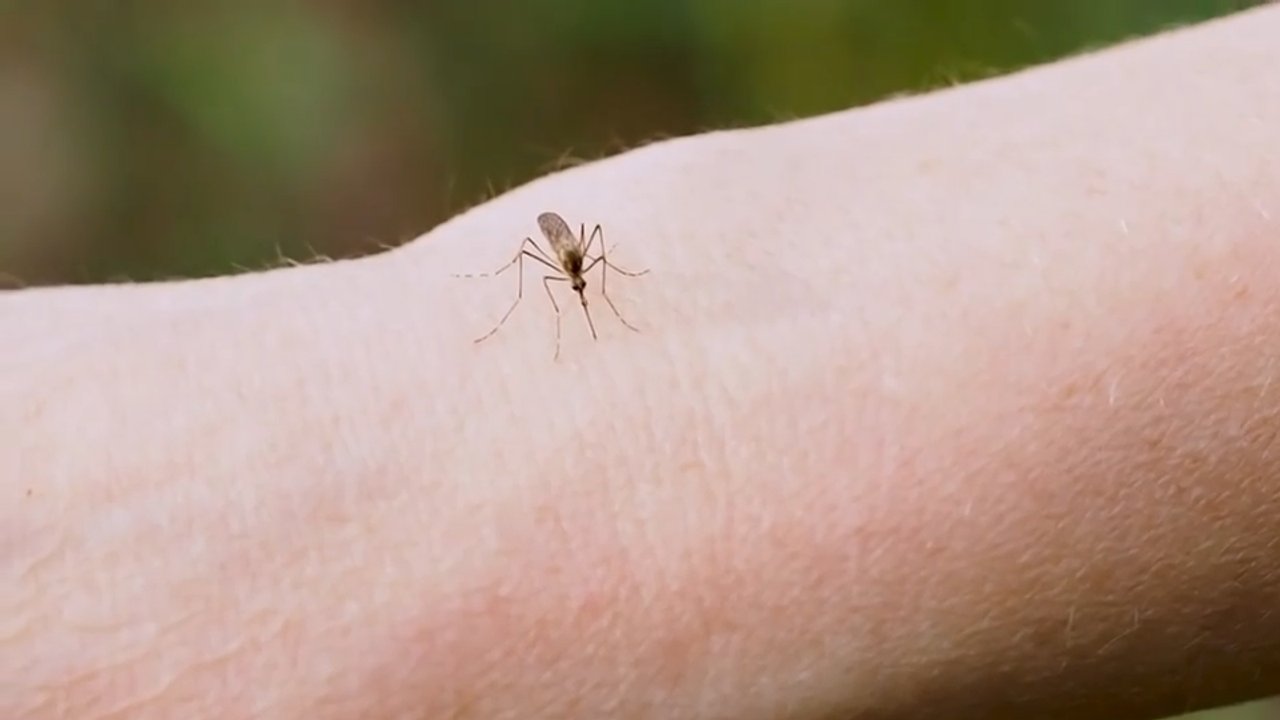
“Please, can we have more mosquitoes?” said nobody ever. Until now.
Maybe your method of mosquito control is to smack them as you see them, but what if we told you that the way to get rid of mosquitos might actually be… more mosquitoes? Hundreds of thousands of mosquitoes are being deliberately released around Washington, D.C. with the goal to reduce the mosquito population.
One crucial part is that the released insects are male mosquitoes, which actually do not bite people. Another important piece is that they’ve been infected with a bacterium called Wolbachia. When these male mosquitoes mate with females, the Wolbachia prevents the eggs from hatching.
This “fight fire with fire” method of mosquito control is new in the United States, but similar approaches have already been used elsewhere. Places like Singapore have reduced mosquito populations by roughly 80–90%.
The issue may become increasingly important as climate change allows mosquitoes to thrive in more temperate areas. That's not just annoying (and itchy), but it can also be dangerous. In fact, mosquitoes are the deadliest animal in the world because they’re notorious carriers of diseases.
The article "Is Coffee in Danger of Disappearing?" from BBC's Science Focus explains how wild coffee plants are at high risk of extinction due to threats like climate change, pests, and deforestation. These wild plants are crucial for developing strong, disease-resistant coffee crops.
“Please, can we have more mosquitoes?” said nobody ever. Until now.
Maybe your method of mosquito control is to smack them as you see them, but what if we told you that the way to get rid of mosquitos might actually be… more mosquitoes? Hundreds of thousands of mosquitoes are being deliberately released around Washington, D.C. with the goal to reduce the mosquito population.
One crucial part is that the released insects are male mosquitoes, which actually do not bite people. Another important piece is that they’ve been infected with a bacterium called Wolbachia. When these male mosquitoes mate with females, the Wolbachia prevents the eggs from hatching.
This “fight fire with fire” method of mosquito control is new in the United States, but similar approaches have already been used elsewhere. Places like Singapore have reduced mosquito populations by roughly 80–90%.
The issue may become increasingly important as climate change allows mosquitoes to thrive in more temperate areas. That's not just annoying (and itchy), but it can also be dangerous. In fact, mosquitoes are the deadliest animal in the world because they’re notorious carriers of diseases.