
All news isn’t created equal. Introduce your students to the different ways people get news. In this lesson, they’ll learn to distinguish more impartial news from news that lacks independence or accountability and to build their own “news neighborhoods.”

“Fake news” gets thrown around a lot, but what’s actually required of journalists in terms of accuracy? Introduce your students to the ways journalists are expected to verify information. In this lesson, they’ll learn how to distinguish facts from rumors or opinions
In Where Do You Find Your News?, host Radzi Chinyanganya highlights the importance of making sure your news comes from a trustworthy source. Some things to think about include noting whether or not the topic is the source’s area of expertise, whether they’ve shown a commitment to accuracy over a period of time, and whether or not they’ve been willing to admit when they’ve made a mistake. The news should be watched with a critical eye, letting facts shape our views instead of our views shaping the facts. This video is excerpted from BBC’s My World, a program created for teenagers eager to learn more about the important stories shaping our world.
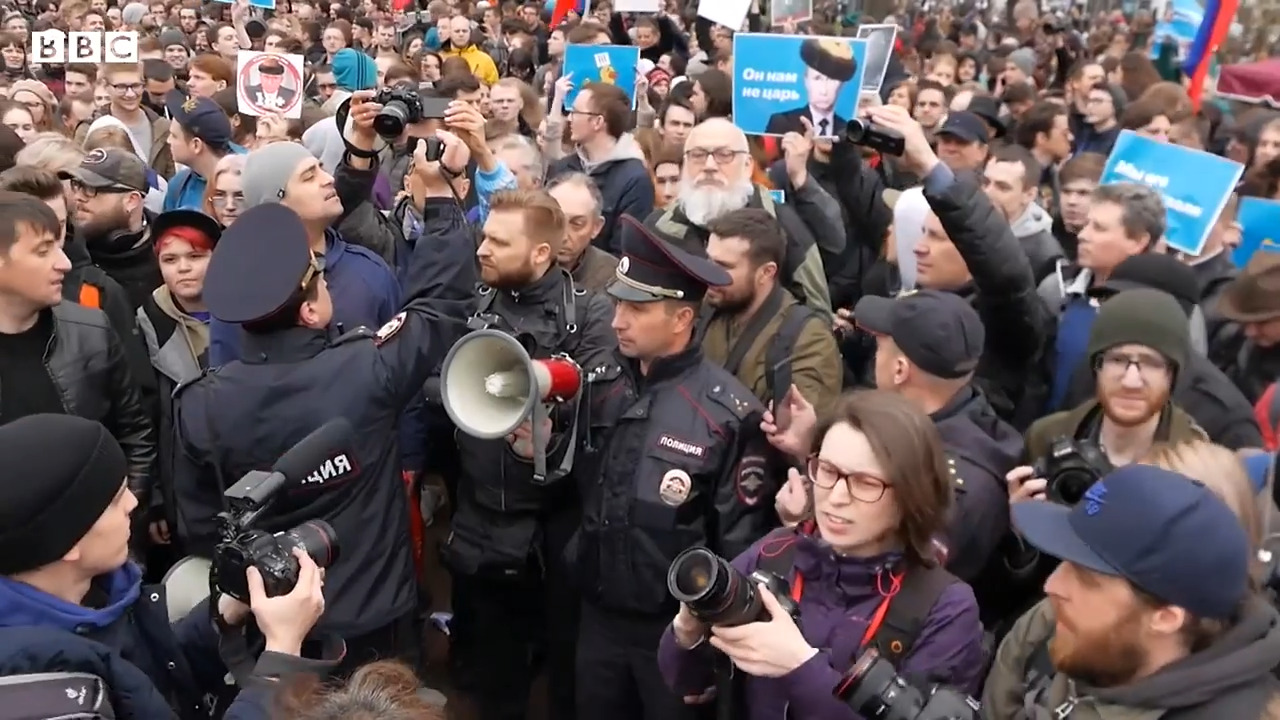
In Different Perspectives, host Radzi Chinyanganya explores how journalists avoid bias in the media by showing a range of opinions so that people can decide what they think for themselves. For example, in one report, a teenager named Nikita regularly protests his government in Moscow. He admits that not everyone shares his negative views on Vladimir Putin. A second report describes Putin in both the eyes of his supporters and opponents. His supporters see him as popular and charismatic, but his opponents think he leads by force and has taken away freedoms. This video is excerpted from BBC’s My World, a program created for teenagers eager to learn more about the important stories shaping our world.
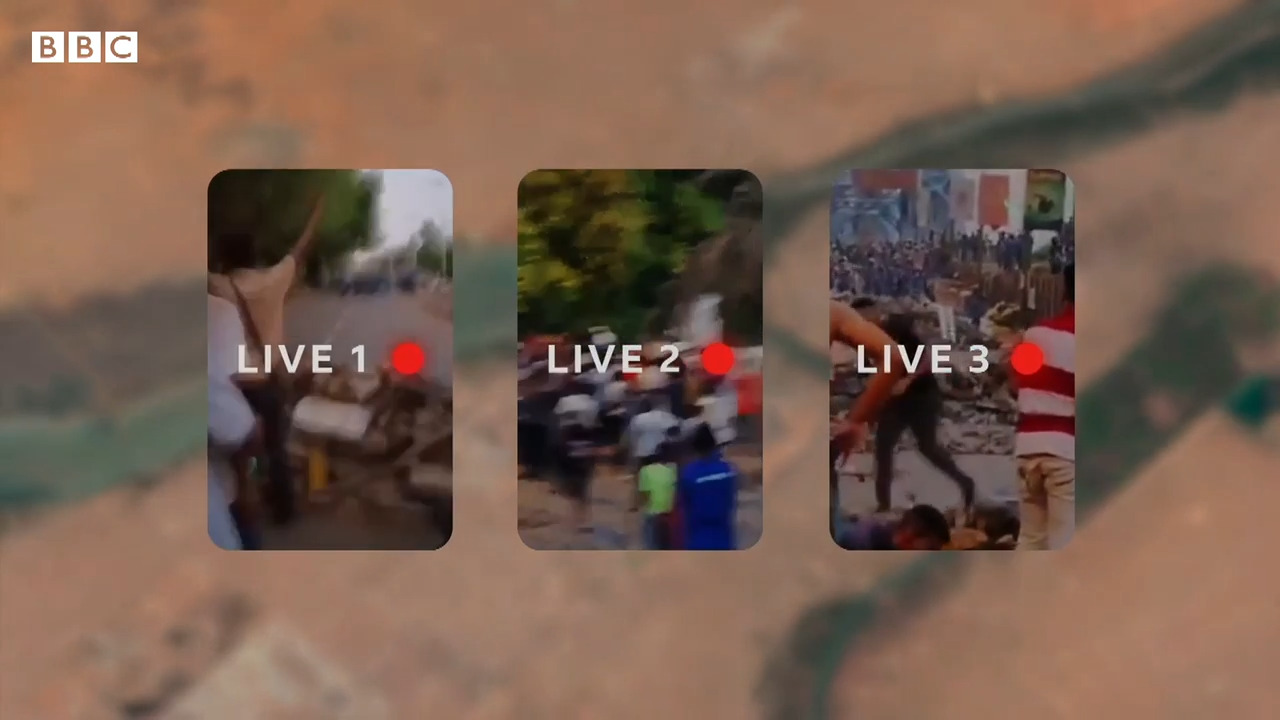
In Getting the News Right, host Radzi Chinyanganya explains how crucial it is that journalists separate facts from opinions and truth from fake news in this age of disinformation. In the case of a violent attack in Sudan in 2019 that killed over a hundred people, there were no journalists on the ground. Instead, BBC journalists gathered and analyzed over 300 phone videos from civilians and activists to verify accuracy. By verifying the facts, they were able to hold those responsible to account. This video is excerpted from BBC’s My World, a program created for teenagers eager to learn more about the important stories shaping our world.
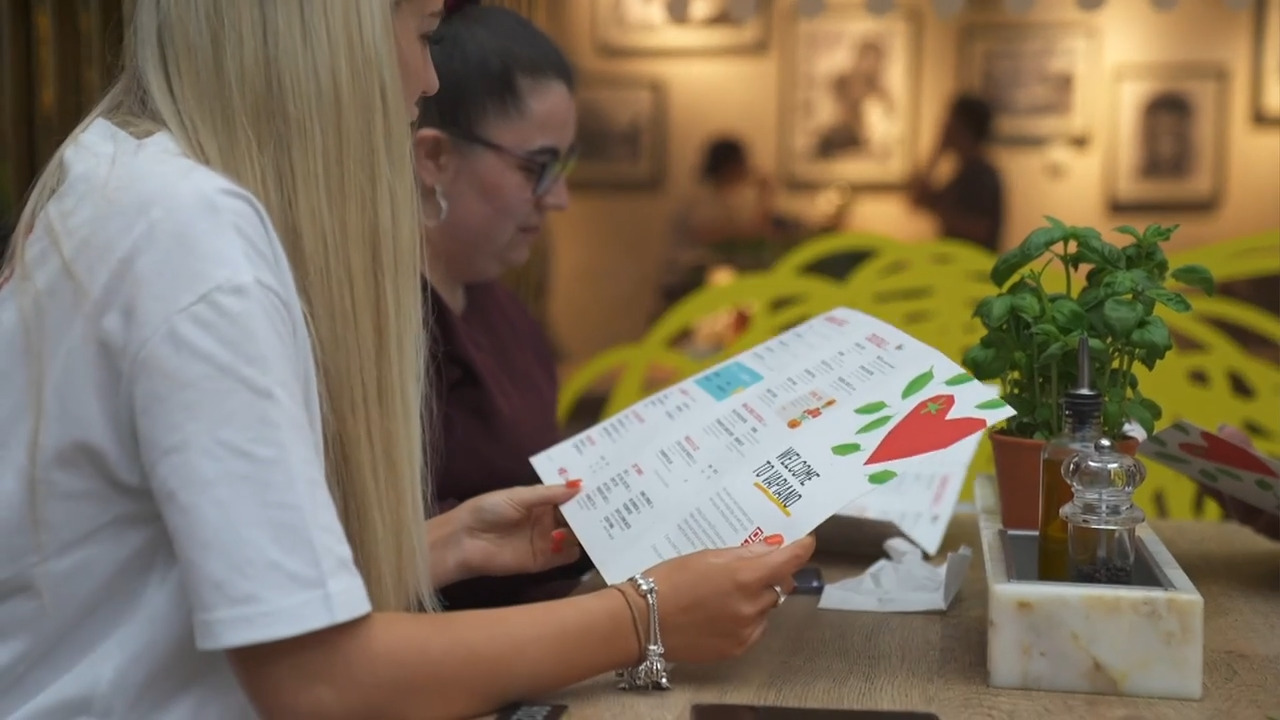
Since 2022, many big restaurant chains in the UK have started showing calorie counts right on their menus. It only takes a small amount of space, but it’s sparked a lot of opinions.
Some people think it’s really helpful. If you’re trying to understand what you’re eating or make choices that fit your goals, seeing the numbers can make things clearer. It can also help people eat out with friends without feeling like they’re totally guessing.
But others say it can have a downside. For some people, especially those who already feel stressed about food, seeing calorie numbers can make meals feel less enjoyable or even a bit stressful. Instead of focusing on taste, sharing, or just enjoying food, it can shift attention to the numbers.
Research suggests that calorie labels might slightly change what people order — by about 2% fewer calories on average per meal. That’s only a small difference per meal, but over time, small changes can add up.
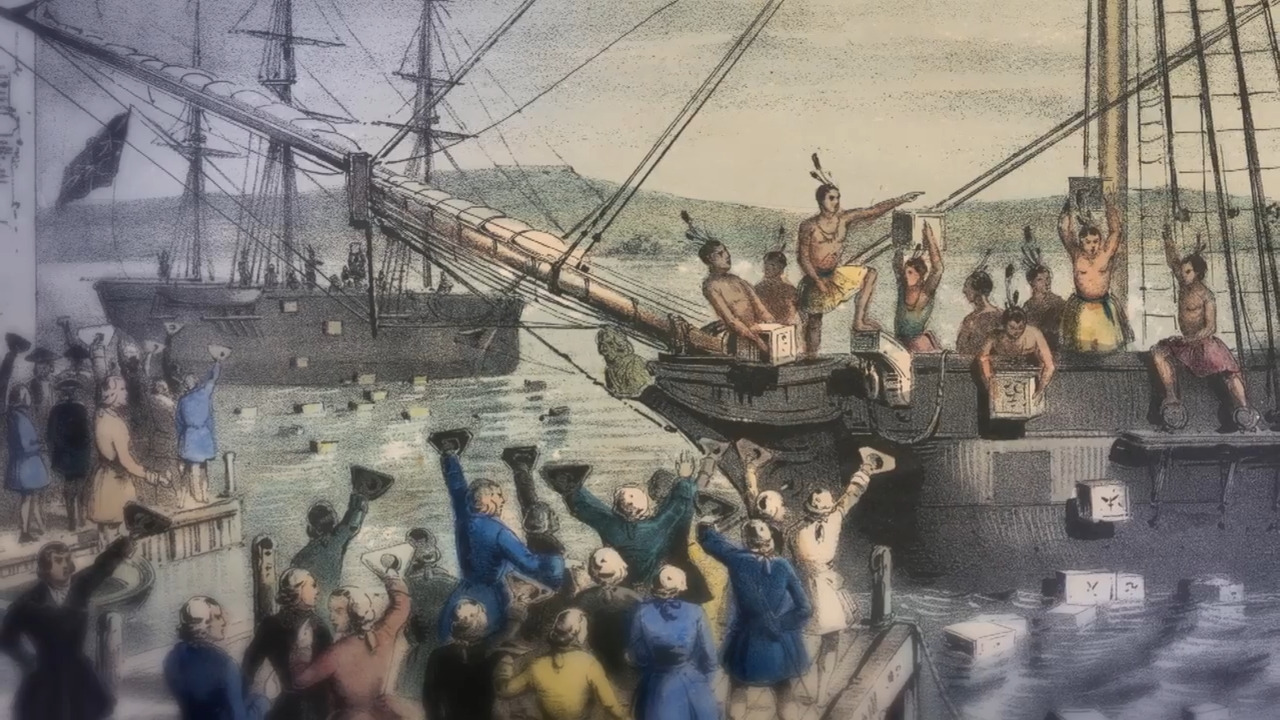
In Interpreting the Boston Tea Party, historian Lucy Worsley learns how opinions of the revolt in Boston have changed. At the time, it was thought of as an aggressive and illegal action. It became known as the Tea Party 50 years after the event. With each retelling, it takes on a new meaning. This video is excerpted from BBC's American History's Biggest Fibs with Lucy Worsley, in which Worsley reveals the myths and manipulations behind American history.
All news isn’t created equal. Introduce your students to the different ways people get news. In this lesson, they’ll learn to distinguish more impartial news from news that lacks independence or accountability and to build their own “news neighborhoods.”
“Fake news” gets thrown around a lot, but what’s actually required of journalists in terms of accuracy? Introduce your students to the ways journalists are expected to verify information. In this lesson, they’ll learn how to distinguish facts from rumors or opinions
In Where Do You Find Your News?, host Radzi Chinyanganya highlights the importance of making sure your news comes from a trustworthy source. Some things to think about include noting whether or not the topic is the source’s area of expertise, whether they’ve shown a commitment to accuracy over a period of time, and whether or not they’ve been willing to admit when they’ve made a mistake. The news should be watched with a critical eye, letting facts shape our views instead of our views shaping the facts. This video is excerpted from BBC’s My World, a program created for teenagers eager to learn more about the important stories shaping our world.
In Different Perspectives, host Radzi Chinyanganya explores how journalists avoid bias in the media by showing a range of opinions so that people can decide what they think for themselves. For example, in one report, a teenager named Nikita regularly protests his government in Moscow. He admits that not everyone shares his negative views on Vladimir Putin. A second report describes Putin in both the eyes of his supporters and opponents. His supporters see him as popular and charismatic, but his opponents think he leads by force and has taken away freedoms. This video is excerpted from BBC’s My World, a program created for teenagers eager to learn more about the important stories shaping our world.
In Getting the News Right, host Radzi Chinyanganya explains how crucial it is that journalists separate facts from opinions and truth from fake news in this age of disinformation. In the case of a violent attack in Sudan in 2019 that killed over a hundred people, there were no journalists on the ground. Instead, BBC journalists gathered and analyzed over 300 phone videos from civilians and activists to verify accuracy. By verifying the facts, they were able to hold those responsible to account. This video is excerpted from BBC’s My World, a program created for teenagers eager to learn more about the important stories shaping our world.
Since 2022, many big restaurant chains in the UK have started showing calorie counts right on their menus. It only takes a small amount of space, but it’s sparked a lot of opinions.
Some people think it’s really helpful. If you’re trying to understand what you’re eating or make choices that fit your goals, seeing the numbers can make things clearer. It can also help people eat out with friends without feeling like they’re totally guessing.
But others say it can have a downside. For some people, especially those who already feel stressed about food, seeing calorie numbers can make meals feel less enjoyable or even a bit stressful. Instead of focusing on taste, sharing, or just enjoying food, it can shift attention to the numbers.
Research suggests that calorie labels might slightly change what people order — by about 2% fewer calories on average per meal. That’s only a small difference per meal, but over time, small changes can add up.
In Interpreting the Boston Tea Party, historian Lucy Worsley learns how opinions of the revolt in Boston have changed. At the time, it was thought of as an aggressive and illegal action. It became known as the Tea Party 50 years after the event. With each retelling, it takes on a new meaning. This video is excerpted from BBC's American History's Biggest Fibs with Lucy Worsley, in which Worsley reveals the myths and manipulations behind American history.