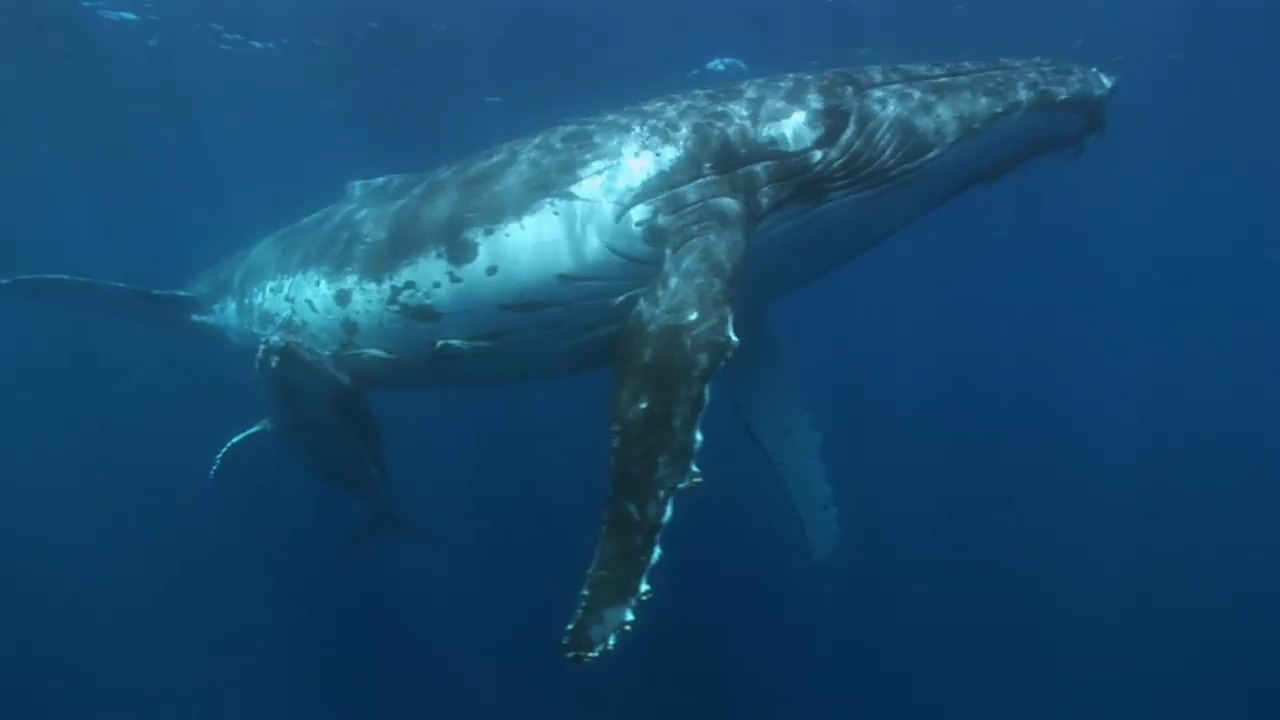
In A Humpback Whale Baby Leaves the Nursery, narrator Sir David Attenborough follows a mother and baby humpback whale as they embark on a dangerous journey. The young calf and starving mother leave the safety of the shallow seas in search of deeper water, where the mother can eat. Along the way, they communicate by slapping their tails and fins against the surface of the water. This video is excerpted from BBC's Planet Earth, a breathtaking documentary series that highlights the natural wonders of our planet.
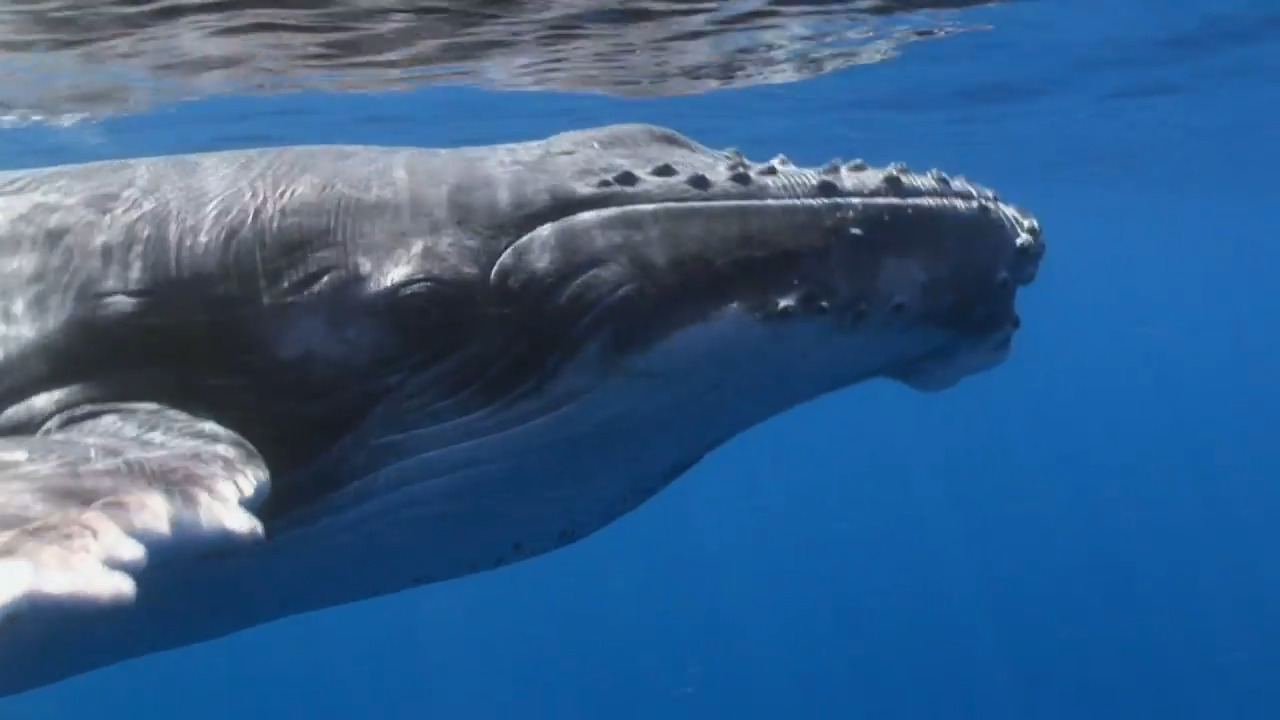
In Inside a Humpback Whale Nursery, narrator Sir David Attenborough discovers what a whale nursery is like. Explore the shallow seas where humpback whales sing to attract a mate, birth calves, and teach them to swim. This video is excerpted from BBC's Planet Earth, a breathtaking documentary series that highlights the natural wonders of our planet.

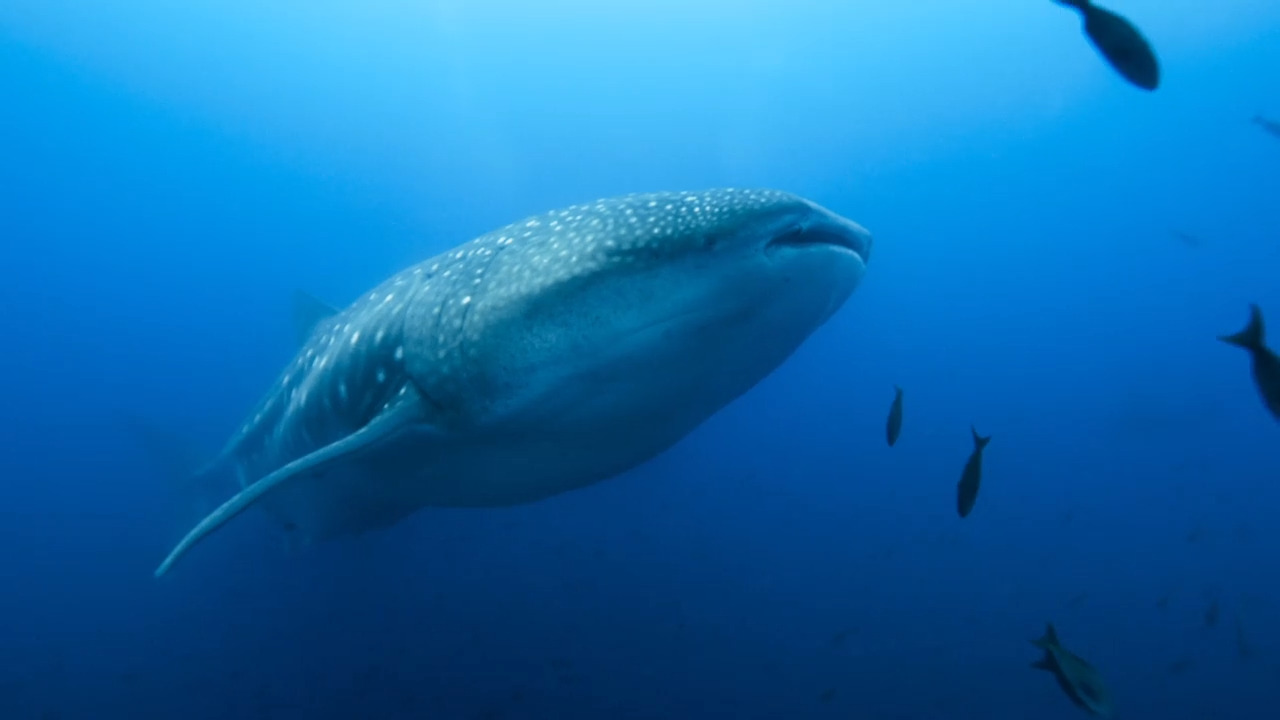
In Saving the Whale Shark, the World's Largest Fish, narrator Sir David Attenborough shares how one scientist is trying to learn exactly where whale shark nurseries are in order to protect them. This video is excerpted from BBC’s Blue Planet II, a natural history series that explores the world's oceans, the animals that live in them, and the threats they face, using modern filming techniques and equipment to capture previously unseen areas of the ocean.
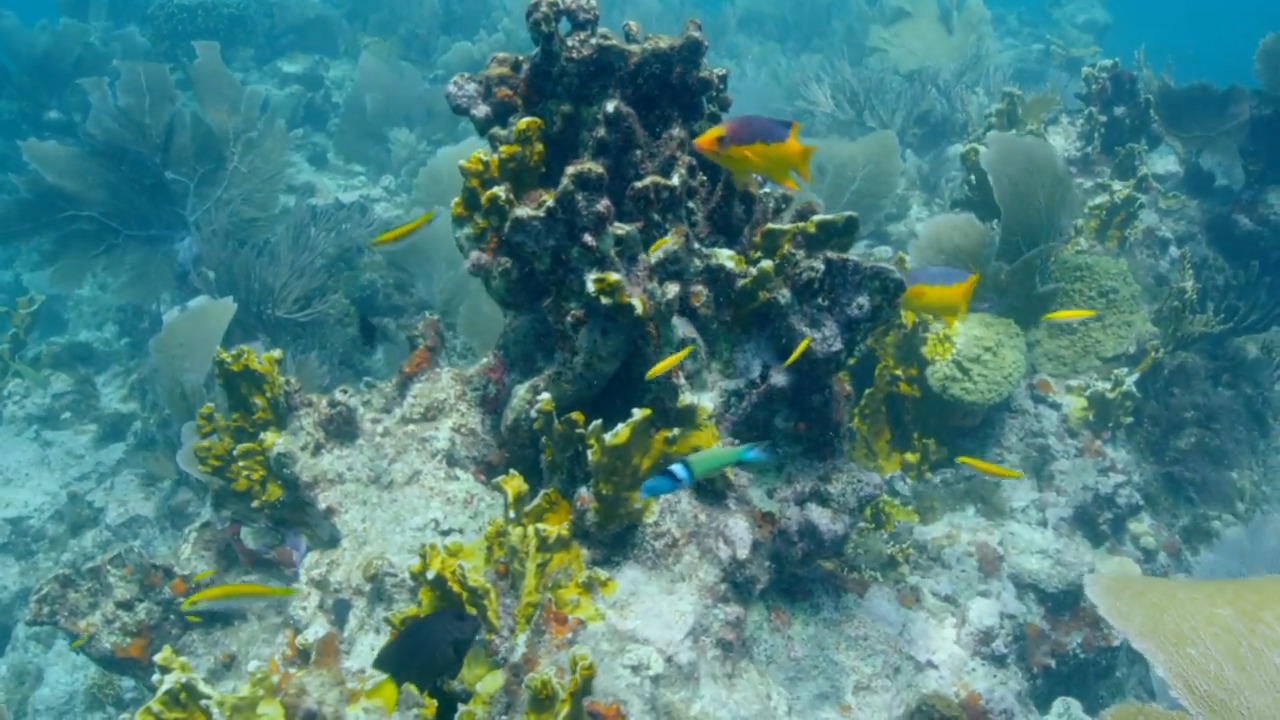
In Regenerating Florida's Coral Reef, biologists find new ways to regenerate Florida’s fragile coral reef. This video is excerpted from BBC's Natural World: Florida - America's Animal Paradise, a series displaying Florida’s diverse wildlife and its resilience against increasing environmental threats.
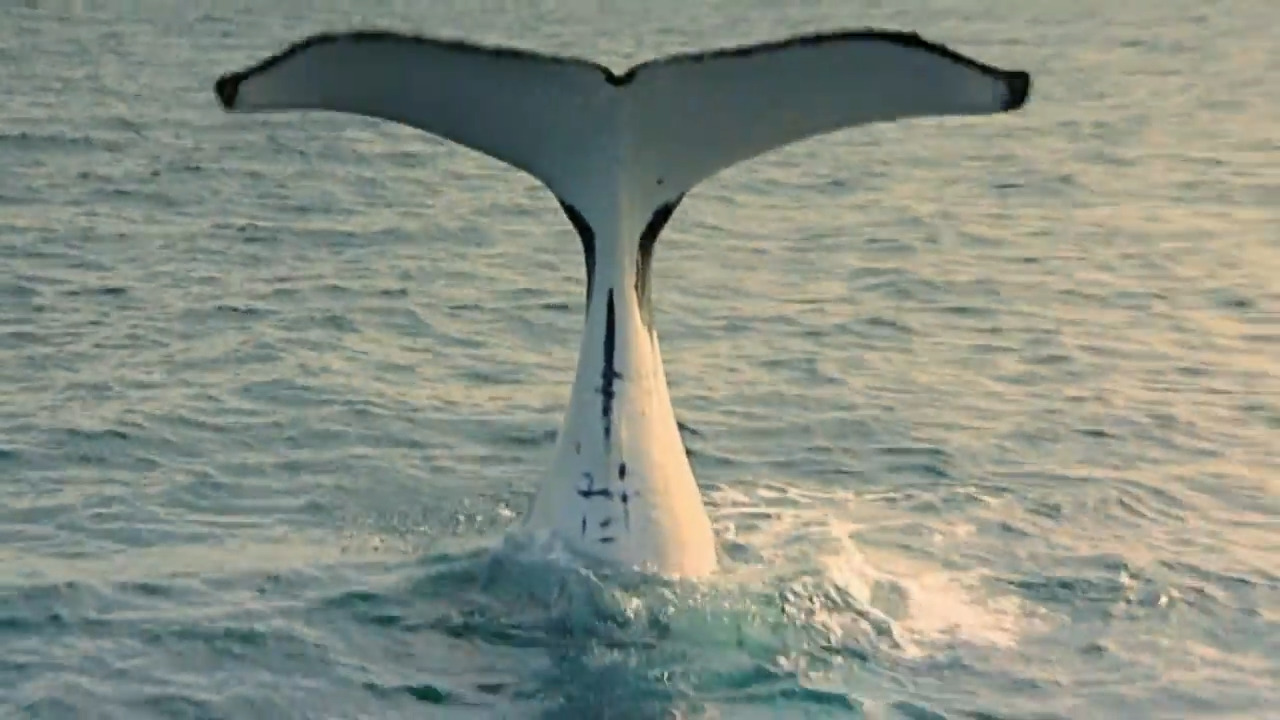
In Saving a Humpback Whale Sanctuary, host Simon Reeve reflects on a past trip to a humpback whale sanctuary in Australia. At the time, industrialization threatened their habitat. In keeping in touch with the marine biologists, he now discovers an encouraging development to the whales' story. This video is excerpted from BBC's Incredible Journeys With Simon Reeve, a series that highlights one journalist’s travels across the globe and the diverse cultures and peoples he meets along the way.
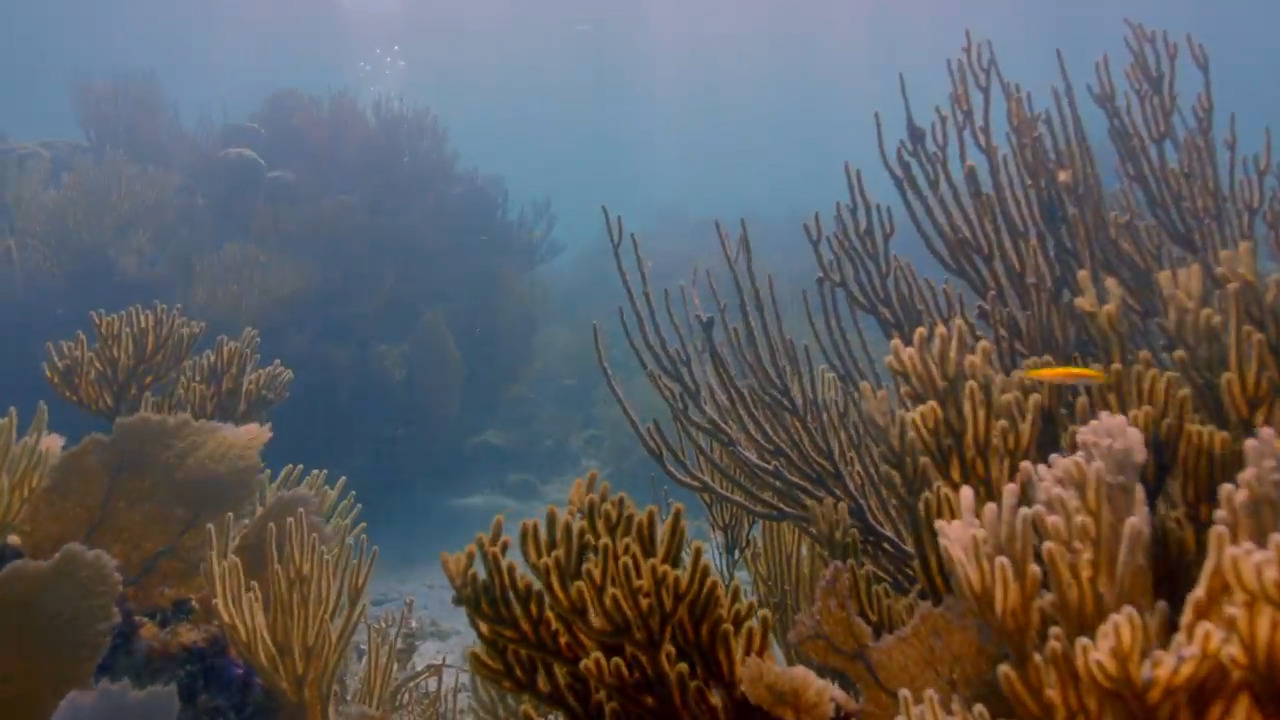
In How Belize’s Mangroves Keep Coral Thriving, host Simon Reeve ventures into Belize’s Bacalar Chico National Park to uncover the connection between mangroves and coral reefs. He dives into the Mesoamerican Reef, the second-largest in the world, which sustains over 500 species of fish and has recently been removed from the endangered list. Alongside workers, Simon explores how mangroves serve as vital fish nurseries, with their tangled roots protecting young fish until they’re ready to join the reef. This video is excerpted from BBC’s The Americas With Simon Reeve, in which Simon Reeve explores the landscapes, cultures, and wildlife of North and South America.
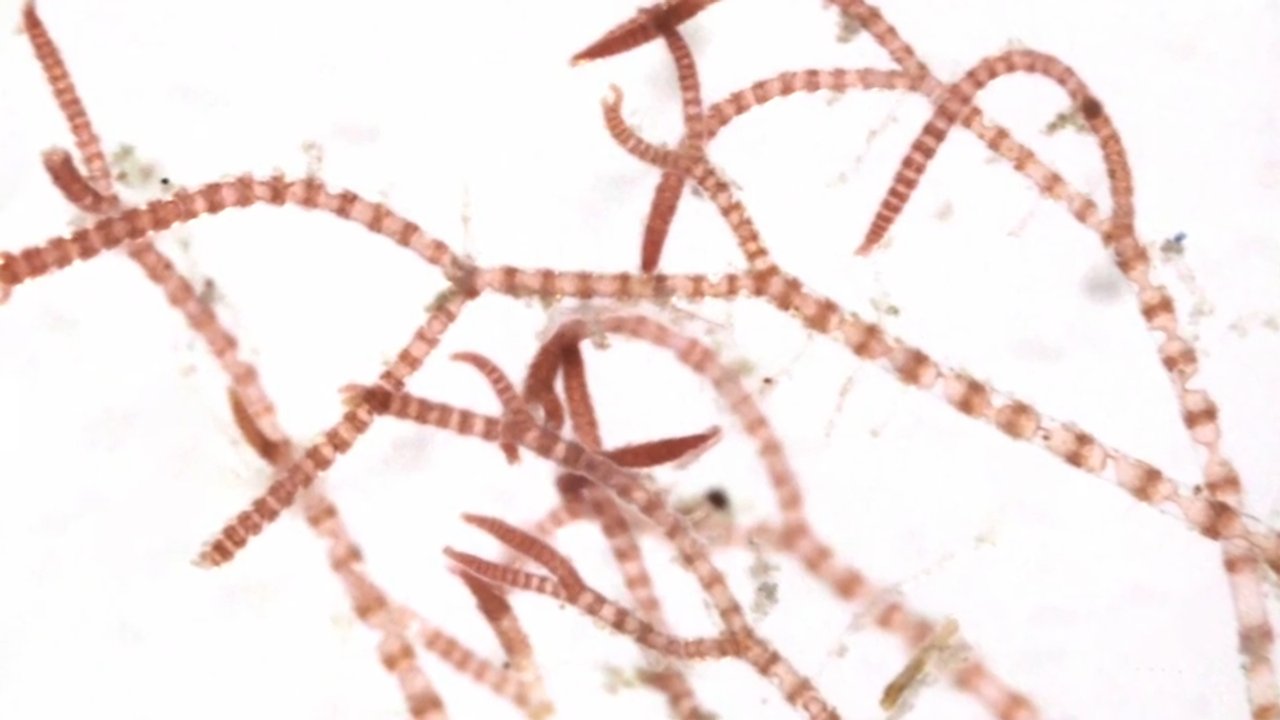
It's not often you see people really excited about seaweed (unless it's wrapped around all-you-can-eat sushi), but a tiny seaweed growing off the coast of Cornwall — a rugged coastal region in southwest England — has got scientists buzzing.
Divers found a new type of seaweed growing on a larger, coral-like seaweed called maerl. Well, it's not really "new" in the sense of just appearing — Professor Christine Maggs had been using it to try to solve a scientific puzzle for about 40 years. Four decades! It took so long because the seaweed was so small that it was difficult to collect a large enough sample to gather molecular data and sequence its DNA, which was necessary to confirm exactly what it was.
Once the DNA work was finally complete, the seaweed was accepted into the collection at London's Natural History Museum — one of the world's leading scientific institutions, similar in scale to the Smithsonian in the U.S. — and officially recognized in scientific literature as an entirely new species. Professor Maggs probably took a long overdue celebratory nap.
But the discovery is about more than naming one tiny organism. Researchers say maerl beds support a lot of biodiversity, and seaweeds can provide nursery habitats for economically important fish. That means protecting these underwater ecosystems could also help protect the other species that depend on them. The best kind of two-for-one deal.
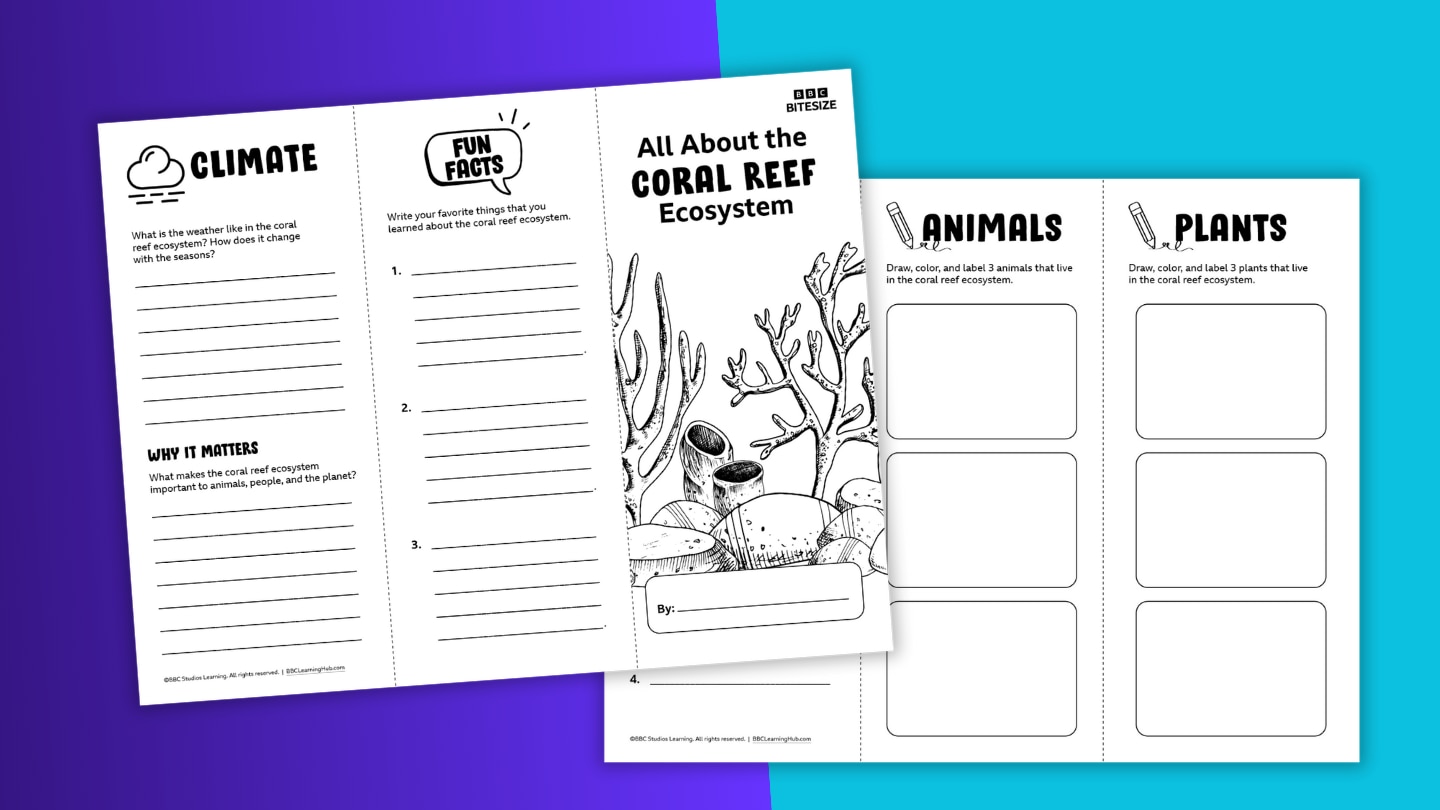
Coral reefs are some of the most crowded, colorful real estate on the planet — underwater cities built by tiny animals and packed with life. From Australia's Great Barrier Reef to the reefs of Indonesia, students will find no shortage of strange, striking creatures to study.
After watching coral reef videos, have students dig deeper with their own research and build a brochure covering:
- Location of the ecosystem on a world map
- Adjectives that describe the ecosystem
- Three animals that live there
- Three plants that grow there
- The climate
- Why the ecosystem matters
- Their favorite fun facts
Students summarize in their own words, which means they're practicing a real skill: pulling information from multiple sources and deciding what's worth keeping.
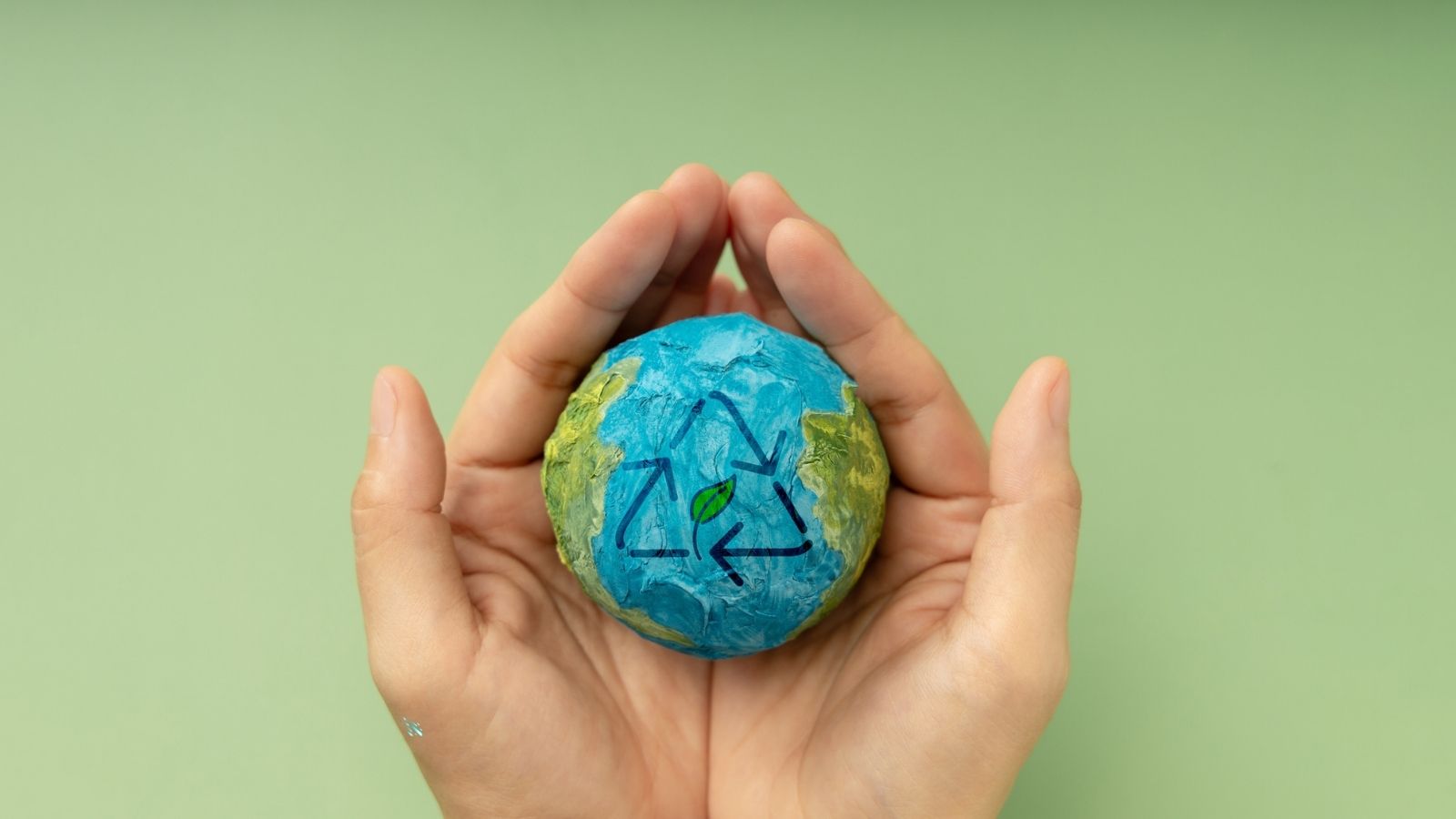
This BBC video playlist travels from forests and wildlife habitats to communities developing new solutions to environmental challenges. Discover how healthy forests support life on Earth, see conservationists working to protect endangered species and restore damaged habitats, and explore how renewable energy can help reduce our reliance on fossil fuels.
Along the way, meet people taking action to address real environmental problems and discover how science, technology, conservation, and everyday choices can all play a role in protecting the planet.
Earth Day is a chance to appreciate the natural world, understand the challenges it faces, and imagine what a healthier future could look like. Whether it’s Earth Day or any day of the year, these BBC videos show that caring for our planet starts with understanding how it works — and how our actions can make a difference.
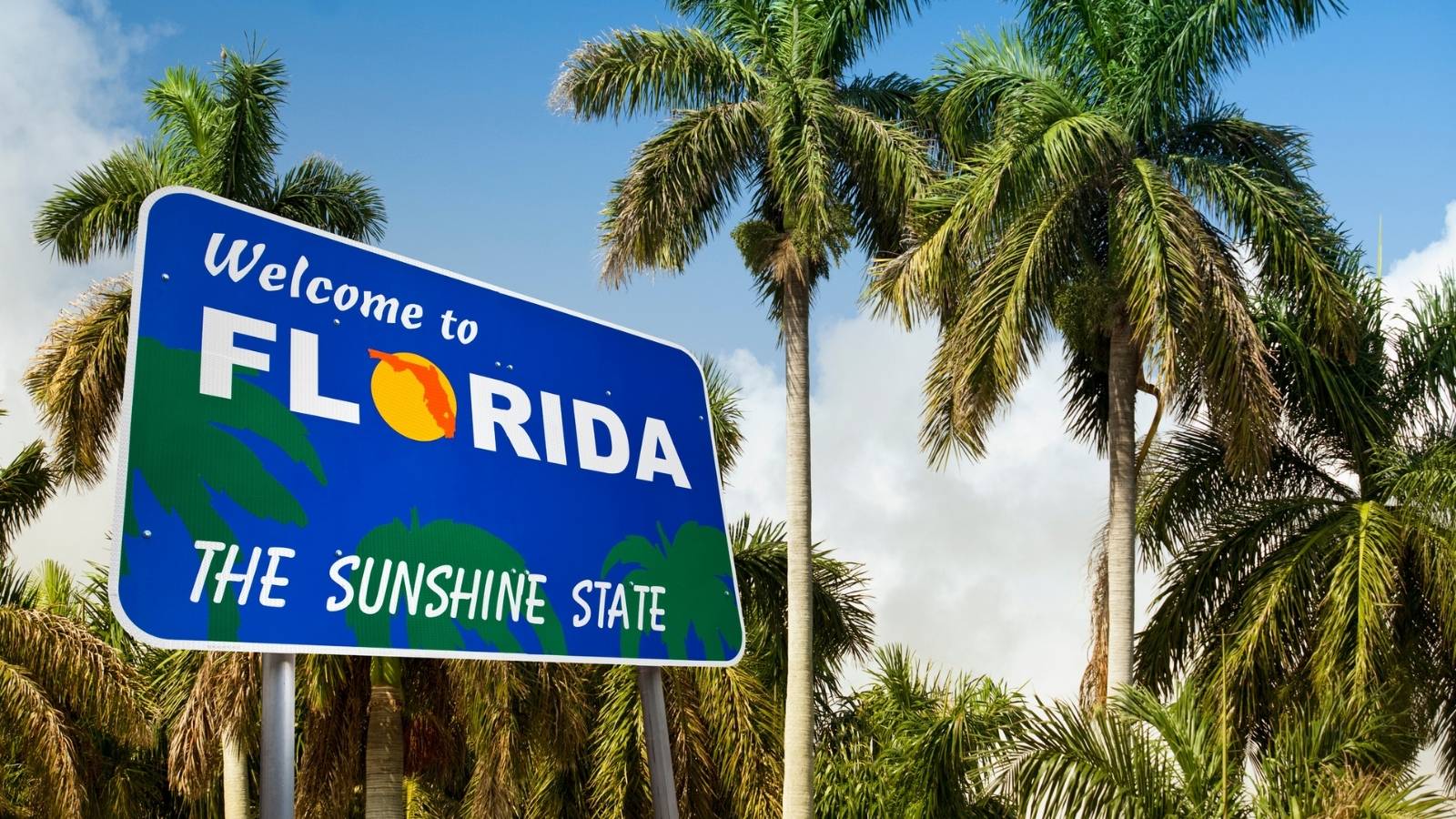
Travel from Florida’s crystal-clear freshwater springs to the warm, shallow waters of Florida Bay. Watch manatees gather in springs to stay warm during the cooler winter months, and see dolphins work together, using clever hunting techniques to catch fish.
Along the way, discover how Florida’s water, weather, and habitats create homes for an amazing variety of wildlife. See how animals depend on healthy rivers, springs, wetlands, and coastal ecosystems for food, shelter, and places to raise their young.
These BBC clips offer a closer look at Florida’s remarkable wildlife and the connections that hold its ecosystems together. Dive in to discover what makes the Sunshine State so wild — and why protecting its habitats matters.

This BBC Learning Hub playlist explores the incredible world of sharks, from the sleek and powerful great white to the enormous whale shark and unmistakable hammerhead. Watch sharks hunt, feed, navigate vast stretches of ocean, and use finely tuned senses to understand the world around them.
Discover the adaptations that have made sharks such successful survivors. See how different species use speed, camouflage, specialized senses, and distinctive body shapes to find food and thrive in their habitats. And while sharks have a reputation as fearsome hunters, there’s much more to these animals than sharp teeth: some travel thousands of miles, some gather in huge groups, and others filter tiny organisms from the water.
Sharks have been swimming through Earth’s oceans for hundreds of millions of years. Dive in to discover what makes these ancient animals some of the most fascinating creatures in the sea.
In A Humpback Whale Baby Leaves the Nursery, narrator Sir David Attenborough follows a mother and baby humpback whale as they embark on a dangerous journey. The young calf and starving mother leave the safety of the shallow seas in search of deeper water, where the mother can eat. Along the way, they communicate by slapping their tails and fins against the surface of the water. This video is excerpted from BBC's Planet Earth, a breathtaking documentary series that highlights the natural wonders of our planet.
In Inside a Humpback Whale Nursery, narrator Sir David Attenborough discovers what a whale nursery is like. Explore the shallow seas where humpback whales sing to attract a mate, birth calves, and teach them to swim. This video is excerpted from BBC's Planet Earth, a breathtaking documentary series that highlights the natural wonders of our planet.
In Saving the Whale Shark, the World's Largest Fish, narrator Sir David Attenborough shares how one scientist is trying to learn exactly where whale shark nurseries are in order to protect them. This video is excerpted from BBC’s Blue Planet II, a natural history series that explores the world's oceans, the animals that live in them, and the threats they face, using modern filming techniques and equipment to capture previously unseen areas of the ocean.
In Regenerating Florida's Coral Reef, biologists find new ways to regenerate Florida’s fragile coral reef. This video is excerpted from BBC's Natural World: Florida - America's Animal Paradise, a series displaying Florida’s diverse wildlife and its resilience against increasing environmental threats.
In Saving a Humpback Whale Sanctuary, host Simon Reeve reflects on a past trip to a humpback whale sanctuary in Australia. At the time, industrialization threatened their habitat. In keeping in touch with the marine biologists, he now discovers an encouraging development to the whales' story. This video is excerpted from BBC's Incredible Journeys With Simon Reeve, a series that highlights one journalist’s travels across the globe and the diverse cultures and peoples he meets along the way.
In How Belize’s Mangroves Keep Coral Thriving, host Simon Reeve ventures into Belize’s Bacalar Chico National Park to uncover the connection between mangroves and coral reefs. He dives into the Mesoamerican Reef, the second-largest in the world, which sustains over 500 species of fish and has recently been removed from the endangered list. Alongside workers, Simon explores how mangroves serve as vital fish nurseries, with their tangled roots protecting young fish until they’re ready to join the reef. This video is excerpted from BBC’s The Americas With Simon Reeve, in which Simon Reeve explores the landscapes, cultures, and wildlife of North and South America.
It's not often you see people really excited about seaweed (unless it's wrapped around all-you-can-eat sushi), but a tiny seaweed growing off the coast of Cornwall — a rugged coastal region in southwest England — has got scientists buzzing.
Divers found a new type of seaweed growing on a larger, coral-like seaweed called maerl. Well, it's not really "new" in the sense of just appearing — Professor Christine Maggs had been using it to try to solve a scientific puzzle for about 40 years. Four decades! It took so long because the seaweed was so small that it was difficult to collect a large enough sample to gather molecular data and sequence its DNA, which was necessary to confirm exactly what it was.
Once the DNA work was finally complete, the seaweed was accepted into the collection at London's Natural History Museum — one of the world's leading scientific institutions, similar in scale to the Smithsonian in the U.S. — and officially recognized in scientific literature as an entirely new species. Professor Maggs probably took a long overdue celebratory nap.
But the discovery is about more than naming one tiny organism. Researchers say maerl beds support a lot of biodiversity, and seaweeds can provide nursery habitats for economically important fish. That means protecting these underwater ecosystems could also help protect the other species that depend on them. The best kind of two-for-one deal.
Coral reefs are some of the most crowded, colorful real estate on the planet — underwater cities built by tiny animals and packed with life. From Australia's Great Barrier Reef to the reefs of Indonesia, students will find no shortage of strange, striking creatures to study.
After watching coral reef videos, have students dig deeper with their own research and build a brochure covering:
- Location of the ecosystem on a world map
- Adjectives that describe the ecosystem
- Three animals that live there
- Three plants that grow there
- The climate
- Why the ecosystem matters
- Their favorite fun facts
Students summarize in their own words, which means they're practicing a real skill: pulling information from multiple sources and deciding what's worth keeping.
This BBC video playlist travels from forests and wildlife habitats to communities developing new solutions to environmental challenges. Discover how healthy forests support life on Earth, see conservationists working to protect endangered species and restore damaged habitats, and explore how renewable energy can help reduce our reliance on fossil fuels.
Along the way, meet people taking action to address real environmental problems and discover how science, technology, conservation, and everyday choices can all play a role in protecting the planet.
Earth Day is a chance to appreciate the natural world, understand the challenges it faces, and imagine what a healthier future could look like. Whether it’s Earth Day or any day of the year, these BBC videos show that caring for our planet starts with understanding how it works — and how our actions can make a difference.
Travel from Florida’s crystal-clear freshwater springs to the warm, shallow waters of Florida Bay. Watch manatees gather in springs to stay warm during the cooler winter months, and see dolphins work together, using clever hunting techniques to catch fish.
Along the way, discover how Florida’s water, weather, and habitats create homes for an amazing variety of wildlife. See how animals depend on healthy rivers, springs, wetlands, and coastal ecosystems for food, shelter, and places to raise their young.
These BBC clips offer a closer look at Florida’s remarkable wildlife and the connections that hold its ecosystems together. Dive in to discover what makes the Sunshine State so wild — and why protecting its habitats matters.
This BBC Learning Hub playlist explores the incredible world of sharks, from the sleek and powerful great white to the enormous whale shark and unmistakable hammerhead. Watch sharks hunt, feed, navigate vast stretches of ocean, and use finely tuned senses to understand the world around them.
Discover the adaptations that have made sharks such successful survivors. See how different species use speed, camouflage, specialized senses, and distinctive body shapes to find food and thrive in their habitats. And while sharks have a reputation as fearsome hunters, there’s much more to these animals than sharp teeth: some travel thousands of miles, some gather in huge groups, and others filter tiny organisms from the water.
Sharks have been swimming through Earth’s oceans for hundreds of millions of years. Dive in to discover what makes these ancient animals some of the most fascinating creatures in the sea.