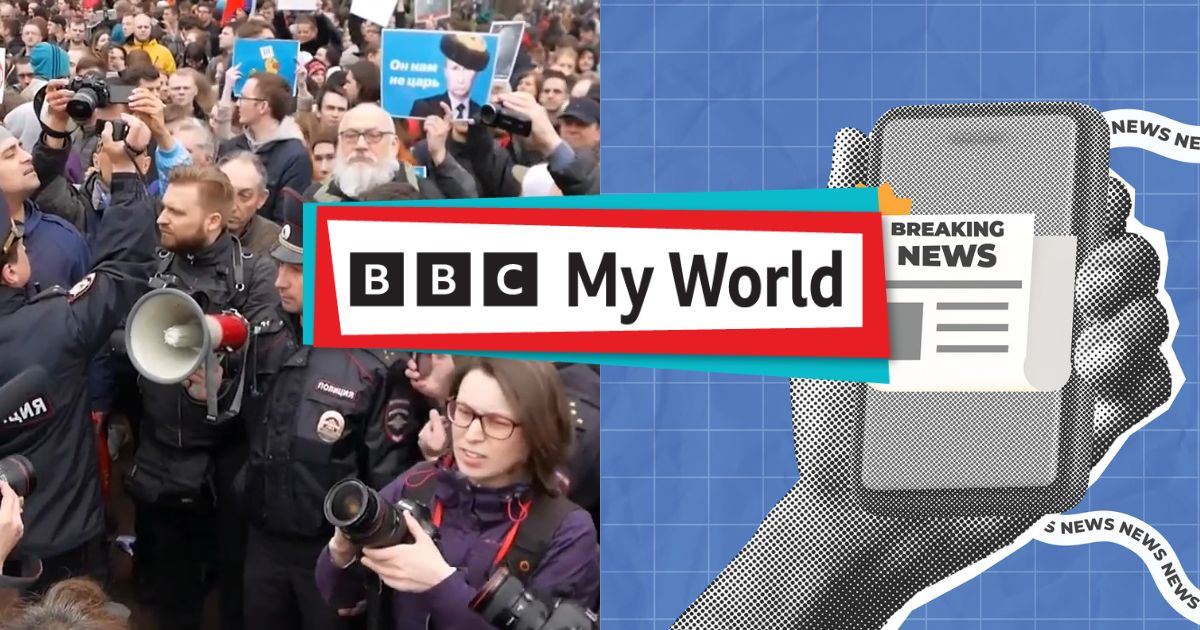
In our fast-paced world, where information is constantly being shared and consumed, our students need media literacy more than ever.
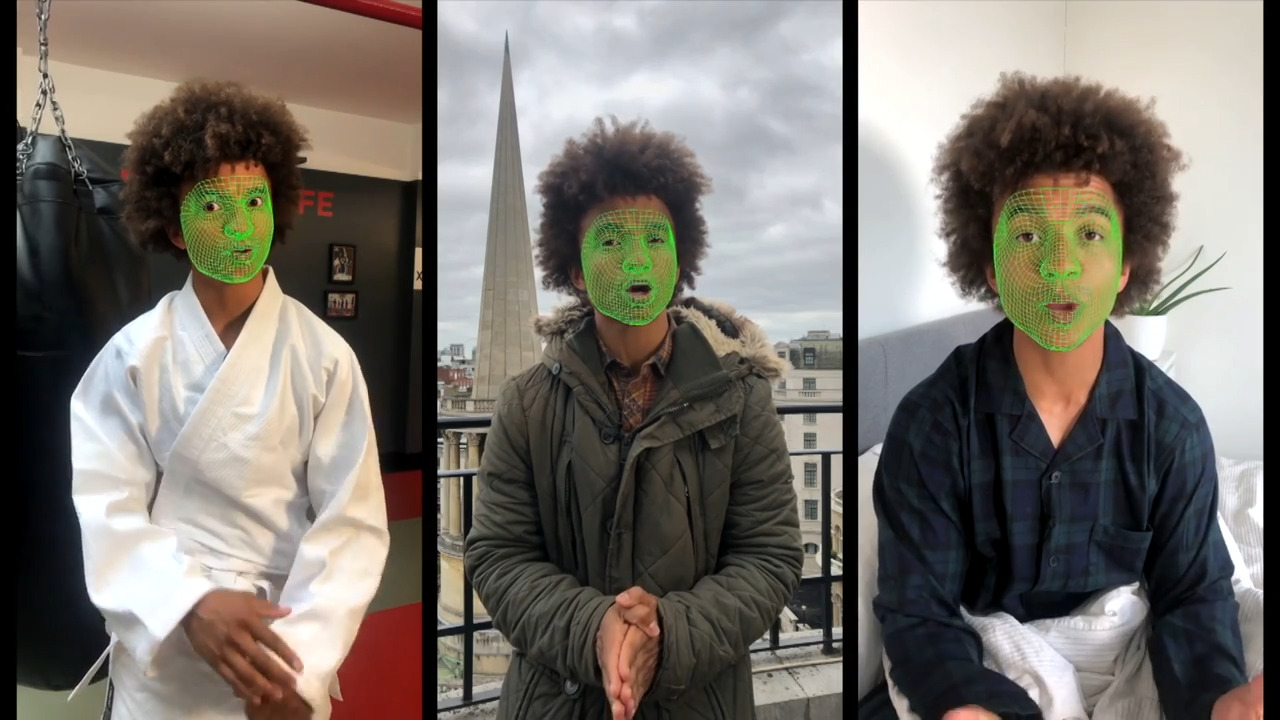
In Is Digital Media Reliable?, host Radzi Chinyanganya explores the emerging technology of deep fakes and its implications for the media, politics, and society. This video explains how deep fake videos, which use artificial intelligence to manipulate images and sound, can create realistic yet entirely fabricated content. Learn how deep fakes are made, discuss their potential uses (both harmful and harmless), and examine the dangers they pose in spreading misinformation. This video is excerpted from BBC’s My World, a program created for teenagers eager to learn more about the important stories shaping our world.
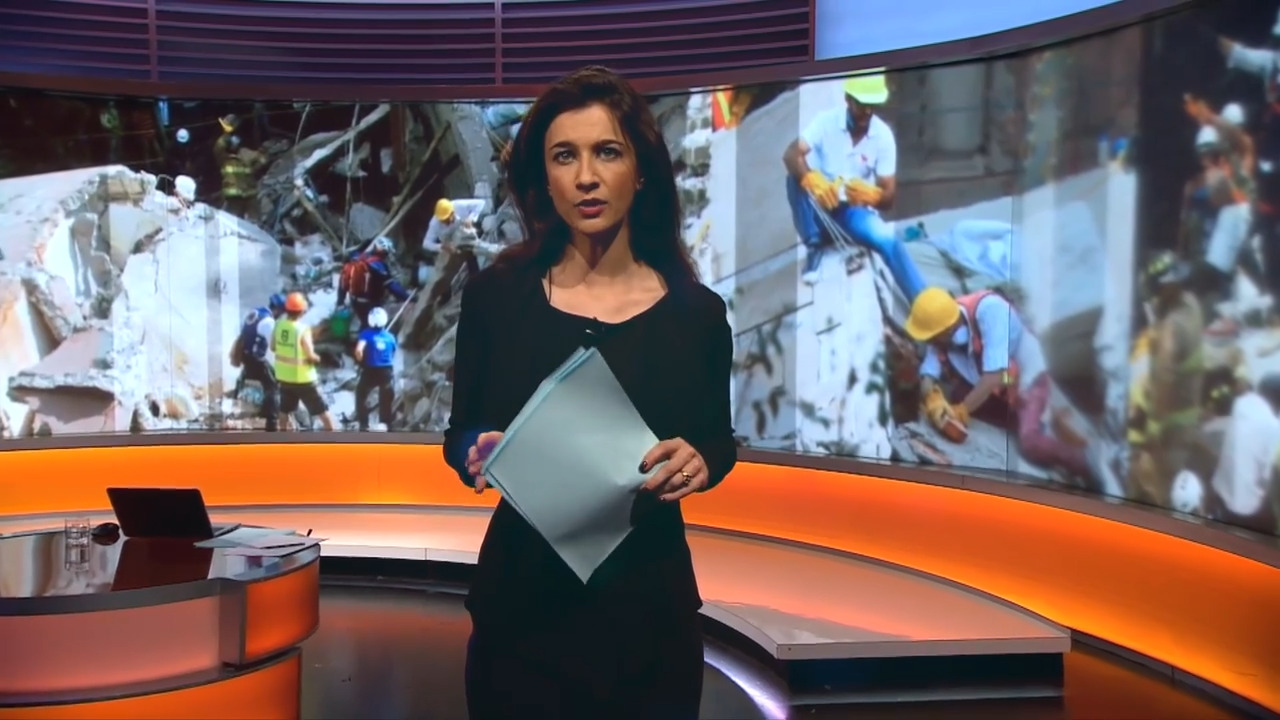
In How Do Journalists Earn Our Trust?, host Radzi Chinyanganya explains how journalists can earn our trust in a world of viral social media and misinformation. He highlights the importance of accuracy in the story of a rescue operation of a little girl named Frida Sofia after a devastating earthquake in September of 2017 in Mexico. International media, including The New York Times and the Associated Press, picked up the story and Frida went viral. In the end, the story wasn’t based on fact, and no one named Frida had ever even attended the school. Being transparent and admitting their mistakes can help journalists earn trust. This video is excerpted from BBC’s My World, a program created for teenagers eager to learn more about the important stories shaping our world.
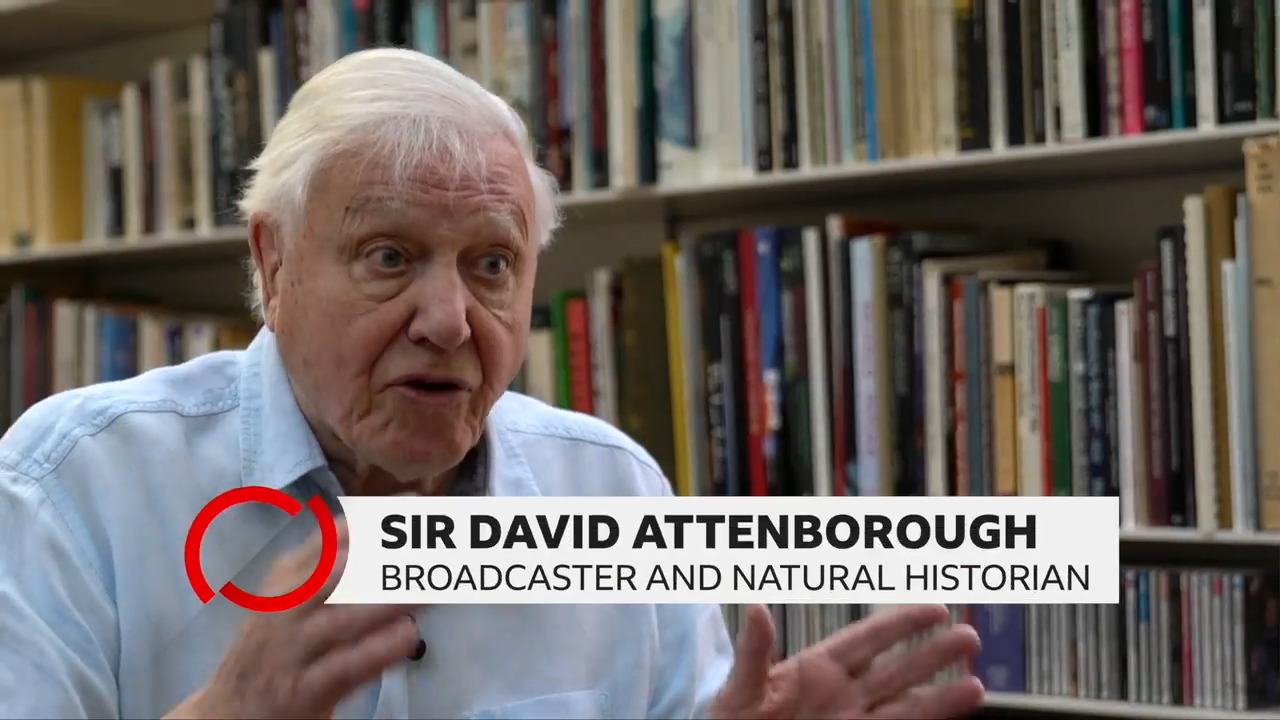
In Why Does News Keep Changing?, host Radzi Chinyanganya explores the way news stories develop and change over time. For example, the Australian bushfires became an international news story in 2019 and 2020. While the initial stories highlighted the destruction and death of people and animals, the media later looked at the impact of climate change as a cause of the fires. Disinformation also spread as the story developed. Some rumors said that the fires were started by environmentalists to bring awareness, but journalists were able to disprove these claims. As coverage expands, journalists must update their stories and correct any statements that were previously wrong. This video is excerpted from BBC’s My World, a program created for teenagers eager to learn more about the important stories shaping our world.
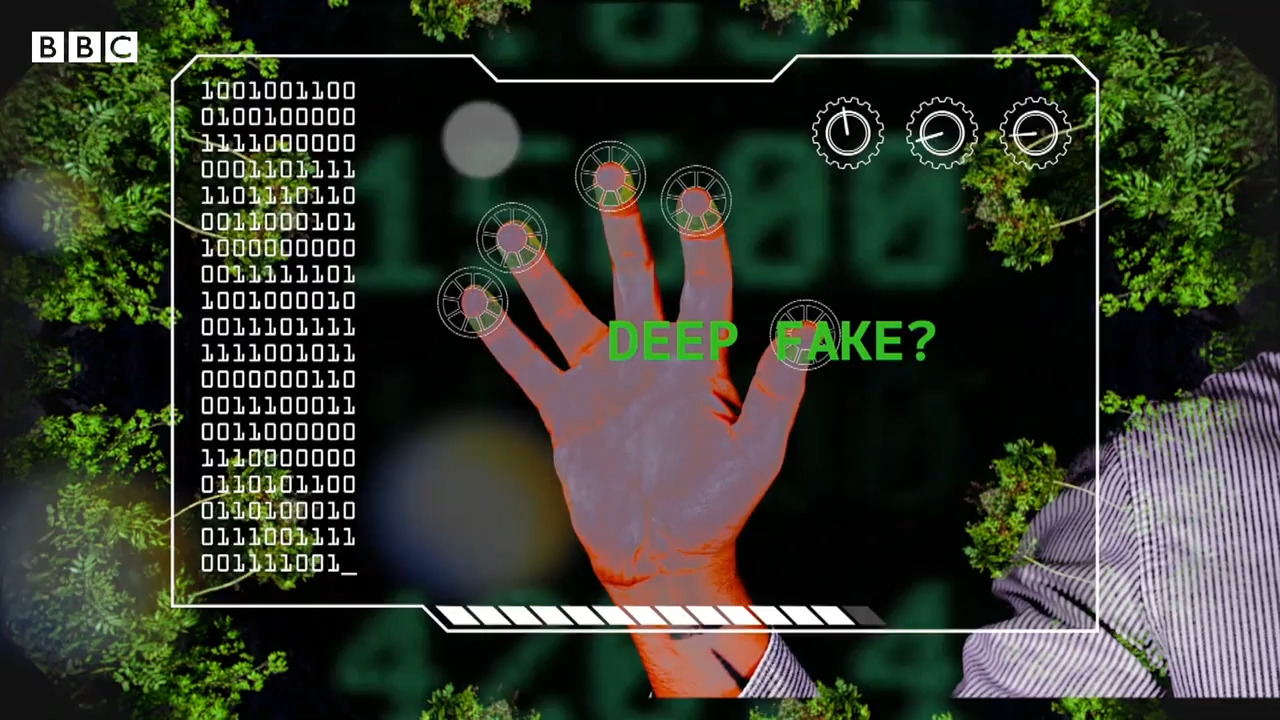
In What About Social Media?, host Radzi Chinyanganya looks at what makes a story go viral, and explains how to evaluate whether or not the story is real before sharing it. Stories can be evaluated by asking if they’ve been reported elsewhere, if the organization that published it is reputable, and if the website the story was on is official. Deep fake videos that use AI to alter faces allow people to create realistic digital versions of themselves. The ability to swap faces has creative possibilities, but it can also be used to mislead people, so it’s crucial to look for clues that something might be false. This video is excerpted from BBC’s My World, a program created for teenagers eager to learn more about the important stories shaping our world.
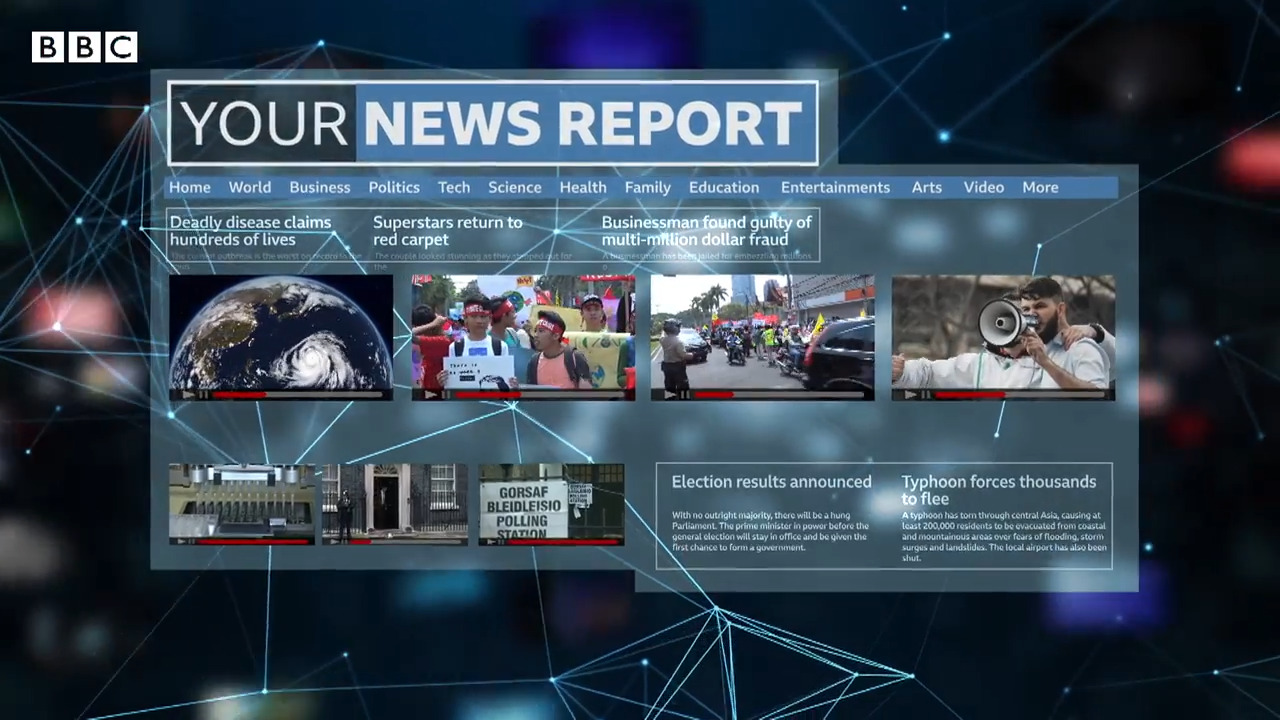
In Who Decides?, host Radzi Chinyanganya discovers who decides what people see, read, and hear in the news. Because there are so many events and limited space to report the news, all news is filtered. In journalism, editors decide which stories are worth telling. The companies that run apps, social media, and websites, use computer programs called algorithms to decide which content individuals see. They might try to influence consumers’ views or emotions. Getting news from varied sources is the only way to ensure you’re seeing the complete picture. This video is excerpted from BBC’s My World, a program created for teenagers eager to learn more about the important stories shaping our world.
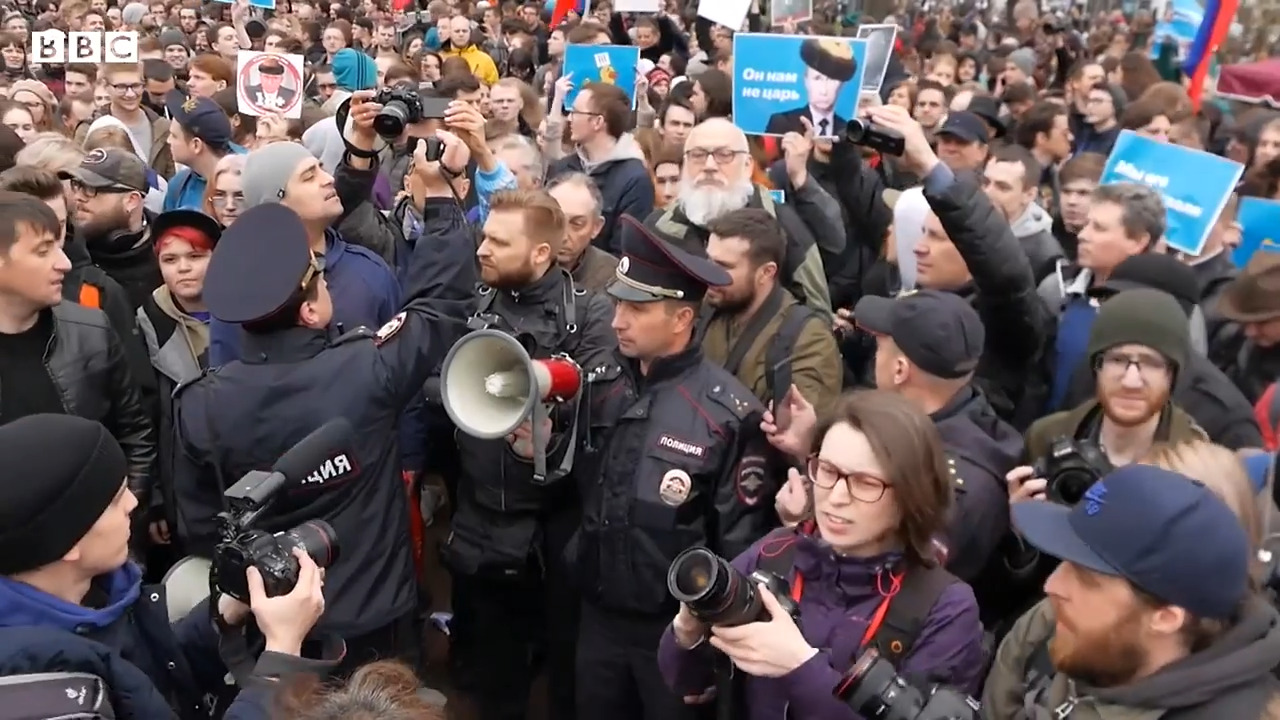
In Different Perspectives, host Radzi Chinyanganya explores how journalists avoid bias in the media by showing a range of opinions so that people can decide what they think for themselves. For example, in one report, a teenager named Nikita regularly protests his government in Moscow. He admits that not everyone shares his negative views on Vladimir Putin. A second report describes Putin in both the eyes of his supporters and opponents. His supporters see him as popular and charismatic, but his opponents think he leads by force and has taken away freedoms. This video is excerpted from BBC’s My World, a program created for teenagers eager to learn more about the important stories shaping our world.
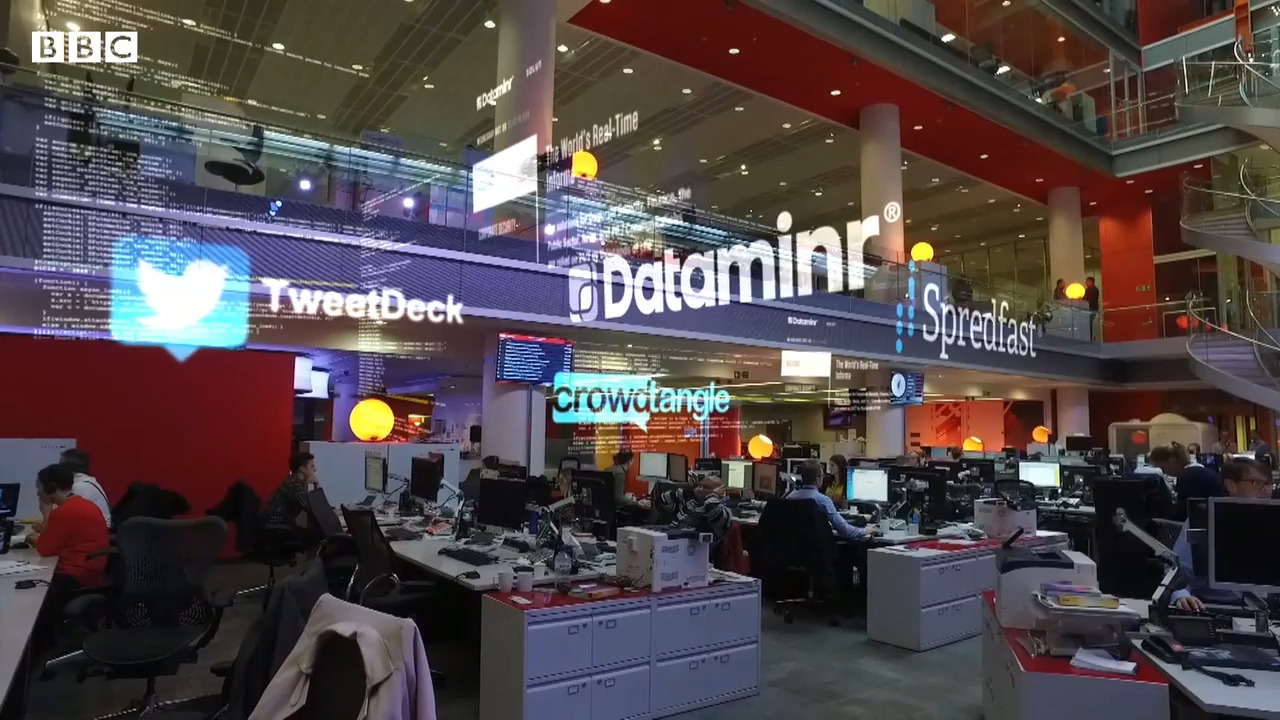
In How Do Journalists Find the News?, host Radzi Chinyanganya explores how journalists find and gather their news, ask the right questions, and let their curiosity drive them. Today, journalists still look to trusted sources, correspondents, and news agencies, but they also use online tools like social media to discover what the public is talking about. Then they send teams to the scene to talk to eyewitnesses, emergency services, and to gather statements. This video is excerpted from BBC’s My World, a program created for teenagers eager to learn more about the important stories shaping our world.
It's tempting to think that seeing is believing, but that's not always the case. When scrolling the internet, it's important to put on your skepticism hat. There's a lot of fake stuff out there, and some of it is convincing.
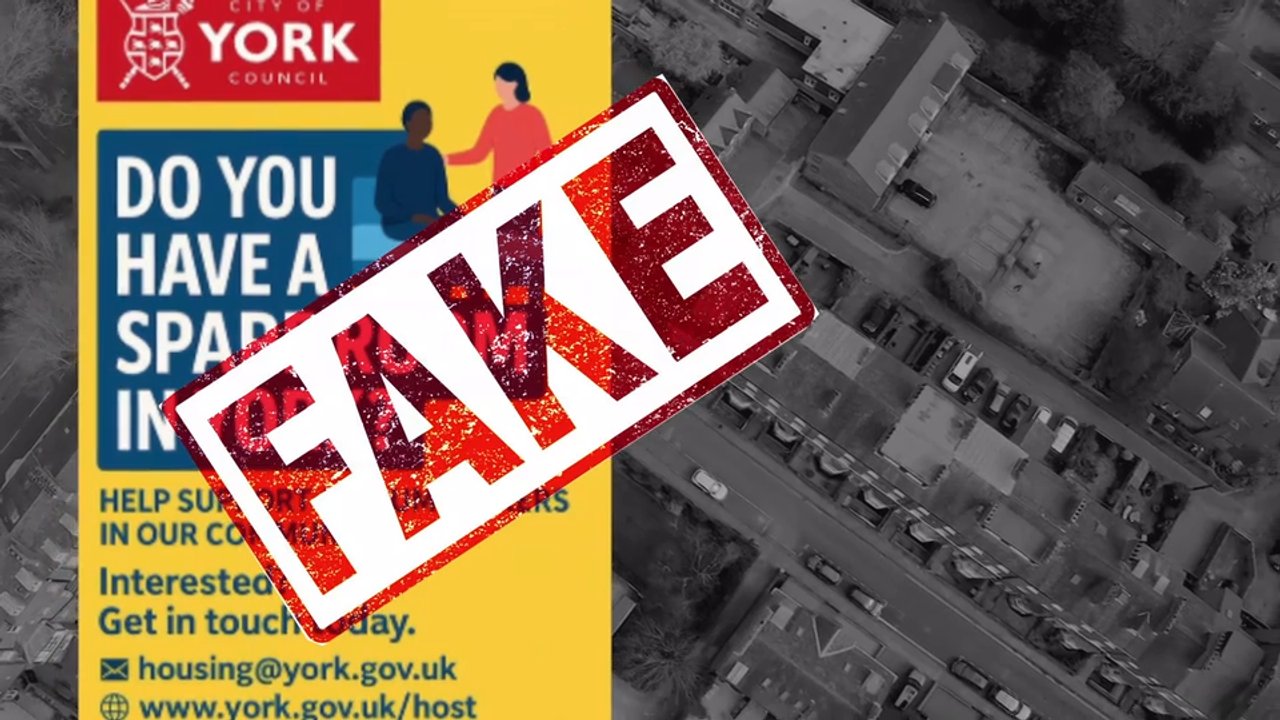
For example, a Facebook post appeared to come from York Council — the local government office for the city of York, England. It asked people with spare rooms to house asylum seekers (people who have fled their home country and are asking a government for protection). The post wasn't real, but it spread quickly across Facebook, Instagram, TikTok, X, and YouTube. BBC Verify, the BBC's fact-checking team, estimated it could have reached more than a million people.
Misinformation like this can cause real problems, especially when it spreads about sensitive subjects like asylum seekers. Repeated exposure to false information can also make people question what's true at all — damaging trust between people and communities.
So how can you tell what's fake? Even careful readers are finding it harder to spot, while fake content is getting easier to make — a dangerous combination. The fake council post looked convincing: it had an official logo, professional-sounding text, and even a real email address. But a few small details gave it away: the logo was slightly distorted, some words were misspelled, parts of the image looked unnatural, and the AI-generated hands had too many fingers.
Those details are easy to miss when scrolling quickly — but learning to spot them is exactly what makes the difference between falling for a fake and catching one.

Fact or fake? Introduce your students to the role of social media in spreading accurate news as well as inaccurate news and rumors. In this lesson, they’ll investigate questions they should ask before sharing news on social media and then design a flowchart for evaluating whether a news story is “shareworthy.”
In Where Do You Find Your News?, host Radzi Chinyanganya highlights the importance of making sure your news comes from a trustworthy source. Some things to think about include noting whether or not the topic is the source’s area of expertise, whether they’ve shown a commitment to accuracy over a period of time, and whether or not they’ve been willing to admit when they’ve made a mistake. The news should be watched with a critical eye, letting facts shape our views instead of our views shaping the facts. This video is excerpted from BBC’s My World, a program created for teenagers eager to learn more about the important stories shaping our world.
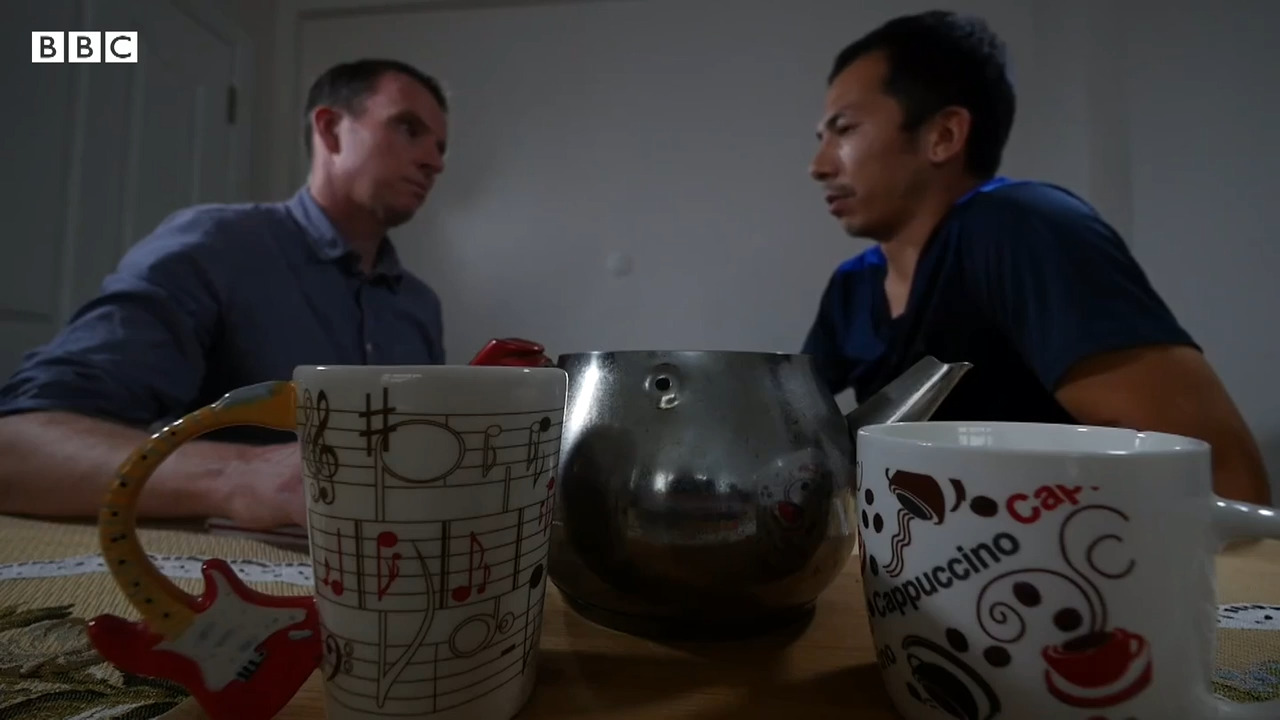
In Who’s Your Source?, host Radzi Chinyanganya examines how reporters get their information from different sources and ensure their accuracy. For example, BBC journalists exposed a network of hidden detention centers in Western China where Muslims were detained without a trial. The Chinese government was working hard to keep this story hidden by closely monitoring, and even detaining, journalists. Reporters used satellites to investigate, and they also interviewed Muslims in Turkey who claimed to have been in the detention compounds. They looked for consistency and overlap in their stories. Verifying information from multiple sources helps a journalist assess a story and tell it accurately. This video is excerpted from BBC’s My World, a program created for teenagers eager to learn more about the important stories shaping our world.
In our fast-paced world, where information is constantly being shared and consumed, our students need media literacy more than ever.
In Is Digital Media Reliable?, host Radzi Chinyanganya explores the emerging technology of deep fakes and its implications for the media, politics, and society. This video explains how deep fake videos, which use artificial intelligence to manipulate images and sound, can create realistic yet entirely fabricated content. Learn how deep fakes are made, discuss their potential uses (both harmful and harmless), and examine the dangers they pose in spreading misinformation. This video is excerpted from BBC’s My World, a program created for teenagers eager to learn more about the important stories shaping our world.
In How Do Journalists Earn Our Trust?, host Radzi Chinyanganya explains how journalists can earn our trust in a world of viral social media and misinformation. He highlights the importance of accuracy in the story of a rescue operation of a little girl named Frida Sofia after a devastating earthquake in September of 2017 in Mexico. International media, including The New York Times and the Associated Press, picked up the story and Frida went viral. In the end, the story wasn’t based on fact, and no one named Frida had ever even attended the school. Being transparent and admitting their mistakes can help journalists earn trust. This video is excerpted from BBC’s My World, a program created for teenagers eager to learn more about the important stories shaping our world.
In Why Does News Keep Changing?, host Radzi Chinyanganya explores the way news stories develop and change over time. For example, the Australian bushfires became an international news story in 2019 and 2020. While the initial stories highlighted the destruction and death of people and animals, the media later looked at the impact of climate change as a cause of the fires. Disinformation also spread as the story developed. Some rumors said that the fires were started by environmentalists to bring awareness, but journalists were able to disprove these claims. As coverage expands, journalists must update their stories and correct any statements that were previously wrong. This video is excerpted from BBC’s My World, a program created for teenagers eager to learn more about the important stories shaping our world.
In What About Social Media?, host Radzi Chinyanganya looks at what makes a story go viral, and explains how to evaluate whether or not the story is real before sharing it. Stories can be evaluated by asking if they’ve been reported elsewhere, if the organization that published it is reputable, and if the website the story was on is official. Deep fake videos that use AI to alter faces allow people to create realistic digital versions of themselves. The ability to swap faces has creative possibilities, but it can also be used to mislead people, so it’s crucial to look for clues that something might be false. This video is excerpted from BBC’s My World, a program created for teenagers eager to learn more about the important stories shaping our world.
In Who Decides?, host Radzi Chinyanganya discovers who decides what people see, read, and hear in the news. Because there are so many events and limited space to report the news, all news is filtered. In journalism, editors decide which stories are worth telling. The companies that run apps, social media, and websites, use computer programs called algorithms to decide which content individuals see. They might try to influence consumers’ views or emotions. Getting news from varied sources is the only way to ensure you’re seeing the complete picture. This video is excerpted from BBC’s My World, a program created for teenagers eager to learn more about the important stories shaping our world.
In Different Perspectives, host Radzi Chinyanganya explores how journalists avoid bias in the media by showing a range of opinions so that people can decide what they think for themselves. For example, in one report, a teenager named Nikita regularly protests his government in Moscow. He admits that not everyone shares his negative views on Vladimir Putin. A second report describes Putin in both the eyes of his supporters and opponents. His supporters see him as popular and charismatic, but his opponents think he leads by force and has taken away freedoms. This video is excerpted from BBC’s My World, a program created for teenagers eager to learn more about the important stories shaping our world.
In How Do Journalists Find the News?, host Radzi Chinyanganya explores how journalists find and gather their news, ask the right questions, and let their curiosity drive them. Today, journalists still look to trusted sources, correspondents, and news agencies, but they also use online tools like social media to discover what the public is talking about. Then they send teams to the scene to talk to eyewitnesses, emergency services, and to gather statements. This video is excerpted from BBC’s My World, a program created for teenagers eager to learn more about the important stories shaping our world.
It's tempting to think that seeing is believing, but that's not always the case. When scrolling the internet, it's important to put on your skepticism hat. There's a lot of fake stuff out there, and some of it is convincing.
For example, a Facebook post appeared to come from York Council — the local government office for the city of York, England. It asked people with spare rooms to house asylum seekers (people who have fled their home country and are asking a government for protection). The post wasn't real, but it spread quickly across Facebook, Instagram, TikTok, X, and YouTube. BBC Verify, the BBC's fact-checking team, estimated it could have reached more than a million people.
Misinformation like this can cause real problems, especially when it spreads about sensitive subjects like asylum seekers. Repeated exposure to false information can also make people question what's true at all — damaging trust between people and communities.
So how can you tell what's fake? Even careful readers are finding it harder to spot, while fake content is getting easier to make — a dangerous combination. The fake council post looked convincing: it had an official logo, professional-sounding text, and even a real email address. But a few small details gave it away: the logo was slightly distorted, some words were misspelled, parts of the image looked unnatural, and the AI-generated hands had too many fingers.
Those details are easy to miss when scrolling quickly — but learning to spot them is exactly what makes the difference between falling for a fake and catching one.
Fact or fake? Introduce your students to the role of social media in spreading accurate news as well as inaccurate news and rumors. In this lesson, they’ll investigate questions they should ask before sharing news on social media and then design a flowchart for evaluating whether a news story is “shareworthy.”
In Where Do You Find Your News?, host Radzi Chinyanganya highlights the importance of making sure your news comes from a trustworthy source. Some things to think about include noting whether or not the topic is the source’s area of expertise, whether they’ve shown a commitment to accuracy over a period of time, and whether or not they’ve been willing to admit when they’ve made a mistake. The news should be watched with a critical eye, letting facts shape our views instead of our views shaping the facts. This video is excerpted from BBC’s My World, a program created for teenagers eager to learn more about the important stories shaping our world.
In Who’s Your Source?, host Radzi Chinyanganya examines how reporters get their information from different sources and ensure their accuracy. For example, BBC journalists exposed a network of hidden detention centers in Western China where Muslims were detained without a trial. The Chinese government was working hard to keep this story hidden by closely monitoring, and even detaining, journalists. Reporters used satellites to investigate, and they also interviewed Muslims in Turkey who claimed to have been in the detention compounds. They looked for consistency and overlap in their stories. Verifying information from multiple sources helps a journalist assess a story and tell it accurately. This video is excerpted from BBC’s My World, a program created for teenagers eager to learn more about the important stories shaping our world.