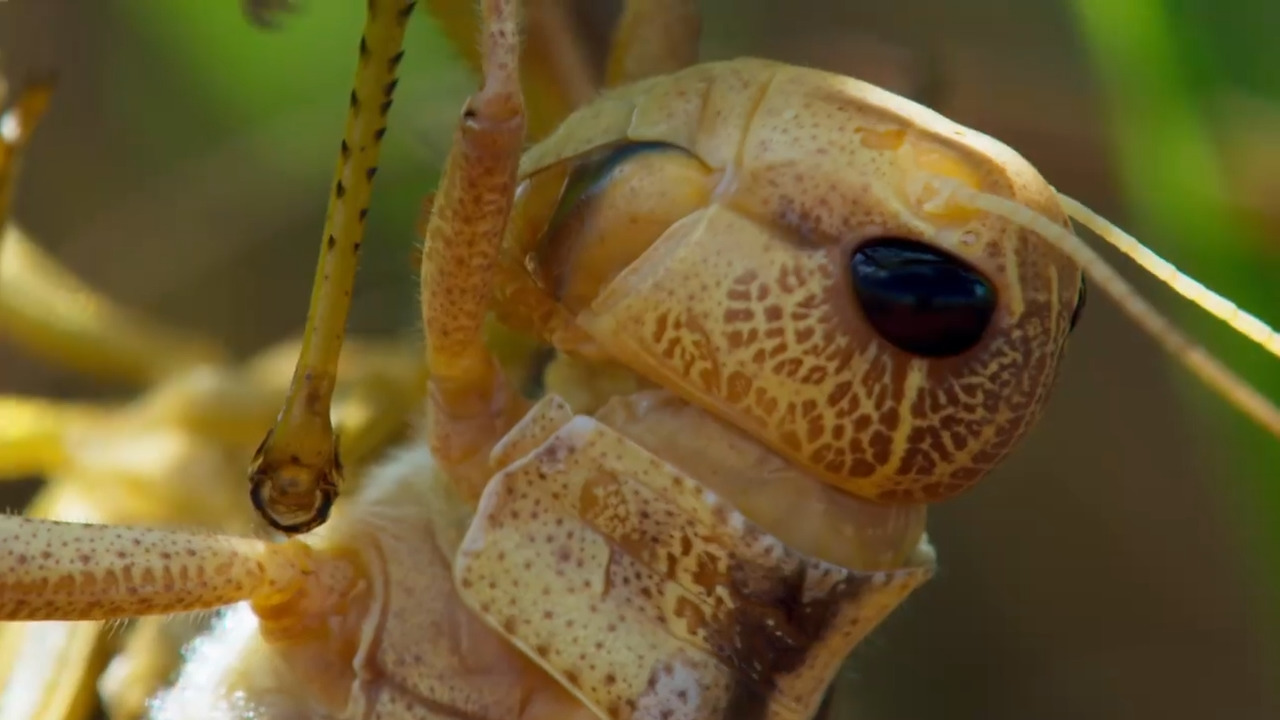
In A Locust Invasion in the Deserts of Peru, narrator Sir David Attenborough describes how sudden rains bring life to the otherwise arid deserts of Peru, creating a burst of vegetation. Swarms of locusts take advantage of this new growth, consuming the vegetation and causing a dramatic impact on the desert ecosystem. This video is excerpted from BBC’s Planet Earth II, a breathtaking documentary series that highlights the natural wonders of our planet.
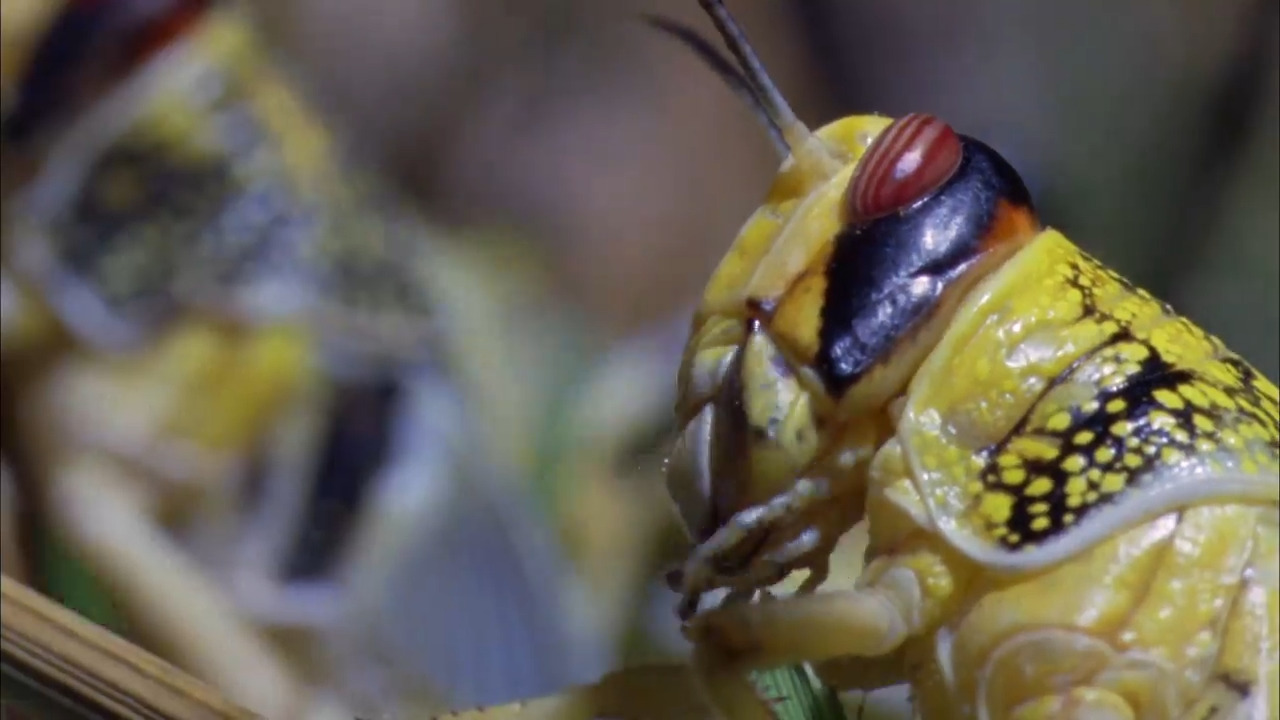
In The Desert Locust Finds New Feeding Grounds, narrator Sir David Attenborough explains that desert locust eggs can hatch after being in the ground for 20 years. Learn how locusts find new feeding grounds by following the smell of sprouting grass, travel with the wind to find low pressure and rainfall, and use pheromones, or scent messages, to communicate with one another. This video is excerpted from BBC's Planet Earth, a breathtaking documentary series that highlights the natural wonders of our planet.
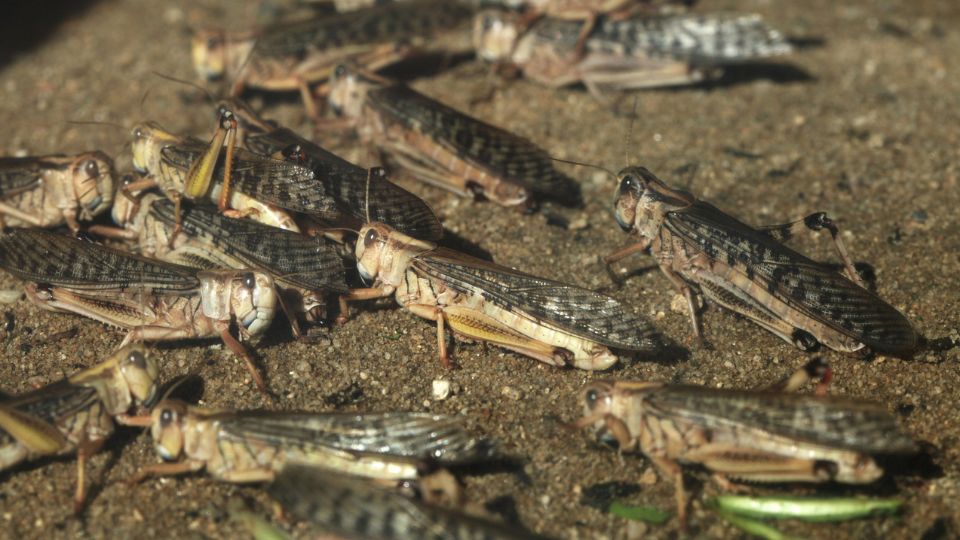
Welcome to Death Valley! First watch The Desert Locust Finds New Feeding Grounds, a short clip from the award-winning BBC series Planet Earth. Sir David Attenborough introduces you to the desert locust, whose eggs can hatch after being in the ground for 20 years! Traveling in massive swarms, these creatures communicate with each other in massive swarms.
Once your students have watched the video, invite them to check for understanding with this quick, 8-question quiz!
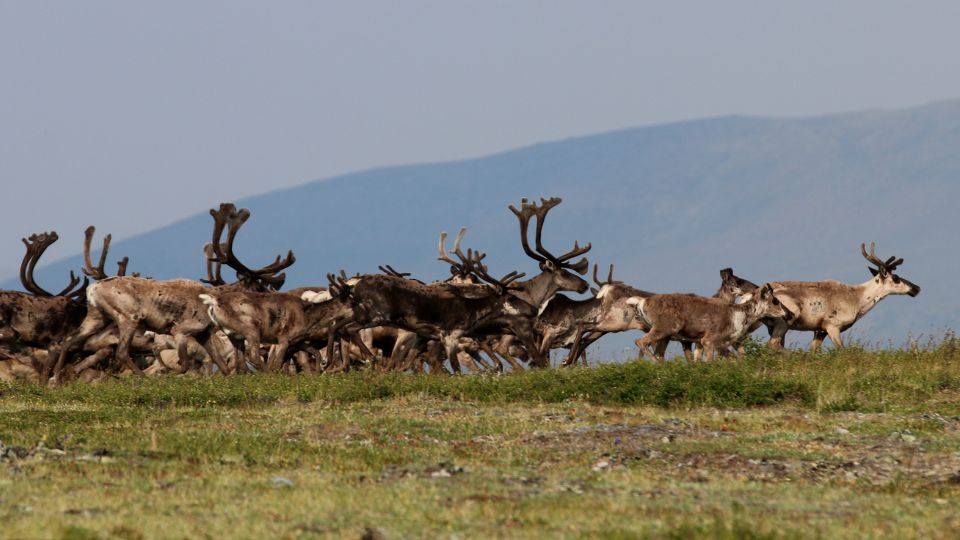
Join one of the greatest gatherings on Planet Earth! First watch The Desert Locust Finds New Feeding Grounds, a short clip from the award-winning BBC series Planet Earth. Sir David Attenborough takes you on an incredible journey as caribou calves embark on their first migration across the Arctic tundra. Watch their determination and resilience as they encounter predators and navigate the difficulties of their surroundings.
Once your students have watched the video, invite them to check for understanding with this quick, 8-question quiz!
In A Locust Invasion in the Deserts of Peru, narrator Sir David Attenborough describes how sudden rains bring life to the otherwise arid deserts of Peru, creating a burst of vegetation. Swarms of locusts take advantage of this new growth, consuming the vegetation and causing a dramatic impact on the desert ecosystem. This video is excerpted from BBC’s Planet Earth II, a breathtaking documentary series that highlights the natural wonders of our planet.
In The Desert Locust Finds New Feeding Grounds, narrator Sir David Attenborough explains that desert locust eggs can hatch after being in the ground for 20 years. Learn how locusts find new feeding grounds by following the smell of sprouting grass, travel with the wind to find low pressure and rainfall, and use pheromones, or scent messages, to communicate with one another. This video is excerpted from BBC's Planet Earth, a breathtaking documentary series that highlights the natural wonders of our planet.
Welcome to Death Valley! First watch The Desert Locust Finds New Feeding Grounds, a short clip from the award-winning BBC series Planet Earth. Sir David Attenborough introduces you to the desert locust, whose eggs can hatch after being in the ground for 20 years! Traveling in massive swarms, these creatures communicate with each other in massive swarms.
Once your students have watched the video, invite them to check for understanding with this quick, 8-question quiz!
Join one of the greatest gatherings on Planet Earth! First watch The Desert Locust Finds New Feeding Grounds, a short clip from the award-winning BBC series Planet Earth. Sir David Attenborough takes you on an incredible journey as caribou calves embark on their first migration across the Arctic tundra. Watch their determination and resilience as they encounter predators and navigate the difficulties of their surroundings.
Once your students have watched the video, invite them to check for understanding with this quick, 8-question quiz!