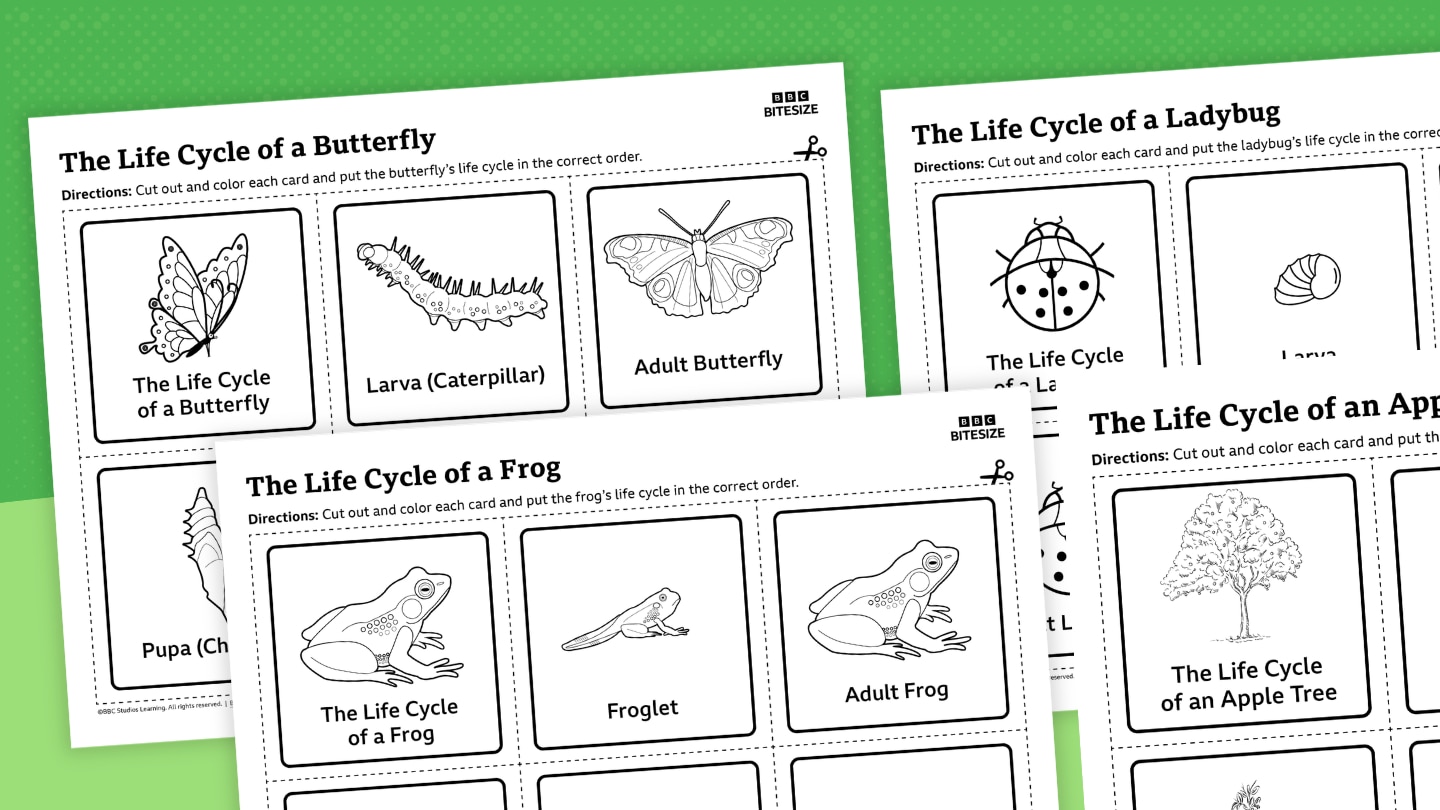
Invite your students to explore the life cycles of common organisms with these life cycle sequencing cards. The cards cover the bean plant, butterfly, birch tree, apple tree, honeybee, ladybug, and frog. They come already mixed up, so kids can color, cut, and put them in order. Use as an introductory task, check for understanding, center activity, or study guide!
As you introduce life cycles, focus on key concepts such as stages of growth, changes in form and function, and the idea that all living things follow a pattern from beginning to end. Encourage students to ask questions, make predictions, and notice patterns across plants and animals.
Teaching life cycles in elementary school is not only standards-based, it's also a great way to help students understand how living things grow and change over time. At this level, students are ready to explore clear, observable stages — like seed to plant or egg to adult—and begin comparing similarities and differences across species.
Get swept up in the drama of Earth’s extreme weather! This BBC video clip collection — featuring clips from Blue Planet, Blue Planet II, and other acclaimed BBC series — takes you into the heart of hurricanes, tornadoes, blizzards, and more. Discover how these powerful forces shape our planet, challenge wildlife, and reveal the awe-inspiring power of nature.
All right, squids. Follow the path to find out all about the life cycle of a butterfly. You can play on your own or with a mate. Travel along to find out how a butterfly grows and do the actions as you go:
- Caterpillar: Pretend to munch on a yummy leaf and nom-nom-nom to the next space
- Chrysalis: Keep quiet and stay verrryyy still in your cozy chrysalis. Shhh!
- Emerge: Say, "Look at me! I'm a butterfly!" Check out your awesome wings
- Butterfly: Uncurl your long butterfly tongue and wiggle it about
Discover the amazing hunting techniques of cave glow worms, witness the transformation of lake fly midges, and delve into the mysteries of bioluminescence in the jungle night. Prepare for a close-up look at the miniature marvels all around us!
Get ready to meet the cold-blooded superstars of the animal kingdom! This BBC playlist slinks, scuttles, and snaps through the fascinating lives of cobras, turtles, lizards, and alligators. Whether it's the mesmerizing hood dance of a cobra or the alligator's toothy grin, these clips are perfect for sparking curiosity (and maybe a little squeamishness) in your classroom. Warning: May cause students to say "Whoa!" and "Ew!" in equal measure.
The article "Understanding Water: The Key to Life on Earth" from BBC's Science Focus explains how water’s physical properties, like hydrogen bonding, allow it to support life on Earth. It highlights the importance of water in living organisms, the water cycle, and the discovery of water in space.
The article "Secrets of Metamorphosis: Why Some Animals Transform" from BBC's Discover Wildlife explains why certain animals undergo dramatic changes while others retain the same form throughout life. Evolutionary biologist JV Chamary explores the biological and ecological advantages of metamorphosis.
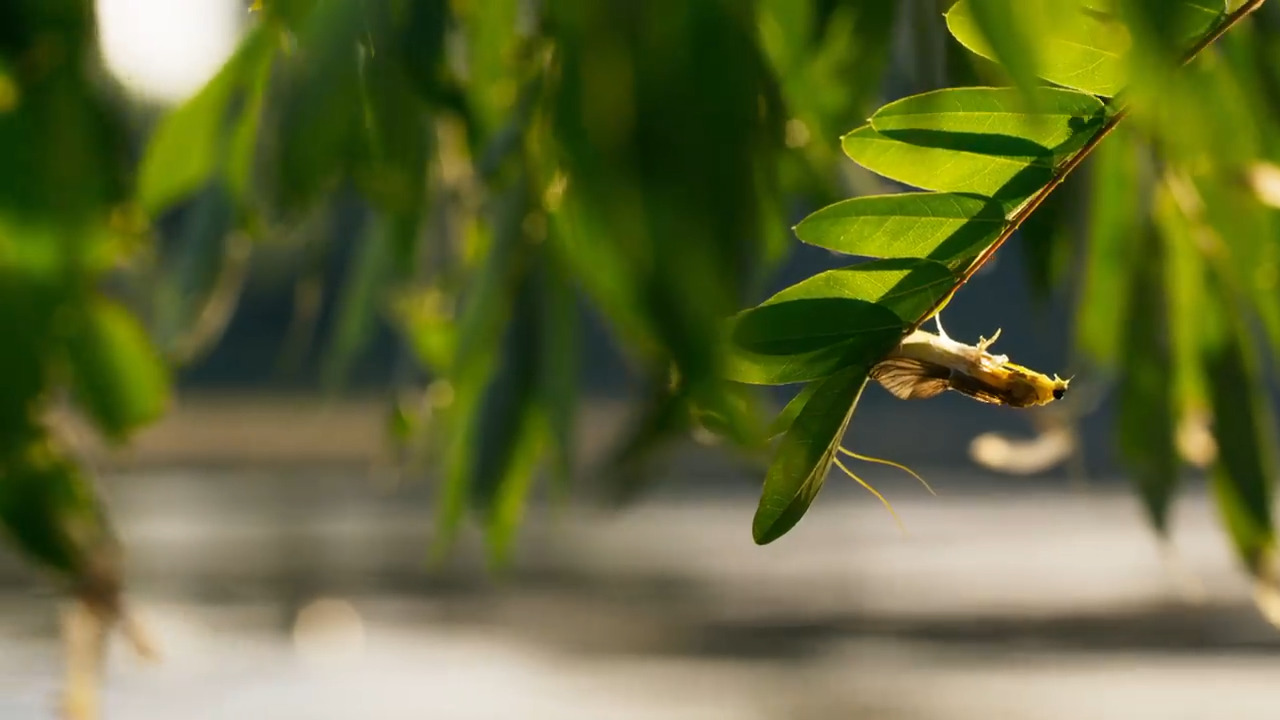
In The Amazing Life Cycle of Mayflies, narrator Sir David Attenborough describes how mayflies emerge and reproduce during a few days in June. Male mayflies have only one purpose in life: to reproduce. After this, they die, leaving the females to fly upstream and lay their eggs. This video is excerpted from BBC’s Seven Worlds, One Planet, a series featuring remarkable animal behavior from all seven continents.
In Turtles on Ascension Island, narrator David Attenborough highlights the green sea turtles that travel incredible distances to lay their eggs on the beaches of Ascension Island. A female turtle may swim over 1,000 miles from her feeding grounds without eating for two months. At night, female turtles come ashore to nest, while eggs laid earlier in the season begin to hatch. Newly hatched turtles must quickly reach the ocean to avoid predators. However, their journey is just beginning — most will not survive the next 20 years. Yet, those that do will return to the same beach where they were born, guided by an instinct that scientists still do not fully understand. This video is excerpted from BBC’s Planet Earth, a breathtaking documentary series that highlights the natural wonders of our planet.
In March of the Zombie Cicada Army, narrator Sir David Attenborough describes more than a billion insects emerging after 17 years underground. Your skin might crawl as you watch the cicadas take over the forest, morph into adult form, and become prey to eager predators. This video is excerpted from BBC's Planet Earth, a breathtaking documentary series that highlights the natural wonders of our planet.
In The Transformation of Lake Fly Midges, narrator Sir David Attenborough follows the magical transformation of lake fly midges from undeveloped larvae deep in dark waters to adults that hatch by the millions at the surface to form strange clouds of flying insects! This video is excerpted from BBC's Planet Earth, a breathtaking documentary series that highlights the natural wonders of our planet.
In Alligator Hatchlings Learn to Hunt, the summer wet season rejuvenates Florida landscapes and provides the ideal habitat for baby alligators. This video is excerpted from BBC's Natural World: Florida - America's Animal Paradise, a series displaying Florida’s diverse wildlife and its resilience against increasing environmental threats.
Invite your students to explore the life cycles of common organisms with these life cycle sequencing cards. The cards cover the bean plant, butterfly, birch tree, apple tree, honeybee, ladybug, and frog. They come already mixed up, so kids can color, cut, and put them in order. Use as an introductory task, check for understanding, center activity, or study guide!
As you introduce life cycles, focus on key concepts such as stages of growth, changes in form and function, and the idea that all living things follow a pattern from beginning to end. Encourage students to ask questions, make predictions, and notice patterns across plants and animals.
Teaching life cycles in elementary school is not only standards-based, it's also a great way to help students understand how living things grow and change over time. At this level, students are ready to explore clear, observable stages — like seed to plant or egg to adult—and begin comparing similarities and differences across species.
Get swept up in the drama of Earth’s extreme weather! This BBC video clip collection — featuring clips from Blue Planet, Blue Planet II, and other acclaimed BBC series — takes you into the heart of hurricanes, tornadoes, blizzards, and more. Discover how these powerful forces shape our planet, challenge wildlife, and reveal the awe-inspiring power of nature.
All right, squids. Follow the path to find out all about the life cycle of a butterfly. You can play on your own or with a mate. Travel along to find out how a butterfly grows and do the actions as you go:
- Caterpillar: Pretend to munch on a yummy leaf and nom-nom-nom to the next space
- Chrysalis: Keep quiet and stay verrryyy still in your cozy chrysalis. Shhh!
- Emerge: Say, "Look at me! I'm a butterfly!" Check out your awesome wings
- Butterfly: Uncurl your long butterfly tongue and wiggle it about
Discover the amazing hunting techniques of cave glow worms, witness the transformation of lake fly midges, and delve into the mysteries of bioluminescence in the jungle night. Prepare for a close-up look at the miniature marvels all around us!
Get ready to meet the cold-blooded superstars of the animal kingdom! This BBC playlist slinks, scuttles, and snaps through the fascinating lives of cobras, turtles, lizards, and alligators. Whether it's the mesmerizing hood dance of a cobra or the alligator's toothy grin, these clips are perfect for sparking curiosity (and maybe a little squeamishness) in your classroom. Warning: May cause students to say "Whoa!" and "Ew!" in equal measure.
The article "Understanding Water: The Key to Life on Earth" from BBC's Science Focus explains how water’s physical properties, like hydrogen bonding, allow it to support life on Earth. It highlights the importance of water in living organisms, the water cycle, and the discovery of water in space.
The article "Secrets of Metamorphosis: Why Some Animals Transform" from BBC's Discover Wildlife explains why certain animals undergo dramatic changes while others retain the same form throughout life. Evolutionary biologist JV Chamary explores the biological and ecological advantages of metamorphosis.
In The Amazing Life Cycle of Mayflies, narrator Sir David Attenborough describes how mayflies emerge and reproduce during a few days in June. Male mayflies have only one purpose in life: to reproduce. After this, they die, leaving the females to fly upstream and lay their eggs. This video is excerpted from BBC’s Seven Worlds, One Planet, a series featuring remarkable animal behavior from all seven continents.
In Turtles on Ascension Island, narrator David Attenborough highlights the green sea turtles that travel incredible distances to lay their eggs on the beaches of Ascension Island. A female turtle may swim over 1,000 miles from her feeding grounds without eating for two months. At night, female turtles come ashore to nest, while eggs laid earlier in the season begin to hatch. Newly hatched turtles must quickly reach the ocean to avoid predators. However, their journey is just beginning — most will not survive the next 20 years. Yet, those that do will return to the same beach where they were born, guided by an instinct that scientists still do not fully understand. This video is excerpted from BBC’s Planet Earth, a breathtaking documentary series that highlights the natural wonders of our planet.
In March of the Zombie Cicada Army, narrator Sir David Attenborough describes more than a billion insects emerging after 17 years underground. Your skin might crawl as you watch the cicadas take over the forest, morph into adult form, and become prey to eager predators. This video is excerpted from BBC's Planet Earth, a breathtaking documentary series that highlights the natural wonders of our planet.
In The Transformation of Lake Fly Midges, narrator Sir David Attenborough follows the magical transformation of lake fly midges from undeveloped larvae deep in dark waters to adults that hatch by the millions at the surface to form strange clouds of flying insects! This video is excerpted from BBC's Planet Earth, a breathtaking documentary series that highlights the natural wonders of our planet.
In Alligator Hatchlings Learn to Hunt, the summer wet season rejuvenates Florida landscapes and provides the ideal habitat for baby alligators. This video is excerpted from BBC's Natural World: Florida - America's Animal Paradise, a series displaying Florida’s diverse wildlife and its resilience against increasing environmental threats.