
News is happening all the time, everywhere. So how do journalists choose what to share? Introduce your students to the processes involved in gathering the news they consume every day. In this lesson, they’ll learn the importance of curiosity in shaping news.
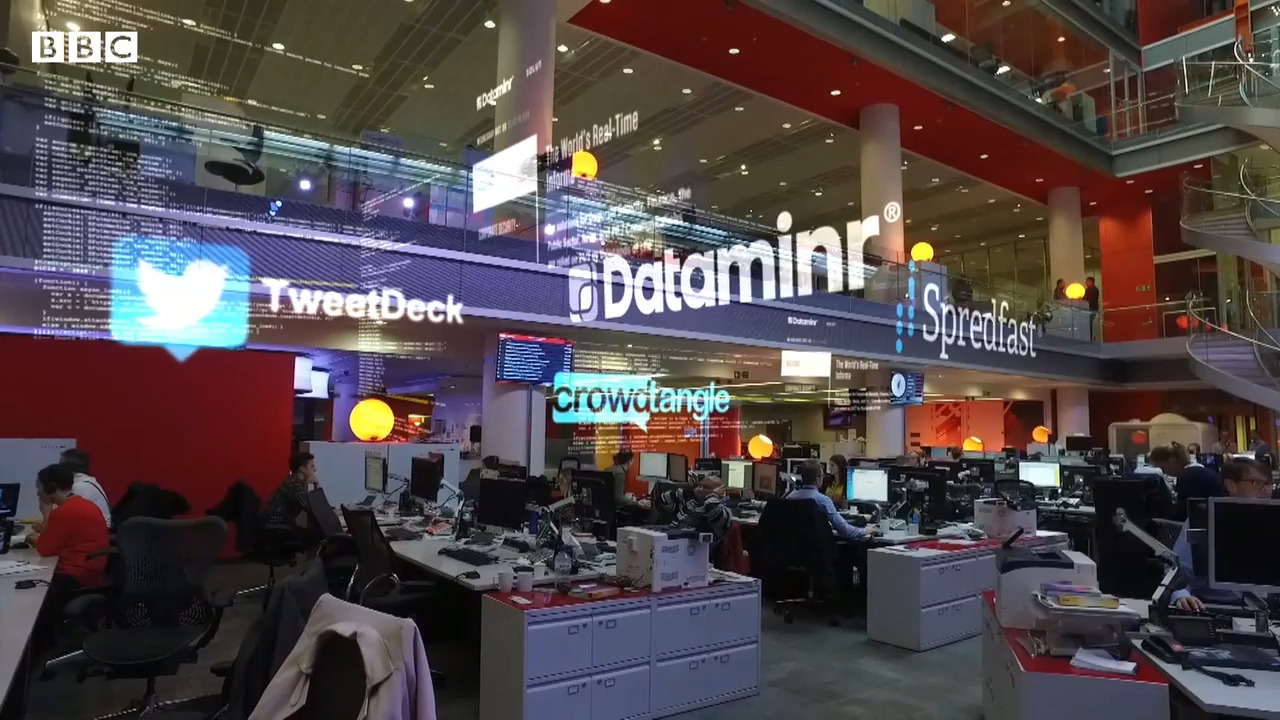
In How Do Journalists Find the News?, host Radzi Chinyanganya explores how journalists find and gather their news, ask the right questions, and let their curiosity drive them. Today, journalists still look to trusted sources, correspondents, and news agencies, but they also use online tools like social media to discover what the public is talking about. Then they send teams to the scene to talk to eyewitnesses, emergency services, and to gather statements. This video is excerpted from BBC’s My World, a program created for teenagers eager to learn more about the important stories shaping our world.

The article "The Rise of "Virtue Bullies": How Self-Righteous Shaming Conquered the Internet" from BBC's Science Focus explains how people use moral ideals to justify attacking others online.
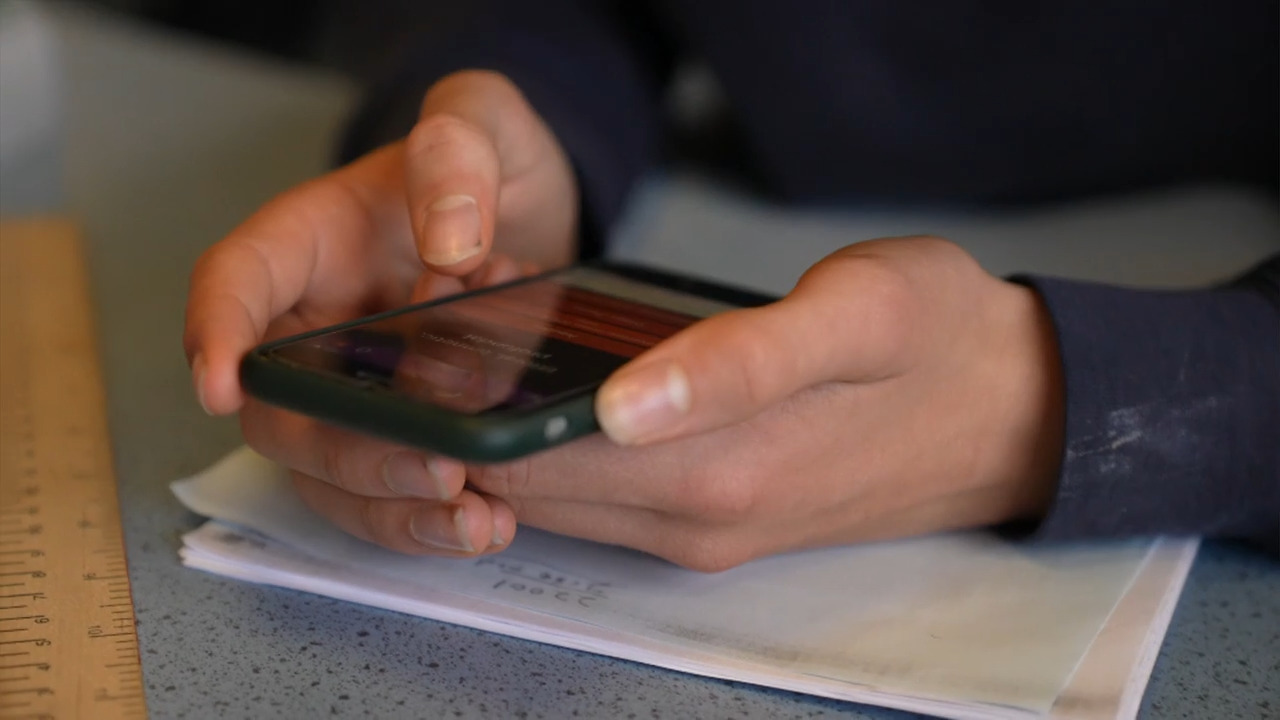
Phones away! In April of 2026, the UK government said it would introduce a ban on smartphones in schools, saying they should be phone free, all day. That may seem clear, but there have been more than enough interpretations of this law to cause problems.
Most schools do restrict phone use, but their methods of doing so and how seriously they take the rule, vary from place to place. Some use lockers, some use sealed magnetic pouches, and some haven’t really committed to the rule yet. So, officials are pushing for more clarity and more regulation.
For example, what defines a smartphone? A phone with internet access is much different from one that can only call and text. Should students be allowed to use a flip phone but not an iPhone? Are camera phones allowed? Does it count as a smartphone if it’s a rotary phone with a degree from Harvard?! The government has a lot of work to do before everybody’s on the same page.
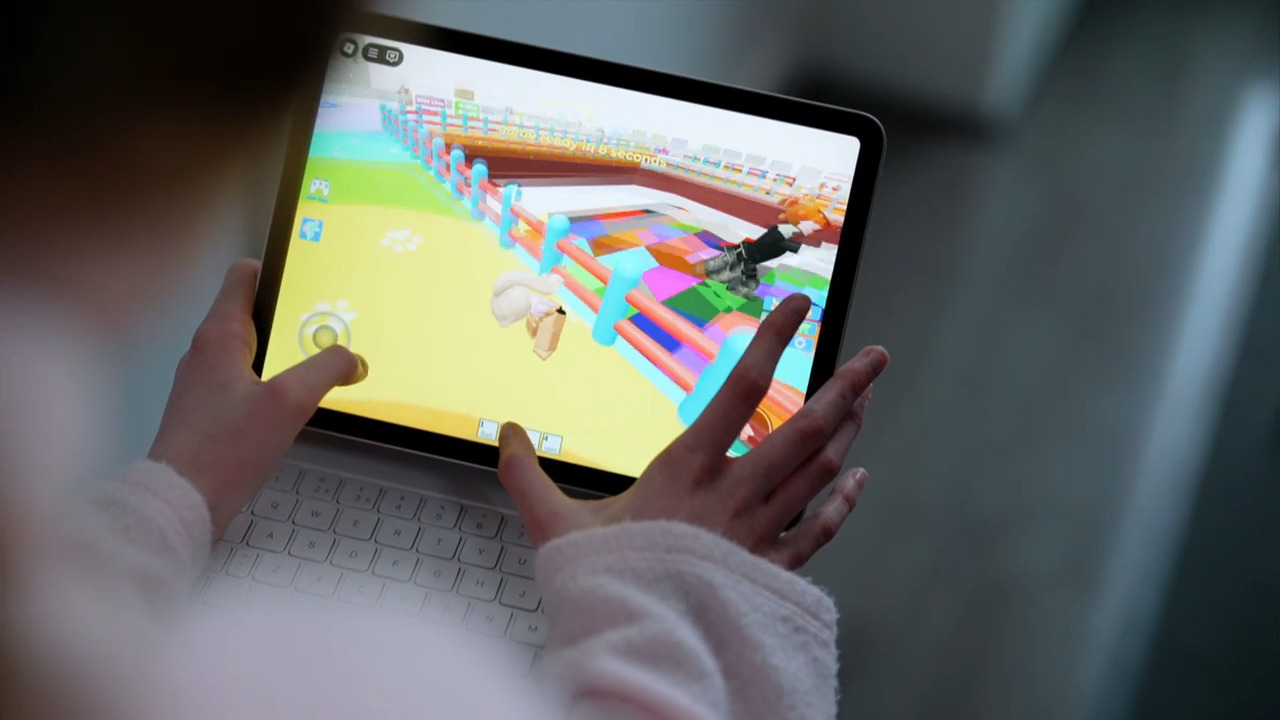
Roblox has exploded into one of the most popular gaming platforms in the world, especially for kids ages 8–12. What started as a small company has grown into a massive online universe with more than 40 million user-created games and experiences — from obstacle courses and role-playing worlds to fashion shows and virtual adventures. In fact, Roblox now has more monthly users than Nintendo Switch and Sony PlayStation combined.
But with its huge popularity comes growing controversy. Critics say that because almost anyone can create a game on the platform, some content may not always be appropriate for younger users. That has raised questions from parents and safety experts about how well kids are protected online.
Roblox co-founder and CEO Dave Baszucki says the company takes safety seriously and has “no tolerance” for inappropriate content. The platform has introduced new protections, including limits on messaging for users under 13. Still, reports show that some kids can sometimes find ways around age restrictions, which keeps the debate going.
Baszucki also says millions of users are having positive, creative experiences on Roblox every day — and reminds parents that they ultimately decide whether it’s the right platform for their children.
News is happening all the time, everywhere. So how do journalists choose what to share? Introduce your students to the processes involved in gathering the news they consume every day. In this lesson, they’ll learn the importance of curiosity in shaping news.
In How Do Journalists Find the News?, host Radzi Chinyanganya explores how journalists find and gather their news, ask the right questions, and let their curiosity drive them. Today, journalists still look to trusted sources, correspondents, and news agencies, but they also use online tools like social media to discover what the public is talking about. Then they send teams to the scene to talk to eyewitnesses, emergency services, and to gather statements. This video is excerpted from BBC’s My World, a program created for teenagers eager to learn more about the important stories shaping our world.
The article "The Rise of "Virtue Bullies": How Self-Righteous Shaming Conquered the Internet" from BBC's Science Focus explains how people use moral ideals to justify attacking others online.
Phones away! In April of 2026, the UK government said it would introduce a ban on smartphones in schools, saying they should be phone free, all day. That may seem clear, but there have been more than enough interpretations of this law to cause problems.
Most schools do restrict phone use, but their methods of doing so and how seriously they take the rule, vary from place to place. Some use lockers, some use sealed magnetic pouches, and some haven’t really committed to the rule yet. So, officials are pushing for more clarity and more regulation.
For example, what defines a smartphone? A phone with internet access is much different from one that can only call and text. Should students be allowed to use a flip phone but not an iPhone? Are camera phones allowed? Does it count as a smartphone if it’s a rotary phone with a degree from Harvard?! The government has a lot of work to do before everybody’s on the same page.
Roblox has exploded into one of the most popular gaming platforms in the world, especially for kids ages 8–12. What started as a small company has grown into a massive online universe with more than 40 million user-created games and experiences — from obstacle courses and role-playing worlds to fashion shows and virtual adventures. In fact, Roblox now has more monthly users than Nintendo Switch and Sony PlayStation combined.
But with its huge popularity comes growing controversy. Critics say that because almost anyone can create a game on the platform, some content may not always be appropriate for younger users. That has raised questions from parents and safety experts about how well kids are protected online.
Roblox co-founder and CEO Dave Baszucki says the company takes safety seriously and has “no tolerance” for inappropriate content. The platform has introduced new protections, including limits on messaging for users under 13. Still, reports show that some kids can sometimes find ways around age restrictions, which keeps the debate going.
Baszucki also says millions of users are having positive, creative experiences on Roblox every day — and reminds parents that they ultimately decide whether it’s the right platform for their children.