
News is supposed to be impartial, but that’s not always the case. So how does bias get into the news? Introduce your students to why journalism’s standards of impartiality are so important and how recognizing bias will help them judge the accuracy of the news they encounter. In this lesson, they’ll explore how perspective can shape a report and try their hand at rewriting biased reporting.
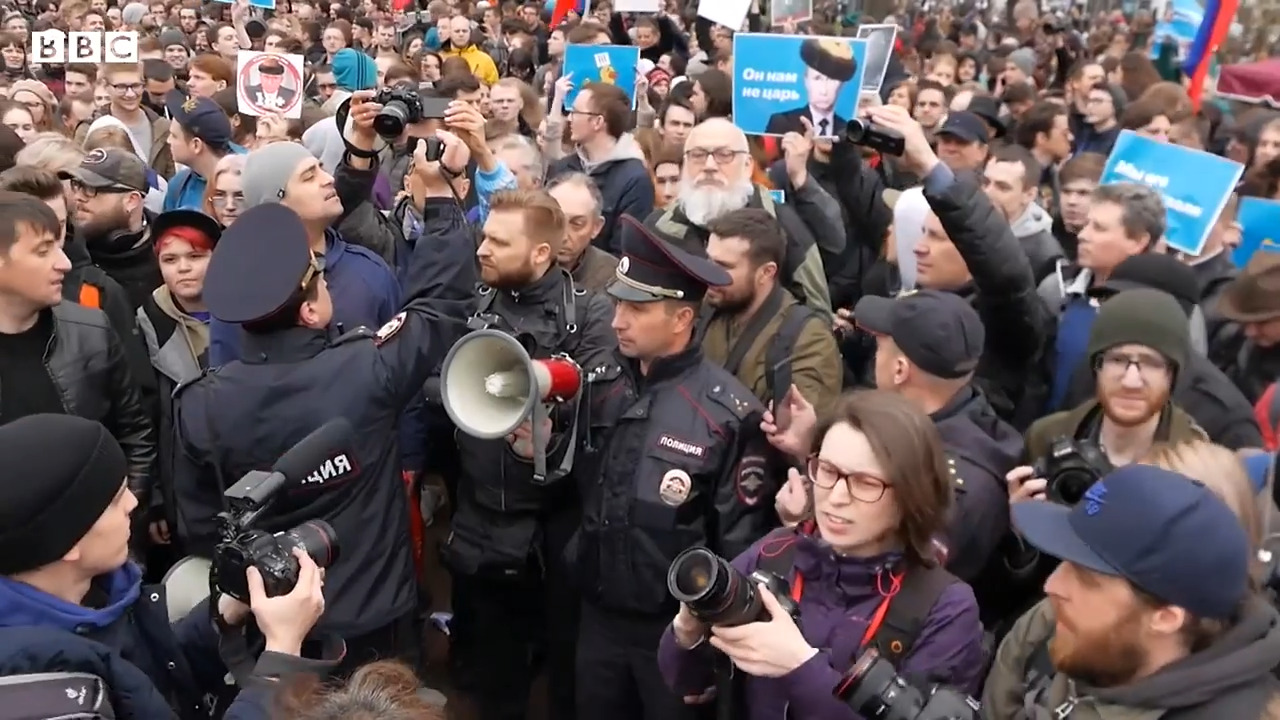
In Different Perspectives, host Radzi Chinyanganya explores how journalists avoid bias in the media by showing a range of opinions so that people can decide what they think for themselves. For example, in one report, a teenager named Nikita regularly protests his government in Moscow. He admits that not everyone shares his negative views on Vladimir Putin. A second report describes Putin in both the eyes of his supporters and opponents. His supporters see him as popular and charismatic, but his opponents think he leads by force and has taken away freedoms. This video is excerpted from BBC’s My World, a program created for teenagers eager to learn more about the important stories shaping our world.
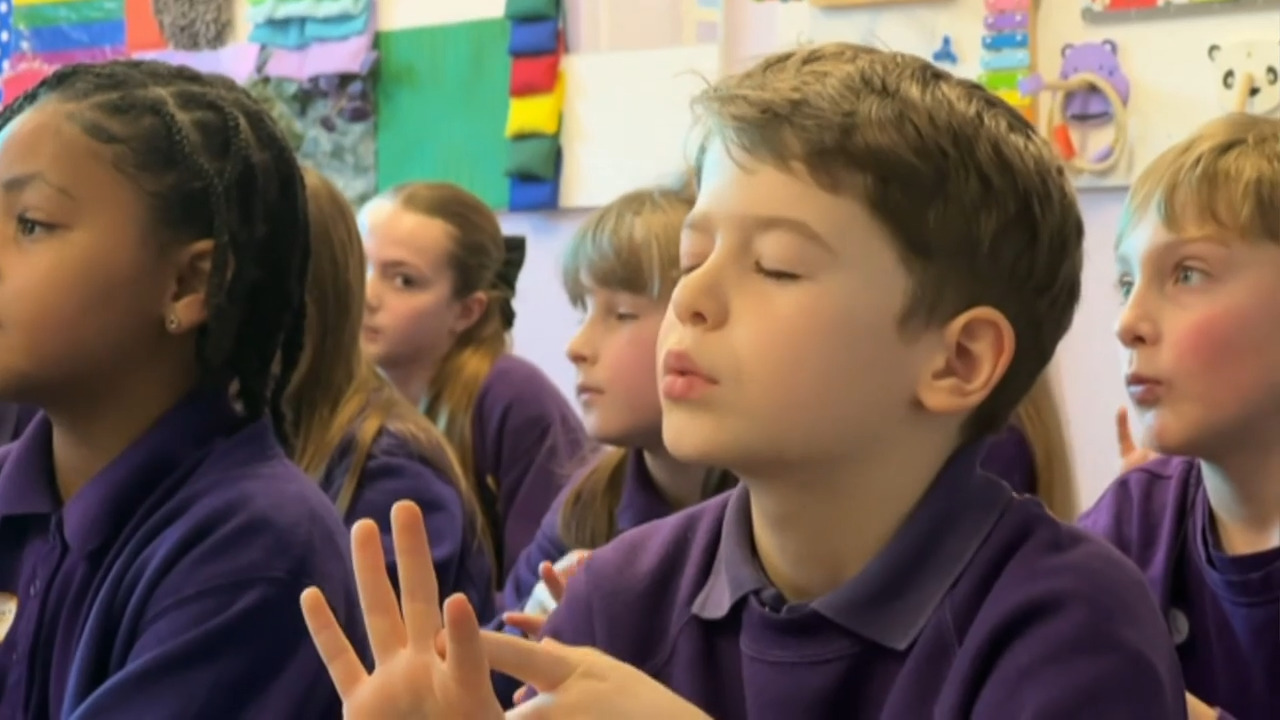
Learn how schools are combating student anxiety and the rise in school absences by offering mindfulness tools and strategies. Since the pandemic, there’s been a drop in school attendance nationally, but schools are hoping this support will work. This video is excerpted from BBC News, a high-quality news program that provides impartial, distinctive information to educate and entertain.

All news isn’t created equal. Introduce your students to the different ways people get news. In this lesson, they’ll learn to distinguish more impartial news from news that lacks independence or accountability and to build their own “news neighborhoods.”
News is supposed to be impartial, but that’s not always the case. So how does bias get into the news? Introduce your students to why journalism’s standards of impartiality are so important and how recognizing bias will help them judge the accuracy of the news they encounter. In this lesson, they’ll explore how perspective can shape a report and try their hand at rewriting biased reporting.
In Different Perspectives, host Radzi Chinyanganya explores how journalists avoid bias in the media by showing a range of opinions so that people can decide what they think for themselves. For example, in one report, a teenager named Nikita regularly protests his government in Moscow. He admits that not everyone shares his negative views on Vladimir Putin. A second report describes Putin in both the eyes of his supporters and opponents. His supporters see him as popular and charismatic, but his opponents think he leads by force and has taken away freedoms. This video is excerpted from BBC’s My World, a program created for teenagers eager to learn more about the important stories shaping our world.
Learn how schools are combating student anxiety and the rise in school absences by offering mindfulness tools and strategies. Since the pandemic, there’s been a drop in school attendance nationally, but schools are hoping this support will work. This video is excerpted from BBC News, a high-quality news program that provides impartial, distinctive information to educate and entertain.
All news isn’t created equal. Introduce your students to the different ways people get news. In this lesson, they’ll learn to distinguish more impartial news from news that lacks independence or accountability and to build their own “news neighborhoods.”