
In How the Human Body Adjusts to Space Travel, host Harith Iskander explains the challenges astronauts face when traveling in space. These challenges include nausea, dizziness, and disorientation due to the lack of gravity. This video is excerpted from BBC’s Got Science?, a science magazine series that explores and explains science in everyday life.

In How Our Bodies React in Extraordinary Situations, host Harith Iskander explores how ordinary humans can do extraordinary things when facing danger. When the body senses a threat, it releases a hormone called adrenaline, which helps us respond quickly and even ignore pain. This video is excerpted from BBC’s Got Science?, a science magazine series that explores and explains science in everyday life.
This video playlist brings together 10 fascinating clips from the BBC’s Got Science? series, where everyday questions lead to surprising scientific discoveries. Students explore what’s really happening in the body and brain — from what your brain is doing during sleep paralysis to what it truly means to be “left-brained” or “right-brained.” They’ll investigate what happens when the body becomes dehydrated, how cold temperatures and high altitudes affect how we function, and the unexpected ways our bodies trick us every single day. Packed with “What! Really?” moments, this weird-but-wonderful playlist helps learners connect real science to daily life in unforgettable ways. Get ready to see the familiar become fascinating.
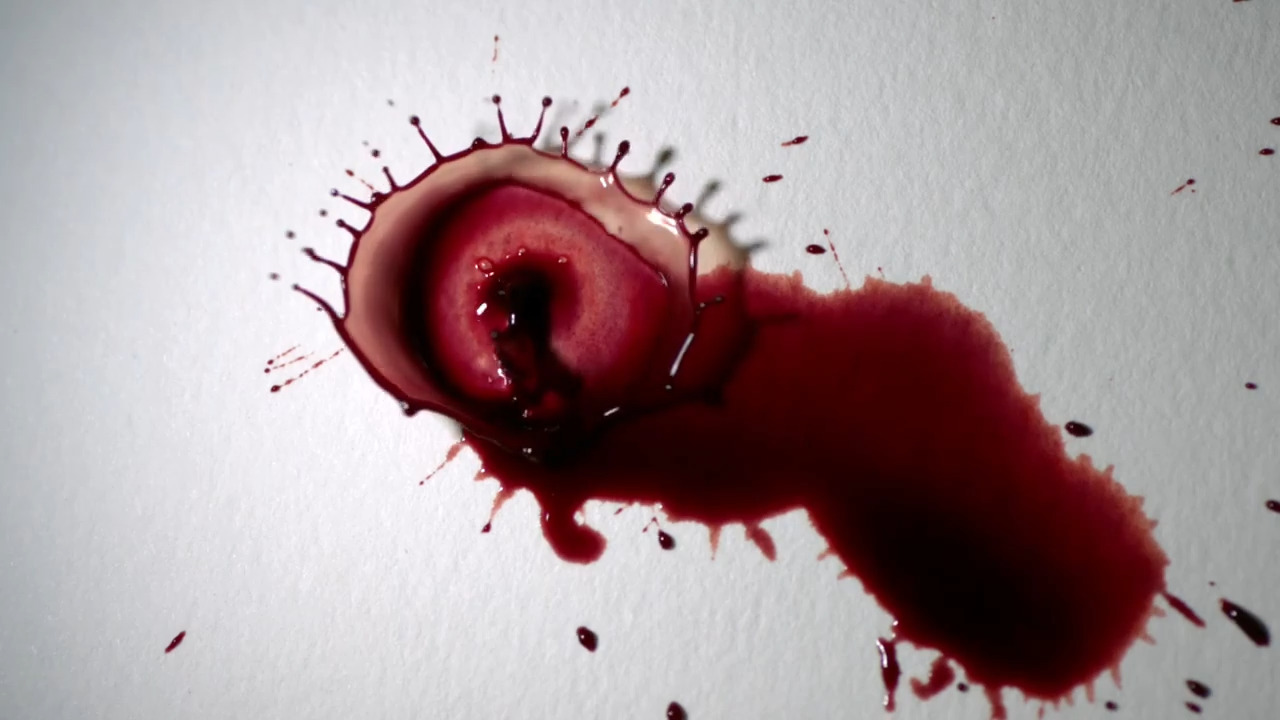
In Myths and Discoveries About Blood, Dr. Michael Mosley introduces the science, history, and mystery behind blood and its life-giving role in the human body. Learn how blood has inspired myths about immortality and healing, while modern science begins to uncover its true functions and potential. This video is excerpted from BBC’s The Wonderful World of Blood, in which Dr. Michael Mosley carries out six experiments on his own blood, from starving it of oxygen to injecting it with snake venom.
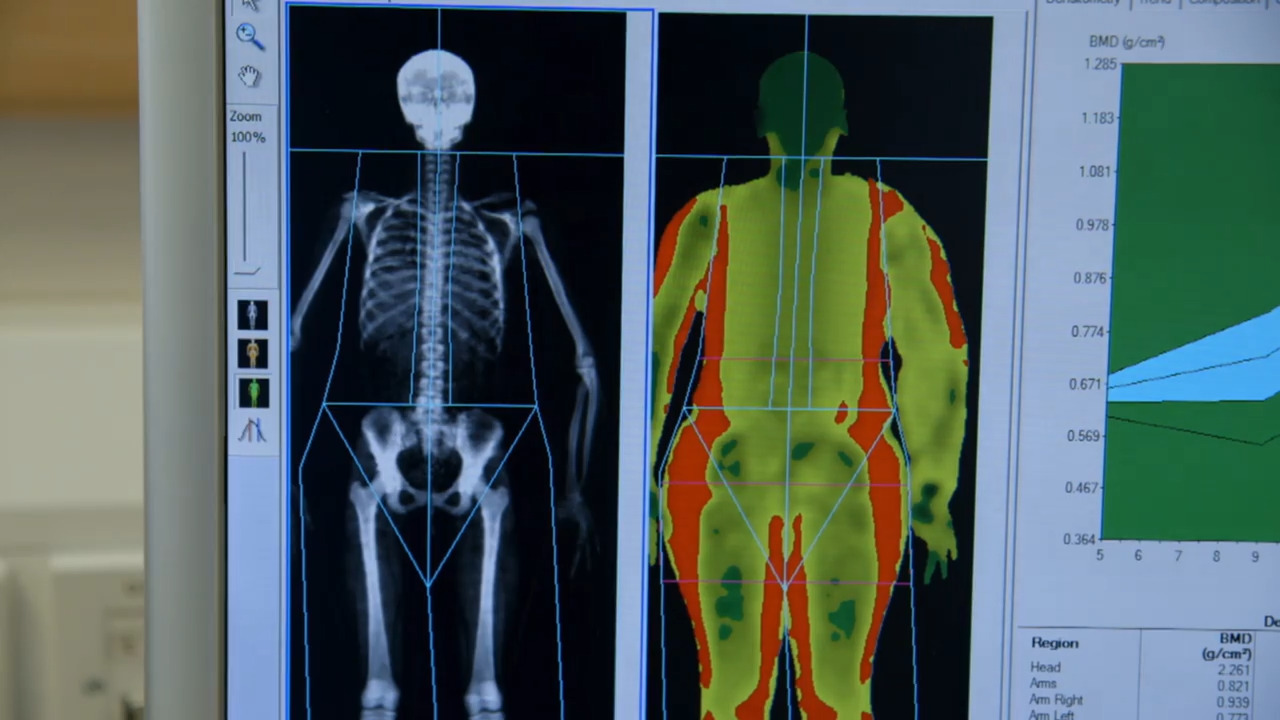
In What Is Segmental Overgrowth?, learn about the fascinating condition that causes certain parts of the body to grow out of proportion. Meet Leah, whose arm is growing abnormally due to a mutation in the PIK3CA gene. Explore the science behind this condition, understanding how cells grow, how mutations in specific genes can affect growth, and the connection between cancer research and segmental overgrowth. This video is excerpted from BBC’s The World’s Most Extraordinary People, a documentary series revealing how rare medical conditions inspire groundbreaking scientific discoveries.
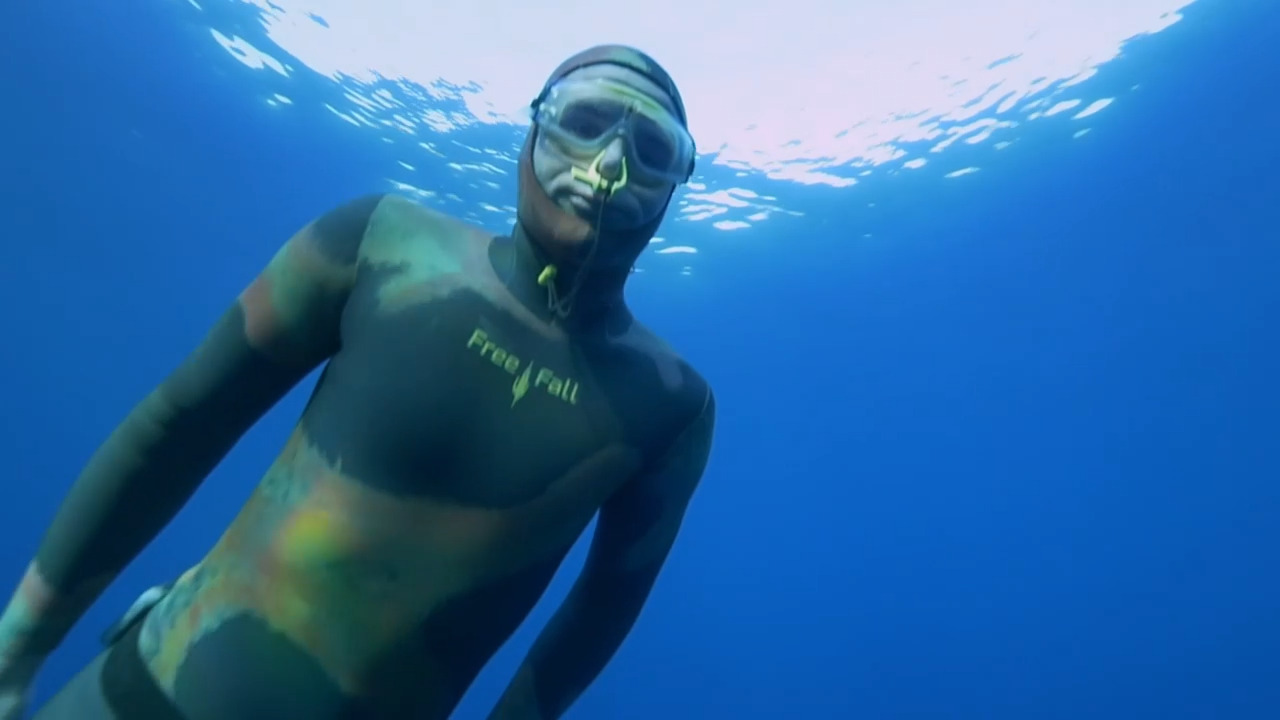
In The Extraordinary Abilities of Breath-Hold Divers, learn about the abilities of breath-hold divers and the scientific discoveries that are being made as researchers study their techniques. Understand the human body's remarkable ability to adapt and how these findings could have future applications in medicine and technology. This video is excerpted from BBC’s The World’s Most Extraordinary People, a documentary series revealing how rare medical conditions inspire groundbreaking scientific discoveries.
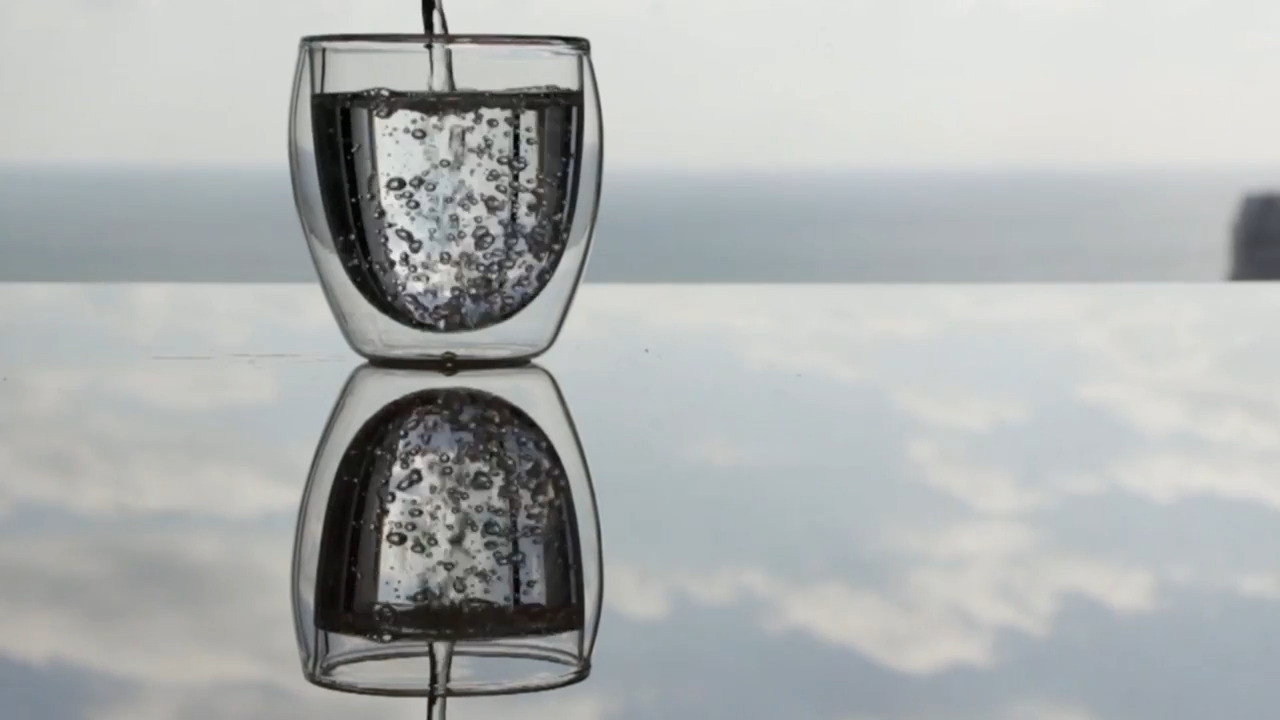
In What Happens When You Don’t Drink Enough Water, host Harith Iskander explains how up to 60% of the human body is made up of water, and how even small amounts of water loss — just 1-2% — can lead to dehydration. Learn how to recognize the signs of dehydration, including mood changes, trouble concentrating, bad breath, headaches, and fatigue. This video is excerpted from BBC’s Got Science?, a science magazine series that explores and explains science in everyday life.
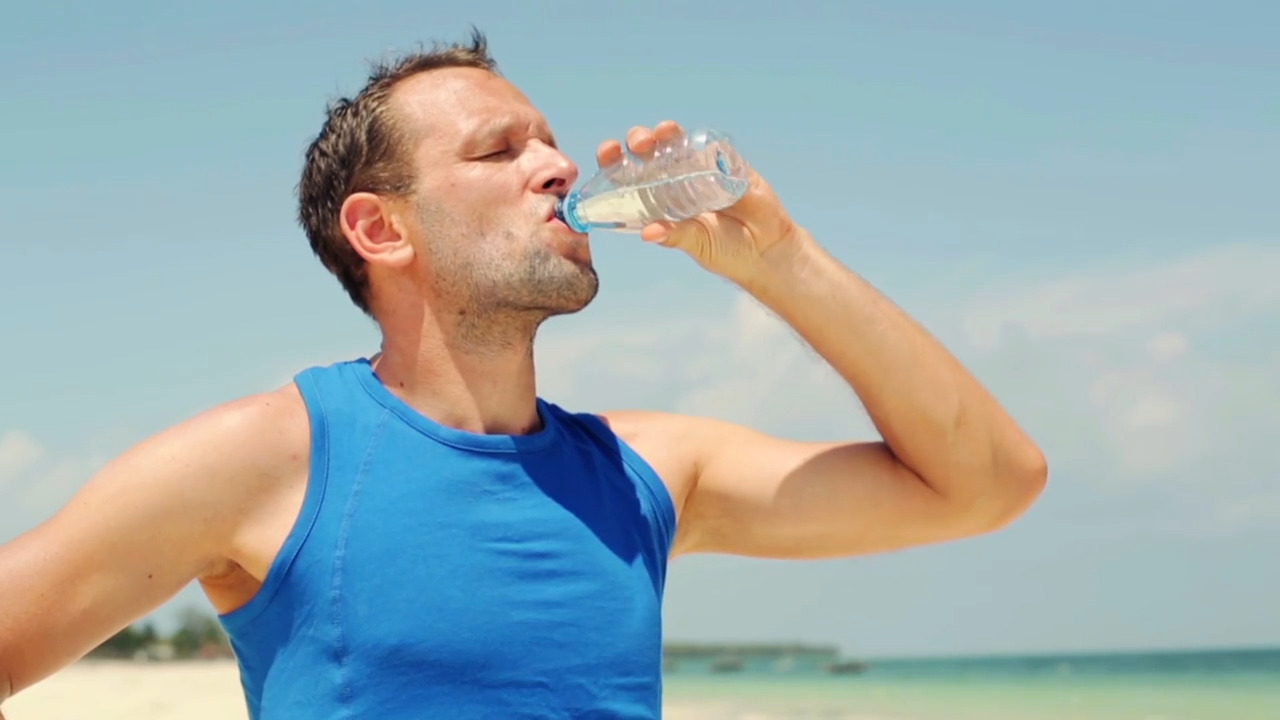
In Breaking Through the "Runner's Wall", host Harith Iskander explores what happens when runners hit "the wall" during a marathon. This is when they feel like they can’t run any further. As runners exercise, their bodies use up energy from a type of sugar called glycogen. When glycogen runs out, the body starts to make lactic acid to protect the muscles from burning out. The trick to pushing past "the wall" is eating foods with carbohydrates before the race to keep energy levels up. This video is excerpted from BBC’s Got Science?, a science magazine series that explores and explains science in everyday life.

In Hacks to Trick the Body, host Harith Iskander shares simple tricks to make everyday annoyances like pins and needles, itchy throats, and nosebleeds go away quickly. Learn how the body’s different parts interact and how a few easy hacks can help us feel better fast. This video is excerpted from BBC’s Got Science?, a science magazine series that explores and explains science in everyday life.
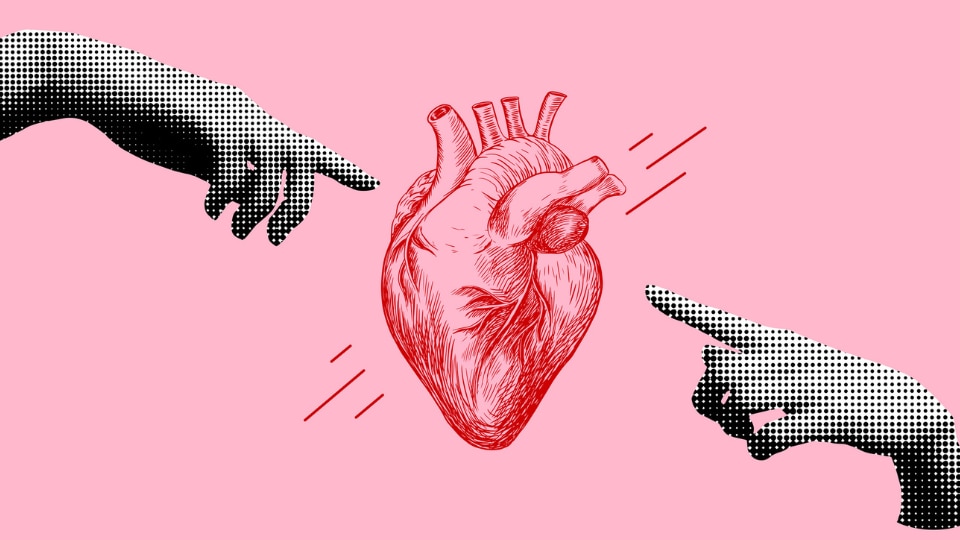
It may only be the size of your fist, but your heart is one of the hardest-working organs in your body. It beats nonstop — whether you’re running laps, laughing with friends, or fast asleep. This Valentine’s season, show your heart a little love by learning what makes it tick.
Think you know what an artery does? Or how long does it take for blood to complete a full circuit through the human body? Get ready for a quiz full of fascinating facts, surprising science, and a few twists that might make your pulse race!
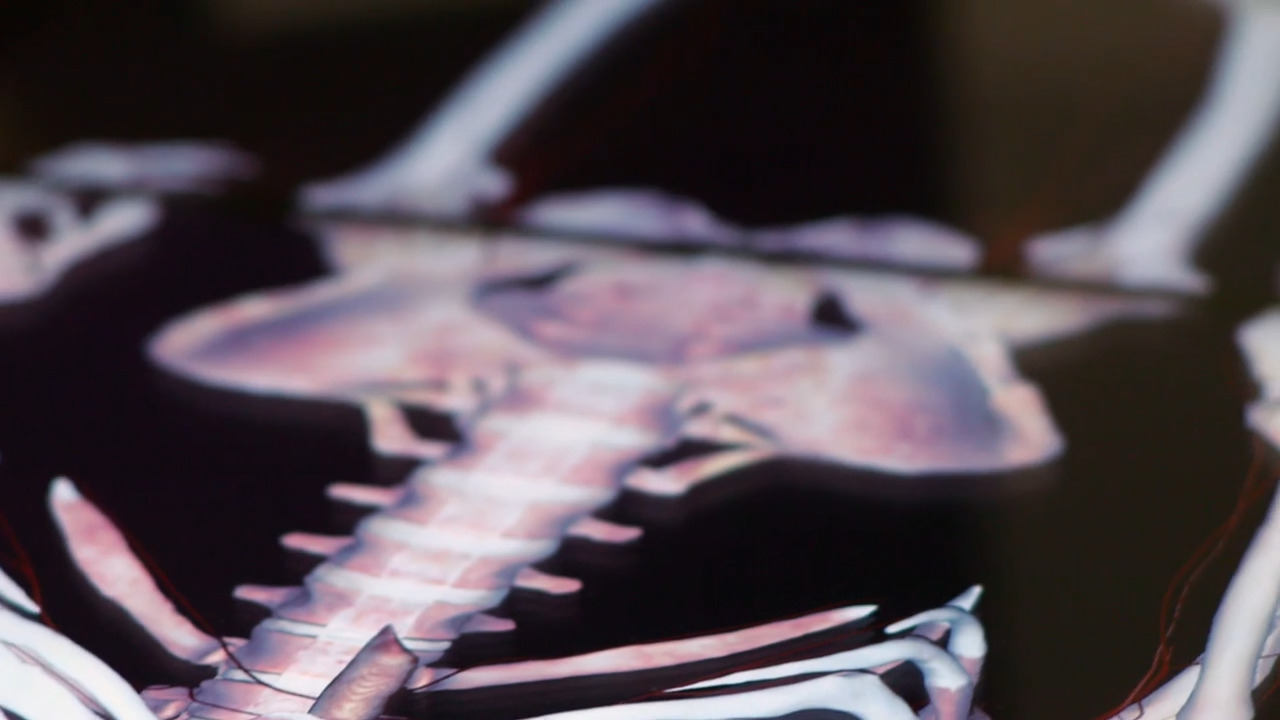
In Understanding Bone Growth Disorders, learn about a rare genetic condition that causes bones to grow abnormally dense. Follow Tim, a man with sclerosteosis, whose bones are 1.5 times denser than granite, which has both advantages and serious medical challenges. His experience with the condition provides insight into how our bones grow and what happens when that growth is excessive. This video is excerpted from BBC’s The World’s Most Extraordinary People, a documentary series revealing how rare medical conditions inspire groundbreaking scientific discoveries.

In Some People See More Colors Than Most, learn how tetrachromacy, a rare condition that allows some people to see more colors than most, is diagnosed. The video highlights how scientists test for this ability by challenging individuals like Concherta to identify colors that only tetrachromats can see. This video is excerpted from BBC’s The World’s Most Extraordinary People, a documentary series revealing how rare medical conditions inspire groundbreaking scientific discoveries.
In How the Human Body Adjusts to Space Travel, host Harith Iskander explains the challenges astronauts face when traveling in space. These challenges include nausea, dizziness, and disorientation due to the lack of gravity. This video is excerpted from BBC’s Got Science?, a science magazine series that explores and explains science in everyday life.
In How Our Bodies React in Extraordinary Situations, host Harith Iskander explores how ordinary humans can do extraordinary things when facing danger. When the body senses a threat, it releases a hormone called adrenaline, which helps us respond quickly and even ignore pain. This video is excerpted from BBC’s Got Science?, a science magazine series that explores and explains science in everyday life.
This video playlist brings together 10 fascinating clips from the BBC’s Got Science? series, where everyday questions lead to surprising scientific discoveries. Students explore what’s really happening in the body and brain — from what your brain is doing during sleep paralysis to what it truly means to be “left-brained” or “right-brained.” They’ll investigate what happens when the body becomes dehydrated, how cold temperatures and high altitudes affect how we function, and the unexpected ways our bodies trick us every single day. Packed with “What! Really?” moments, this weird-but-wonderful playlist helps learners connect real science to daily life in unforgettable ways. Get ready to see the familiar become fascinating.
In Myths and Discoveries About Blood, Dr. Michael Mosley introduces the science, history, and mystery behind blood and its life-giving role in the human body. Learn how blood has inspired myths about immortality and healing, while modern science begins to uncover its true functions and potential. This video is excerpted from BBC’s The Wonderful World of Blood, in which Dr. Michael Mosley carries out six experiments on his own blood, from starving it of oxygen to injecting it with snake venom.
In What Is Segmental Overgrowth?, learn about the fascinating condition that causes certain parts of the body to grow out of proportion. Meet Leah, whose arm is growing abnormally due to a mutation in the PIK3CA gene. Explore the science behind this condition, understanding how cells grow, how mutations in specific genes can affect growth, and the connection between cancer research and segmental overgrowth. This video is excerpted from BBC’s The World’s Most Extraordinary People, a documentary series revealing how rare medical conditions inspire groundbreaking scientific discoveries.
In The Extraordinary Abilities of Breath-Hold Divers, learn about the abilities of breath-hold divers and the scientific discoveries that are being made as researchers study their techniques. Understand the human body's remarkable ability to adapt and how these findings could have future applications in medicine and technology. This video is excerpted from BBC’s The World’s Most Extraordinary People, a documentary series revealing how rare medical conditions inspire groundbreaking scientific discoveries.
In What Happens When You Don’t Drink Enough Water, host Harith Iskander explains how up to 60% of the human body is made up of water, and how even small amounts of water loss — just 1-2% — can lead to dehydration. Learn how to recognize the signs of dehydration, including mood changes, trouble concentrating, bad breath, headaches, and fatigue. This video is excerpted from BBC’s Got Science?, a science magazine series that explores and explains science in everyday life.
In Breaking Through the "Runner's Wall", host Harith Iskander explores what happens when runners hit "the wall" during a marathon. This is when they feel like they can’t run any further. As runners exercise, their bodies use up energy from a type of sugar called glycogen. When glycogen runs out, the body starts to make lactic acid to protect the muscles from burning out. The trick to pushing past "the wall" is eating foods with carbohydrates before the race to keep energy levels up. This video is excerpted from BBC’s Got Science?, a science magazine series that explores and explains science in everyday life.
In Hacks to Trick the Body, host Harith Iskander shares simple tricks to make everyday annoyances like pins and needles, itchy throats, and nosebleeds go away quickly. Learn how the body’s different parts interact and how a few easy hacks can help us feel better fast. This video is excerpted from BBC’s Got Science?, a science magazine series that explores and explains science in everyday life.
It may only be the size of your fist, but your heart is one of the hardest-working organs in your body. It beats nonstop — whether you’re running laps, laughing with friends, or fast asleep. This Valentine’s season, show your heart a little love by learning what makes it tick.
Think you know what an artery does? Or how long does it take for blood to complete a full circuit through the human body? Get ready for a quiz full of fascinating facts, surprising science, and a few twists that might make your pulse race!
In Understanding Bone Growth Disorders, learn about a rare genetic condition that causes bones to grow abnormally dense. Follow Tim, a man with sclerosteosis, whose bones are 1.5 times denser than granite, which has both advantages and serious medical challenges. His experience with the condition provides insight into how our bones grow and what happens when that growth is excessive. This video is excerpted from BBC’s The World’s Most Extraordinary People, a documentary series revealing how rare medical conditions inspire groundbreaking scientific discoveries.
In Some People See More Colors Than Most, learn how tetrachromacy, a rare condition that allows some people to see more colors than most, is diagnosed. The video highlights how scientists test for this ability by challenging individuals like Concherta to identify colors that only tetrachromats can see. This video is excerpted from BBC’s The World’s Most Extraordinary People, a documentary series revealing how rare medical conditions inspire groundbreaking scientific discoveries.