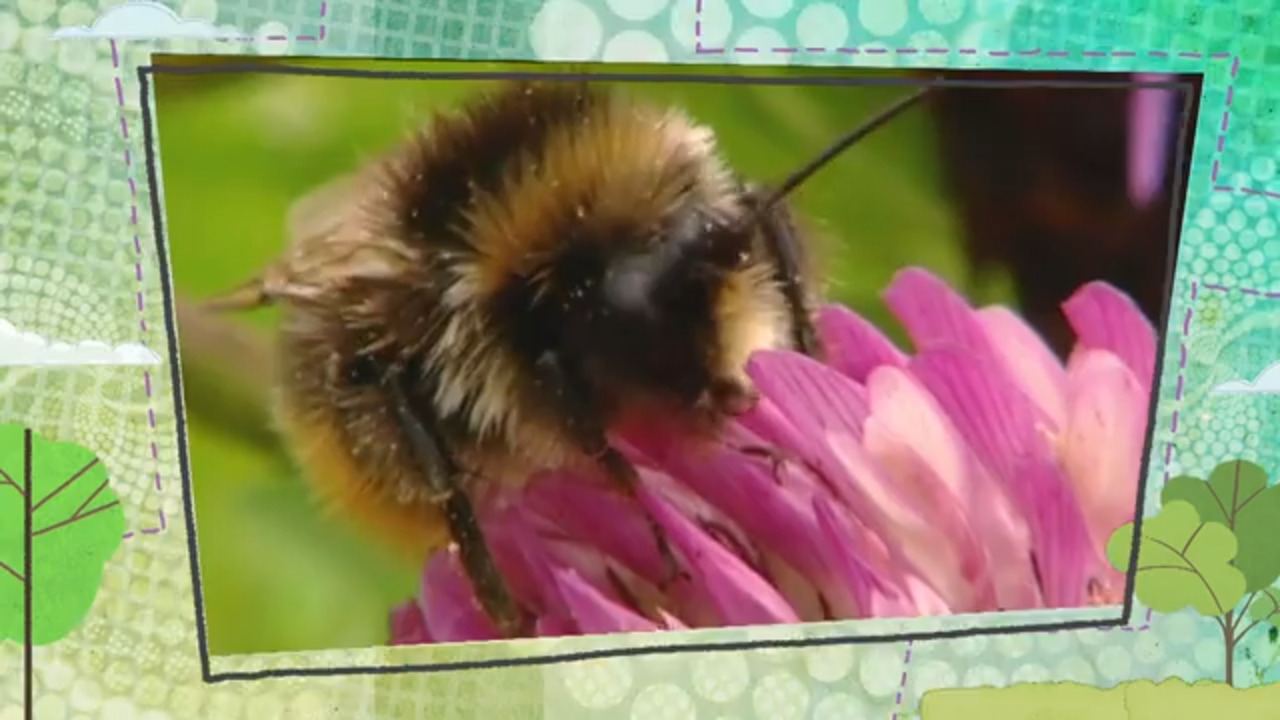
In The Life of a Honeybee!, host Rory Crawford is about to buzz into the exciting world of honeybees! These social creatures live in hives filled with worker bees and one big queen bee who lays all the eggs. Learn how to care for these busy pollinators safely, including using a smoker and wearing a bee suit, while discovering the sweet treasures of honey and beeswax found in their hives! This video is excerpted from BBC’s My Pet and Me, a children’s show that introduces kids to the rewards and responsibilities involved when having a pet.
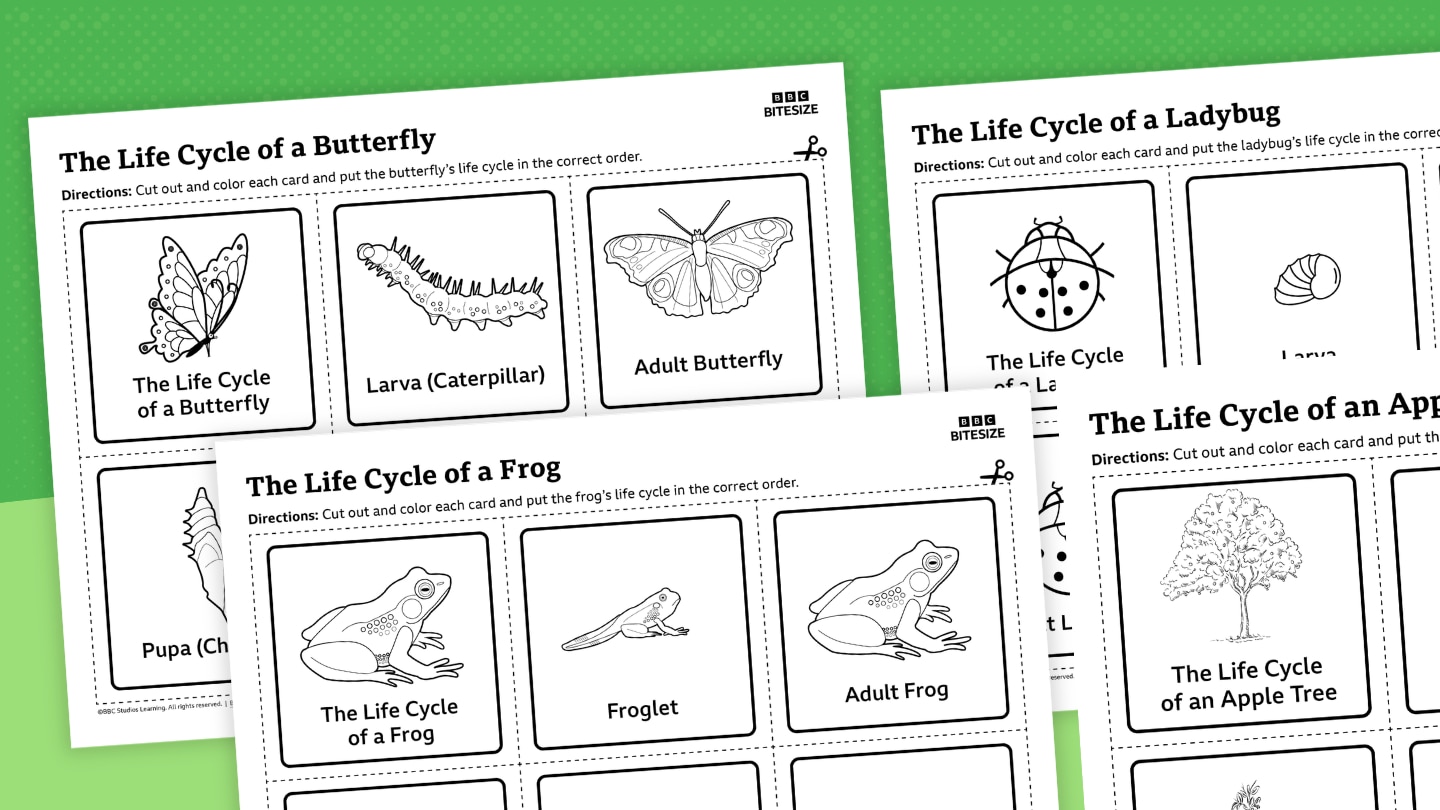
Invite your students to explore the life cycles of common organisms with these life cycle sequencing cards. The cards cover the bean plant, butterfly, birch tree, apple tree, honeybee, ladybug, and frog. They come already mixed up, so kids can color, cut, and put them in order. Use as an introductory task, check for understanding, center activity, or study guide!
As you introduce life cycles, focus on key concepts such as stages of growth, changes in form and function, and the idea that all living things follow a pattern from beginning to end. Encourage students to ask questions, make predictions, and notice patterns across plants and animals.
Teaching life cycles in elementary school is not only standards-based, it's also a great way to help students understand how living things grow and change over time. At this level, students are ready to explore clear, observable stages — like seed to plant or egg to adult—and begin comparing similarities and differences across species.
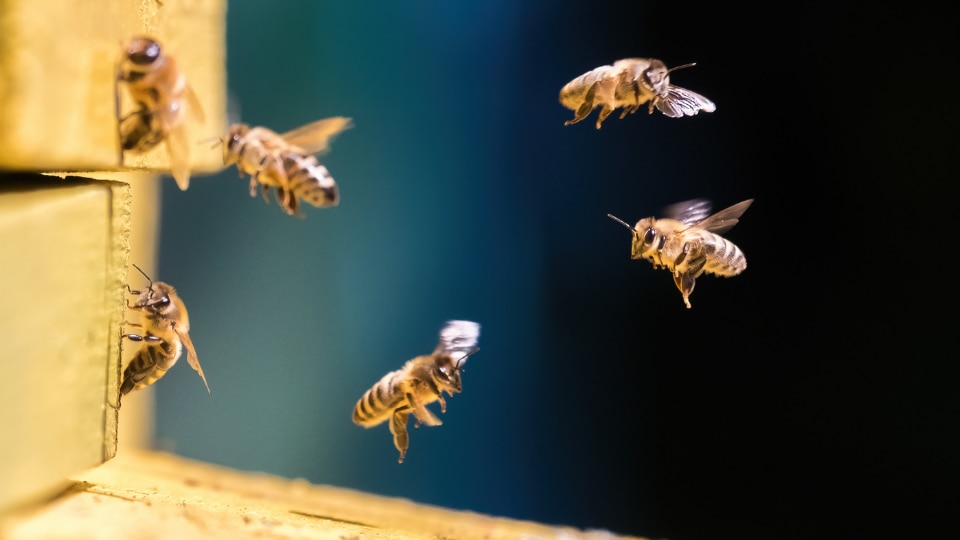
Tiny but mighty, bees play a huge role in keeping our world alive and blooming. As they travel from flower to flower, they carry pollen that helps plants reproduce — supporting ecosystems and much of the food we eat. Inside their hives, bees work together in highly organized communities, each with a job to do.
From pollination to honey-making, this is the ideal quiz to help students ages 8–14 develop their "hive mind."
In The Life of a Honeybee!, host Rory Crawford is about to buzz into the exciting world of honeybees! These social creatures live in hives filled with worker bees and one big queen bee who lays all the eggs. Learn how to care for these busy pollinators safely, including using a smoker and wearing a bee suit, while discovering the sweet treasures of honey and beeswax found in their hives! This video is excerpted from BBC’s My Pet and Me, a children’s show that introduces kids to the rewards and responsibilities involved when having a pet.
Invite your students to explore the life cycles of common organisms with these life cycle sequencing cards. The cards cover the bean plant, butterfly, birch tree, apple tree, honeybee, ladybug, and frog. They come already mixed up, so kids can color, cut, and put them in order. Use as an introductory task, check for understanding, center activity, or study guide!
As you introduce life cycles, focus on key concepts such as stages of growth, changes in form and function, and the idea that all living things follow a pattern from beginning to end. Encourage students to ask questions, make predictions, and notice patterns across plants and animals.
Teaching life cycles in elementary school is not only standards-based, it's also a great way to help students understand how living things grow and change over time. At this level, students are ready to explore clear, observable stages — like seed to plant or egg to adult—and begin comparing similarities and differences across species.
Tiny but mighty, bees play a huge role in keeping our world alive and blooming. As they travel from flower to flower, they carry pollen that helps plants reproduce — supporting ecosystems and much of the food we eat. Inside their hives, bees work together in highly organized communities, each with a job to do.
From pollination to honey-making, this is the ideal quiz to help students ages 8–14 develop their "hive mind."