
In The Sumatran Rhinoceros Faces Extinction, narrator Sir David Attenborough highlights the dire situation of the Sumatran rhinoceros, with fewer than 70 individuals left. The rapid destruction of South East Asia’s forests, driven by deforestation for timber and agriculture, has led to the loss of habitats for many species, including the rhino. This video is excerpted from BBC’s Seven Worlds, One Planet, a series featuring remarkable animal behavior from all seven continents.
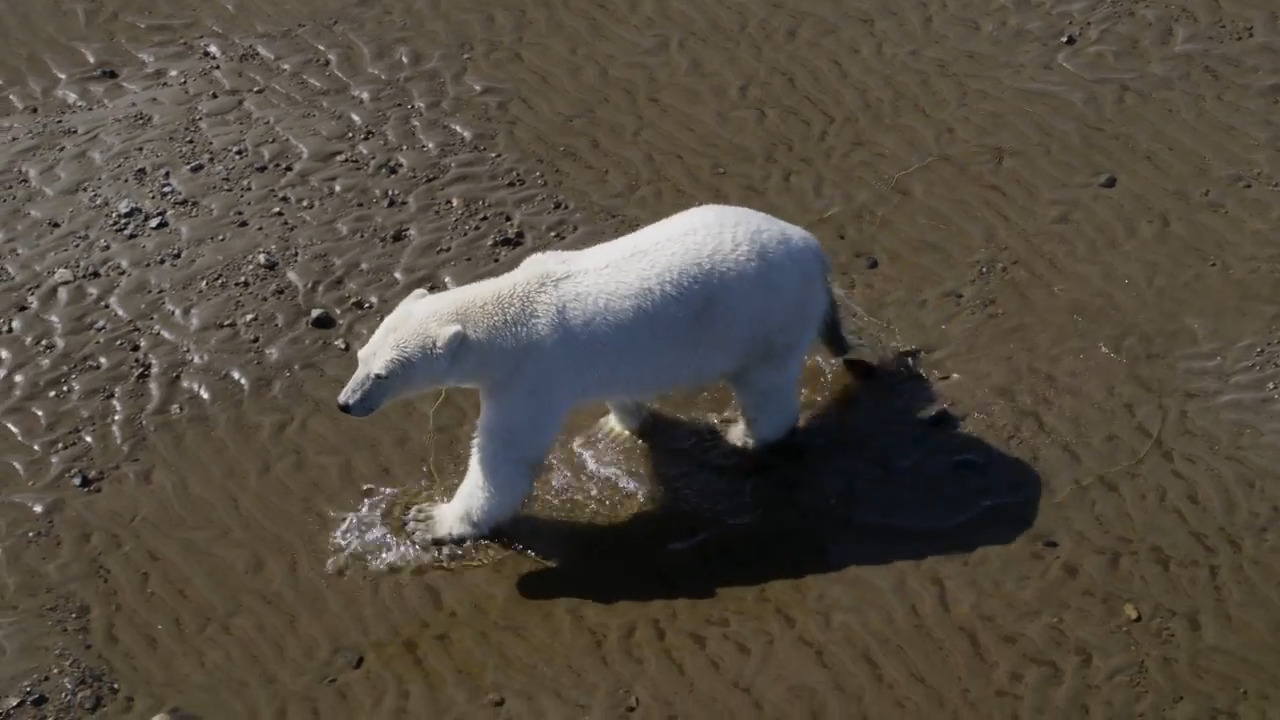
In The Human Impact on Wildlife narrator Sir David Attenborough explains the devastating impact human activities have had on wildlife. Many species are now under threat, but decisions must be made to help reverse these harmful activities. This video is excerpted from BBC’s Seven Worlds, One Planet, a series featuring remarkable animal behavior from all seven continents.
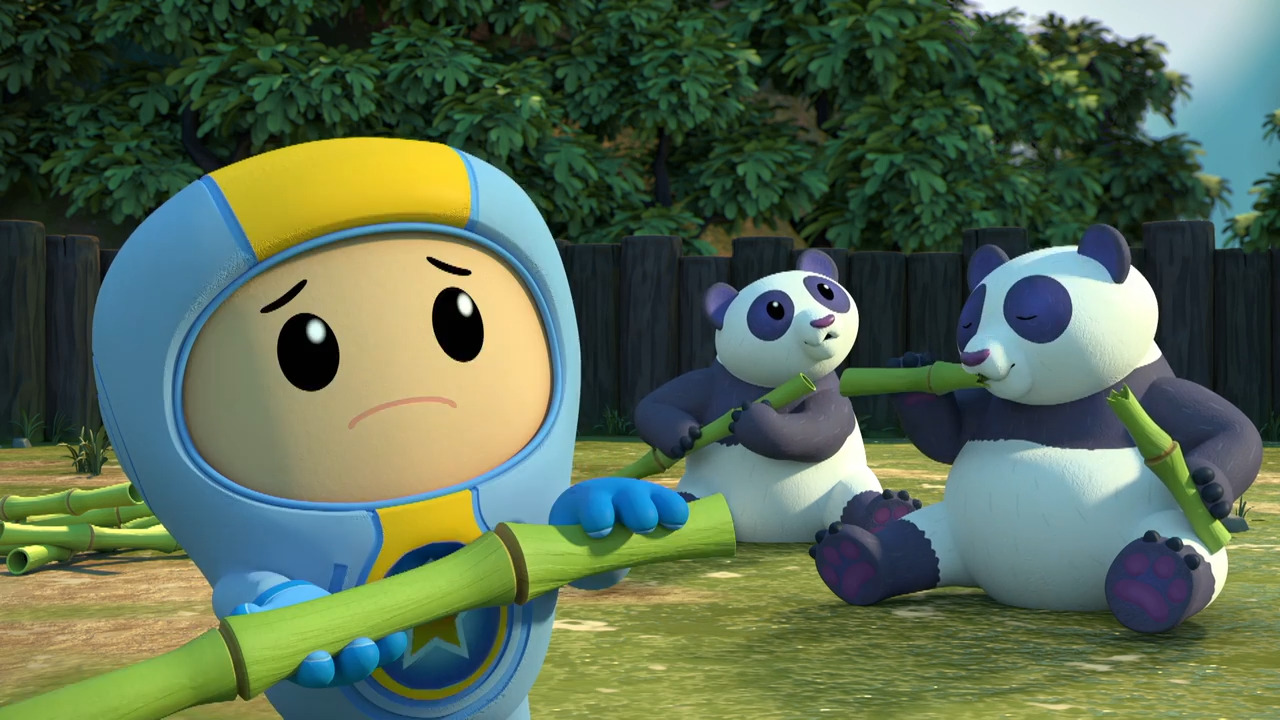
In Inside a Panda Den with the Go Jetters, the Go Jetters crew helps build a panda’s den and they learn all about these cute and amazing animals. Ubercorn shares funky facts about pandas, including how much bamboo they eat, and why they are endangered. This video is excerpted from BBC’s Go Jetters, a series that follows the adventures of four international heroes as they travel the globe visiting landmarks and solving environmental problems with Ubercorn, a disco-dancing unicorn.

In this lesson, students will collaborate to understand how marine life is affected by human actions. The Dive into this engaging lesson where your students will uncover how human actions affect marine life. Kick things off with a fun game of Three Truths and a Lie about the ocean to spark curiosity and get everyone talking. Then, break into small groups and tackle a jigsaw activity as students watch short, thought-provoking videos about ocean animals and human impact. Together, they’ll share insights, tackle discussion questions, and use their newfound knowledge to create eye-catching infographics. These creations will inspire others to take action and protect our incredible oceans!

The article "Komodo Dragons: Nature’s Giant Venomous Predators" from BBC's Discover Wildlife delves into the biology and ecology of the world's largest lizard. It covers their impressive size, unique venomous bite, dietary habits, reproductive strategies, and the threats leading to their endangered status, including habitat loss and climate change.

The article "Hummingbirds: Tiny Birds With Big Abilities" from BBC's Discover Wildlife is a detailed guide to the world of hummingbirds. It explores their unique flight skills, diet, habitats, and how their fast metabolism drives their daily routines. With over 350 species, these birds face threats from predators and habitat loss, but they continue to amaze scientists and birdwatchers alike.

The article "Eleven of the Rarest Animals in the World at Risk of Extinction" from BBC's Discover Wildlife highlights critically endangered species, including the vaquita porpoise and the black and chestnut eagle. It explores conservation efforts and the urgent need to protect these species from habitat loss, pollution, and poaching.
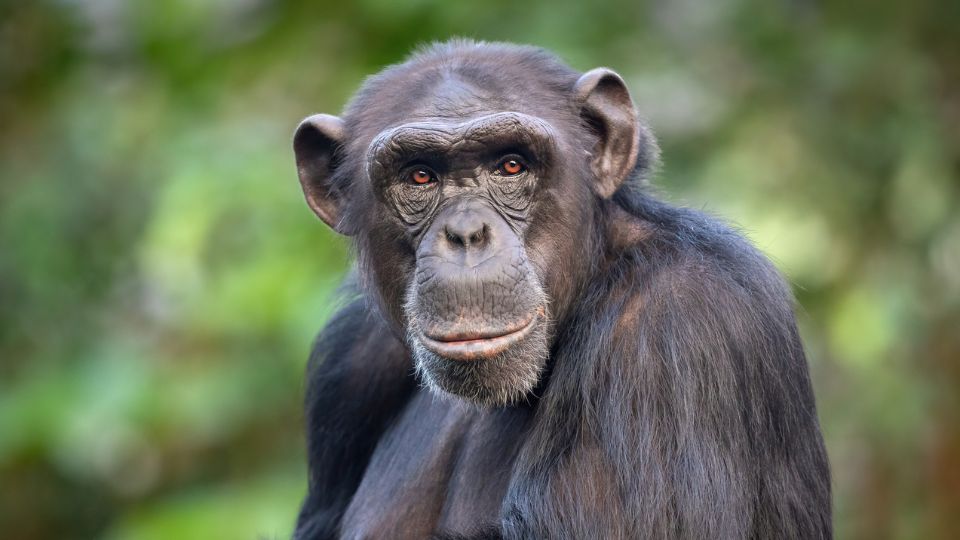
Chimpanzees are among the most intelligent animals on Earth — and they just happen to be our closest living relatives. Sharing about 95–98% of their DNA with humans, chimpanzees can use tools, solve problems, communicate with one another, and even pass knowledge from one generation to the next.
Found in the forests and woodlands of central and western Africa, chimpanzees live in complex social groups called troops. They spend their days searching for food, caring for their young, and navigating a world that is increasingly threatened by habitat loss and human activity.
From cracking nuts with stones to using sticks to fish for termites, chimpanzees continue to amaze scientists with their creativity and intelligence. But how much do you know about these remarkable primates?
Whether you're a wildlife enthusiast, an animal expert, or simply curious about our closest cousins in the animal kingdom, this quiz will put your chimpanzee knowledge to the test. Let's see if you have what it takes to become a Chimp Champion!
In The Sumatran Rhinoceros Faces Extinction, narrator Sir David Attenborough highlights the dire situation of the Sumatran rhinoceros, with fewer than 70 individuals left. The rapid destruction of South East Asia’s forests, driven by deforestation for timber and agriculture, has led to the loss of habitats for many species, including the rhino. This video is excerpted from BBC’s Seven Worlds, One Planet, a series featuring remarkable animal behavior from all seven continents.
In The Human Impact on Wildlife narrator Sir David Attenborough explains the devastating impact human activities have had on wildlife. Many species are now under threat, but decisions must be made to help reverse these harmful activities. This video is excerpted from BBC’s Seven Worlds, One Planet, a series featuring remarkable animal behavior from all seven continents.
In Inside a Panda Den with the Go Jetters, the Go Jetters crew helps build a panda’s den and they learn all about these cute and amazing animals. Ubercorn shares funky facts about pandas, including how much bamboo they eat, and why they are endangered. This video is excerpted from BBC’s Go Jetters, a series that follows the adventures of four international heroes as they travel the globe visiting landmarks and solving environmental problems with Ubercorn, a disco-dancing unicorn.
In this lesson, students will collaborate to understand how marine life is affected by human actions. The Dive into this engaging lesson where your students will uncover how human actions affect marine life. Kick things off with a fun game of Three Truths and a Lie about the ocean to spark curiosity and get everyone talking. Then, break into small groups and tackle a jigsaw activity as students watch short, thought-provoking videos about ocean animals and human impact. Together, they’ll share insights, tackle discussion questions, and use their newfound knowledge to create eye-catching infographics. These creations will inspire others to take action and protect our incredible oceans!
The article "Komodo Dragons: Nature’s Giant Venomous Predators" from BBC's Discover Wildlife delves into the biology and ecology of the world's largest lizard. It covers their impressive size, unique venomous bite, dietary habits, reproductive strategies, and the threats leading to their endangered status, including habitat loss and climate change.
The article "Hummingbirds: Tiny Birds With Big Abilities" from BBC's Discover Wildlife is a detailed guide to the world of hummingbirds. It explores their unique flight skills, diet, habitats, and how their fast metabolism drives their daily routines. With over 350 species, these birds face threats from predators and habitat loss, but they continue to amaze scientists and birdwatchers alike.
The article "Eleven of the Rarest Animals in the World at Risk of Extinction" from BBC's Discover Wildlife highlights critically endangered species, including the vaquita porpoise and the black and chestnut eagle. It explores conservation efforts and the urgent need to protect these species from habitat loss, pollution, and poaching.
Chimpanzees are among the most intelligent animals on Earth — and they just happen to be our closest living relatives. Sharing about 95–98% of their DNA with humans, chimpanzees can use tools, solve problems, communicate with one another, and even pass knowledge from one generation to the next.
Found in the forests and woodlands of central and western Africa, chimpanzees live in complex social groups called troops. They spend their days searching for food, caring for their young, and navigating a world that is increasingly threatened by habitat loss and human activity.
From cracking nuts with stones to using sticks to fish for termites, chimpanzees continue to amaze scientists with their creativity and intelligence. But how much do you know about these remarkable primates?
Whether you're a wildlife enthusiast, an animal expert, or simply curious about our closest cousins in the animal kingdom, this quiz will put your chimpanzee knowledge to the test. Let's see if you have what it takes to become a Chimp Champion!