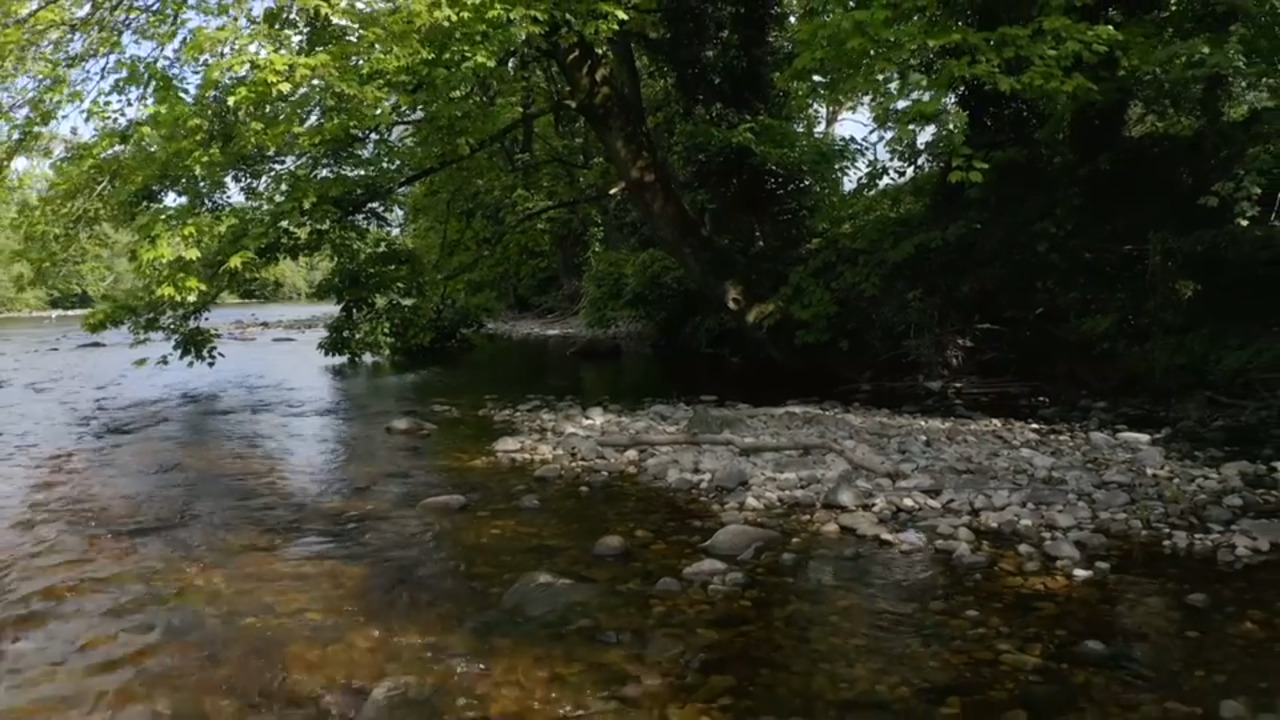
When it comes to gathering water data, the “employee of the month” may look a little on the “green and cubical” side. Alongside Yorkshire rivers, there are multiple green boxes working hard to gather data on river quality that should, in a couple years, be available for river users and potential swimmers to access through an app that tracks pollution.
Though there are currently apps that show pollution data, that information is old and outdated. This upcoming app is special, because it will use live data from an on-site sensor to provide real-time pollution levels in the water. It’s not meant to tell people “safe” or “not safe” or “swim” or “don’t swim,” but it can give people what they need to make an informed decision... mostly.
The green boxes have a big shortcoming: they’re unable to detect some really nasty bacteria like E.coli, which can only be measured in a lab. But don’t worry, old-school scientists are on the case, manually taking samples to send away for analysis. These findings will be used to build a data set that will be combined with green box data, and AI learning will infer when E.coli (and other bugs) are present in the river.
So, today, we celebrate a beautiful marriage — one of traditional testing, new technology, and AI. It may not be the pairing you’re rooting for on Love Island, but it shows great promise for water safety!
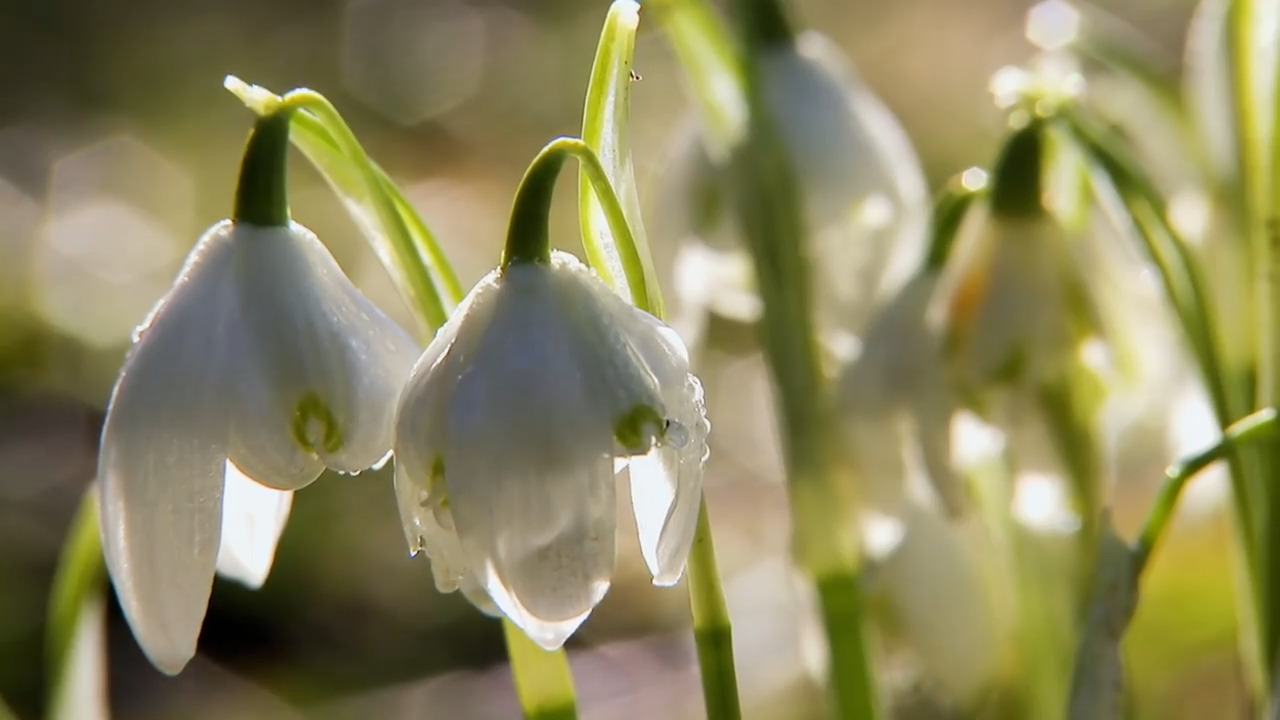
In How One Town Celebrates Spring With Snowdrops, people from the town of Shaftesbury celebrate the first signs of spring with a special festival. They planted over 500 snowdrop flower bulbs in a garden, helping these pretty white flowers bloom year after year. Kids also create big snowdrop lanterns, lighting up the night. The festival ends with a fun dance to wake up the "Green Man," a symbol of spring, and welcome the new season! This video is excerpted from BBC’s Countryfile, which explores rural life and traditions of the countryside.

The article "Why We Celebrate St. Patrick’s Day — and Why Everything Turns Green" from BBC's HistoryExtra explores the origins of St. Patrick's Day and how it grew from a religious feast to a global celebration. It traces the life of Saint Patrick, the changing symbolism of green, the rise of parades, and the food traditions that Irish immigrants brought to places like the U.S.
When it comes to gathering water data, the “employee of the month” may look a little on the “green and cubical” side. Alongside Yorkshire rivers, there are multiple green boxes working hard to gather data on river quality that should, in a couple years, be available for river users and potential swimmers to access through an app that tracks pollution.
Though there are currently apps that show pollution data, that information is old and outdated. This upcoming app is special, because it will use live data from an on-site sensor to provide real-time pollution levels in the water. It’s not meant to tell people “safe” or “not safe” or “swim” or “don’t swim,” but it can give people what they need to make an informed decision... mostly.
The green boxes have a big shortcoming: they’re unable to detect some really nasty bacteria like E.coli, which can only be measured in a lab. But don’t worry, old-school scientists are on the case, manually taking samples to send away for analysis. These findings will be used to build a data set that will be combined with green box data, and AI learning will infer when E.coli (and other bugs) are present in the river.
So, today, we celebrate a beautiful marriage — one of traditional testing, new technology, and AI. It may not be the pairing you’re rooting for on Love Island, but it shows great promise for water safety!
In How One Town Celebrates Spring With Snowdrops, people from the town of Shaftesbury celebrate the first signs of spring with a special festival. They planted over 500 snowdrop flower bulbs in a garden, helping these pretty white flowers bloom year after year. Kids also create big snowdrop lanterns, lighting up the night. The festival ends with a fun dance to wake up the "Green Man," a symbol of spring, and welcome the new season! This video is excerpted from BBC’s Countryfile, which explores rural life and traditions of the countryside.
The article "Why We Celebrate St. Patrick’s Day — and Why Everything Turns Green" from BBC's HistoryExtra explores the origins of St. Patrick's Day and how it grew from a religious feast to a global celebration. It traces the life of Saint Patrick, the changing symbolism of green, the rise of parades, and the food traditions that Irish immigrants brought to places like the U.S.