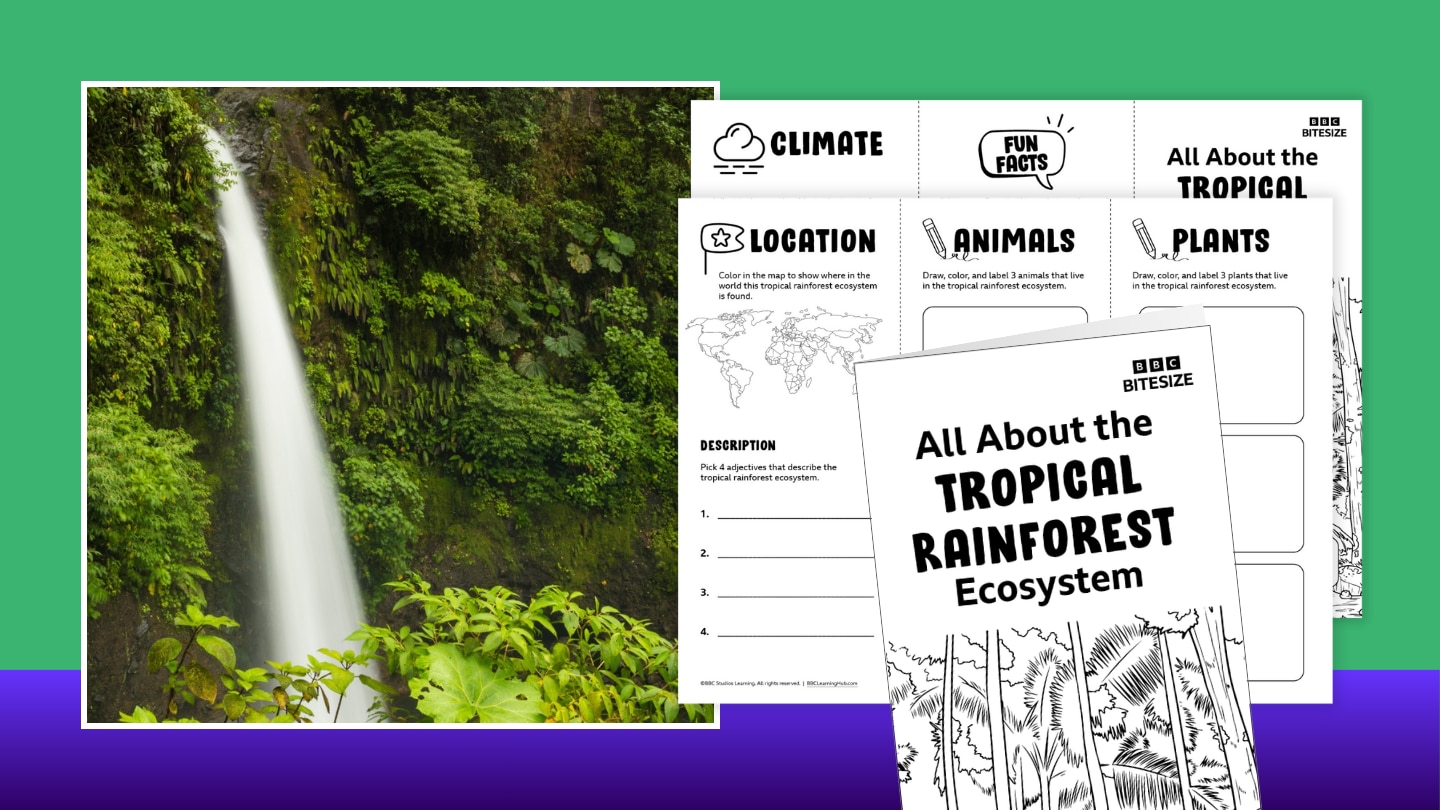
Guide your students on a hike through the tropical rainforest ecosystem! From the Amazon in South America to the jungles of Southeast Asia, rainforests are full of unique and amazing species.
✨ Perfect for grades 3–8, here’s what you need to bring ecosystems to life:
- Iconic BBC Videos: Share the clips on this page to introduce the location, plants, animals, and climate of the rainforest. (Don't miss the spider monkeys and waterfall toads!) Brought to you by world-class BBC programs like Planet Earth, Deadly 60, Seven Worlds, One Planet, and Life.
- Free Printable: Use the Tropical Rainforest Brochure Template to help students pull it all together in an ecosystem report with facts they’ve learned (and a little extra research).
It’s everything you need to make ecosystems easy to teach and truly memorable for your students.
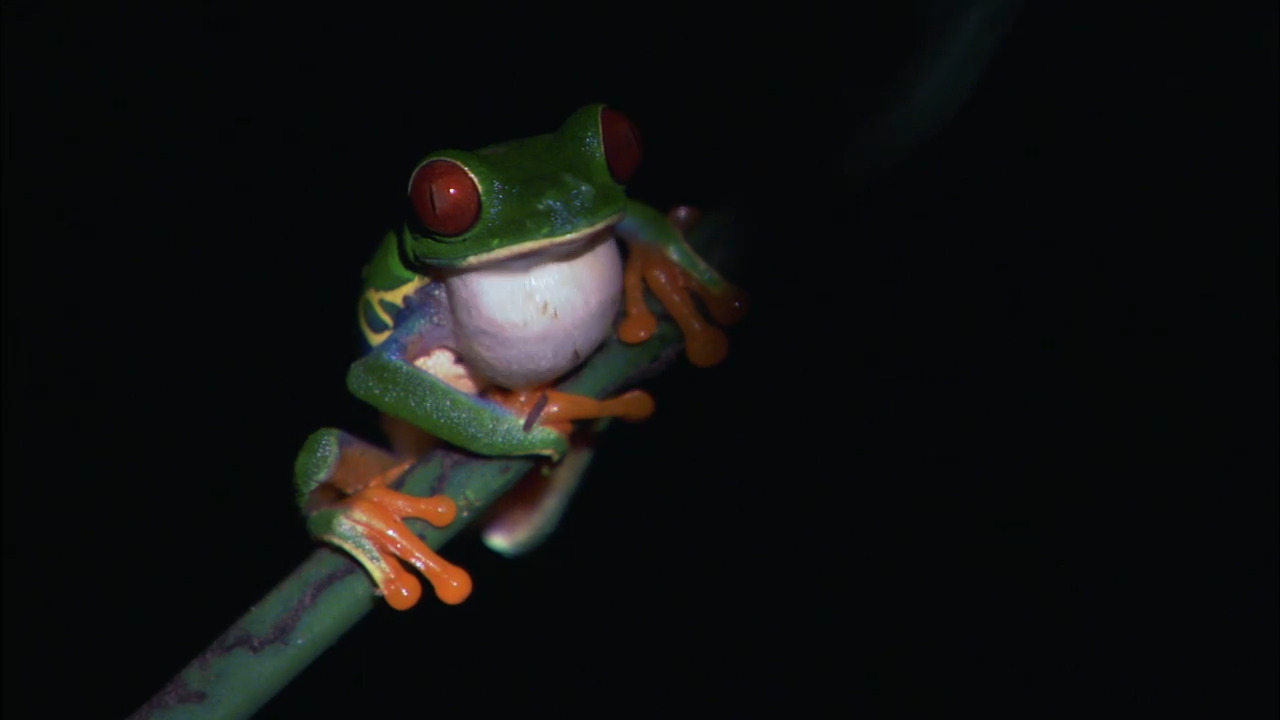
In Meet the Gliding Leaf Frog, narrator Sir David Attenborough explores gliding leaf frogs. Learn how they only leave the canopy when it is time to breed, and how they slow their descent using webbed feet, which they use as parachutes. This video is excerpted from BBC's Planet Earth, a breathtaking documentary series that highlights the natural wonders of our planet.
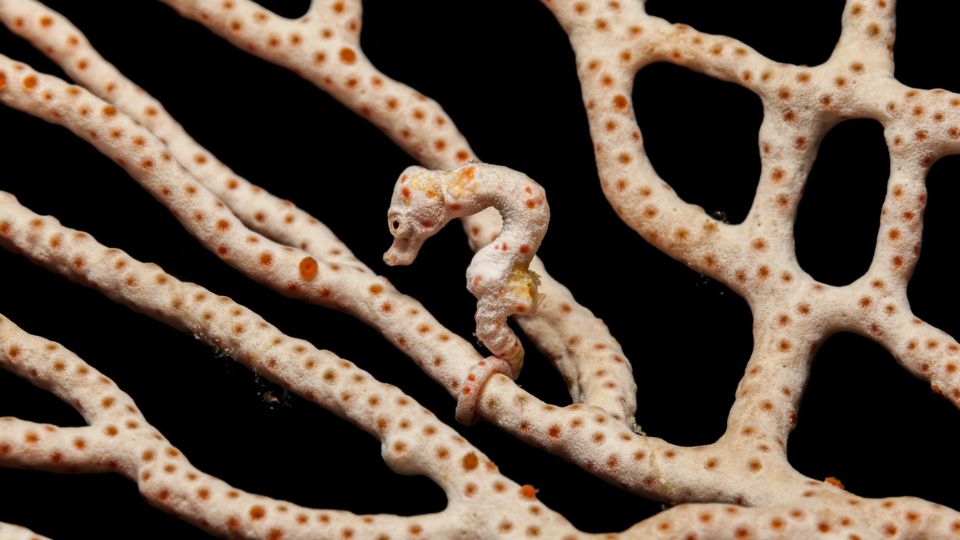
Meet nature's master hiders. Gliding tree frogs, octopuses, arctic foxes — these animals have evolved brilliant ways to blend in, hunt, and survive unseen. We've pulled together a collection of BBC video clips (see Related Resources below) showing off these disappearing acts. Watch them, then take the Kahoot to see what stuck.
Some of the tricks are wild: glass frogs clear their own blood to turn see-through, while arctic foxes shift their fur with the seasons to stay hidden year-round. Explore how these masters of camouflage pull it off, and pick up some solid grounding in evolution and adaptation along the way.
Rainforests are the densest, most species-rich ecosystems on Earth. From the Amazon to the jungles of Southeast Asia, they're packed with towering trees and hidden creatures most students will never see anywhere else.
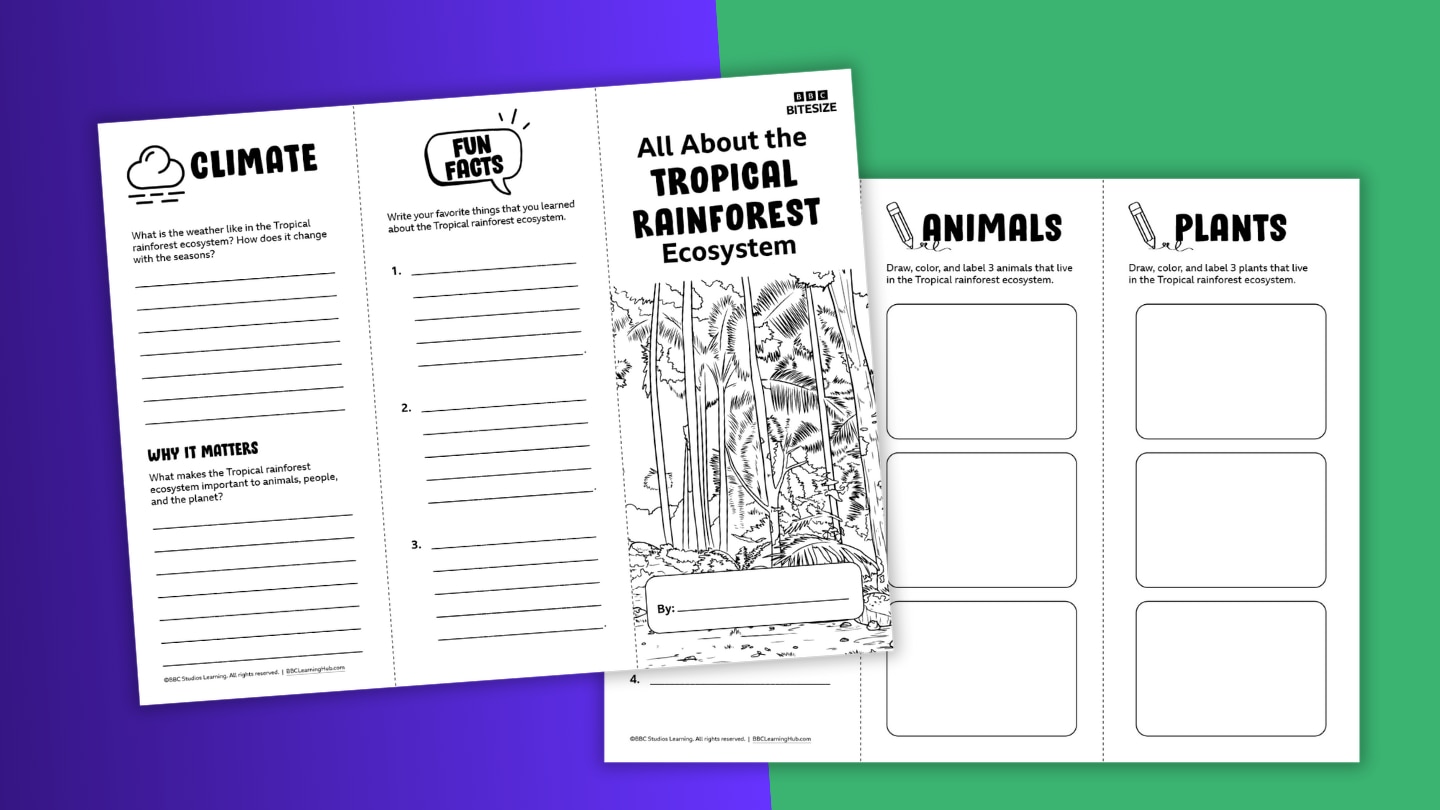
After watching rainforest video clips, have students dig deeper with their own research and build a brochure covering:
- Location of the ecosystem on a world map
- Adjectives that describe the ecosystem
- Three animals that live there
- Three plants that grow there
- The climate
- Why the ecosystem matters
- Their favorite fun facts
Students summarize in their own words, which means they're practicing a real skill: pulling information from multiple sources and deciding what's worth keeping.
Same pattern as the other two — happy to adjust the opening if "densest, most species-rich" reads too textbook-y for what you want.
Guide your students on a hike through the tropical rainforest ecosystem! From the Amazon in South America to the jungles of Southeast Asia, rainforests are full of unique and amazing species.
✨ Perfect for grades 3–8, here’s what you need to bring ecosystems to life:
- Iconic BBC Videos: Share the clips on this page to introduce the location, plants, animals, and climate of the rainforest. (Don't miss the spider monkeys and waterfall toads!) Brought to you by world-class BBC programs like Planet Earth, Deadly 60, Seven Worlds, One Planet, and Life.
- Free Printable: Use the Tropical Rainforest Brochure Template to help students pull it all together in an ecosystem report with facts they’ve learned (and a little extra research).
It’s everything you need to make ecosystems easy to teach and truly memorable for your students.
In Meet the Gliding Leaf Frog, narrator Sir David Attenborough explores gliding leaf frogs. Learn how they only leave the canopy when it is time to breed, and how they slow their descent using webbed feet, which they use as parachutes. This video is excerpted from BBC's Planet Earth, a breathtaking documentary series that highlights the natural wonders of our planet.
Meet nature's master hiders. Gliding tree frogs, octopuses, arctic foxes — these animals have evolved brilliant ways to blend in, hunt, and survive unseen. We've pulled together a collection of BBC video clips (see Related Resources below) showing off these disappearing acts. Watch them, then take the Kahoot to see what stuck.
Some of the tricks are wild: glass frogs clear their own blood to turn see-through, while arctic foxes shift their fur with the seasons to stay hidden year-round. Explore how these masters of camouflage pull it off, and pick up some solid grounding in evolution and adaptation along the way.
Rainforests are the densest, most species-rich ecosystems on Earth. From the Amazon to the jungles of Southeast Asia, they're packed with towering trees and hidden creatures most students will never see anywhere else.
After watching rainforest video clips, have students dig deeper with their own research and build a brochure covering:
- Location of the ecosystem on a world map
- Adjectives that describe the ecosystem
- Three animals that live there
- Three plants that grow there
- The climate
- Why the ecosystem matters
- Their favorite fun facts
Students summarize in their own words, which means they're practicing a real skill: pulling information from multiple sources and deciding what's worth keeping.
Same pattern as the other two — happy to adjust the opening if "densest, most species-rich" reads too textbook-y for what you want.