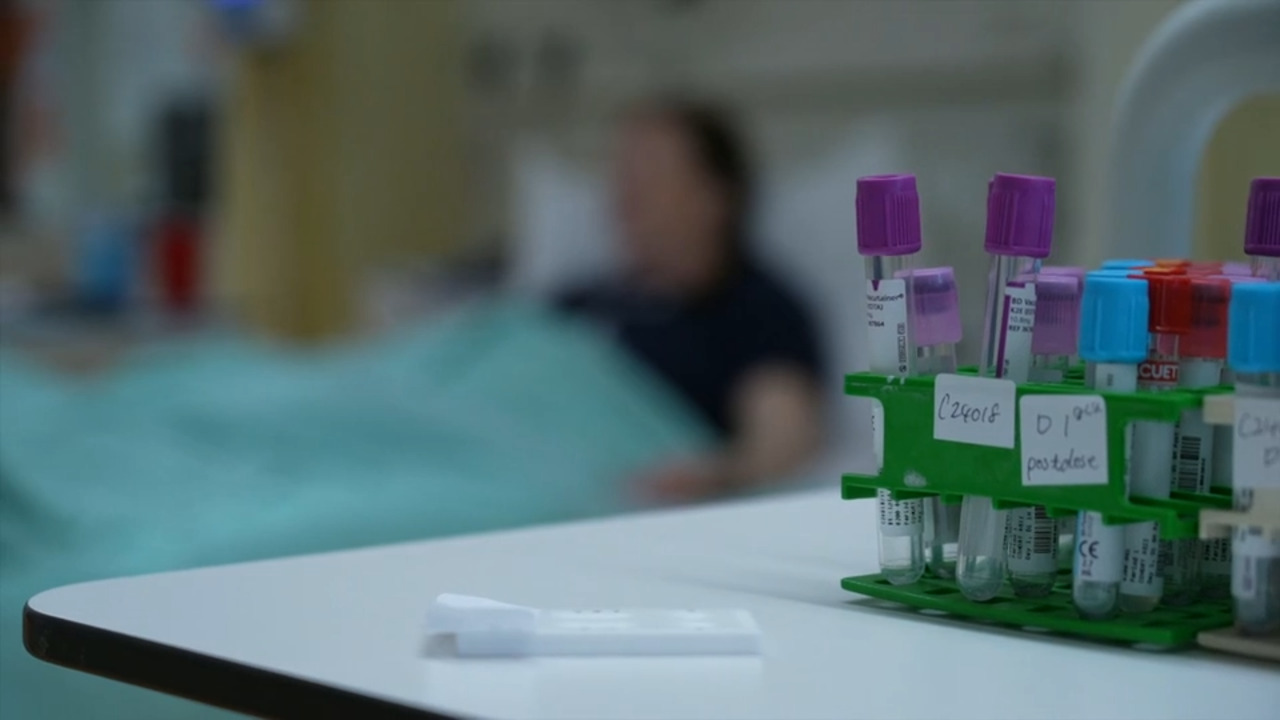
Cholesterol is tricky — your body needs the waxy substance to build cells and make hormones, but there’s a bad type of cholesterol called “LDL” (low-density lipoprotein). Too much LDL can put people at risk for heart attacks or stroke, so controlling cholesterol levels can be life-saving.
Luckily, a new gene editing therapy called VERVE-102 may be able to help with high cholesterol. There’s a trial running now that’s small but mighty, involving only 35 patients, all of whom have either inherited high cholesterol or have had a heart attack at a young age. They continued their regular medication but added this new gene editing therapy to their treatment.
Not only did results show levels of bad cholesterol reduced by up to 62%, but the level continued to remain low after a year, suggesting that patients may only need one treatment to feel the effects of this treatment for the rest of their lives. Is it magic? Close! It’s science!
The idea behind the gene editing plays off of the liver’s role. It’s supposed to clear bad cholesterol from the blood and stop it from clogging up vessels, unless a protein called PCSK9 gets in the way. PCSK9! It even kind of sounds like “pesky”! The new medicine edits PCSK9’s gene, so that it stays out of the way and the liver can do its job.
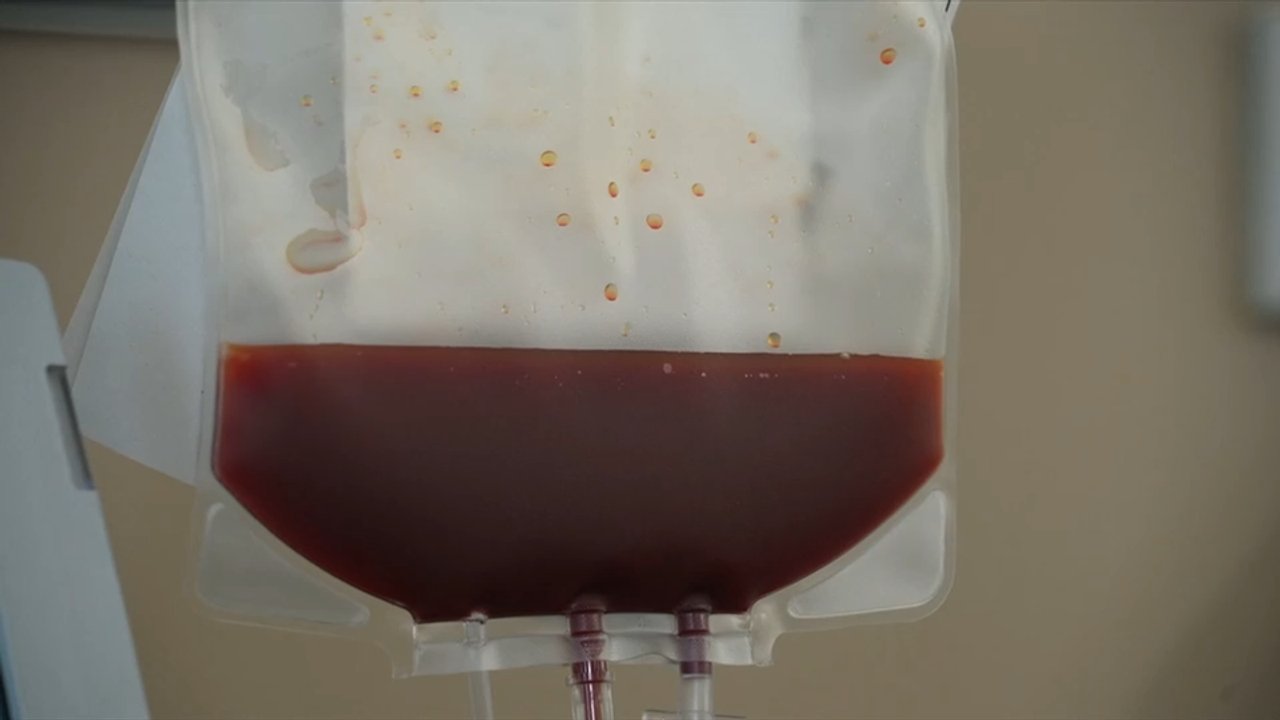
Most of us don’t think much about our blood until we get a paper cut or a scraped knee. 16-year-old Vianne has had to think about hers for most of her life. She has thalassemia, a serious blood disorder. Her body couldn’t make enough healthy hemoglobin, the protein in red blood cells that carries oxygen around the body. She needed blood transfusions every month, and she was often exhausted.
Then she received a new gene-editing treatment.
First, doctors collected some of her stem cells. These are cells that haven’t yet become a particular type, so they can copy themselves and turn into other kinds of cells. In a laboratory, scientists edited the cells’ DNA so they would make more fetal hemoglobin, the kind babies make before they’re born. This extra hemoglobin makes up for the faulty kind that causes thalassemia. Months later, the edited cells were put back into Vianne’s body.
Doctors call the result a “functional cure.” Vianne still has the genetic condition, but its main symptoms have eased so much that she no longer needs transfusions. That means fewer hospital visits and much more energy.
The same treatment is also being used for sickle cell disease. 14-year-old Joel is just starting the process. It isn’t easy: patients need chemotherapy first, to clear space in their bone marrow for the edited cells. But Vianne says it was worth it.
Cholesterol is tricky — your body needs the waxy substance to build cells and make hormones, but there’s a bad type of cholesterol called “LDL” (low-density lipoprotein). Too much LDL can put people at risk for heart attacks or stroke, so controlling cholesterol levels can be life-saving.
Luckily, a new gene editing therapy called VERVE-102 may be able to help with high cholesterol. There’s a trial running now that’s small but mighty, involving only 35 patients, all of whom have either inherited high cholesterol or have had a heart attack at a young age. They continued their regular medication but added this new gene editing therapy to their treatment.
Not only did results show levels of bad cholesterol reduced by up to 62%, but the level continued to remain low after a year, suggesting that patients may only need one treatment to feel the effects of this treatment for the rest of their lives. Is it magic? Close! It’s science!
The idea behind the gene editing plays off of the liver’s role. It’s supposed to clear bad cholesterol from the blood and stop it from clogging up vessels, unless a protein called PCSK9 gets in the way. PCSK9! It even kind of sounds like “pesky”! The new medicine edits PCSK9’s gene, so that it stays out of the way and the liver can do its job.
Most of us don’t think much about our blood until we get a paper cut or a scraped knee. 16-year-old Vianne has had to think about hers for most of her life. She has thalassemia, a serious blood disorder. Her body couldn’t make enough healthy hemoglobin, the protein in red blood cells that carries oxygen around the body. She needed blood transfusions every month, and she was often exhausted.
Then she received a new gene-editing treatment.
First, doctors collected some of her stem cells. These are cells that haven’t yet become a particular type, so they can copy themselves and turn into other kinds of cells. In a laboratory, scientists edited the cells’ DNA so they would make more fetal hemoglobin, the kind babies make before they’re born. This extra hemoglobin makes up for the faulty kind that causes thalassemia. Months later, the edited cells were put back into Vianne’s body.
Doctors call the result a “functional cure.” Vianne still has the genetic condition, but its main symptoms have eased so much that she no longer needs transfusions. That means fewer hospital visits and much more energy.
The same treatment is also being used for sickle cell disease. 14-year-old Joel is just starting the process. It isn’t easy: patients need chemotherapy first, to clear space in their bone marrow for the edited cells. But Vianne says it was worth it.