
The article "The Gender Pain Gap: Why It’s Time To Take Women’s Health More Seriously" from BBC's Science Focus discusses the disparities in how women's pain is treated compared with men's. Women often face longer wait times for diagnoses and treatment, and their pain is frequently dismissed or misunderstood.
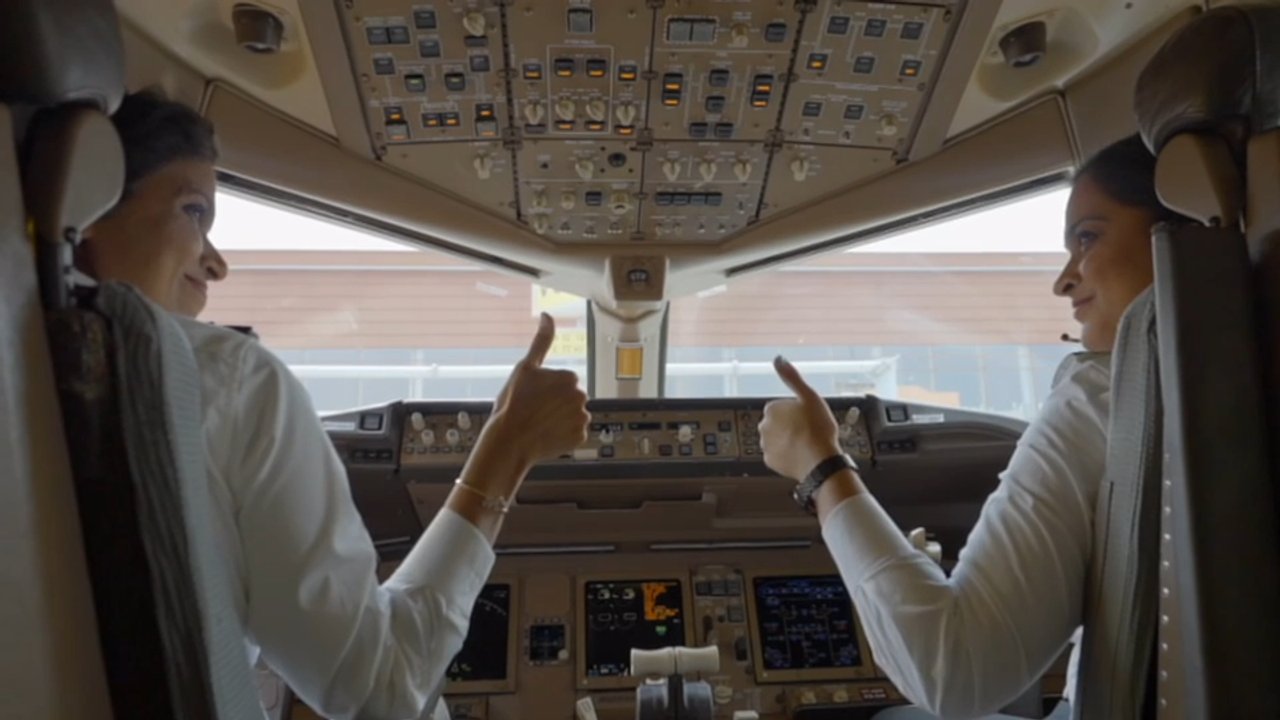
Women have been flying planes since before commercial airlines even existed, so why is it that today, women make up only about 6% of pilots worldwide? Although they account for more than a third of the aviation industry’s workforce, most women work in the cabins or on the ground and are much more rarely in the cockpit.
This low (ahem, abysmal) percentage of female pilots has several possible explanations, but it shouldn’t surprise you that none of them are because women aren’t capable! More likely reasons include a lack of female role models, limited access to science and technical education, gender stereotypes, and the challenge of balancing a demanding career in aviation with family life. These are a lot to work against, but support such as scholarships, cadet programs, flexible working, and family-friendly policies could help more women enter the profession and stay in it.
Think those are too much to ask for? Take a look at India! There, around 15% of airline pilots are women — that’s almost three times the global average. Experts say this is partly because of a smaller gender pay gap and the rapid growth of their aviation industry.
Unfortunately, getting more women into piloting roles isn’t as simple as just hiring more females. Part of it starts in early education, where schools can show young women that a career in aviation is possible for them (not just the boys in their class). Organizations like governments and airlines also need to address pay, safety, and working hours.
The article "The Gender Pain Gap: Why It’s Time To Take Women’s Health More Seriously" from BBC's Science Focus discusses the disparities in how women's pain is treated compared with men's. Women often face longer wait times for diagnoses and treatment, and their pain is frequently dismissed or misunderstood.
Women have been flying planes since before commercial airlines even existed, so why is it that today, women make up only about 6% of pilots worldwide? Although they account for more than a third of the aviation industry’s workforce, most women work in the cabins or on the ground and are much more rarely in the cockpit.
This low (ahem, abysmal) percentage of female pilots has several possible explanations, but it shouldn’t surprise you that none of them are because women aren’t capable! More likely reasons include a lack of female role models, limited access to science and technical education, gender stereotypes, and the challenge of balancing a demanding career in aviation with family life. These are a lot to work against, but support such as scholarships, cadet programs, flexible working, and family-friendly policies could help more women enter the profession and stay in it.
Think those are too much to ask for? Take a look at India! There, around 15% of airline pilots are women — that’s almost three times the global average. Experts say this is partly because of a smaller gender pay gap and the rapid growth of their aviation industry.
Unfortunately, getting more women into piloting roles isn’t as simple as just hiring more females. Part of it starts in early education, where schools can show young women that a career in aviation is possible for them (not just the boys in their class). Organizations like governments and airlines also need to address pay, safety, and working hours.