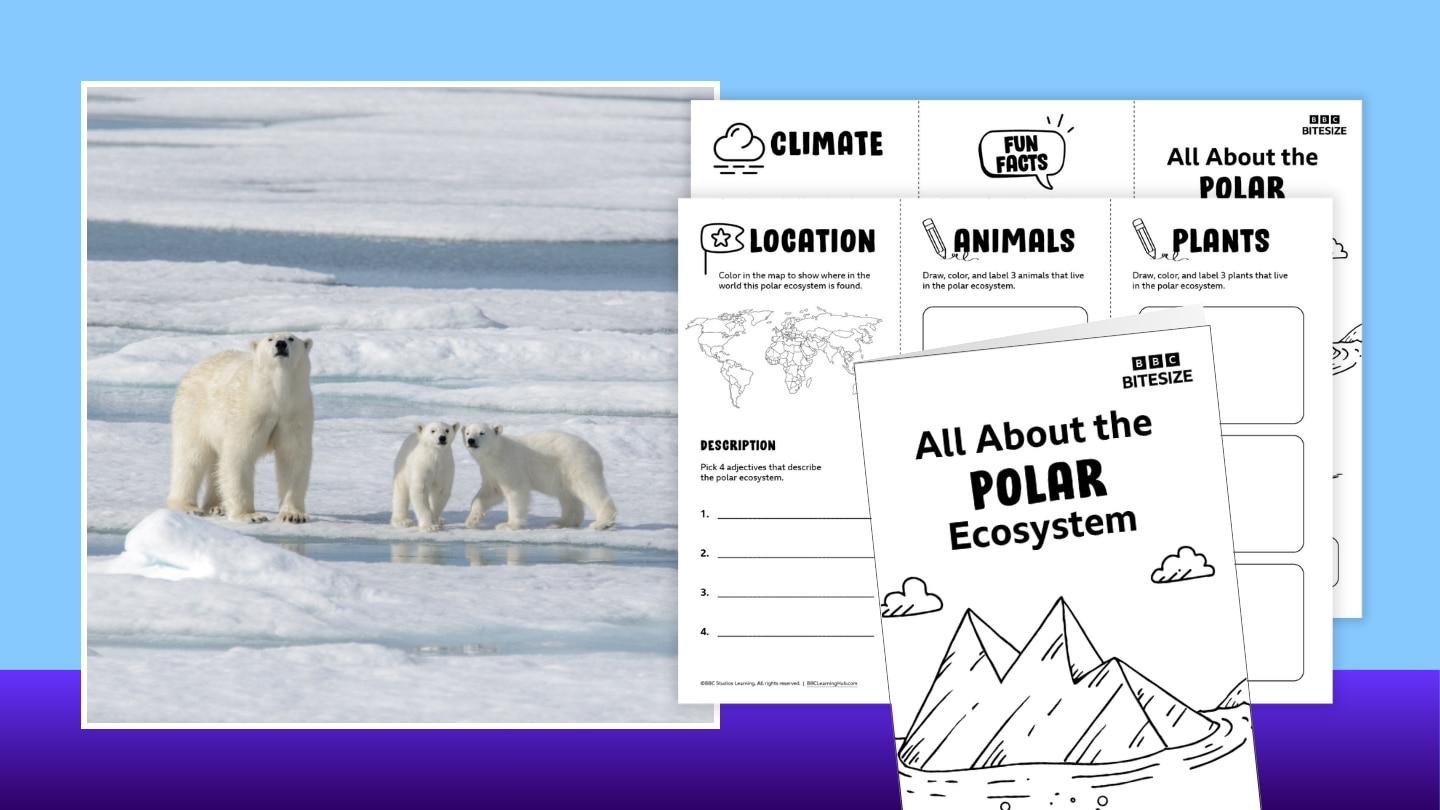
Bring your students on an icy exploration of the polar ecosystem! The Arctic and Antarctica may look frozen and empty at first glance, but they’re full of life perfectly adapted to the cold.
✨ Perfect for grades 3–8, here’s what you need to bring ecosystems to life:
- Iconic BBC Videos: Share the clips on this page to introduce the location, plants, animals, and climate of the polar regions. (Don't miss the narwhals and emperor penguins!) Brought to you by world-class BBC programs like Planet Earth, Frozen Planet, and Seven Worlds, One Planet.
- Free Printable: Use the Polar Brochure Template to help students pull it all together in an ecosystem report with facts they’ve learned (and a little extra research).
It’s everything you need to make ecosystems easy to teach and truly memorable for your students.

Dive into the wonders of Antarctica with this multi-grade lesson collection! Tailored for K–2, 3–5, 6–8, and 9–12, each unit includes engaging activities, thought-provoking discussions, and hands-on projects to uncover the mysteries of the frozen continent. Enhance your teaching with stunning BBC video clips showcasing Antarctic wildlife, research stations, and breathtaking icy landscapes. Printable resources like animal fact sheets, scientist journal templates, and conservation challenges bring the learning to life for your students. Perfect for science, geography, and environmental lessons!
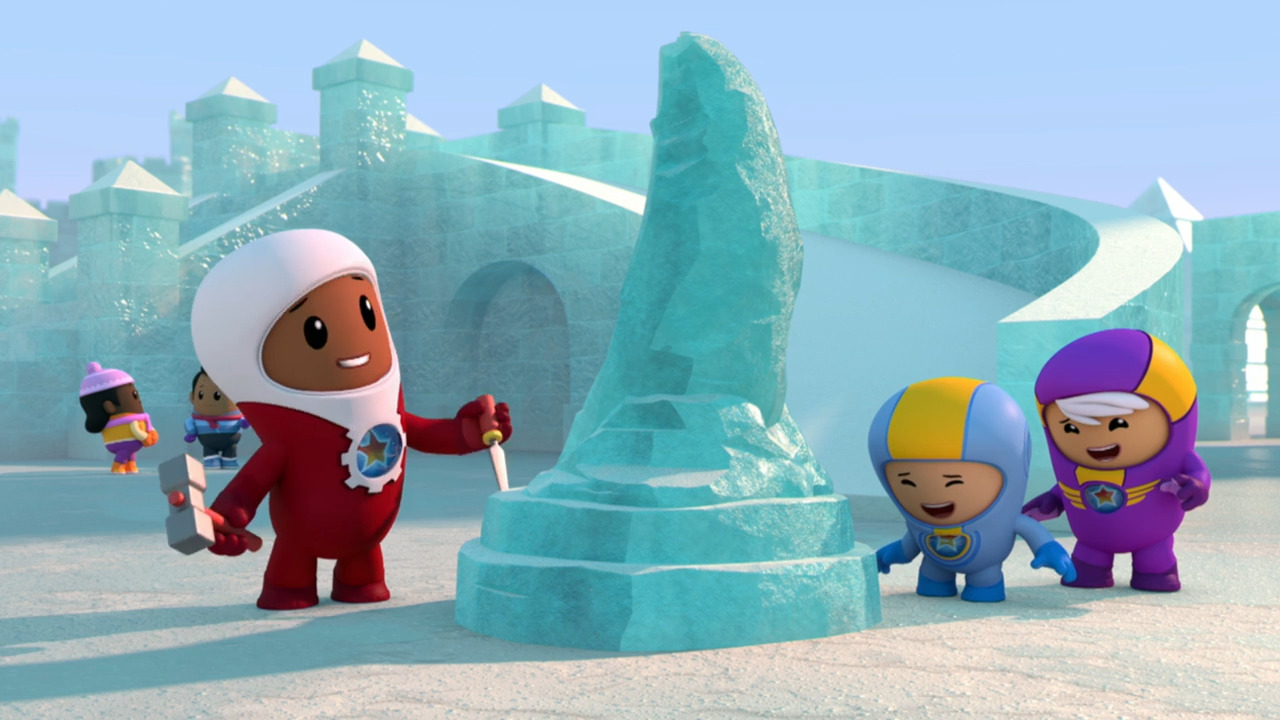
In The Go Jetters Get Chilly at the Harbin Ice Festival, the Go Jetters crew visits Harbin Ice Festival in China and learn how massive ice sculptures are carved from blocks from a frozen river. Ubercorn shares funky facts about this amazing ice and snow festival. This video is excerpted from BBC’s Go Jetters, a series that follows the adventures of four international heroes as they travel the globe visiting landmarks and solving environmental problems with Ubercorn, a disco-dancing unicorn.

In this lesson, your students will step into the shoes of Antarctic scientists! They'll dive into the fascinating world of Antarctic research stations and unique wildlife with video clips from BBC’s Seven Worlds, One Planet and Frozen Planet. After exploring the videos and researching more about this frozen continent, your students will write a creative journal entry from the perspective of a research scientist sharing their experiences in Antarctica. You’ll wrap up the lesson with a meaningful class discussion about why studying Antarctica matters and how the discoveries made there could shape our world.
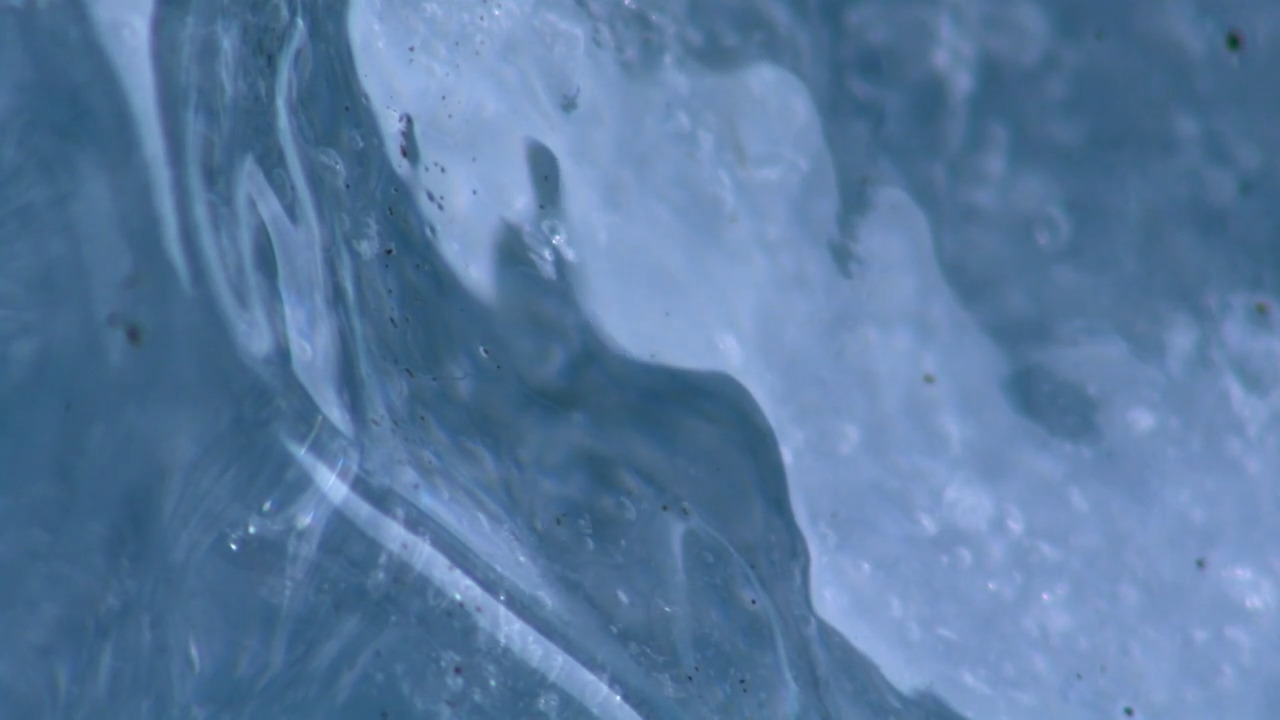
In Microscopic Life in Ice, Professor Brian Cox explores an ice cave and finds microorganisms that are living in the ice. He discusses what this means for life on other planets and moons with scientist Richard Hoover. This video is excerpted from BBC’s The Planets, a series that explores the dramatic lives of the eight planets in our Solar System.

Take your students on a research journey to Antarctica! In this lesson, students will become Antarctic scientists as they explore the continent’s unique wildlife using video clips from BBC’s Seven Worlds, One Planet and Frozen Planet. Students will watch the videos, then research an Antarctic animal of their choice. They will explore what is known about the animal, identify gaps in scientific knowledge, and suggest future research areas. Finally, students will present their findings in a class display to inspire others to learn more about this amazing environment!

In this activity, students will step into the boots of Antarctic research scientists as they uncover the secrets of penguin life! They’ll start by sharing what they already know about Antarctica before "traveling" there through a BBC Frozen Planet video, which will let them experience the continent up close. Then, each student will select a penguin species to research and they will use a BBC video from Seven Worlds, One Planet or Frozen Planet to gather their observations. Students will synthesize their notes as they create a research journal page, and they will then wrap up by discussing what new questions they’re curious to investigate next!

In this activity, your students will watch captivating BBC videos from Andy’s Baby Animals and Go Jetters and then create their own Antarctic penguin character! They'll begin by learning about the coldest continent — Antarctica — and the penguins that live there. Then, students will be challenged to create their own penguin cartoon characters based on what they have learned about the characteristics and behavior of real penguins.
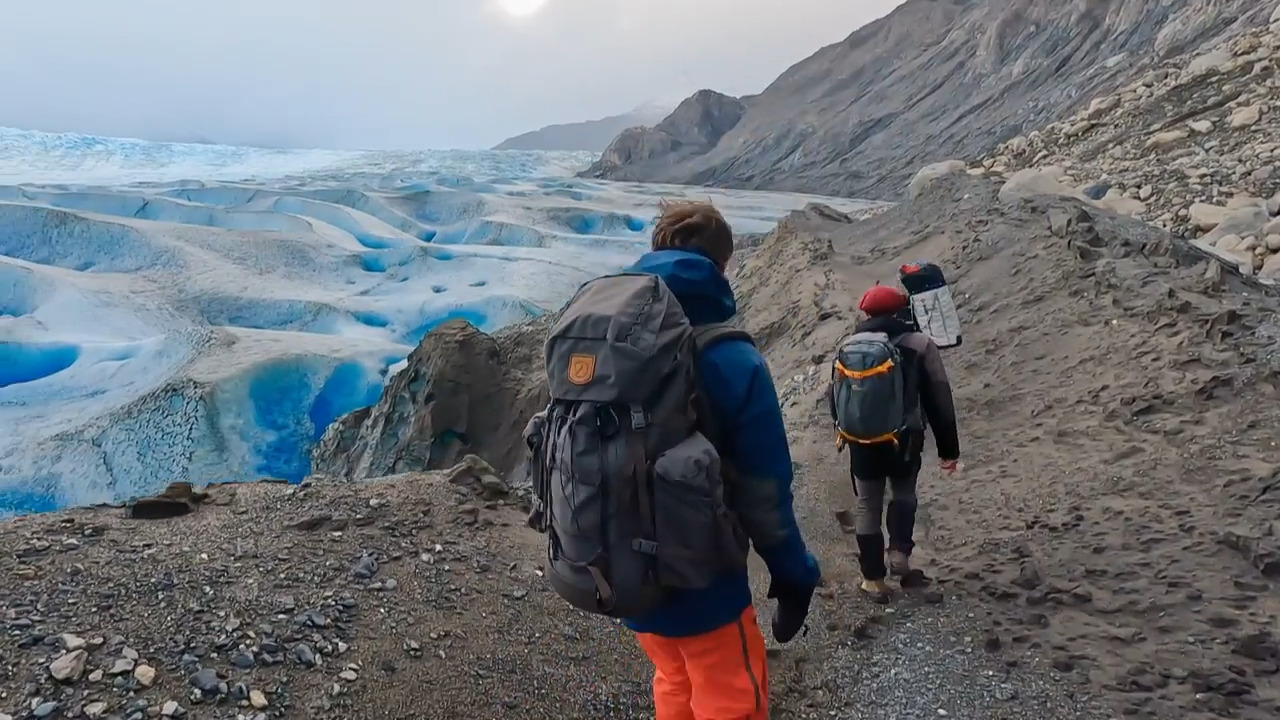
In Exploring Patagonia's Frozen Giant, host Simon Reeve and his guide reach the breathtaking Grey Glacier in Patagonia, a massive four-mile-wide glacier that's part of the South Patagonian ice field. Simon explains how climate change has caused the glacier to retreat about 328 feet (100 meters) every year, showing the urgent need to protect these icy giants. As they trek onto the surface, Simon is amazed by its creaks, groans, accompanied by howling winds, making it feel alive. He reflects on how this wild place reminds us of our connection to nature and the importance of preserving it. This video is excerpted from BBC’s Wilderness With Simon Reeve, an epic adventure into the heart of Earth’s last great wild areas, where nature is at its most beautiful and fragile.
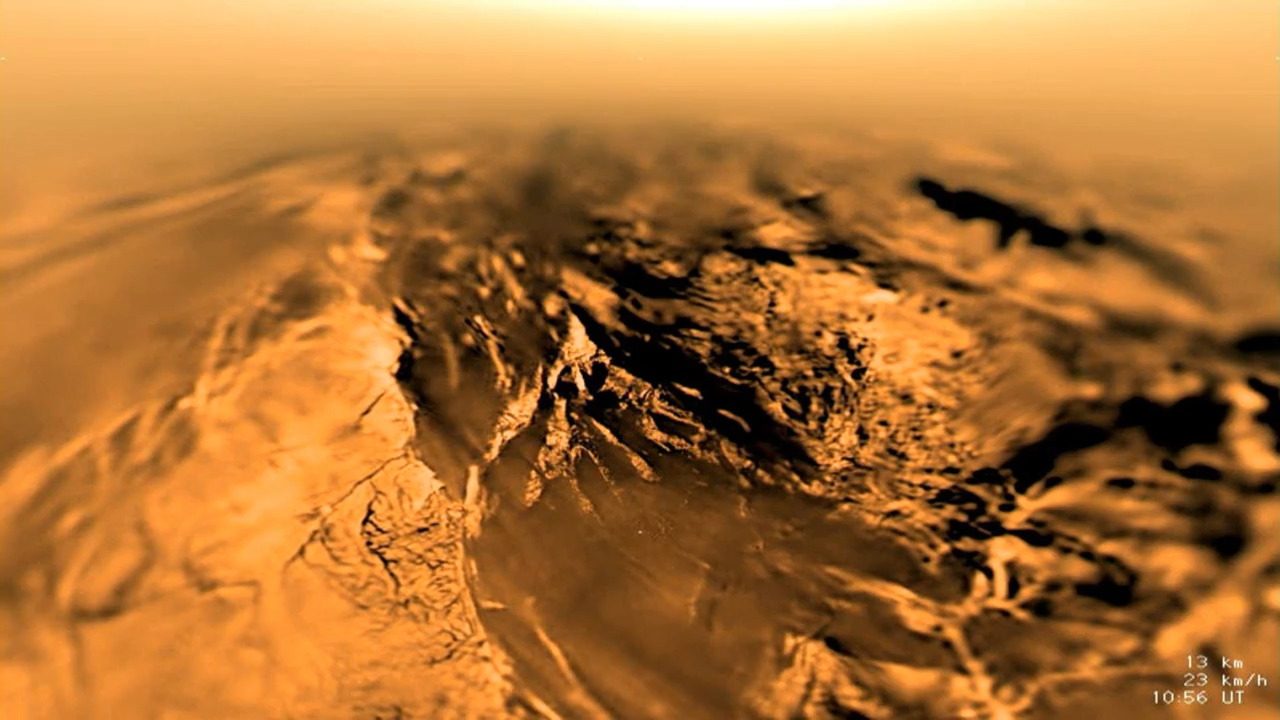
In Exploring the Frozen Surface of Titan, Professor Brian Cox describes how in 2004, the Huygens probe landed on Saturn’s moon Titan and revealed a surprisingly Earth-like surface. The probe observed flat, sandy ground with smooth, rounded stones — evidence that there was once flowing water on Titan's surface. This discovery has provided crucial insights into Titan’s geological history. This video is excerpted from BBC’s Wonders of the Solar System, a spellbinding documentary series that explores the most extreme locations on Earth to explain how the laws of physics carved natural wonders across the Solar System.
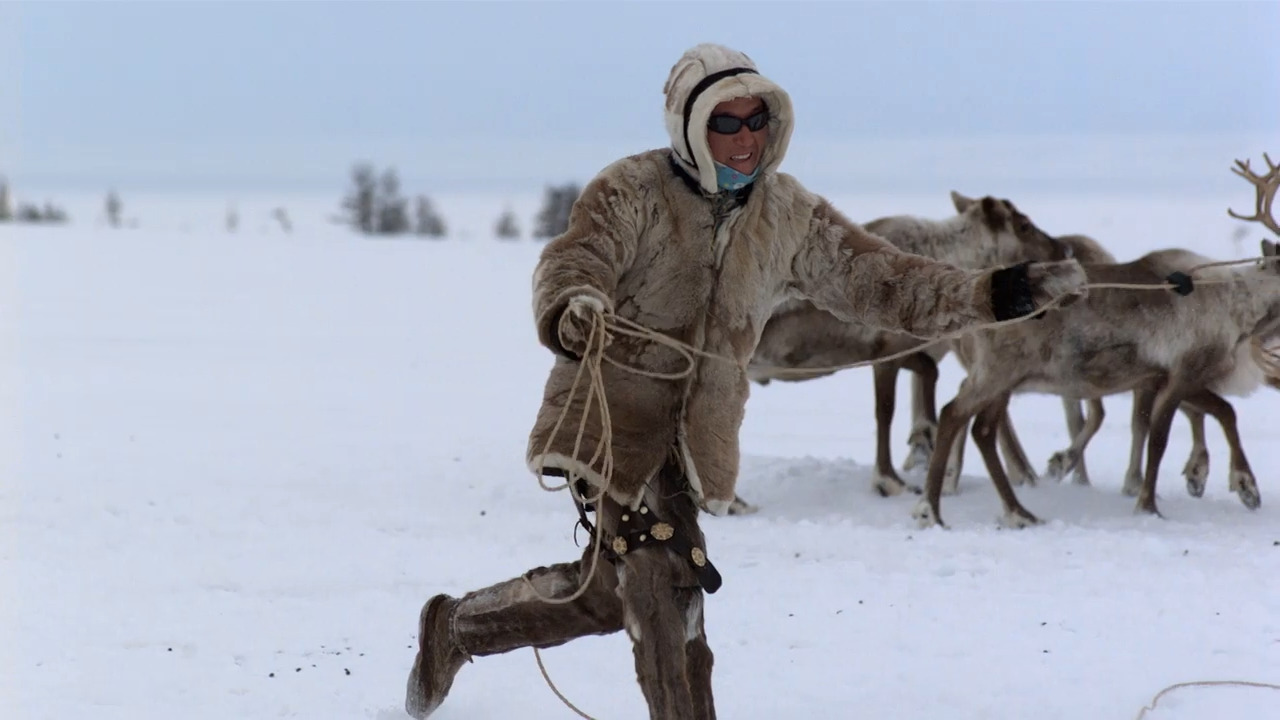
In Inside a Village of Reindeer Herders, narrator Sir David Attenborough describes how a small village of reindeer herders has stopped for a few days to rest. But when it’s time to move on, they can pack up and move to the next location within a few hours. This video is excerpted from BBC’s Frozen Planet, a series that shows a fragile world of beauty and hostility, where nature finds a way to survive and thrive in frigid conditions.
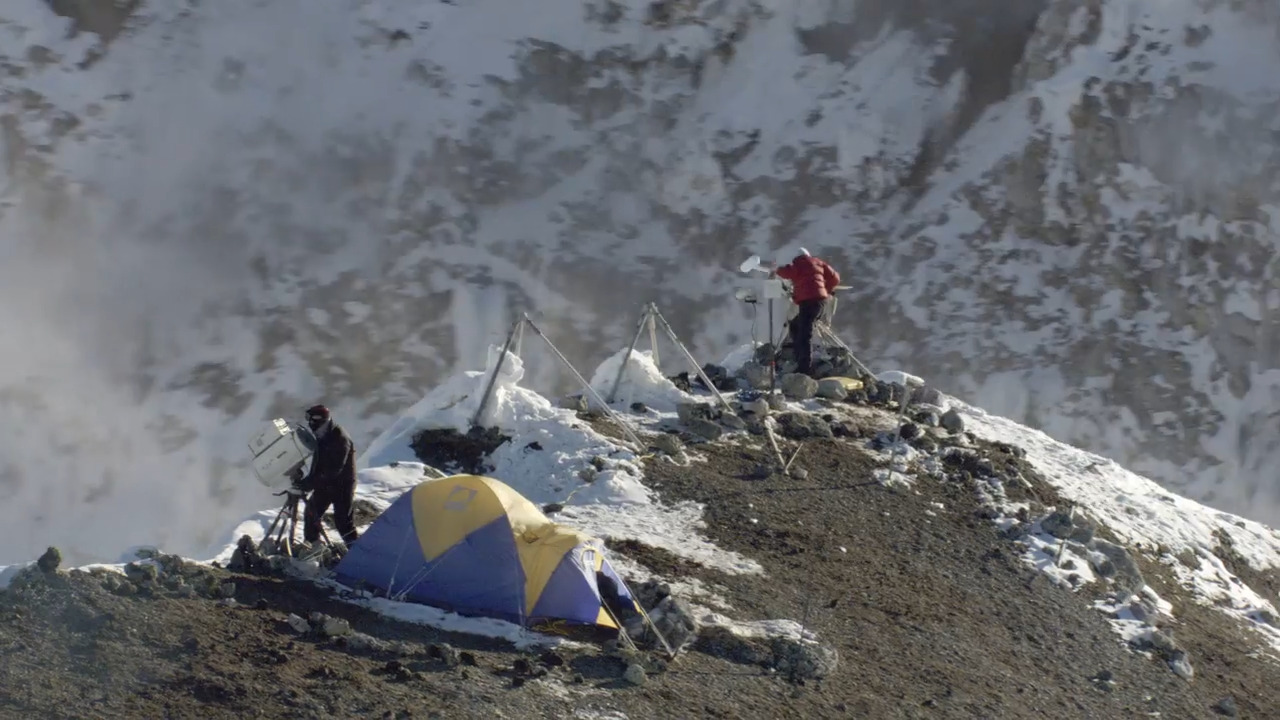
In Discoveries at the South Pole, narrator Sir David Attenborough describes how scientists on Antarctica work to learn about the atmosphere, how volcanoes influence the air we breathe, about cosmic rays that are just reaching Earth, and what the interior of Antarctica is made of. This video is excerpted from BBC’s Frozen Planet, a series that shows a fragile world of beauty and hostility, where nature finds a way to survive and thrive in frigid conditions.
Bring your students on an icy exploration of the polar ecosystem! The Arctic and Antarctica may look frozen and empty at first glance, but they’re full of life perfectly adapted to the cold.
✨ Perfect for grades 3–8, here’s what you need to bring ecosystems to life:
- Iconic BBC Videos: Share the clips on this page to introduce the location, plants, animals, and climate of the polar regions. (Don't miss the narwhals and emperor penguins!) Brought to you by world-class BBC programs like Planet Earth, Frozen Planet, and Seven Worlds, One Planet.
- Free Printable: Use the Polar Brochure Template to help students pull it all together in an ecosystem report with facts they’ve learned (and a little extra research).
It’s everything you need to make ecosystems easy to teach and truly memorable for your students.
Dive into the wonders of Antarctica with this multi-grade lesson collection! Tailored for K–2, 3–5, 6–8, and 9–12, each unit includes engaging activities, thought-provoking discussions, and hands-on projects to uncover the mysteries of the frozen continent. Enhance your teaching with stunning BBC video clips showcasing Antarctic wildlife, research stations, and breathtaking icy landscapes. Printable resources like animal fact sheets, scientist journal templates, and conservation challenges bring the learning to life for your students. Perfect for science, geography, and environmental lessons!
In The Go Jetters Get Chilly at the Harbin Ice Festival, the Go Jetters crew visits Harbin Ice Festival in China and learn how massive ice sculptures are carved from blocks from a frozen river. Ubercorn shares funky facts about this amazing ice and snow festival. This video is excerpted from BBC’s Go Jetters, a series that follows the adventures of four international heroes as they travel the globe visiting landmarks and solving environmental problems with Ubercorn, a disco-dancing unicorn.
In this lesson, your students will step into the shoes of Antarctic scientists! They'll dive into the fascinating world of Antarctic research stations and unique wildlife with video clips from BBC’s Seven Worlds, One Planet and Frozen Planet. After exploring the videos and researching more about this frozen continent, your students will write a creative journal entry from the perspective of a research scientist sharing their experiences in Antarctica. You’ll wrap up the lesson with a meaningful class discussion about why studying Antarctica matters and how the discoveries made there could shape our world.
In Microscopic Life in Ice, Professor Brian Cox explores an ice cave and finds microorganisms that are living in the ice. He discusses what this means for life on other planets and moons with scientist Richard Hoover. This video is excerpted from BBC’s The Planets, a series that explores the dramatic lives of the eight planets in our Solar System.
Take your students on a research journey to Antarctica! In this lesson, students will become Antarctic scientists as they explore the continent’s unique wildlife using video clips from BBC’s Seven Worlds, One Planet and Frozen Planet. Students will watch the videos, then research an Antarctic animal of their choice. They will explore what is known about the animal, identify gaps in scientific knowledge, and suggest future research areas. Finally, students will present their findings in a class display to inspire others to learn more about this amazing environment!
In this activity, students will step into the boots of Antarctic research scientists as they uncover the secrets of penguin life! They’ll start by sharing what they already know about Antarctica before "traveling" there through a BBC Frozen Planet video, which will let them experience the continent up close. Then, each student will select a penguin species to research and they will use a BBC video from Seven Worlds, One Planet or Frozen Planet to gather their observations. Students will synthesize their notes as they create a research journal page, and they will then wrap up by discussing what new questions they’re curious to investigate next!
In this activity, your students will watch captivating BBC videos from Andy’s Baby Animals and Go Jetters and then create their own Antarctic penguin character! They'll begin by learning about the coldest continent — Antarctica — and the penguins that live there. Then, students will be challenged to create their own penguin cartoon characters based on what they have learned about the characteristics and behavior of real penguins.
In Exploring Patagonia's Frozen Giant, host Simon Reeve and his guide reach the breathtaking Grey Glacier in Patagonia, a massive four-mile-wide glacier that's part of the South Patagonian ice field. Simon explains how climate change has caused the glacier to retreat about 328 feet (100 meters) every year, showing the urgent need to protect these icy giants. As they trek onto the surface, Simon is amazed by its creaks, groans, accompanied by howling winds, making it feel alive. He reflects on how this wild place reminds us of our connection to nature and the importance of preserving it. This video is excerpted from BBC’s Wilderness With Simon Reeve, an epic adventure into the heart of Earth’s last great wild areas, where nature is at its most beautiful and fragile.
In Exploring the Frozen Surface of Titan, Professor Brian Cox describes how in 2004, the Huygens probe landed on Saturn’s moon Titan and revealed a surprisingly Earth-like surface. The probe observed flat, sandy ground with smooth, rounded stones — evidence that there was once flowing water on Titan's surface. This discovery has provided crucial insights into Titan’s geological history. This video is excerpted from BBC’s Wonders of the Solar System, a spellbinding documentary series that explores the most extreme locations on Earth to explain how the laws of physics carved natural wonders across the Solar System.
In Inside a Village of Reindeer Herders, narrator Sir David Attenborough describes how a small village of reindeer herders has stopped for a few days to rest. But when it’s time to move on, they can pack up and move to the next location within a few hours. This video is excerpted from BBC’s Frozen Planet, a series that shows a fragile world of beauty and hostility, where nature finds a way to survive and thrive in frigid conditions.
In Discoveries at the South Pole, narrator Sir David Attenborough describes how scientists on Antarctica work to learn about the atmosphere, how volcanoes influence the air we breathe, about cosmic rays that are just reaching Earth, and what the interior of Antarctica is made of. This video is excerpted from BBC’s Frozen Planet, a series that shows a fragile world of beauty and hostility, where nature finds a way to survive and thrive in frigid conditions.