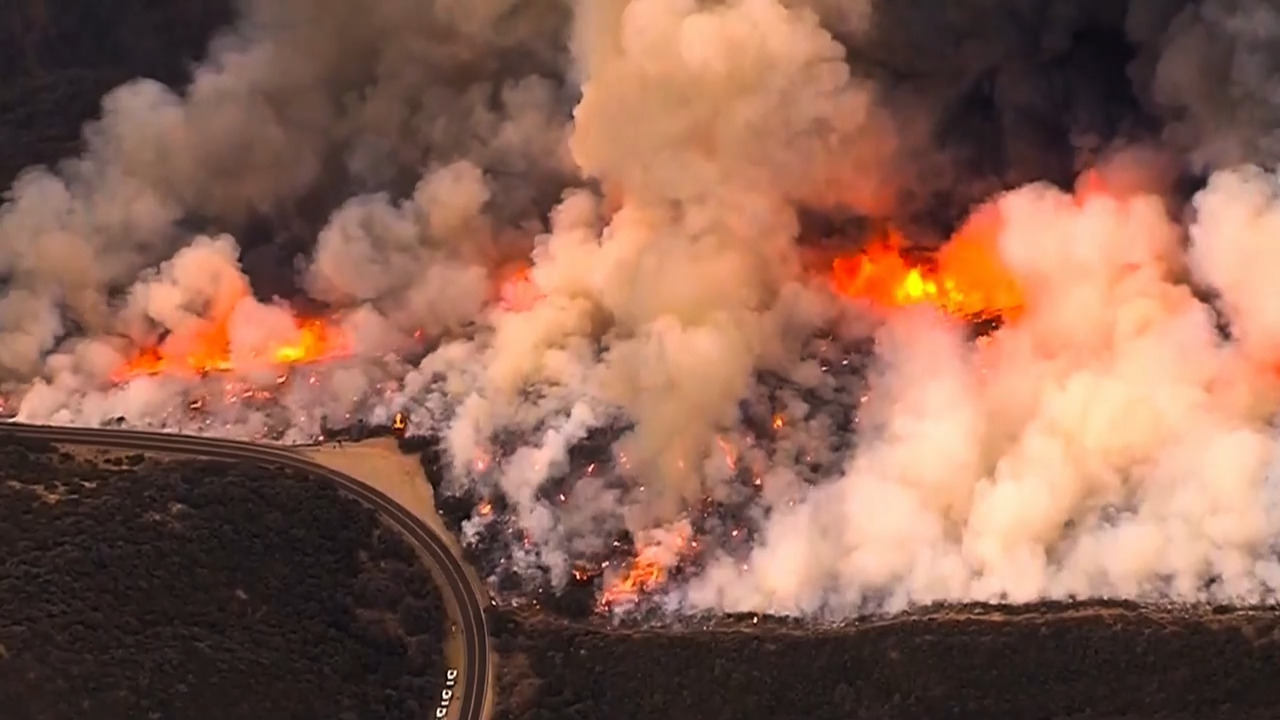
In Climate Change Wildfires and a Change in Weather, a father and son share their harrowing experience of barely escaping a wildfire in Montana. The video highlights the increasing frequency of extreme weather events, such as heat waves, rainstorms, flooding, and storms, driven by climate change. This video is excerpted from BBC’s Climate Change - The Facts, a documentary that delves into the science of climate change and its far-reaching consequences.
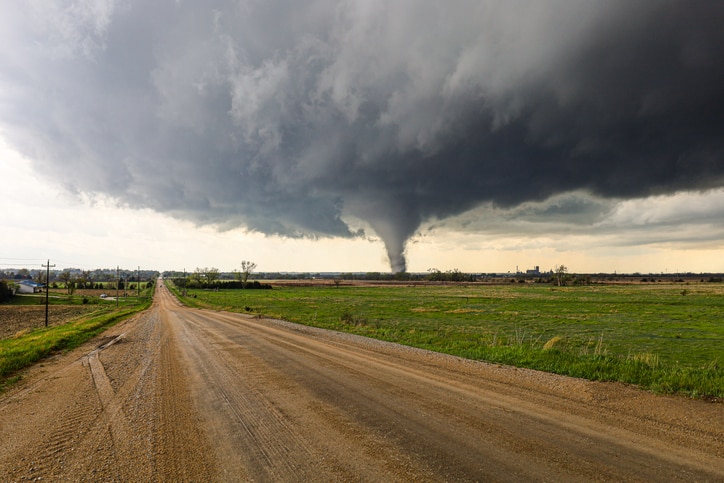
Get swept up in the drama of Earth’s extreme weather! This BBC video clip collection — featuring clips from Blue Planet, Blue Planet II, and other acclaimed BBC series — takes you into the heart of hurricanes, tornadoes, blizzards, and more. Discover how these powerful forces shape our planet, challenge wildlife, and reveal the awe-inspiring power of nature.
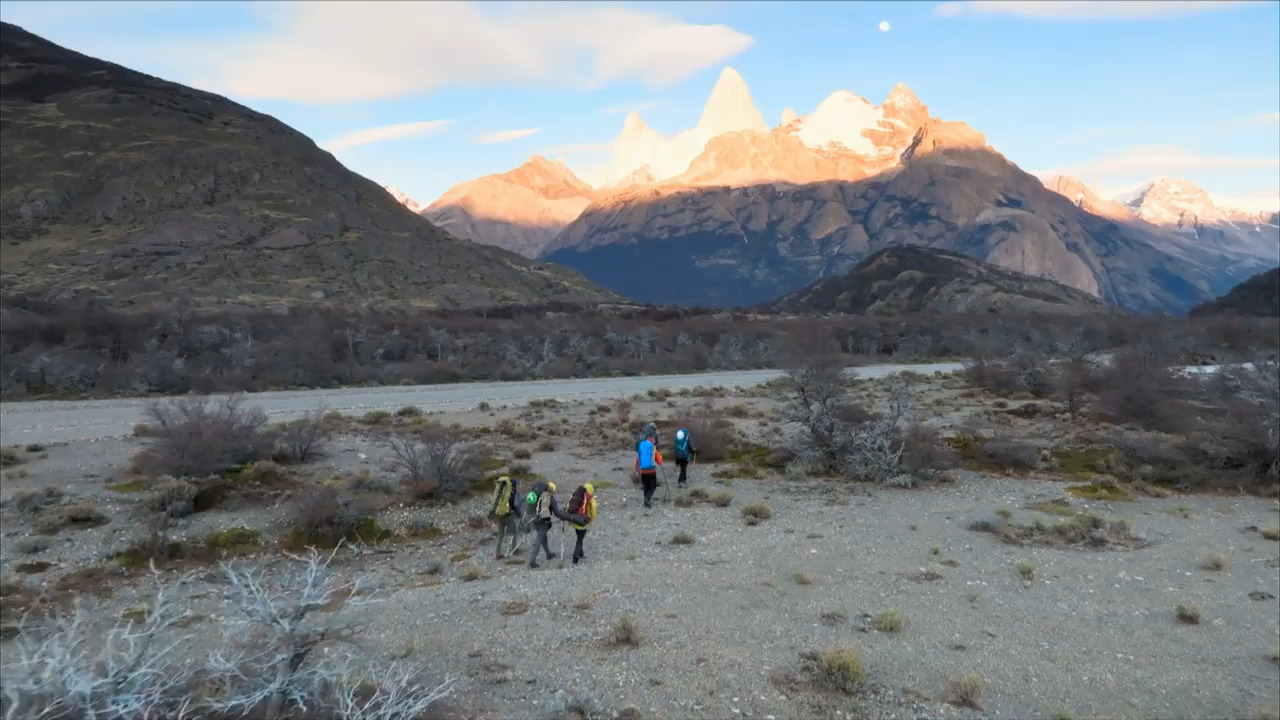
In A Journey to the Heart of Patagonia, host Simon Reeve and his team embark on a multi-day hike to the South Patagonian ice field, the largest ice field outside Antarctica. To reach this frozen wonder, they face brutal challenges like crossing jagged mountains, braving icy rivers, and zip-lining over crevasses. With temperatures plunging to -10°F at night and fierce winds during the day, Simon learns that both physical strength and mental toughness are essential for such an extreme adventure. This video is excerpted from BBC’s Wilderness With Simon Reeve, an epic adventure into the heart of Earth’s last great wild areas, where nature is at its most beautiful and fragile.
According to the Met Office, the UK's national weather and climate service, people may be getting a little too relaxed about the weather. Conditions that once would have seemed extreme are starting to feel normal.
2025 was the UK's hottest year since records began in 1884. Four of the last five years now rank among the five hottest on record. In southeast England, the hottest day of the year is now about 4.5°C (about 8°F) warmer on average than it was in the 1960s.
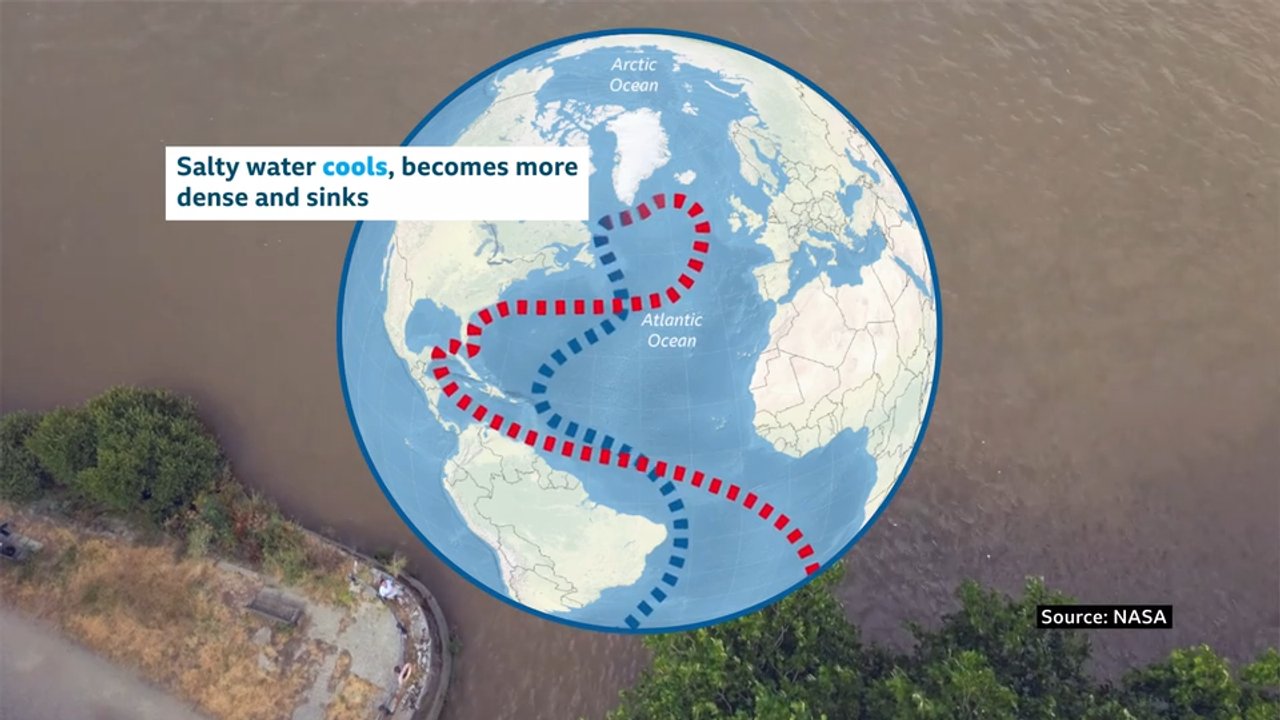
This is about more than buying extra fans. Scientists are also worried about changes in the Atlantic Ocean. Normally, warm, salty water flows north from the tropics — the hot region near the equator — and passes the UK. This keeps the UK's weather milder than you'd expect for a country so far north. Near Greenland, a huge icy island in the North Atlantic, the water cools, gets heavier, sinks, and flows back south.
At least, that's how it's supposed to work. There are signs this current may be slowing down. If it weakens a lot, the UK could lose some of that warmth. That could bring colder winters and even bigger swings in the weather, on top of the heat.
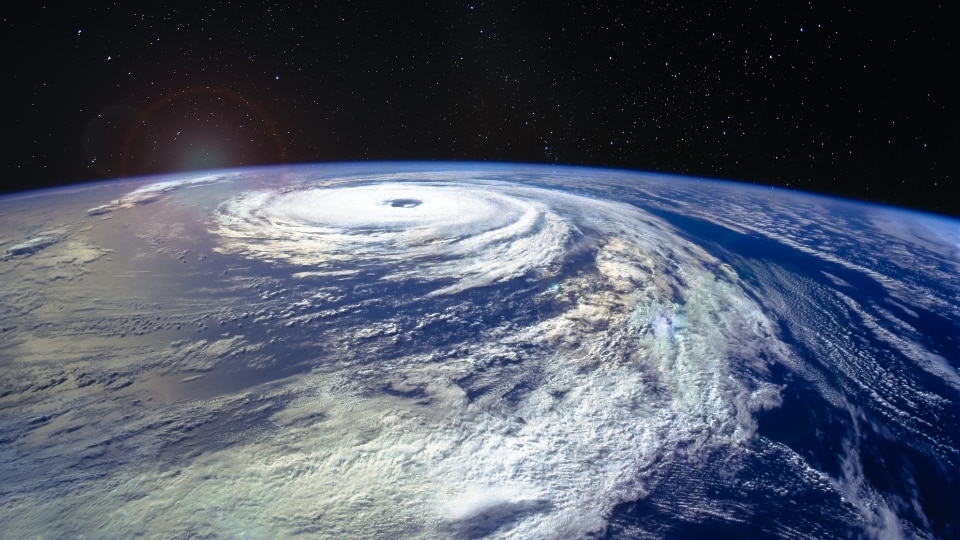
Explore the most powerful weather in the solar system in this Kahoot about planetary storms, extreme environments, and the forces that shape other worlds. From Jupiter's Great Red Spot to planet-wide dust storms on Mars, discover how weather behaves in places far different from Earth.
This Kahoot explores winds, clouds, atmospheres, and storms across the solar system while revealing some of the largest and longest-lasting weather events ever observed.
Watch the Planets of Our Solar System playlist and related videos linked below, then take the Kahoot and see how much you know about the extreme weather in our cosmic neighborhood.
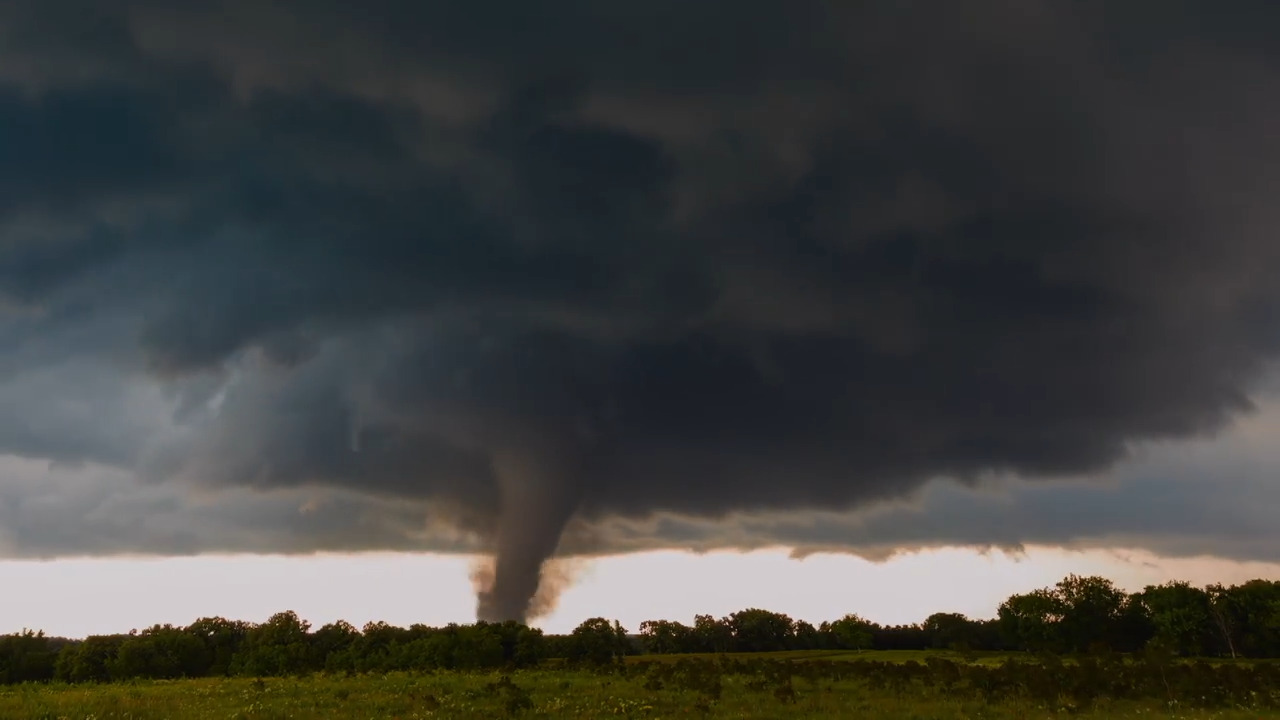
In Twisters in the Great Plains, learn how when warm air from the Gulf of Mexico meets cold air from the Arctic, it results in tornadoes that spin at speeds of over 300 miles an hour. Over a thousand tornadoes touch down in the Great Plains each year. This video is excerpted from BBC’s Seven Worlds, One Planet, a series featuring remarkable animal behavior from all seven continents.
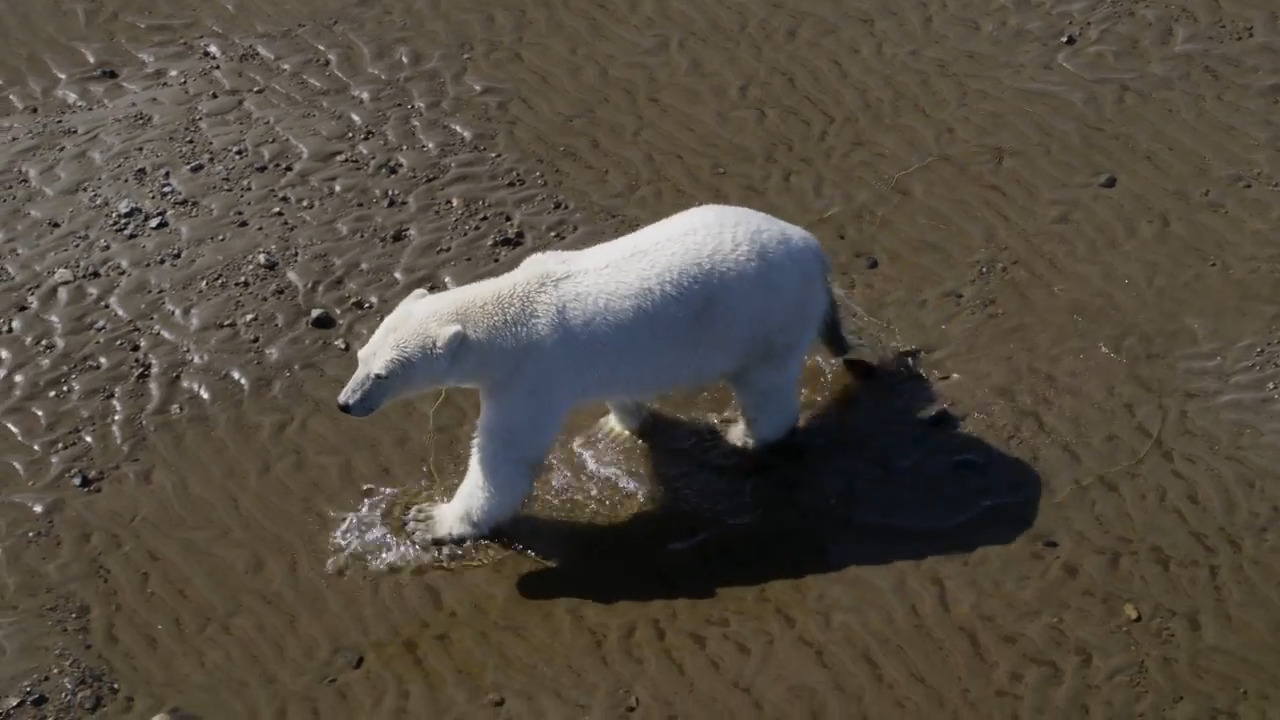
In The Human Impact on Wildlife narrator Sir David Attenborough explains the devastating impact human activities have had on wildlife. Many species are now under threat, but decisions must be made to help reverse these harmful activities. This video is excerpted from BBC’s Seven Worlds, One Planet, a series featuring remarkable animal behavior from all seven continents.

In Inside Planetary Storms, Professor Brian Cox explores the extreme weather conditions on Jupiter, a planet with an incredibly thick atmosphere that fuels its intense storms. Despite being far from the Sun, Jupiter’s storms are powered by immense surface pressure. This atmospheric pressure causes hydrogen gas to transform into a liquid, releasing vast amounts of energy and creating some of the most powerful storms in the Solar System. This video is excerpted from BBC’s Wonders of the Solar System, a spellbinding documentary series that explores the most extreme locations on Earth to explain how the laws of physics carved natural wonders across the Solar System.

In Protecting the World’s Smallest Islands, host Radzi Chinyanganya highlights the efforts of children in Palau, a small Pacific Island nation, as they fight to protect their environment from the effects of climate change. These young activists are taking action to preserve their island’s natural beauty and ecosystem, which are being threatened by rising sea levels and extreme weather patterns. Through their activism, they are calling for greater global attention to the vulnerabilities of small island nations and their urgent need for climate action. This video is excerpted from BBC’s My World, a program created for teenagers eager to learn more about the important stories shaping our world.
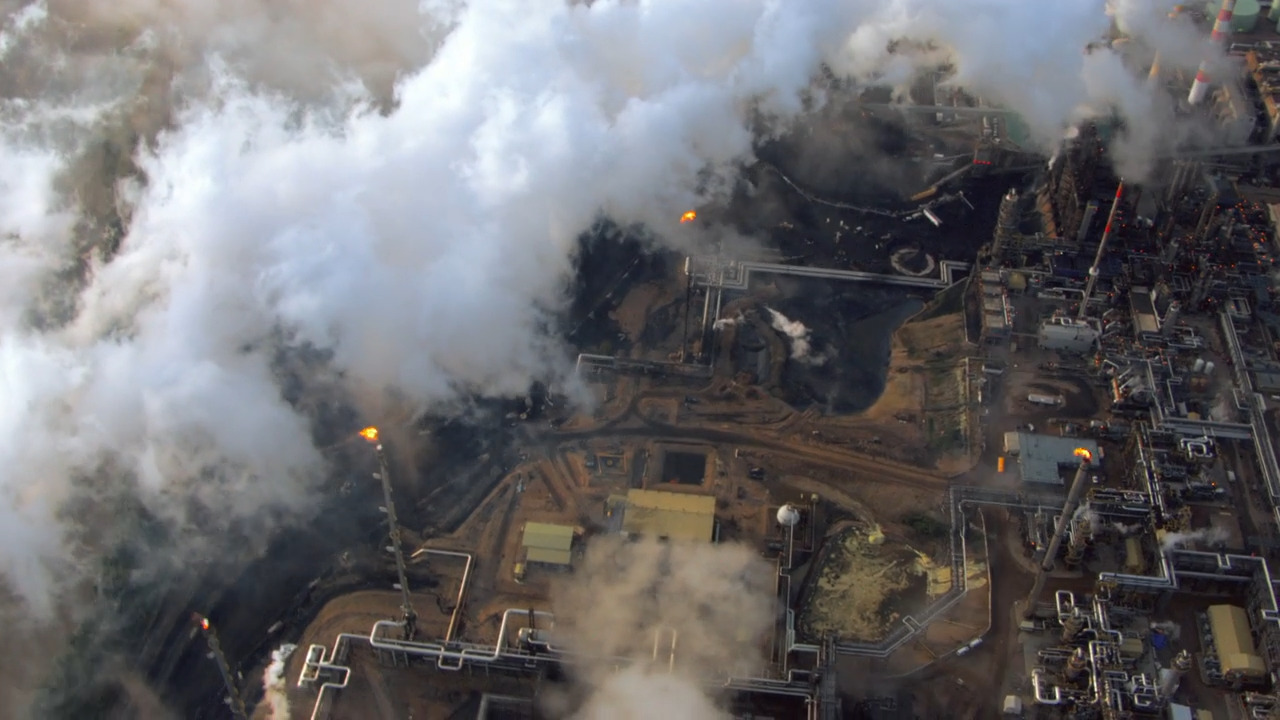
In Climate Change and the Use of Fossil Fuels, scientists explain how human use of fossil fuels has caused Earth’s temperature to rise steadily over the last 100 years. The video explores the role of increasing carbon dioxide levels in the atmosphere and how this has led to climate change and extreme weather events. This video is excerpted from BBC’s Climate Change - The Facts, a documentary that delves into the science of climate change and its far-reaching consequences.

The article "Hibernation: How Animals Sleep Through the Heat and Cold" from BBC's Discover Wildlife explores the fascinating survival strategies animals use during extreme weather. It explains the difference between hibernation, aestivation, torpor, and denning.

It’s officially the “Beijing International Automotive Exhibition,” but its friends call it “Auto China,” and it’s now the largest car show in the world. Nearly 1000 companies flock to the exhibits taking up more than 380,000 square meters, or over 50 football fields! Or 1,246,719 feet and 50 soccer fields, if you’re from America! Or 9,329,989 beep-boop-zoinks and 50 astro-space-ball fields if you’re a Martian from outer space! Any way you spin it, this car show is a big deal, and there were two standout trends.
The first was electric vehicles. There’s always been an issue with charging, as makers have tried to maximize how far cars can travel on single charge while minimizing how long that charge takes. Now, a company called BYD claims to have an ultra-fast charging system that can provide 400 km of range with only 5 minutes of charging. What’s more, it’s designed to operate under extreme weather conditions. Since batteries are usually sensitive to high or low temperatures, addressing this is a major step in making electric vehicles as reliable as gas cars.
The other big topic was also fully autonomous, or self-driving cars. The company Geely developed a self-driving car built specifically for ride-hailing, so there’s no steering wheel or driver’s seat. That means you can pick your nose without fear of the driver judging you! Xpeng’s driverless car uses a combination of lasers, radar, and cameras to build a real time picture of the road, but we hope it works just as well in the clouds, because they may be extending this technology into flying cars as early as next year. It’s a bird! It’s a plane! No, it’s just my Uber! That’s one way to beat traffic.
In Climate Change Wildfires and a Change in Weather, a father and son share their harrowing experience of barely escaping a wildfire in Montana. The video highlights the increasing frequency of extreme weather events, such as heat waves, rainstorms, flooding, and storms, driven by climate change. This video is excerpted from BBC’s Climate Change - The Facts, a documentary that delves into the science of climate change and its far-reaching consequences.
Get swept up in the drama of Earth’s extreme weather! This BBC video clip collection — featuring clips from Blue Planet, Blue Planet II, and other acclaimed BBC series — takes you into the heart of hurricanes, tornadoes, blizzards, and more. Discover how these powerful forces shape our planet, challenge wildlife, and reveal the awe-inspiring power of nature.
In A Journey to the Heart of Patagonia, host Simon Reeve and his team embark on a multi-day hike to the South Patagonian ice field, the largest ice field outside Antarctica. To reach this frozen wonder, they face brutal challenges like crossing jagged mountains, braving icy rivers, and zip-lining over crevasses. With temperatures plunging to -10°F at night and fierce winds during the day, Simon learns that both physical strength and mental toughness are essential for such an extreme adventure. This video is excerpted from BBC’s Wilderness With Simon Reeve, an epic adventure into the heart of Earth’s last great wild areas, where nature is at its most beautiful and fragile.
According to the Met Office, the UK's national weather and climate service, people may be getting a little too relaxed about the weather. Conditions that once would have seemed extreme are starting to feel normal.
2025 was the UK's hottest year since records began in 1884. Four of the last five years now rank among the five hottest on record. In southeast England, the hottest day of the year is now about 4.5°C (about 8°F) warmer on average than it was in the 1960s.
This is about more than buying extra fans. Scientists are also worried about changes in the Atlantic Ocean. Normally, warm, salty water flows north from the tropics — the hot region near the equator — and passes the UK. This keeps the UK's weather milder than you'd expect for a country so far north. Near Greenland, a huge icy island in the North Atlantic, the water cools, gets heavier, sinks, and flows back south.
At least, that's how it's supposed to work. There are signs this current may be slowing down. If it weakens a lot, the UK could lose some of that warmth. That could bring colder winters and even bigger swings in the weather, on top of the heat.
Explore the most powerful weather in the solar system in this Kahoot about planetary storms, extreme environments, and the forces that shape other worlds. From Jupiter's Great Red Spot to planet-wide dust storms on Mars, discover how weather behaves in places far different from Earth.
This Kahoot explores winds, clouds, atmospheres, and storms across the solar system while revealing some of the largest and longest-lasting weather events ever observed.
Watch the Planets of Our Solar System playlist and related videos linked below, then take the Kahoot and see how much you know about the extreme weather in our cosmic neighborhood.
In Twisters in the Great Plains, learn how when warm air from the Gulf of Mexico meets cold air from the Arctic, it results in tornadoes that spin at speeds of over 300 miles an hour. Over a thousand tornadoes touch down in the Great Plains each year. This video is excerpted from BBC’s Seven Worlds, One Planet, a series featuring remarkable animal behavior from all seven continents.
In The Human Impact on Wildlife narrator Sir David Attenborough explains the devastating impact human activities have had on wildlife. Many species are now under threat, but decisions must be made to help reverse these harmful activities. This video is excerpted from BBC’s Seven Worlds, One Planet, a series featuring remarkable animal behavior from all seven continents.
In Inside Planetary Storms, Professor Brian Cox explores the extreme weather conditions on Jupiter, a planet with an incredibly thick atmosphere that fuels its intense storms. Despite being far from the Sun, Jupiter’s storms are powered by immense surface pressure. This atmospheric pressure causes hydrogen gas to transform into a liquid, releasing vast amounts of energy and creating some of the most powerful storms in the Solar System. This video is excerpted from BBC’s Wonders of the Solar System, a spellbinding documentary series that explores the most extreme locations on Earth to explain how the laws of physics carved natural wonders across the Solar System.
In Protecting the World’s Smallest Islands, host Radzi Chinyanganya highlights the efforts of children in Palau, a small Pacific Island nation, as they fight to protect their environment from the effects of climate change. These young activists are taking action to preserve their island’s natural beauty and ecosystem, which are being threatened by rising sea levels and extreme weather patterns. Through their activism, they are calling for greater global attention to the vulnerabilities of small island nations and their urgent need for climate action. This video is excerpted from BBC’s My World, a program created for teenagers eager to learn more about the important stories shaping our world.
In Climate Change and the Use of Fossil Fuels, scientists explain how human use of fossil fuels has caused Earth’s temperature to rise steadily over the last 100 years. The video explores the role of increasing carbon dioxide levels in the atmosphere and how this has led to climate change and extreme weather events. This video is excerpted from BBC’s Climate Change - The Facts, a documentary that delves into the science of climate change and its far-reaching consequences.
The article "Hibernation: How Animals Sleep Through the Heat and Cold" from BBC's Discover Wildlife explores the fascinating survival strategies animals use during extreme weather. It explains the difference between hibernation, aestivation, torpor, and denning.
It’s officially the “Beijing International Automotive Exhibition,” but its friends call it “Auto China,” and it’s now the largest car show in the world. Nearly 1000 companies flock to the exhibits taking up more than 380,000 square meters, or over 50 football fields! Or 1,246,719 feet and 50 soccer fields, if you’re from America! Or 9,329,989 beep-boop-zoinks and 50 astro-space-ball fields if you’re a Martian from outer space! Any way you spin it, this car show is a big deal, and there were two standout trends.
The first was electric vehicles. There’s always been an issue with charging, as makers have tried to maximize how far cars can travel on single charge while minimizing how long that charge takes. Now, a company called BYD claims to have an ultra-fast charging system that can provide 400 km of range with only 5 minutes of charging. What’s more, it’s designed to operate under extreme weather conditions. Since batteries are usually sensitive to high or low temperatures, addressing this is a major step in making electric vehicles as reliable as gas cars.
The other big topic was also fully autonomous, or self-driving cars. The company Geely developed a self-driving car built specifically for ride-hailing, so there’s no steering wheel or driver’s seat. That means you can pick your nose without fear of the driver judging you! Xpeng’s driverless car uses a combination of lasers, radar, and cameras to build a real time picture of the road, but we hope it works just as well in the clouds, because they may be extending this technology into flying cars as early as next year. It’s a bird! It’s a plane! No, it’s just my Uber! That’s one way to beat traffic.