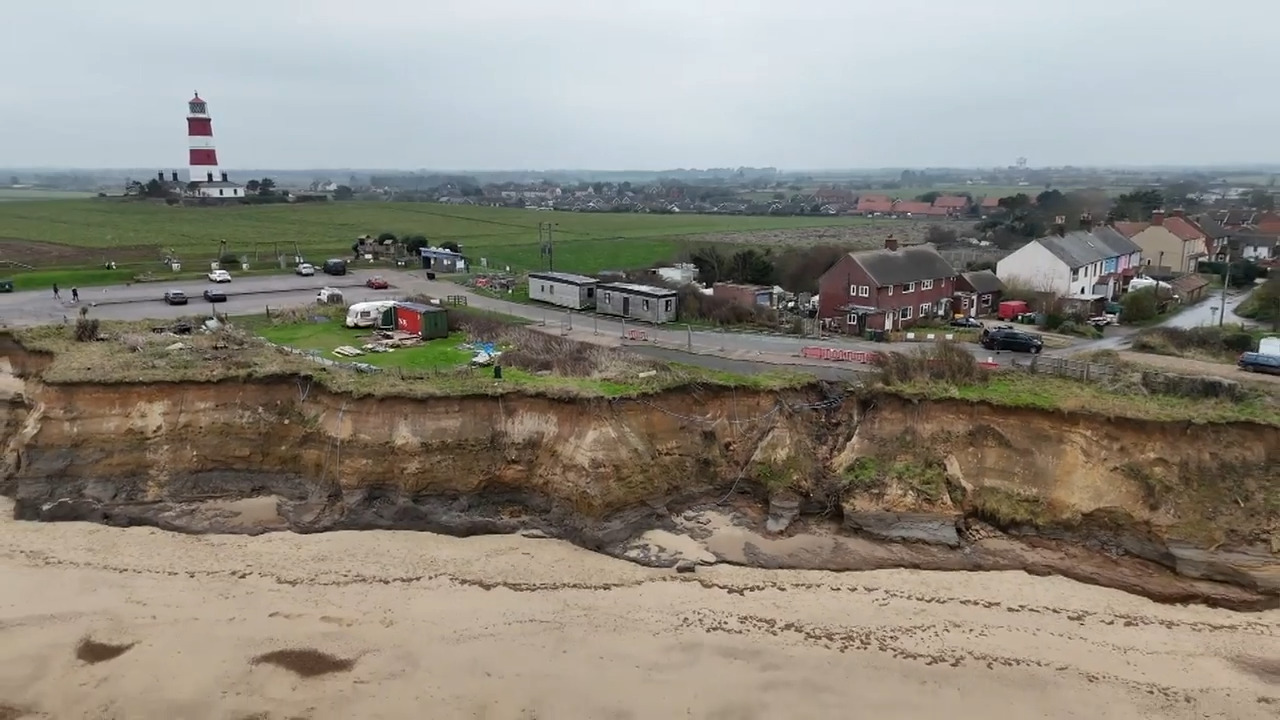
Waking up and looking out the window at the beautiful shoreline is great, until the water gets a little too close for comfort…
Bryony Nierop-Reading is a UK woman who has spent years up close and personal with the effects of coastal erosion — that’s when land is lost or displaced by natural forces like waves, tides, and storms. In 2009, she bought a home on the coast. She thought it was a safe distance from the shore, but it took only 4 years until the water became unlivably close to the house.
In her new home across the road, she sees the same challenges. In fact, in just two weeks, as much as 32 feet of land were lost to the sea. That’s the length of a school bus, or the height of a 3-story building!
It’s no wonder she’s so determined to fight for awareness and action around coastal erosion, especially as task forces meant to deal with the issue are being shut down, leaving counties to handle the problem themselves.
But Bryony the Brave is determined to stay put for as long as possible. She believes living so close to the issue helps her stay informed, motivated, and ready to speak up.
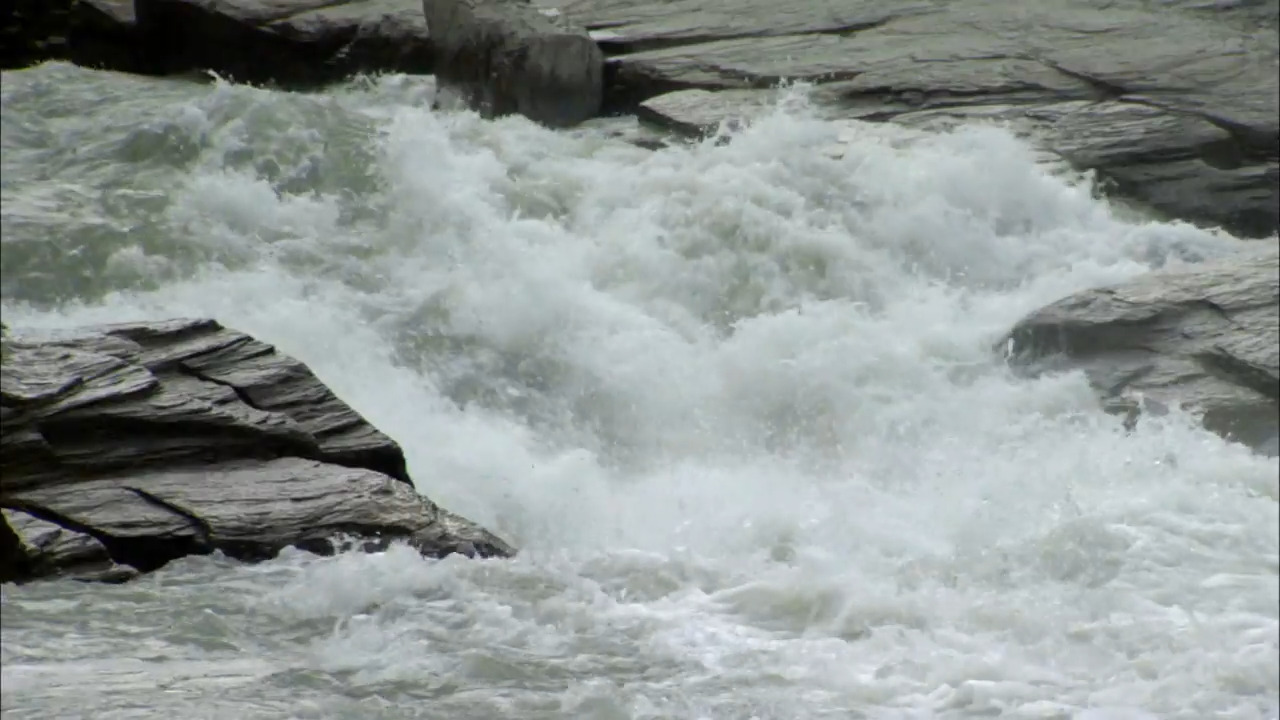
In Erosion and Evolution, geologist Iain Stewart explains that rivers and volcanoes have shaped the Earth in dramatic ways. Rivers sweep rock and debris with them as they head toward the ocean, preparing for new land to form downstream. Scientists have found the conditions that mimic those found when the Earth was young around volcanoes and hydrothermal vents. The changing amounts of ice on the planet also impact how modern man has adapted. This video is excerpted from BBC’s Earth: The Power of the Planet, a documentary series in which Dr. Iain Stewart discovers how Earth's forces can shape nature, species, and even the climate.
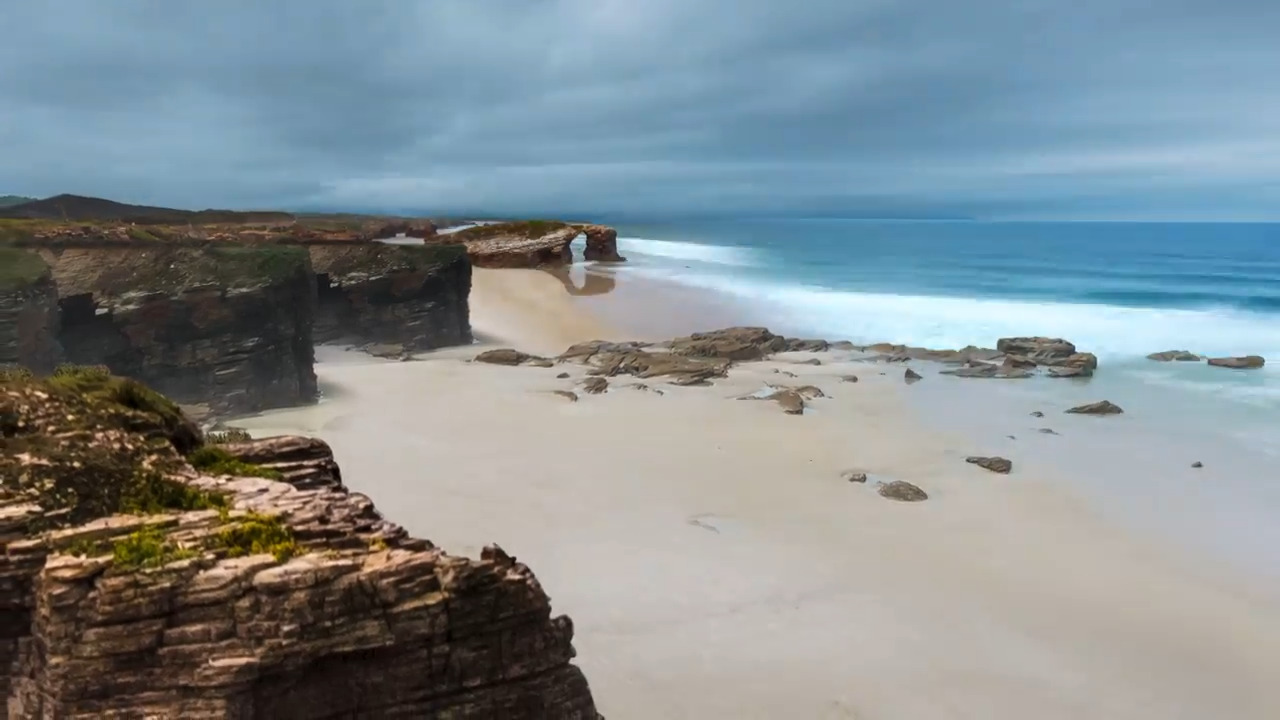
In Big Waves and Coastal Erosion, narrator Sir David Attenborough demonstrates how waves impact the coast. This video is excerpted from BBC’s Blue Planet II, a natural history series that explores the world's oceans, the animals that live in them, and the threats they face, using modern filming techniques and equipment to capture previously unseen areas of the ocean.
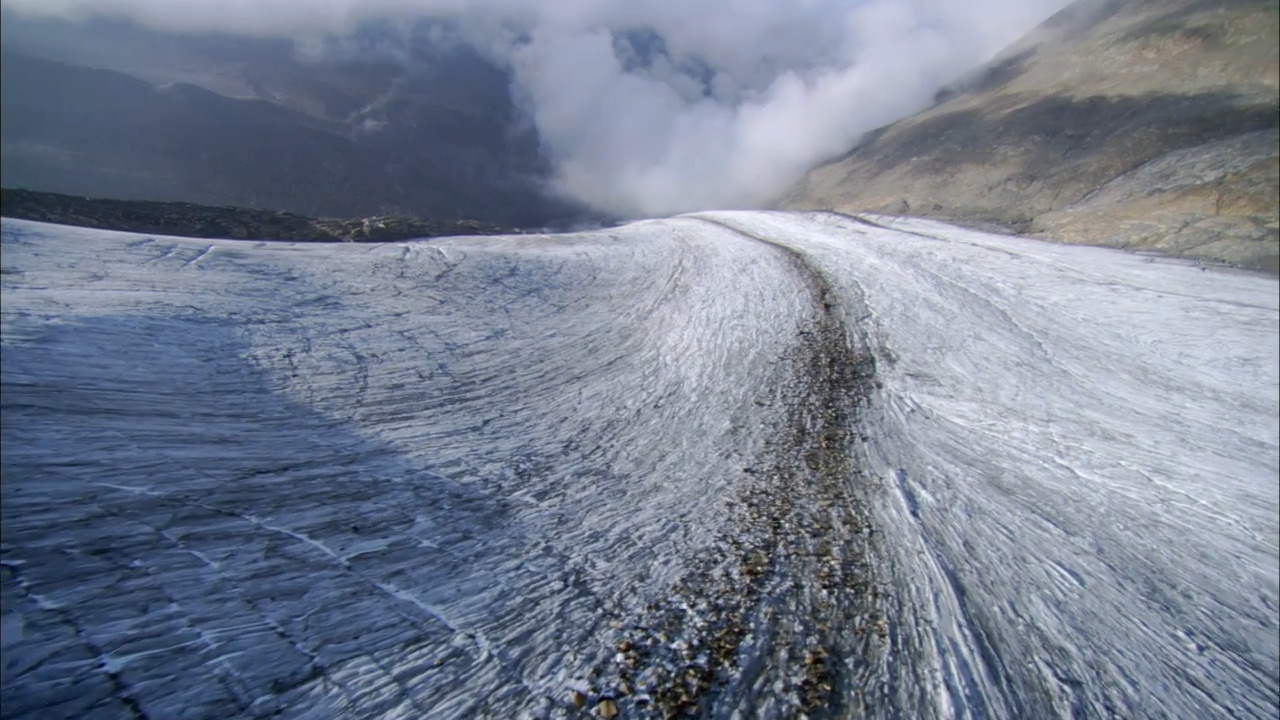
In Glaciers: Powerful Mountain-Makers, narrator Sir David Attenborough takes a close look at Earth’s most powerful erosive force — glaciers. This video is excerpted from BBC's Planet Earth, a breathtaking documentary series that highlights the natural wonders of our planet.
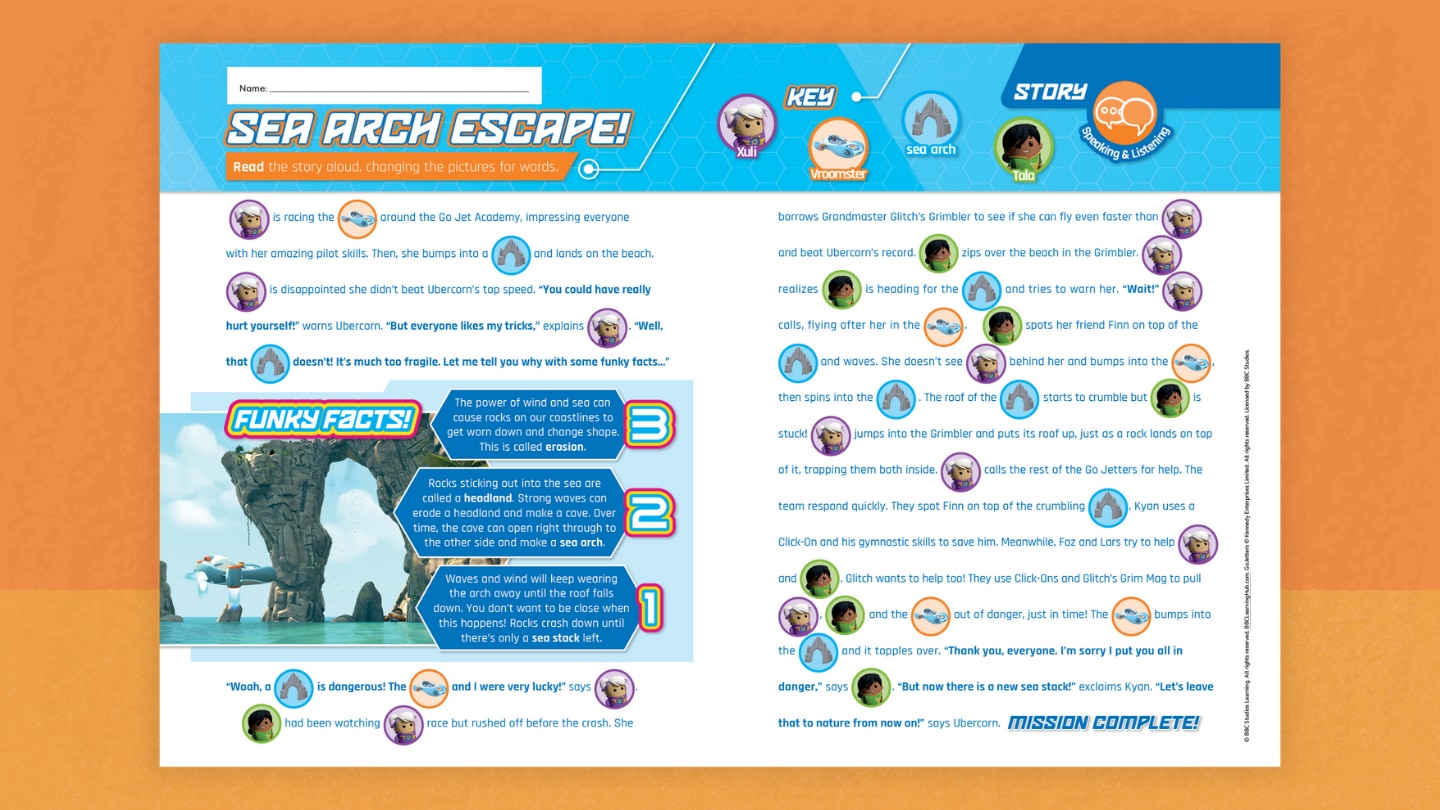
Join the Go Jetters on a flying adventure around a fragile sea arch. In this fun story, you'll:
- Read out loud, changing the pictures for words.
- Learn how erosion transforms rocks into caves, arches, and stacks.
- Discover funky facts about rock formations.
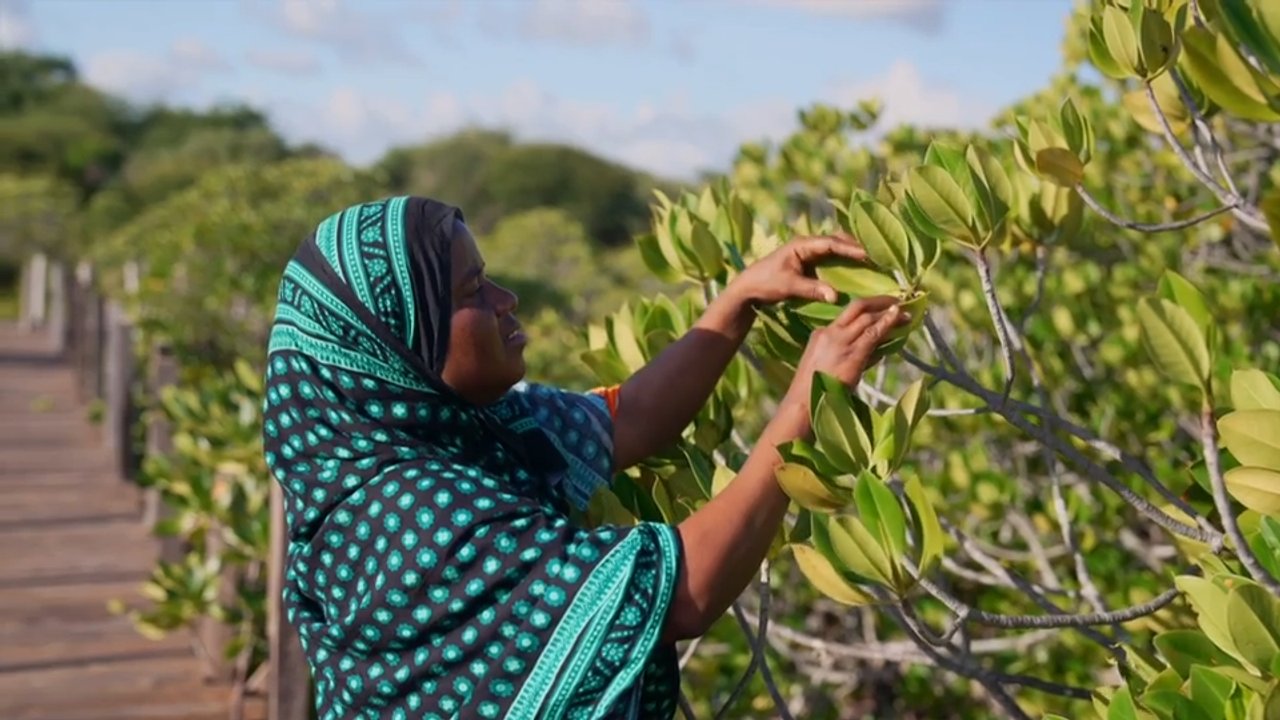
Let’s take a virtual trip to the Lamu Archipelago in Kenya, a coastline that’s both prosperous and fragile at the same time. The specific environment is a crucial part of life: the ocean provides fish to feed the islands’ inhabitants, and the forests are populated with mangrove trees that protect the coastline from erosion. So, what happens when fish stocks have declined, mangrove forests have been badly damaged, coral reefs are bleaching, and plastic washes ashore with every tide? Local environmental heroes step up.
Meet “Mama Mikoko,” AKA The Mother of Mangroves, who earned the name through her efforts to restore coastal forests. These mangrove trees not only shield villages from erosion but provide breeding grounds for marine life, and their roots hold the shoreline together. Since 2018, her team has planted more than 200,000 mangrove trees and restored over 20 hectares (about 50 acres) of coastline. That means they’ve restored about 75 percent of the mangrove forest! But not all the action’s on land.
A short boat ride away, primary school teacher Monasha Mbona is helping rebuild coral reefs by attaching living coral fragments to cement structures and returning them to the ocean so they can grow.
As important as the environment is in itself (you know, doing little things like feeding the population and helping the islands not wash away), the projects go beyond helping the environment. Conservation income has also helped fund a desalination machine to turn seawater into freshwater, create jobs for young people, support women’s financial independence, and start microfinance groups.
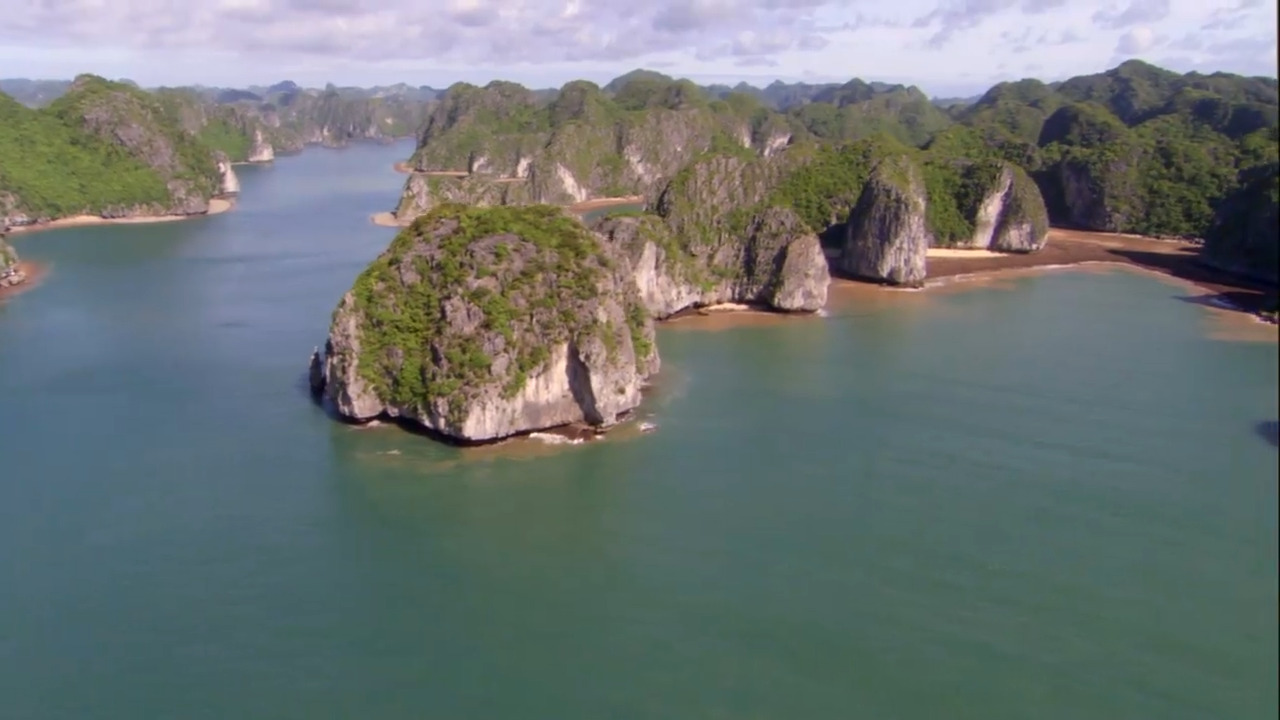
In The Power of Limestone, narrator Sir David Attenborough takes students on a journey through the fascinating world of limestone, revealing how this rock plays a critical role in shaping Earth's caves and landscapes. Limestone, which makes up nearly 10% of Earth's surface, forms from the mineral remains of marine shells and corals. Over millions of years, tectonic movements have lifted limestone from below sea level, creating towering formations, like those found in Vietnam, and sharp pinnacles in Borneo. This video is excerpted from BBC’s Planet Earth, a breathtaking documentary series that highlights the natural wonders of our planet.
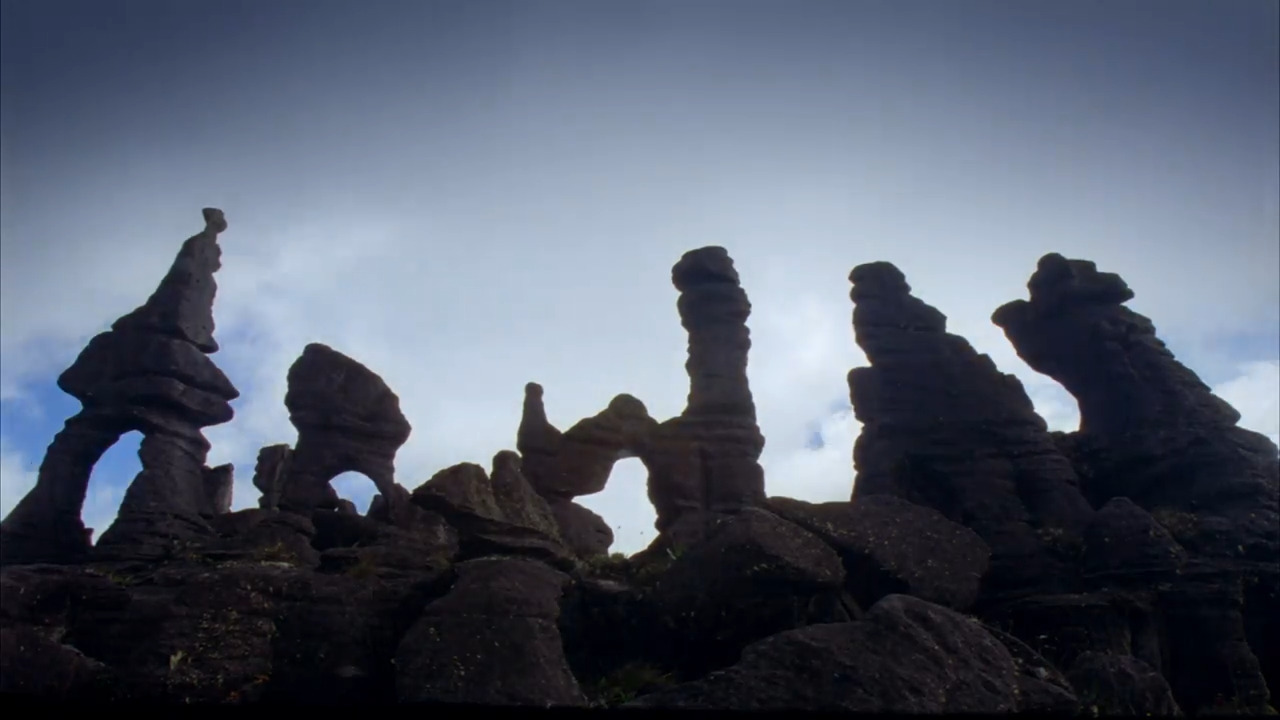
In The Tepuis of Venezuela, narrator Sir David Attenborough describes how wind and rain have carved sandstone mountains into a landscape like something out of a fictional world. As wind and rain impact the mountains, so too do the mountains impact the weather system. This video is excerpted from BBC's Planet Earth, a breathtaking documentary series that highlights the natural wonders of our planet.
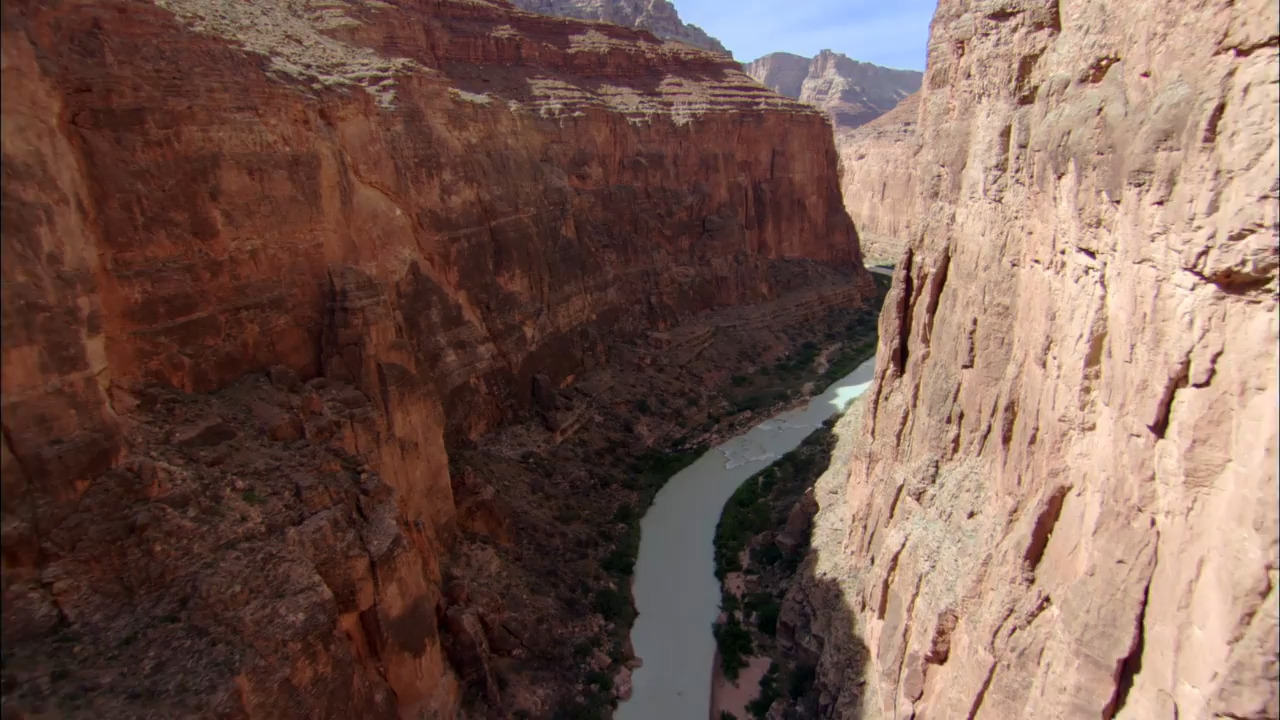
In Exploring the Grand Canyon, narrator Sir David Attenborough takes us soaring above the Colorado River as it winds through the Grand Canyon. This video is excerpted from BBC's Planet Earth, a breathtaking documentary series that highlights the natural wonders of our planet.
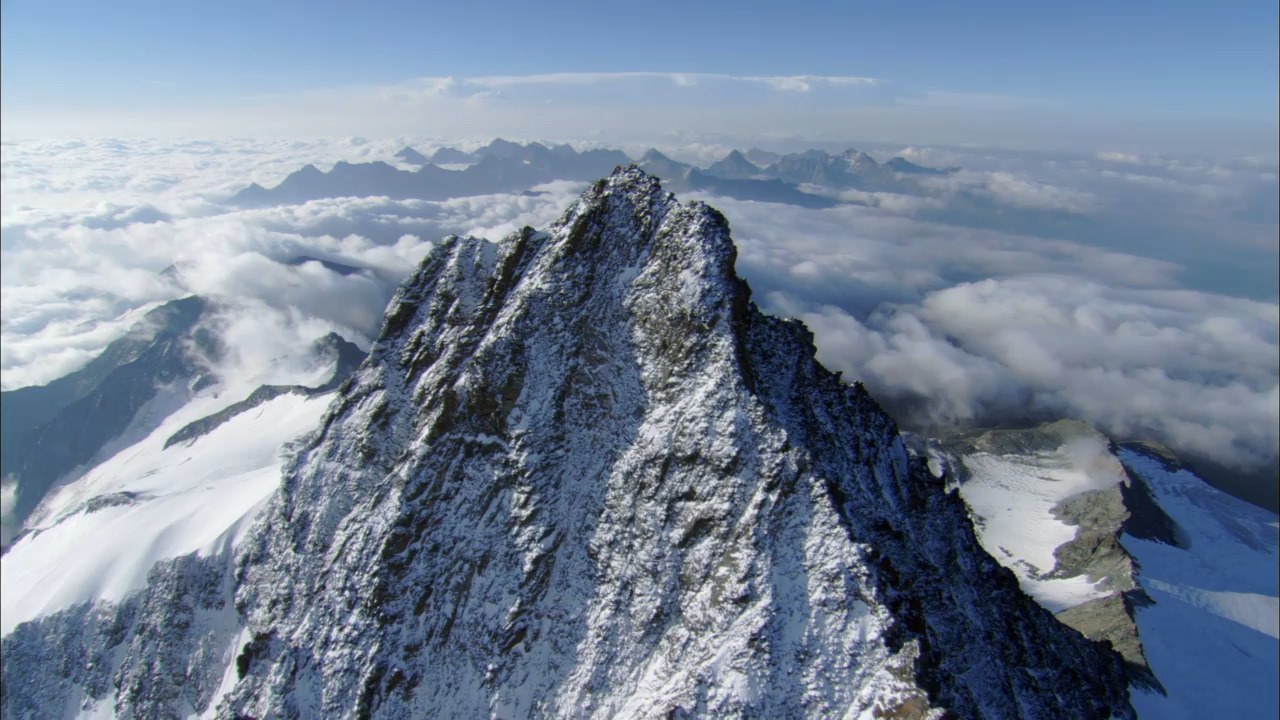
In The Alps, Europe’s Jagged Peaks, narrator Sir David Attenborough marvels at the ancient seabed turned mountain chain. This video is excerpted from BBC's Planet Earth, a breathtaking documentary series that highlights the natural wonders of our planet.
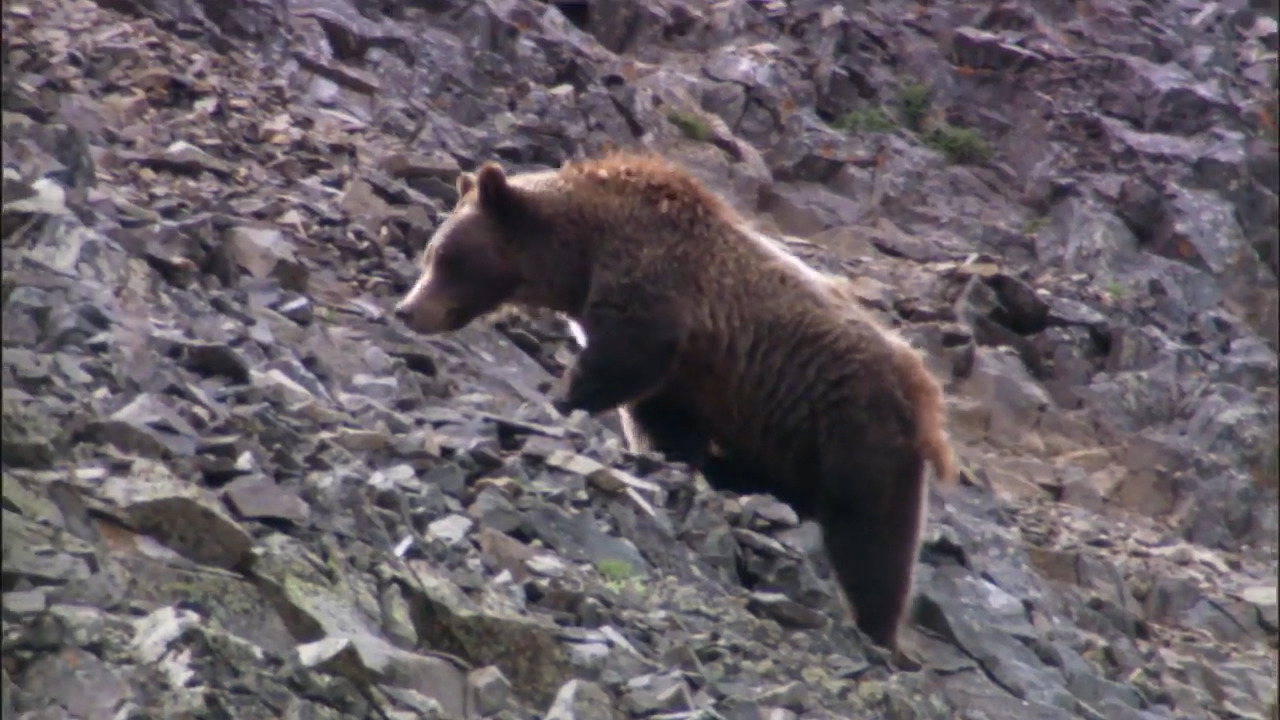
In Summer in the Rockies, narrator Sir David Attenborough describes how animals find a way to survive among the barren peaks. Grizzly bears search for roosting moths, as all around them the Rockies themselves crumble. This video is excerpted from BBC's Planet Earth, a breathtaking documentary series that highlights the natural wonders of our planet.
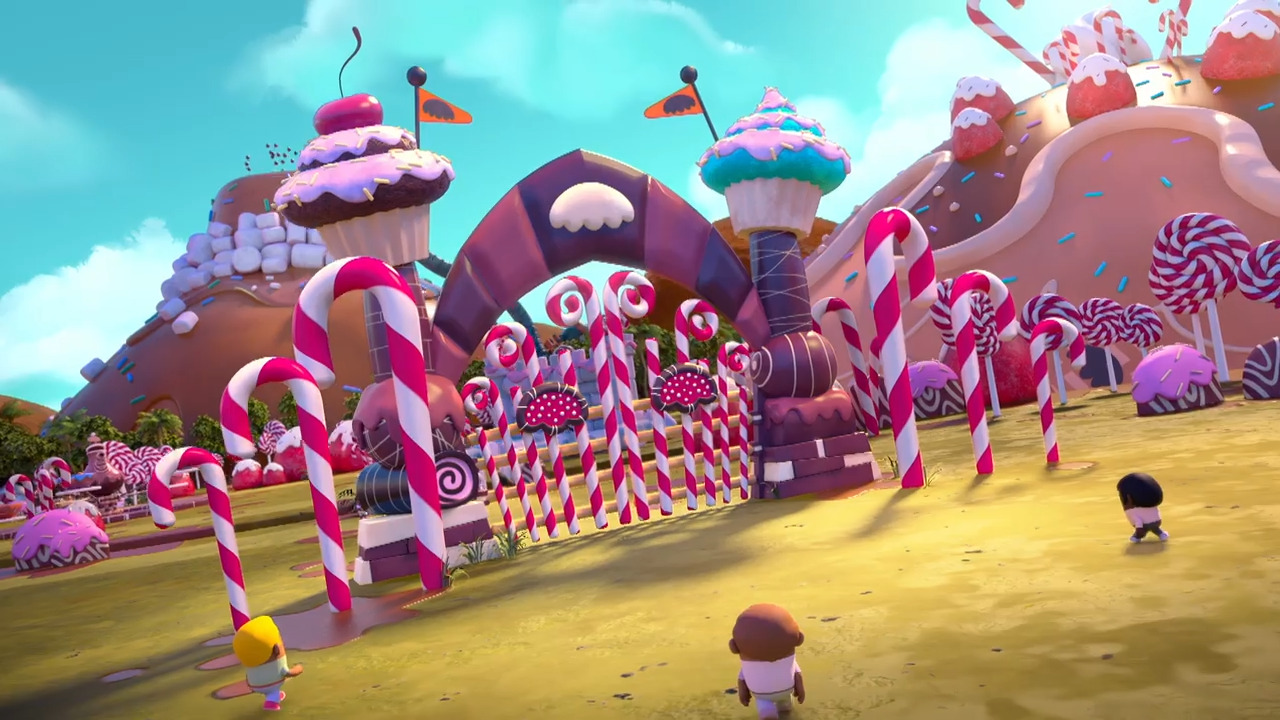
In The Go Jetters at the Chocolate Hills, the Go Jetters crew learns that Grandmaster Glitch has turned the hills into real chocolate! Ubercorn shares some cool facts about these unique brown hills. This video is excerpted from BBC’s Go Jetters, a series that follows the adventures of four international heroes as they travel the globe visiting landmarks and solving environmental problems with Ubercorn, a disco-dancing unicorn.
Waking up and looking out the window at the beautiful shoreline is great, until the water gets a little too close for comfort…
Bryony Nierop-Reading is a UK woman who has spent years up close and personal with the effects of coastal erosion — that’s when land is lost or displaced by natural forces like waves, tides, and storms. In 2009, she bought a home on the coast. She thought it was a safe distance from the shore, but it took only 4 years until the water became unlivably close to the house.
In her new home across the road, she sees the same challenges. In fact, in just two weeks, as much as 32 feet of land were lost to the sea. That’s the length of a school bus, or the height of a 3-story building!
It’s no wonder she’s so determined to fight for awareness and action around coastal erosion, especially as task forces meant to deal with the issue are being shut down, leaving counties to handle the problem themselves.
But Bryony the Brave is determined to stay put for as long as possible. She believes living so close to the issue helps her stay informed, motivated, and ready to speak up.
In Erosion and Evolution, geologist Iain Stewart explains that rivers and volcanoes have shaped the Earth in dramatic ways. Rivers sweep rock and debris with them as they head toward the ocean, preparing for new land to form downstream. Scientists have found the conditions that mimic those found when the Earth was young around volcanoes and hydrothermal vents. The changing amounts of ice on the planet also impact how modern man has adapted. This video is excerpted from BBC’s Earth: The Power of the Planet, a documentary series in which Dr. Iain Stewart discovers how Earth's forces can shape nature, species, and even the climate.
In Big Waves and Coastal Erosion, narrator Sir David Attenborough demonstrates how waves impact the coast. This video is excerpted from BBC’s Blue Planet II, a natural history series that explores the world's oceans, the animals that live in them, and the threats they face, using modern filming techniques and equipment to capture previously unseen areas of the ocean.
In Glaciers: Powerful Mountain-Makers, narrator Sir David Attenborough takes a close look at Earth’s most powerful erosive force — glaciers. This video is excerpted from BBC's Planet Earth, a breathtaking documentary series that highlights the natural wonders of our planet.
Join the Go Jetters on a flying adventure around a fragile sea arch. In this fun story, you'll:
- Read out loud, changing the pictures for words.
- Learn how erosion transforms rocks into caves, arches, and stacks.
- Discover funky facts about rock formations.
Let’s take a virtual trip to the Lamu Archipelago in Kenya, a coastline that’s both prosperous and fragile at the same time. The specific environment is a crucial part of life: the ocean provides fish to feed the islands’ inhabitants, and the forests are populated with mangrove trees that protect the coastline from erosion. So, what happens when fish stocks have declined, mangrove forests have been badly damaged, coral reefs are bleaching, and plastic washes ashore with every tide? Local environmental heroes step up.
Meet “Mama Mikoko,” AKA The Mother of Mangroves, who earned the name through her efforts to restore coastal forests. These mangrove trees not only shield villages from erosion but provide breeding grounds for marine life, and their roots hold the shoreline together. Since 2018, her team has planted more than 200,000 mangrove trees and restored over 20 hectares (about 50 acres) of coastline. That means they’ve restored about 75 percent of the mangrove forest! But not all the action’s on land.
A short boat ride away, primary school teacher Monasha Mbona is helping rebuild coral reefs by attaching living coral fragments to cement structures and returning them to the ocean so they can grow.
As important as the environment is in itself (you know, doing little things like feeding the population and helping the islands not wash away), the projects go beyond helping the environment. Conservation income has also helped fund a desalination machine to turn seawater into freshwater, create jobs for young people, support women’s financial independence, and start microfinance groups.
In The Power of Limestone, narrator Sir David Attenborough takes students on a journey through the fascinating world of limestone, revealing how this rock plays a critical role in shaping Earth's caves and landscapes. Limestone, which makes up nearly 10% of Earth's surface, forms from the mineral remains of marine shells and corals. Over millions of years, tectonic movements have lifted limestone from below sea level, creating towering formations, like those found in Vietnam, and sharp pinnacles in Borneo. This video is excerpted from BBC’s Planet Earth, a breathtaking documentary series that highlights the natural wonders of our planet.
In The Tepuis of Venezuela, narrator Sir David Attenborough describes how wind and rain have carved sandstone mountains into a landscape like something out of a fictional world. As wind and rain impact the mountains, so too do the mountains impact the weather system. This video is excerpted from BBC's Planet Earth, a breathtaking documentary series that highlights the natural wonders of our planet.
In Exploring the Grand Canyon, narrator Sir David Attenborough takes us soaring above the Colorado River as it winds through the Grand Canyon. This video is excerpted from BBC's Planet Earth, a breathtaking documentary series that highlights the natural wonders of our planet.
In The Alps, Europe’s Jagged Peaks, narrator Sir David Attenborough marvels at the ancient seabed turned mountain chain. This video is excerpted from BBC's Planet Earth, a breathtaking documentary series that highlights the natural wonders of our planet.
In Summer in the Rockies, narrator Sir David Attenborough describes how animals find a way to survive among the barren peaks. Grizzly bears search for roosting moths, as all around them the Rockies themselves crumble. This video is excerpted from BBC's Planet Earth, a breathtaking documentary series that highlights the natural wonders of our planet.
In The Go Jetters at the Chocolate Hills, the Go Jetters crew learns that Grandmaster Glitch has turned the hills into real chocolate! Ubercorn shares some cool facts about these unique brown hills. This video is excerpted from BBC’s Go Jetters, a series that follows the adventures of four international heroes as they travel the globe visiting landmarks and solving environmental problems with Ubercorn, a disco-dancing unicorn.