
The article "Who Really Built the White House? The Hidden Story Behind America’s Presidential Home" from BBC's HistoryExtra explores the creation of the White House, from George Washington’s vision to James Hoban’s design. It highlights how enslaved people and immigrant craftsmen built the home, revealing the untold history behind one of America’s most iconic buildings.
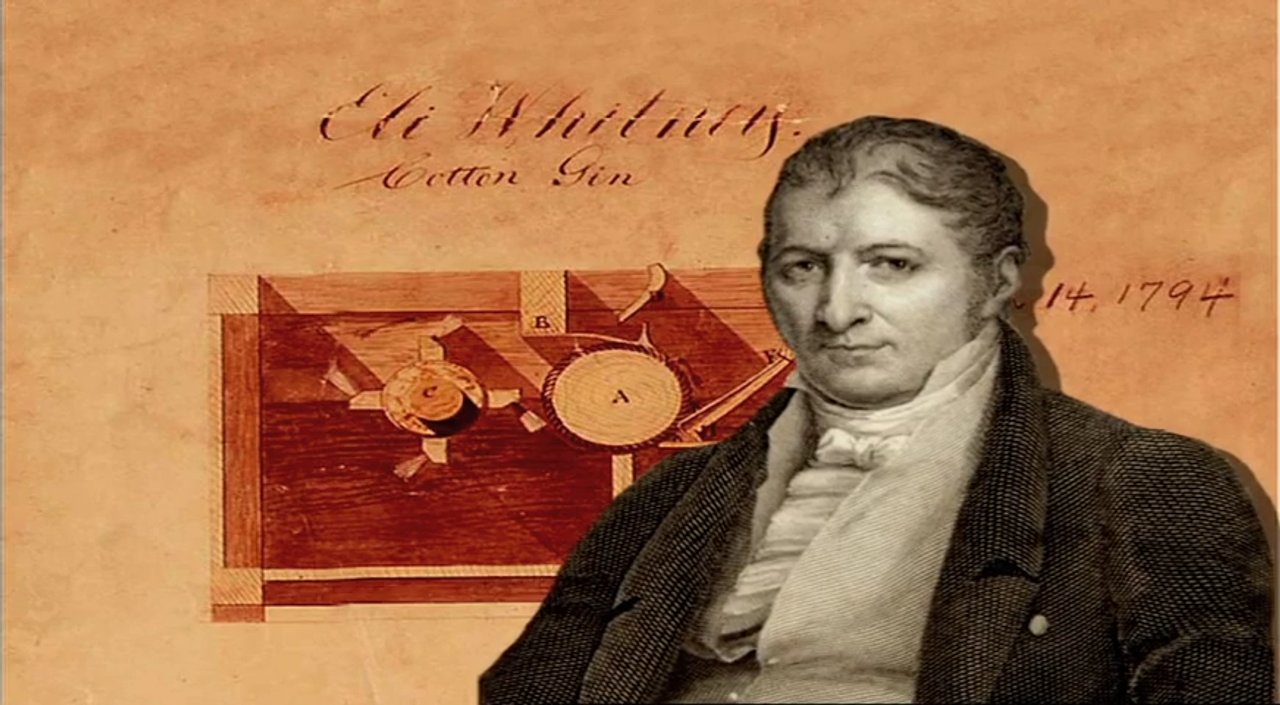
Eli Whitney transformed American manufacturing with two major innovations: the cotton gin and a system for mass-producing muskets with interchangeable parts. His cotton gin dramatically increased the speed of cotton processing, making cotton production more profitable in the South.
The growth of cotton production also strengthened slavery, as plantation owners expanded enslaved labor to meet rising demand. Meanwhile, Whitney’s manufacturing methods helped advance industrial production in the North. His inventions shaped the nation’s economy and contributed to the growing divisions over slavery.
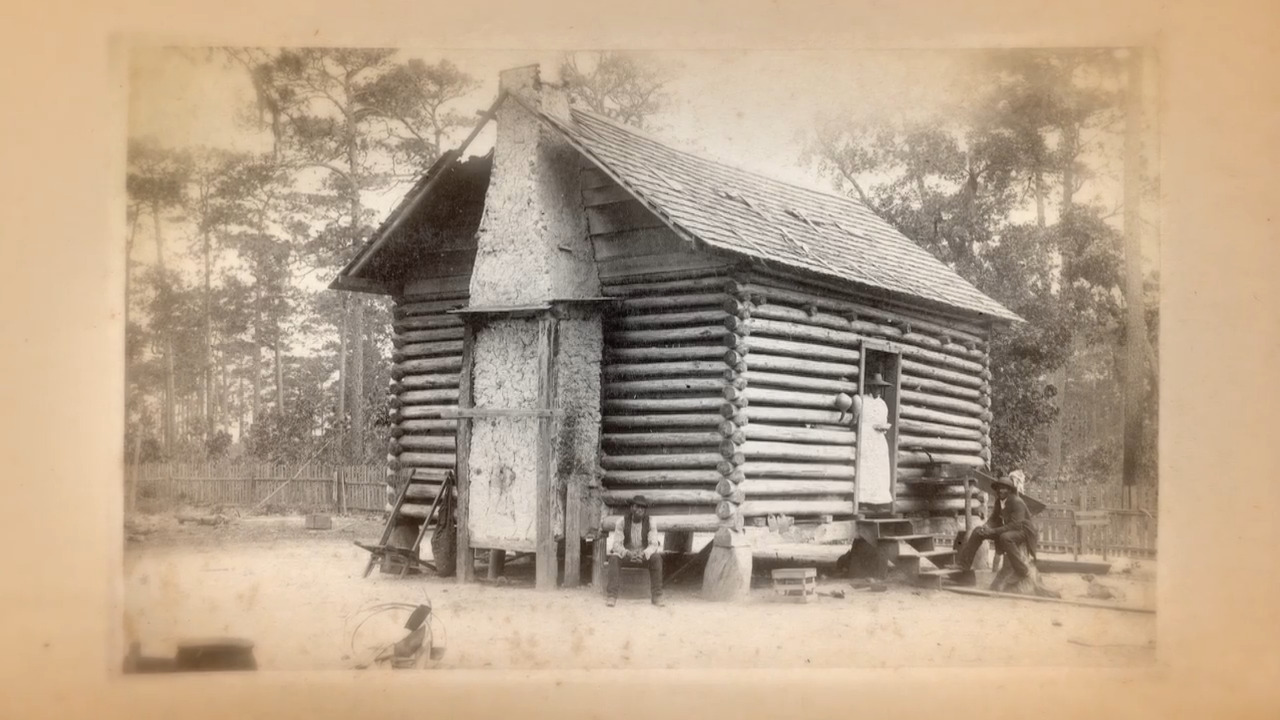
In Sharecropping, the New Slavery, historian Lucy Worsley discusses how people freed from enslavement were in debt to their landlords, often former slave owners. They found it difficult to pay off their debts and even harder to move away. This video is excerpted from BBC's American History's Biggest Fibs With Lucy Worsley, in which Worsley reveals the myths and manipulations behind American history.
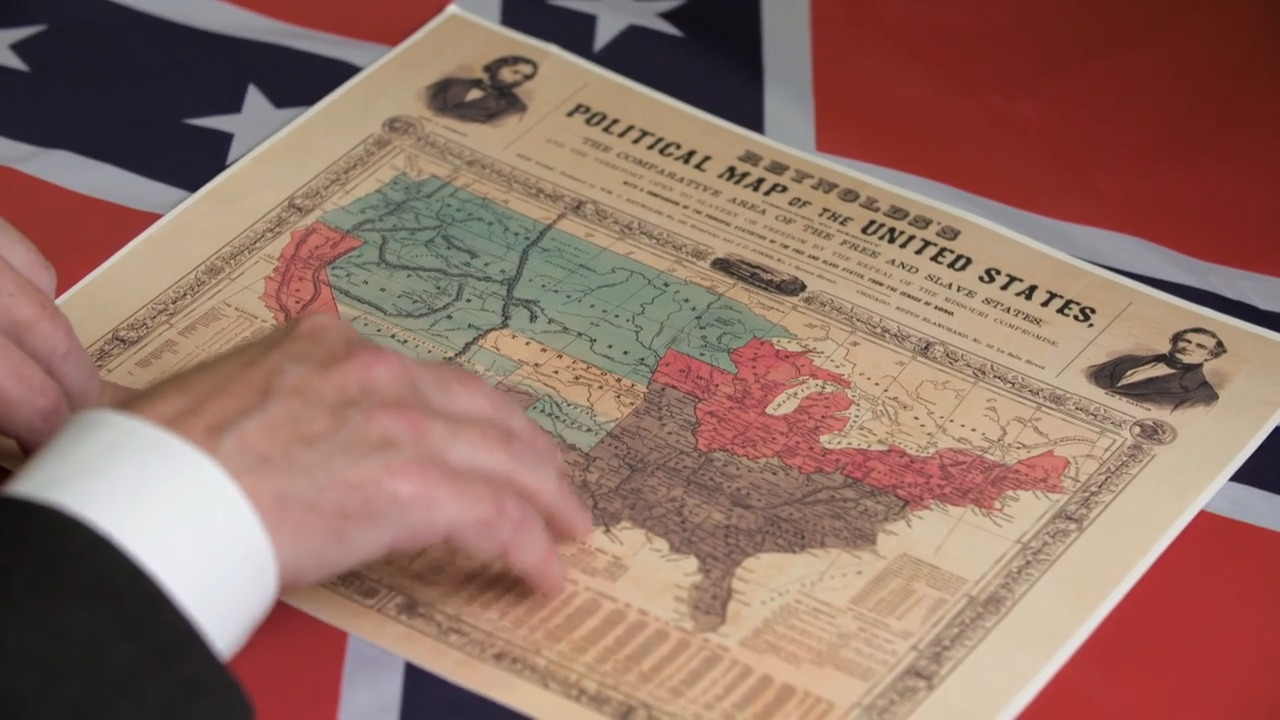
In How the American Civil War Really Started, historian Lucy Worsley investigates what America was like before the Civil War. It began as a clash between the 19 Northern states, which had abolished slavery, and 11 Southern states, where the economy was built on slave labor. New states were emerging in the West and both Northern and Southern states feared for their own economies. This video is excerpted from BBC's American History's Biggest Fibs With Lucy Worsley, in which Worsley reveals the myths and manipulations behind American history.
The article "Who Really Built the White House? The Hidden Story Behind America’s Presidential Home" from BBC's HistoryExtra explores the creation of the White House, from George Washington’s vision to James Hoban’s design. It highlights how enslaved people and immigrant craftsmen built the home, revealing the untold history behind one of America’s most iconic buildings.
Eli Whitney transformed American manufacturing with two major innovations: the cotton gin and a system for mass-producing muskets with interchangeable parts. His cotton gin dramatically increased the speed of cotton processing, making cotton production more profitable in the South.
The growth of cotton production also strengthened slavery, as plantation owners expanded enslaved labor to meet rising demand. Meanwhile, Whitney’s manufacturing methods helped advance industrial production in the North. His inventions shaped the nation’s economy and contributed to the growing divisions over slavery.
In Sharecropping, the New Slavery, historian Lucy Worsley discusses how people freed from enslavement were in debt to their landlords, often former slave owners. They found it difficult to pay off their debts and even harder to move away. This video is excerpted from BBC's American History's Biggest Fibs With Lucy Worsley, in which Worsley reveals the myths and manipulations behind American history.
In How the American Civil War Really Started, historian Lucy Worsley investigates what America was like before the Civil War. It began as a clash between the 19 Northern states, which had abolished slavery, and 11 Southern states, where the economy was built on slave labor. New states were emerging in the West and both Northern and Southern states feared for their own economies. This video is excerpted from BBC's American History's Biggest Fibs With Lucy Worsley, in which Worsley reveals the myths and manipulations behind American history.