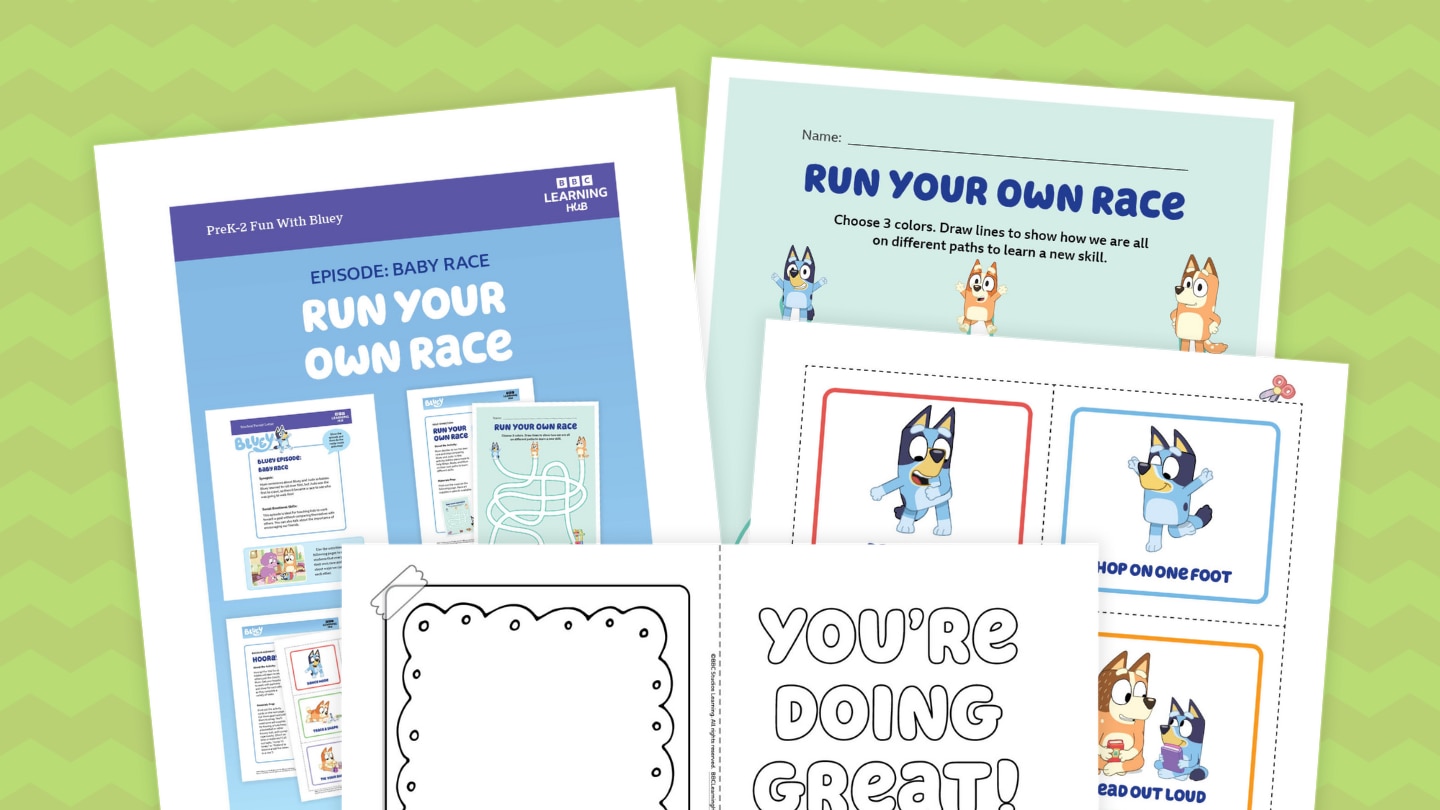
It's important not to compare ourselves with others, and we also need to learn how to cheer on our friends. Based on the Bluey episode "Baby Race," this lesson beings with a classroom conversation about what it means to run your own race. The lesson includes printables for three activities in which kids complete a maze to help Bingo, Bluey, and Mum on their own paths to learn different skills, cheer for each other as they complete different tasks, and make cards for someone who's been working hard.
Baby Race Episode Summary: Mum reminisces about Bluey and Judo as babies. Bluey learned to roll over first, but Judo was the first to crawl, so then it became a race to see who was going to walk first!
Watch the episode here! (Click here to watch in Australia.)
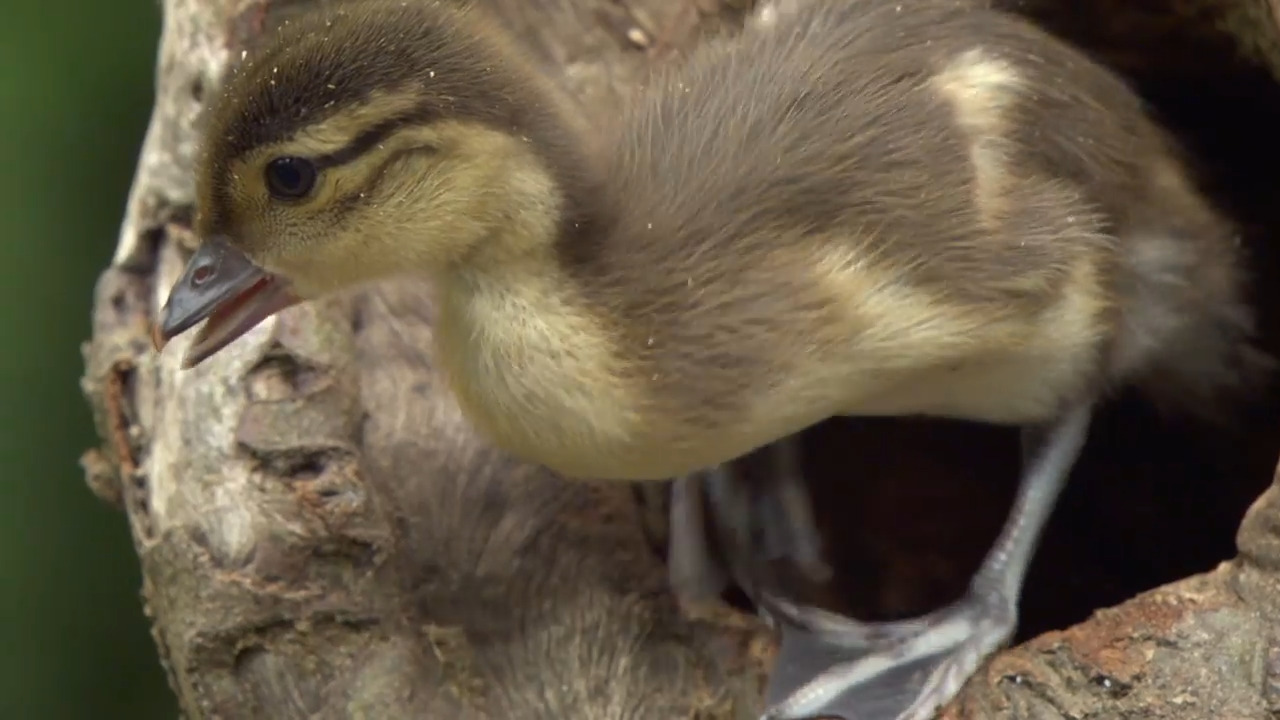
In Ducklings’ Day Out, host Andy Day follows day-old ducklings who already have to take a leap, literally. As their mother duck encourages them, the ducklings fling themselves from the tree where they were born and waddle to the pond, where they will swim for the first time. This video is excerpted from BBC’s Andy’s Baby Animals, in which Andy Day explores the lives and experiences of baby animals.
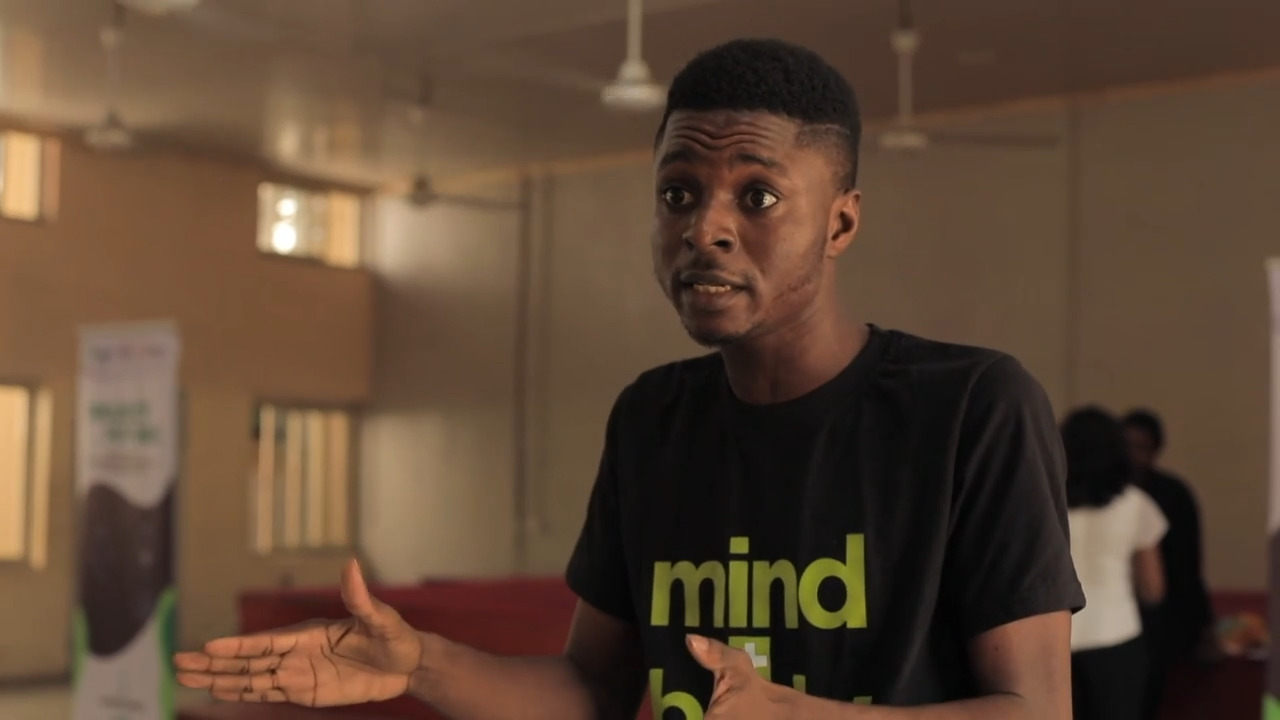
In Can We Overcome the Stigma Around Mental Health?, host Radzi Chinyanganya highlights initiatives aimed at addressing mental health in schools in Nigeria and New Zealand. These countries have made strides in encouraging open conversations about mental health, a topic that has historically been stigmatized in both regions. In Nigeria, mental health issues were often overlooked or suppressed, and in New Zealand, a high youth suicide rate prompted the need for action. This video is excerpted from BBC’s My World, a program created for teenagers eager to learn more about the important stories shaping our world.
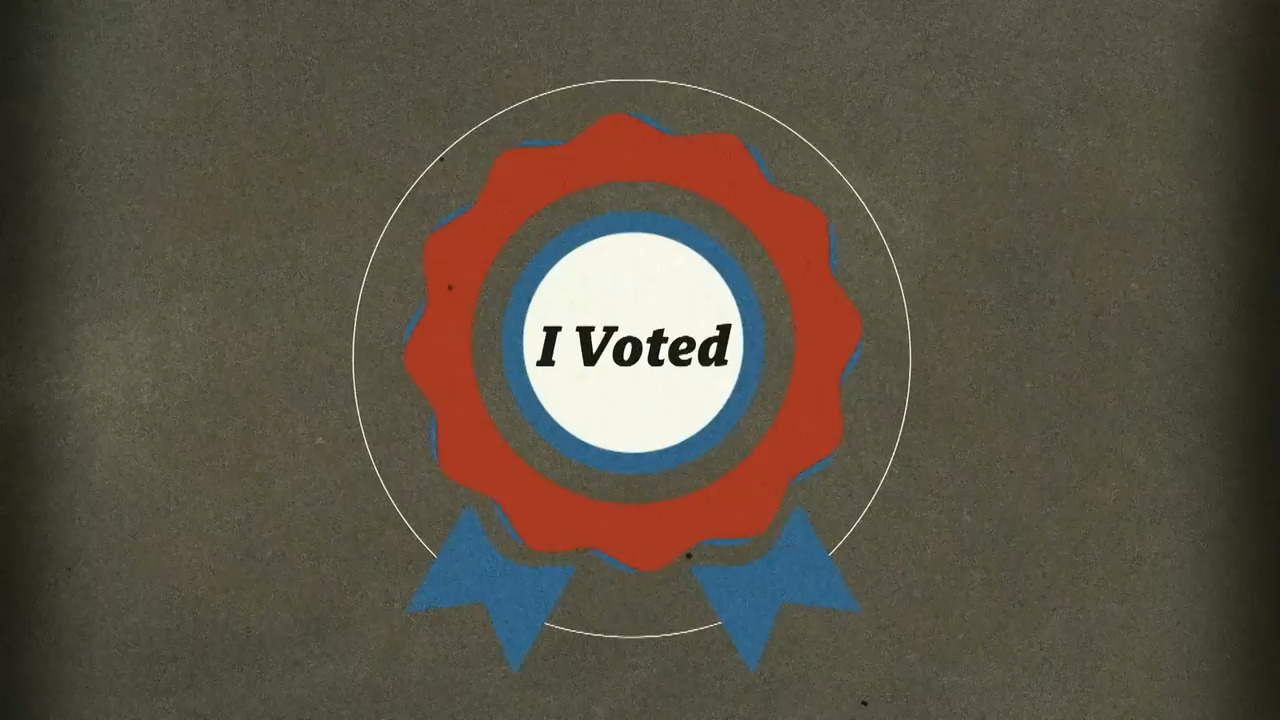
In Old Enough to Vote?, host Radzi Chinyanganya explores the global discussion surrounding the voting age, focusing on the differences in voting age laws between countries. This video highlights how 16-year-olds in some countries, like Austria and Brazil, are eligible to vote, whereas in others, the voting age remains higher, like in the United Arab Emirates, where the voting age is set at 25. It also encourages a critical examination of the current age requirements for voting and whether they are still suitable in modern democracies. This video is excerpted from BBC’s My World, a program created for teenagers eager to learn more about the important stories shaping our world.
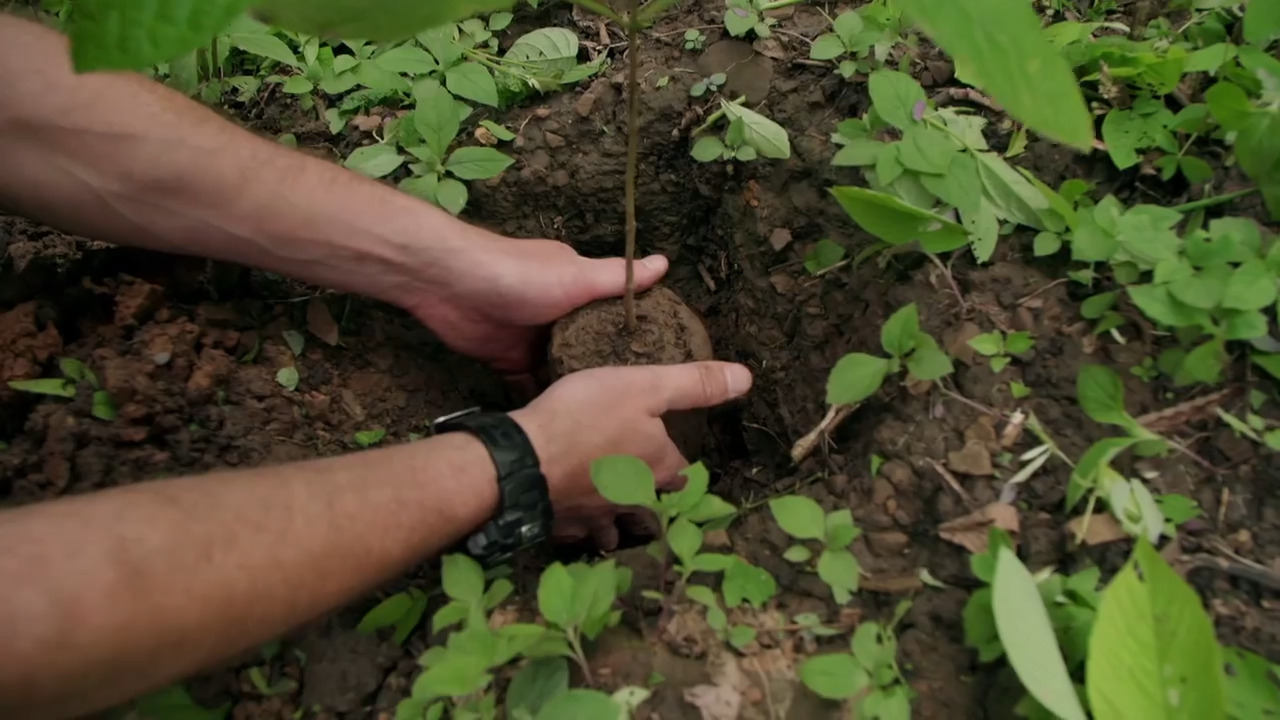
In Hope for the Future, host Simon Reeve travels to a rewilding project in Montana and is encouraged by visible hope in the fight to slow climate change. This video is excerpted from BBC's Incredible Journeys With Simon Reeve, a series that highlights one journalist’s travels across the globe and the diverse cultures and peoples he meets along the way.
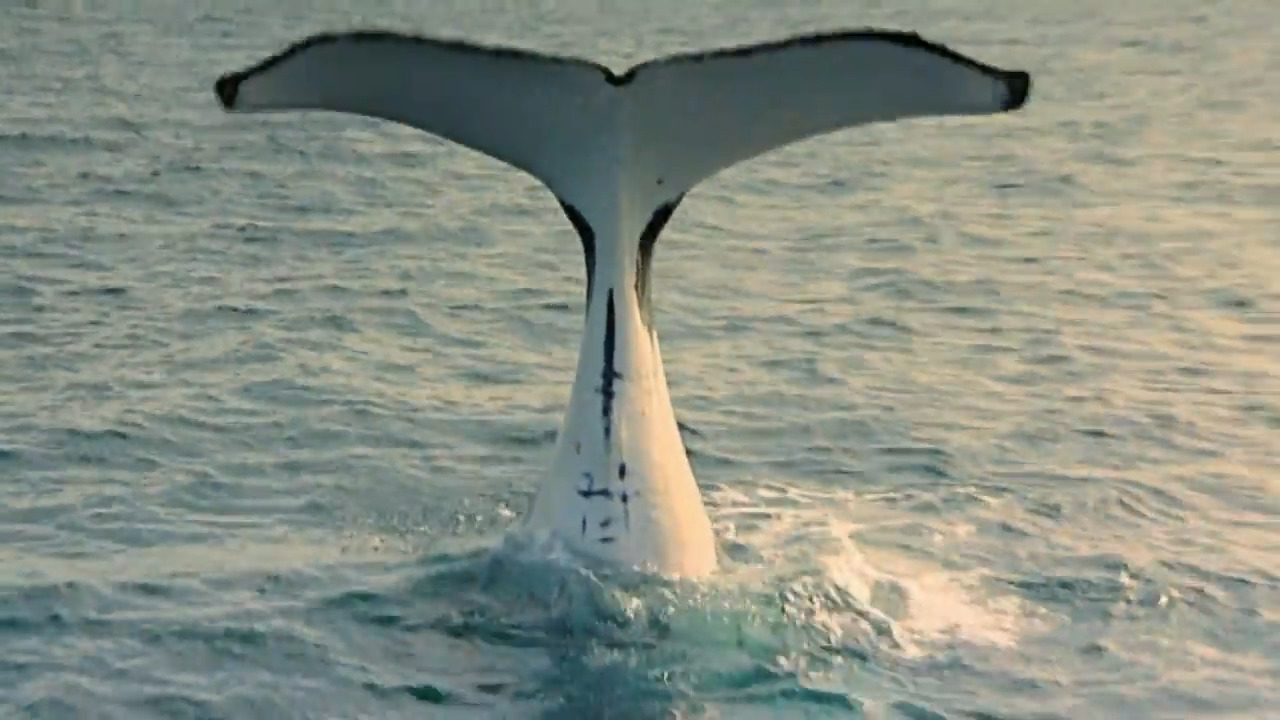
In Saving a Humpback Whale Sanctuary, host Simon Reeve reflects on a past trip to a humpback whale sanctuary in Australia. At the time, industrialization threatened their habitat. In keeping in touch with the marine biologists, he now discovers an encouraging development to the whales' story. This video is excerpted from BBC's Incredible Journeys With Simon Reeve, a series that highlights one journalist’s travels across the globe and the diverse cultures and peoples he meets along the way.
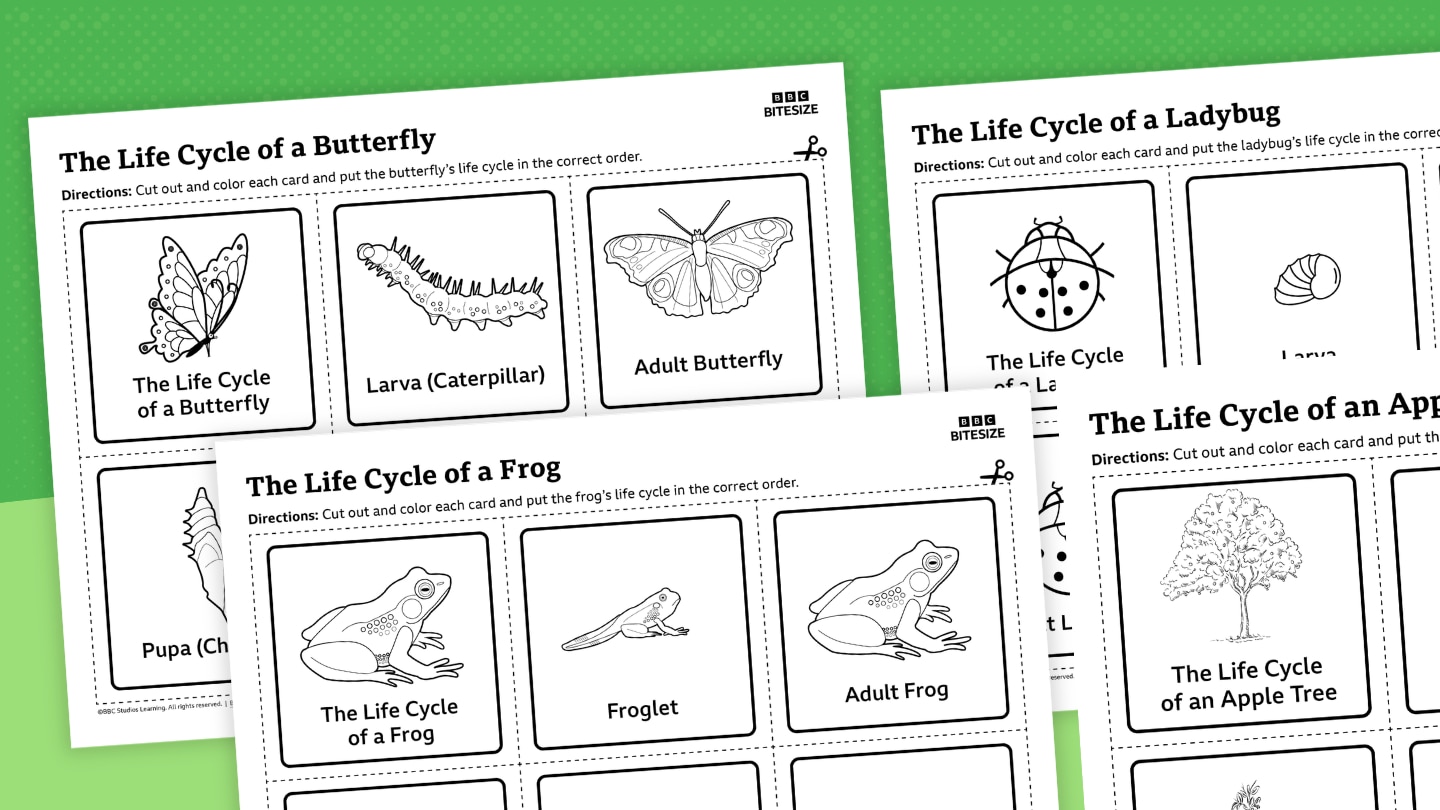
Invite your students to explore the life cycles of common organisms with these life cycle sequencing cards. The cards cover the bean plant, butterfly, birch tree, apple tree, honeybee, ladybug, and frog. They come already mixed up, so kids can color, cut, and put them in order. Use as an introductory task, check for understanding, center activity, or study guide!
As you introduce life cycles, focus on key concepts such as stages of growth, changes in form and function, and the idea that all living things follow a pattern from beginning to end. Encourage students to ask questions, make predictions, and notice patterns across plants and animals.
Teaching life cycles in elementary school is not only standards-based, it's also a great way to help students understand how living things grow and change over time. At this level, students are ready to explore clear, observable stages — like seed to plant or egg to adult—and begin comparing similarities and differences across species.
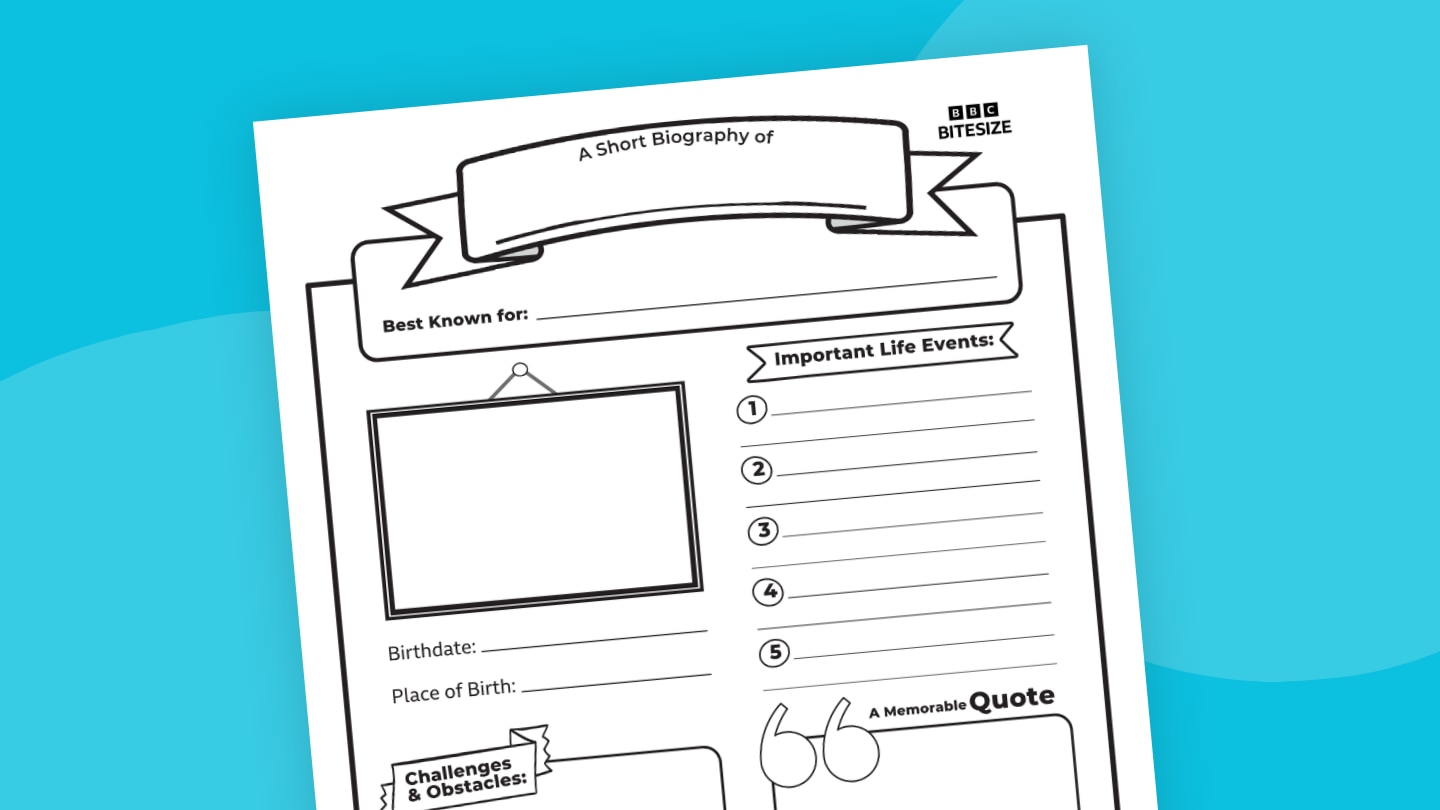
This mini biography template is a flexible, engaging tool designed to help students in Grades 3–8 explore the lives of important historical figures. With sections like Best Known For, Important Life Events, Challenges and Obstacles, Memorable Quote, and Legacy and Achievements, students are guided to think beyond basic facts and develop a deeper understanding of a person’s impact.
This template can be used with any historical figure and pairs especially well with video-based research. Encourage students to explore our BBC video library to gather key details, hear stories in context, and build stronger connections to the people they’re studying.
Here are a few ways you can use this template in your classroom:
- Celebrate special months: Have students research and complete biographies for influential figures during observances like Women’s History Month or Black History Month.
- Scientist spotlights: Use the template to profile important scientists, inventors, or innovators throughout history.
- “Living museum” projects: Have students complete the template, then present their figure in a short first-person speech or display as part of a classroom museum exhibit.
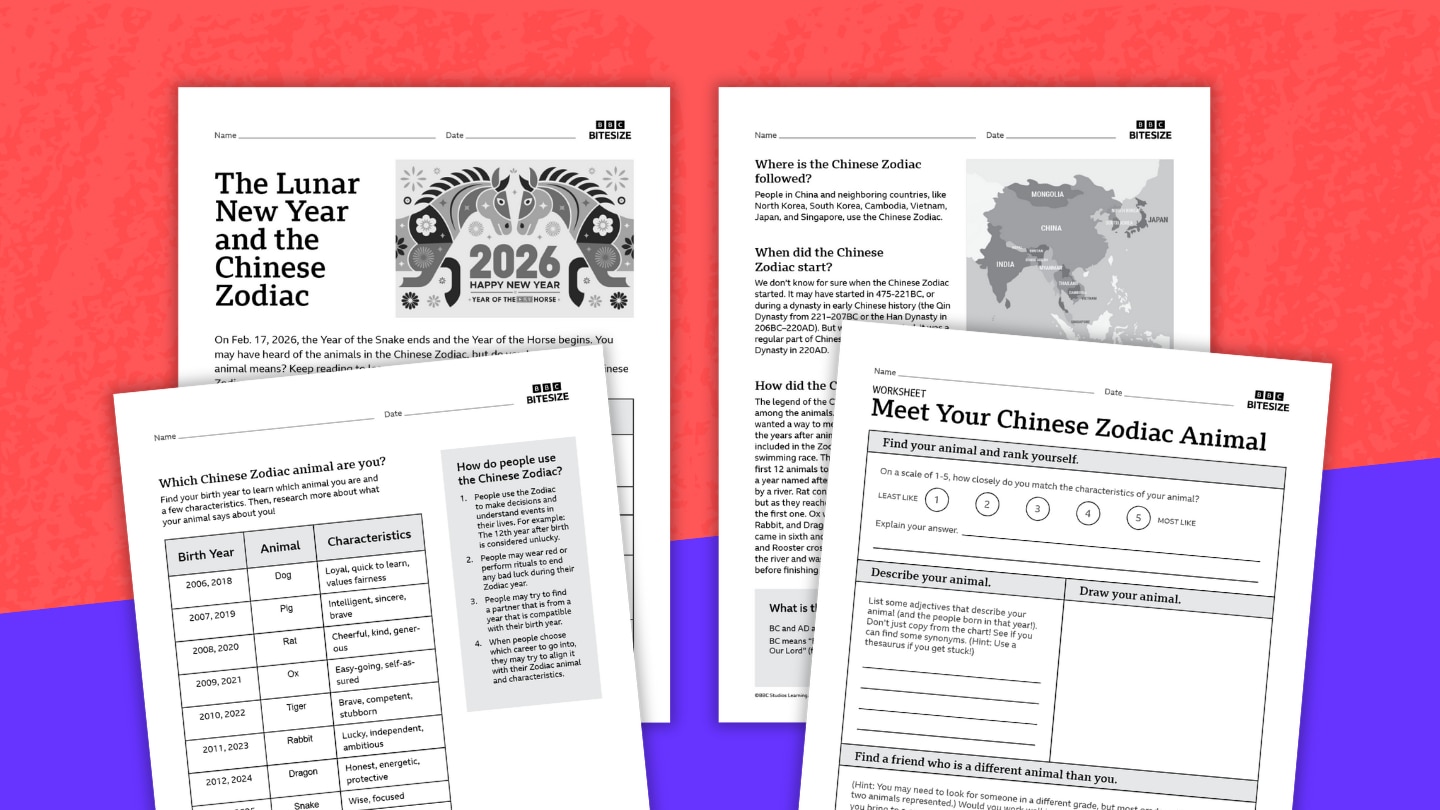
On February 17, 2026, the Lunar New Year begins and the Year of the Horse gallops in! Introduce this holiday — celebrated in East and Southeast Asia and in Asian communities all around the world — to your primary students with a reading passage that explains Lunar New Year and fun Chinese Zodiac activities.
- Lunar New Year and the Chinese Zodiac (reading passage) invites students to explore the origins of the Chinese Zodiac, learn how the lunar calendar works, and discover the legendary animal race that gave each year its zodiac sign. Along the way, students explore how zodiac animals are believed to connect to personality traits and Lunar New Year traditions.
- Meet Your Chinese Zodiac Animal (student activity) has students to put their learning into action by finding their own zodiac sign, reflecting on its characteristics, drawing their animal, and comparing traits with a classmate. Together, these activities encourage students to read, think, and celebrate the Lunar New Year in a fun and meaningful way.

The article "Why Dogs Eat Grass (and Sometimes Poop): Strange but True!" from BBC's Science Focus explores the curious reasons behind dogs eating grass and poop. While some theories suggest anxiety, boredom, or a need for attention, others link it to diet or instinct. Canine behavior expert Dr. Emily Blackwell sheds light on these habits and how our reactions may unintentionally encourage them.

The article "Creating a Butterfly-Friendly Garden: Essential Caterpillar Food Plants" from BBC's Discover Wildlife explains how growing specific plants in your garden can help support butterfly populations. By planting food plants like nettles for peacock and small tortoiseshell butterflies, and cuckoo flower for orange-tips, you can encourage caterpillars to thrive and ensure butterflies have a safe space to lay eggs and feed.
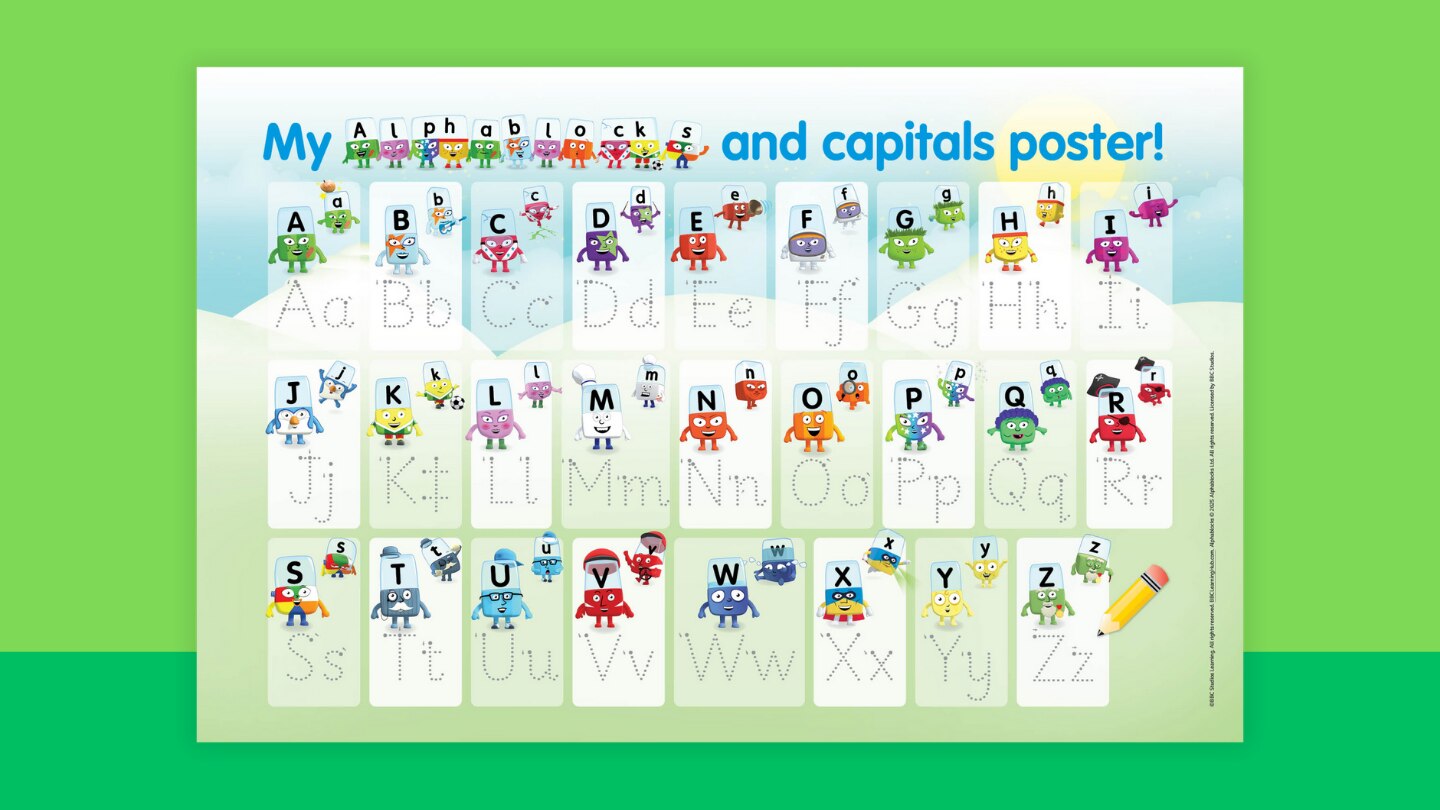
Put this poster up in your classroom to teach correct letter formation with your favorite Alphablocks! Here are some fun teaching ideas:
- Have students stand up and trace each letter in the air with their pointer finger while looking at the poster.
- Pick one letter each day. Examine how it’s formed on the poster (where to start, which direction to move). Have students trace it on a whiteboard or in a sand tray.
- Laminate a smaller version of the poster or display it on a table. Encourage students to trace letters with their fingers while saying the letter name and sound aloud.
Watch full episodes of Alphablocks on their official YouTube channel!
It's important not to compare ourselves with others, and we also need to learn how to cheer on our friends. Based on the Bluey episode "Baby Race," this lesson beings with a classroom conversation about what it means to run your own race. The lesson includes printables for three activities in which kids complete a maze to help Bingo, Bluey, and Mum on their own paths to learn different skills, cheer for each other as they complete different tasks, and make cards for someone who's been working hard.
Baby Race Episode Summary: Mum reminisces about Bluey and Judo as babies. Bluey learned to roll over first, but Judo was the first to crawl, so then it became a race to see who was going to walk first!
Watch the episode here! (Click here to watch in Australia.)
In Ducklings’ Day Out, host Andy Day follows day-old ducklings who already have to take a leap, literally. As their mother duck encourages them, the ducklings fling themselves from the tree where they were born and waddle to the pond, where they will swim for the first time. This video is excerpted from BBC’s Andy’s Baby Animals, in which Andy Day explores the lives and experiences of baby animals.
In Can We Overcome the Stigma Around Mental Health?, host Radzi Chinyanganya highlights initiatives aimed at addressing mental health in schools in Nigeria and New Zealand. These countries have made strides in encouraging open conversations about mental health, a topic that has historically been stigmatized in both regions. In Nigeria, mental health issues were often overlooked or suppressed, and in New Zealand, a high youth suicide rate prompted the need for action. This video is excerpted from BBC’s My World, a program created for teenagers eager to learn more about the important stories shaping our world.
In Old Enough to Vote?, host Radzi Chinyanganya explores the global discussion surrounding the voting age, focusing on the differences in voting age laws between countries. This video highlights how 16-year-olds in some countries, like Austria and Brazil, are eligible to vote, whereas in others, the voting age remains higher, like in the United Arab Emirates, where the voting age is set at 25. It also encourages a critical examination of the current age requirements for voting and whether they are still suitable in modern democracies. This video is excerpted from BBC’s My World, a program created for teenagers eager to learn more about the important stories shaping our world.
In Hope for the Future, host Simon Reeve travels to a rewilding project in Montana and is encouraged by visible hope in the fight to slow climate change. This video is excerpted from BBC's Incredible Journeys With Simon Reeve, a series that highlights one journalist’s travels across the globe and the diverse cultures and peoples he meets along the way.
In Saving a Humpback Whale Sanctuary, host Simon Reeve reflects on a past trip to a humpback whale sanctuary in Australia. At the time, industrialization threatened their habitat. In keeping in touch with the marine biologists, he now discovers an encouraging development to the whales' story. This video is excerpted from BBC's Incredible Journeys With Simon Reeve, a series that highlights one journalist’s travels across the globe and the diverse cultures and peoples he meets along the way.
Invite your students to explore the life cycles of common organisms with these life cycle sequencing cards. The cards cover the bean plant, butterfly, birch tree, apple tree, honeybee, ladybug, and frog. They come already mixed up, so kids can color, cut, and put them in order. Use as an introductory task, check for understanding, center activity, or study guide!
As you introduce life cycles, focus on key concepts such as stages of growth, changes in form and function, and the idea that all living things follow a pattern from beginning to end. Encourage students to ask questions, make predictions, and notice patterns across plants and animals.
Teaching life cycles in elementary school is not only standards-based, it's also a great way to help students understand how living things grow and change over time. At this level, students are ready to explore clear, observable stages — like seed to plant or egg to adult—and begin comparing similarities and differences across species.
This mini biography template is a flexible, engaging tool designed to help students in Grades 3–8 explore the lives of important historical figures. With sections like Best Known For, Important Life Events, Challenges and Obstacles, Memorable Quote, and Legacy and Achievements, students are guided to think beyond basic facts and develop a deeper understanding of a person’s impact.
This template can be used with any historical figure and pairs especially well with video-based research. Encourage students to explore our BBC video library to gather key details, hear stories in context, and build stronger connections to the people they’re studying.
Here are a few ways you can use this template in your classroom:
- Celebrate special months: Have students research and complete biographies for influential figures during observances like Women’s History Month or Black History Month.
- Scientist spotlights: Use the template to profile important scientists, inventors, or innovators throughout history.
- “Living museum” projects: Have students complete the template, then present their figure in a short first-person speech or display as part of a classroom museum exhibit.
On February 17, 2026, the Lunar New Year begins and the Year of the Horse gallops in! Introduce this holiday — celebrated in East and Southeast Asia and in Asian communities all around the world — to your primary students with a reading passage that explains Lunar New Year and fun Chinese Zodiac activities.
- Lunar New Year and the Chinese Zodiac (reading passage) invites students to explore the origins of the Chinese Zodiac, learn how the lunar calendar works, and discover the legendary animal race that gave each year its zodiac sign. Along the way, students explore how zodiac animals are believed to connect to personality traits and Lunar New Year traditions.
- Meet Your Chinese Zodiac Animal (student activity) has students to put their learning into action by finding their own zodiac sign, reflecting on its characteristics, drawing their animal, and comparing traits with a classmate. Together, these activities encourage students to read, think, and celebrate the Lunar New Year in a fun and meaningful way.
The article "Why Dogs Eat Grass (and Sometimes Poop): Strange but True!" from BBC's Science Focus explores the curious reasons behind dogs eating grass and poop. While some theories suggest anxiety, boredom, or a need for attention, others link it to diet or instinct. Canine behavior expert Dr. Emily Blackwell sheds light on these habits and how our reactions may unintentionally encourage them.
The article "Creating a Butterfly-Friendly Garden: Essential Caterpillar Food Plants" from BBC's Discover Wildlife explains how growing specific plants in your garden can help support butterfly populations. By planting food plants like nettles for peacock and small tortoiseshell butterflies, and cuckoo flower for orange-tips, you can encourage caterpillars to thrive and ensure butterflies have a safe space to lay eggs and feed.
Put this poster up in your classroom to teach correct letter formation with your favorite Alphablocks! Here are some fun teaching ideas:
- Have students stand up and trace each letter in the air with their pointer finger while looking at the poster.
- Pick one letter each day. Examine how it’s formed on the poster (where to start, which direction to move). Have students trace it on a whiteboard or in a sand tray.
- Laminate a smaller version of the poster or display it on a table. Encourage students to trace letters with their fingers while saying the letter name and sound aloud.
Watch full episodes of Alphablocks on their official YouTube channel!