12 of 13 results for "emotions"
Video
Got Science?: The Science Behind Emotional Tears

In The Science Behind Emotional Tears, host Harith Iskander explains the different types of tears: basal tears that keep the eyes moist, reflex tears that occur when you cut onions or get something in your eye, and emotional tears triggered by strong feelings. This video is excerpted from BBC’s Got Science?, a science magazine series that explores and explains science in everyday life.

Playlist (10 resources)
Our Five Senses Video Playlist

Explore the five senses like never before! Dive into 10 fascinating BBC videos from shows like Got Science? and Secrets of Skin that uncover the amazing science behind how we see, hear, smell, taste, and touch. Students will discover why food tastes different on an airplane, how smell involves more than just the nose, why our eyes make emotional tears, how sound can change flavor, and how fingertips and smell receptors send powerful signals to the brain. It’s a fun, surprising look at the hidden connections between the brain and our everyday experiences.

Blog Post
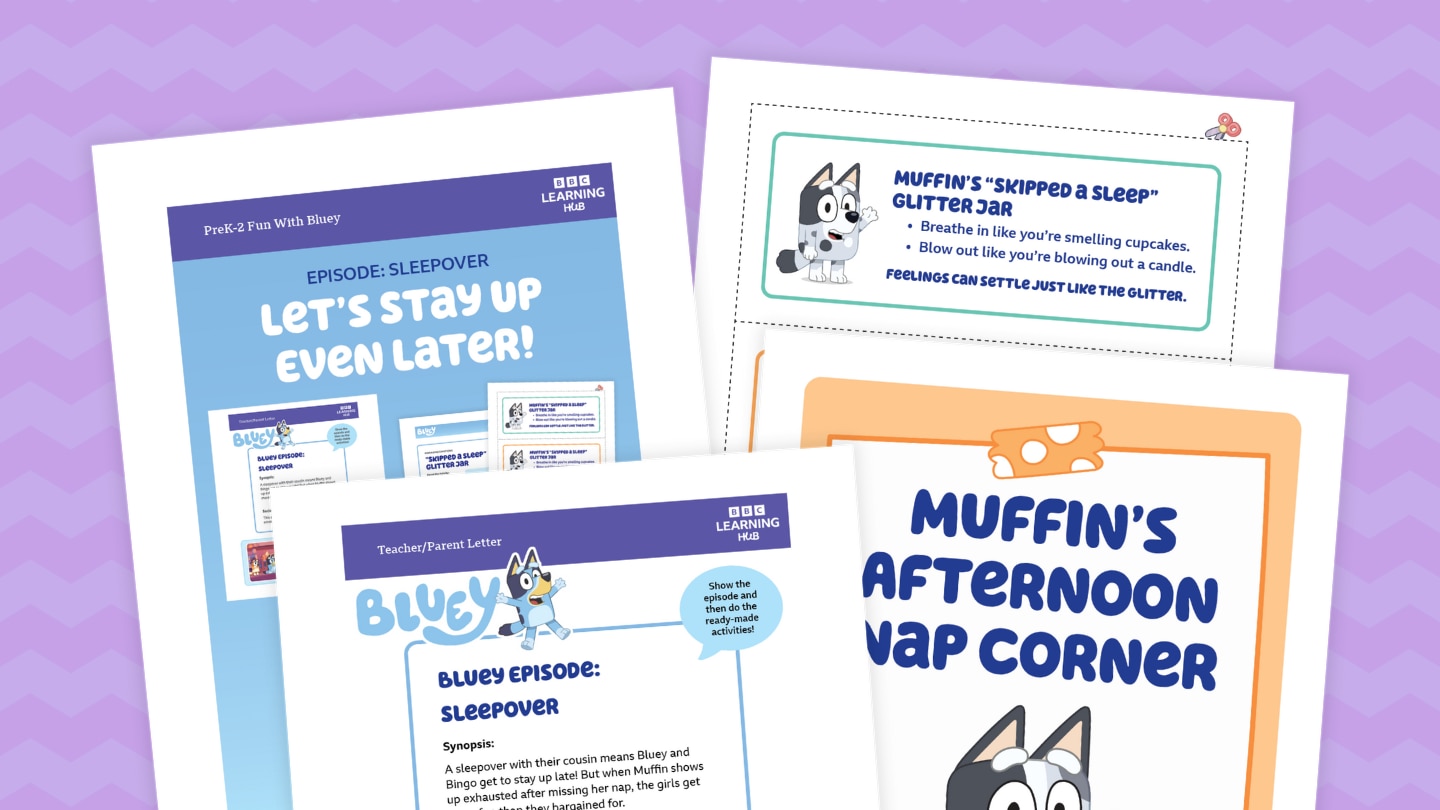
Bluey Is the Perfect Fit for Social Emotional Learning
And we have the lessons and printables you need!
Video
Got Science?: How Dogs Understand Us

In How Dogs Understand Us, host Harith Iskander explores how dogs process human speech. Research suggests that dogs think similarly to humans, as their brains use the left side to understand the meaning of words and the right side to interpret emotions or tone. By studying dog brains in an MRI machine, scientists have discovered that dogs not only hear what we say but also feel the emotions behind it. This video is excerpted from BBC’s Got Science?, a science magazine series that explores and explains science in everyday life.

Video
Some People Don't Feel Fear

In Some People Don't Feel Fear, learn what doctors are discovering about from Jordy, a man who does not experience fear. Find out how Jordy’s unique condition challenges our understanding of human emotions. Learn how hormones like cortisol and adrenaline affect the body’s reaction to fear and anxiety. This video is excerpted from BBC’s The World’s Most Extraordinary People, a documentary series revealing how rare medical conditions inspire groundbreaking scientific discoveries.

Video
Living With Cataplexy and Narcolepsy

In Cataplexy and Narcolepsy, learn how one woman lives with cataplexy and narcolepsy. The video follows Lucy, a woman with these conditions, exploring how her body reacts to extreme emotions and how that impacts her daily life. Gain an understanding of these two disorders, their effects on the body, and the challenges faced by individuals living with them. This video is excerpted from BBC’s The World’s Most Extraordinary People, a documentary series revealing how rare medical conditions inspire groundbreaking scientific discoveries.

Video
The Science of Screaming

In The Science of Screaming, learn how and why humans scream. Discover the biological mechanisms behind screaming, such as the role of the larynx and vocal cords, and why certain sounds can be louder or more intense than others. Meet Jill, who learned she had an incredibly loud scream when competing in a Halloween scream competition. This video is excerpted from BBC’s The World’s Most Extraordinary People, a documentary series revealing how rare medical conditions inspire groundbreaking scientific discoveries.

Student Article
Why Your Brain Thinks This Puppy Is Cuter Than a Baby!

The article "Why your brain thinks this puppy is cuter than a baby!" from BBC's Science Focus explains why our brains react so strongly to cuteness and why baby animals often seem cuter than human infants. Using brain scans, scientists reveal how features like big eyes and round faces activate our emotional centers, triggering care instincts — even for animals and cartoons.

News Clip
The Problem With Preschool Screen Time

One school is trying to combat the effects of too much screen time. The average three-year-old spends roughly three hours a day on screens, so this school is incorporating more hands-on experience in early learning. They are finding that children who have had too much screen time no longer have the language skills to articulate their needs and haven’t learned how to regulate their emotions. This video is excerpted from BBC News.

Video
Going to School in a War Zone

In Going to School in a War Zone, host Radzi Chinyanganya uncovers harsh realities of living and going to school in Afghanistan, a country that has been embroiled in conflict for decades. This video focuses on the impact of the war on students' education, with a special emphasis on Mohammad's account of life in a war zone where the sound of gunfire and the presence of tanks are a daily occurrence. The episode explores the challenges students face, including the dangers they encounter at school, the fear of being caught in crossfire, and the emotional toll of attending school in such conditions. This video is excerpted from BBC’s My World, a program created for teenagers eager to learn more about the important stories shaping our world.

Video
Who Decides?

In Who Decides?, host Radzi Chinyanganya discovers who decides what people see, read, and hear in the news. Because there are so many events and limited space to report the news, all news is filtered. In journalism, editors decide which stories are worth telling. The companies that run apps, social media, and websites, use computer programs called algorithms to decide which content individuals see. They might try to influence consumers’ views or emotions. Getting news from varied sources is the only way to ensure you’re seeing the complete picture. This video is excerpted from BBC’s My World, a program created for teenagers eager to learn more about the important stories shaping our world.

Printable
Bluey in the Classroom: Using Your Voice

This fun lesson uses the Bluey episode "Yoga Ball" as the kickoff to a classroom conversation about the importance of speaking up. Sometimes we all need to use our big girl bark. The lesson includes printables for three activities in which kids practice using different voice levels using favorite Bluey characters' sayings ("Cheese and crackers!"), play an emotion-matching memory game, and play a fun board game.

Yoga Ball Episode Summary: Bingo loves horsing around with Dad, but sometimes when they’re playing together, Dad forgets Bingo is younger than her sister.

Watch the episode here!