Got Science?: The Science Behind Emotional Tears
In The Science Behind Emotional Tears, host Harith Iskander explains the different types of tears: basal tears that keep the eyes moist, reflex tears that occur when you cut onions or get something in your eye, and emotional tears triggered by strong feelings. This video is excerpted from BBC’s Got Science?, a science magazine series that explores and explains science in everyday life.
A science magazine series that explores and explains the science in everyday life. Learn more.
Lesson Express
Q: What are the three types of tears, and how do they work?
A: Basal tears keep our eyes moist, reflex tears happen when something irritates our eyes, and emotional tears happen when we feel strong emotions like happiness or sadness.
Q: How do emotional tears help our bodies?
A: Emotional tears help relieve pain and stress by releasing special hormones, and they also clean out toxins from the body.
Q: What is the role of the hypothalamus when we cry?
A: The hypothalamus is the part of the brain that controls our feelings and tells the body to produce emotional tears when we feel a strong emotion.
You Might Also Like

In How Sound Alters the Way We Taste, host Harith Iskander shows how sound can change the way we experience flavors. Discover how different sounds can make food taste sweeter, saltier, or even fresher, helping us understand why our sense of hearing connects to our sense of taste. This video is excerpted from BBC’s Got Science? a science magazine series that explores and explains science in everyday life.
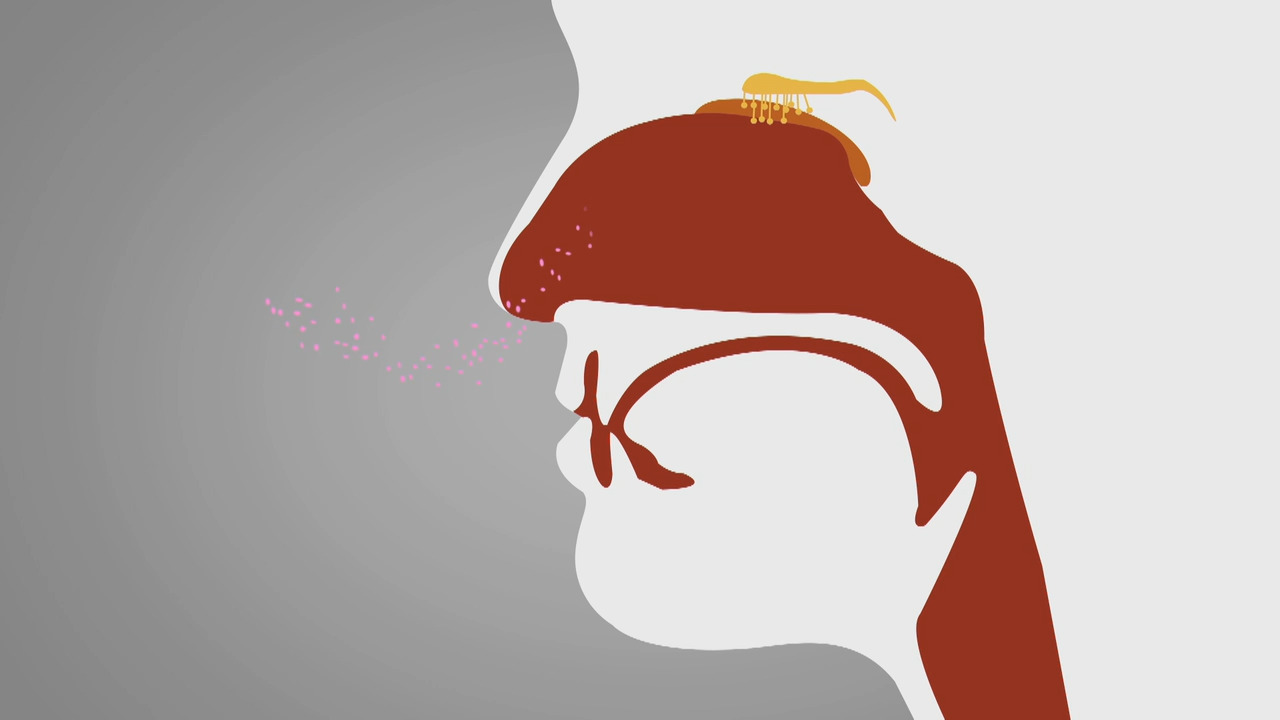
In Smell Receptors, the Hidden Defenders of Your Body, host Harith Iskander explains how our bodies have smell receptors not just in the nose but in surprising places like the kidneys and airways. These receptors help defend us against harmful substances and even assist with healing, especially in the lungs. This video is excerpted from BBC’s Got Science?, a science magazine series that explores and explains science in everyday life.

In How Cold Affects Your Body’s Defenses, host Harith Iskander explains how cold temperatures can impact your body’s ability to fight off infections. When you’re cold, the blood vessels constrict, reducing blood flow to certain areas of the body. This process can weaken the immune system, making it easier for viruses, like the common cold, to take hold. This video is excerpted from BBC’s Got Science?, a science magazine series that explores and explains science in everyday life.
In How Sound Alters the Way We Taste, host Harith Iskander shows how sound can change the way we experience flavors. Discover how different sounds can make food taste sweeter, saltier, or even fresher, helping us understand why our sense of hearing connects to our sense of taste. This video is excerpted from BBC’s Got Science? a science magazine series that explores and explains science in everyday life.
In Smell Receptors, the Hidden Defenders of Your Body, host Harith Iskander explains how our bodies have smell receptors not just in the nose but in surprising places like the kidneys and airways. These receptors help defend us against harmful substances and even assist with healing, especially in the lungs. This video is excerpted from BBC’s Got Science?, a science magazine series that explores and explains science in everyday life.
In How Cold Affects Your Body’s Defenses, host Harith Iskander explains how cold temperatures can impact your body’s ability to fight off infections. When you’re cold, the blood vessels constrict, reducing blood flow to certain areas of the body. This process can weaken the immune system, making it easier for viruses, like the common cold, to take hold. This video is excerpted from BBC’s Got Science?, a science magazine series that explores and explains science in everyday life.