
Dive into the wonders of Antarctica with this multi-grade lesson collection! Tailored for K–2, 3–5, 6–8, and 9–12, each unit includes engaging activities, thought-provoking discussions, and hands-on projects to uncover the mysteries of the frozen continent. Enhance your teaching with stunning BBC video clips showcasing Antarctic wildlife, research stations, and breathtaking icy landscapes. Printable resources like animal fact sheets, scientist journal templates, and conservation challenges bring the learning to life for your students. Perfect for science, geography, and environmental lessons!
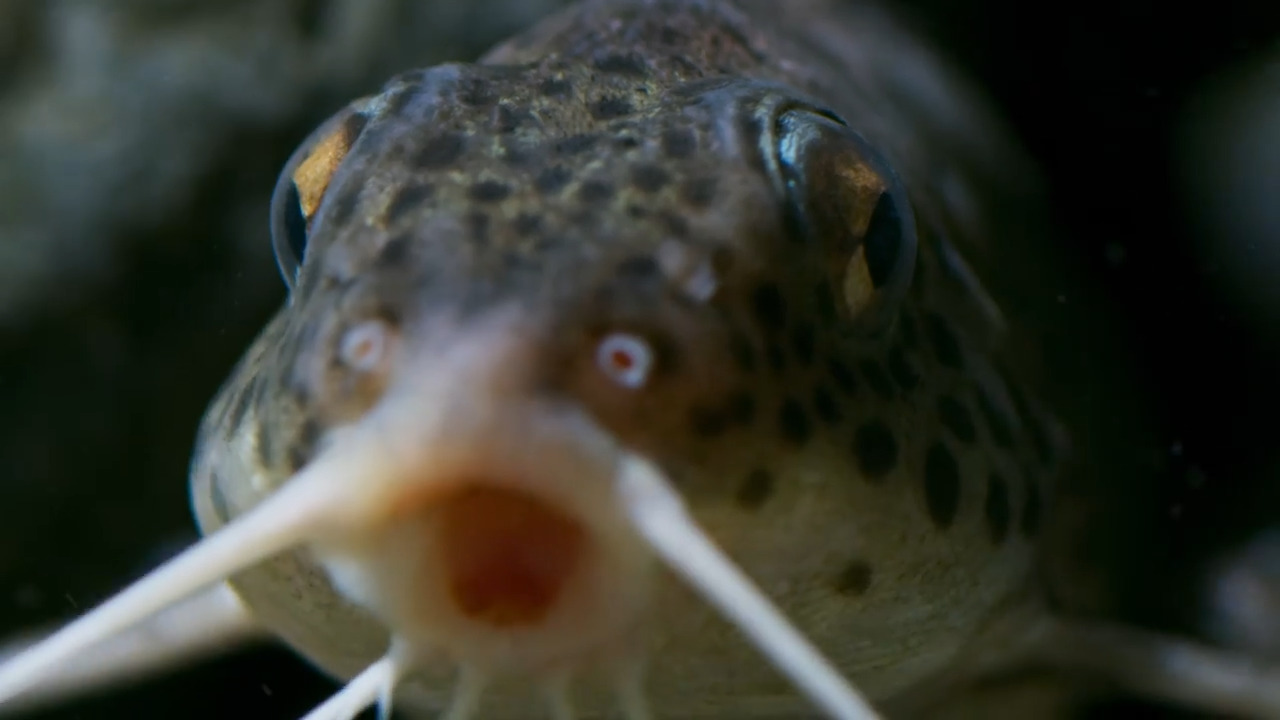
In Hatching Eggs Cuckoo Catfish-Style, narrator Sir David Attenborough explains how cuckoo catfish ensure survival of their young. They lay their eggs alongside cichlid eggs, which are then all picked up by the female cichlids who protect them in their mouths. This video is excerpted from BBC’s Seven Worlds, One Planet, a series featuring remarkable animal behavior from all seven continents.
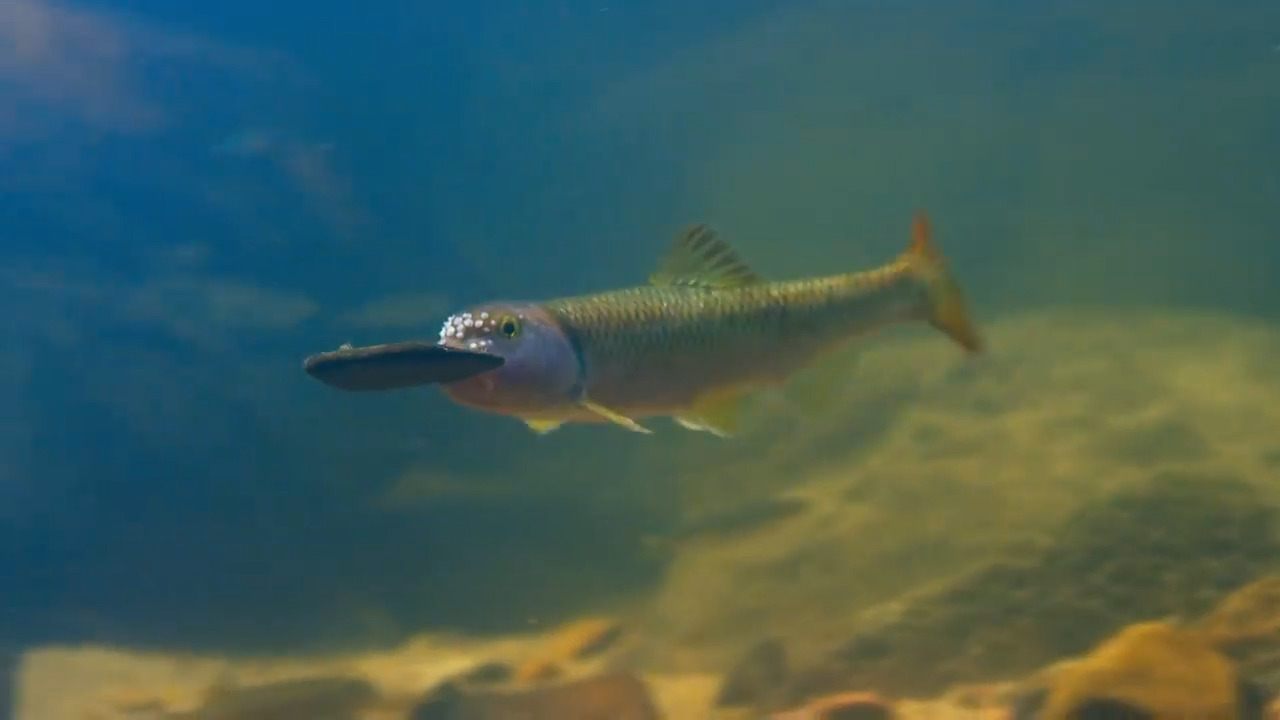
In River Chub Build Nests in Tennessee Streams, witness how a male river chub gathers thousands of pebbles to build a nest. When complete, he finds a female to lay her eggs in the safety of the nest. This video is excerpted from BBC’s Seven Worlds, One Planet, a series featuring remarkable animal behavior from all seven continents.
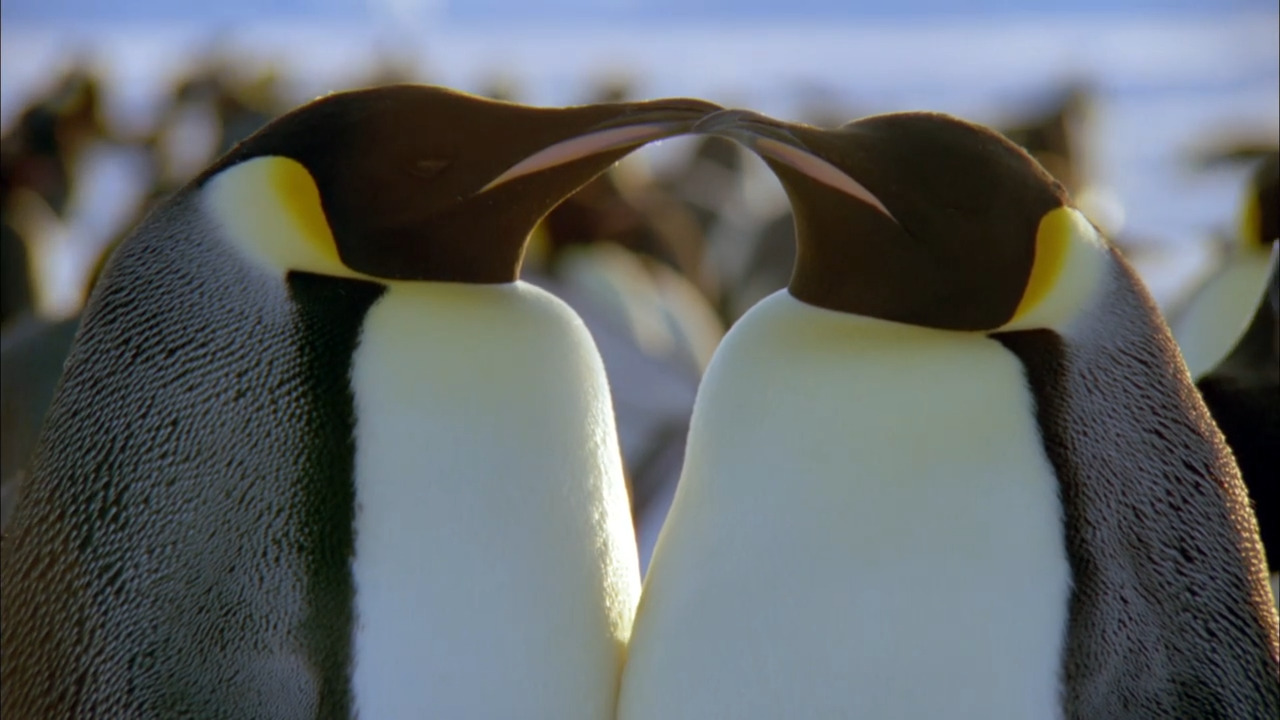
In The Winter Breeding Journey of Emperor Penguins, narrator Sir David Attenborough journeys along with the emperor penguins of Antarctica as they take the long path to their breeding grounds — the same place they were once hatched. Once they arrive, male and female penguins find mates. After the female has produced an egg several weeks later, she must carefully transfer it to the male to keep it warm in his special pouch while she returns to the ocean on her own. This video is excerpted from BBC’s Planet Earth, a breathtaking documentary series that highlights the natural wonders of our planet.
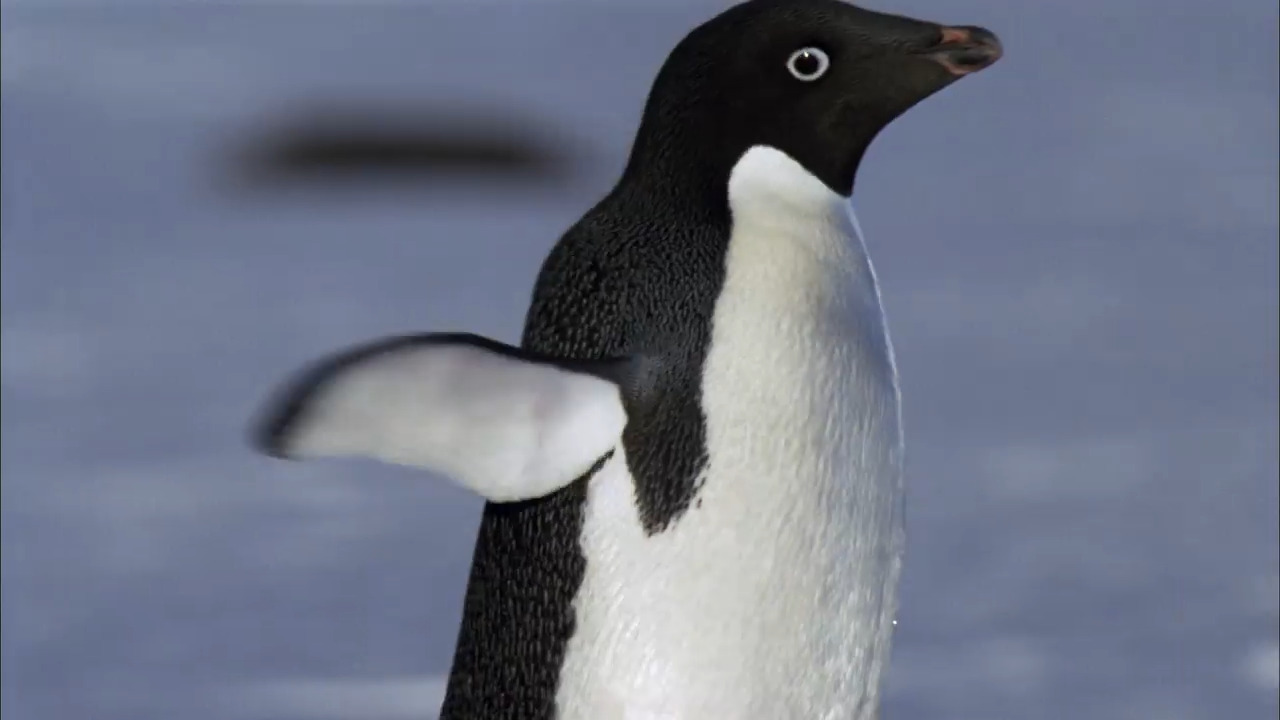
In Race Against the Thaw, narrator Sir David Attenborough follows penguins as they rush across the frozen Antarctic sea to reach their breeding grounds before the thaw. The penguins, along with other animals like dolphins and whales, must time their journey carefully. Chinstrap penguins come ashore to nest, finding bare rock to lay their eggs, which is a valuable and necessary resource. This video is excerpted from BBC’s Planet Earth, a breathtaking documentary series that highlights the natural wonders of our planet.
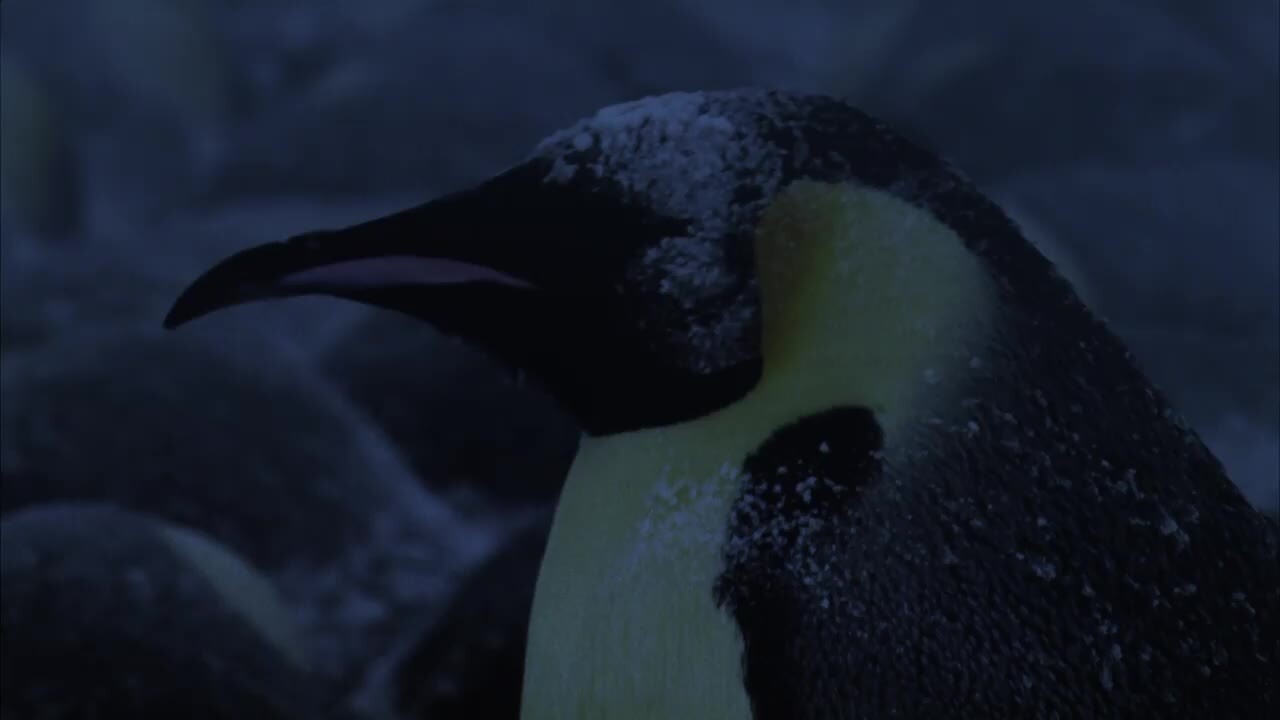
In Male Emperor Penguins Are Fathers of the Year, narrator Sir David Attenborough shares how male penguins endure extreme conditions to care for their eggs. Temperatures plummet, winds whip, and the Sun disappears as these hardy birds huddle for protection. This video is excerpted from BBC's Planet Earth, a breathtaking documentary series that highlights the natural wonders of our planet.
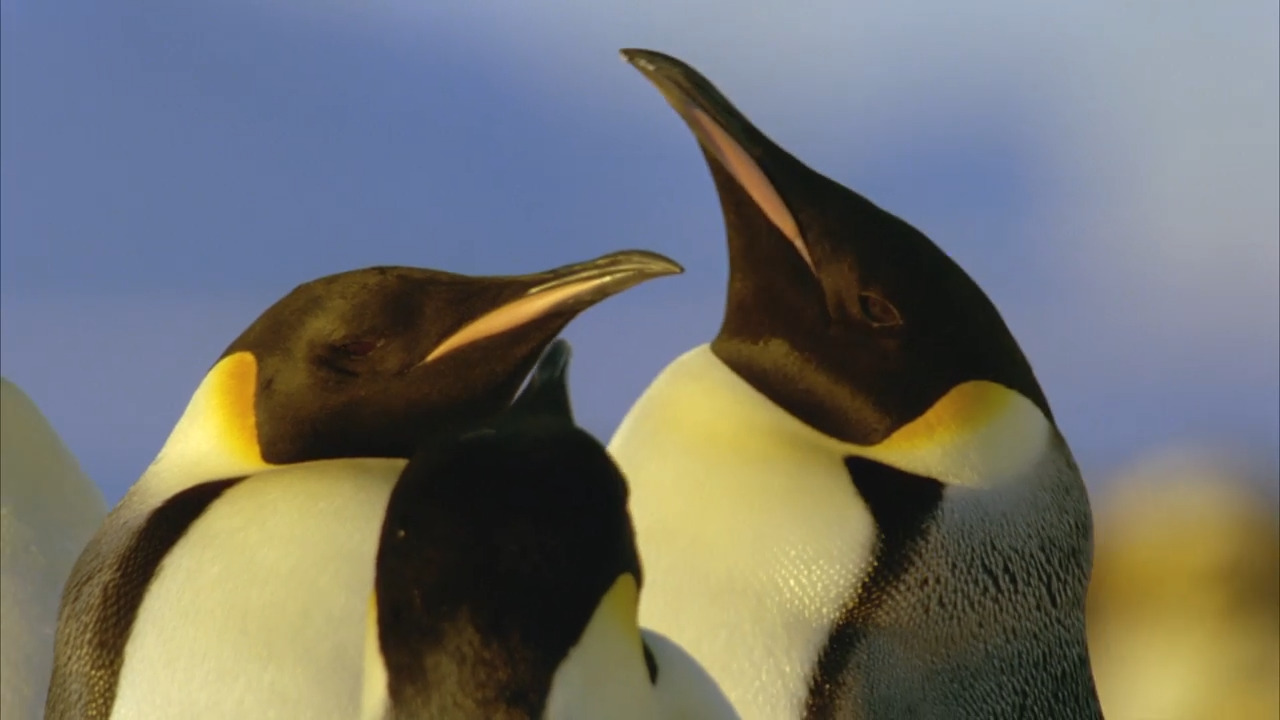
In Emperor Penguins Hatch, narrator Sir David Attenborough describes how the Sun rises for the first time in months when spring arrives in Antarctica. Male emperor penguins leave their winter huddle carrying their precious eggs on their feet. Baby chicks hatch and look to their fathers for food. This video is excerpted from BBC's Planet Earth, a breathtaking documentary series that highlights the natural wonders of our planet.
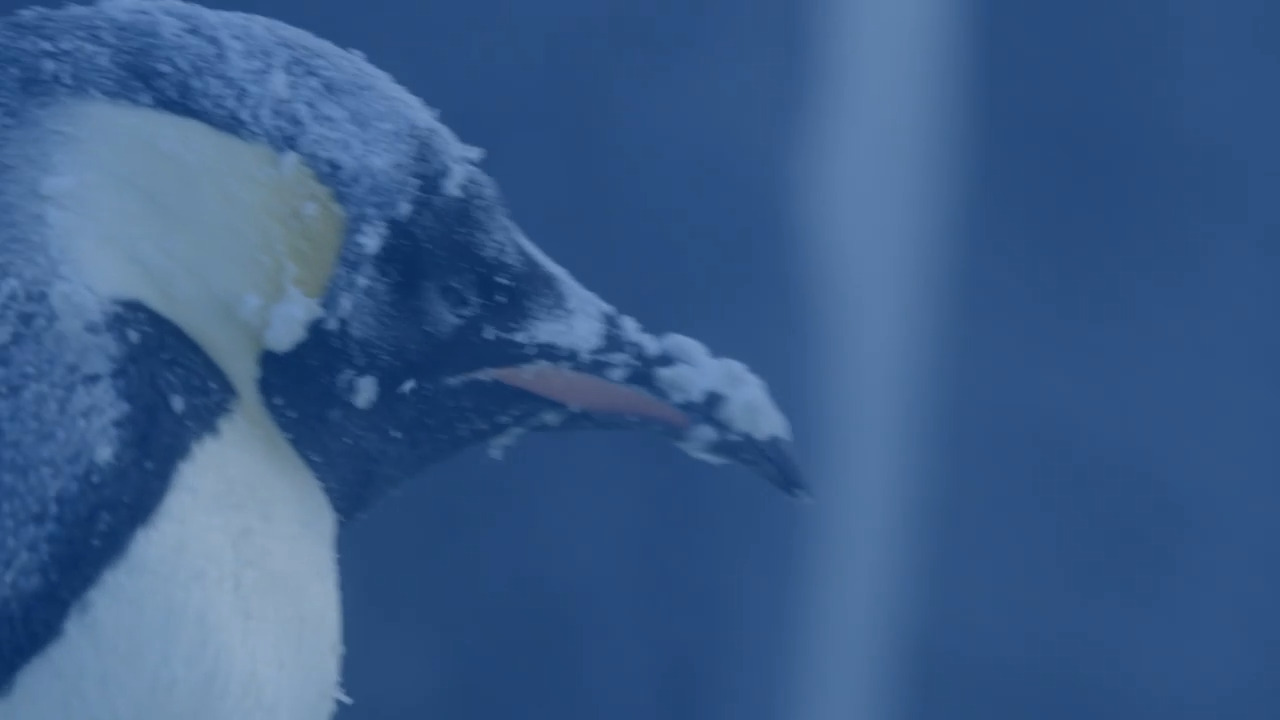
In Inside a Penguin Huddle, narrator Sir David Attenborough describes how male emperor penguins huddle together to keep warm, and to keep their eggs warm. But when a winter blizzard becomes too much for a group of the penguins, the males must move from one side of the huddle to the other without dropping their precious eggs. This video is excerpted from BBC’s Dynasties, a documentary that follows endangered species fighting for their survival.

In Egg-cellent Nafaqo! explore Somalia, a country in Africa with deserts, beaches, and amazing animals like giraffes and camels. Zara shows us how to make nafaqo, a tasty dish with potatoes, yogurt, spices, and her secret ingredient — boiled egg whites! She even shares a cool trick for peeling eggs using water and a container. This video is excerpted from BBC's My World Kitchen, where young chefs create special recipes that honor their heritage and celebrate their roots.
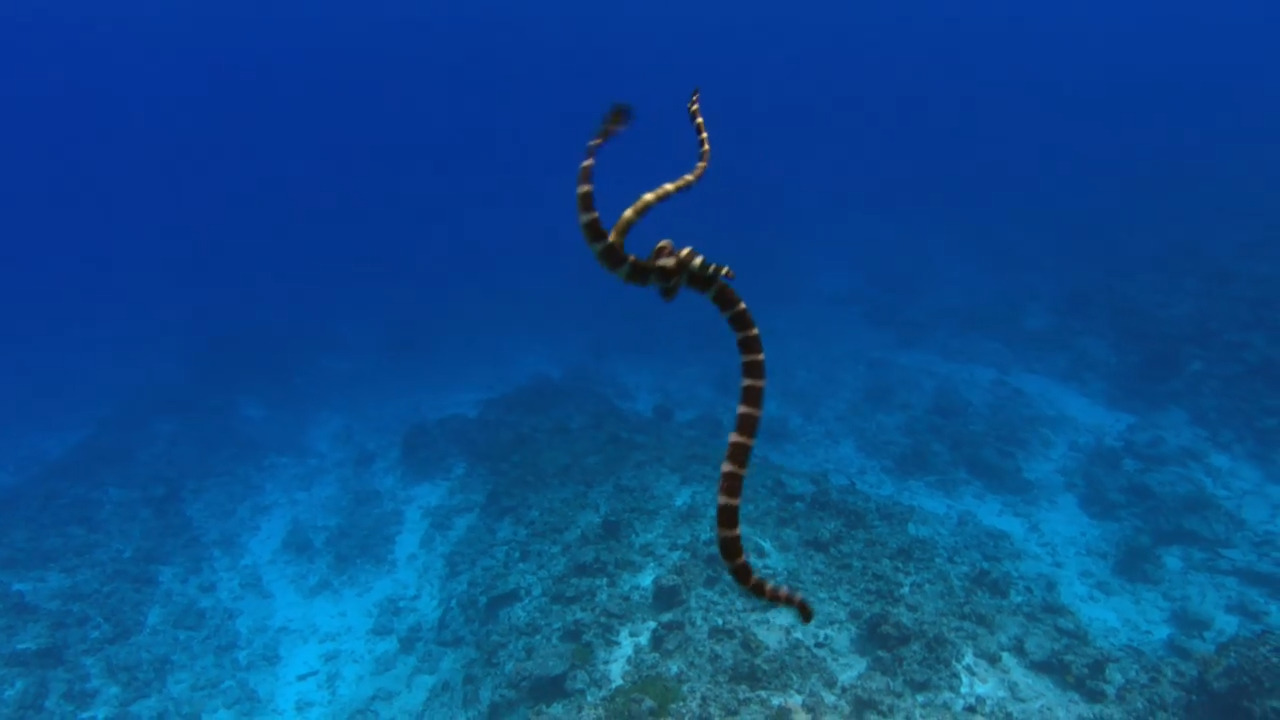
In The Strange Life of the Sea Krait, narrator Sir David Attenborough discovers the mysterious sea krait snake, a reptile that has completely adapted to life underwater. Unlike most land-dwelling reptiles, the female sea krait only leaves the ocean when it's time to lay her eggs, finding secret caverns with air pockets. Six months later, the baby snakes hatch and make their way back to the water, continuing this fascinating cycle. This video is excerpted from BBC's Life, a show that explores the remarkable strategies animals and plants use to ensure their survival.
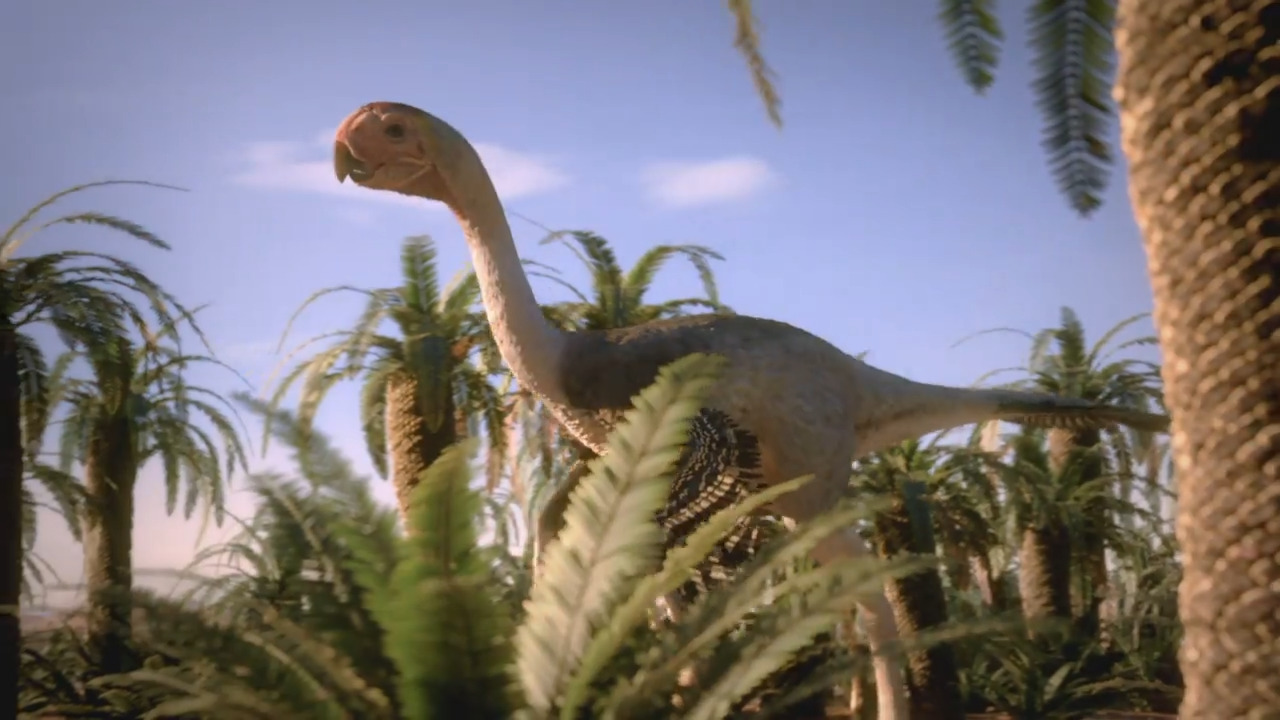
In The Oddity of the Gigantoraptor, naturalist Steve Backshall explores this unusual dinosaur, highlighting its birdlike features along with its exceptionally large and sturdy eggs. Plus, check out an experiment to test how much weight a Gigantoraptor egg might have been able to withstand. This video is excerpted from BBC’s Deadly Dinosaurs, a documentary series in which host Steve Backshall is on the hunt for the deadliest animals to have walked the Earth — dinosaurs — exploring features of several species and putting their abilities to the test to reveal the raw power of these creatures.
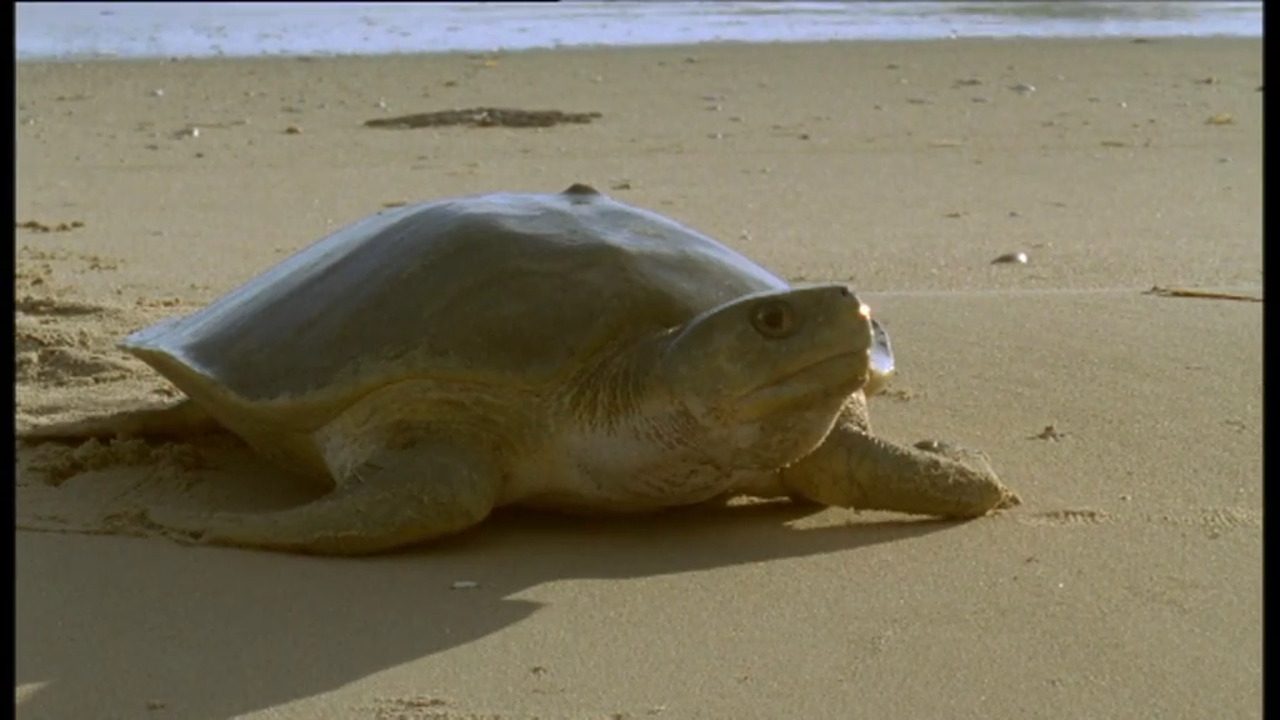
In Two Types of Turtles, narrator Sir David Attenborough explores two types of sea turtles — flatback and Ridley turtles. Both lay their eggs in the sand on the coast, but their strategies and survival rates differ. This video is excerpted from BBC’s Blue Planet, a definitive documentary series diving into the mysterious depths of the sea to discover the natural history of the world’s oceans and the rarely seen marine life that reside there.
Dive into the wonders of Antarctica with this multi-grade lesson collection! Tailored for K–2, 3–5, 6–8, and 9–12, each unit includes engaging activities, thought-provoking discussions, and hands-on projects to uncover the mysteries of the frozen continent. Enhance your teaching with stunning BBC video clips showcasing Antarctic wildlife, research stations, and breathtaking icy landscapes. Printable resources like animal fact sheets, scientist journal templates, and conservation challenges bring the learning to life for your students. Perfect for science, geography, and environmental lessons!
In Hatching Eggs Cuckoo Catfish-Style, narrator Sir David Attenborough explains how cuckoo catfish ensure survival of their young. They lay their eggs alongside cichlid eggs, which are then all picked up by the female cichlids who protect them in their mouths. This video is excerpted from BBC’s Seven Worlds, One Planet, a series featuring remarkable animal behavior from all seven continents.
In River Chub Build Nests in Tennessee Streams, witness how a male river chub gathers thousands of pebbles to build a nest. When complete, he finds a female to lay her eggs in the safety of the nest. This video is excerpted from BBC’s Seven Worlds, One Planet, a series featuring remarkable animal behavior from all seven continents.
In The Winter Breeding Journey of Emperor Penguins, narrator Sir David Attenborough journeys along with the emperor penguins of Antarctica as they take the long path to their breeding grounds — the same place they were once hatched. Once they arrive, male and female penguins find mates. After the female has produced an egg several weeks later, she must carefully transfer it to the male to keep it warm in his special pouch while she returns to the ocean on her own. This video is excerpted from BBC’s Planet Earth, a breathtaking documentary series that highlights the natural wonders of our planet.
In Race Against the Thaw, narrator Sir David Attenborough follows penguins as they rush across the frozen Antarctic sea to reach their breeding grounds before the thaw. The penguins, along with other animals like dolphins and whales, must time their journey carefully. Chinstrap penguins come ashore to nest, finding bare rock to lay their eggs, which is a valuable and necessary resource. This video is excerpted from BBC’s Planet Earth, a breathtaking documentary series that highlights the natural wonders of our planet.
In Male Emperor Penguins Are Fathers of the Year, narrator Sir David Attenborough shares how male penguins endure extreme conditions to care for their eggs. Temperatures plummet, winds whip, and the Sun disappears as these hardy birds huddle for protection. This video is excerpted from BBC's Planet Earth, a breathtaking documentary series that highlights the natural wonders of our planet.
In Emperor Penguins Hatch, narrator Sir David Attenborough describes how the Sun rises for the first time in months when spring arrives in Antarctica. Male emperor penguins leave their winter huddle carrying their precious eggs on their feet. Baby chicks hatch and look to their fathers for food. This video is excerpted from BBC's Planet Earth, a breathtaking documentary series that highlights the natural wonders of our planet.
In Inside a Penguin Huddle, narrator Sir David Attenborough describes how male emperor penguins huddle together to keep warm, and to keep their eggs warm. But when a winter blizzard becomes too much for a group of the penguins, the males must move from one side of the huddle to the other without dropping their precious eggs. This video is excerpted from BBC’s Dynasties, a documentary that follows endangered species fighting for their survival.
In Egg-cellent Nafaqo! explore Somalia, a country in Africa with deserts, beaches, and amazing animals like giraffes and camels. Zara shows us how to make nafaqo, a tasty dish with potatoes, yogurt, spices, and her secret ingredient — boiled egg whites! She even shares a cool trick for peeling eggs using water and a container. This video is excerpted from BBC's My World Kitchen, where young chefs create special recipes that honor their heritage and celebrate their roots.
In The Strange Life of the Sea Krait, narrator Sir David Attenborough discovers the mysterious sea krait snake, a reptile that has completely adapted to life underwater. Unlike most land-dwelling reptiles, the female sea krait only leaves the ocean when it's time to lay her eggs, finding secret caverns with air pockets. Six months later, the baby snakes hatch and make their way back to the water, continuing this fascinating cycle. This video is excerpted from BBC's Life, a show that explores the remarkable strategies animals and plants use to ensure their survival.
In The Oddity of the Gigantoraptor, naturalist Steve Backshall explores this unusual dinosaur, highlighting its birdlike features along with its exceptionally large and sturdy eggs. Plus, check out an experiment to test how much weight a Gigantoraptor egg might have been able to withstand. This video is excerpted from BBC’s Deadly Dinosaurs, a documentary series in which host Steve Backshall is on the hunt for the deadliest animals to have walked the Earth — dinosaurs — exploring features of several species and putting their abilities to the test to reveal the raw power of these creatures.
In Two Types of Turtles, narrator Sir David Attenborough explores two types of sea turtles — flatback and Ridley turtles. Both lay their eggs in the sand on the coast, but their strategies and survival rates differ. This video is excerpted from BBC’s Blue Planet, a definitive documentary series diving into the mysterious depths of the sea to discover the natural history of the world’s oceans and the rarely seen marine life that reside there.