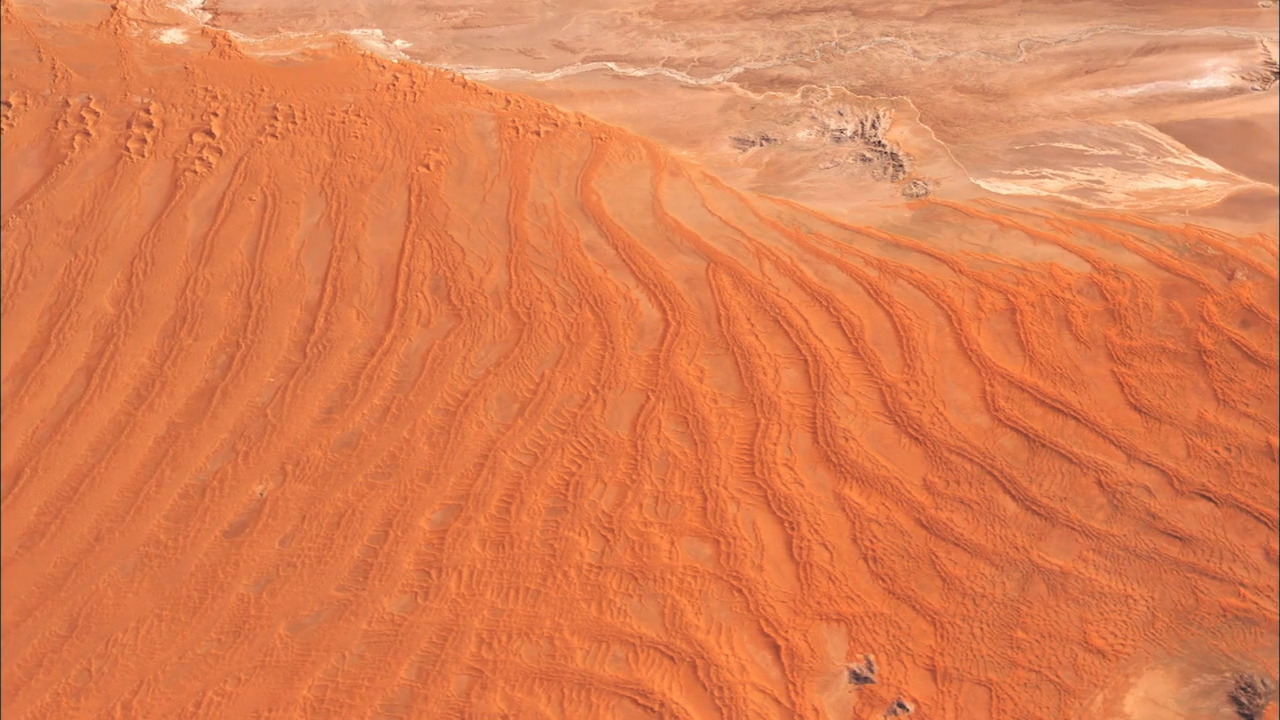
In The Formation of the Gobi Desert, narrator Sir David Attenborough explores the Gobi Desert and its origin. The Himalayas force air upwards, creating rainfall. When the air reaches the other side of the mountains, it is drier. This weather pattern formed the Gobi Desert. This video is excerpted from BBC's Planet Earth, a breathtaking documentary series that highlights the natural wonders of our planet.
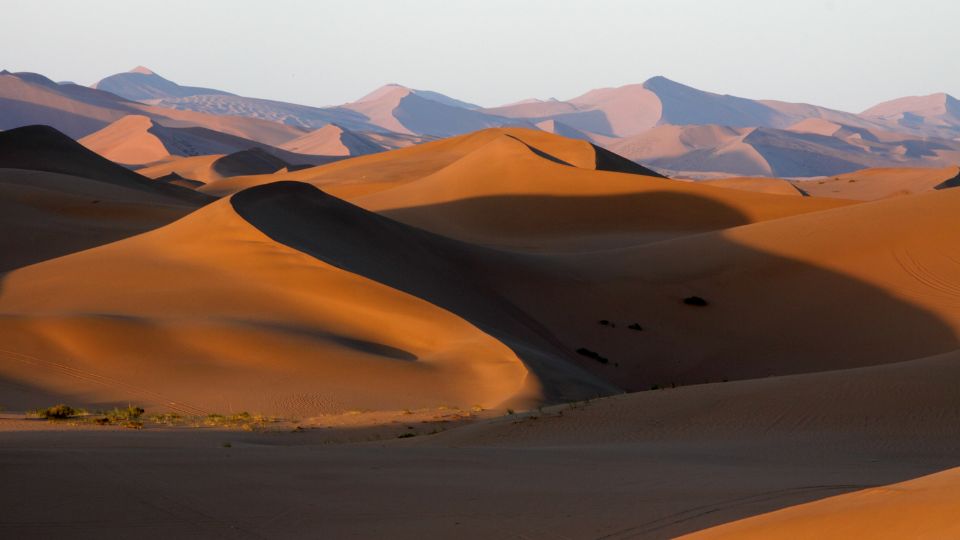
There's no place like the Gobi. First watch The Formation of The Gobi Desert, a short clip from the award-winning BBC series Planet Earth. Sir David Attenborough explains the origins of this singular place on the planet. Its lack of green coverage means it's actually visible from space!
Once your students have watched the video, invite them to check for understanding with this quick, 8-question quiz!
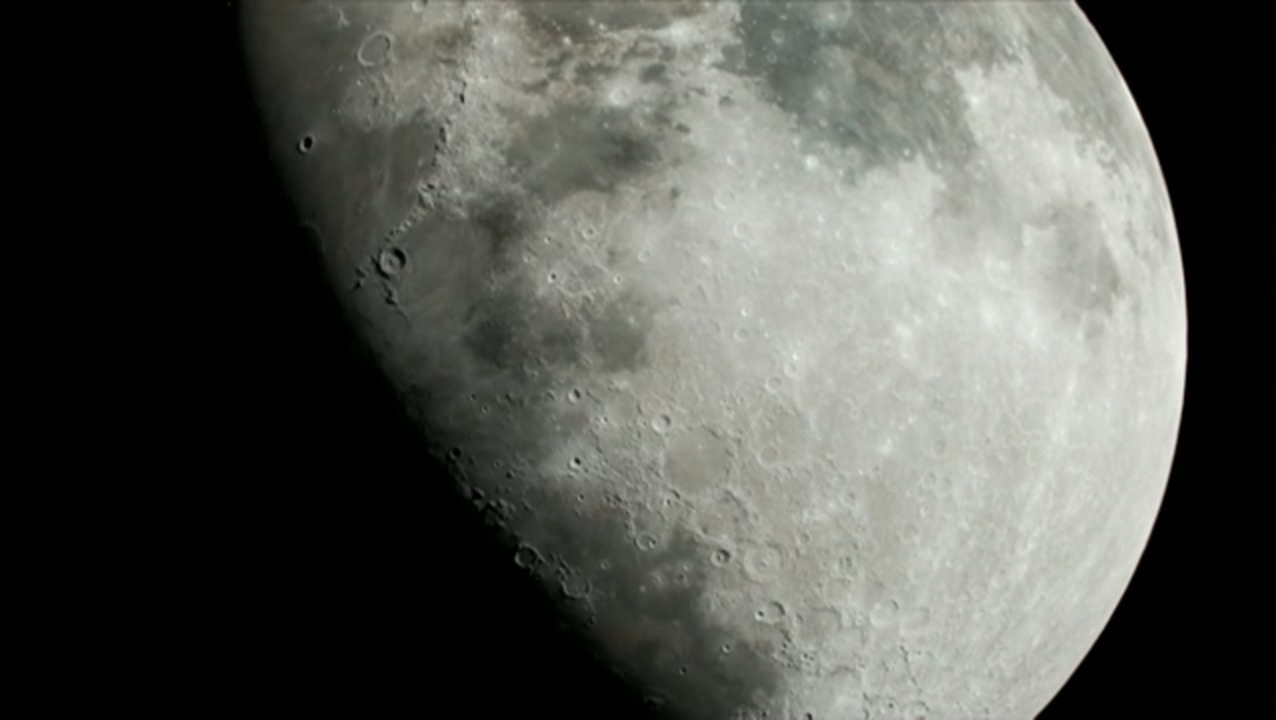
Ever wanted to hop onto a fluffy cloud? Catch a falling star? Bottle sunshine? Well, you can’t. But what you can do is hold some of the Moon in your hand… if you’re one of the few qualified scientists who are researching new lunar material. Sharing is caring, but these researchers have a great reason for being very precious with moon dust.
Moon dust is some of the rarest material on the planet and, for the first time, China has shared its samples of moon dust internationally. These samples have now racked up some serious frequent flyer miles, traveling across the globe after being taken all the way from the Moon. Talk about jet lag. Until now, scientists have been using samples collected decades ago. It wasn’t until 2020 that China’s spacecraft went to an unexplored spot of the Moon, then returned with 2 kilograms of moon rock. This dust is now being studied, and researchers are working carefully (VERY carefully) to uncover the evidence it has to offer about our universe’s environmental history.
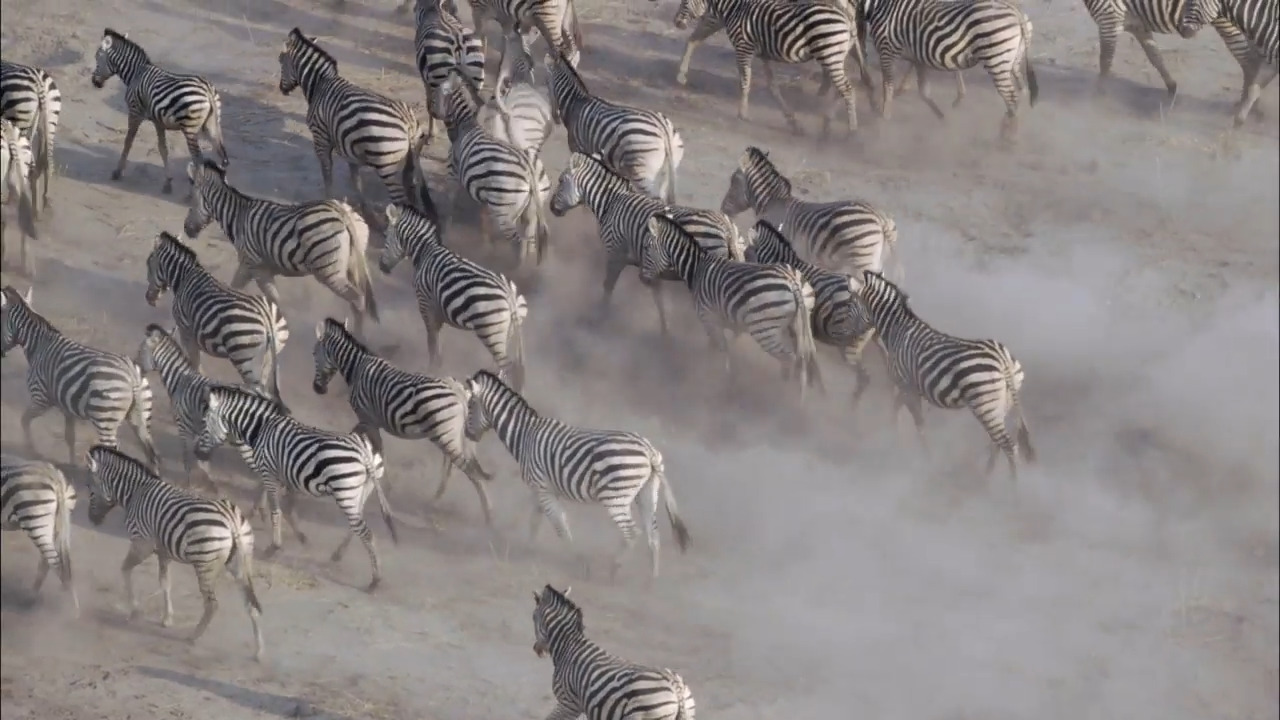
In The Desperate Search for Water in the Desert, narrator Sir David Attenborough details the race for survival in one of the harshest environments on Earth. A mother elephant and her calf, separated from their herd by a dust storm, press on toward a life-giving river delta. This video is excerpted from BBC's Planet Earth, a breathtaking documentary series that highlights the natural wonders of our planet.
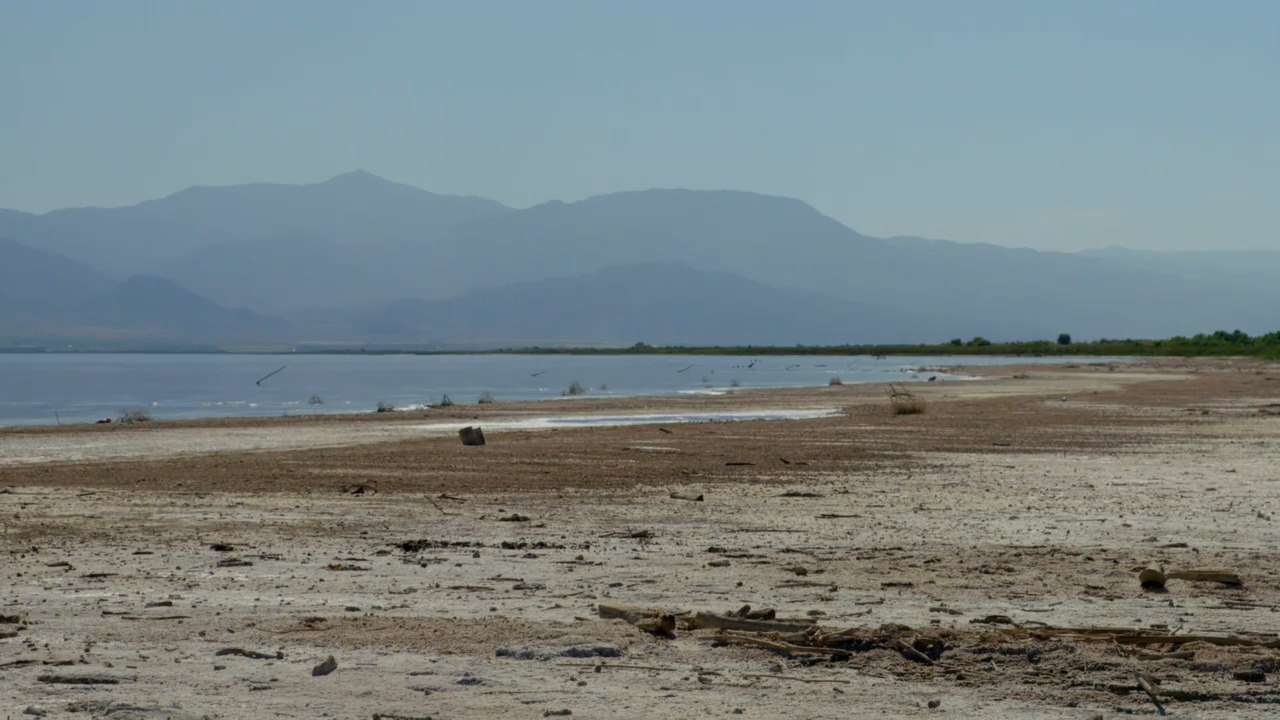
In Bombay Beach and the Salton Sea Crisis, host Simon Reeve takes you to Bombay Beach, a once-glamorous hot spot by California’s largest lake, the Salton Sea. Originally formed by accident when a canal burst, the area became a booming resort. Now, it’s saturated with pesticides and drying up, leaving behind toxic dust — a stark reminder of how human actions can wreak havoc on the environment. This video is excerpted from BBC’s The Americas With Simon Reeve, in which Simon Reeve explores the landscapes, cultures, and wildlife of North and South America.
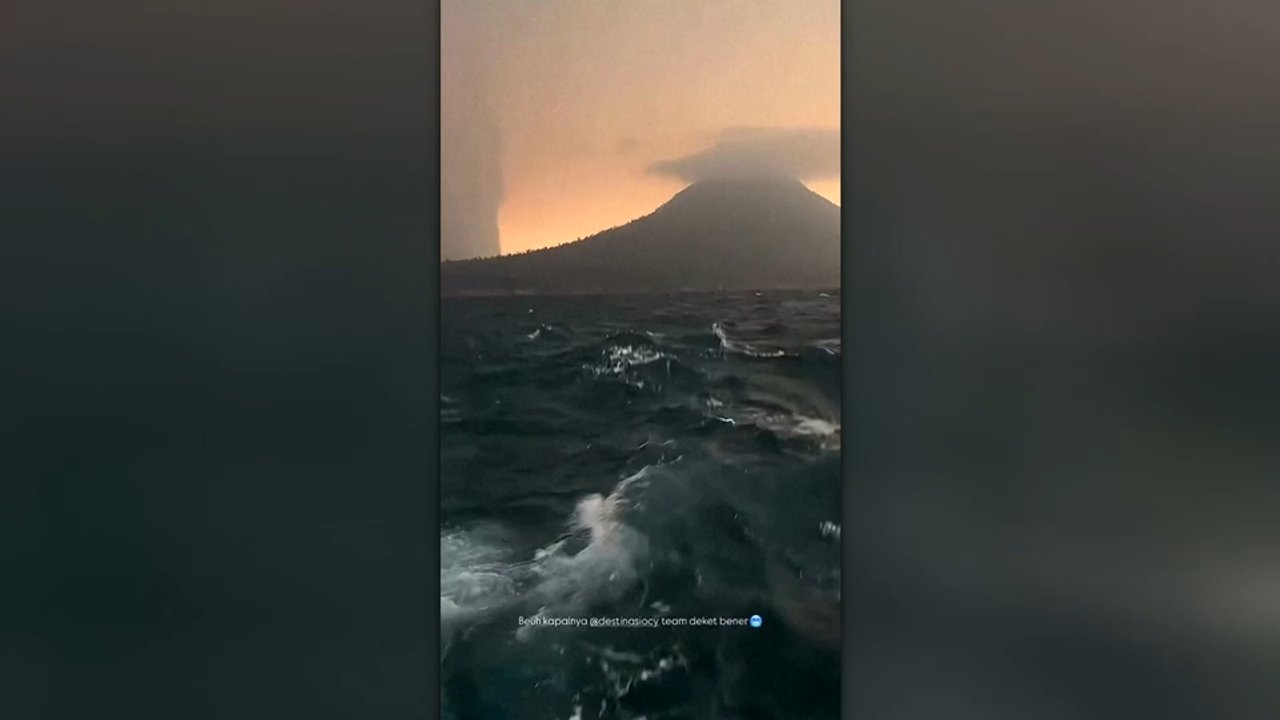
Late on Friday, Sept. 4, Indonesia's Anak Krakatau volcano began erupting, and it didn't stop for about 25 hours. It sent lava and volcanic ash up to 50,000 feet into the sky, which is almost 10 miles.
The ash drifted toward Jakarta, Indonesia's capital, and thickened the air so much that airports had to shut down. Nearly 3,000 flights were canceled or delayed, and hundreds of thousands of passengers were left stranded.
The ash affected people on the ground too. Residents found volcanic dust settling on homes and balconies. Health officials advised people to stay indoors and wear masks to protect their lungs, eyes, and skin.
Officials planned to use cloud seeding to clear the air. Cloud seeding is a way of changing the weather that helps clouds produce rain, which can wash ash out of the sky. In the end, a shift in the wind blew the ash away, and the air became clear enough for the airports to reopen.
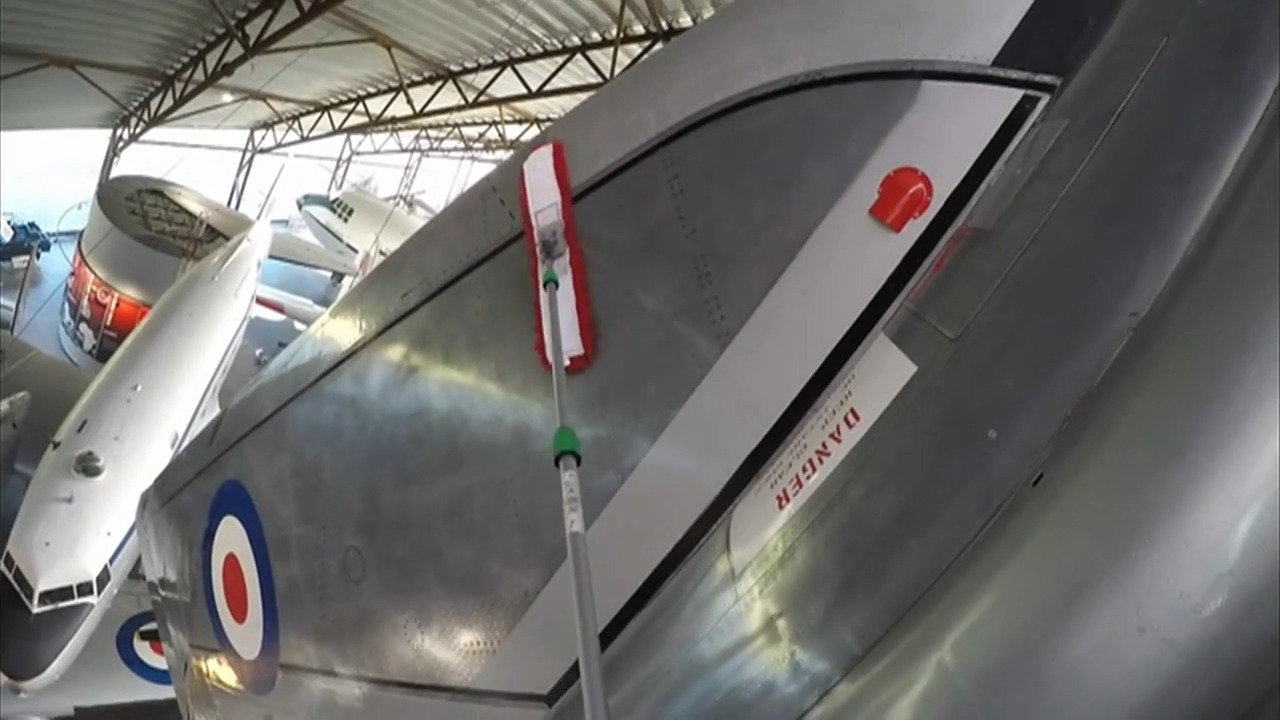
Visit the Royal Air Force Museum, where spring cleaning means rappelling on the side of a plane in order to dust it. Extra care is also needed for Second World War planes that are almost 100 years old. This video is excerpted from BBC News.
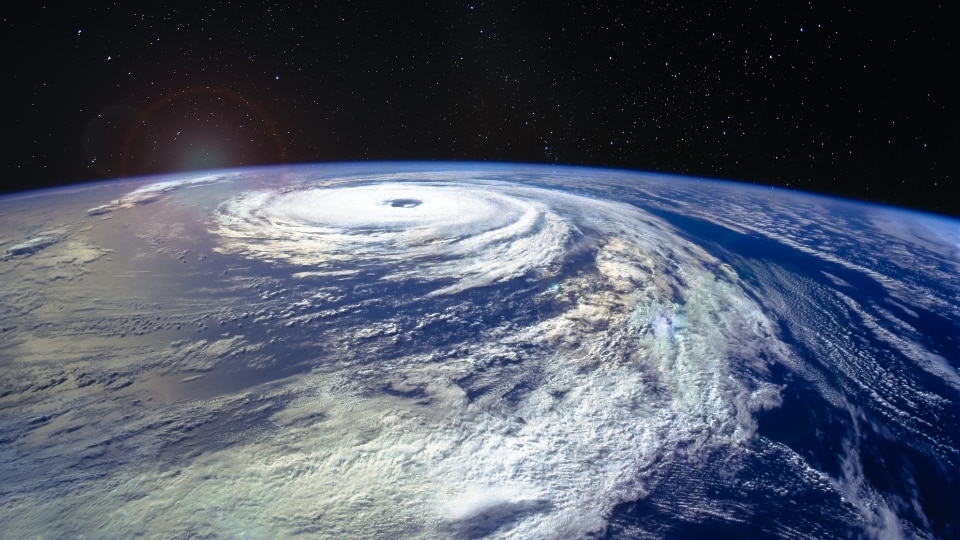
Explore the most powerful weather in the solar system in this Kahoot about planetary storms, extreme environments, and the forces that shape other worlds. From Jupiter's Great Red Spot to planet-wide dust storms on Mars, discover how weather behaves in places far different from Earth.
This Kahoot explores winds, clouds, atmospheres, and storms across the solar system while revealing some of the largest and longest-lasting weather events ever observed.
Watch the Planets of Our Solar System playlist and related videos linked below, then take the Kahoot and see how much you know about the extreme weather in our cosmic neighborhood.
In The Formation of the Gobi Desert, narrator Sir David Attenborough explores the Gobi Desert and its origin. The Himalayas force air upwards, creating rainfall. When the air reaches the other side of the mountains, it is drier. This weather pattern formed the Gobi Desert. This video is excerpted from BBC's Planet Earth, a breathtaking documentary series that highlights the natural wonders of our planet.
There's no place like the Gobi. First watch The Formation of The Gobi Desert, a short clip from the award-winning BBC series Planet Earth. Sir David Attenborough explains the origins of this singular place on the planet. Its lack of green coverage means it's actually visible from space!
Once your students have watched the video, invite them to check for understanding with this quick, 8-question quiz!
Ever wanted to hop onto a fluffy cloud? Catch a falling star? Bottle sunshine? Well, you can’t. But what you can do is hold some of the Moon in your hand… if you’re one of the few qualified scientists who are researching new lunar material. Sharing is caring, but these researchers have a great reason for being very precious with moon dust.
Moon dust is some of the rarest material on the planet and, for the first time, China has shared its samples of moon dust internationally. These samples have now racked up some serious frequent flyer miles, traveling across the globe after being taken all the way from the Moon. Talk about jet lag. Until now, scientists have been using samples collected decades ago. It wasn’t until 2020 that China’s spacecraft went to an unexplored spot of the Moon, then returned with 2 kilograms of moon rock. This dust is now being studied, and researchers are working carefully (VERY carefully) to uncover the evidence it has to offer about our universe’s environmental history.
In The Desperate Search for Water in the Desert, narrator Sir David Attenborough details the race for survival in one of the harshest environments on Earth. A mother elephant and her calf, separated from their herd by a dust storm, press on toward a life-giving river delta. This video is excerpted from BBC's Planet Earth, a breathtaking documentary series that highlights the natural wonders of our planet.
In Bombay Beach and the Salton Sea Crisis, host Simon Reeve takes you to Bombay Beach, a once-glamorous hot spot by California’s largest lake, the Salton Sea. Originally formed by accident when a canal burst, the area became a booming resort. Now, it’s saturated with pesticides and drying up, leaving behind toxic dust — a stark reminder of how human actions can wreak havoc on the environment. This video is excerpted from BBC’s The Americas With Simon Reeve, in which Simon Reeve explores the landscapes, cultures, and wildlife of North and South America.
Late on Friday, Sept. 4, Indonesia's Anak Krakatau volcano began erupting, and it didn't stop for about 25 hours. It sent lava and volcanic ash up to 50,000 feet into the sky, which is almost 10 miles.
The ash drifted toward Jakarta, Indonesia's capital, and thickened the air so much that airports had to shut down. Nearly 3,000 flights were canceled or delayed, and hundreds of thousands of passengers were left stranded.
The ash affected people on the ground too. Residents found volcanic dust settling on homes and balconies. Health officials advised people to stay indoors and wear masks to protect their lungs, eyes, and skin.
Officials planned to use cloud seeding to clear the air. Cloud seeding is a way of changing the weather that helps clouds produce rain, which can wash ash out of the sky. In the end, a shift in the wind blew the ash away, and the air became clear enough for the airports to reopen.
Visit the Royal Air Force Museum, where spring cleaning means rappelling on the side of a plane in order to dust it. Extra care is also needed for Second World War planes that are almost 100 years old. This video is excerpted from BBC News.
Explore the most powerful weather in the solar system in this Kahoot about planetary storms, extreme environments, and the forces that shape other worlds. From Jupiter's Great Red Spot to planet-wide dust storms on Mars, discover how weather behaves in places far different from Earth.
This Kahoot explores winds, clouds, atmospheres, and storms across the solar system while revealing some of the largest and longest-lasting weather events ever observed.
Watch the Planets of Our Solar System playlist and related videos linked below, then take the Kahoot and see how much you know about the extreme weather in our cosmic neighborhood.