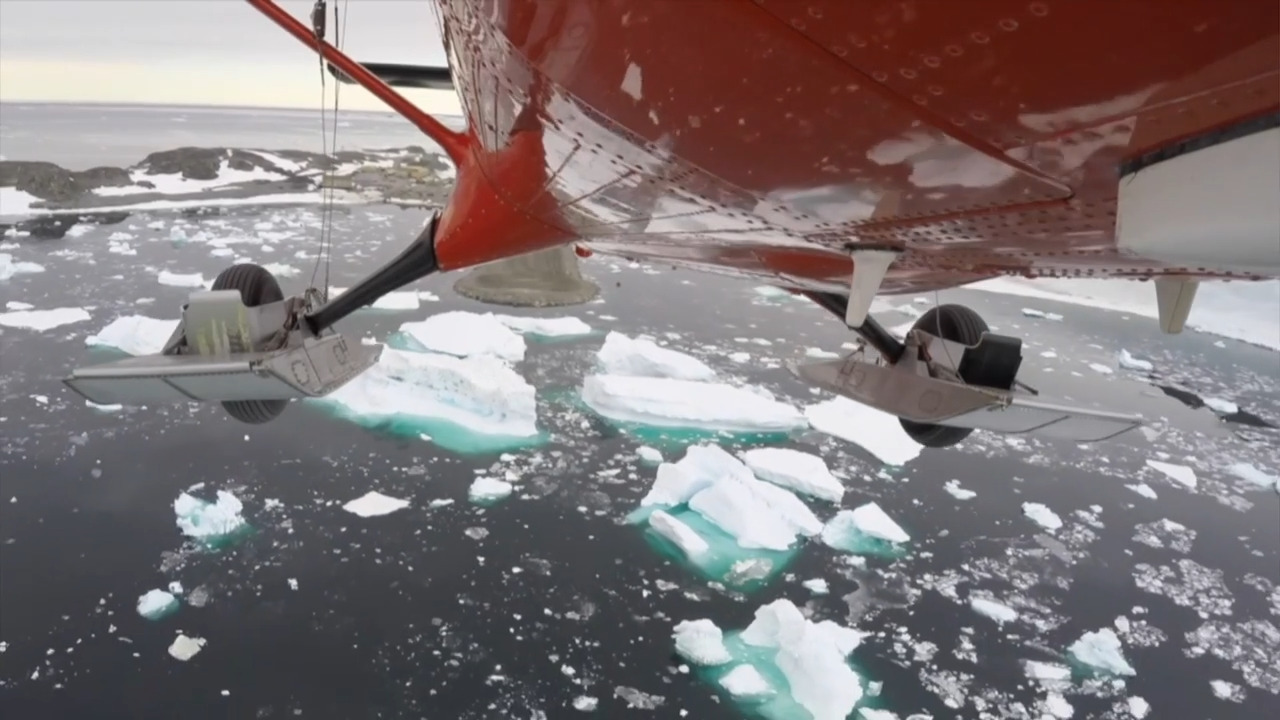
Research in Antarctica is important, but it’s not the most accessible place — have fun finding an Uber willing to take you (and your lab equipment) all the way there! Scientists no longer have to rely on foot travel, as they did decades ago, but taking to the air needs a bit of extra thought, because the technology has to work in Antarctica’s severe weather.
A promising solution is a new drone, tested in a part of North Wales known as “Snowdonia,” where the frigid temperatures put the drone through its cold weather paces. The drone has a few benefits — it doesn’t need a pilot on board (so it can go to remote places), it can travel up to 1000 km in one trip, and needs significantly less fuel than a normal plane. It does still need someone controlling it from the ground, but this can be from a computer, at base, perhaps with a mug of hot cocoa.
Researchers Rebecca and Tom will be conducting Antarctic research with this drone, with the goal of using radar on the drone to draw a picture of what’s under the ice sheets, to help predict how fast they could melt.

The article "How science and technology help prevent and predict wildfires" from BBC's Science Focus explores how researchers are using cutting-edge technology to monitor and analyze controlled forest fires. Through computer models, drones, and laser scanning, scientists gather valuable data to improve wildfire predictions and create safer, more effective fire prevention strategies.
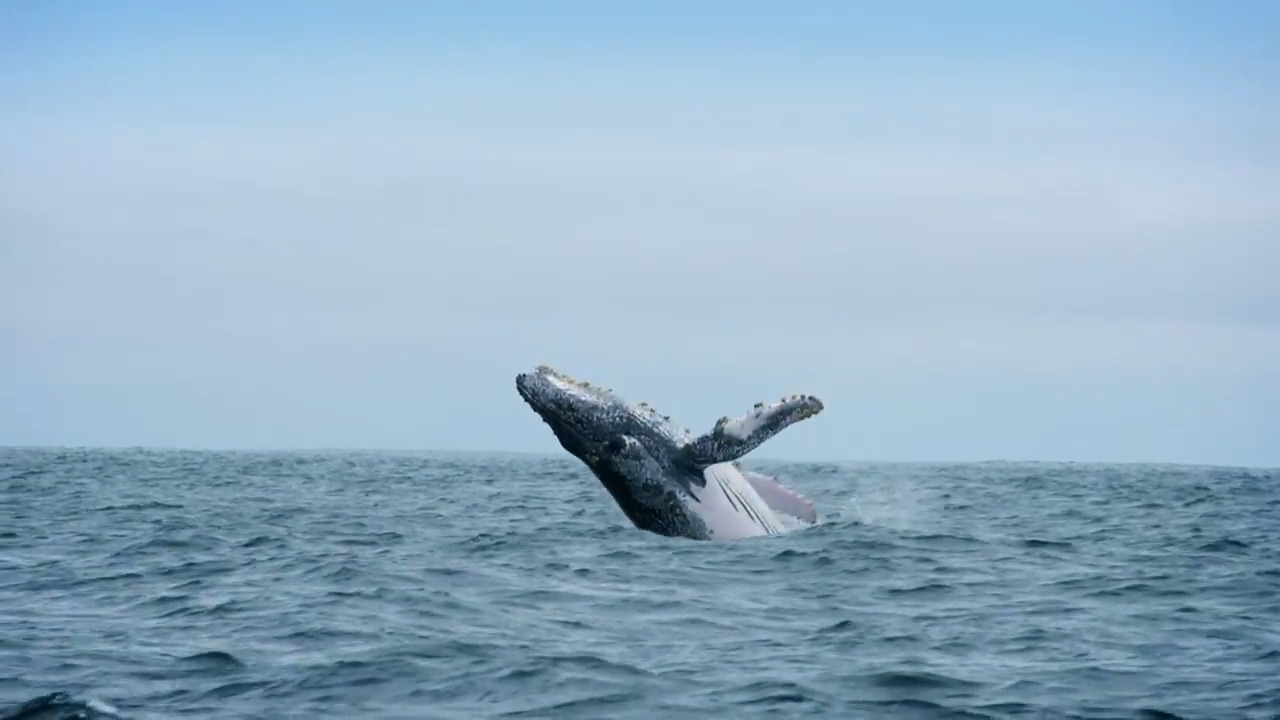
In Meet the Humpback Whale, naturalist Steve Backshall swims with humpback whales. He sends a drone out to capture footage of them playing and breaching the water around Isla de la Plata in Ecuador. This video is excerpted from BBC's Deadly 60, an award-winning nature and adventure show for kids in which narrator Steve Backshall has one mission: to travel the globe in search of 60 of the world's deadliest animals.

The article "10 Remarkable Desert Plants That Survive in the Harshest Places on Earth" from BBC's Discover Wildlife is an exploration of extraordinary plant species uniquely adapted to life in deserts. Highlighting everything from the ancient date palm to the fog-harvesting tara tree and water-storing saxaul, the article showcases the ways that desert flora thrive in places with extreme heat, dryness, or even cold.
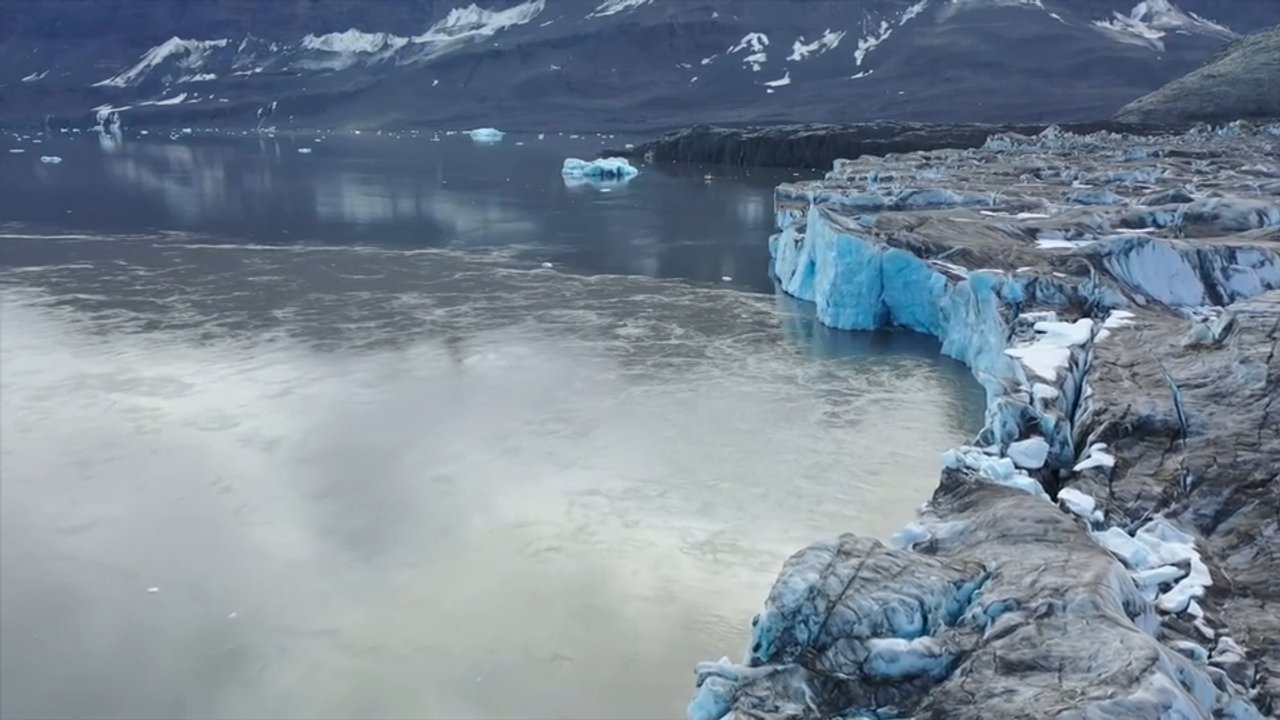
Greenland's glaciers are melting — and the effects reach much further than you'd think. As glaciers collapse into the sea, they set off a ripple effect that can impact weather, farming, water supplies, and fishing thousands of miles away.
Researchers are heading out on a five-week expedition to Greenland, bringing top-of-the-line equipment to study what's happening to the ice. Greenland might seem far removed from daily life, but the meltwater flows into the Atlantic Ocean, where it can disrupt ocean currents and shift climate patterns. Over time, that could change rainfall patterns in the UK and make winters stormier — which creates problems for farmers, and in turn, for food supply.
Even if you're not worried about vegetables, you're not off the hook. These melting glaciers can also affect fish populations, since changing ocean temperatures and currents disrupt the habitats fish depend on. Greenland's glaciers may be far away, but what happens there doesn't stay there.
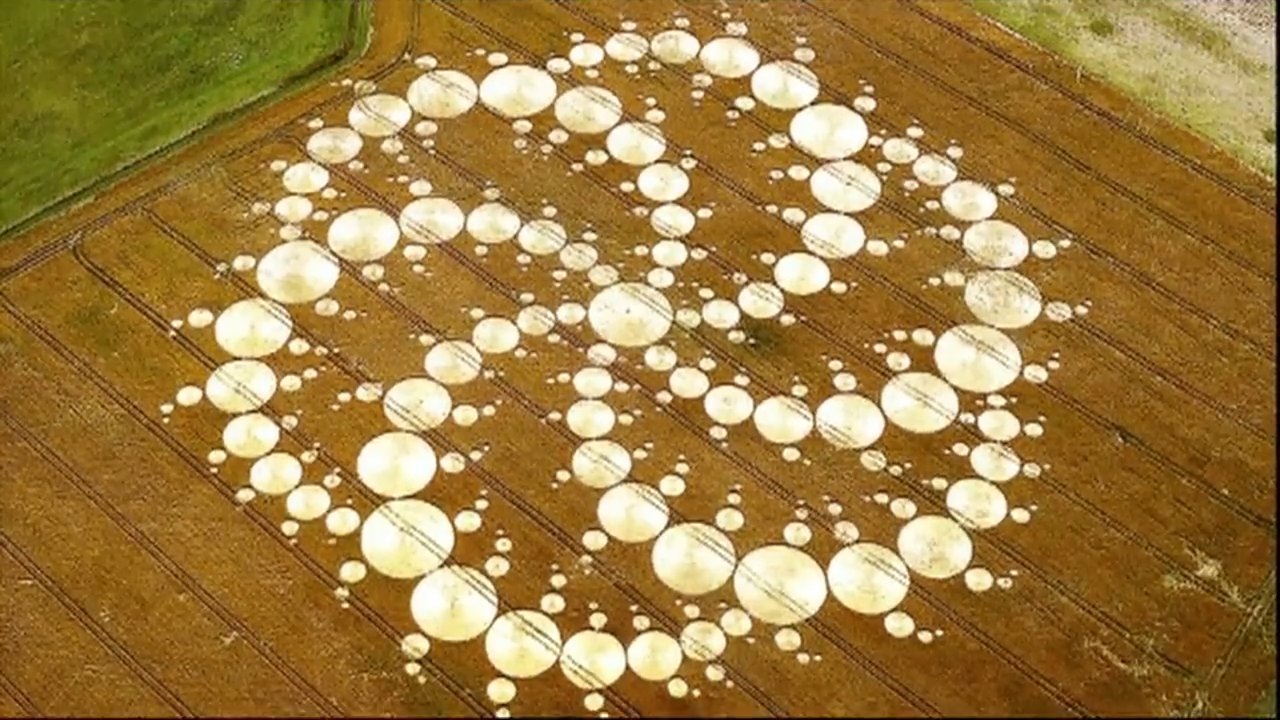
Crop circles have puzzled people for decades, and the Wiltshire countryside — a rural county in southwest England known for its rolling farmland — has had plenty to puzzle over this summer as new formations kept appearing in the fields.
These designs are often symmetrical, intricate, and hard to explain. One of the most famous examples, known as the Galaxy, contained more than 400 interlocking circles and stretched roughly 780 feet — about two and a half soccer fields laid end to end.
Some crop circles are confirmed to be human-made. Others are harder to pin down: witnesses have reported some appearing within a matter of seconds, though these claims haven't been independently verified.
Wiltshire's landscape makes it a particular hotspot — open countryside and high viewpoints make circles easy to spot and photograph. Drones and social media have also made it possible to document circles almost anywhere, not just in traditional hotspots.
As striking as they are to look at, crop circles can be costly for the farmers whose fields they appear in, since the process damages crops. That's also why making one without the landowner's permission counts as criminal damage in the UK — the British legal term for intentionally damaging someone else's property, similar to vandalism or property destruction charges in the US.
Research in Antarctica is important, but it’s not the most accessible place — have fun finding an Uber willing to take you (and your lab equipment) all the way there! Scientists no longer have to rely on foot travel, as they did decades ago, but taking to the air needs a bit of extra thought, because the technology has to work in Antarctica’s severe weather.
A promising solution is a new drone, tested in a part of North Wales known as “Snowdonia,” where the frigid temperatures put the drone through its cold weather paces. The drone has a few benefits — it doesn’t need a pilot on board (so it can go to remote places), it can travel up to 1000 km in one trip, and needs significantly less fuel than a normal plane. It does still need someone controlling it from the ground, but this can be from a computer, at base, perhaps with a mug of hot cocoa.
Researchers Rebecca and Tom will be conducting Antarctic research with this drone, with the goal of using radar on the drone to draw a picture of what’s under the ice sheets, to help predict how fast they could melt.
The article "How science and technology help prevent and predict wildfires" from BBC's Science Focus explores how researchers are using cutting-edge technology to monitor and analyze controlled forest fires. Through computer models, drones, and laser scanning, scientists gather valuable data to improve wildfire predictions and create safer, more effective fire prevention strategies.
In Meet the Humpback Whale, naturalist Steve Backshall swims with humpback whales. He sends a drone out to capture footage of them playing and breaching the water around Isla de la Plata in Ecuador. This video is excerpted from BBC's Deadly 60, an award-winning nature and adventure show for kids in which narrator Steve Backshall has one mission: to travel the globe in search of 60 of the world's deadliest animals.
The article "10 Remarkable Desert Plants That Survive in the Harshest Places on Earth" from BBC's Discover Wildlife is an exploration of extraordinary plant species uniquely adapted to life in deserts. Highlighting everything from the ancient date palm to the fog-harvesting tara tree and water-storing saxaul, the article showcases the ways that desert flora thrive in places with extreme heat, dryness, or even cold.
Greenland's glaciers are melting — and the effects reach much further than you'd think. As glaciers collapse into the sea, they set off a ripple effect that can impact weather, farming, water supplies, and fishing thousands of miles away.
Researchers are heading out on a five-week expedition to Greenland, bringing top-of-the-line equipment to study what's happening to the ice. Greenland might seem far removed from daily life, but the meltwater flows into the Atlantic Ocean, where it can disrupt ocean currents and shift climate patterns. Over time, that could change rainfall patterns in the UK and make winters stormier — which creates problems for farmers, and in turn, for food supply.
Even if you're not worried about vegetables, you're not off the hook. These melting glaciers can also affect fish populations, since changing ocean temperatures and currents disrupt the habitats fish depend on. Greenland's glaciers may be far away, but what happens there doesn't stay there.
Crop circles have puzzled people for decades, and the Wiltshire countryside — a rural county in southwest England known for its rolling farmland — has had plenty to puzzle over this summer as new formations kept appearing in the fields.
These designs are often symmetrical, intricate, and hard to explain. One of the most famous examples, known as the Galaxy, contained more than 400 interlocking circles and stretched roughly 780 feet — about two and a half soccer fields laid end to end.
Some crop circles are confirmed to be human-made. Others are harder to pin down: witnesses have reported some appearing within a matter of seconds, though these claims haven't been independently verified.
Wiltshire's landscape makes it a particular hotspot — open countryside and high viewpoints make circles easy to spot and photograph. Drones and social media have also made it possible to document circles almost anywhere, not just in traditional hotspots.
As striking as they are to look at, crop circles can be costly for the farmers whose fields they appear in, since the process damages crops. That's also why making one without the landowner's permission counts as criminal damage in the UK — the British legal term for intentionally damaging someone else's property, similar to vandalism or property destruction charges in the US.