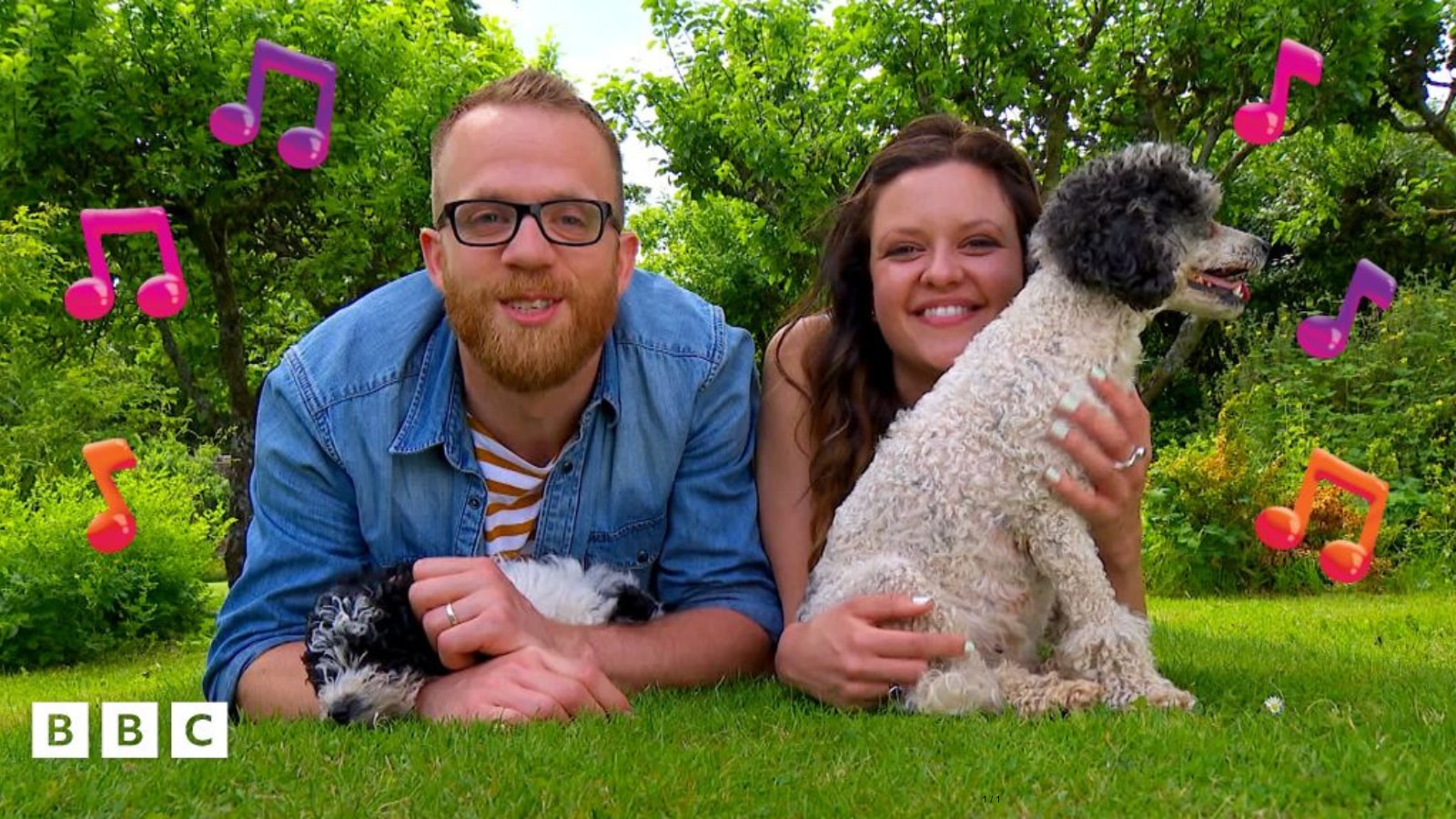
Cats. Dogs. Potbellied pigs?! Kids LOVE pets — and we do too!
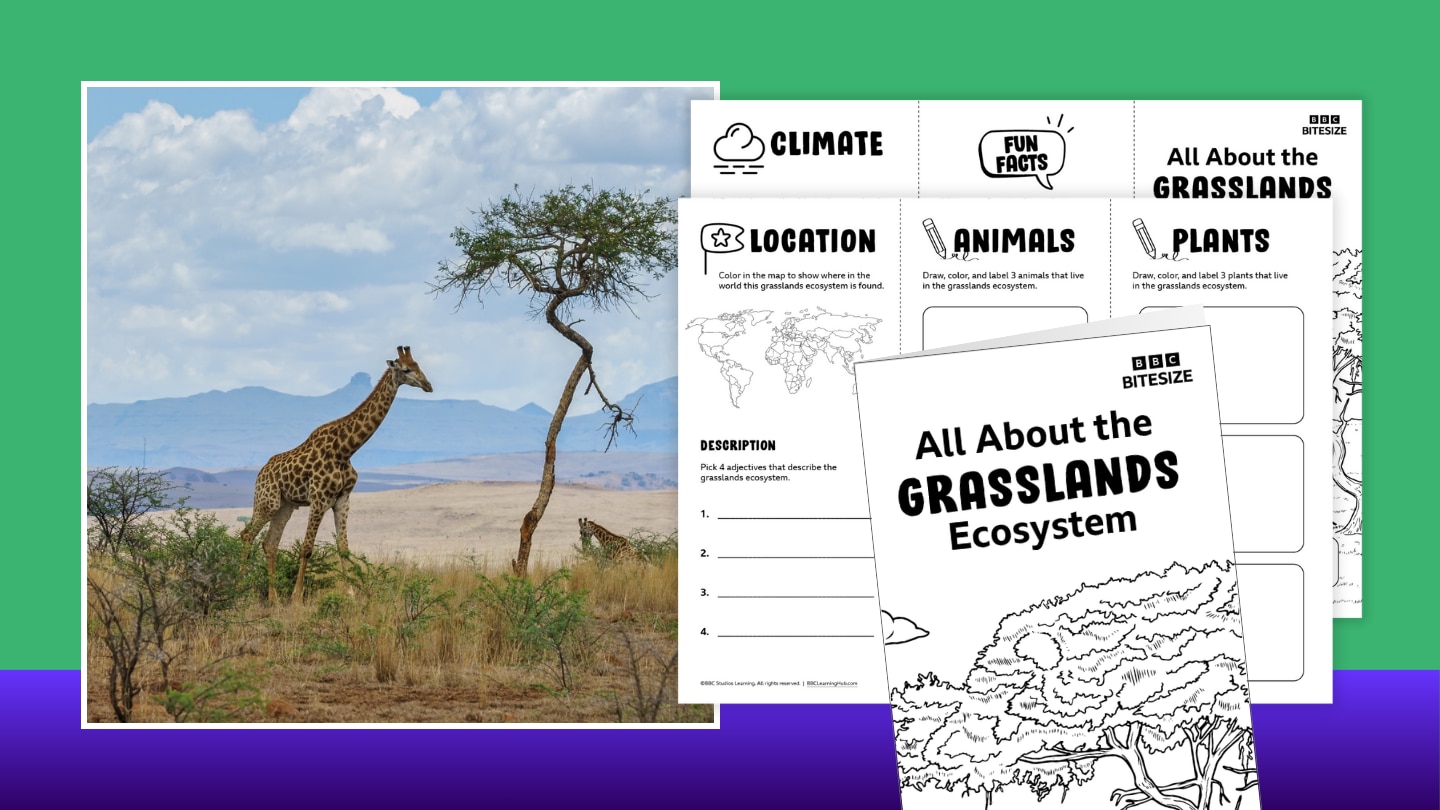
Take your students on a romp through the grasslands! From the African savanna to the Great Plains of North America grasslands are nature’s wide-open playground.
✨ Perfect for grades 3–8, here’s what you need to bring ecosystems to life:
- Iconic BBC Videos: Share the clips on this page to introduce the location, plants, animals, and climate of the grasslands. (Don't miss the giraffes and bison!) Brought to you by world-class BBC programs such as Planet Earth, The Americas With Simon Reeve, and Seven Worlds, One Planet.
- Free Printable: Use the Grasslands Brochure Template to help students pull it all together in an ecosystem report with facts they’ve learned (and a little extra research).
It’s everything you need to make ecosystems easy to teach and truly memorable for your students.
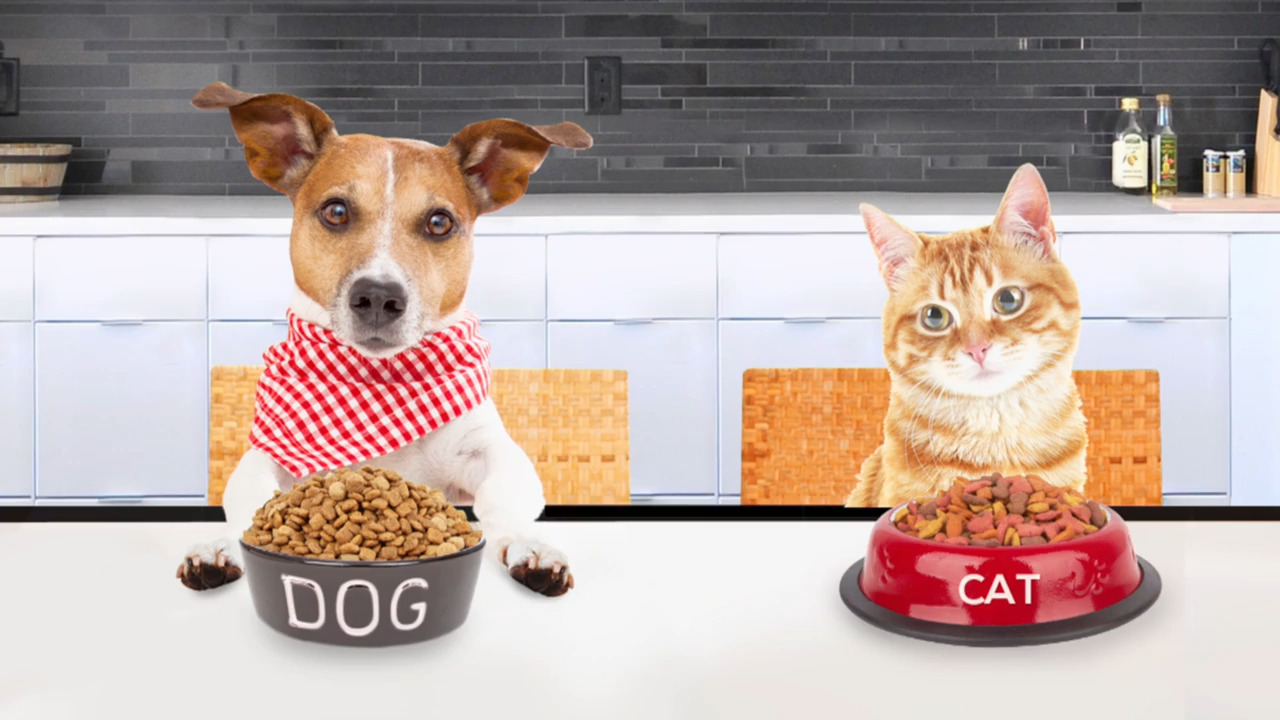
In Foods Dogs and Cats Should Avoid, host Harith Iskander discusses foods that are dangerous for pets, especially dogs and cats. For instance, chocolate contains theobromine, which is highly toxic to them, with dark chocolate being the most dangerous type. This video is excerpted from BBC’s Got Science?, a science magazine series that explores and explains science in everyday life.
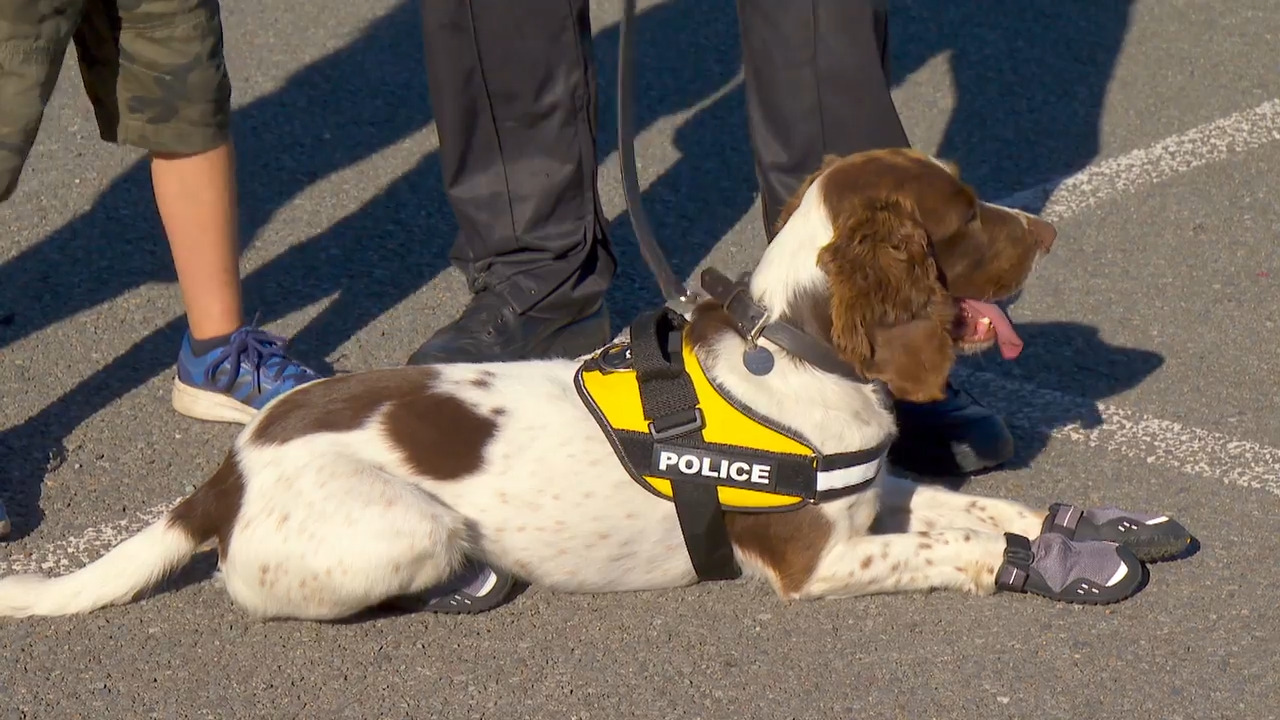
In The Secrets of a Police Dog’s Training, host Ferne Corrigan meets Scooby, the amazing springer spaniel police dog with a nose that's better than any human! Scooby wears a special harness and booties to help keep him safe while working, and to show everyone that he's on the job. Ferne Corrigan gets to watch Scooby at police dog school, where he uses his sniffing skills to find a suitcase with a secret scent hidden inside. This video is excerpted from BBC’s My Pet and Me, a children’s show that introduces kids to the rewards and responsibilities involved when having a pet.
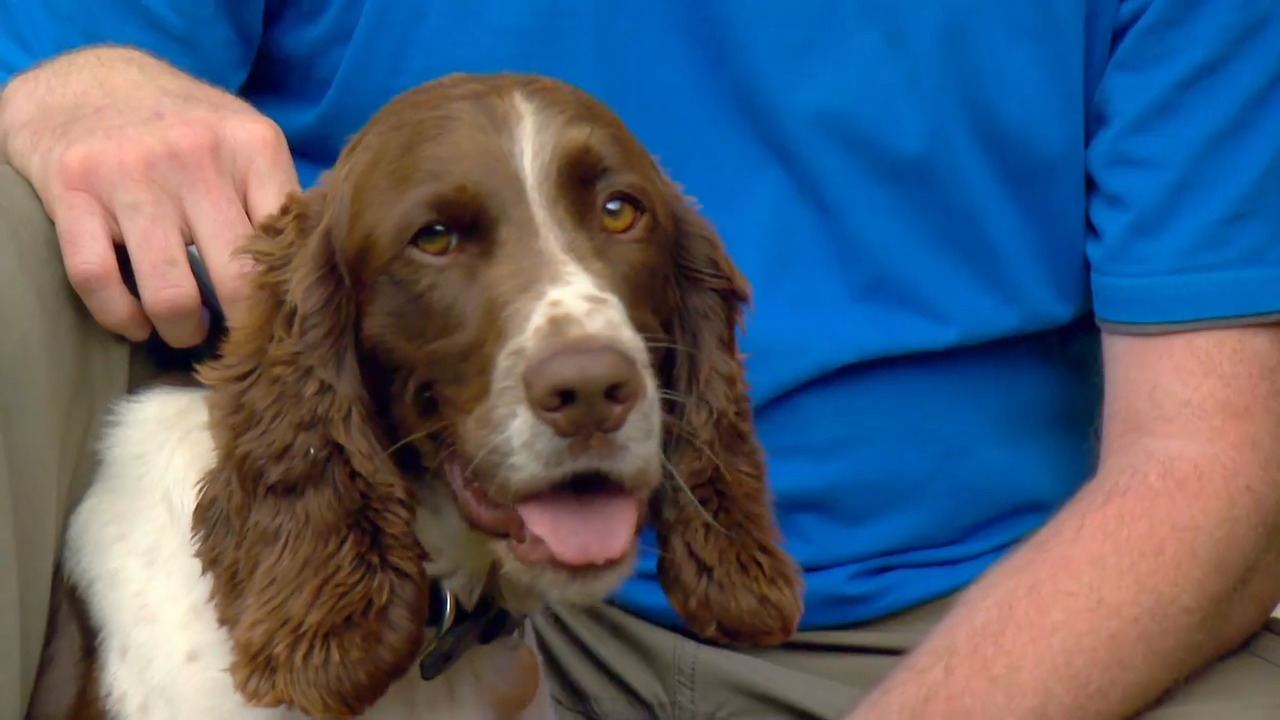
In Scooby the Police Dog Solves Mysteries One Sniff at a Time!, Rory Crawford meets Scooby, the super sniffer springer spaniel! With his boundless energy and amazing sense of smell, Scooby is always on the lookout for clues that humans can't sniff out. In this exciting video, discover how to care for this active pup, including feeding him twice a day, giving him fresh water, and making sure he gets lots of exercise and playtime. This video is excerpted from BBC’s My Pet and Me, a children’s show that introduces kids to the rewards and responsibilities involved when having a pet.
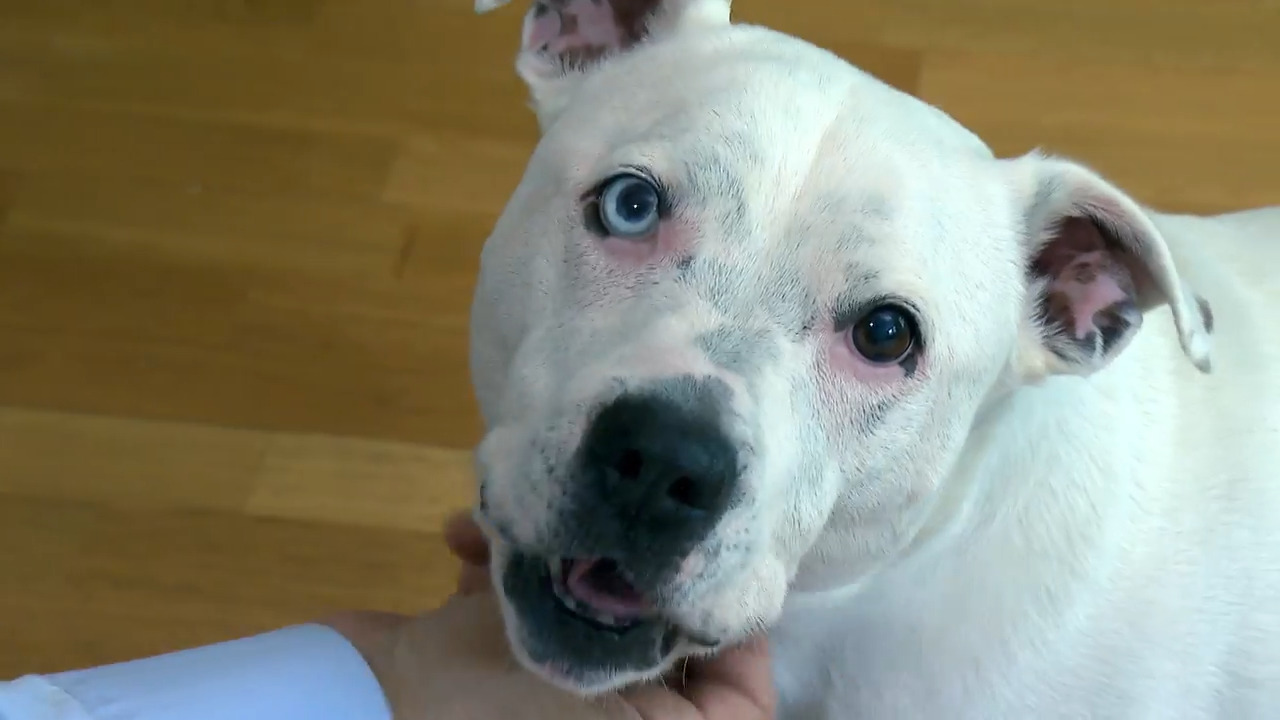
In Meet Luca the Staffy, a Deaf Dog With a Big Heart!, host Rory Crawford meets Luca, a friendly 10-year-old white Staffordshire bull terrier with a heart-shaped face who is also deaf. These terriers come in many colors and love to play. Luca’s owner uses special hand signals to communicate commands like "sit" and "paw." Discover what it takes to care for a dog like Luca, including feeding him, providing fresh water, a comfy bed, and regular coat brushing. This video is excerpted from BBC’s My Pet and Me, a children’s show that introduces kids to the rewards and responsibilities involved when having a pet.

The article "Why Dogs Eat Grass (and Sometimes Poop): Strange but True!" from BBC's Science Focus explores the curious reasons behind dogs eating grass and poop. While some theories suggest anxiety, boredom, or a need for attention, others link it to diet or instinct. Canine behavior expert Dr. Emily Blackwell sheds light on these habits and how our reactions may unintentionally encourage them.

The article "Top 10: Biggest Dog Breeds in the World" from BBC's Science Focus lists some of the largest dog breeds, discussing their sizes, temperaments, and roles. From Great Danes to Saint Bernards, these massive canines require special care but are also known for their loyalty and companionship.
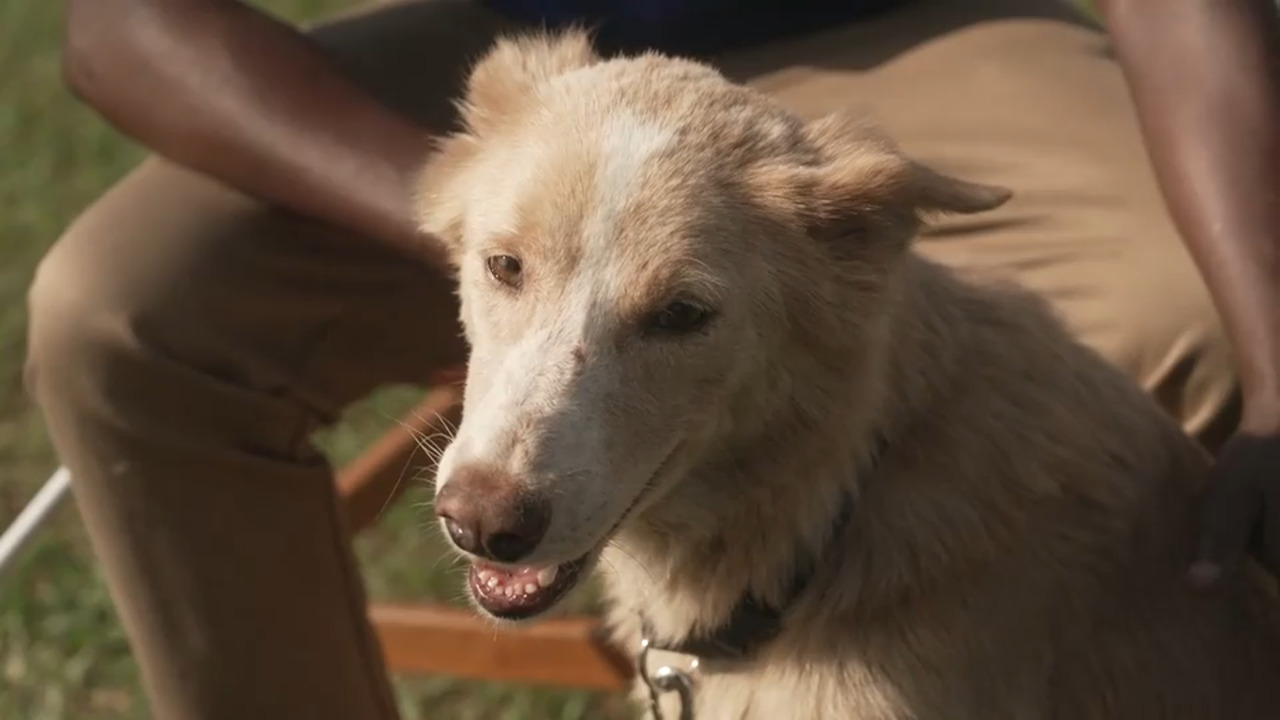
Don’t you hate it when you’re late for work, but you just can’t find your bone and lunch bag of kibble? That may be the case for a group of dogs in Gulu, Northern Uganda, who work as therapy dogs, helping people with tough upbringings navigate their trauma and adjust to a happy life. To support a population that grew up in a war (and the unsafe conditions that came with it), a charity has paired them with dogs.
What’s better? The dogs benefit, too! We’re not talking about an end-of-the-week paycheck or big office parties, but something better: overdue love and affection. All the dogs are former street dogs, so they weren’t properly cared for, and these have helped more than 120 people and dogs find healing bonds with each other.
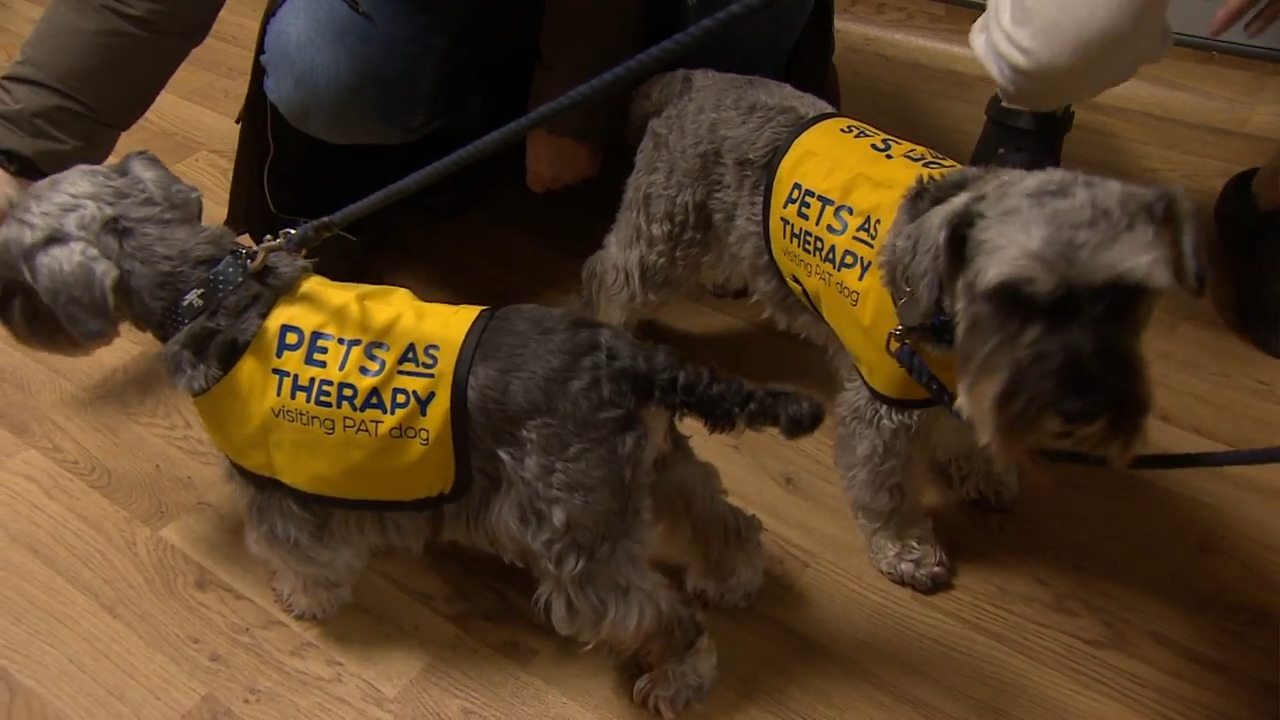
Dogs are superheroes! Well, kind of. They have a sort of superpower — an amazing ability to make people happy.
Now, they’re using that ability in hospitals to bring joy to patients, visitors, and employees who could use a smile. 11 therapy dogs make up a team that has completed over 800 hours of volunteer work at local hospitals, spreading joy to hospital staff and visitors and collecting belly scratches while they're at it. There have even been incredible reports of unconscious patients who stretch out for the dogs. Stock up on treats, because the network of hospitals hopes to add more dogs to the team soon. Thanks, Doctor! Or should we say, Dog-tor?
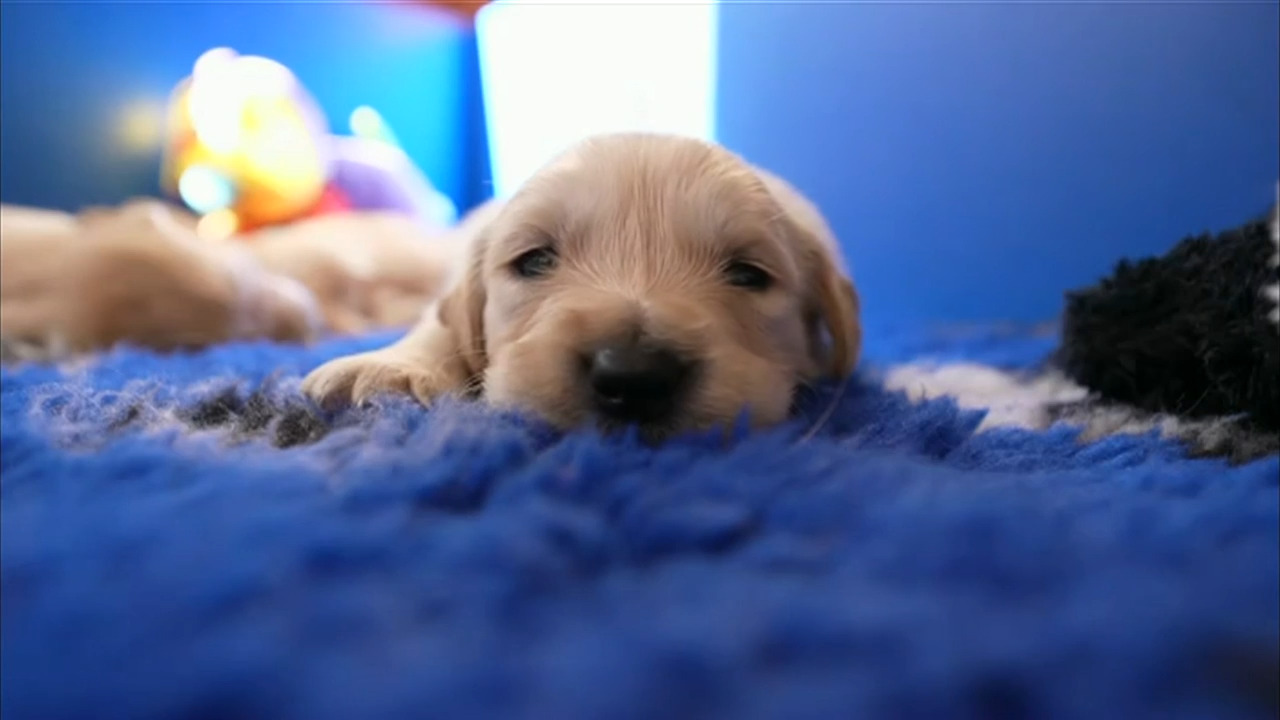
Ever wondered how guide dogs get their start? It begins with caring volunteers who give special “super-mom” dogs a loving home while they raise future guide dog puppies! These adorable pups spend their first few weeks cuddling, growing, and being cared for by volunteers — with help from veterinarians and all supplies covered. By 8 weeks old, they’re ready to begin training to become life-changing companions for people who need them.
Taking care of these dogs is fun, meaningful, and full of puppy snuggles. Would you want to be part of something this amazing?
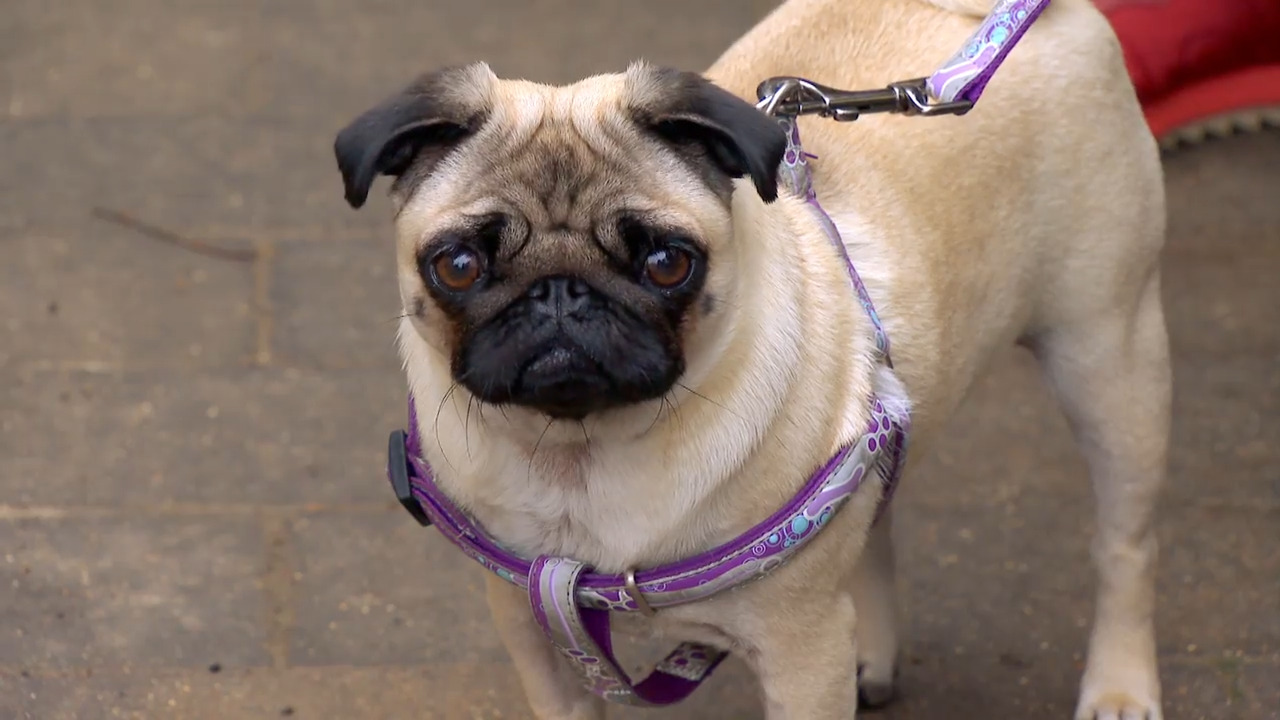
In Caring for Ginger the Pug, host Rory Crawford meets Ginger the pug. Pugs are lively little dogs with clever minds and snuggly personalities, and they come in all sorts of colors — though their noses and mouths are always black! Learn how to care for Ginger, from feeding her the right amount of food to keeping her hydrated with fresh water every day. This video is excerpted from BBC’s My Pet and Me, a children’s show that introduces kids to the rewards and responsibilities involved when having a pet.
Cats. Dogs. Potbellied pigs?! Kids LOVE pets — and we do too!
Take your students on a romp through the grasslands! From the African savanna to the Great Plains of North America grasslands are nature’s wide-open playground.
✨ Perfect for grades 3–8, here’s what you need to bring ecosystems to life:
- Iconic BBC Videos: Share the clips on this page to introduce the location, plants, animals, and climate of the grasslands. (Don't miss the giraffes and bison!) Brought to you by world-class BBC programs such as Planet Earth, The Americas With Simon Reeve, and Seven Worlds, One Planet.
- Free Printable: Use the Grasslands Brochure Template to help students pull it all together in an ecosystem report with facts they’ve learned (and a little extra research).
It’s everything you need to make ecosystems easy to teach and truly memorable for your students.
In Foods Dogs and Cats Should Avoid, host Harith Iskander discusses foods that are dangerous for pets, especially dogs and cats. For instance, chocolate contains theobromine, which is highly toxic to them, with dark chocolate being the most dangerous type. This video is excerpted from BBC’s Got Science?, a science magazine series that explores and explains science in everyday life.
In The Secrets of a Police Dog’s Training, host Ferne Corrigan meets Scooby, the amazing springer spaniel police dog with a nose that's better than any human! Scooby wears a special harness and booties to help keep him safe while working, and to show everyone that he's on the job. Ferne Corrigan gets to watch Scooby at police dog school, where he uses his sniffing skills to find a suitcase with a secret scent hidden inside. This video is excerpted from BBC’s My Pet and Me, a children’s show that introduces kids to the rewards and responsibilities involved when having a pet.
In Scooby the Police Dog Solves Mysteries One Sniff at a Time!, Rory Crawford meets Scooby, the super sniffer springer spaniel! With his boundless energy and amazing sense of smell, Scooby is always on the lookout for clues that humans can't sniff out. In this exciting video, discover how to care for this active pup, including feeding him twice a day, giving him fresh water, and making sure he gets lots of exercise and playtime. This video is excerpted from BBC’s My Pet and Me, a children’s show that introduces kids to the rewards and responsibilities involved when having a pet.
In Meet Luca the Staffy, a Deaf Dog With a Big Heart!, host Rory Crawford meets Luca, a friendly 10-year-old white Staffordshire bull terrier with a heart-shaped face who is also deaf. These terriers come in many colors and love to play. Luca’s owner uses special hand signals to communicate commands like "sit" and "paw." Discover what it takes to care for a dog like Luca, including feeding him, providing fresh water, a comfy bed, and regular coat brushing. This video is excerpted from BBC’s My Pet and Me, a children’s show that introduces kids to the rewards and responsibilities involved when having a pet.
The article "Why Dogs Eat Grass (and Sometimes Poop): Strange but True!" from BBC's Science Focus explores the curious reasons behind dogs eating grass and poop. While some theories suggest anxiety, boredom, or a need for attention, others link it to diet or instinct. Canine behavior expert Dr. Emily Blackwell sheds light on these habits and how our reactions may unintentionally encourage them.
The article "Top 10: Biggest Dog Breeds in the World" from BBC's Science Focus lists some of the largest dog breeds, discussing their sizes, temperaments, and roles. From Great Danes to Saint Bernards, these massive canines require special care but are also known for their loyalty and companionship.
Don’t you hate it when you’re late for work, but you just can’t find your bone and lunch bag of kibble? That may be the case for a group of dogs in Gulu, Northern Uganda, who work as therapy dogs, helping people with tough upbringings navigate their trauma and adjust to a happy life. To support a population that grew up in a war (and the unsafe conditions that came with it), a charity has paired them with dogs.
What’s better? The dogs benefit, too! We’re not talking about an end-of-the-week paycheck or big office parties, but something better: overdue love and affection. All the dogs are former street dogs, so they weren’t properly cared for, and these have helped more than 120 people and dogs find healing bonds with each other.
Dogs are superheroes! Well, kind of. They have a sort of superpower — an amazing ability to make people happy.
Now, they’re using that ability in hospitals to bring joy to patients, visitors, and employees who could use a smile. 11 therapy dogs make up a team that has completed over 800 hours of volunteer work at local hospitals, spreading joy to hospital staff and visitors and collecting belly scratches while they're at it. There have even been incredible reports of unconscious patients who stretch out for the dogs. Stock up on treats, because the network of hospitals hopes to add more dogs to the team soon. Thanks, Doctor! Or should we say, Dog-tor?
Ever wondered how guide dogs get their start? It begins with caring volunteers who give special “super-mom” dogs a loving home while they raise future guide dog puppies! These adorable pups spend their first few weeks cuddling, growing, and being cared for by volunteers — with help from veterinarians and all supplies covered. By 8 weeks old, they’re ready to begin training to become life-changing companions for people who need them.
Taking care of these dogs is fun, meaningful, and full of puppy snuggles. Would you want to be part of something this amazing?
In Caring for Ginger the Pug, host Rory Crawford meets Ginger the pug. Pugs are lively little dogs with clever minds and snuggly personalities, and they come in all sorts of colors — though their noses and mouths are always black! Learn how to care for Ginger, from feeding her the right amount of food to keeping her hydrated with fresh water every day. This video is excerpted from BBC’s My Pet and Me, a children’s show that introduces kids to the rewards and responsibilities involved when having a pet.