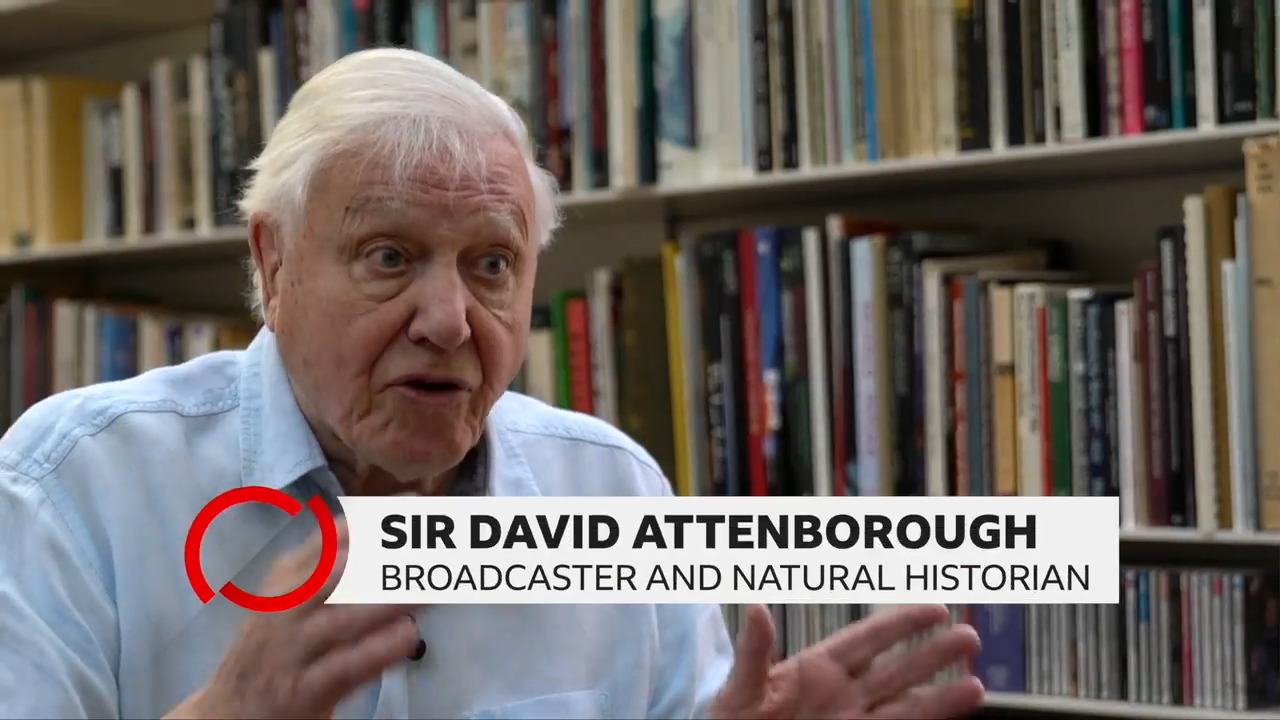
In Why Does News Keep Changing?, host Radzi Chinyanganya explores the way news stories develop and change over time. For example, the Australian bushfires became an international news story in 2019 and 2020. While the initial stories highlighted the destruction and death of people and animals, the media later looked at the impact of climate change as a cause of the fires. Disinformation also spread as the story developed. Some rumors said that the fires were started by environmentalists to bring awareness, but journalists were able to disprove these claims. As coverage expands, journalists must update their stories and correct any statements that were previously wrong. This video is excerpted from BBC’s My World, a program created for teenagers eager to learn more about the important stories shaping our world.

We live in a time where we can get up-to-the-minute updates. So how do we make sure we’re getting the most current and most accurate news? Introduce your students to the concept of developing news stories. In this lesson, they’ll explore what can cause the news to change and how to distinguish changing information from corrected information.
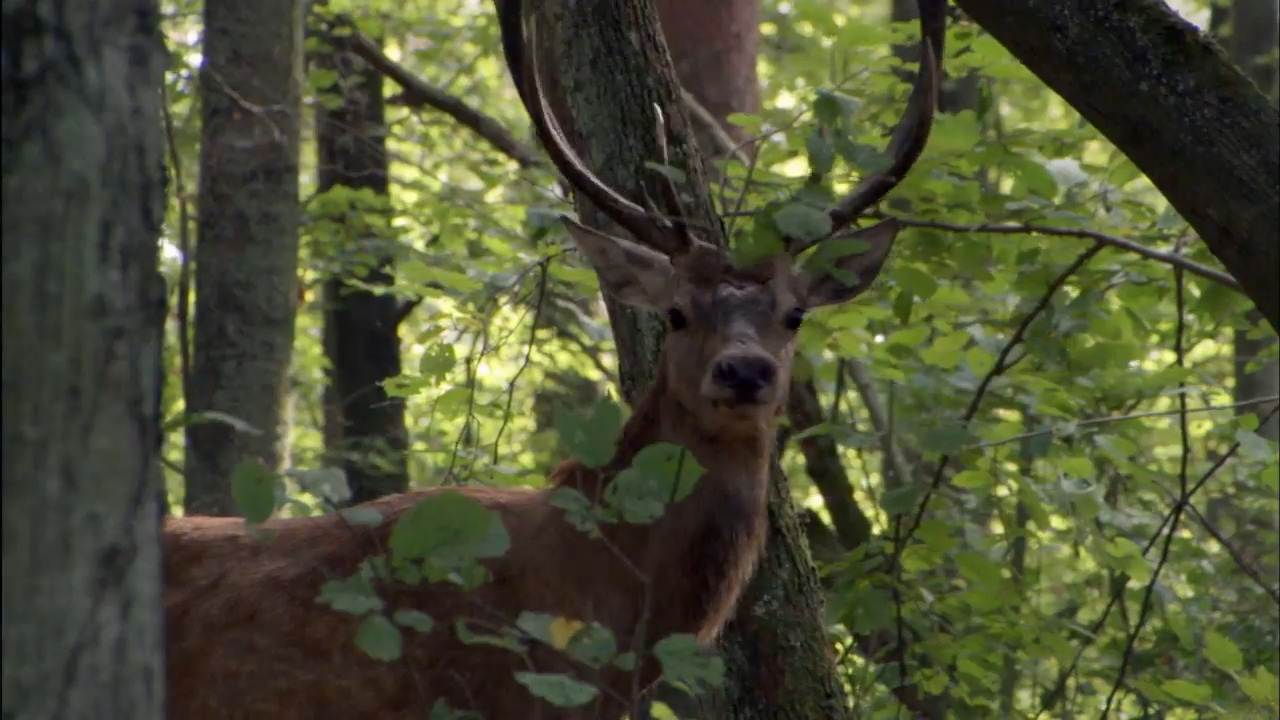
In The Onset of Autumn Means Romance and Danger, narrator Sir David Attenborough describes how animals struggle for survival in broadleaf forests in autumn. Male red deer fight one another in mating season. The rare Amur leopard hunts to feed its cub, despite sparse prey and vegetation for coverage. This video is excerpted from BBC's Planet Earth, a breathtaking documentary series that highlights the natural wonders of our planet.
They say “it’s always darkest before dawn,” but that may just have a nicer ring than “it suddenly gets really dark if you’re in the path of totality during a solar eclipse, which happens somewhere on Earth about once every 18 months.” Yup, first one definitely stitches better onto a decorative pillow.
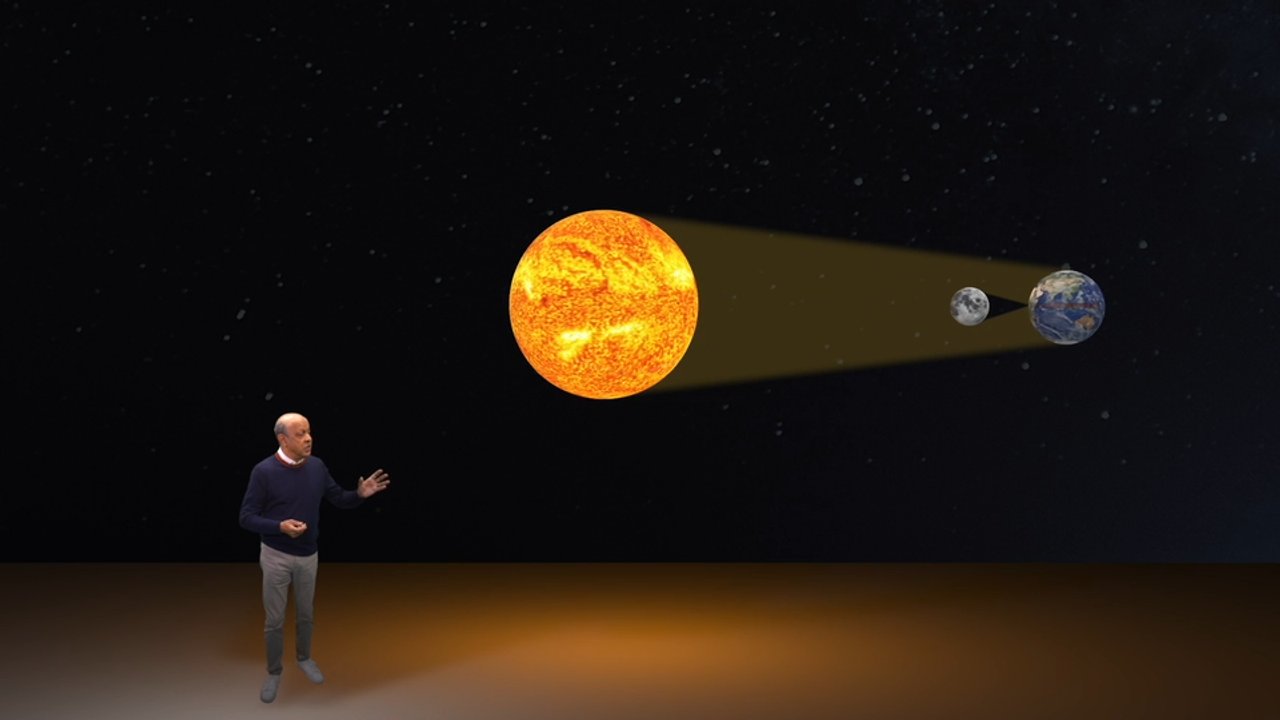
A total solar eclipse happens when the Moon completely blocks the Sun. Although a total eclipse occurs somewhere on Earth roughly every year and a half, only people inside a narrow strip called the “path of totality” get to see the Sun completely covered. This path is created as the Moon’s shadow moves across Earth while both Earth and the Moon change position.
This mid-August eclipse started off over northern Siberia at sunrise, then crossed the Arctic Ocean, Greenland, Iceland, northern Spain, and a small part of Portugal before ending near the Balearic Islands at sunset. Those outside of the path could see a partial eclipse, but a lot of the world missed out on the full experience.
Eclipses are amazing to watch, but partial eclipses can be especially dangerous! Even as much as 95% coverage of the Sun is not close enough when it comes to eye safety. If any bright part of the Sun is still visible, you should use certified eclipse glasses, since looking directly at the Sun can permanently damage your eyes.
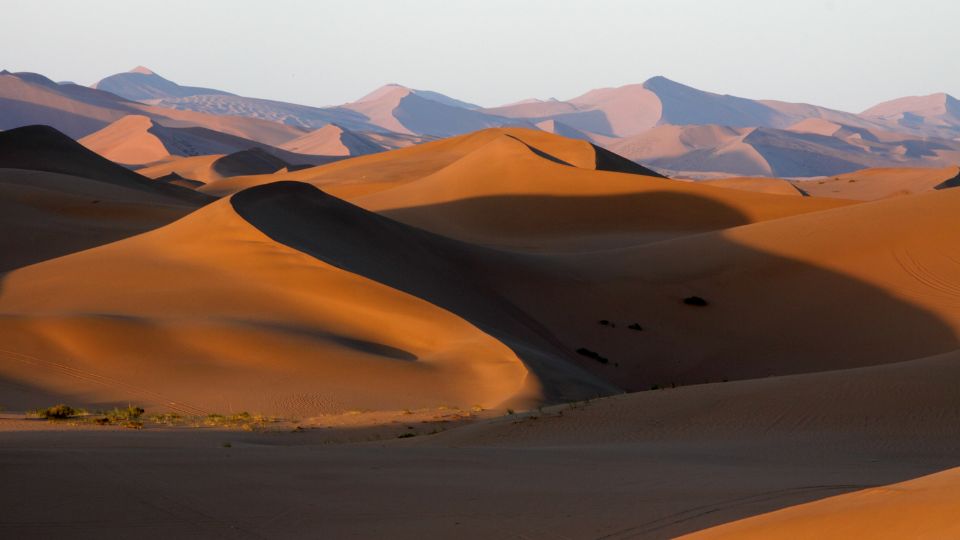
There's no place like the Gobi. First watch The Formation of The Gobi Desert, a short clip from the award-winning BBC series Planet Earth. Sir David Attenborough explains the origins of this singular place on the planet. Its lack of green coverage means it's actually visible from space!
Once your students have watched the video, invite them to check for understanding with this quick, 8-question quiz!
In Why Does News Keep Changing?, host Radzi Chinyanganya explores the way news stories develop and change over time. For example, the Australian bushfires became an international news story in 2019 and 2020. While the initial stories highlighted the destruction and death of people and animals, the media later looked at the impact of climate change as a cause of the fires. Disinformation also spread as the story developed. Some rumors said that the fires were started by environmentalists to bring awareness, but journalists were able to disprove these claims. As coverage expands, journalists must update their stories and correct any statements that were previously wrong. This video is excerpted from BBC’s My World, a program created for teenagers eager to learn more about the important stories shaping our world.
We live in a time where we can get up-to-the-minute updates. So how do we make sure we’re getting the most current and most accurate news? Introduce your students to the concept of developing news stories. In this lesson, they’ll explore what can cause the news to change and how to distinguish changing information from corrected information.
In The Onset of Autumn Means Romance and Danger, narrator Sir David Attenborough describes how animals struggle for survival in broadleaf forests in autumn. Male red deer fight one another in mating season. The rare Amur leopard hunts to feed its cub, despite sparse prey and vegetation for coverage. This video is excerpted from BBC's Planet Earth, a breathtaking documentary series that highlights the natural wonders of our planet.
They say “it’s always darkest before dawn,” but that may just have a nicer ring than “it suddenly gets really dark if you’re in the path of totality during a solar eclipse, which happens somewhere on Earth about once every 18 months.” Yup, first one definitely stitches better onto a decorative pillow.
A total solar eclipse happens when the Moon completely blocks the Sun. Although a total eclipse occurs somewhere on Earth roughly every year and a half, only people inside a narrow strip called the “path of totality” get to see the Sun completely covered. This path is created as the Moon’s shadow moves across Earth while both Earth and the Moon change position.
This mid-August eclipse started off over northern Siberia at sunrise, then crossed the Arctic Ocean, Greenland, Iceland, northern Spain, and a small part of Portugal before ending near the Balearic Islands at sunset. Those outside of the path could see a partial eclipse, but a lot of the world missed out on the full experience.
Eclipses are amazing to watch, but partial eclipses can be especially dangerous! Even as much as 95% coverage of the Sun is not close enough when it comes to eye safety. If any bright part of the Sun is still visible, you should use certified eclipse glasses, since looking directly at the Sun can permanently damage your eyes.
There's no place like the Gobi. First watch The Formation of The Gobi Desert, a short clip from the award-winning BBC series Planet Earth. Sir David Attenborough explains the origins of this singular place on the planet. Its lack of green coverage means it's actually visible from space!
Once your students have watched the video, invite them to check for understanding with this quick, 8-question quiz!