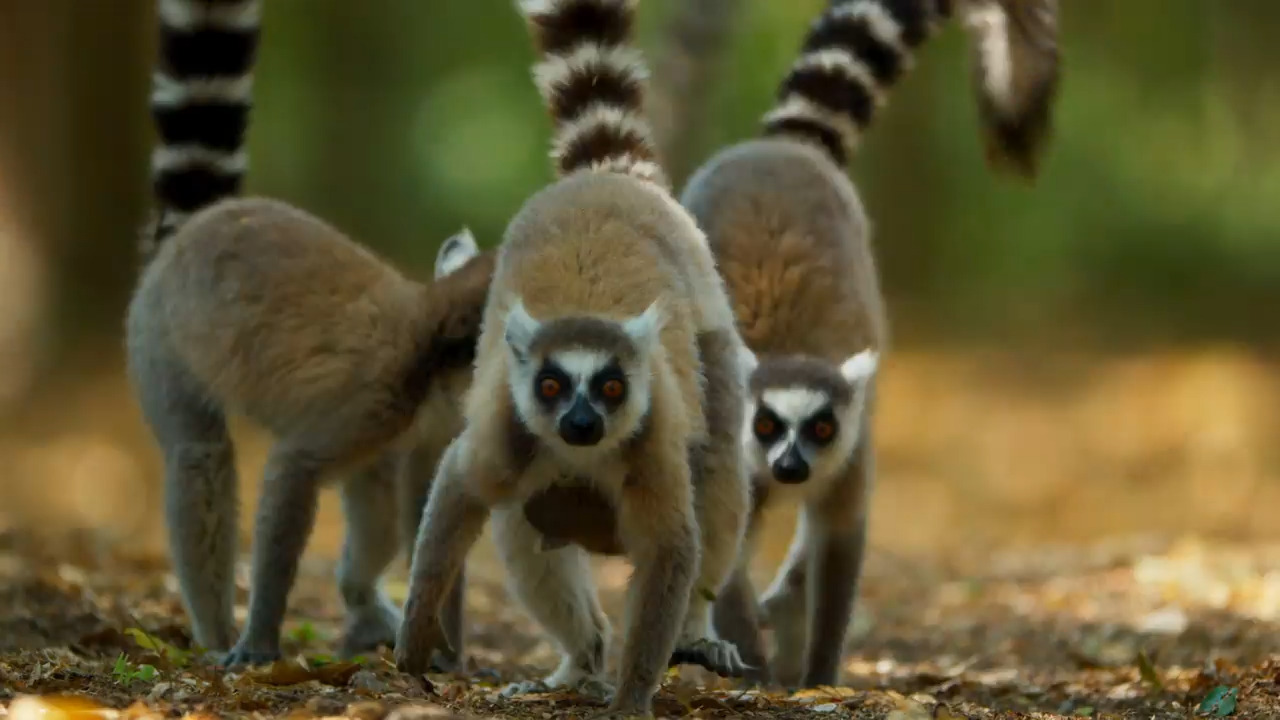
In The Rich Biodiversity of Madagascar, the narrator explains that due to its age and isolation, the island of Madagascar is home to many species that aren’t found anywhere else on Earth. Over 100 different types of lemurs have evolved from a common ancestor. The indri, ringtail, bamboo, and sifaka lemurs have each adapted to different habitats on the island. This video is excerpted from BBC’s Planet Earth II, a breathtaking documentary series that highlights the natural wonders of our planet.
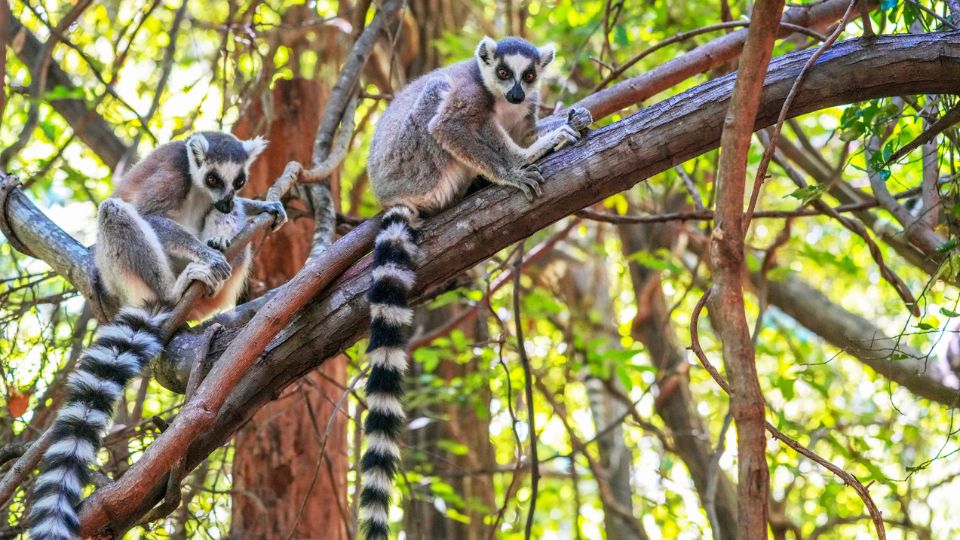
Step into a place like no other. First watch The Biodiversity of Madagascar, a short clip from the award-winning BBC series Planet Earth. Sir David Attenborough takes you into Madagascar, home to many species that aren’t found anywhere else on Earth. Meet indri, ringtail, bamboo, and sifaka lemurs, some of the over 100 different types of lemurs that have evolved from a common ancestor.
Once your students have watched the video, invite them to check for understanding with this quick, 8-question quiz!
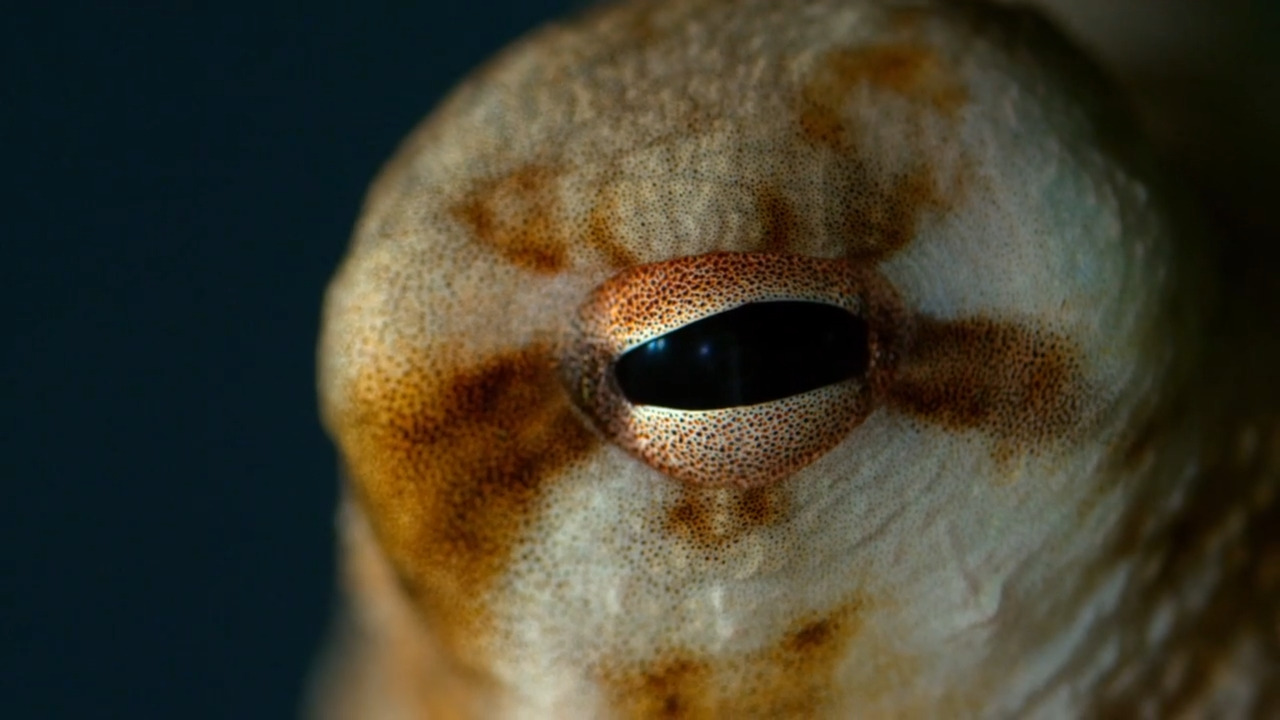
In Octopus Evolution, ecologist David Scheel describes the journey through the unique evolutionary history of octopuses, showing how these incredible creatures took a completely separate path from other life forms. In his class at Alaska Pacific University, he explains how, over half a billion years ago, octopuses and humans might have shared a common ancestor — but since then, octopuses developed their own specialized brain, heart, and eyes! This video is excerpted from BBC’s Natural World: The Octopus in My House, a remarkable series about a professor and the extraordinary relationship he develops with an octopus when he invites it to live in his home.
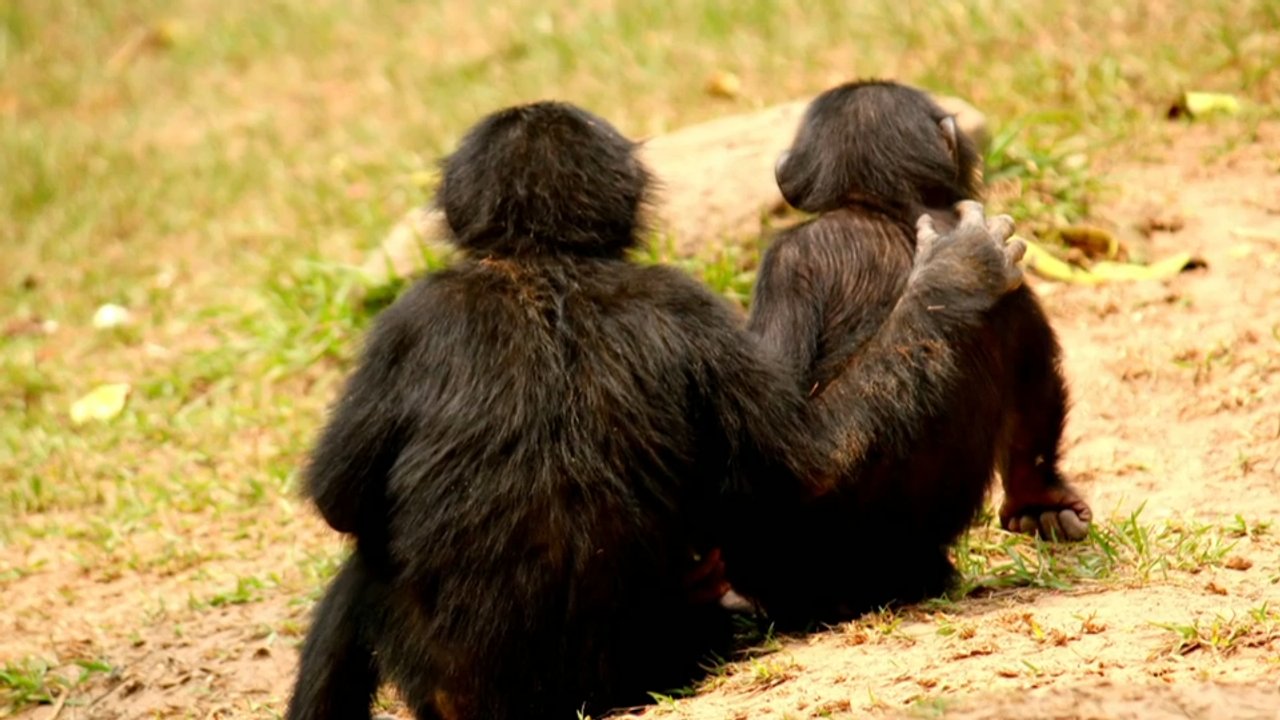
A hug can say a lot without any words. Hugging might seem like a distinctly human thing, but researchers studying chimpanzees and bonobos found that apes use touch in a similar way.
Scientists observed that apes touch each other — through hugs, pats, and strokes — before stressful situations. In this study, the stressful situation was feeding time. Food is actually one of the biggest sources of conflict among apes, since everyone wants to eat and there's not always enough to go around. Researchers found that apes who touched more before food arrived were more likely to eat peacefully together afterward — no shoving, no squabbling.
This suggests the behavior is old. Really old. Humans, chimpanzees, and bonobos share common ancestors from millions of years ago, so using touch to calm down or bond with others may go back further than we think — to long before our biggest worries were tests and deadlines. Maybe our ancestors were doing something similar before facing down a woolly mammoth.
In The Rich Biodiversity of Madagascar, the narrator explains that due to its age and isolation, the island of Madagascar is home to many species that aren’t found anywhere else on Earth. Over 100 different types of lemurs have evolved from a common ancestor. The indri, ringtail, bamboo, and sifaka lemurs have each adapted to different habitats on the island. This video is excerpted from BBC’s Planet Earth II, a breathtaking documentary series that highlights the natural wonders of our planet.
Step into a place like no other. First watch The Biodiversity of Madagascar, a short clip from the award-winning BBC series Planet Earth. Sir David Attenborough takes you into Madagascar, home to many species that aren’t found anywhere else on Earth. Meet indri, ringtail, bamboo, and sifaka lemurs, some of the over 100 different types of lemurs that have evolved from a common ancestor.
Once your students have watched the video, invite them to check for understanding with this quick, 8-question quiz!
In Octopus Evolution, ecologist David Scheel describes the journey through the unique evolutionary history of octopuses, showing how these incredible creatures took a completely separate path from other life forms. In his class at Alaska Pacific University, he explains how, over half a billion years ago, octopuses and humans might have shared a common ancestor — but since then, octopuses developed their own specialized brain, heart, and eyes! This video is excerpted from BBC’s Natural World: The Octopus in My House, a remarkable series about a professor and the extraordinary relationship he develops with an octopus when he invites it to live in his home.
A hug can say a lot without any words. Hugging might seem like a distinctly human thing, but researchers studying chimpanzees and bonobos found that apes use touch in a similar way.
Scientists observed that apes touch each other — through hugs, pats, and strokes — before stressful situations. In this study, the stressful situation was feeding time. Food is actually one of the biggest sources of conflict among apes, since everyone wants to eat and there's not always enough to go around. Researchers found that apes who touched more before food arrived were more likely to eat peacefully together afterward — no shoving, no squabbling.
This suggests the behavior is old. Really old. Humans, chimpanzees, and bonobos share common ancestors from millions of years ago, so using touch to calm down or bond with others may go back further than we think — to long before our biggest worries were tests and deadlines. Maybe our ancestors were doing something similar before facing down a woolly mammoth.