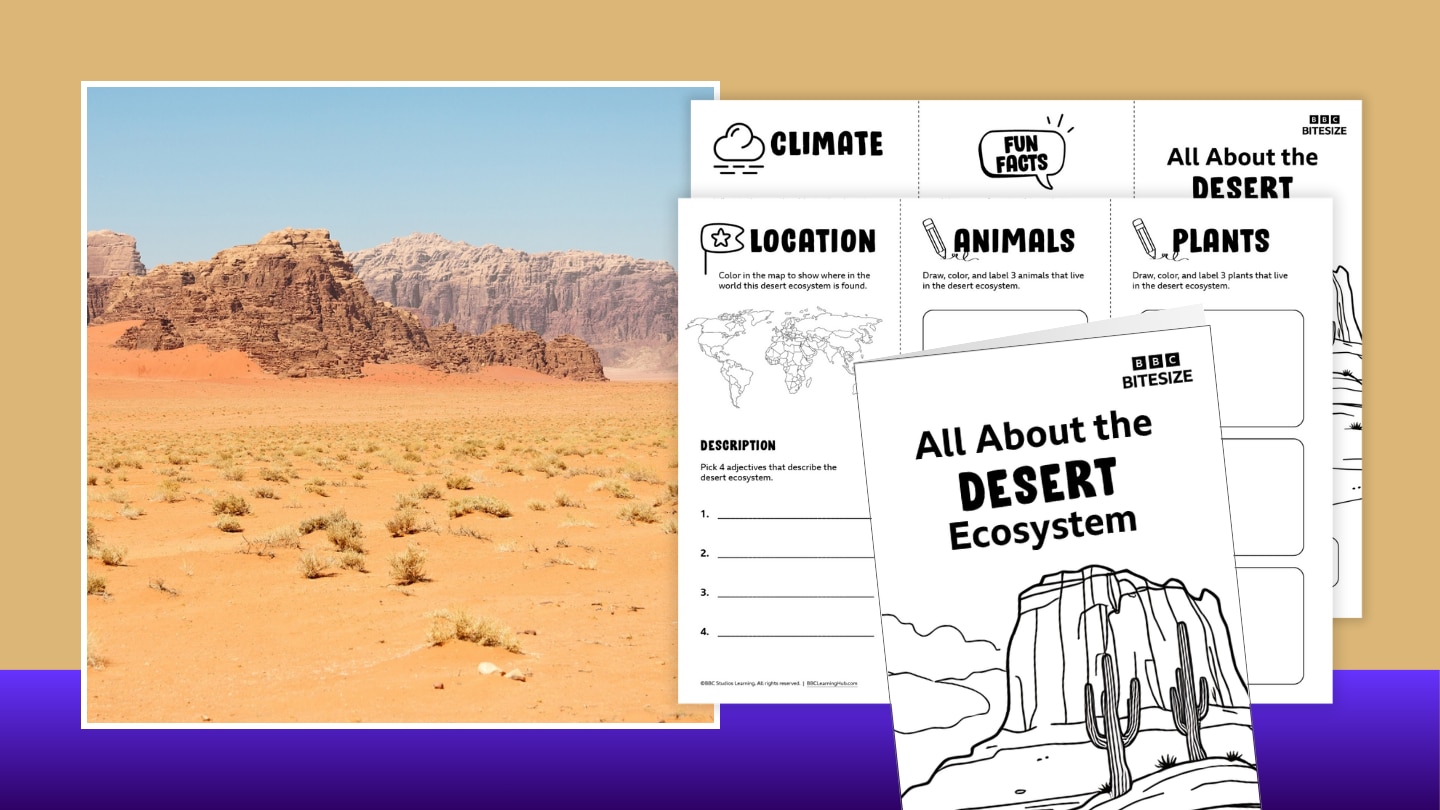
Guide your students on a journey through the desert ecosystem! From the sweeping sands of the Namib and Kalahari in southern Africa, to the dry heart of Australia’s Outback, and the rocky cold of the Gobi, deserts come in many forms.
✨ Perfect for grades 3–8, here’s what you need to bring ecosystems to life:
- Iconic BBC Videos: Share the clips on this page to introduce the location, plants, animals, and climate of the desert. (Don't miss the lions and lizards!) Brought to you by world-class BBC programs like Planet Earth, Wilderness With Simon Reeve, Africa, and Seven Worlds, One Planet.
- Free Printable: Use the Desert Brochure Template to help students pull it all together in an ecosystem report with facts they’ve learned (and a little extra research).
It’s everything you need to make ecosystems easy to teach and truly memorable for your students.

Dive into the wonders of Antarctica with this multi-grade lesson collection! Tailored for K–2, 3–5, 6–8, and 9–12, each unit includes engaging activities, thought-provoking discussions, and hands-on projects to uncover the mysteries of the frozen continent. Enhance your teaching with stunning BBC video clips showcasing Antarctic wildlife, research stations, and breathtaking icy landscapes. Printable resources like animal fact sheets, scientist journal templates, and conservation challenges bring the learning to life for your students. Perfect for science, geography, and environmental lessons!
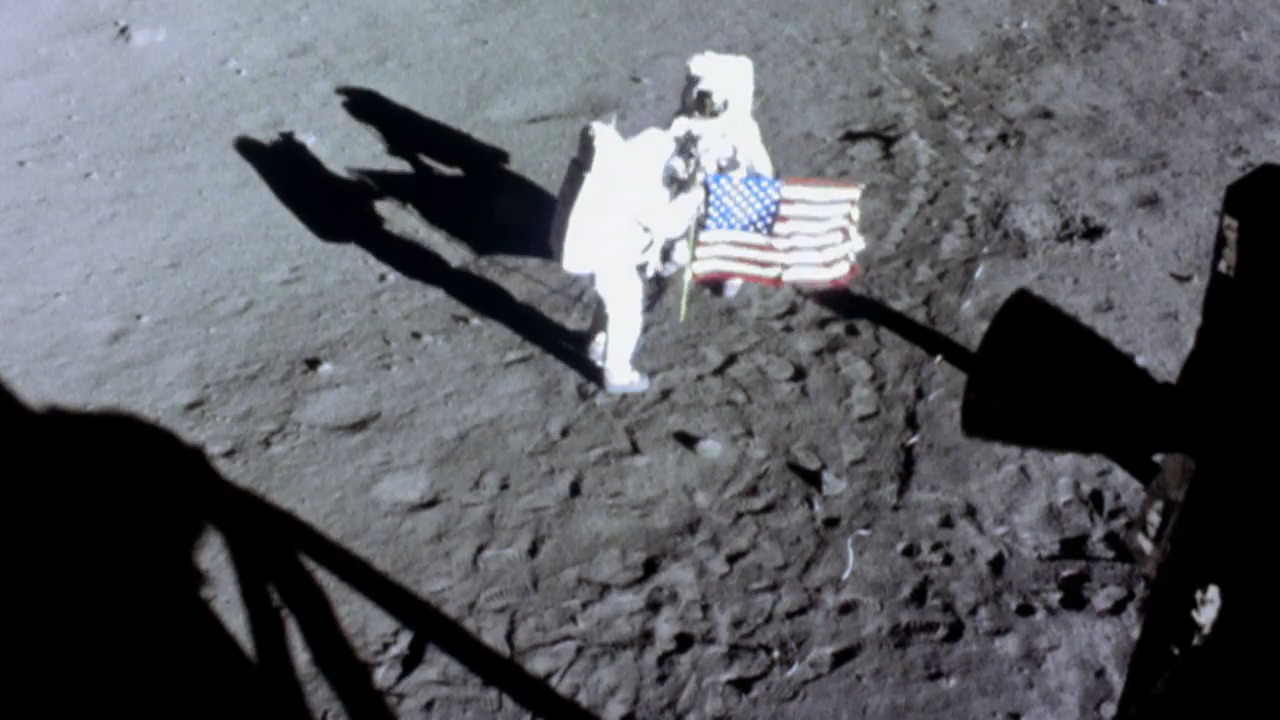
In Communism vs. Capitalism During the Cold War Years, host Andrew Marr describes the post-World War II world, in which the United States and Soviet Union were in competition, as each country sought supremacy. While the U.S. capitalized on economic prosperity, space exploration and the arms race defined the Cold War era. This video is excerpted from BBC’s Andrew Marr's History of the World, a story of human history that uses reenactments, modern footage, and storytelling to explain history’s greatest achievements.
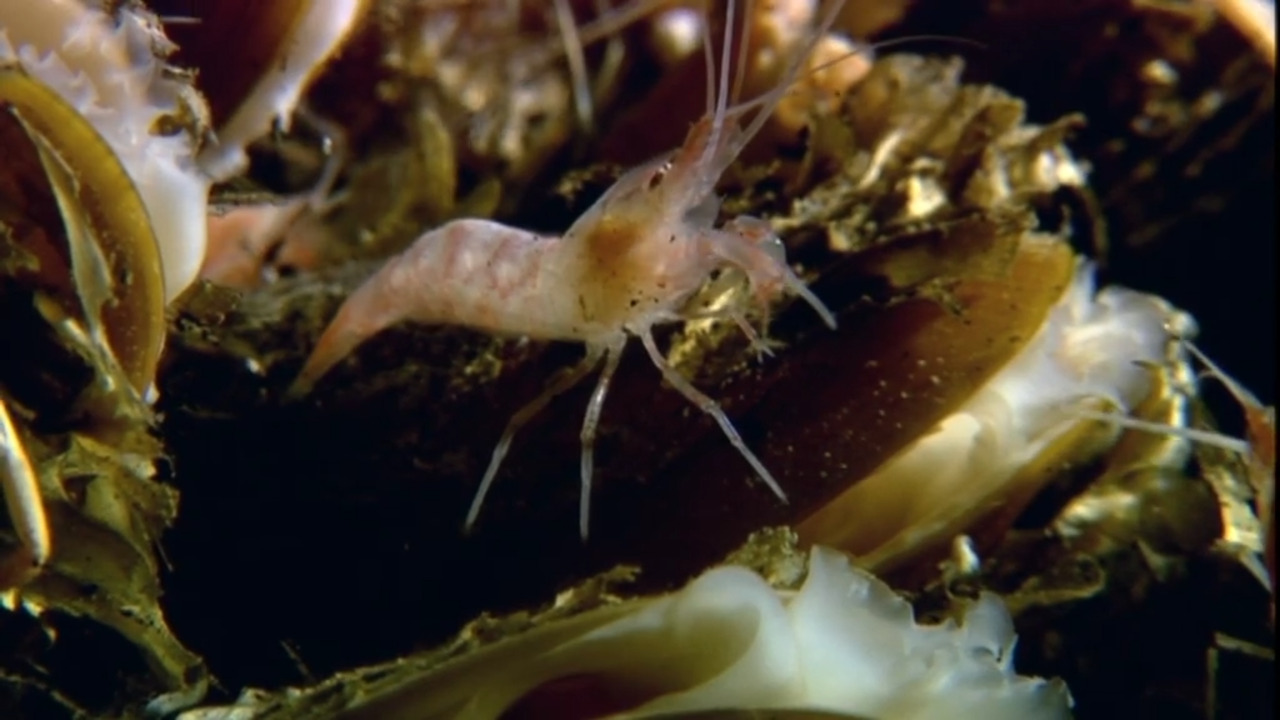
In A Surprising Discovery in the Cold Seep Ecosystem, narrator Sir David Attenborough explores the cold seep ecosystem. Learn about the ecosystems that scientists have recently discovered in the Gulf of Mexico. This video is excerpted from BBC’s Blue Planet, a definitive documentary series diving into the mysterious depths of the sea to discover the natural history of the world’s oceans and the rarely seen marine life that reside there.

In How Cold Affects Your Body’s Defenses, host Harith Iskander explains how cold temperatures can impact your body’s ability to fight off infections. When you’re cold, the blood vessels constrict, reducing blood flow to certain areas of the body. This process can weaken the immune system, making it easier for viruses, like the common cold, to take hold. This video is excerpted from BBC’s Got Science?, a science magazine series that explores and explains science in everyday life.
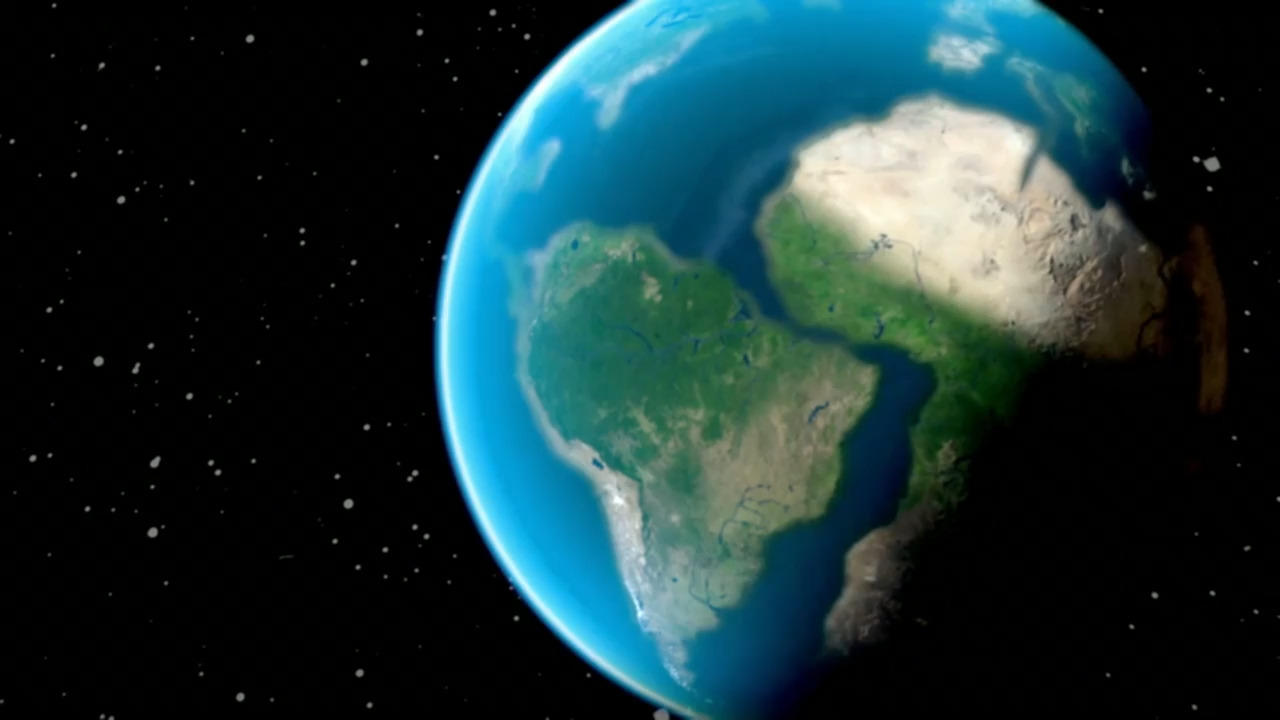
In The Theory of a Supercontinent and the Cold War Discovery That Proved It, narrator Michael Mosley shares how German meteorologist Alfred Wegener proposed a radical new theory — that all of the continents had once fit together as one supercontinent that he called Pangaea. It wasn’t until the Cold War that the oceans were mapped, and scientists discovered the interlocking plates of the seafloor that could provide evidence for Wegener’s theory. This video is excerpted from BBC's The Story of Science, in which Michael Mosley takes an informative and ambitious journey exploring how the evolution of scientific understanding is intimately interwoven with society's historical path.
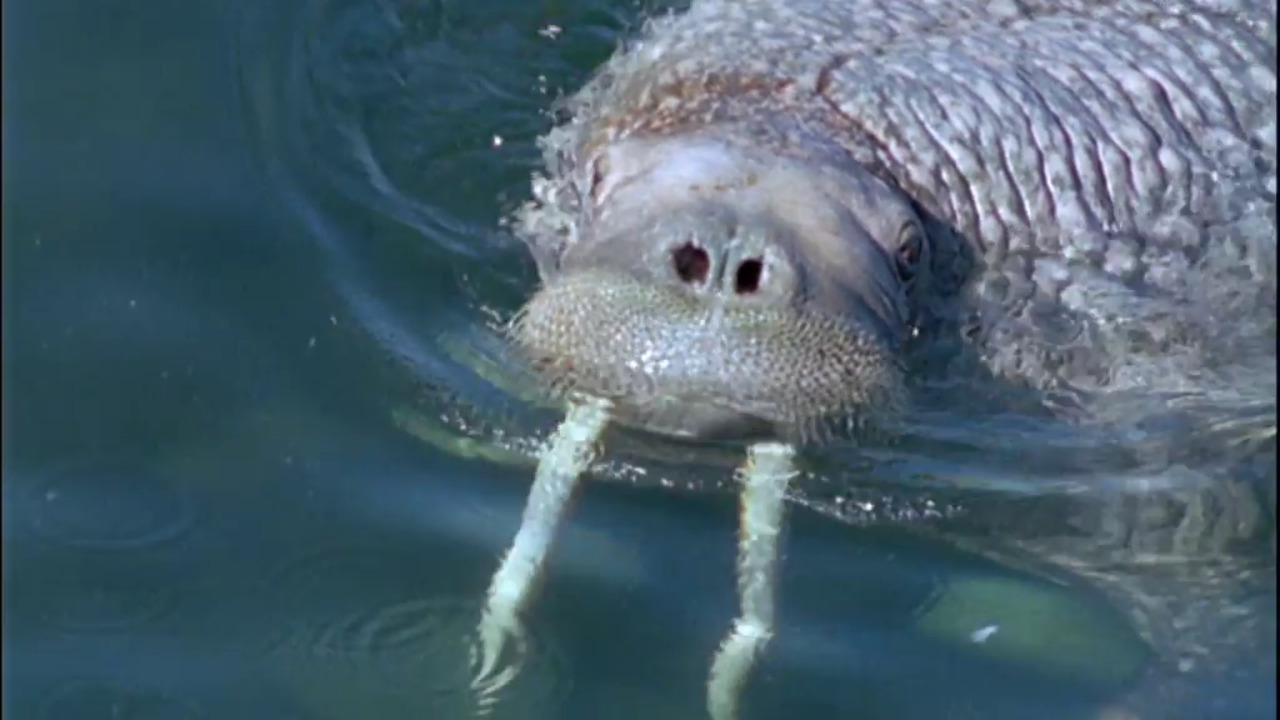
In How the Walrus Stays Warm in Cold Waters, narrator Sir David Attenborough explains how walruses conserve heat and how an annual visit to land helps them with body regulation. Learn how their color changes from sea to land. This video is excerpted from BBC’s Blue Planet, a definitive documentary series diving into the mysterious depths of the sea to discover the natural history of the world’s oceans and the rarely seen marine life that reside there.
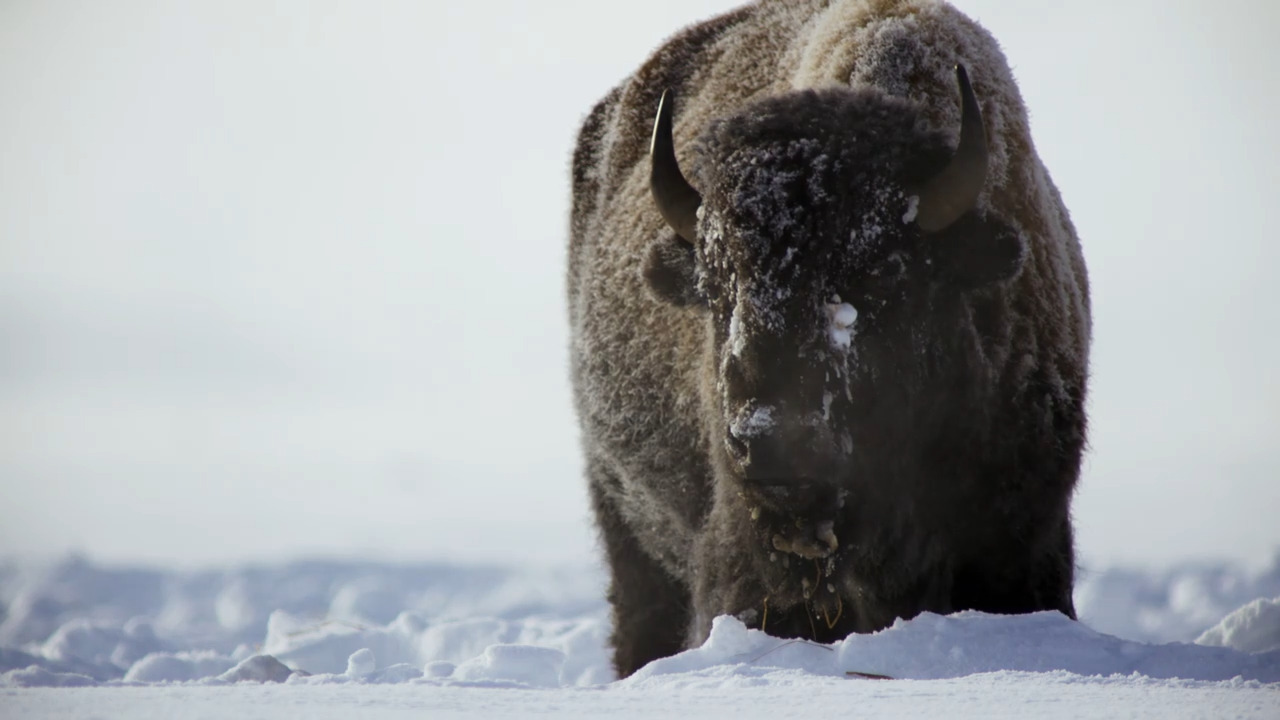
In Bison and Foxes Battle the Cold, narrator Sir David Attenborough takes us through the harsh conditions of the North American prairies, where bison use their strength to uncover food buried beneath the snow, and foxes rely on skill and precision to hunt for meals. This video is excerpted from BBC’s Planet Earth II, a breathtaking documentary series that highlights the natural wonders of our planet.

The article "Out of the Cold: The Slow Beginnings of Climate Change Science" from BBC's HistoryExtra delves into the early scientific explorations of climate change, tracing its beginnings to the 19th Century. Early pioneers, including Eunice Newton Foote, John Tyndall, and Svante Arrhenius, each contributed to the understanding of how human activities, particularly the burning of fossil fuels, could alter Earth's temperature. However, these early insights were often overlooked or misunderstood, and it wasn’t until the mid-20th Century that the idea of human-induced climate change began to gain traction.

The article "Hibernation: How Animals Sleep Through the Heat and Cold" from BBC's Discover Wildlife explores the fascinating survival strategies animals use during extreme weather. It explains the difference between hibernation, aestivation, torpor, and denning.
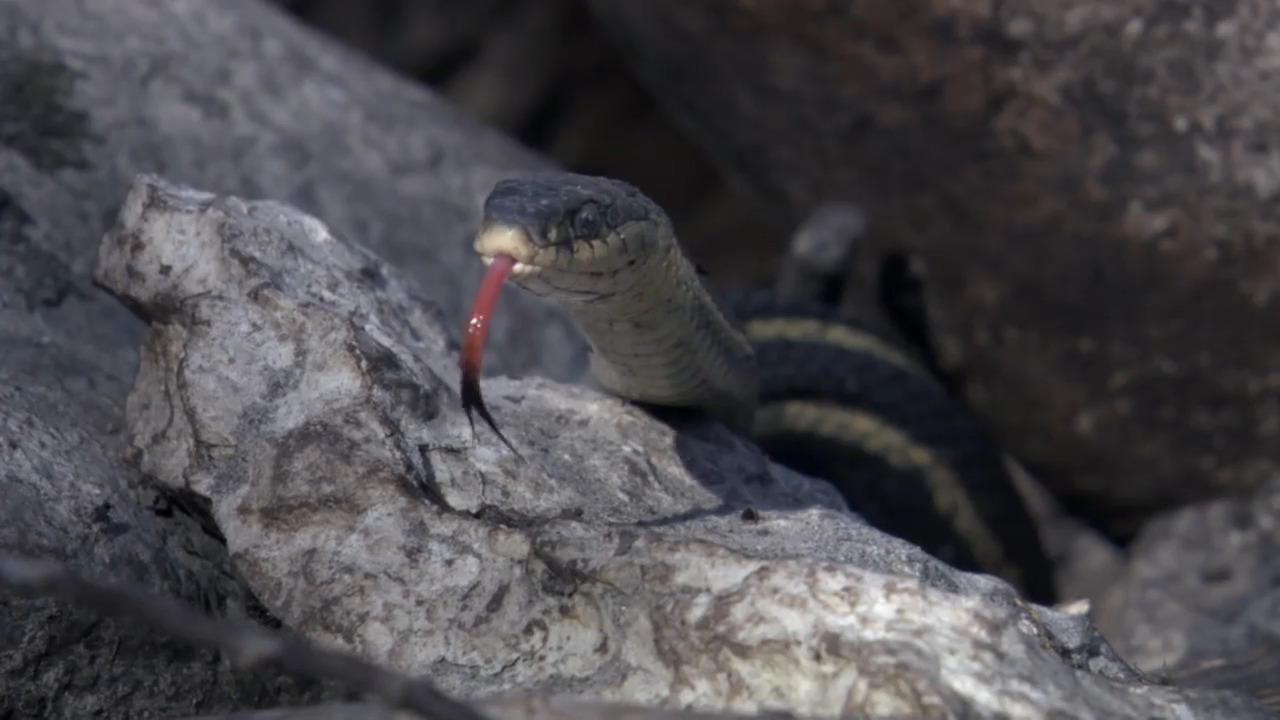
In How Snakes Keep Warm in the Cold, narrator Sir David Attenborough describes how red-sided garter snakes survive -40°F (40°C) temperatures during winter as they hibernate underground. Watch as 10,000 males slowly wake up and pile on top of each other for warmth. The race is on for the males to find a mate, but one sneaky snake has a trick up his scales — he pretends to be a female to get warmed up by the others! This video is excerpted from BBC’s Life, a show that explores the remarkable strategies animals and plants use to ensure their survival.
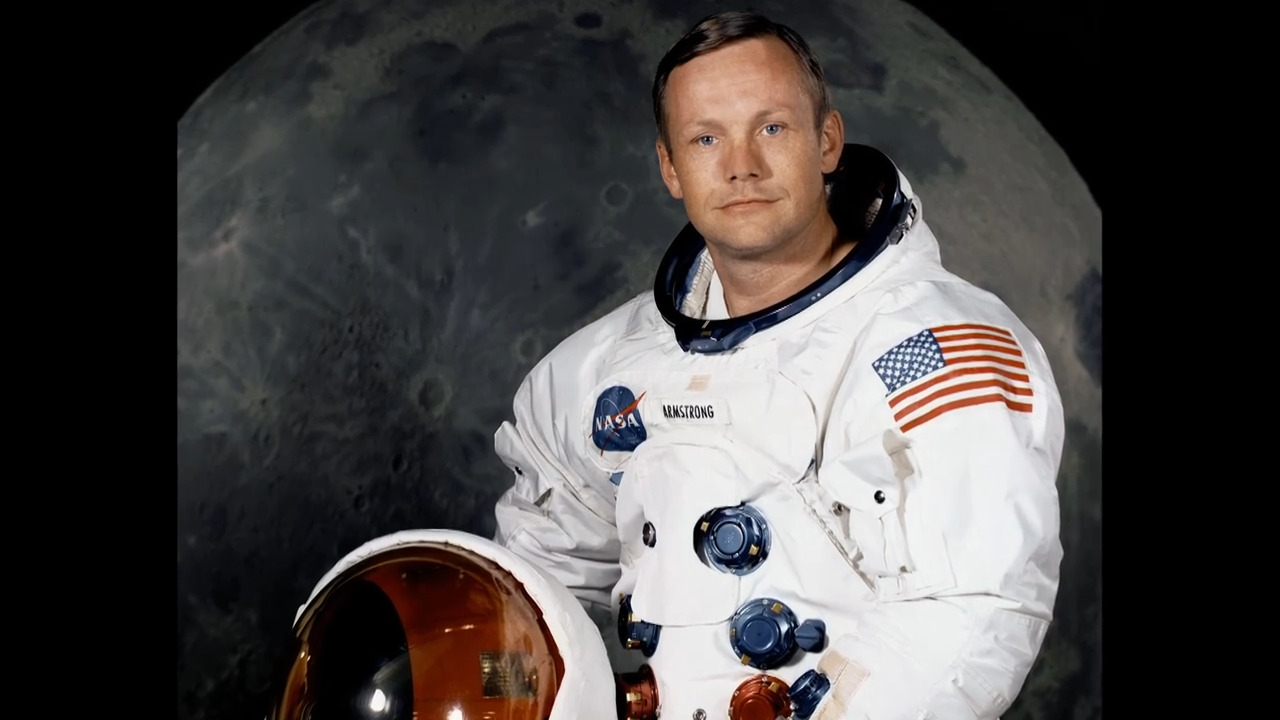
In Neil Armstrong's Giant Leap, host Dermot O'Leary explores the incredible journey to the Moon made by Neil Armstrong. Against the backdrop of the Cold War and an arms race that propelled space exploration, Armstrong's historic lunar landing reshaped humanity's perspective of our place in the Universe. This video is excerpted from BBC’s Icons: The Greatest Person of the 20th Century, a documentary series celebrating the achievements of the most influential figures of the era.
Guide your students on a journey through the desert ecosystem! From the sweeping sands of the Namib and Kalahari in southern Africa, to the dry heart of Australia’s Outback, and the rocky cold of the Gobi, deserts come in many forms.
✨ Perfect for grades 3–8, here’s what you need to bring ecosystems to life:
- Iconic BBC Videos: Share the clips on this page to introduce the location, plants, animals, and climate of the desert. (Don't miss the lions and lizards!) Brought to you by world-class BBC programs like Planet Earth, Wilderness With Simon Reeve, Africa, and Seven Worlds, One Planet.
- Free Printable: Use the Desert Brochure Template to help students pull it all together in an ecosystem report with facts they’ve learned (and a little extra research).
It’s everything you need to make ecosystems easy to teach and truly memorable for your students.
Dive into the wonders of Antarctica with this multi-grade lesson collection! Tailored for K–2, 3–5, 6–8, and 9–12, each unit includes engaging activities, thought-provoking discussions, and hands-on projects to uncover the mysteries of the frozen continent. Enhance your teaching with stunning BBC video clips showcasing Antarctic wildlife, research stations, and breathtaking icy landscapes. Printable resources like animal fact sheets, scientist journal templates, and conservation challenges bring the learning to life for your students. Perfect for science, geography, and environmental lessons!
In Communism vs. Capitalism During the Cold War Years, host Andrew Marr describes the post-World War II world, in which the United States and Soviet Union were in competition, as each country sought supremacy. While the U.S. capitalized on economic prosperity, space exploration and the arms race defined the Cold War era. This video is excerpted from BBC’s Andrew Marr's History of the World, a story of human history that uses reenactments, modern footage, and storytelling to explain history’s greatest achievements.
In A Surprising Discovery in the Cold Seep Ecosystem, narrator Sir David Attenborough explores the cold seep ecosystem. Learn about the ecosystems that scientists have recently discovered in the Gulf of Mexico. This video is excerpted from BBC’s Blue Planet, a definitive documentary series diving into the mysterious depths of the sea to discover the natural history of the world’s oceans and the rarely seen marine life that reside there.
In How Cold Affects Your Body’s Defenses, host Harith Iskander explains how cold temperatures can impact your body’s ability to fight off infections. When you’re cold, the blood vessels constrict, reducing blood flow to certain areas of the body. This process can weaken the immune system, making it easier for viruses, like the common cold, to take hold. This video is excerpted from BBC’s Got Science?, a science magazine series that explores and explains science in everyday life.
In The Theory of a Supercontinent and the Cold War Discovery That Proved It, narrator Michael Mosley shares how German meteorologist Alfred Wegener proposed a radical new theory — that all of the continents had once fit together as one supercontinent that he called Pangaea. It wasn’t until the Cold War that the oceans were mapped, and scientists discovered the interlocking plates of the seafloor that could provide evidence for Wegener’s theory. This video is excerpted from BBC's The Story of Science, in which Michael Mosley takes an informative and ambitious journey exploring how the evolution of scientific understanding is intimately interwoven with society's historical path.
In How the Walrus Stays Warm in Cold Waters, narrator Sir David Attenborough explains how walruses conserve heat and how an annual visit to land helps them with body regulation. Learn how their color changes from sea to land. This video is excerpted from BBC’s Blue Planet, a definitive documentary series diving into the mysterious depths of the sea to discover the natural history of the world’s oceans and the rarely seen marine life that reside there.
In Bison and Foxes Battle the Cold, narrator Sir David Attenborough takes us through the harsh conditions of the North American prairies, where bison use their strength to uncover food buried beneath the snow, and foxes rely on skill and precision to hunt for meals. This video is excerpted from BBC’s Planet Earth II, a breathtaking documentary series that highlights the natural wonders of our planet.
The article "Out of the Cold: The Slow Beginnings of Climate Change Science" from BBC's HistoryExtra delves into the early scientific explorations of climate change, tracing its beginnings to the 19th Century. Early pioneers, including Eunice Newton Foote, John Tyndall, and Svante Arrhenius, each contributed to the understanding of how human activities, particularly the burning of fossil fuels, could alter Earth's temperature. However, these early insights were often overlooked or misunderstood, and it wasn’t until the mid-20th Century that the idea of human-induced climate change began to gain traction.
The article "Hibernation: How Animals Sleep Through the Heat and Cold" from BBC's Discover Wildlife explores the fascinating survival strategies animals use during extreme weather. It explains the difference between hibernation, aestivation, torpor, and denning.
In How Snakes Keep Warm in the Cold, narrator Sir David Attenborough describes how red-sided garter snakes survive -40°F (40°C) temperatures during winter as they hibernate underground. Watch as 10,000 males slowly wake up and pile on top of each other for warmth. The race is on for the males to find a mate, but one sneaky snake has a trick up his scales — he pretends to be a female to get warmed up by the others! This video is excerpted from BBC’s Life, a show that explores the remarkable strategies animals and plants use to ensure their survival.
In Neil Armstrong's Giant Leap, host Dermot O'Leary explores the incredible journey to the Moon made by Neil Armstrong. Against the backdrop of the Cold War and an arms race that propelled space exploration, Armstrong's historic lunar landing reshaped humanity's perspective of our place in the Universe. This video is excerpted from BBC’s Icons: The Greatest Person of the 20th Century, a documentary series celebrating the achievements of the most influential figures of the era.