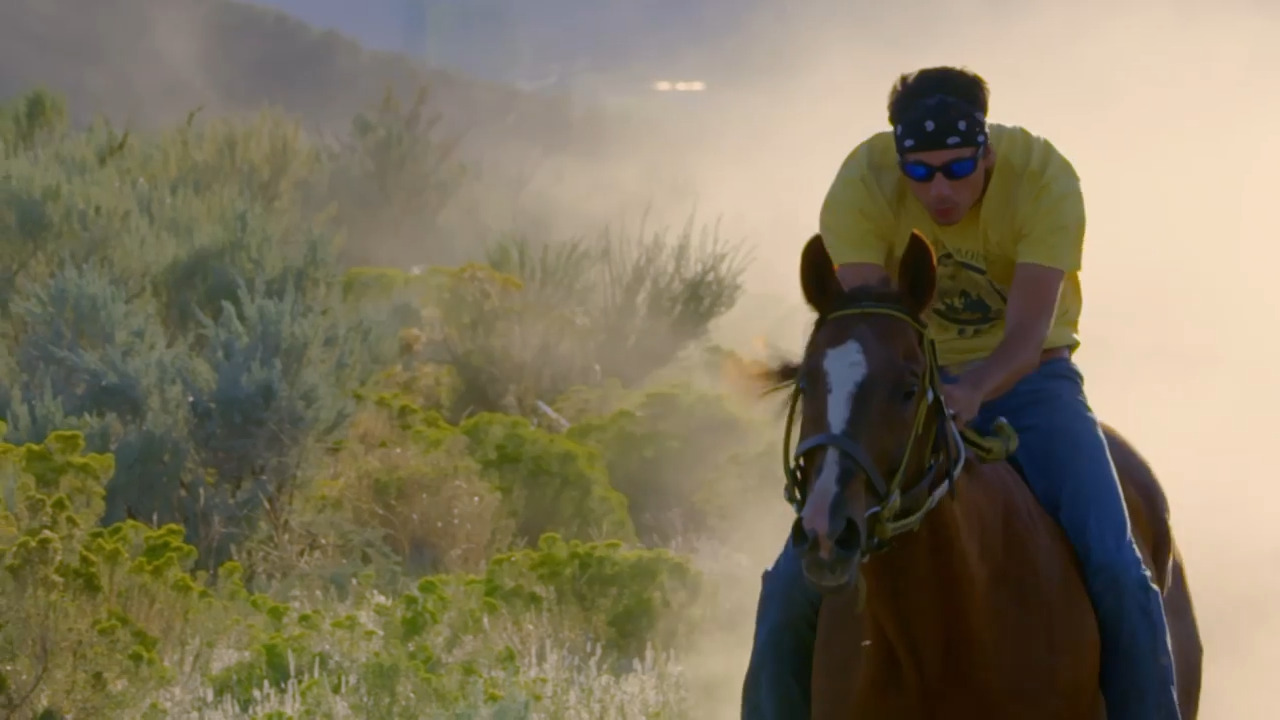
In Inside the Indian Relay Race, learn about the thrilling tradition of the Indian Relay, a horse race held in the Rockies. Oliver, a trainer, shares how he and his family prepare for the race, training for months to master the tricky skill of jumping from one horse to another — bareback! The relay is filled with excitement, as riders complete three laps while switching horses after each round. With skill, preparation, and a bit of tradition, Oliver and his family bring pride to their tribe as they race to victory! This video is excerpted from BBC’s Mountains: Life Above the Clouds, which showcases wildlife thriving in the world's highest mountains.
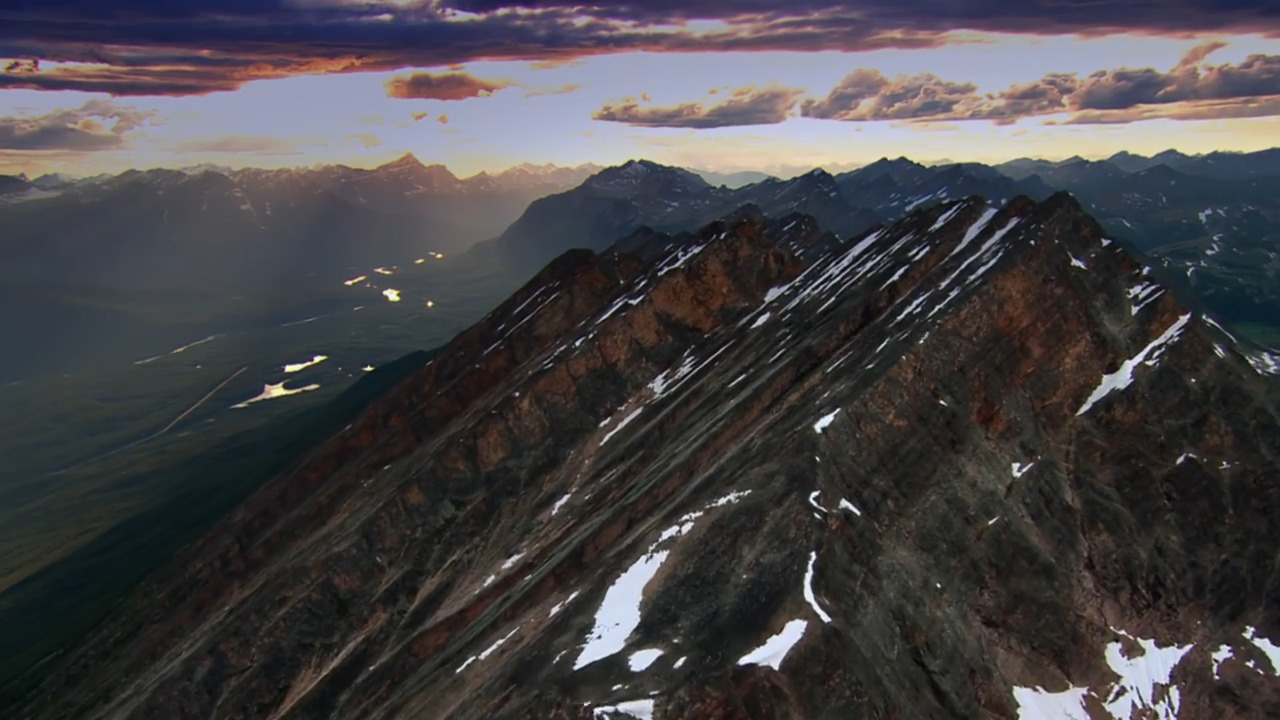
In The Rocky Mountains of North America, narrator Douglas Henshall highlights the dynamic landscape of the Rockies. From the American Southwest to the Yukon, this extreme environment offers freedom, but also requires its inhabitants to have exceptional survival skills. This video is excerpted from BBC’s Mountains: Life Above the Clouds, which showcases wildlife thriving in the world's highest mountains.
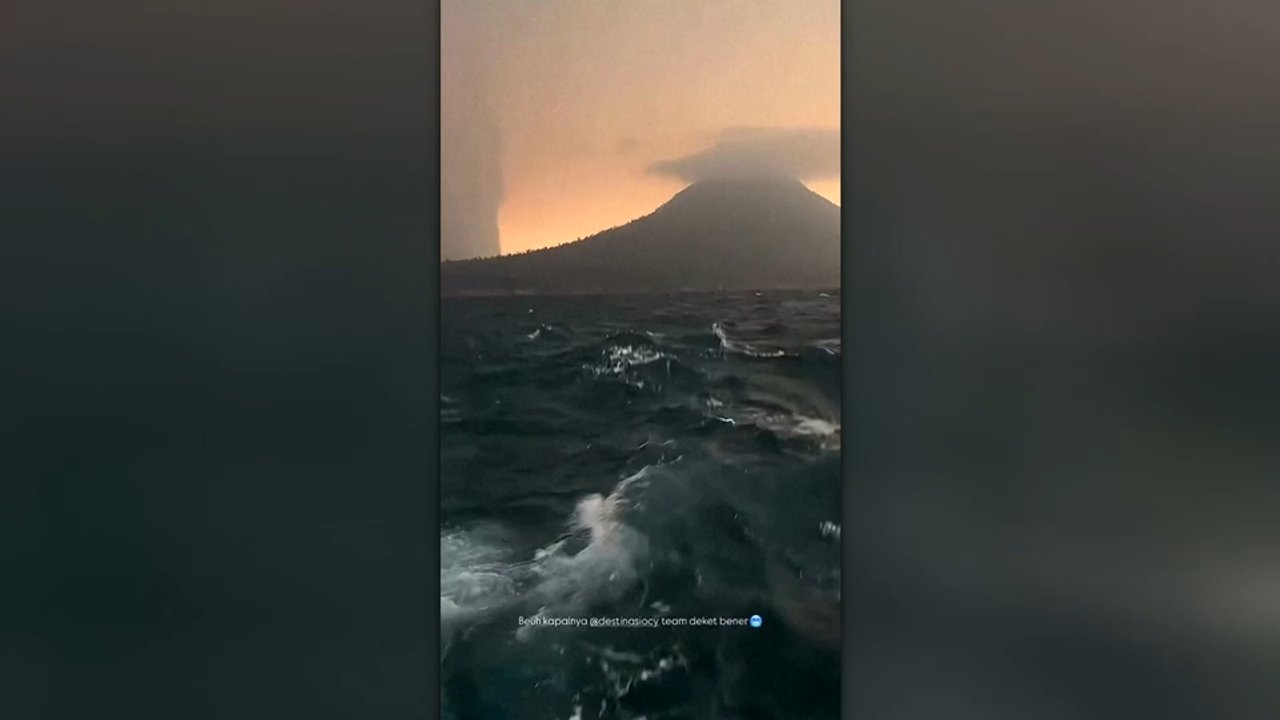
Late on Friday, Sept. 4, Indonesia's Anak Krakatau volcano began erupting, and it didn't stop for about 25 hours. It sent lava and volcanic ash up to 50,000 feet into the sky, which is almost 10 miles.
The ash drifted toward Jakarta, Indonesia's capital, and thickened the air so much that airports had to shut down. Nearly 3,000 flights were canceled or delayed, and hundreds of thousands of passengers were left stranded.
The ash affected people on the ground too. Residents found volcanic dust settling on homes and balconies. Health officials advised people to stay indoors and wear masks to protect their lungs, eyes, and skin.
Officials planned to use cloud seeding to clear the air. Cloud seeding is a way of changing the weather that helps clouds produce rain, which can wash ash out of the sky. In the end, a shift in the wind blew the ash away, and the air became clear enough for the airports to reopen.
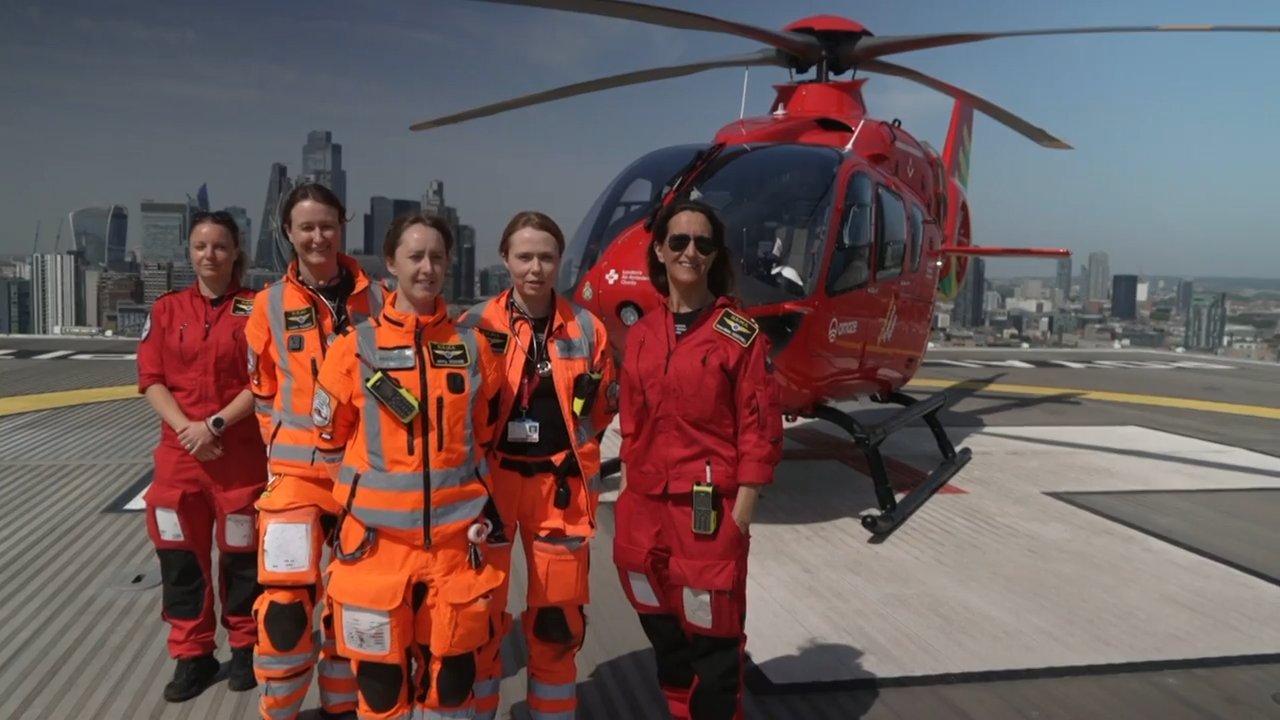
Move over, Superman. There are new heroes flying through the sky! The women of London’s Air Ambulance fly helicopters staffed with medical crews that take to the skies to save lives and inspire people everywhere. Not only do these teams provide critical care to people in need, but they also shape future generations by demonstrating what’s possible for women. But, it’s not specific to inspiring kids. A current pilot actually came from a full career as an accountant before moving from The Cloud to the clouds.
As impressive as it already is, the company is always striving to improve. They’ve recently gotten a team together to operate an ECMO, a life-support system for patients with severe, life-threatening heart or lung failure. Everyone works as a team to make sure patients get transported quickly and safely. The pilots not only fly the choppers but are instrumental in helping the medical team get set up for success and allowing them to focus on the patients.
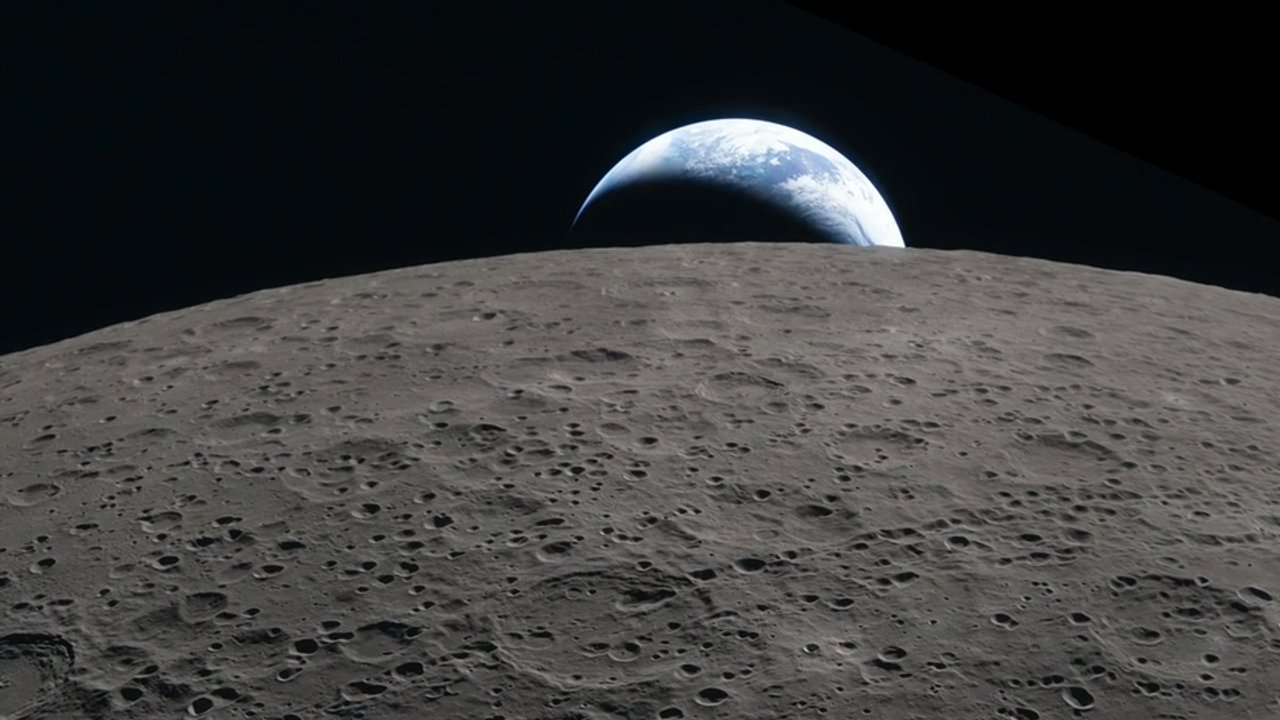
After a historic 10-day mission around the Moon — the first time humans have traveled so far into space since the 70s — the Artemis II crew came away with crucial knowledge: appreciate doors on bathrooms.
Commander Reid Wiseman dished on some other reflections about the trip. For example, the crew didn’t even realize what a big deal this was to people on Earth and didn’t hear much of the news until they talked to their families a few days into the mission. We suppose that’s what happens when you literally have your head in the clouds.
Not only was the journey unforgettable for science, but it was also personally significant for the crew members. One of the most powerful moments came when astronaut Jeremy Hansen named a lunar crater after Wiseman’s late wife, Carroll, a pivotal moment that solidified the crew’s bond.
But that bond wasn’t just to make things more fun — getting along in space is actually a matter of safety, and life inside a spacecraft requires serious teamwork. Think about sharing a room with a stinky sibling or living with a roommate who keeps eating your snacks. Now imagine that, in a room one-fifth the size and no way to escape! The astronauts lived, slept, and worked in extremely close quarters, so it was important to deal with disagreements immediately instead of letting tension build.
As exciting as it was to orbit the Moon, the return to Earth may have been just as intense. The crew re-entered the atmosphere at about 39 times the speed of sound. That’s about 30,000 miles per hour. They experienced forces of about four times normal gravity — about what you feel during the most intense parts of a roller coaster, but the astronauts felt this way for about 13 minutes. Nonstop! And that’s all before parachuting into the Pacific Ocean. All that probably makes it just a little more exhilarating than your bus ride to school.
In Inside the Indian Relay Race, learn about the thrilling tradition of the Indian Relay, a horse race held in the Rockies. Oliver, a trainer, shares how he and his family prepare for the race, training for months to master the tricky skill of jumping from one horse to another — bareback! The relay is filled with excitement, as riders complete three laps while switching horses after each round. With skill, preparation, and a bit of tradition, Oliver and his family bring pride to their tribe as they race to victory! This video is excerpted from BBC’s Mountains: Life Above the Clouds, which showcases wildlife thriving in the world's highest mountains.
In The Rocky Mountains of North America, narrator Douglas Henshall highlights the dynamic landscape of the Rockies. From the American Southwest to the Yukon, this extreme environment offers freedom, but also requires its inhabitants to have exceptional survival skills. This video is excerpted from BBC’s Mountains: Life Above the Clouds, which showcases wildlife thriving in the world's highest mountains.
Late on Friday, Sept. 4, Indonesia's Anak Krakatau volcano began erupting, and it didn't stop for about 25 hours. It sent lava and volcanic ash up to 50,000 feet into the sky, which is almost 10 miles.
The ash drifted toward Jakarta, Indonesia's capital, and thickened the air so much that airports had to shut down. Nearly 3,000 flights were canceled or delayed, and hundreds of thousands of passengers were left stranded.
The ash affected people on the ground too. Residents found volcanic dust settling on homes and balconies. Health officials advised people to stay indoors and wear masks to protect their lungs, eyes, and skin.
Officials planned to use cloud seeding to clear the air. Cloud seeding is a way of changing the weather that helps clouds produce rain, which can wash ash out of the sky. In the end, a shift in the wind blew the ash away, and the air became clear enough for the airports to reopen.
Move over, Superman. There are new heroes flying through the sky! The women of London’s Air Ambulance fly helicopters staffed with medical crews that take to the skies to save lives and inspire people everywhere. Not only do these teams provide critical care to people in need, but they also shape future generations by demonstrating what’s possible for women. But, it’s not specific to inspiring kids. A current pilot actually came from a full career as an accountant before moving from The Cloud to the clouds.
As impressive as it already is, the company is always striving to improve. They’ve recently gotten a team together to operate an ECMO, a life-support system for patients with severe, life-threatening heart or lung failure. Everyone works as a team to make sure patients get transported quickly and safely. The pilots not only fly the choppers but are instrumental in helping the medical team get set up for success and allowing them to focus on the patients.
After a historic 10-day mission around the Moon — the first time humans have traveled so far into space since the 70s — the Artemis II crew came away with crucial knowledge: appreciate doors on bathrooms.
Commander Reid Wiseman dished on some other reflections about the trip. For example, the crew didn’t even realize what a big deal this was to people on Earth and didn’t hear much of the news until they talked to their families a few days into the mission. We suppose that’s what happens when you literally have your head in the clouds.
Not only was the journey unforgettable for science, but it was also personally significant for the crew members. One of the most powerful moments came when astronaut Jeremy Hansen named a lunar crater after Wiseman’s late wife, Carroll, a pivotal moment that solidified the crew’s bond.
But that bond wasn’t just to make things more fun — getting along in space is actually a matter of safety, and life inside a spacecraft requires serious teamwork. Think about sharing a room with a stinky sibling or living with a roommate who keeps eating your snacks. Now imagine that, in a room one-fifth the size and no way to escape! The astronauts lived, slept, and worked in extremely close quarters, so it was important to deal with disagreements immediately instead of letting tension build.
As exciting as it was to orbit the Moon, the return to Earth may have been just as intense. The crew re-entered the atmosphere at about 39 times the speed of sound. That’s about 30,000 miles per hour. They experienced forces of about four times normal gravity — about what you feel during the most intense parts of a roller coaster, but the astronauts felt this way for about 13 minutes. Nonstop! And that’s all before parachuting into the Pacific Ocean. All that probably makes it just a little more exhilarating than your bus ride to school.