
Explore the impact of human activity on our oceans with this comprehensive lesson collection. Featuring curated BBC video clips and printable activities, these resources dive into topics like pollution, overfishing, and ocean habitats, helping students understand the challenges facing ocean life and inspiring them to become ocean conservation advocates.
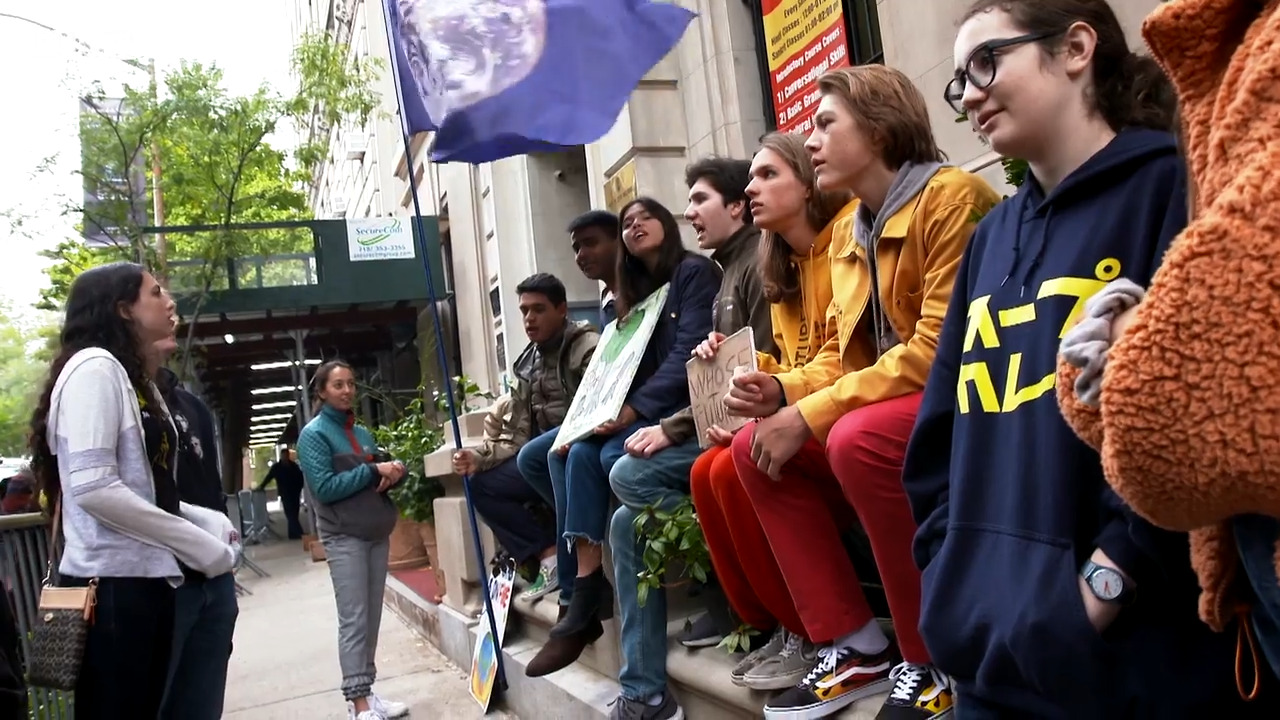
In The Power of Student Activism, host Radzi Chinyanganya discusses the power of youth activism and how young people are leading movements for social change. The video highlights youth-led protests and demonstrations on issues such as climate change, racial equality, and gender rights. It explores how activism takes different forms, from in-person demonstrations to digital campaigns. A key focus is on Fridays for Future, a movement started by Greta Thunberg in 2018, and how activist Xiye Bastida takes part by striking every Friday to demand action on climate change. This video is excerpted from BBC’s My World, a program created for teenagers eager to learn more about the important stories shaping our world.
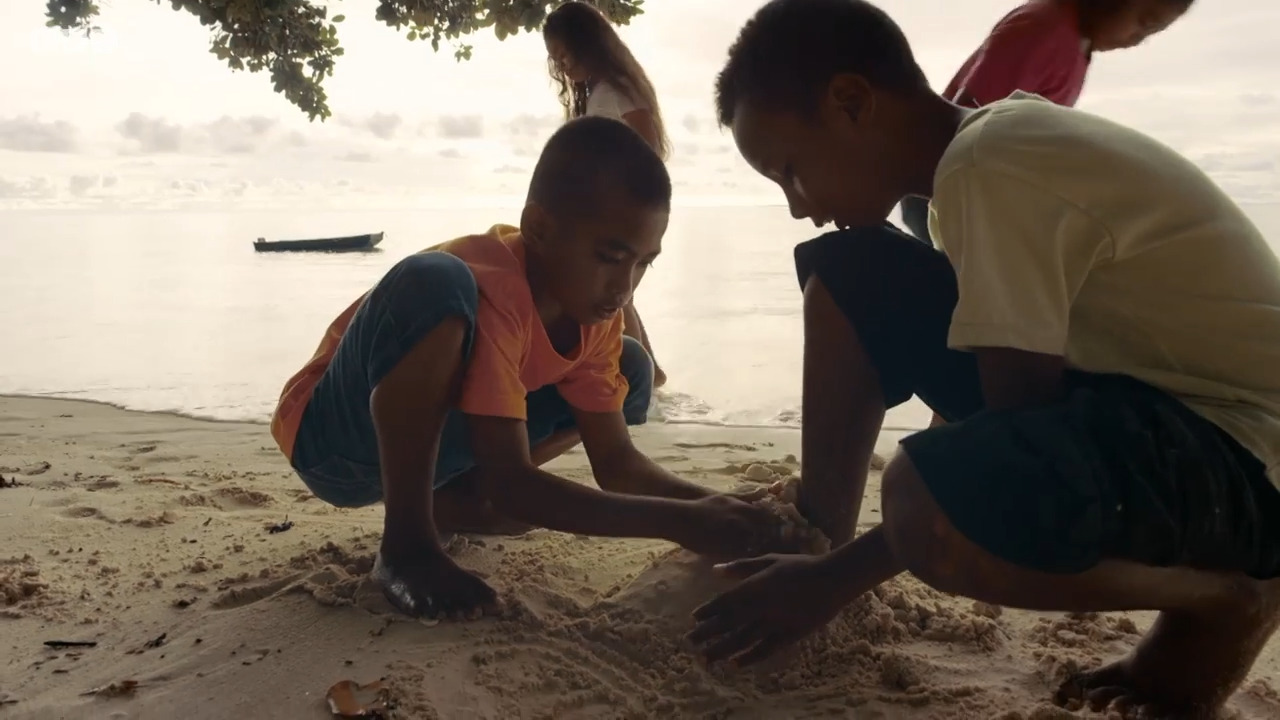
In Protecting the World’s Smallest Islands, host Radzi Chinyanganya highlights the efforts of children in Palau, a small Pacific Island nation, as they fight to protect their environment from the effects of climate change. These young activists are taking action to preserve their island’s natural beauty and ecosystem, which are being threatened by rising sea levels and extreme weather patterns. Through their activism, they are calling for greater global attention to the vulnerabilities of small island nations and their urgent need for climate action. This video is excerpted from BBC’s My World, a program created for teenagers eager to learn more about the important stories shaping our world.
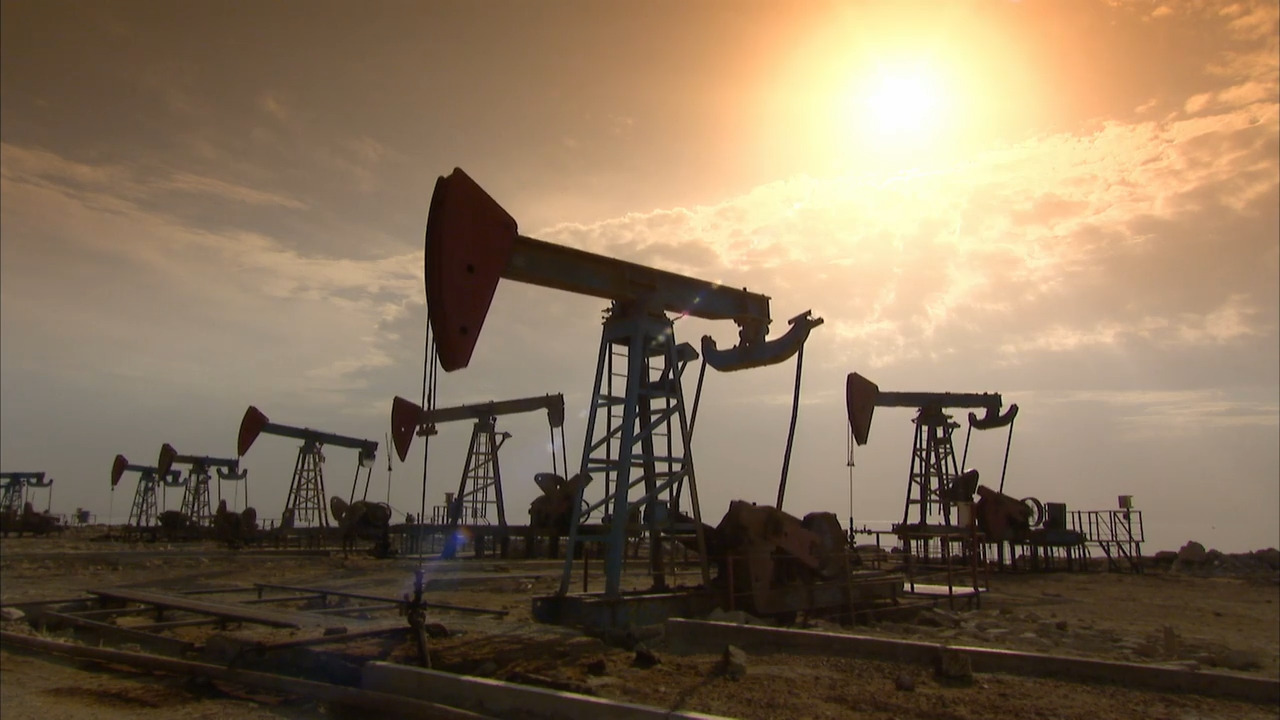
In Climate Change in Politics and Injustice, learn about the political, technological, and financial barriers to effectively addressing climate change. For decades, scientists have been aware of the dangers posed by greenhouse gases, but the challenge of tackling climate change has been compounded by misinformation, political obstacles, and a lack of global action. This video is excerpted from BBC’s Climate Change - The Facts, a documentary that delves into the science of climate change and its far-reaching consequences.
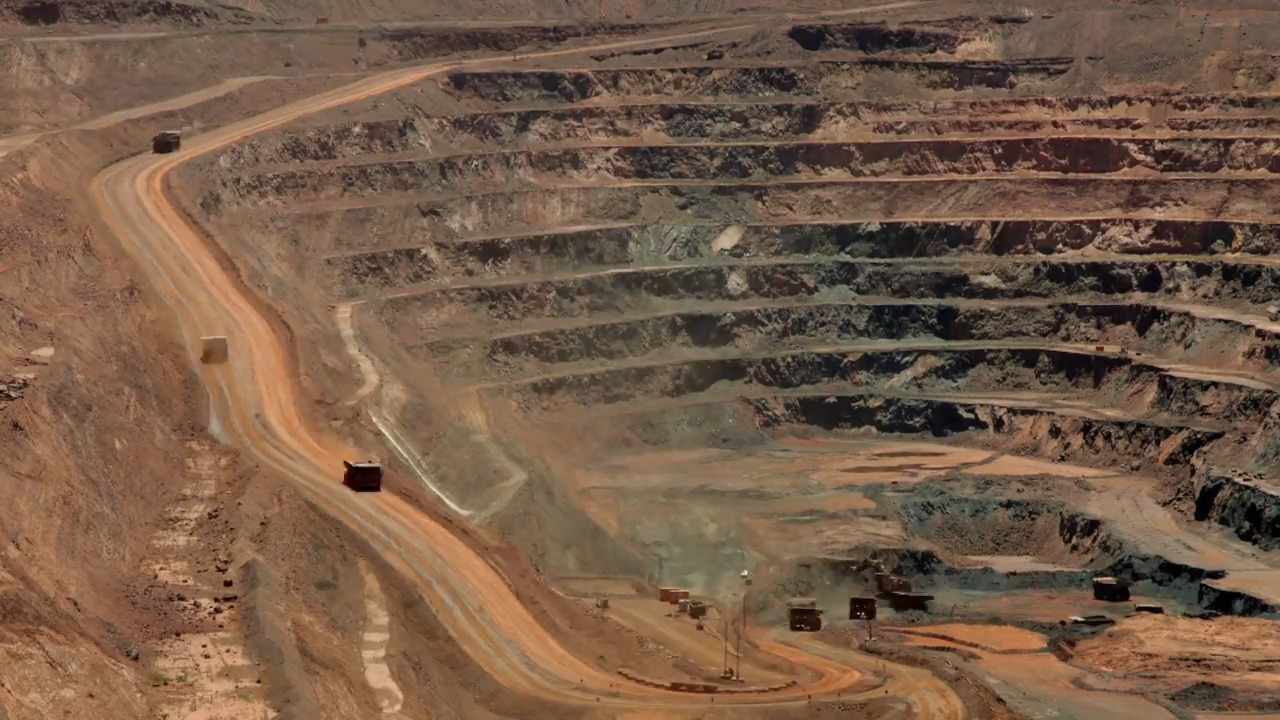
In Can the Earth Bounce Back From Our Actions?, geologist Iain Stewart explains how rising temperatures are causing glaciers to shrink, leading to higher sea levels and threatening cities. Discover how melting ice in Siberia is releasing methane, which could speed up climate change. And travel to the Yucatán, where the Mayan civilization once thrived, reminding us that powerful societies can fall. While Earth can recover, the way humans are impacting the planet threatens the future, showing it's not Earth in danger, but humanity. This video is excerpted from BBC’s Earth: The Power of the Planet, a documentary series in which Dr. Iain Stewart discovers how Earth's forces can shape nature, species, and even the climate.
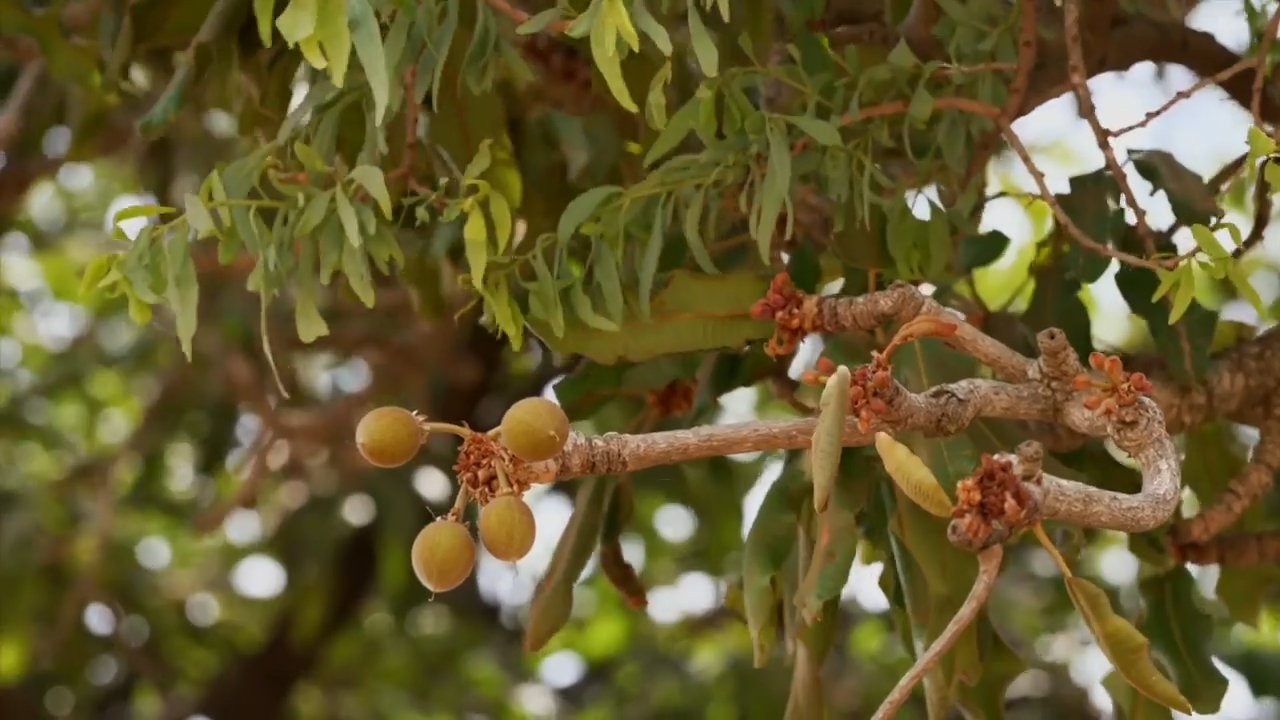
A strip of land stretching from West to East Africa was once so rich with shea nut trees that it earned the name “shea belt.” It seems like a different world from now, when conservationists say the tree is at risk of extinction because of drought, deforestation, and demand for charcoal that puts the trees (and the people who depend on them) under pressure.
Because shea trees produce nuts that can be made into shea butter used in pharmaceuticals, cosmetics, and food, they provide over 60% of household income for rural women who harvest and process the nuts. The decline of the shea tree would disrupt not only the millions across Africa supported by the industry, but supply chains and global markets, as well.
So, save the shea trees, right? It’s not so simple. Poverty pushes people to cut down shea trees and sell them as charcoal. It provides short-term income, but it means those trees are no longer usable for future shea harvests. To make matters worse, burning charcoal emits harmful greenhouse gasses. So cutting down shea trees for charcoal = less shea butter + more deforestation + more greenhouse gasses. Make it stop! Uganda tried. They banned cutting trees for charcoal in 2023, but enforcement is difficult because of high demand, especially in cities.
Between everything, Uganda has lost around 100,000 hectares of forest cover since 1990. That’s the equivalent of 140,000 soccer fields. Activists are calling for action; replanting trees and protecting the existing ones. Without coordinated action, the shea tree and the livelihoods built around it could disappear.
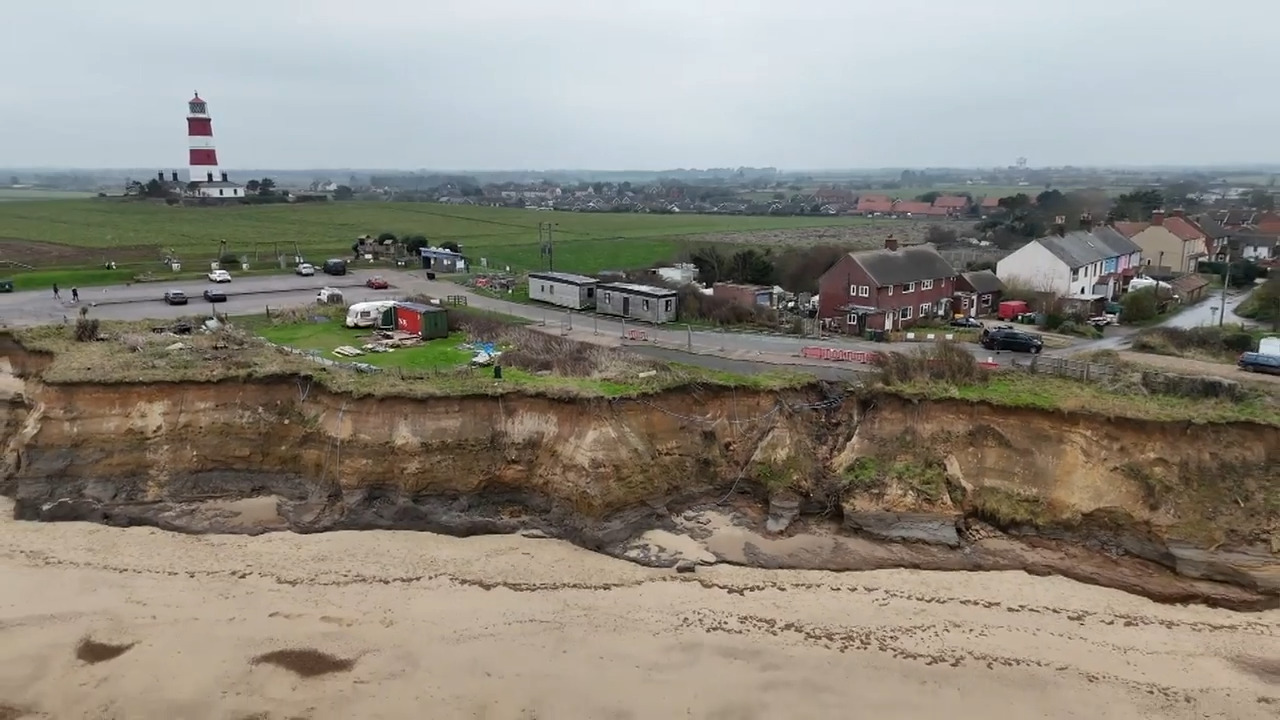
Waking up and looking out the window at the beautiful shoreline is great, until the water gets a little too close for comfort…
Bryony Nierop-Reading is a UK woman who has spent years up close and personal with the effects of coastal erosion — that’s when land is lost or displaced by natural forces like waves, tides, and storms. In 2009, she bought a home on the coast. She thought it was a safe distance from the shore, but it took only 4 years until the water became unlivably close to the house.
In her new home across the road, she sees the same challenges. In fact, in just two weeks, as much as 32 feet of land were lost to the sea. That’s the length of a school bus, or the height of a 3-story building!
It’s no wonder she’s so determined to fight for awareness and action around coastal erosion, especially as task forces meant to deal with the issue are being shut down, leaving counties to handle the problem themselves.
But Bryony the Brave is determined to stay put for as long as possible. She believes living so close to the issue helps her stay informed, motivated, and ready to speak up.
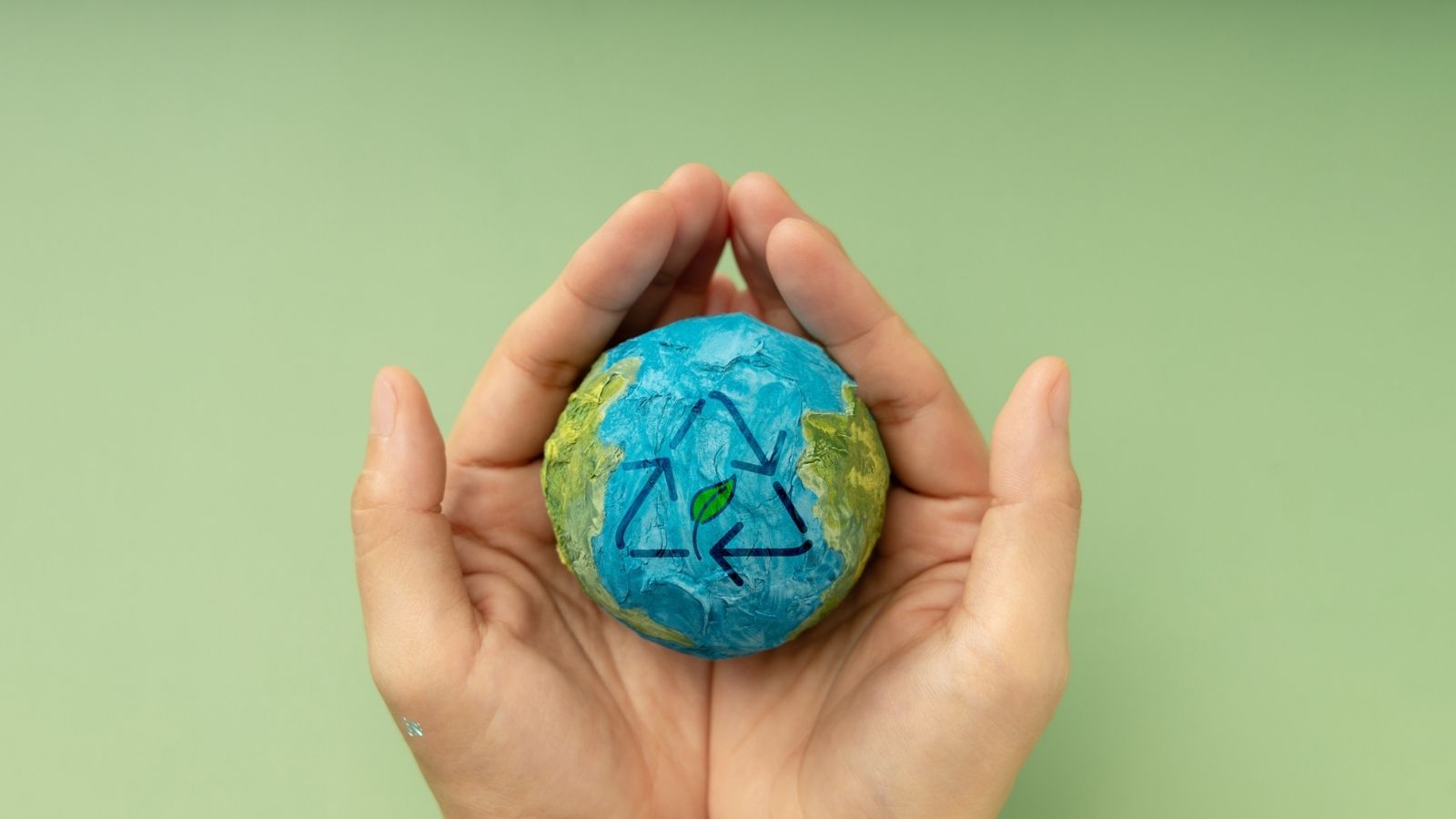
This Earth Day (or anytime this month), share this inspiring video playlist designed to spark curiosity and action in students ages 8–14. From incredible wildlife conservation stories to real-world environmental solutions, each clip invites students to explore the beauty of our planet — and the challenges it faces.
Get a closer look at how forests support life on Earth, discover innovative ideas like renewable energy, and meet the people working to protect endangered species and restore habitats. Along the way, students will see how small choices can make a big difference for our world.
Packed with powerful moments and meaningful learning, this playlist encourages students not just to learn about the Earth — but to think about how they can help protect it.
Explore the impact of human activity on our oceans with this comprehensive lesson collection. Featuring curated BBC video clips and printable activities, these resources dive into topics like pollution, overfishing, and ocean habitats, helping students understand the challenges facing ocean life and inspiring them to become ocean conservation advocates.
In The Power of Student Activism, host Radzi Chinyanganya discusses the power of youth activism and how young people are leading movements for social change. The video highlights youth-led protests and demonstrations on issues such as climate change, racial equality, and gender rights. It explores how activism takes different forms, from in-person demonstrations to digital campaigns. A key focus is on Fridays for Future, a movement started by Greta Thunberg in 2018, and how activist Xiye Bastida takes part by striking every Friday to demand action on climate change. This video is excerpted from BBC’s My World, a program created for teenagers eager to learn more about the important stories shaping our world.
In Protecting the World’s Smallest Islands, host Radzi Chinyanganya highlights the efforts of children in Palau, a small Pacific Island nation, as they fight to protect their environment from the effects of climate change. These young activists are taking action to preserve their island’s natural beauty and ecosystem, which are being threatened by rising sea levels and extreme weather patterns. Through their activism, they are calling for greater global attention to the vulnerabilities of small island nations and their urgent need for climate action. This video is excerpted from BBC’s My World, a program created for teenagers eager to learn more about the important stories shaping our world.
In Climate Change in Politics and Injustice, learn about the political, technological, and financial barriers to effectively addressing climate change. For decades, scientists have been aware of the dangers posed by greenhouse gases, but the challenge of tackling climate change has been compounded by misinformation, political obstacles, and a lack of global action. This video is excerpted from BBC’s Climate Change - The Facts, a documentary that delves into the science of climate change and its far-reaching consequences.
In Can the Earth Bounce Back From Our Actions?, geologist Iain Stewart explains how rising temperatures are causing glaciers to shrink, leading to higher sea levels and threatening cities. Discover how melting ice in Siberia is releasing methane, which could speed up climate change. And travel to the Yucatán, where the Mayan civilization once thrived, reminding us that powerful societies can fall. While Earth can recover, the way humans are impacting the planet threatens the future, showing it's not Earth in danger, but humanity. This video is excerpted from BBC’s Earth: The Power of the Planet, a documentary series in which Dr. Iain Stewart discovers how Earth's forces can shape nature, species, and even the climate.
A strip of land stretching from West to East Africa was once so rich with shea nut trees that it earned the name “shea belt.” It seems like a different world from now, when conservationists say the tree is at risk of extinction because of drought, deforestation, and demand for charcoal that puts the trees (and the people who depend on them) under pressure.
Because shea trees produce nuts that can be made into shea butter used in pharmaceuticals, cosmetics, and food, they provide over 60% of household income for rural women who harvest and process the nuts. The decline of the shea tree would disrupt not only the millions across Africa supported by the industry, but supply chains and global markets, as well.
So, save the shea trees, right? It’s not so simple. Poverty pushes people to cut down shea trees and sell them as charcoal. It provides short-term income, but it means those trees are no longer usable for future shea harvests. To make matters worse, burning charcoal emits harmful greenhouse gasses. So cutting down shea trees for charcoal = less shea butter + more deforestation + more greenhouse gasses. Make it stop! Uganda tried. They banned cutting trees for charcoal in 2023, but enforcement is difficult because of high demand, especially in cities.
Between everything, Uganda has lost around 100,000 hectares of forest cover since 1990. That’s the equivalent of 140,000 soccer fields. Activists are calling for action; replanting trees and protecting the existing ones. Without coordinated action, the shea tree and the livelihoods built around it could disappear.
Waking up and looking out the window at the beautiful shoreline is great, until the water gets a little too close for comfort…
Bryony Nierop-Reading is a UK woman who has spent years up close and personal with the effects of coastal erosion — that’s when land is lost or displaced by natural forces like waves, tides, and storms. In 2009, she bought a home on the coast. She thought it was a safe distance from the shore, but it took only 4 years until the water became unlivably close to the house.
In her new home across the road, she sees the same challenges. In fact, in just two weeks, as much as 32 feet of land were lost to the sea. That’s the length of a school bus, or the height of a 3-story building!
It’s no wonder she’s so determined to fight for awareness and action around coastal erosion, especially as task forces meant to deal with the issue are being shut down, leaving counties to handle the problem themselves.
But Bryony the Brave is determined to stay put for as long as possible. She believes living so close to the issue helps her stay informed, motivated, and ready to speak up.
This Earth Day (or anytime this month), share this inspiring video playlist designed to spark curiosity and action in students ages 8–14. From incredible wildlife conservation stories to real-world environmental solutions, each clip invites students to explore the beauty of our planet — and the challenges it faces.
Get a closer look at how forests support life on Earth, discover innovative ideas like renewable energy, and meet the people working to protect endangered species and restore habitats. Along the way, students will see how small choices can make a big difference for our world.
Packed with powerful moments and meaningful learning, this playlist encourages students not just to learn about the Earth — but to think about how they can help protect it.