
In How Cold Affects Your Body’s Defenses, host Harith Iskander explains how cold temperatures can impact your body’s ability to fight off infections. When you’re cold, the blood vessels constrict, reducing blood flow to certain areas of the body. This process can weaken the immune system, making it easier for viruses, like the common cold, to take hold. This video is excerpted from BBC’s Got Science?, a science magazine series that explores and explains science in everyday life.
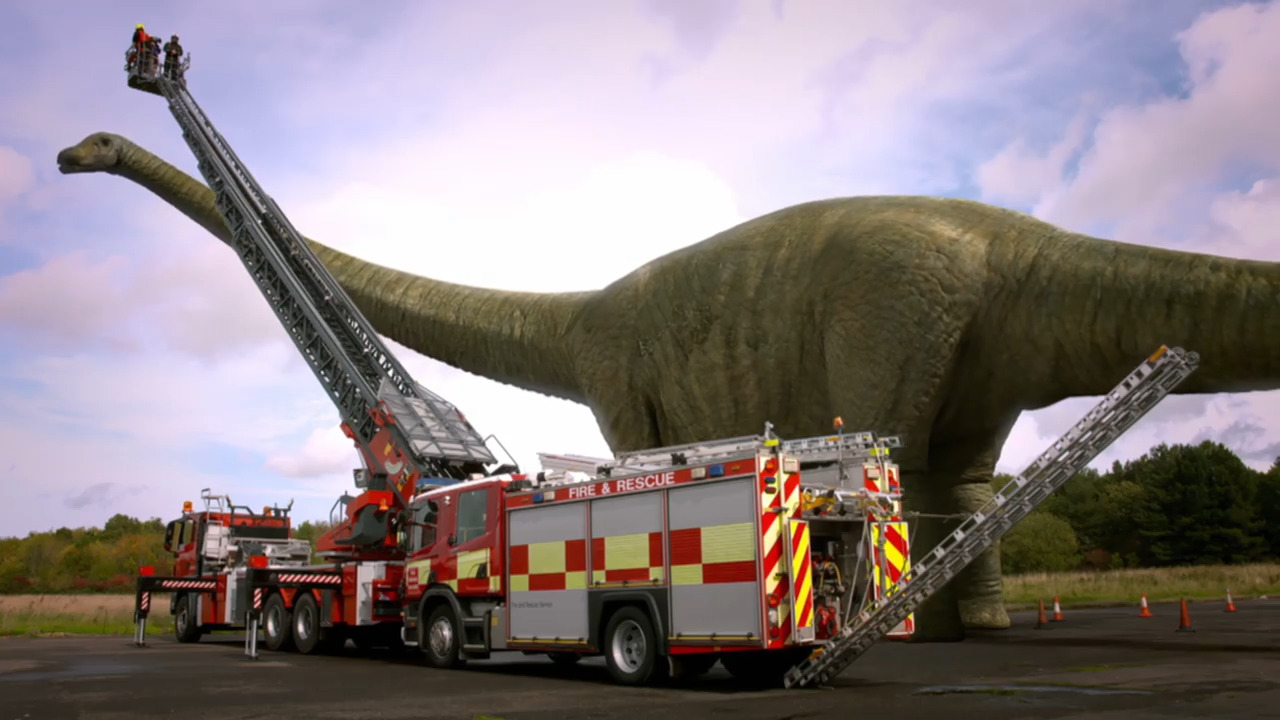
In Patagotitan — The Largest Animal to Walk the Planet, naturalist Steve Backshall explores this seriously huge dinosaur and its massive heart, which measured over 6.5 feet (2 meters) in circumference. Plus, watch an experiment take place to visualize just how powerful the Patagotitan’s heart had to be in order to pump blood throughout its body. This video is excerpted from BBC’s Deadly Dinosaurs, a documentary series in which host Steve Backshall is on the hunt for the deadliest animals to have walked the Earth — dinosaurs — exploring features of several species and putting their abilities to the test to reveal the raw power of these creatures.
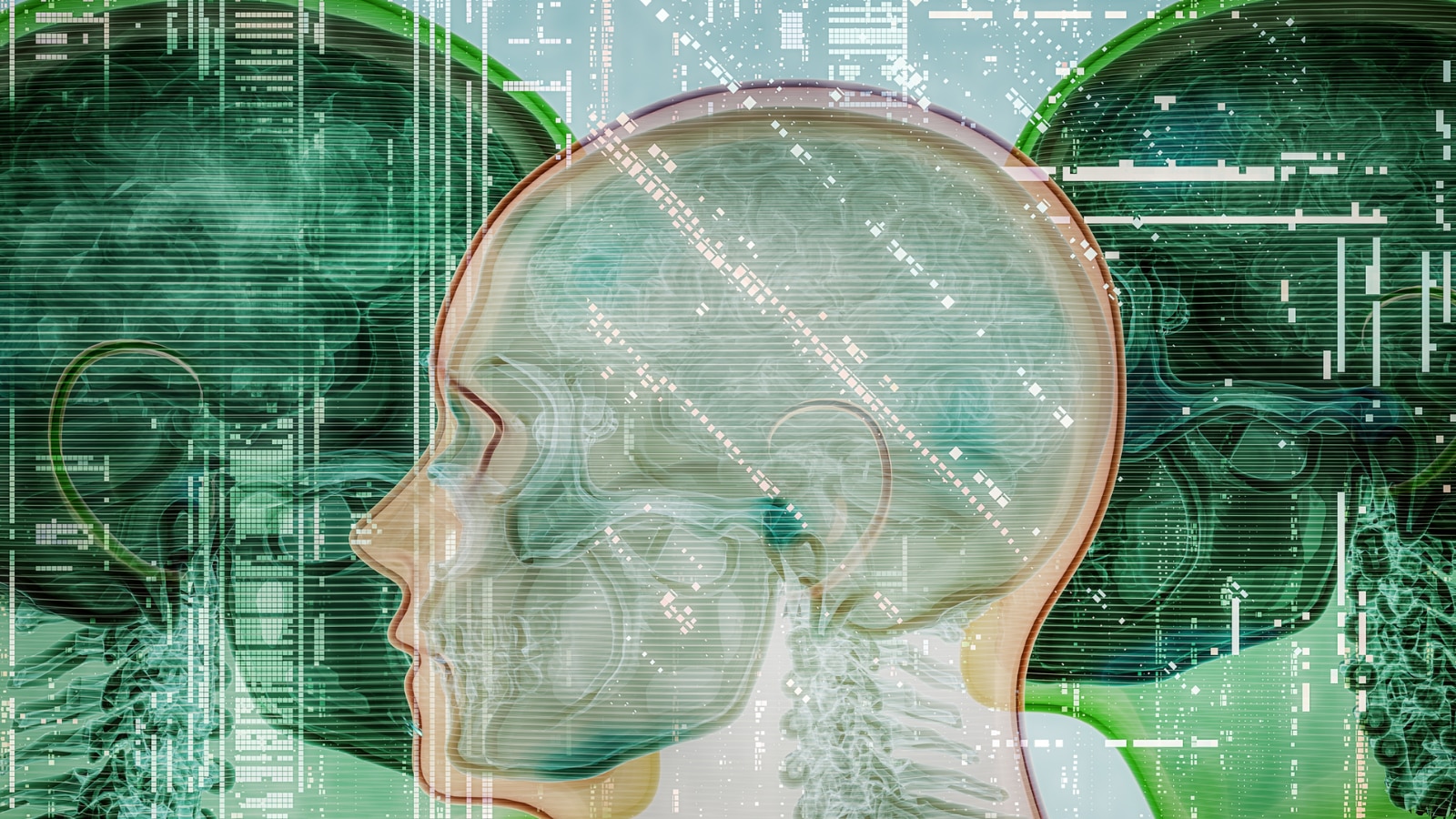
Across 10 fascinating BBC videos from Got Science?, investigate the science behind everyday experiences and uncover the unexpected ways the body works — from the mysteries of sleep paralysis to the truth about being left-brained or right-brained.
Discover what happens when the body becomes dehydrated, how cold temperatures and high altitudes affect the way we function, and why our brains and bodies sometimes trick us. Each video takes a closer look at a curious question, revealing the science behind things we experience but may not fully understand.
From surprising brain science to the body's responses to its environment, these BBC videos connect scientific discoveries to everyday life and show just how fascinating the human body can be.

It may only be the size of your fist, but your heart is one of the hardest-working organs in your body. It beats nonstop — whether you’re running laps, laughing with friends, or fast asleep. This Valentine’s season, show your heart a little love by learning what makes it tick.
Think you know what an artery does? Or how long does it take for blood to complete a full circuit through the human body? Get ready for a quiz full of fascinating facts, surprising science, and a few twists that might make your pulse race!
In How Cold Affects Your Body’s Defenses, host Harith Iskander explains how cold temperatures can impact your body’s ability to fight off infections. When you’re cold, the blood vessels constrict, reducing blood flow to certain areas of the body. This process can weaken the immune system, making it easier for viruses, like the common cold, to take hold. This video is excerpted from BBC’s Got Science?, a science magazine series that explores and explains science in everyday life.
In Patagotitan — The Largest Animal to Walk the Planet, naturalist Steve Backshall explores this seriously huge dinosaur and its massive heart, which measured over 6.5 feet (2 meters) in circumference. Plus, watch an experiment take place to visualize just how powerful the Patagotitan’s heart had to be in order to pump blood throughout its body. This video is excerpted from BBC’s Deadly Dinosaurs, a documentary series in which host Steve Backshall is on the hunt for the deadliest animals to have walked the Earth — dinosaurs — exploring features of several species and putting their abilities to the test to reveal the raw power of these creatures.
Across 10 fascinating BBC videos from Got Science?, investigate the science behind everyday experiences and uncover the unexpected ways the body works — from the mysteries of sleep paralysis to the truth about being left-brained or right-brained.
Discover what happens when the body becomes dehydrated, how cold temperatures and high altitudes affect the way we function, and why our brains and bodies sometimes trick us. Each video takes a closer look at a curious question, revealing the science behind things we experience but may not fully understand.
From surprising brain science to the body's responses to its environment, these BBC videos connect scientific discoveries to everyday life and show just how fascinating the human body can be.
It may only be the size of your fist, but your heart is one of the hardest-working organs in your body. It beats nonstop — whether you’re running laps, laughing with friends, or fast asleep. This Valentine’s season, show your heart a little love by learning what makes it tick.
Think you know what an artery does? Or how long does it take for blood to complete a full circuit through the human body? Get ready for a quiz full of fascinating facts, surprising science, and a few twists that might make your pulse race!