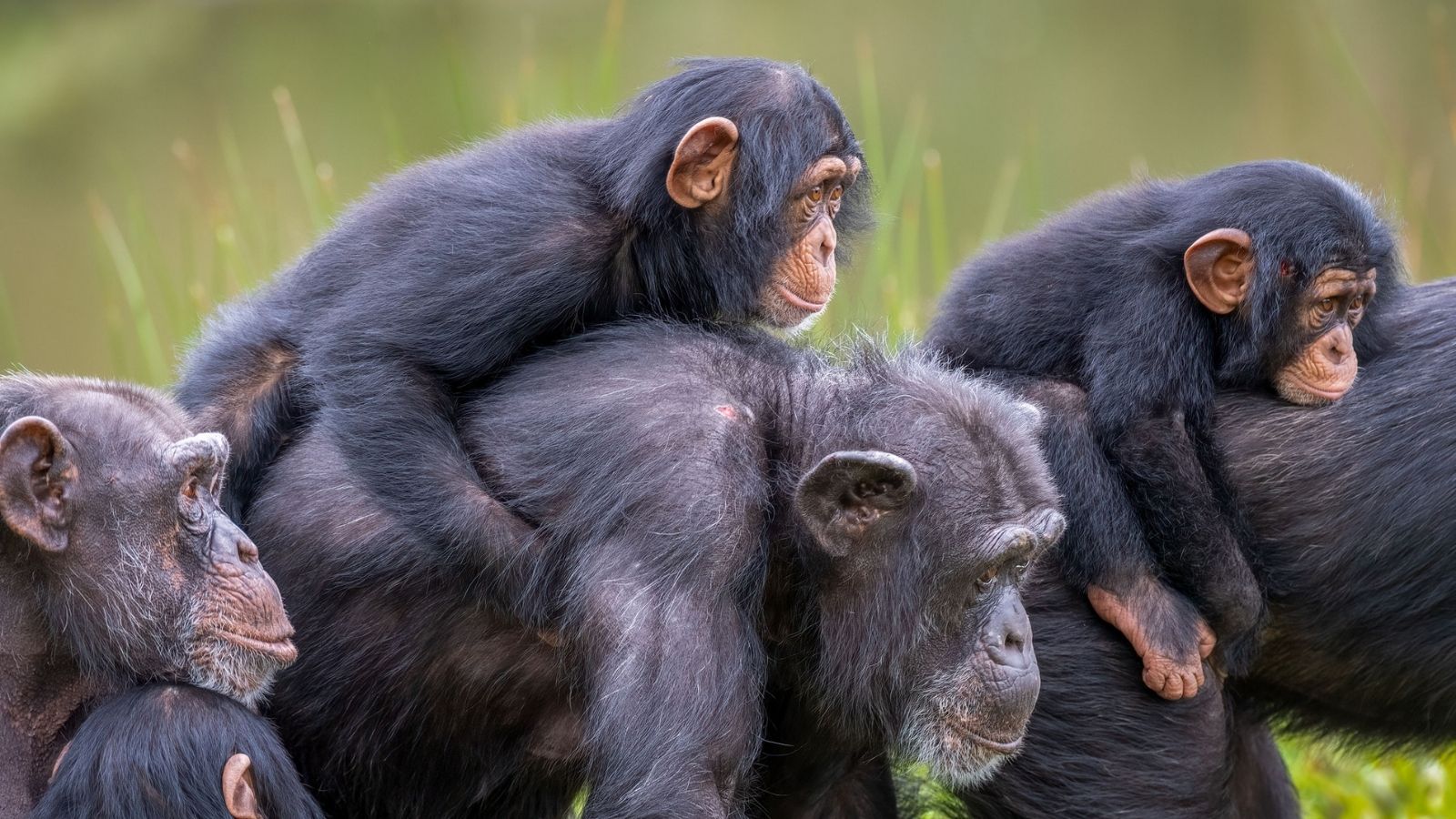
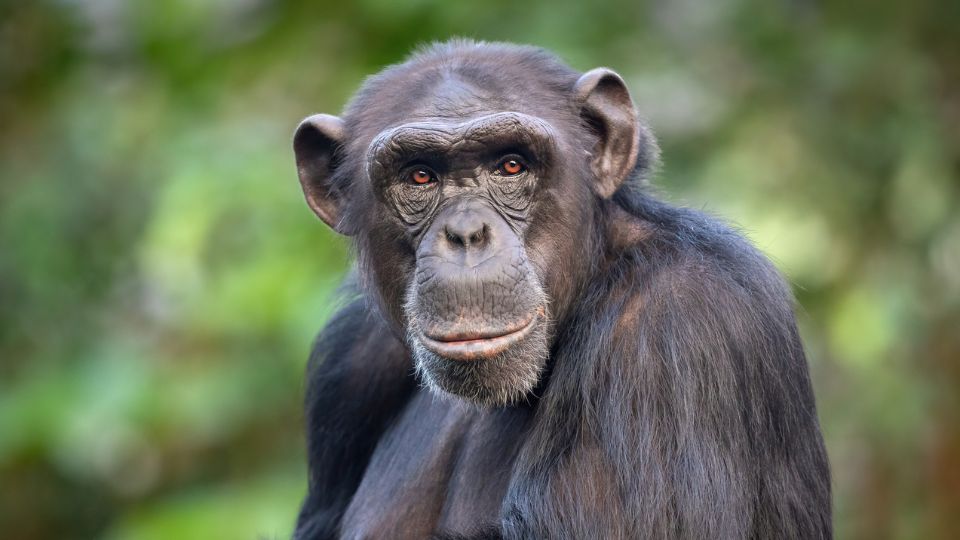
Chimpanzees are among the most intelligent animals on Earth — and they just happen to be our closest living relatives. Sharing about 95–98% of their DNA with humans, chimpanzees can use tools, solve problems, communicate with one another, and even pass knowledge from one generation to the next.
Found in the forests and woodlands of central and western Africa, chimpanzees live in complex social groups called troops. They spend their days searching for food, caring for their young, and navigating a world that is increasingly threatened by habitat loss and human activity.
From cracking nuts with stones to using sticks to fish for termites, chimpanzees continue to amaze scientists with their creativity and intelligence. But how much do you know about these remarkable primates?
Whether you're a wildlife enthusiast, an animal expert, or simply curious about our closest cousins in the animal kingdom, this quiz will put your chimpanzee knowledge to the test. Let's see if you have what it takes to become a Chimp Champion!
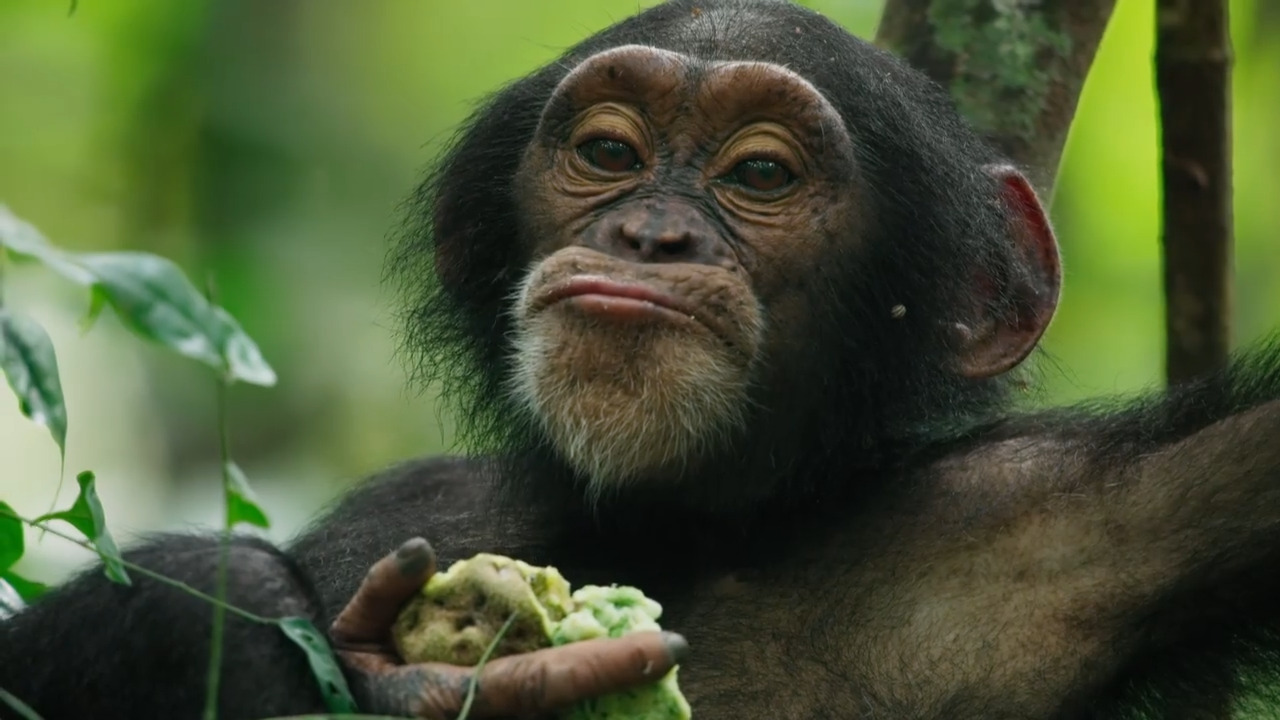
In How Chimpanzees Use Tools, narrator Sir David Attenborough investigates how young chimpanzees are taught how to crack nuts by their mothers. Young chimps can take up to 10 years to master this skill. This video is excerpted from BBC’s Seven Worlds, One Planet, a series featuring remarkable animal behavior from all seven continents.
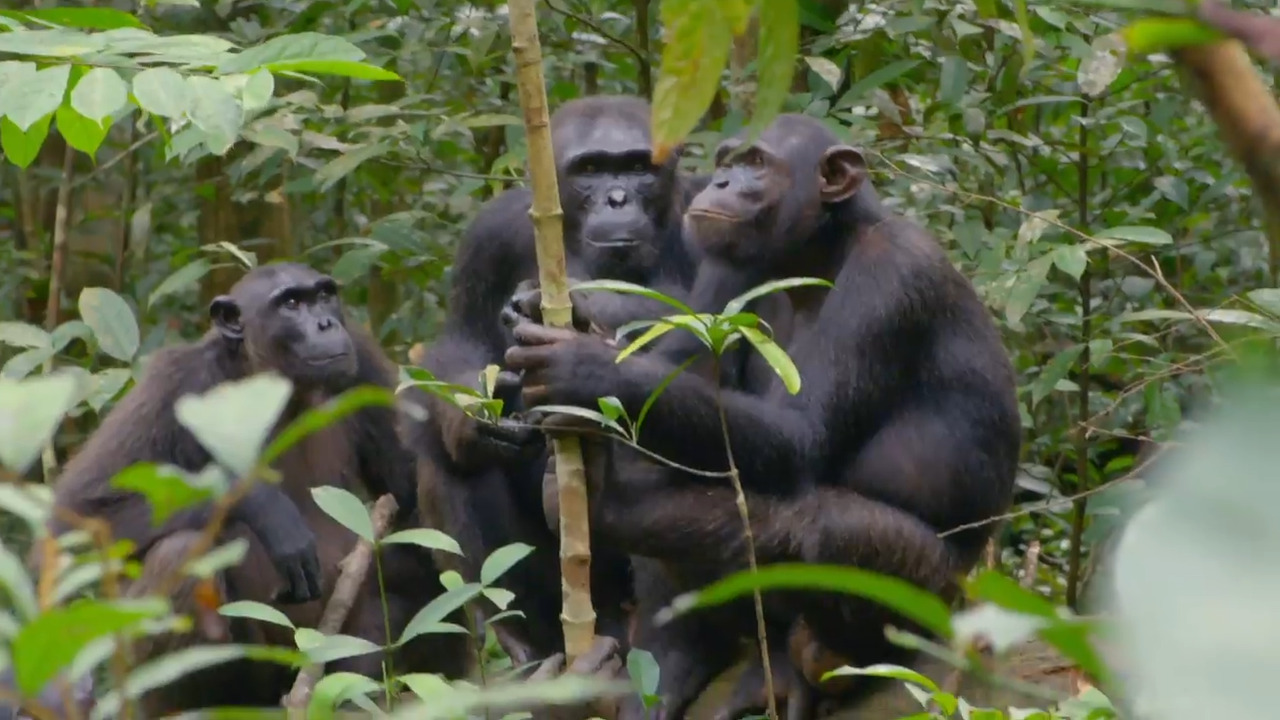
In Clever Chimpanzees, naturalist Steve Backshall comes across chimps in the Loango National Park in Gabon. He watches them engage in behaviors he has never seen before, including working together to get honey. This video is excerpted from BBC's Deadly 60, an award-winning nature and adventure show for kids in which narrator Steve Backshall has one mission: to travel the globe in search of 60 of the world's deadliest animals.
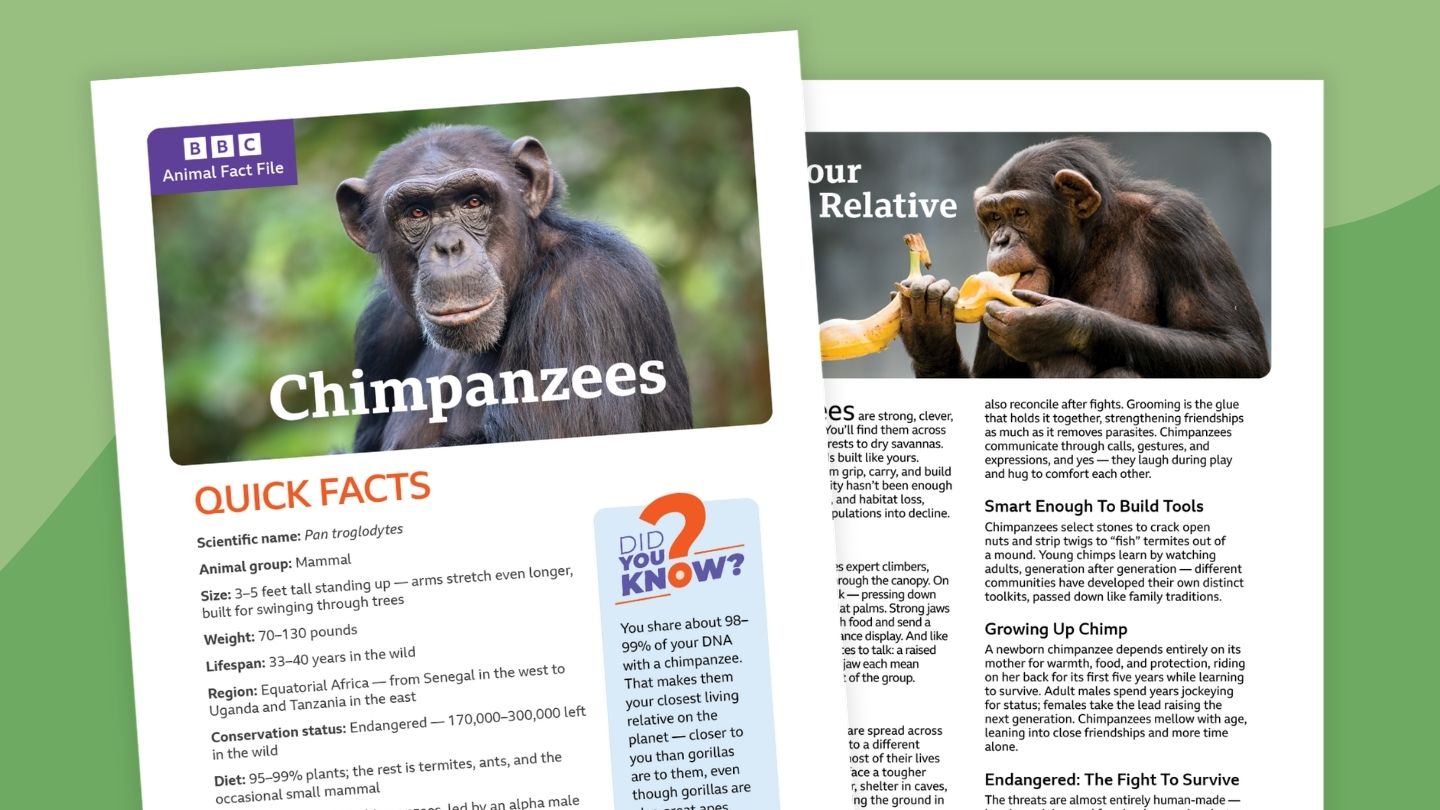
What animal laughs during play, uses tools to solve problems, and shares nearly 99% of its DNA with you? Meet the chimpanzee — one of the smartest and most fascinating animals on Earth.
This fact file takes you on a journey into the world of chimpanzees, from the rainforests and savannas they call home to the remarkable ways they communicate, work together, and care for their families. Along the way, discover how chimpanzees use tools, build friendships, raise their young, and face challenges in the wild.
Teachers and parents, you can use this fact file to:
- Introduce an animal, wildlife, or life science unit
- Support nonfiction reading and vocabulary practice
- Explore animal adaptations, behaviors, and habitats
- Compare animals and the ecosystems they live in
- Practice finding and organizing information from nonfiction texts
- Prepare students for animal research projects or presentations (use our animal report templates!)
- Connect science learning to conservation and environmental issues
- Pair with videos, articles, or other informational texts (see Related Resources below)
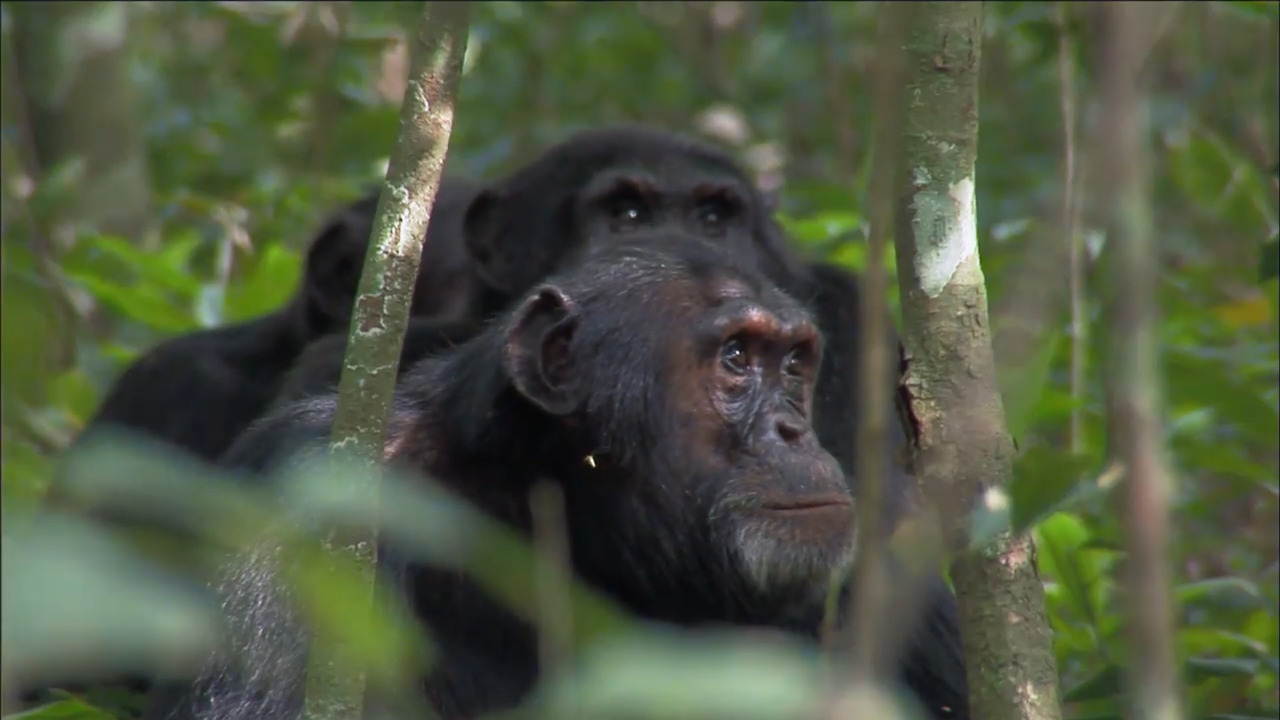
A troop of 150 chimpanzees. That's not a typo — it's the largest chimp community ever recorded in Africa, and they all live in one stretch of forest in Uganda. Sir David Attenborough takes you inside their world in this clip from BBC's Planet Earth, and it's not exactly peaceful. Chimps are unusual among jungle animals — they move just as easily through the treetops as they do on the ground, which comes in handy when your diet depends on finding enough fig trees to feed 150 mouths. But a community this size needs serious territory to sustain it, and that means defending it.
Watch as the troop uses coordinated calls to launch a raid into a rival group's land. Once they cross into enemy territory, everything changes: the calls stop, the pace slows, and every chimp is on high alert, listening for signs of who — and how many — they're up against.
It's a side of chimpanzees you don't usually see: strategic, tense, and surprisingly military in style. Great conversation starter for anything on animal behavior, group dynamics, or how intelligence shows up in unexpected ways.
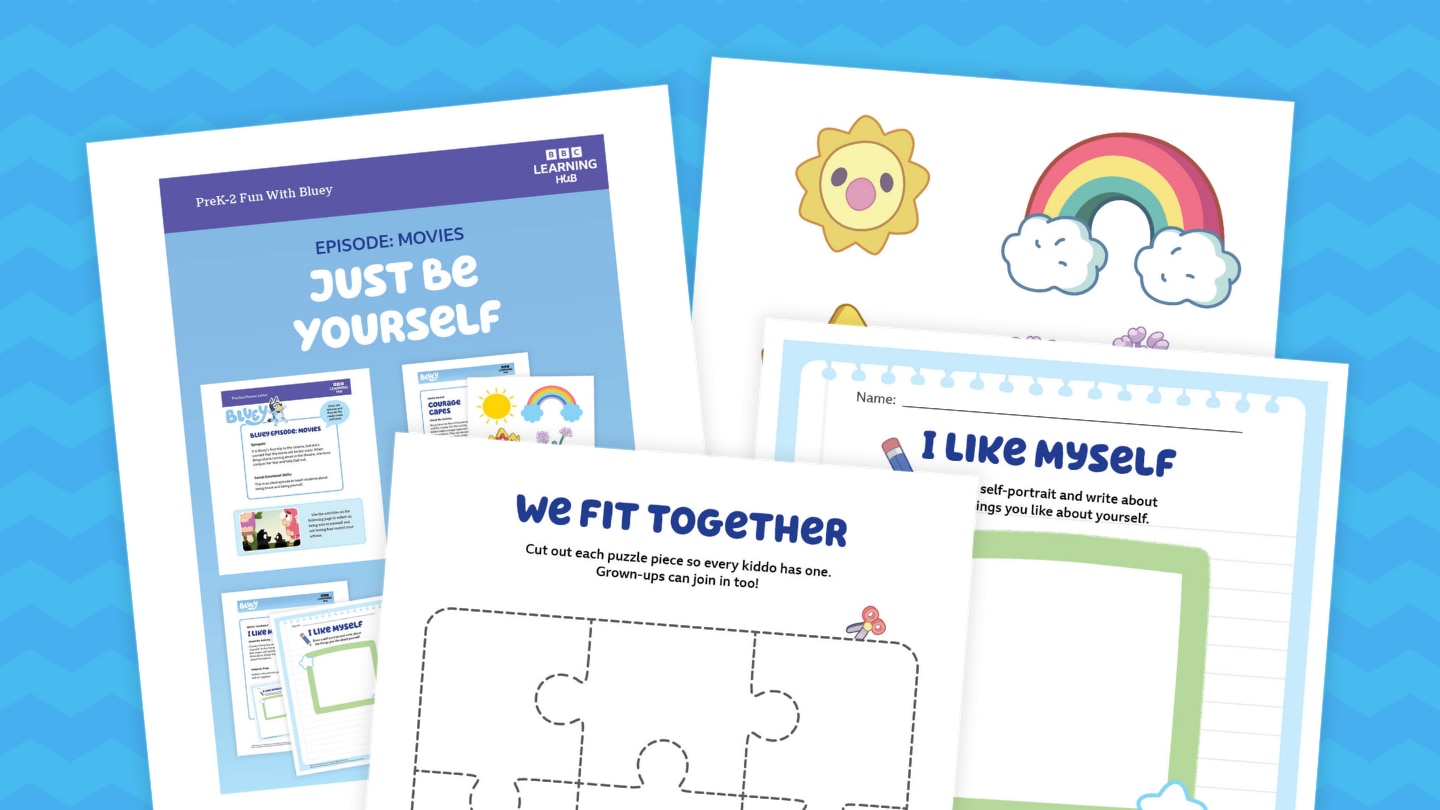
Just like Chunky Chimp, we have to learn to be ourselves. This fun lesson uses the Bluey episode "Movies" as the kickoff to a classroom conversation about the importance of being yourself. The lesson includes printables for three activities in which kids make courage capes, draw self-portraits, and decorate puzzle pieces that show things that make them unique.
Movies Episode Summary: It is Bluey’s first trip to the cinema, but she’s worried that the movie will be too scary. When Bingo starts running amok in the theatre, she must conquer her fear and help Dad out.
Watch the episode here! (Click here to watch in Australia.)
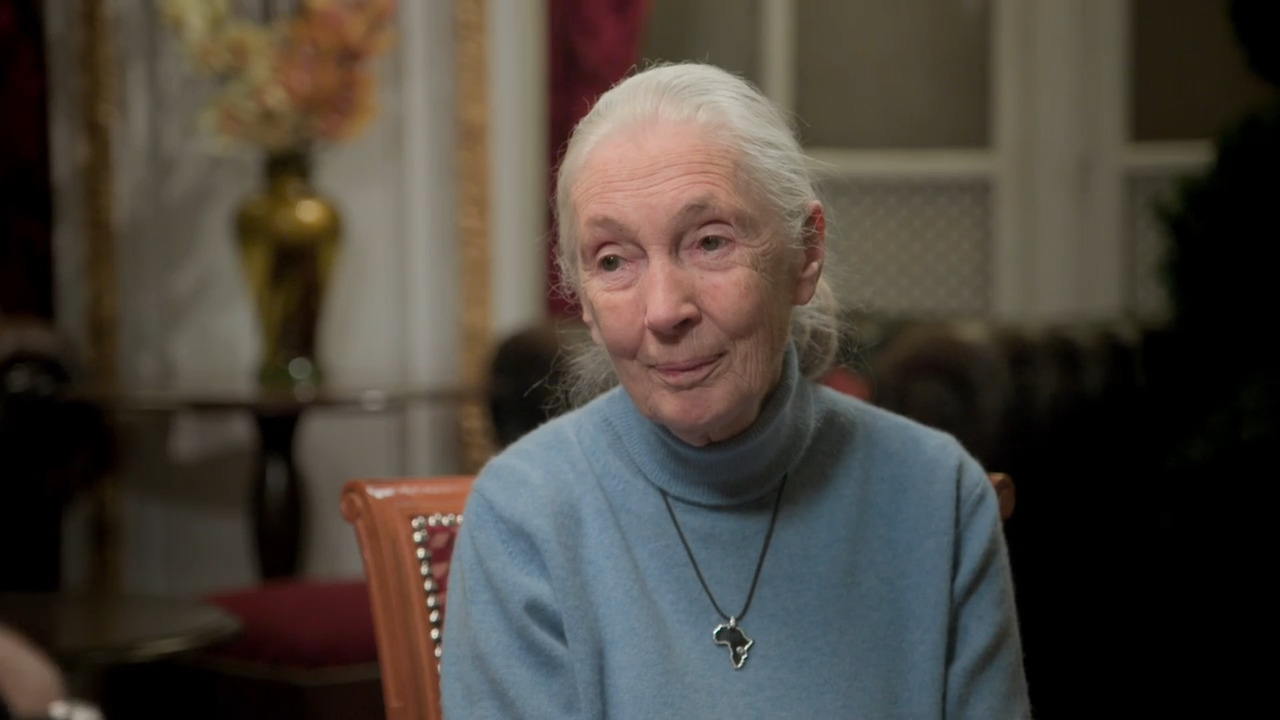
In Jane Goodall and the Fight for Chimpanzees, host Dermot O'Leary hears a powerful message from Jane Goodall about the importance of preserving chimpanzees and their habitats. Goodall emphasizes that individual actions matter, and that hope is essential in tackling seemingly impossible challenges. This video is excerpted from BBC’s Icons: The Greatest Person of the 20th Century, a documentary series celebrating the achievements of the most influential figures of the era.
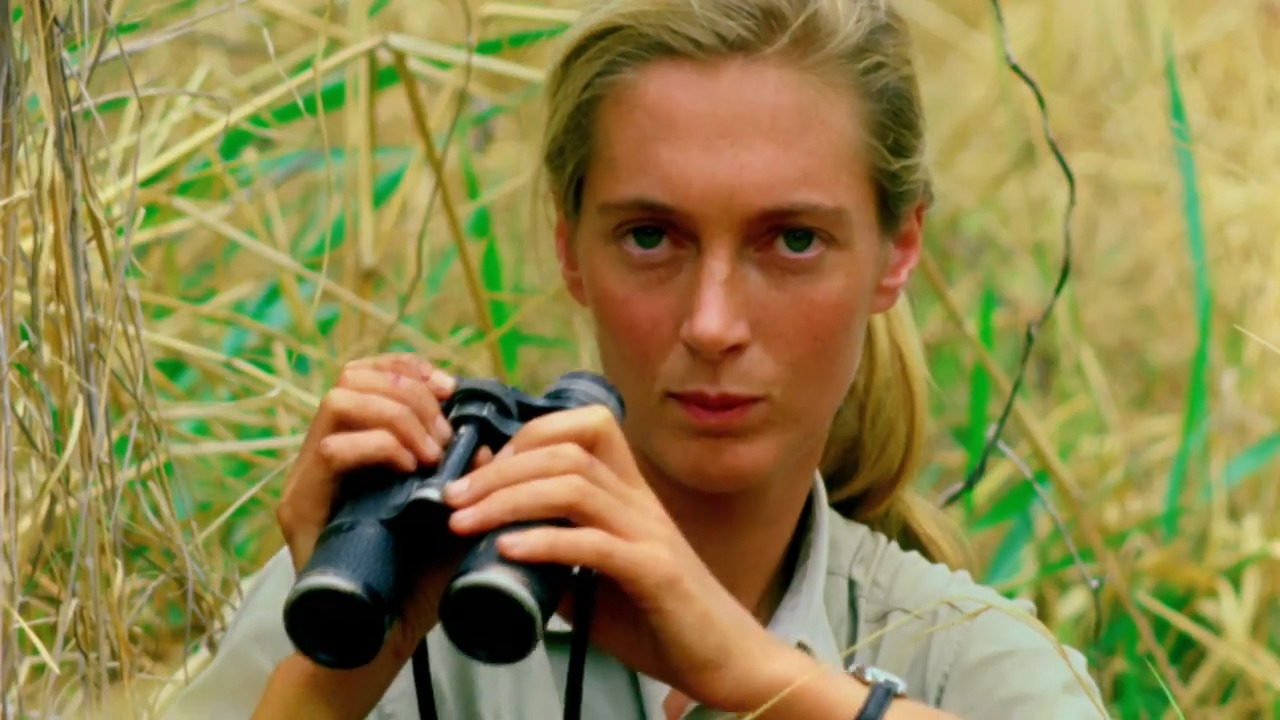
In Jane Goodall's Life Among the Chimpanzees, host Dermot O'Leary explores the groundbreaking work of a young woman who transformed our understanding of animal behavior and human origins. Jane Goodall’s determination and pioneering spirit took her from a typist in Bournemouth to a world-renowned primatologist. This video is excerpted from BBC’s Icons: The Greatest Person of the 20th Century, a documentary series celebrating the achievements of the most influential figures of the era.
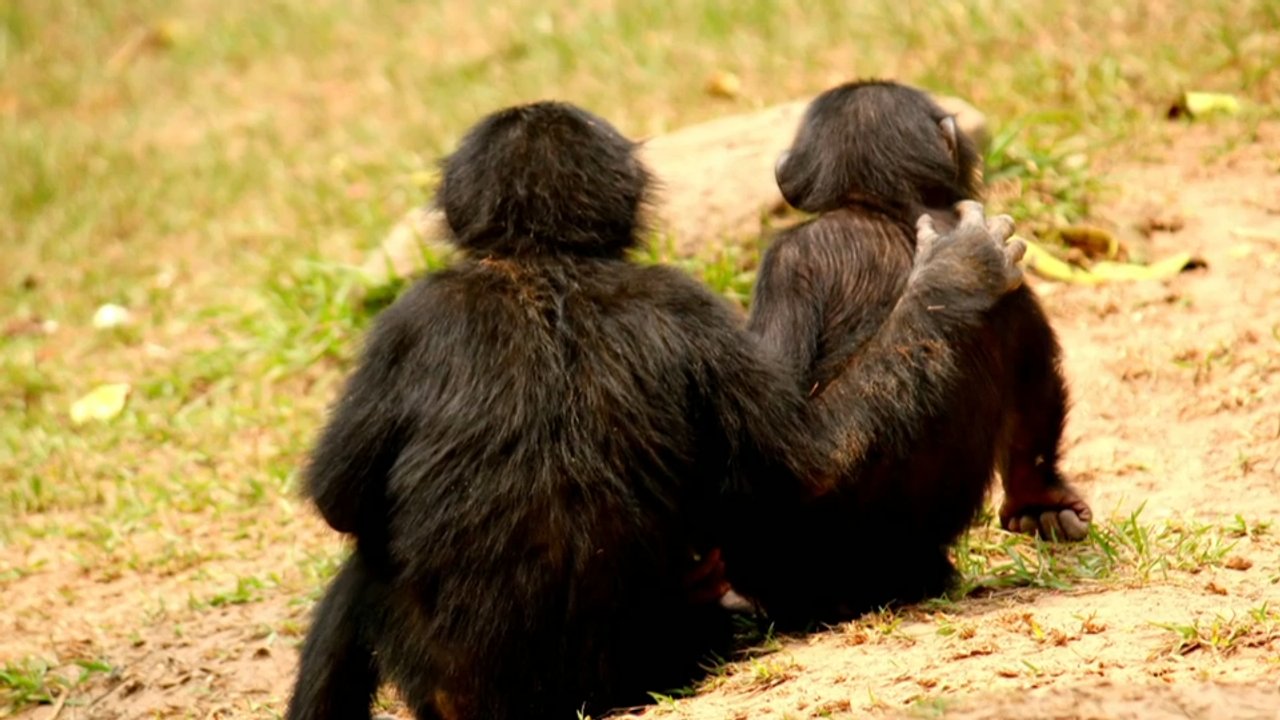
A hug can say a lot without any words. Hugging might seem like a distinctly human thing, but researchers studying chimpanzees and bonobos found that apes use touch in a similar way.
Scientists observed that apes touch each other — through hugs, pats, and strokes — before stressful situations. In this study, the stressful situation was feeding time. Food is actually one of the biggest sources of conflict among apes, since everyone wants to eat and there's not always enough to go around. Researchers found that apes who touched more before food arrived were more likely to eat peacefully together afterward — no shoving, no squabbling.
This suggests the behavior is old. Really old. Humans, chimpanzees, and bonobos share common ancestors from millions of years ago, so using touch to calm down or bond with others may go back further than we think — to long before our biggest worries were tests and deadlines. Maybe our ancestors were doing something similar before facing down a woolly mammoth.
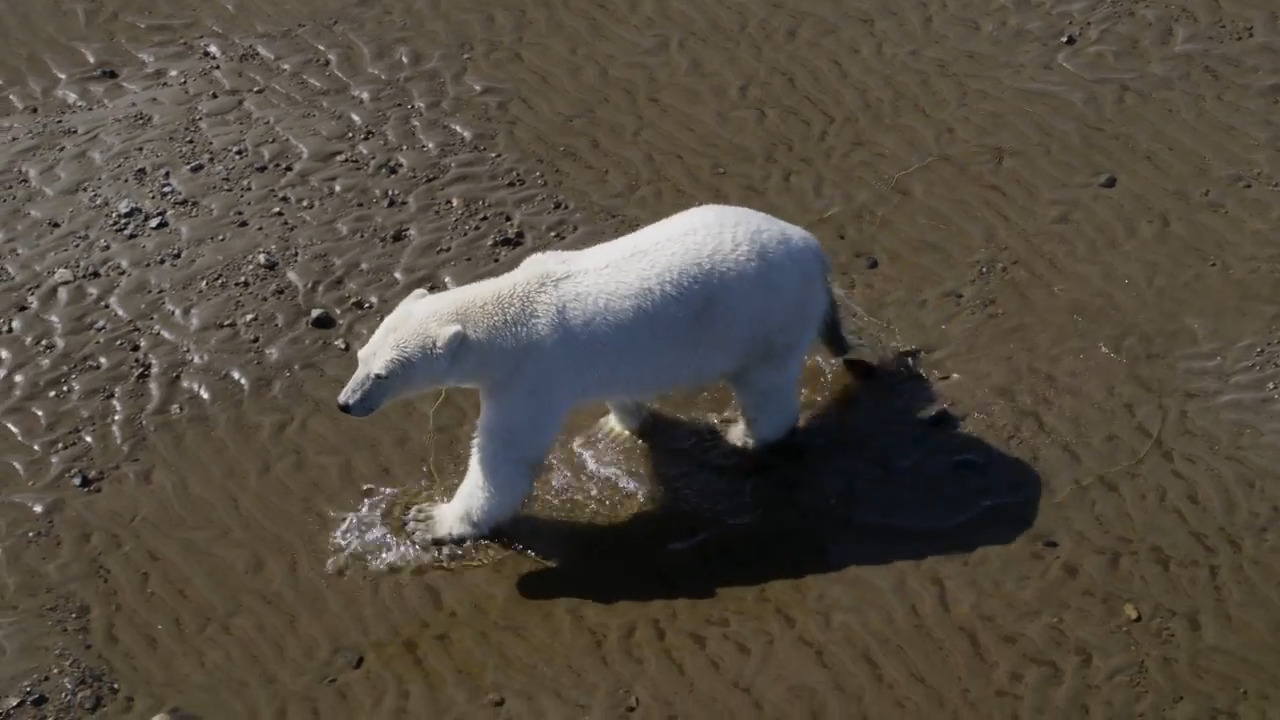
In The Human Impact on Wildlife narrator Sir David Attenborough explains the devastating impact human activities have had on wildlife. Many species are now under threat, but decisions must be made to help reverse these harmful activities. This video is excerpted from BBC’s Seven Worlds, One Planet, a series featuring remarkable animal behavior from all seven continents.
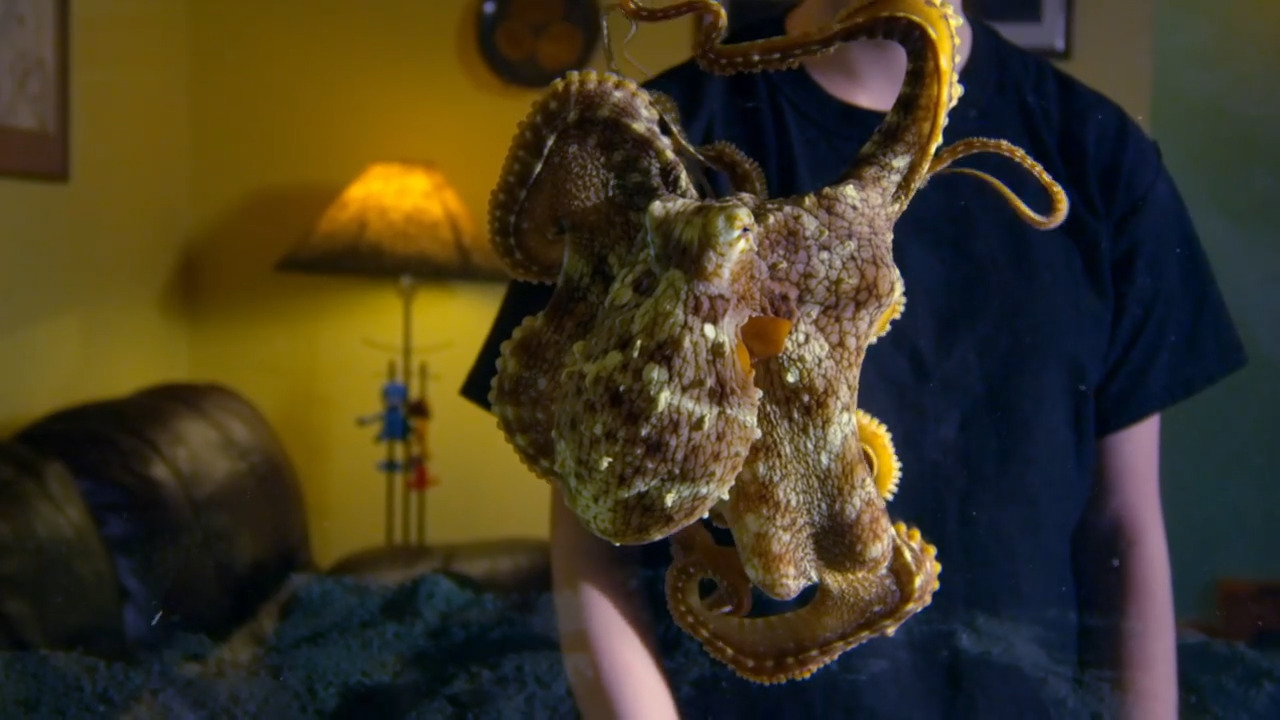
In A Deep Dive Into Octopus Intelligence, ecologist David Scheel demonstrates how his octopus, Heidi, reacts differently to people based on how they treat her. With their mischievous personalities, these fascinating invertebrates are now part of studies once reserved for chimpanzees, opening the door to a deeper understanding of their complex behavior. This video is excerpted from BBC’s Natural World: The Octopus in My House, a remarkable series about a professor and the extraordinary relationship he develops with an octopus when he invites it to live in his home.
Chimpanzees are among the most intelligent animals on Earth — and they just happen to be our closest living relatives. Sharing about 95–98% of their DNA with humans, chimpanzees can use tools, solve problems, communicate with one another, and even pass knowledge from one generation to the next.
Found in the forests and woodlands of central and western Africa, chimpanzees live in complex social groups called troops. They spend their days searching for food, caring for their young, and navigating a world that is increasingly threatened by habitat loss and human activity.
From cracking nuts with stones to using sticks to fish for termites, chimpanzees continue to amaze scientists with their creativity and intelligence. But how much do you know about these remarkable primates?
Whether you're a wildlife enthusiast, an animal expert, or simply curious about our closest cousins in the animal kingdom, this quiz will put your chimpanzee knowledge to the test. Let's see if you have what it takes to become a Chimp Champion!
In How Chimpanzees Use Tools, narrator Sir David Attenborough investigates how young chimpanzees are taught how to crack nuts by their mothers. Young chimps can take up to 10 years to master this skill. This video is excerpted from BBC’s Seven Worlds, One Planet, a series featuring remarkable animal behavior from all seven continents.
In Clever Chimpanzees, naturalist Steve Backshall comes across chimps in the Loango National Park in Gabon. He watches them engage in behaviors he has never seen before, including working together to get honey. This video is excerpted from BBC's Deadly 60, an award-winning nature and adventure show for kids in which narrator Steve Backshall has one mission: to travel the globe in search of 60 of the world's deadliest animals.
What animal laughs during play, uses tools to solve problems, and shares nearly 99% of its DNA with you? Meet the chimpanzee — one of the smartest and most fascinating animals on Earth.
This fact file takes you on a journey into the world of chimpanzees, from the rainforests and savannas they call home to the remarkable ways they communicate, work together, and care for their families. Along the way, discover how chimpanzees use tools, build friendships, raise their young, and face challenges in the wild.
Teachers and parents, you can use this fact file to:
- Introduce an animal, wildlife, or life science unit
- Support nonfiction reading and vocabulary practice
- Explore animal adaptations, behaviors, and habitats
- Compare animals and the ecosystems they live in
- Practice finding and organizing information from nonfiction texts
- Prepare students for animal research projects or presentations (use our animal report templates!)
- Connect science learning to conservation and environmental issues
- Pair with videos, articles, or other informational texts (see Related Resources below)
A troop of 150 chimpanzees. That's not a typo — it's the largest chimp community ever recorded in Africa, and they all live in one stretch of forest in Uganda. Sir David Attenborough takes you inside their world in this clip from BBC's Planet Earth, and it's not exactly peaceful. Chimps are unusual among jungle animals — they move just as easily through the treetops as they do on the ground, which comes in handy when your diet depends on finding enough fig trees to feed 150 mouths. But a community this size needs serious territory to sustain it, and that means defending it.
Watch as the troop uses coordinated calls to launch a raid into a rival group's land. Once they cross into enemy territory, everything changes: the calls stop, the pace slows, and every chimp is on high alert, listening for signs of who — and how many — they're up against.
It's a side of chimpanzees you don't usually see: strategic, tense, and surprisingly military in style. Great conversation starter for anything on animal behavior, group dynamics, or how intelligence shows up in unexpected ways.
Just like Chunky Chimp, we have to learn to be ourselves. This fun lesson uses the Bluey episode "Movies" as the kickoff to a classroom conversation about the importance of being yourself. The lesson includes printables for three activities in which kids make courage capes, draw self-portraits, and decorate puzzle pieces that show things that make them unique.
Movies Episode Summary: It is Bluey’s first trip to the cinema, but she’s worried that the movie will be too scary. When Bingo starts running amok in the theatre, she must conquer her fear and help Dad out.
Watch the episode here! (Click here to watch in Australia.)
In Jane Goodall and the Fight for Chimpanzees, host Dermot O'Leary hears a powerful message from Jane Goodall about the importance of preserving chimpanzees and their habitats. Goodall emphasizes that individual actions matter, and that hope is essential in tackling seemingly impossible challenges. This video is excerpted from BBC’s Icons: The Greatest Person of the 20th Century, a documentary series celebrating the achievements of the most influential figures of the era.
In Jane Goodall's Life Among the Chimpanzees, host Dermot O'Leary explores the groundbreaking work of a young woman who transformed our understanding of animal behavior and human origins. Jane Goodall’s determination and pioneering spirit took her from a typist in Bournemouth to a world-renowned primatologist. This video is excerpted from BBC’s Icons: The Greatest Person of the 20th Century, a documentary series celebrating the achievements of the most influential figures of the era.
A hug can say a lot without any words. Hugging might seem like a distinctly human thing, but researchers studying chimpanzees and bonobos found that apes use touch in a similar way.
Scientists observed that apes touch each other — through hugs, pats, and strokes — before stressful situations. In this study, the stressful situation was feeding time. Food is actually one of the biggest sources of conflict among apes, since everyone wants to eat and there's not always enough to go around. Researchers found that apes who touched more before food arrived were more likely to eat peacefully together afterward — no shoving, no squabbling.
This suggests the behavior is old. Really old. Humans, chimpanzees, and bonobos share common ancestors from millions of years ago, so using touch to calm down or bond with others may go back further than we think — to long before our biggest worries were tests and deadlines. Maybe our ancestors were doing something similar before facing down a woolly mammoth.
In The Human Impact on Wildlife narrator Sir David Attenborough explains the devastating impact human activities have had on wildlife. Many species are now under threat, but decisions must be made to help reverse these harmful activities. This video is excerpted from BBC’s Seven Worlds, One Planet, a series featuring remarkable animal behavior from all seven continents.
In A Deep Dive Into Octopus Intelligence, ecologist David Scheel demonstrates how his octopus, Heidi, reacts differently to people based on how they treat her. With their mischievous personalities, these fascinating invertebrates are now part of studies once reserved for chimpanzees, opening the door to a deeper understanding of their complex behavior. This video is excerpted from BBC’s Natural World: The Octopus in My House, a remarkable series about a professor and the extraordinary relationship he develops with an octopus when he invites it to live in his home.