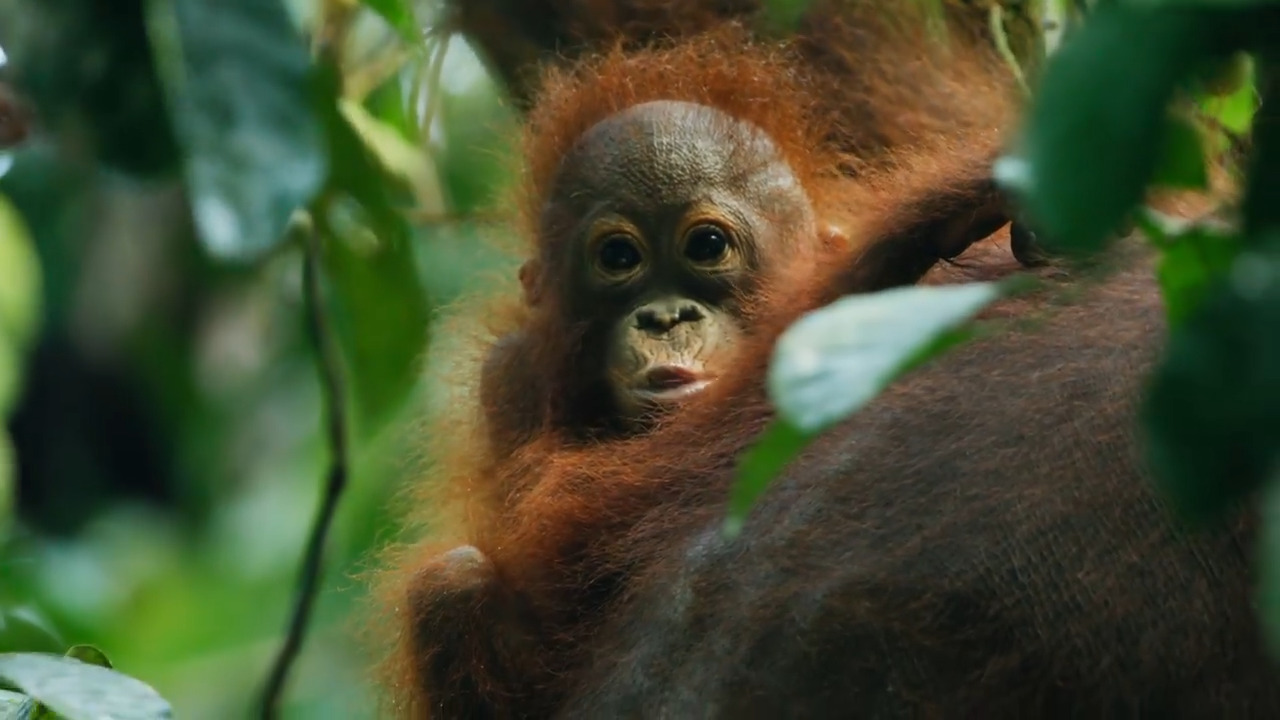
In Young Orangutans in the Canopy, narrator Sir David Attenborough follows a young orangutan as he learns survival skills from his mother in the dense forests of Indonesia. The youngster begins to explore the high canopy for food, including termites and mangos, while navigating the dangers of the forest. This video is excerpted from BBC’s Seven Worlds, One Planet, a series featuring remarkable animal behavior from all seven continents.

The article "What Was It Like to Be a Kid in the Middle Ages?" from BBC's HistoryExtra explores what life was like for children during the Middle Ages. The article highlights how children's lives were shaped by age, gender, class, and religion. It also reveals surprising facts about literacy, mortality rates, and how children played, worked, and were disciplined.
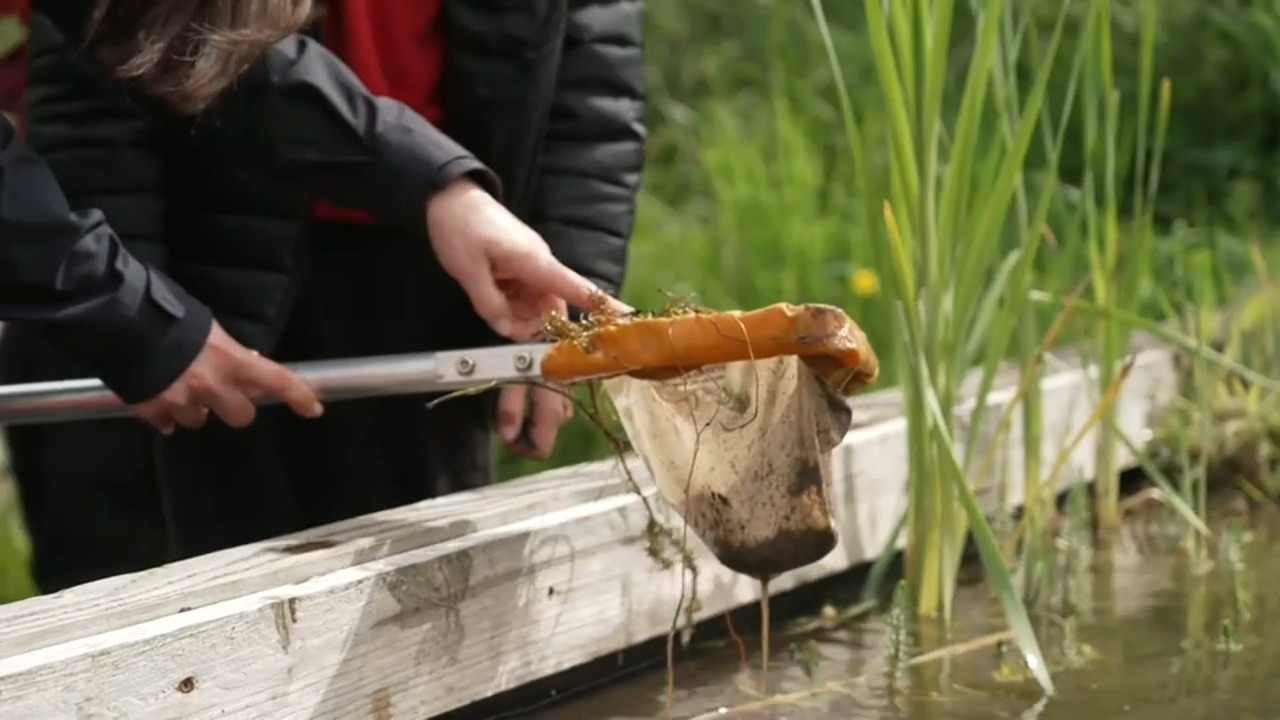
Your parents or grandparents probably talk about growing up outside — riding bikes, climbing trees, scraping up knees. Turns out, they were onto something.
The Wildlife Trusts, a UK conservation group, just wrapped up "30 Days Wild," the UK's biggest nature challenge. Millions of people, including tens of thousands of schools, took part by doing one "wild" activity a day — noticing, appreciating, or exploring nature. The Lancashire Wildlife Trust runs a similar effort called The Greenhouse Project, where people learn to grow food and care for nature together.
The idea: the more connected people feel to nature, the more likely they are to protect it. But a recent poll found that while almost all adults have fond memories of playing outside as kids, nearly half now spend just three hours outside per week — less than 30 minutes a day.
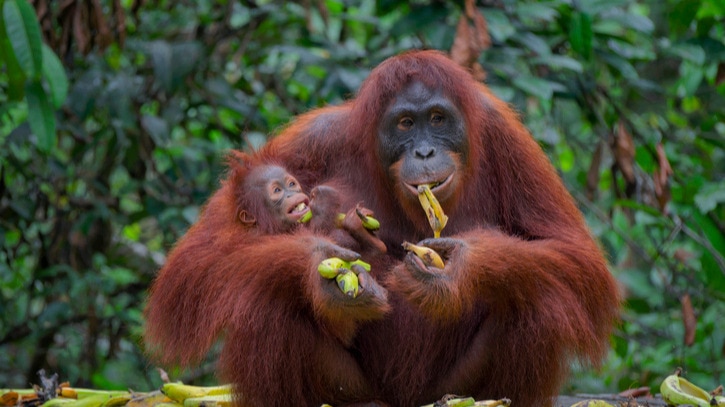
With Mother’s Day coming up in the U.S., what better way to celebrate than by spotlighting some of nature’s most devoted moms?
This fun, feel‑good eight‑video BBC playlist dives into the incredible bond between animal moms and their babies — and the wild ways they raise them. Watch puma cubs practice their hunting skills, a baby orangutan learn the ropes high in the treetops, humpback whale calves set off on their first epic journeys, and prairie dog pups turn playtime into survival training.
From feeding and protection to movement and life lessons, these clips show just how much it takes to grow up in the wild — and how moms make it all possible.
Featuring favorites like prairie dogs, orangutans, polar bears, and humpback whales, this playlist pulls from iconic BBC series like Animal Babies and Planet Earth.
Because mom love? It’s everywhere in the animal kingdom!
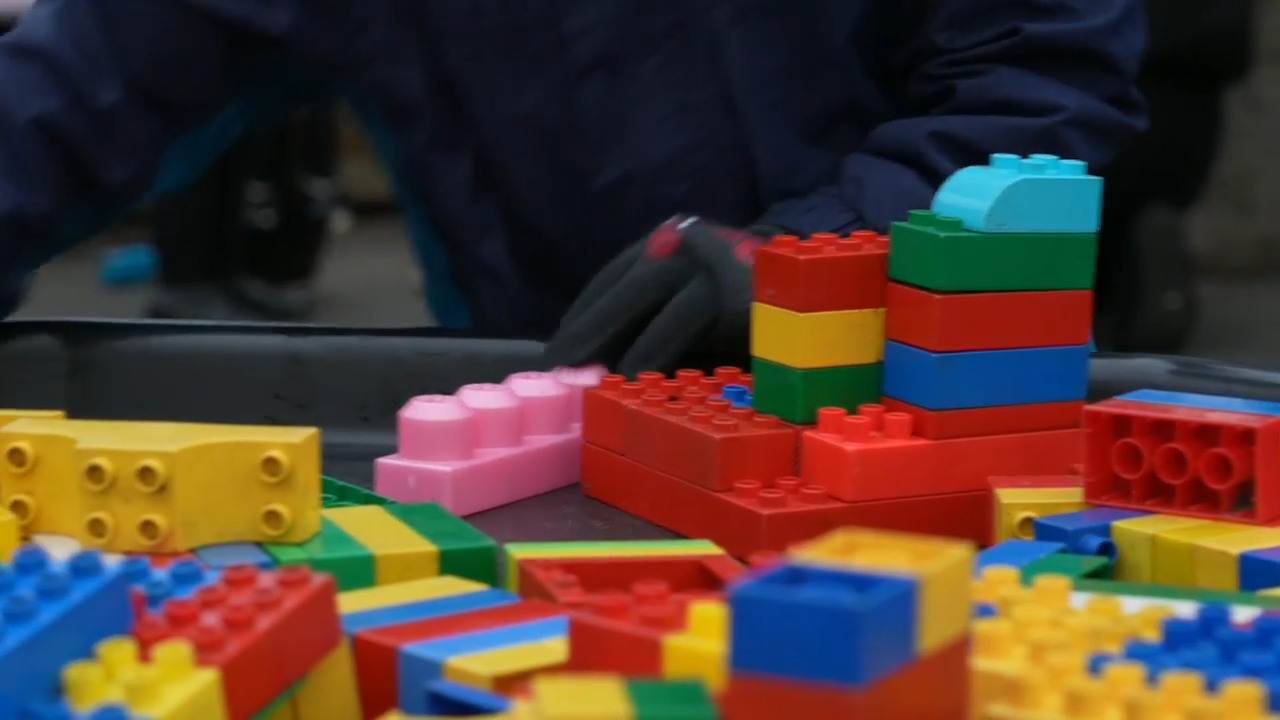
Kids today can swipe before they can tie their shoes — but some teachers say all that screen time may be changing the way young children learn, talk, and handle emotions. One preschool is pushing back by focusing on hands-on play, conversation, creativity, and movement instead of tablets and videos. Teachers say they’re seeing more kids struggle to explain what they want, calm themselves down, or interact socially after spending hours watching screens instead of experiencing the real world firsthand. Experts recommend no screens at all for children under 2, and no more than 30 minutes a day for ages 2–5.
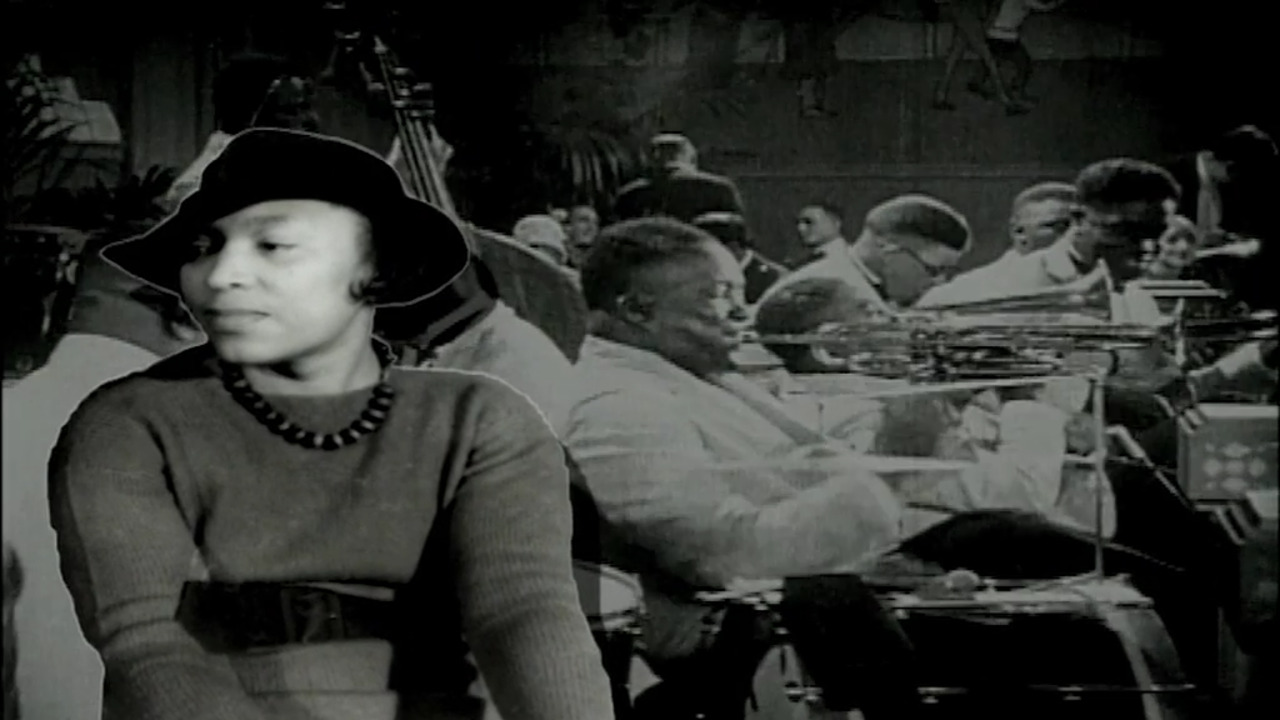
In Zora Neale Hurston and the Harlem Renaissance, explore the life and work of writer and anthropologist Zora Neale Hurston, from her Alabama childhood to her studies of African American folklore and culture. Though she died in obscurity, her legacy was revived by Alice Walker, restoring her place as a key figure in literature and the Harlem Renaissance.
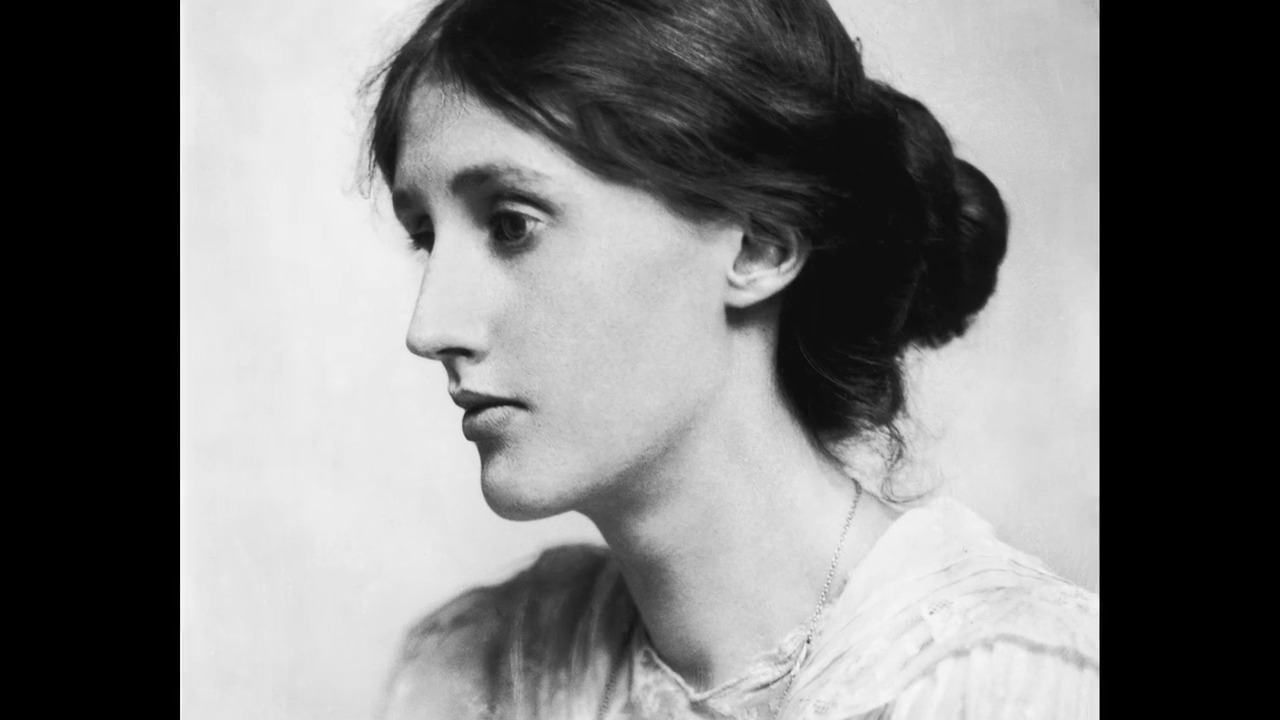
In Virginia Woolf, the Writer, host Lily Cole introduces Virginia Woolf, a revolutionary writer of her time. Woolf, who suffered abuse in her childhood and faced regular hospitalization for depression, is discussed in the context of her novel Mrs. Dalloway. This video is excerpted from BBC’s Icons: The Greatest Person of the 20th Century, a documentary series celebrating the achievements of the most influential figures of the era.
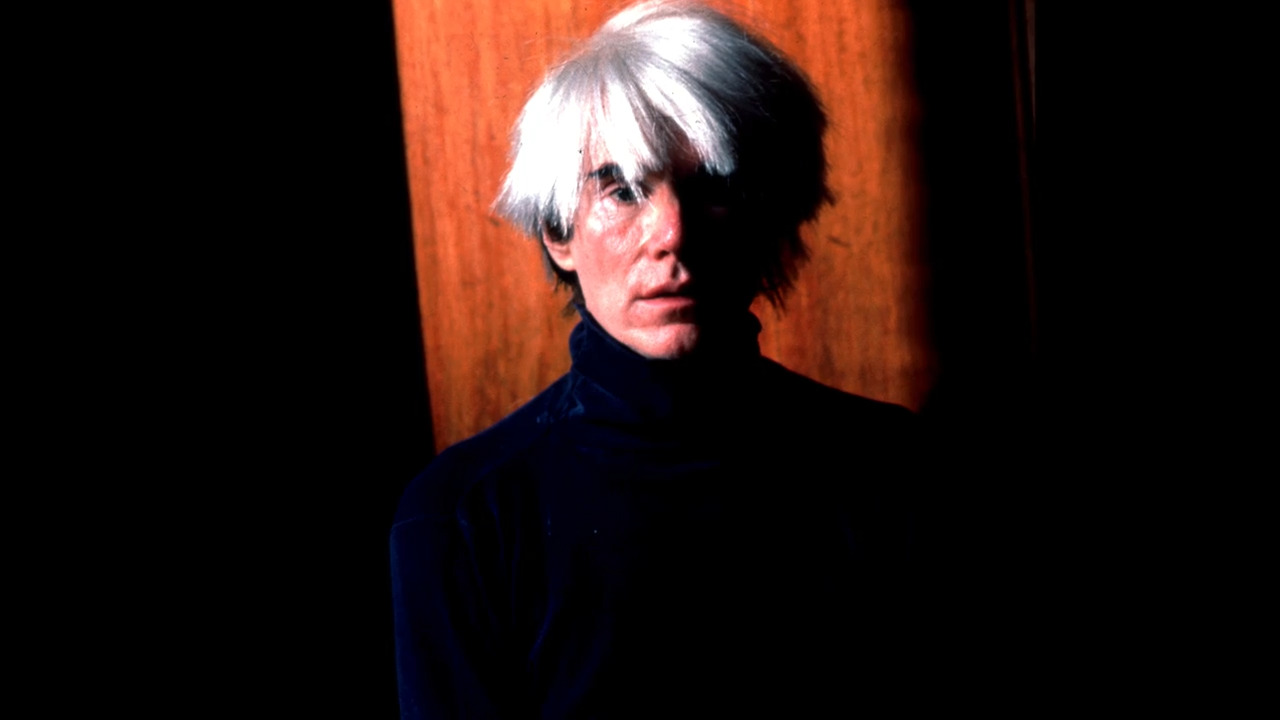
In Andy Warhol, Innovative Artist, host Lily Cole discusses Warhol's childhood and rise to fame, including how he was shot in 1968 in New York City and never fully recovered from his injuries. This video is excerpted from BBC’s Icons: The Greatest Person of the 20th Century, a documentary series celebrating the achievements of the most influential figures of the era.

In Pele's Pledge to His Father, sports journalist Clare Balding describes how Pelé pledged to his father that he would help Brazil win the World Cup. She describes his childhood and rise to fame. This video is excerpted from BBC’s Icons: The Greatest Person of the 20th Century, a documentary series celebrating the achievements of the most influential figures of the era.
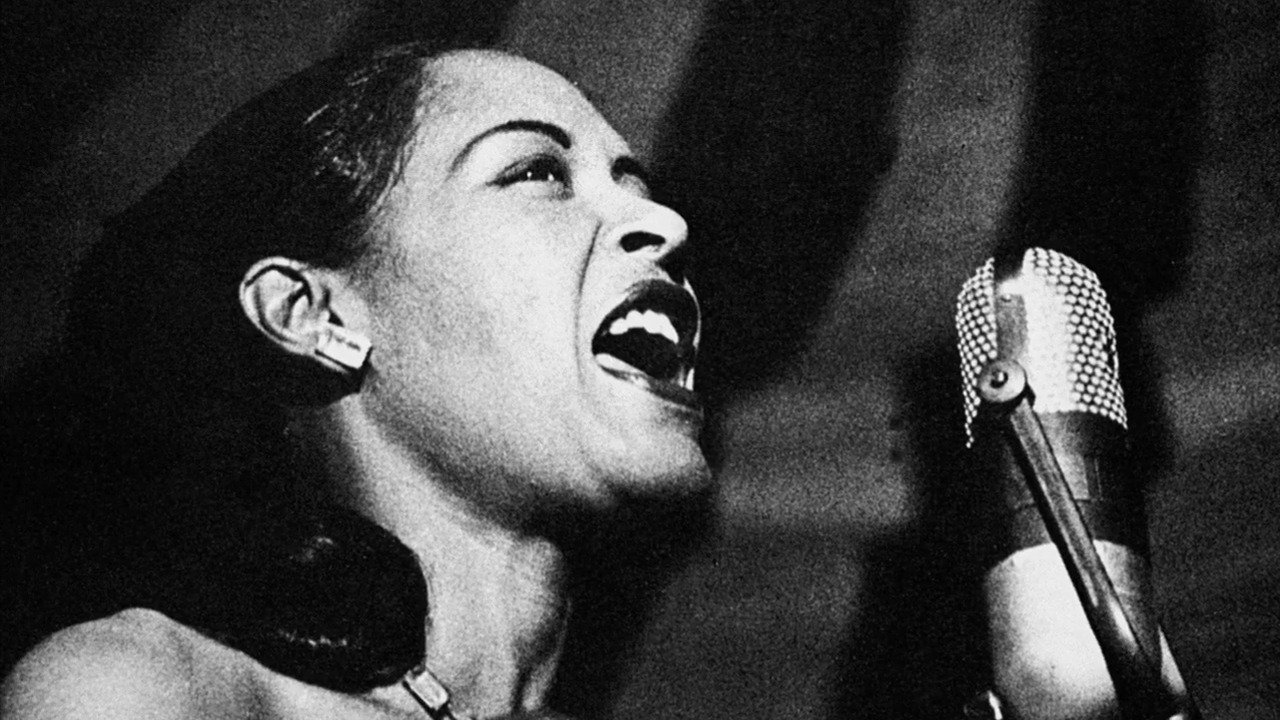
In Billie Holiday, a Voice Against Injustice, host Kathleen Turner explores the early struggles of the legendary jazz singer, Billie Holiday. Rising from a tragic childhood, Holiday overcame unimaginable hardships to captivate the world with her unique voice, even as she faced overt racism. This video is excerpted from BBC’s Icons: The Greatest Person of the 20th Century, a documentary series celebrating the achievements of the most influential figures of the era.

The article “Marie Curie: A Scientific Legacy Who Changed the World” from BBC's HistoryExtra explores the life and groundbreaking scientific achievements of Marie Curie. From her difficult childhood in Russian-occupied Poland to her pioneering work in radioactivity, Curie defied gender norms and political obstacles to become one of the most celebrated scientists in history.
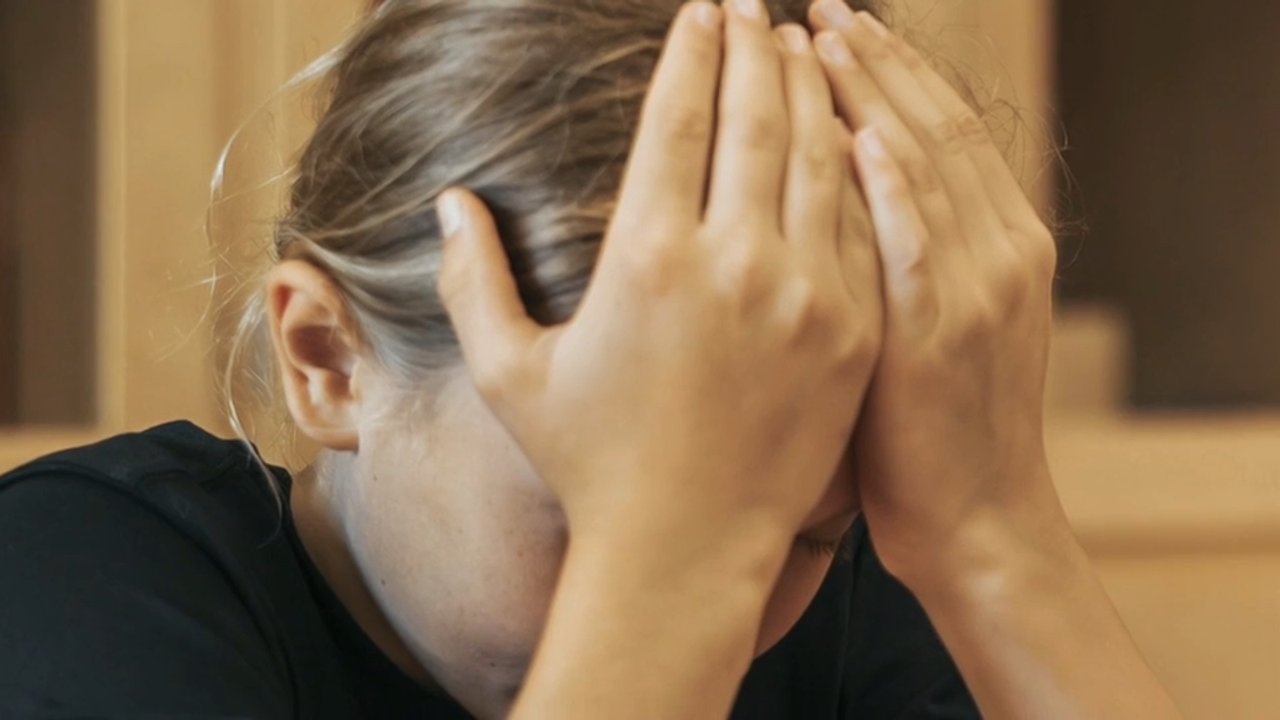
A 7-year-old's biggest worry might not be who's hogging the crayons. A survey in Wales (one of the four nations that make up the United Kingdom) suggests that anxiety, concerns about appearance, trouble sleeping, bullying, and problematic phone use affect children as young as 7.
The School Health Research Network — a Wales-based research initiative that regularly surveys students on health and wellbeing — polled more than 50,000 students at over 500 primary schools (the UK term for elementary schools, covering roughly ages 4 to 11) about their physical and mental health. The results were sobering: one in seven kids ages 7 to 11 struggled with emotional issues severe enough that they might need professional support, and a third of kids reported regularly feeling worried, sad, or upset.
The survey also found that 70% regularly had trouble sleeping, half had experienced bullying, and fewer than half ate fruit or vegetables every day.
This isn't just a UK trend. CDC data shows that among U.S. children ages 3 to 17, about 7% currently have anxiety problems, and U.S. health officials now recommend that children ages 8 and up be screened for anxiety — a sign that early childhood anxiety is being taken seriously on both sides of the Atlantic. These findings aren't just numbers — schools are using them to identify where students need more support, whether that's mental health resources, anti-bullying programs, or something as simple as better sleep habits.
In Young Orangutans in the Canopy, narrator Sir David Attenborough follows a young orangutan as he learns survival skills from his mother in the dense forests of Indonesia. The youngster begins to explore the high canopy for food, including termites and mangos, while navigating the dangers of the forest. This video is excerpted from BBC’s Seven Worlds, One Planet, a series featuring remarkable animal behavior from all seven continents.
The article "What Was It Like to Be a Kid in the Middle Ages?" from BBC's HistoryExtra explores what life was like for children during the Middle Ages. The article highlights how children's lives were shaped by age, gender, class, and religion. It also reveals surprising facts about literacy, mortality rates, and how children played, worked, and were disciplined.
Your parents or grandparents probably talk about growing up outside — riding bikes, climbing trees, scraping up knees. Turns out, they were onto something.
The Wildlife Trusts, a UK conservation group, just wrapped up "30 Days Wild," the UK's biggest nature challenge. Millions of people, including tens of thousands of schools, took part by doing one "wild" activity a day — noticing, appreciating, or exploring nature. The Lancashire Wildlife Trust runs a similar effort called The Greenhouse Project, where people learn to grow food and care for nature together.
The idea: the more connected people feel to nature, the more likely they are to protect it. But a recent poll found that while almost all adults have fond memories of playing outside as kids, nearly half now spend just three hours outside per week — less than 30 minutes a day.
With Mother’s Day coming up in the U.S., what better way to celebrate than by spotlighting some of nature’s most devoted moms?
This fun, feel‑good eight‑video BBC playlist dives into the incredible bond between animal moms and their babies — and the wild ways they raise them. Watch puma cubs practice their hunting skills, a baby orangutan learn the ropes high in the treetops, humpback whale calves set off on their first epic journeys, and prairie dog pups turn playtime into survival training.
From feeding and protection to movement and life lessons, these clips show just how much it takes to grow up in the wild — and how moms make it all possible.
Featuring favorites like prairie dogs, orangutans, polar bears, and humpback whales, this playlist pulls from iconic BBC series like Animal Babies and Planet Earth.
Because mom love? It’s everywhere in the animal kingdom!
Kids today can swipe before they can tie their shoes — but some teachers say all that screen time may be changing the way young children learn, talk, and handle emotions. One preschool is pushing back by focusing on hands-on play, conversation, creativity, and movement instead of tablets and videos. Teachers say they’re seeing more kids struggle to explain what they want, calm themselves down, or interact socially after spending hours watching screens instead of experiencing the real world firsthand. Experts recommend no screens at all for children under 2, and no more than 30 minutes a day for ages 2–5.
In Zora Neale Hurston and the Harlem Renaissance, explore the life and work of writer and anthropologist Zora Neale Hurston, from her Alabama childhood to her studies of African American folklore and culture. Though she died in obscurity, her legacy was revived by Alice Walker, restoring her place as a key figure in literature and the Harlem Renaissance.
In Virginia Woolf, the Writer, host Lily Cole introduces Virginia Woolf, a revolutionary writer of her time. Woolf, who suffered abuse in her childhood and faced regular hospitalization for depression, is discussed in the context of her novel Mrs. Dalloway. This video is excerpted from BBC’s Icons: The Greatest Person of the 20th Century, a documentary series celebrating the achievements of the most influential figures of the era.
In Andy Warhol, Innovative Artist, host Lily Cole discusses Warhol's childhood and rise to fame, including how he was shot in 1968 in New York City and never fully recovered from his injuries. This video is excerpted from BBC’s Icons: The Greatest Person of the 20th Century, a documentary series celebrating the achievements of the most influential figures of the era.
In Pele's Pledge to His Father, sports journalist Clare Balding describes how Pelé pledged to his father that he would help Brazil win the World Cup. She describes his childhood and rise to fame. This video is excerpted from BBC’s Icons: The Greatest Person of the 20th Century, a documentary series celebrating the achievements of the most influential figures of the era.
In Billie Holiday, a Voice Against Injustice, host Kathleen Turner explores the early struggles of the legendary jazz singer, Billie Holiday. Rising from a tragic childhood, Holiday overcame unimaginable hardships to captivate the world with her unique voice, even as she faced overt racism. This video is excerpted from BBC’s Icons: The Greatest Person of the 20th Century, a documentary series celebrating the achievements of the most influential figures of the era.
The article “Marie Curie: A Scientific Legacy Who Changed the World” from BBC's HistoryExtra explores the life and groundbreaking scientific achievements of Marie Curie. From her difficult childhood in Russian-occupied Poland to her pioneering work in radioactivity, Curie defied gender norms and political obstacles to become one of the most celebrated scientists in history.
A 7-year-old's biggest worry might not be who's hogging the crayons. A survey in Wales (one of the four nations that make up the United Kingdom) suggests that anxiety, concerns about appearance, trouble sleeping, bullying, and problematic phone use affect children as young as 7.
The School Health Research Network — a Wales-based research initiative that regularly surveys students on health and wellbeing — polled more than 50,000 students at over 500 primary schools (the UK term for elementary schools, covering roughly ages 4 to 11) about their physical and mental health. The results were sobering: one in seven kids ages 7 to 11 struggled with emotional issues severe enough that they might need professional support, and a third of kids reported regularly feeling worried, sad, or upset.
The survey also found that 70% regularly had trouble sleeping, half had experienced bullying, and fewer than half ate fruit or vegetables every day.
This isn't just a UK trend. CDC data shows that among U.S. children ages 3 to 17, about 7% currently have anxiety problems, and U.S. health officials now recommend that children ages 8 and up be screened for anxiety — a sign that early childhood anxiety is being taken seriously on both sides of the Atlantic. These findings aren't just numbers — schools are using them to identify where students need more support, whether that's mental health resources, anti-bullying programs, or something as simple as better sleep habits.