Meet the extreme survivors. Penguins, giraffes, golden snub-nosed monkeys, Namaqua chameleons — these animals have evolved remarkable ways to endure some of the harshest conditions on Earth. We've put together a collection of BBC video clips all about extreme survivors (see Related Resources below). Watch them, then take the Kahoot to see what stuck.
The adaptations are wide-ranging: penguins withstand sub-zero temperatures, giraffes manage naturally high blood pressure, snub-nosed monkeys huddle together to survive freezing nights, and Namaqua chameleons shift skin color to beat the heat of the day. Explore how these animals have adapted, body and behavior, to survive against the odds.
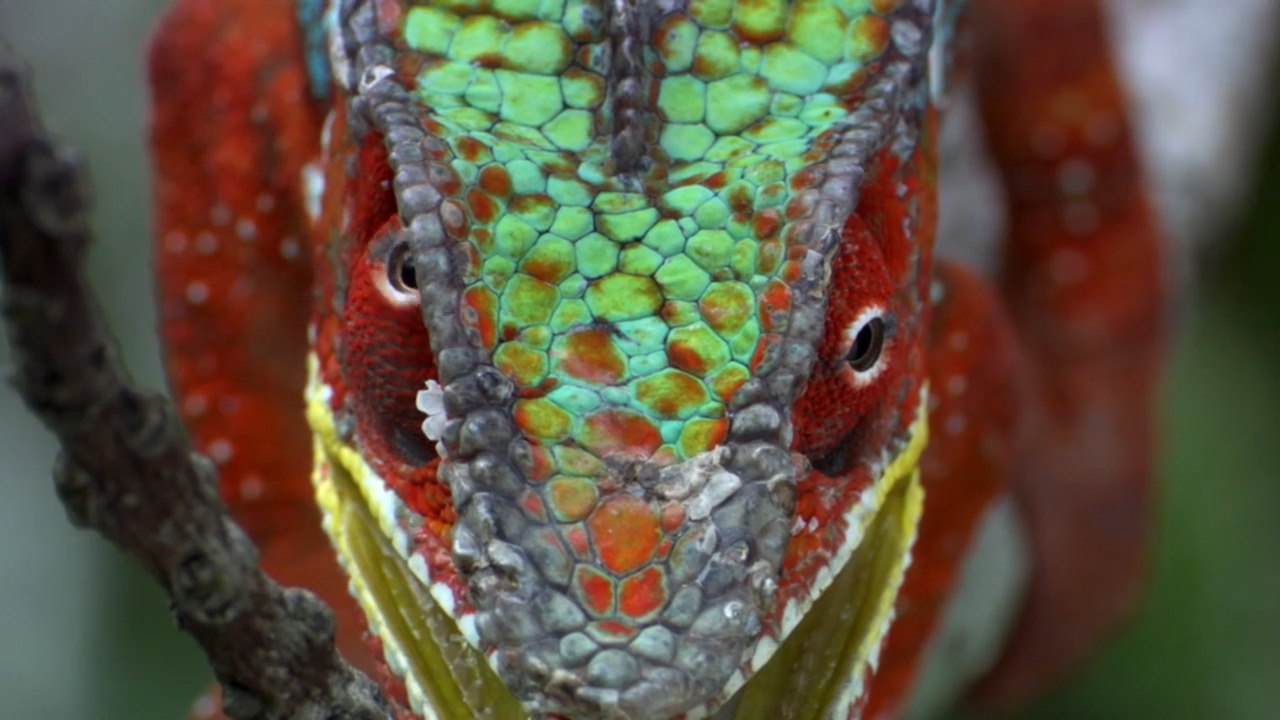
In The Panther Chameleon’s Survival Skills, narrator Sir David Attenborough looks at the amazing panther chameleon and how it has adapted to survive. This chameleon uses its long, fast tongue like a missile to catch insects, and its toes act like pincers to grip branches. Its eyes rotate in all directions, and its skin changes color to blend in with its surroundings, helping it thrive and hunt in the jungles of Madagascar. This video is excerpted from BBC's Life, a show that explores the remarkable strategies animals and plants use to ensure their survival.
In The Life of a Namaqua Chameleon, narrator Sir David Attenborough follows a determined Namaqua chameleon as it leaves tiny footprints in the sand as it treks along the desert. Its hunt for food is a game of patience — waiting for beetles to seek shade before striking with its lightning-fast tongue. Life here is tough, and even finding a mate comes with challenges, but this remarkable chameleon shows how to thrive in one of the harshest places on Earth. This video is excerpted from BBC's Life, a show that explores the remarkable strategies animals and plants use to ensure their survival.
Meet the extreme survivors. Penguins, giraffes, golden snub-nosed monkeys, Namaqua chameleons — these animals have evolved remarkable ways to endure some of the harshest conditions on Earth. We've put together a collection of BBC video clips all about extreme survivors (see Related Resources below). Watch them, then take the Kahoot to see what stuck.
The adaptations are wide-ranging: penguins withstand sub-zero temperatures, giraffes manage naturally high blood pressure, snub-nosed monkeys huddle together to survive freezing nights, and Namaqua chameleons shift skin color to beat the heat of the day. Explore how these animals have adapted, body and behavior, to survive against the odds.
In The Panther Chameleon’s Survival Skills, narrator Sir David Attenborough looks at the amazing panther chameleon and how it has adapted to survive. This chameleon uses its long, fast tongue like a missile to catch insects, and its toes act like pincers to grip branches. Its eyes rotate in all directions, and its skin changes color to blend in with its surroundings, helping it thrive and hunt in the jungles of Madagascar. This video is excerpted from BBC's Life, a show that explores the remarkable strategies animals and plants use to ensure their survival.
In The Life of a Namaqua Chameleon, narrator Sir David Attenborough follows a determined Namaqua chameleon as it leaves tiny footprints in the sand as it treks along the desert. Its hunt for food is a game of patience — waiting for beetles to seek shade before striking with its lightning-fast tongue. Life here is tough, and even finding a mate comes with challenges, but this remarkable chameleon shows how to thrive in one of the harshest places on Earth. This video is excerpted from BBC's Life, a show that explores the remarkable strategies animals and plants use to ensure their survival.