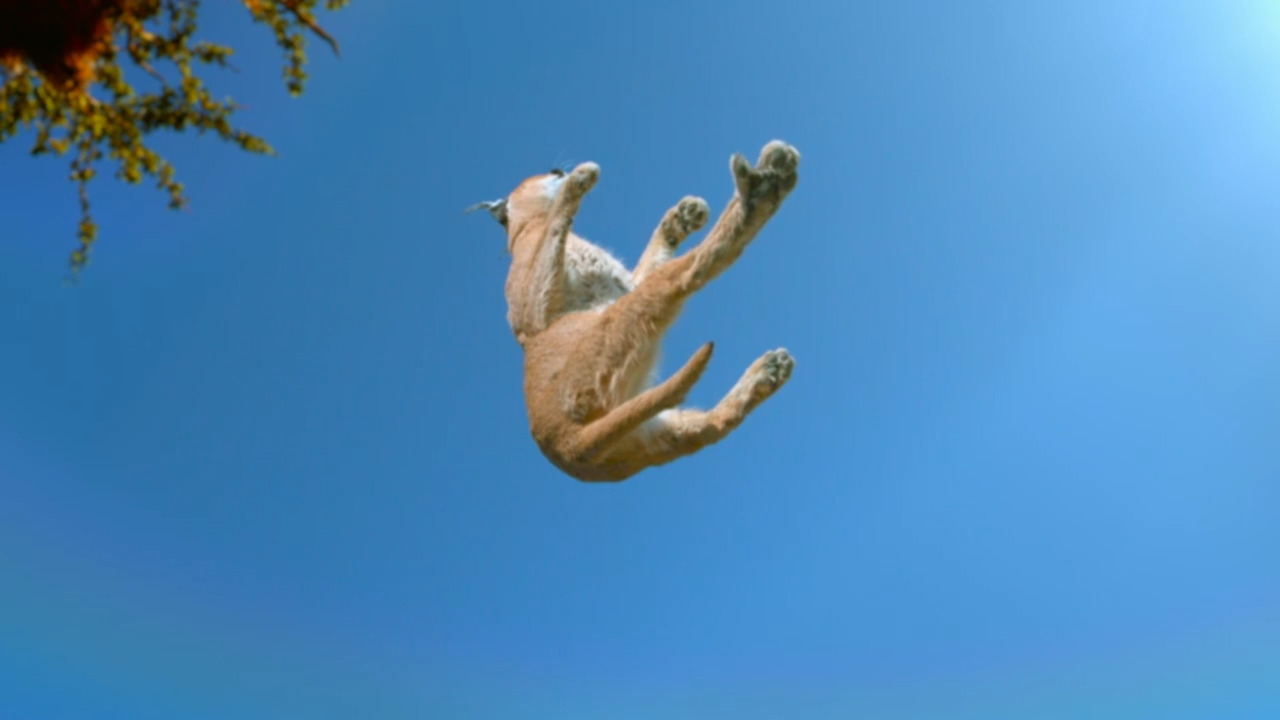
In The Gravity-Defying Design of the Caracal Cat, narrator Suranne Jones looks at the perfect design of the caracal, a wild cat, that allows it to leap upwards, defying gravity and catching birds in flight. Even more amazing is how the cat uses its flexible spine to twist its body two different ways so that it can push off itself and land on its feet no matter what. This video is excerpted from BBC’s Life in the Air, a documentary about animals that take to the sky.
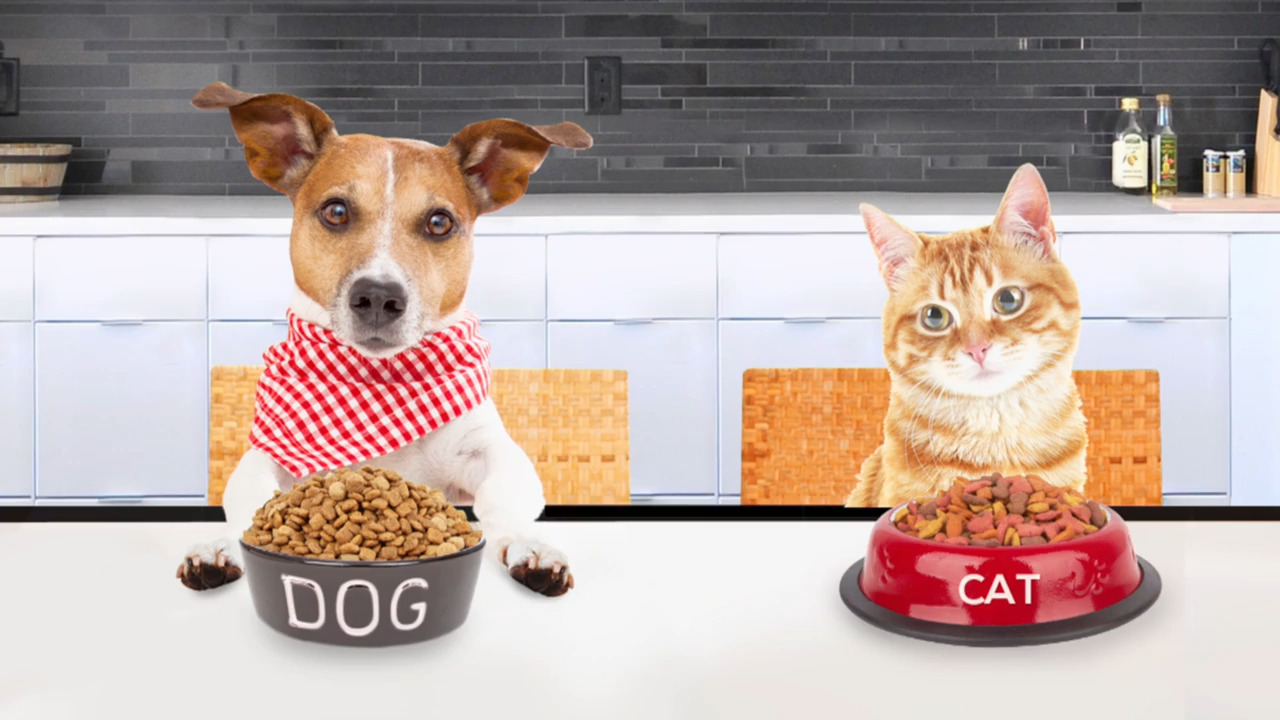
In Foods Dogs and Cats Should Avoid, host Harith Iskander discusses foods that are dangerous for pets, especially dogs and cats. For instance, chocolate contains theobromine, which is highly toxic to them, with dark chocolate being the most dangerous type. This video is excerpted from BBC’s Got Science?, a science magazine series that explores and explains science in everyday life.
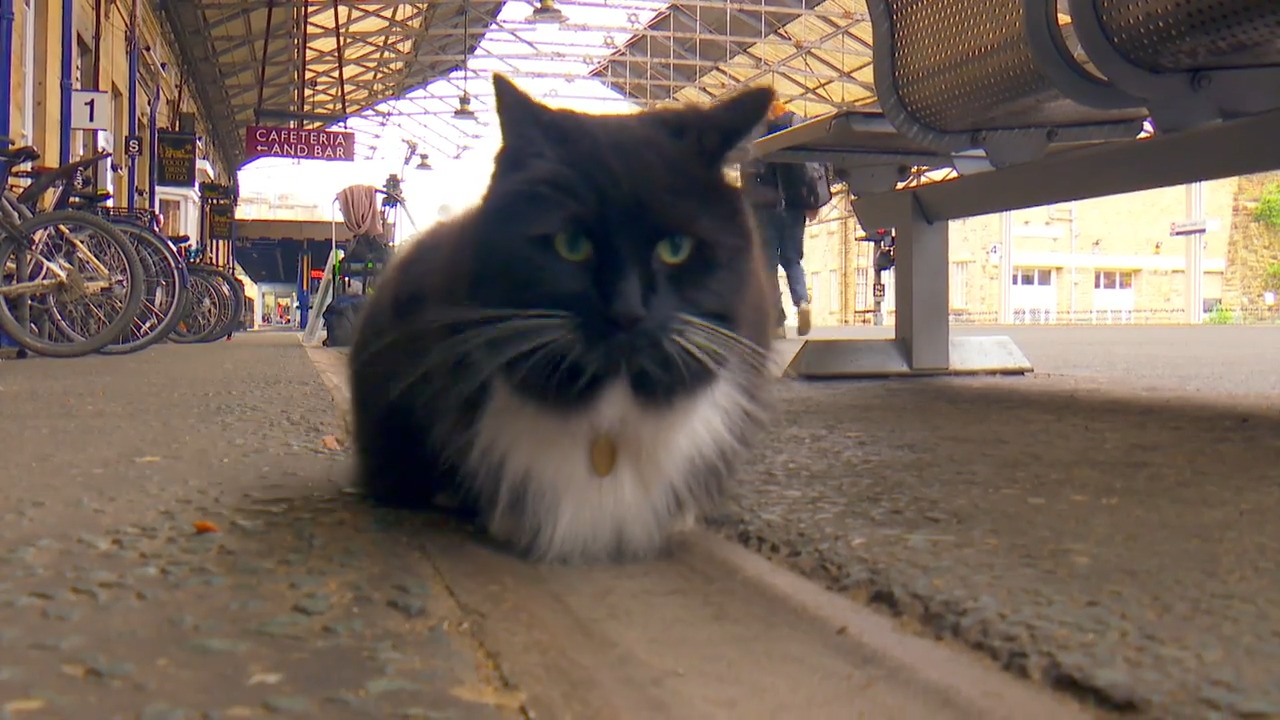
In A Day in the Life of a Train Station Cat, host Ferne Corrigan meets Felix, the train station cat with an important job — keeping the station free of pesky mice and rats! Although she loves exploring outside and has many friends, Felix also has her very own room inside the station filled with a soft bed and fun toys. Watch as the kids feed her and make sure her litter box is squeaky clean every day! This video is excerpted from BBC’s My Pet and Me, a children’s show that introduces kids to the rewards and responsibilities involved when having a pet.
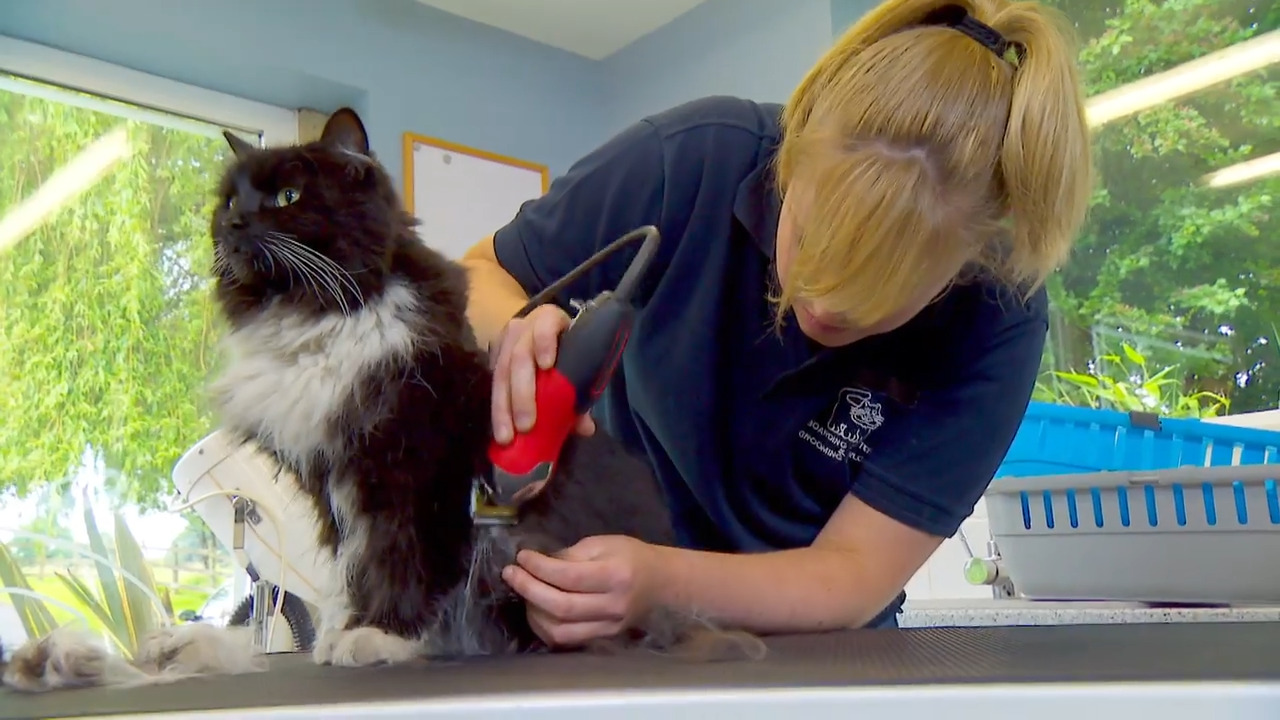
In Felix the Cat's Spa Day, host Ferne Corrigan takes us along as Felix the station cat goes for a special grooming session! At the groomer, Felix gets her fur carefully shaved to remove any painful knots and tangles, and then enjoys a bubbly bath — her very own spa day! After a gentle blow-dry and brush, Felix is all clean and ready to head back to work at the train station! This video is excerpted from BBC’s My Pet and Me, a children’s show that introduces kids to the rewards and responsibilities involved when having a pet.
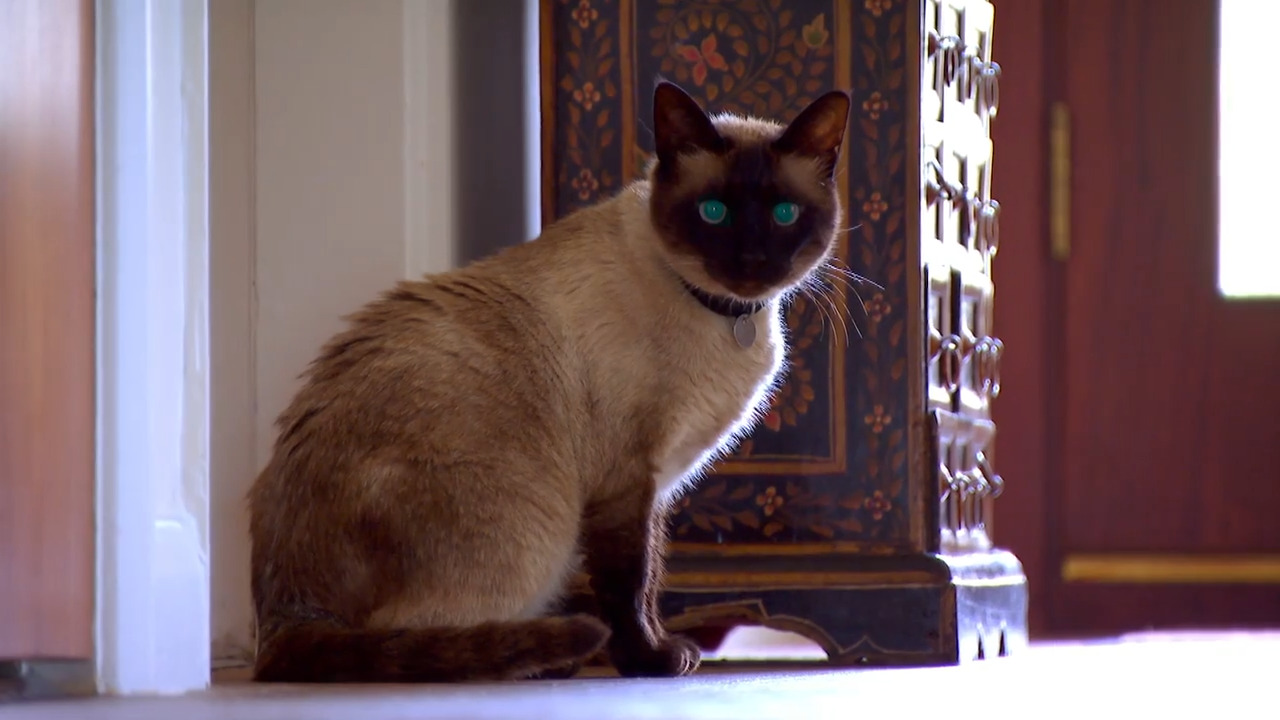
In How to Care for Your Siamese Companion, host Ferne Corrigan meets Olives, the most affectionate Siamese cat! Siamese cats are clever and have striking blue eyes and a unique pointed coat that makes them look extra special. They love to chat, especially when they want attention, and they can also leap high like acrobats! This video is excerpted from BBC’s My Pet and Me, a children’s show that introduces kids to the rewards and responsibilities involved when having a pet.

Get ready to meet some of the fluffiest, funniest, and most fascinating pets around! In this special collection from My Pet and Me, hosts Ferne Corrigan and Rory Crawford introduce us to animals with big personalities and even bigger hearts, from talkative Siamese cats and stylish poodles to gentle donkeys and deaf dogs who don’t let anything hold them back.
Each episode celebrates the joy of having a pet while teaching kids how to care for animals with kindness, patience, and curiosity. Whether you're learning how to groom a pony or discovering how a station cat spends her day, this collection highlights the many ways pets enrich our lives and how we can return the favor.
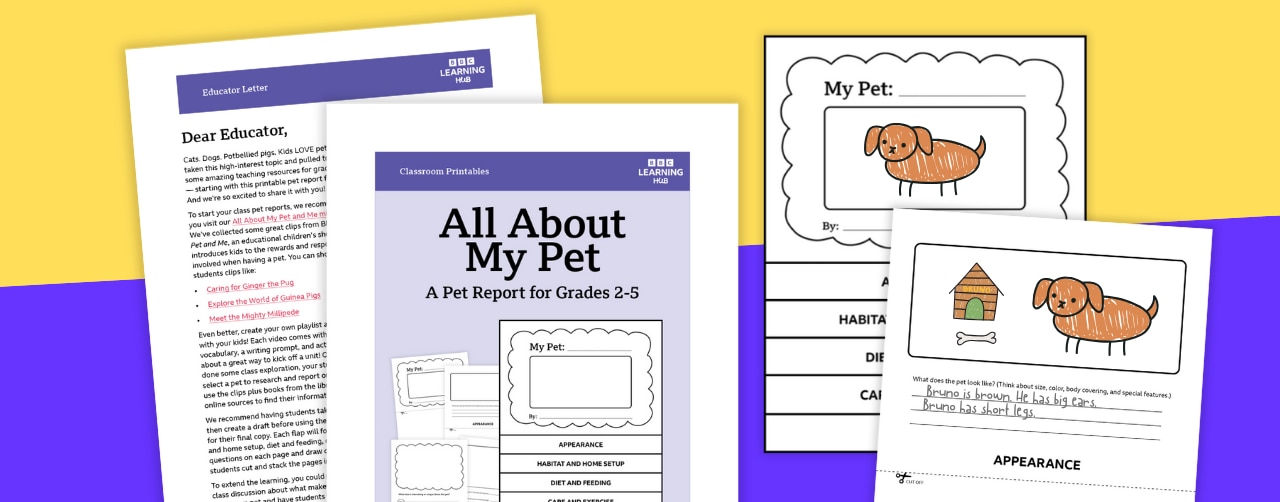
Cats. Dogs. Potbellied pigs. Kids LOVE pets. We've taken this high-interest topic and pulled together some amazing teaching resources for grades 2–5 — starting with this printable pet report flip book! We recommend having students take notes and then create a draft before using the template for their final copy. Each flap will focus on a different aspect of pets: appearance, habitat and home setup, diet and feeding, care and exercise, and fun facts. Students will answer questions on each page and draw or paste a visual that connects to the text. To assemble, students cut and stack the pages in order, then attach them at the top with staples.
Hint: Watch one of our amazing My Pet and Me video clips to get students inspired and to get information for their reports!
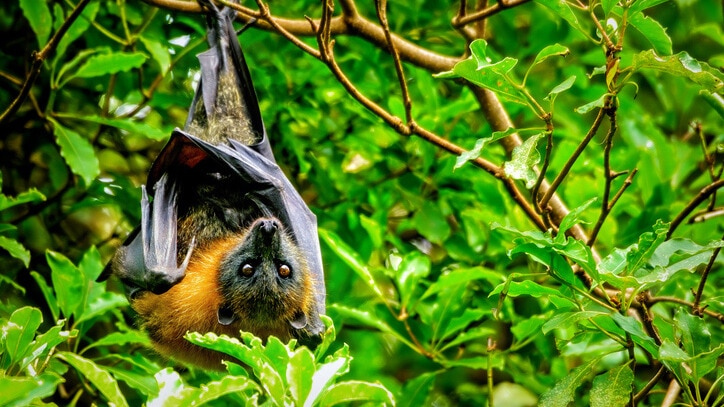
Delve into the eerie and enchanting world of creatures of Halloween! This BBC playlist explores the mysterious lives of wolves, bats, spiders, and owls, revealing the fascinating hunting strategies, survival journeys, and unique ecosystems that make them so captivating. Perfect for a spooky science lesson or a deep dive into the animal kingdom's more shadowy inhabitants.
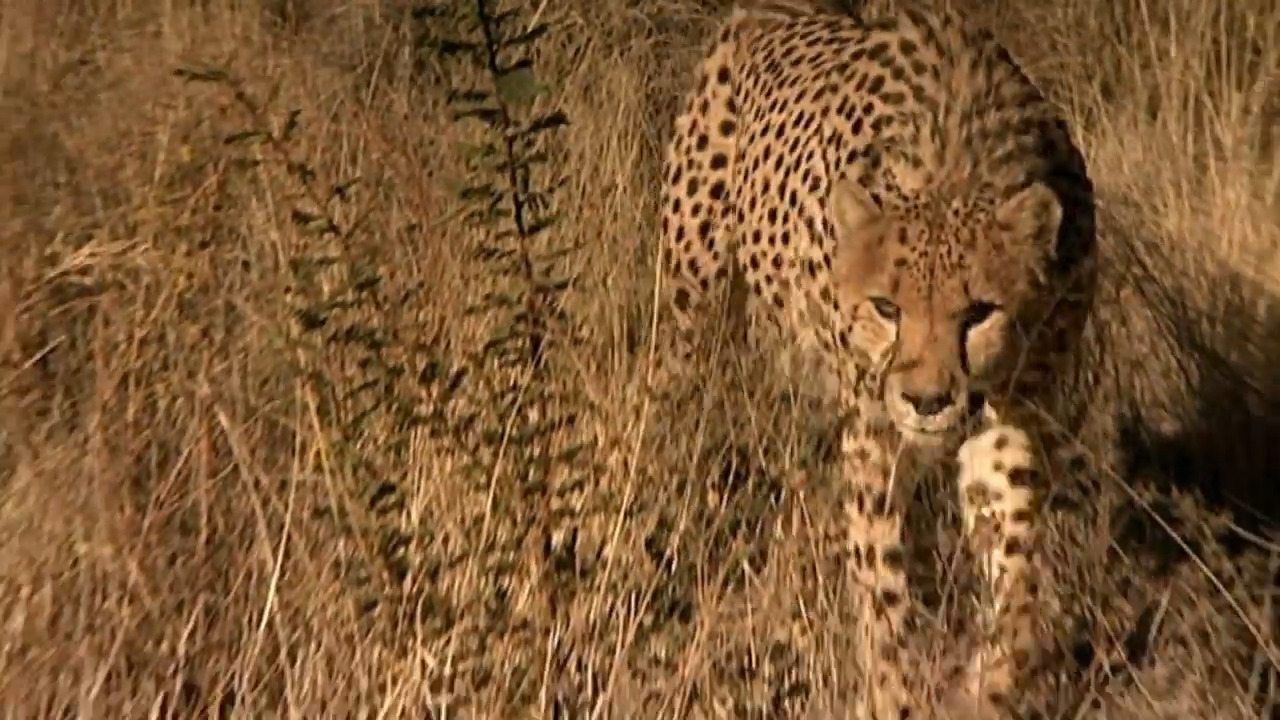
In Endangered Big Cat Conservation Around the World, host Simon Reeve visits two conservationists in Russia and Namibia who are tirelessly working to protect Amur tigers and cheetahs. This video is excerpted from BBC's Incredible Journeys With Simon Reeve, a series that highlights one journalist’s travels across the globe and the diverse cultures and peoples he meets along the way.
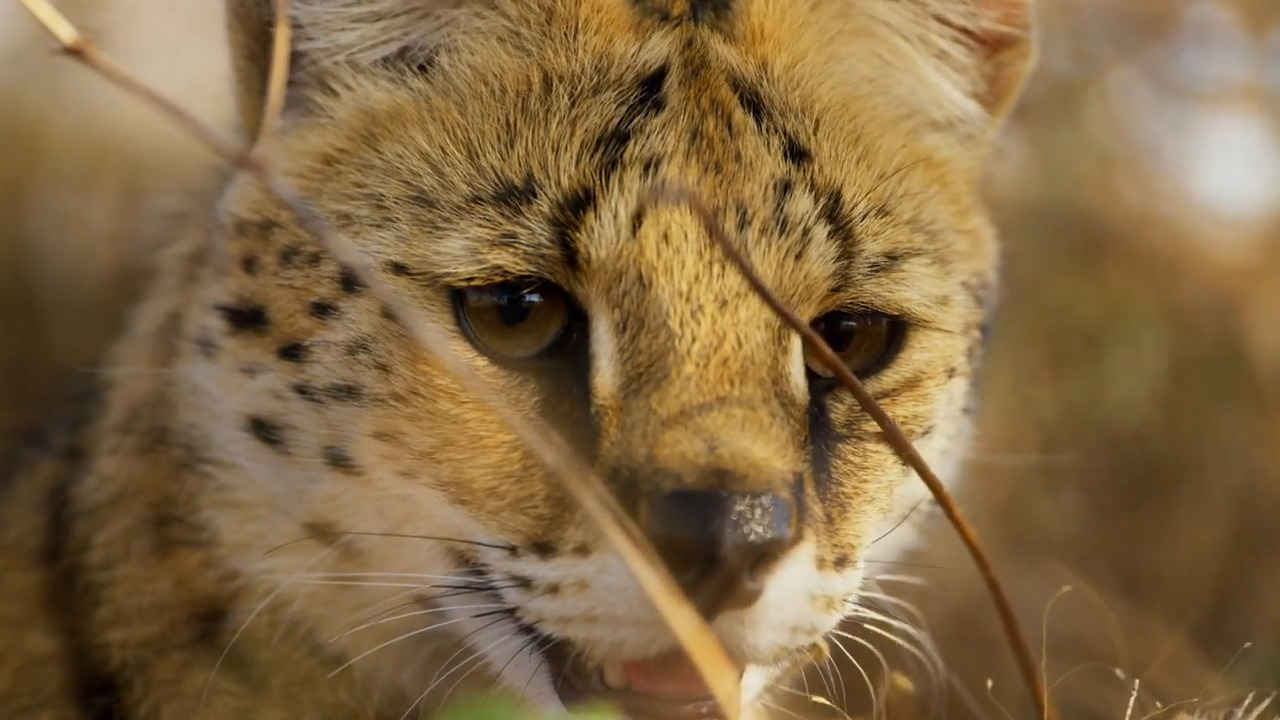
In Serval, Wild Cat on the Hunt, naturalist Steve Backshall joins a group of scientists to look for servals in an unusual location — near a power station — and shows why these wild cats are such effective hunters. This video is excerpted from BBC's Deadly 60, an award-winning nature and adventure show for kids in which narrator Steve Backshall has one mission: to travel the globe in search of 60 of the world's deadliest animals.
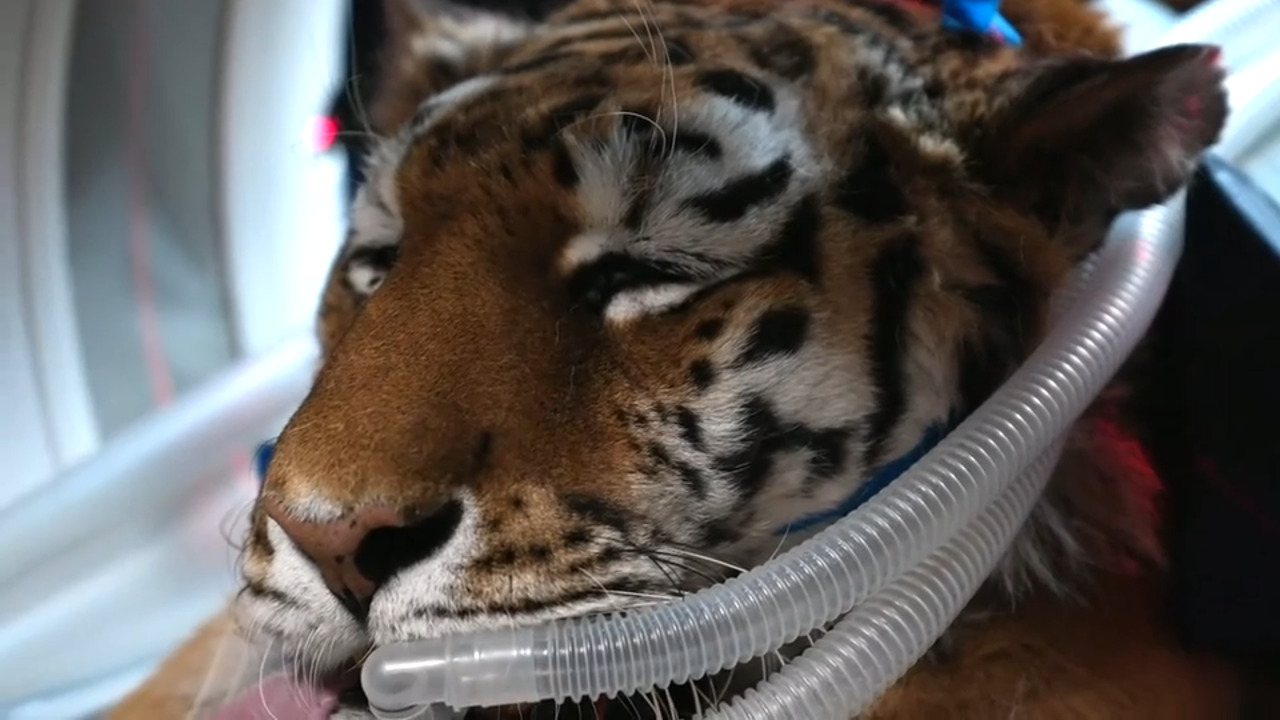
Did somebody say CAT scan? The Norfolk Zoo is doubling down on the idea of a big CAT scan by giving a big cat a scan! A tiger named Mishka is one of many animal patients that the zoo is sending through a CAT, or CT, scan. Short for “computerized axial tomography” or “computed tomography,” depending on how much time you have and how much you want to impress your friends, CT scans use a combination of X-rays and computer technology to help see inside bodies, produced detailed images of bones, organs, and soft tissue.
To the untrained eye, the scan’s grey and white blobs may look like, well, blobs. But, skilled professionals will be able to see if they show any abnormalities in bones or soft tissues. In addition to Mishka, the zoo also checked out other animals like a vulture, penguin, and sloth.
Their scans will not only help animals at the zoo, but in the wild, too. The findings will be added to the base knowledge on a species or animal, which can be shared with experts and vet colleagues globally.
In The Gravity-Defying Design of the Caracal Cat, narrator Suranne Jones looks at the perfect design of the caracal, a wild cat, that allows it to leap upwards, defying gravity and catching birds in flight. Even more amazing is how the cat uses its flexible spine to twist its body two different ways so that it can push off itself and land on its feet no matter what. This video is excerpted from BBC’s Life in the Air, a documentary about animals that take to the sky.
In Foods Dogs and Cats Should Avoid, host Harith Iskander discusses foods that are dangerous for pets, especially dogs and cats. For instance, chocolate contains theobromine, which is highly toxic to them, with dark chocolate being the most dangerous type. This video is excerpted from BBC’s Got Science?, a science magazine series that explores and explains science in everyday life.
In A Day in the Life of a Train Station Cat, host Ferne Corrigan meets Felix, the train station cat with an important job — keeping the station free of pesky mice and rats! Although she loves exploring outside and has many friends, Felix also has her very own room inside the station filled with a soft bed and fun toys. Watch as the kids feed her and make sure her litter box is squeaky clean every day! This video is excerpted from BBC’s My Pet and Me, a children’s show that introduces kids to the rewards and responsibilities involved when having a pet.
In Felix the Cat's Spa Day, host Ferne Corrigan takes us along as Felix the station cat goes for a special grooming session! At the groomer, Felix gets her fur carefully shaved to remove any painful knots and tangles, and then enjoys a bubbly bath — her very own spa day! After a gentle blow-dry and brush, Felix is all clean and ready to head back to work at the train station! This video is excerpted from BBC’s My Pet and Me, a children’s show that introduces kids to the rewards and responsibilities involved when having a pet.
In How to Care for Your Siamese Companion, host Ferne Corrigan meets Olives, the most affectionate Siamese cat! Siamese cats are clever and have striking blue eyes and a unique pointed coat that makes them look extra special. They love to chat, especially when they want attention, and they can also leap high like acrobats! This video is excerpted from BBC’s My Pet and Me, a children’s show that introduces kids to the rewards and responsibilities involved when having a pet.
Get ready to meet some of the fluffiest, funniest, and most fascinating pets around! In this special collection from My Pet and Me, hosts Ferne Corrigan and Rory Crawford introduce us to animals with big personalities and even bigger hearts, from talkative Siamese cats and stylish poodles to gentle donkeys and deaf dogs who don’t let anything hold them back.
Each episode celebrates the joy of having a pet while teaching kids how to care for animals with kindness, patience, and curiosity. Whether you're learning how to groom a pony or discovering how a station cat spends her day, this collection highlights the many ways pets enrich our lives and how we can return the favor.
Cats. Dogs. Potbellied pigs. Kids LOVE pets. We've taken this high-interest topic and pulled together some amazing teaching resources for grades 2–5 — starting with this printable pet report flip book! We recommend having students take notes and then create a draft before using the template for their final copy. Each flap will focus on a different aspect of pets: appearance, habitat and home setup, diet and feeding, care and exercise, and fun facts. Students will answer questions on each page and draw or paste a visual that connects to the text. To assemble, students cut and stack the pages in order, then attach them at the top with staples.
Hint: Watch one of our amazing My Pet and Me video clips to get students inspired and to get information for their reports!
Delve into the eerie and enchanting world of creatures of Halloween! This BBC playlist explores the mysterious lives of wolves, bats, spiders, and owls, revealing the fascinating hunting strategies, survival journeys, and unique ecosystems that make them so captivating. Perfect for a spooky science lesson or a deep dive into the animal kingdom's more shadowy inhabitants.
In Endangered Big Cat Conservation Around the World, host Simon Reeve visits two conservationists in Russia and Namibia who are tirelessly working to protect Amur tigers and cheetahs. This video is excerpted from BBC's Incredible Journeys With Simon Reeve, a series that highlights one journalist’s travels across the globe and the diverse cultures and peoples he meets along the way.
In Serval, Wild Cat on the Hunt, naturalist Steve Backshall joins a group of scientists to look for servals in an unusual location — near a power station — and shows why these wild cats are such effective hunters. This video is excerpted from BBC's Deadly 60, an award-winning nature and adventure show for kids in which narrator Steve Backshall has one mission: to travel the globe in search of 60 of the world's deadliest animals.
Did somebody say CAT scan? The Norfolk Zoo is doubling down on the idea of a big CAT scan by giving a big cat a scan! A tiger named Mishka is one of many animal patients that the zoo is sending through a CAT, or CT, scan. Short for “computerized axial tomography” or “computed tomography,” depending on how much time you have and how much you want to impress your friends, CT scans use a combination of X-rays and computer technology to help see inside bodies, produced detailed images of bones, organs, and soft tissue.
To the untrained eye, the scan’s grey and white blobs may look like, well, blobs. But, skilled professionals will be able to see if they show any abnormalities in bones or soft tissues. In addition to Mishka, the zoo also checked out other animals like a vulture, penguin, and sloth.
Their scans will not only help animals at the zoo, but in the wild, too. The findings will be added to the base knowledge on a species or animal, which can be shared with experts and vet colleagues globally.