
The article "3D-Printed Liver Models Help Surgeons "Rehearse" Cancer Surgeries" from BBC's Science Focus explains how scientists have developed a method to 3D print realistic models of cancer patients' organs. These models include imitation tumors and blood, allowing surgeons to practice procedures before performing them on real patients.
Chemotherapy works. It also takes a serious toll — on energy, on the immune system, on everyday quality of life. For decades, that trade-off has been treated as unavoidable. A new drug being used to treat ovarian cancer suggests it might not have to be.
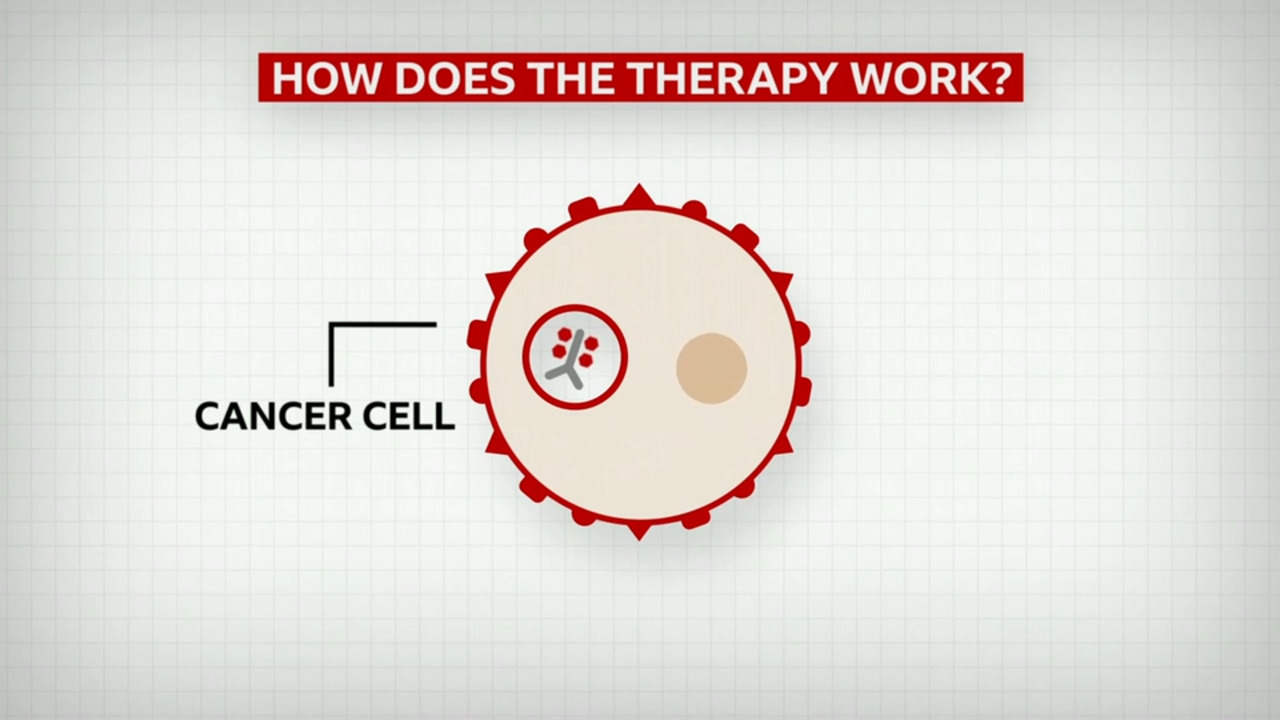
The treatment works by attaching a chemotherapy drug to an antibody — a protein the body uses naturally to identify and target specific cells. When the drug enters the body, the antibodies seek out cancer cells specifically, binding to them and leaving healthy tissue alone. Once inside the cancer cell, the antibody breaks down and releases the chemotherapy drug, destroying the cancer from within. The rest of the body barely notices.
For patients like Patricia Hill, the difference has been significant. After multiple rounds of conventional chemotherapy in the 3 years since her ovarian cancer diagnosis, she describes finally feeling well enough to socialize and enjoy daily life again. That shift — from surviving treatment to actually living alongside it — is what researchers have spent decades working toward.
The drug is still being studied, but early results point in two directions that matter: better quality of life during treatment, and the possibility of longer survival afterward. Those two things don't always come together in cancer research. When they do, it tends to mean something genuinely new is happening.
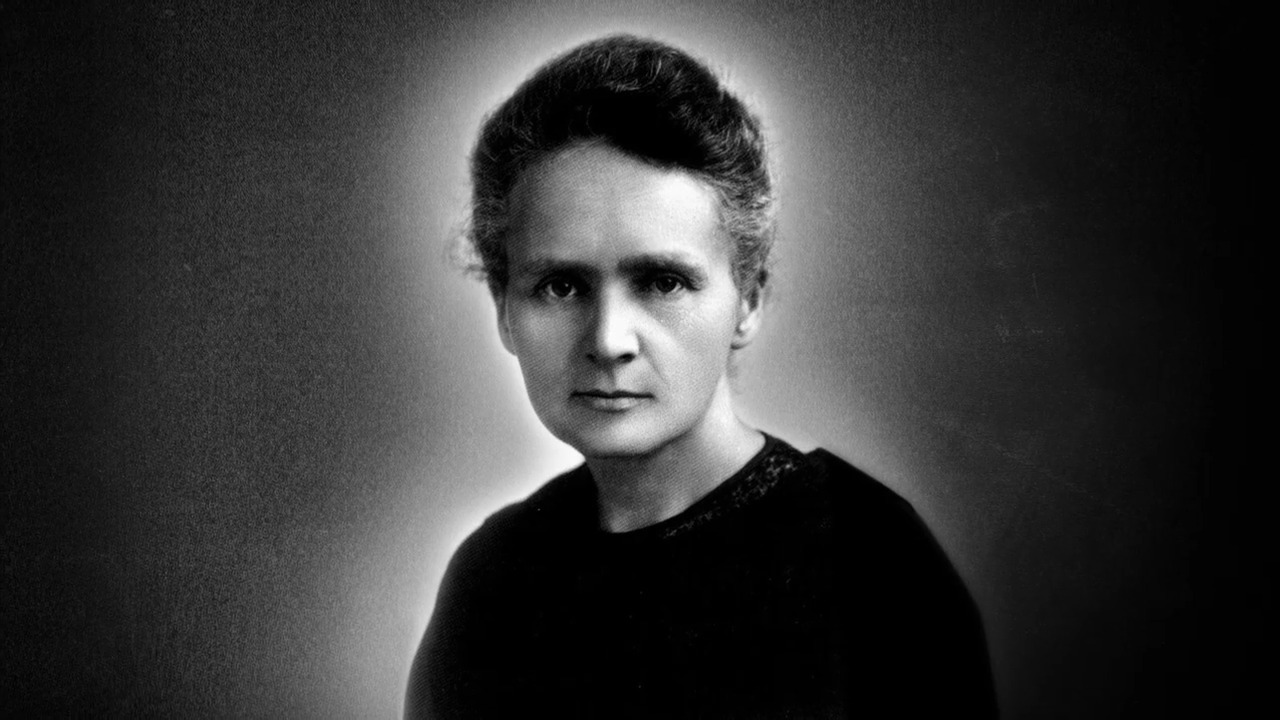
In Marie Curie Discovers Radioactivity, Chris Packham highlights the journey of a brilliant immigrant who transformed science. From discovering radioactivity to developing pioneering cancer treatments, Marie Curie challenged conventions and inspired breakthroughs in atomic science. This video is excerpted from BBC’s Icons: The Greatest Person of the 20th Century, a documentary series celebrating the achievements of the most influential figures of the era.

In Nuclear Danger in the Desert, historian Lucy Worsley learns about the testing of nuclear bombs in Nevada in the 1950s. People visited Las Vegas to watch the nuclear testing. Residents became known as “downwinders” because the fallout often blew their way. Their livestock began dying, and cancer and leukemia rates soared, but it was denied that these events were linked to nuclear testing. This video is excerpted from BBC's American History's Biggest Fibs with Lucy Worsley, in which Worsley reveals the myths and manipulations behind American history.
Did you put on sunscreen today? Yes? Go put on some more.
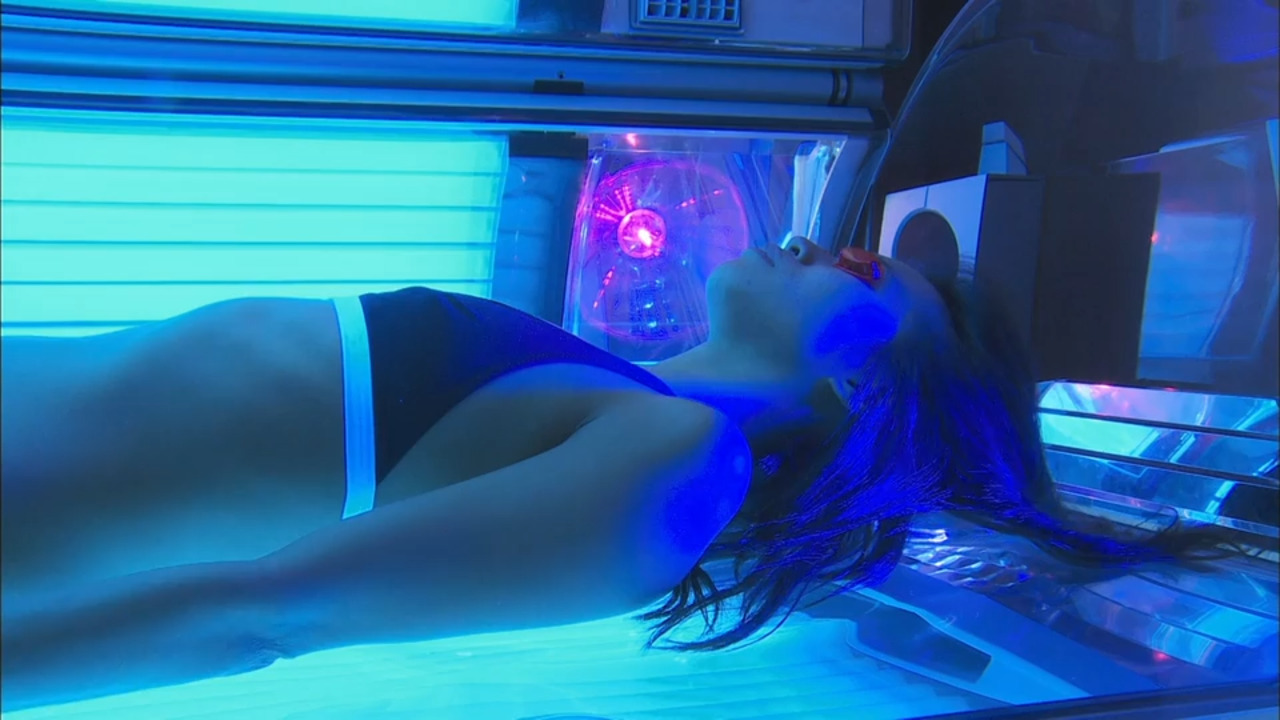
Tans may be fashionable, but the risks that come with sun damage are anything but — and they can last a lifetime. That's why England banned tanning beds for anyone under 18 back in 2011. Even so, people as young as 14 have found ways to use them illegally. Now, the rules are getting stricter: businesses will be legally required to check ID before letting anyone near a sunbed, and salons will need to post clear health warnings — including dropping any misleading claims that certain beds can prevent sunburn or help with weight loss.
Even with stronger laws, misinformation is still a problem. Rumors about tanning beds offering benefits like vitamin D have a way of spreading while the risks get quietly ignored. Experts say that even a single tanning bed session before the age of 35 increases the risk of skin cancer by nearly 60% — and young skin is especially vulnerable. Skin cancer is already the most common cancer in the world. The tan isn't worth it.
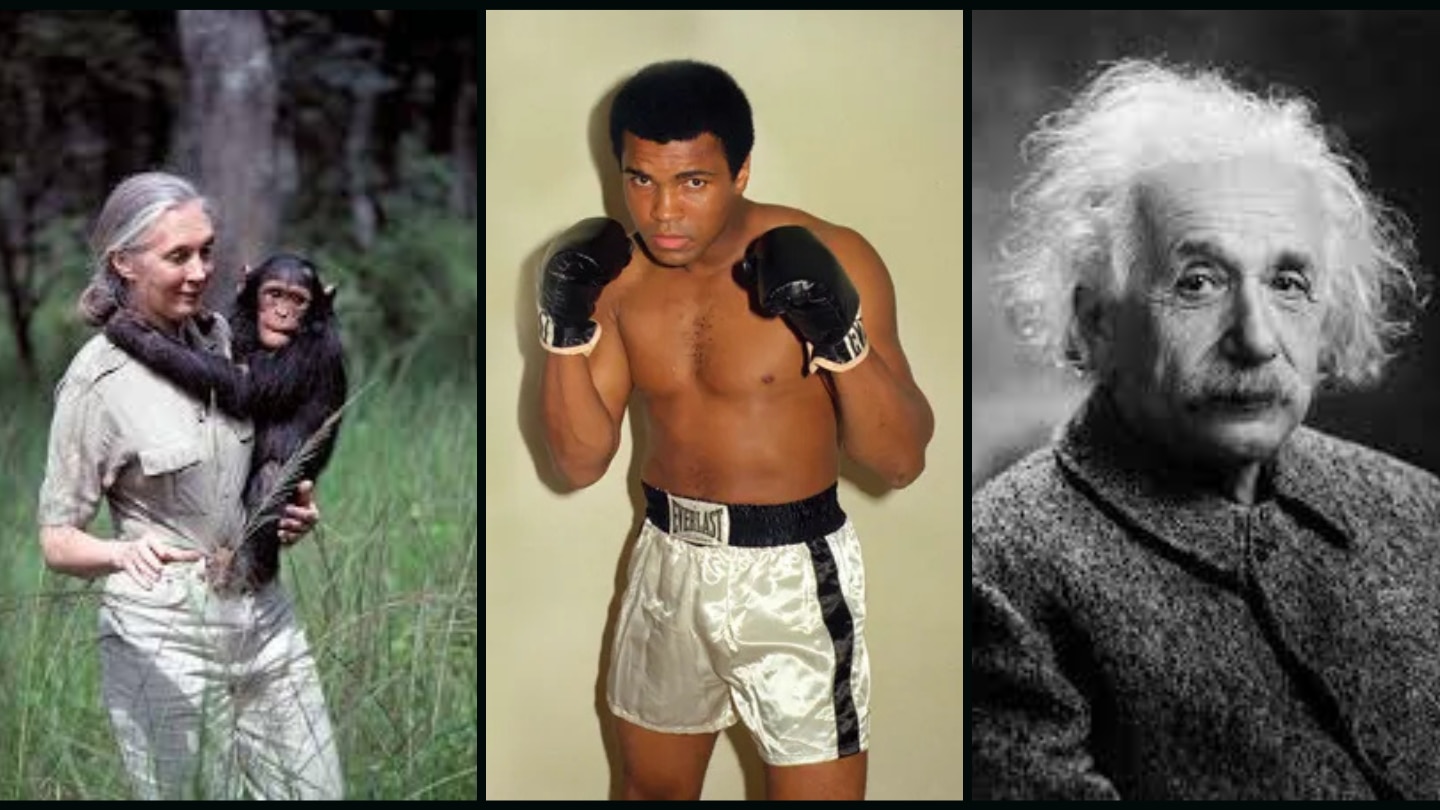
Meet the Icons of the 20th Century. From brilliant scientists and inspiring activists to legendary athletes and artists, these remarkable individuals changed the world in powerful ways. In this video playlist of clips from BBC's Icons: The Greatest Person of the 20th Century, meet Muhammad Ali, Helen Keller, Albert Einstein, Martin Luther King Jr., Pablo Picasso, Jane Goodall, Pelé, Billie Holiday and others — each a trailblazer who shaped history through courage, creativity, and conviction. A perfect playlist to inspire young minds to think big and act boldly!
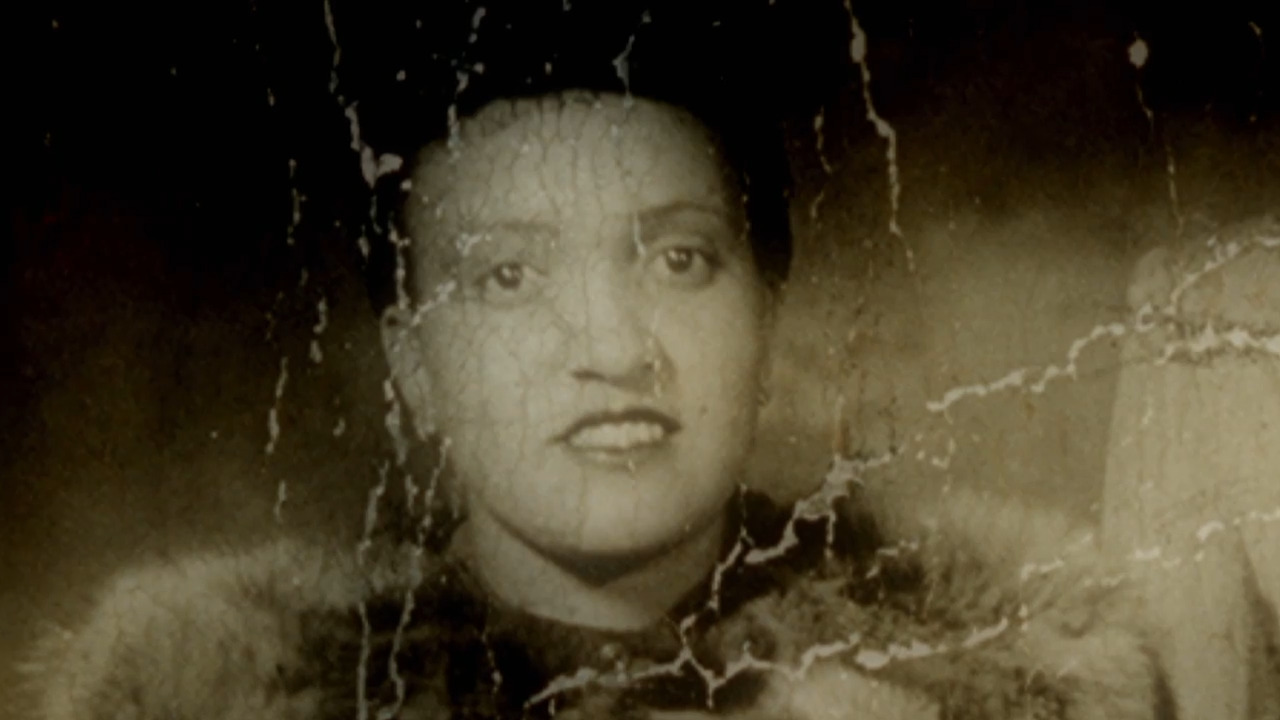
In Henrietta Lacks and the Legacy of Her Extraordinary Cells, learn about Henrietta Lacks, whose cells, taken without her consent during her treatment for cervical cancer, became one of the most important tools in medical research. Henrietta's cells, known as HeLa cells, have continued to divide and grow in laboratories for decades, making them a valuable resource for scientists. Understand the significance of her contribution to science and explore the ethical questions surrounding consent and cell ownership. This video is excerpted from BBC’s The World’s Most Extraordinary People, a documentary series revealing how rare medical conditions inspire groundbreaking scientific discoveries.
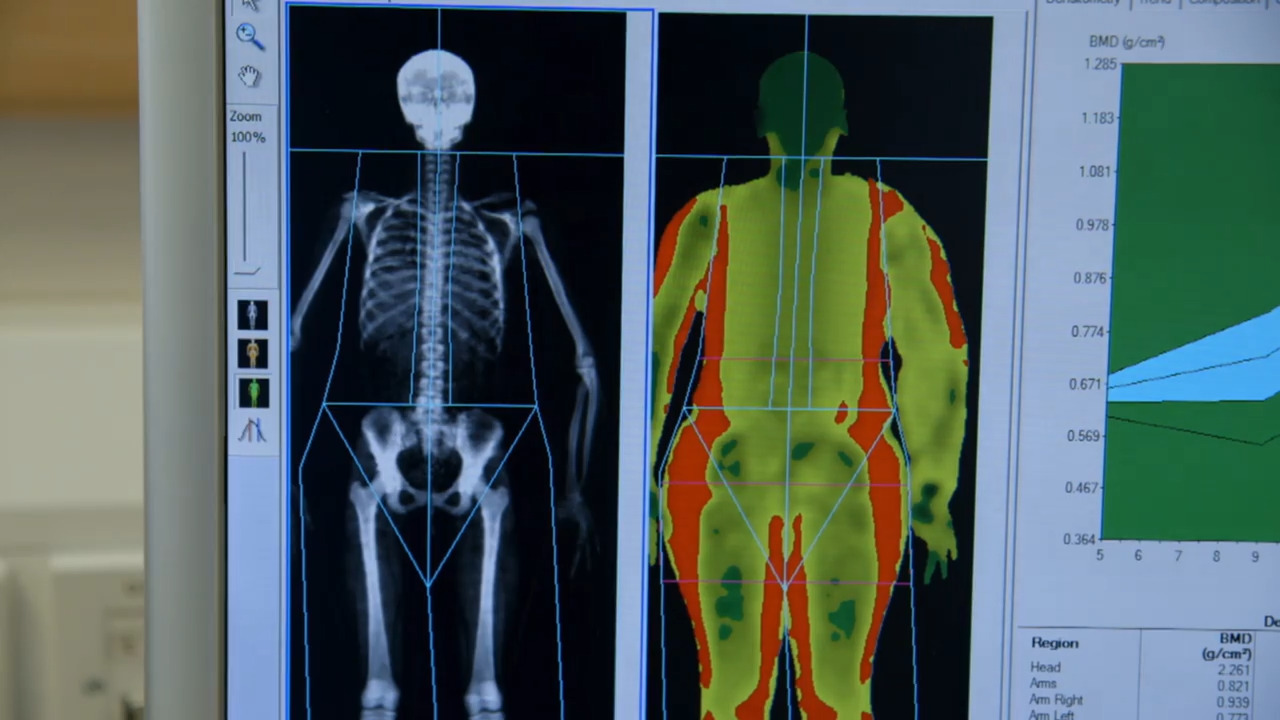
In What Is Segmental Overgrowth?, learn about the fascinating condition that causes certain parts of the body to grow out of proportion. Meet Leah, whose arm is growing abnormally due to a mutation in the PIK3CA gene. Explore the science behind this condition, understanding how cells grow, how mutations in specific genes can affect growth, and the connection between cancer research and segmental overgrowth. This video is excerpted from BBC’s The World’s Most Extraordinary People, a documentary series revealing how rare medical conditions inspire groundbreaking scientific discoveries.

The article "Can Eating Chili Peppers Help You Live Longer?" from BBC's Science Focus reveals research that links regular chili pepper consumption with lower chances of dying from heart disease, cancer, or any cause. Drawing from large-scale studies across several countries, the findings suggest spicy food could play a role in improving overall health.
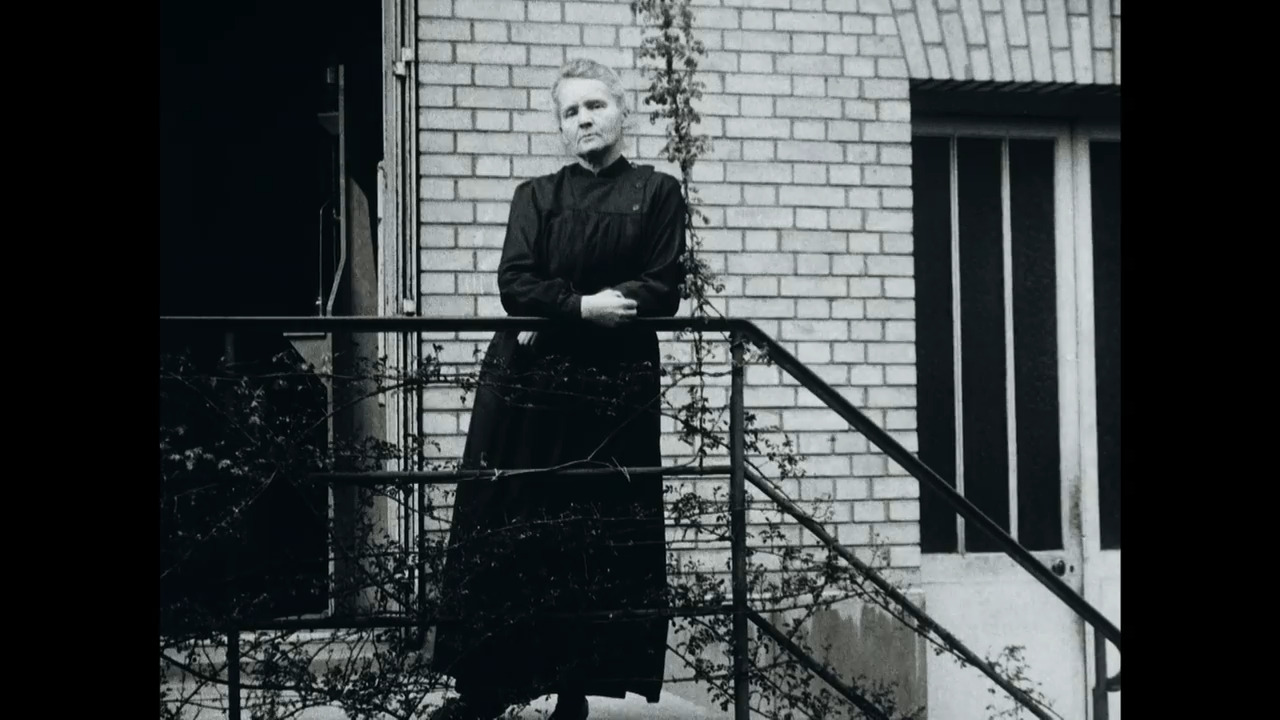
In Marie Curie's Incredible Contributions, host Chris Packham recounts how Curie turned personal loss and public scandal into groundbreaking medical contributions. From pioneering mobile X-ray machines during World War I to earning her place in the Panthéon, Curie’s legacy continues to save lives to this day. This video is excerpted from BBC’s Icons: The Greatest Person of the 20th Century, a documentary series celebrating the achievements of the most influential figures of the era.
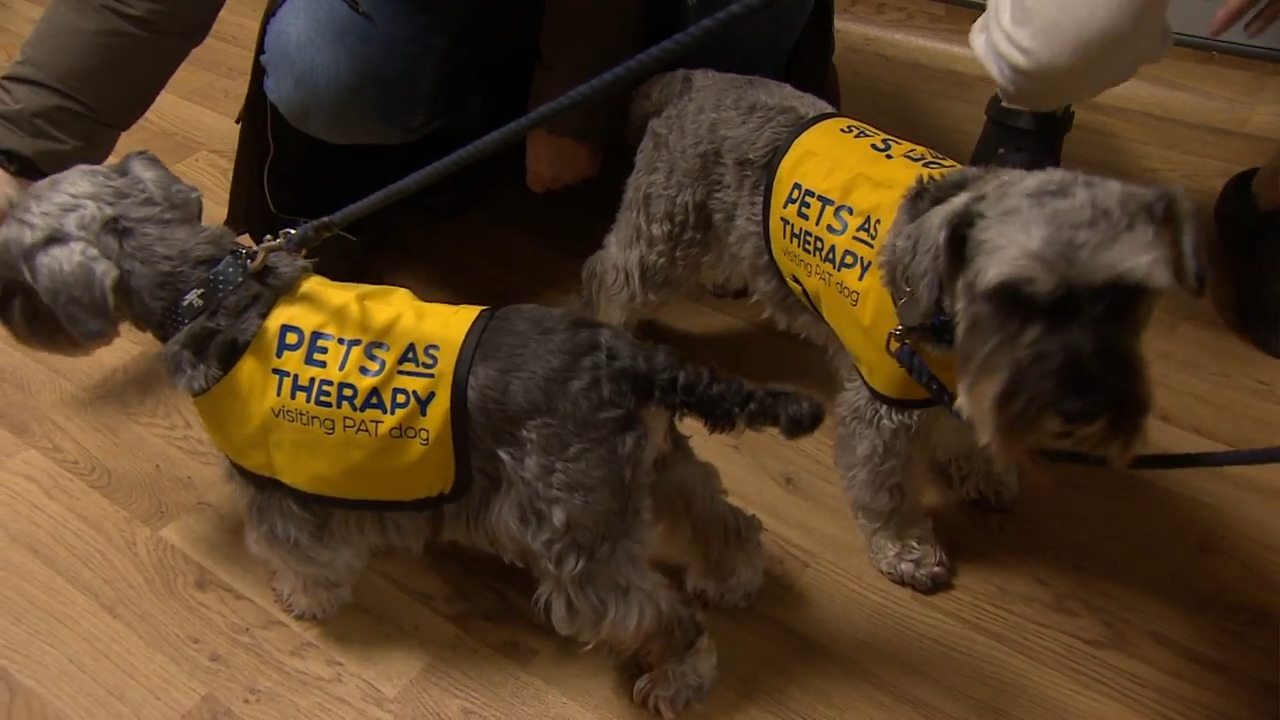
Dogs are superheroes! Well, kind of. They have a sort of superpower — an amazing ability to make people happy.
Now, they’re using that ability in hospitals to bring joy to patients, visitors, and employees who could use a smile. 11 therapy dogs make up a team that has completed over 800 hours of volunteer work at local hospitals, spreading joy to hospital staff and visitors and collecting belly scratches while they're at it. There have even been incredible reports of unconscious patients who stretch out for the dogs. Stock up on treats, because the network of hospitals hopes to add more dogs to the team soon. Thanks, Doctor! Or should we say, Dog-tor?
The article "3D-Printed Liver Models Help Surgeons "Rehearse" Cancer Surgeries" from BBC's Science Focus explains how scientists have developed a method to 3D print realistic models of cancer patients' organs. These models include imitation tumors and blood, allowing surgeons to practice procedures before performing them on real patients.
Chemotherapy works. It also takes a serious toll — on energy, on the immune system, on everyday quality of life. For decades, that trade-off has been treated as unavoidable. A new drug being used to treat ovarian cancer suggests it might not have to be.
The treatment works by attaching a chemotherapy drug to an antibody — a protein the body uses naturally to identify and target specific cells. When the drug enters the body, the antibodies seek out cancer cells specifically, binding to them and leaving healthy tissue alone. Once inside the cancer cell, the antibody breaks down and releases the chemotherapy drug, destroying the cancer from within. The rest of the body barely notices.
For patients like Patricia Hill, the difference has been significant. After multiple rounds of conventional chemotherapy in the 3 years since her ovarian cancer diagnosis, she describes finally feeling well enough to socialize and enjoy daily life again. That shift — from surviving treatment to actually living alongside it — is what researchers have spent decades working toward.
The drug is still being studied, but early results point in two directions that matter: better quality of life during treatment, and the possibility of longer survival afterward. Those two things don't always come together in cancer research. When they do, it tends to mean something genuinely new is happening.
In Marie Curie Discovers Radioactivity, Chris Packham highlights the journey of a brilliant immigrant who transformed science. From discovering radioactivity to developing pioneering cancer treatments, Marie Curie challenged conventions and inspired breakthroughs in atomic science. This video is excerpted from BBC’s Icons: The Greatest Person of the 20th Century, a documentary series celebrating the achievements of the most influential figures of the era.
In Nuclear Danger in the Desert, historian Lucy Worsley learns about the testing of nuclear bombs in Nevada in the 1950s. People visited Las Vegas to watch the nuclear testing. Residents became known as “downwinders” because the fallout often blew their way. Their livestock began dying, and cancer and leukemia rates soared, but it was denied that these events were linked to nuclear testing. This video is excerpted from BBC's American History's Biggest Fibs with Lucy Worsley, in which Worsley reveals the myths and manipulations behind American history.
Did you put on sunscreen today? Yes? Go put on some more.
Tans may be fashionable, but the risks that come with sun damage are anything but — and they can last a lifetime. That's why England banned tanning beds for anyone under 18 back in 2011. Even so, people as young as 14 have found ways to use them illegally. Now, the rules are getting stricter: businesses will be legally required to check ID before letting anyone near a sunbed, and salons will need to post clear health warnings — including dropping any misleading claims that certain beds can prevent sunburn or help with weight loss.
Even with stronger laws, misinformation is still a problem. Rumors about tanning beds offering benefits like vitamin D have a way of spreading while the risks get quietly ignored. Experts say that even a single tanning bed session before the age of 35 increases the risk of skin cancer by nearly 60% — and young skin is especially vulnerable. Skin cancer is already the most common cancer in the world. The tan isn't worth it.
Meet the Icons of the 20th Century. From brilliant scientists and inspiring activists to legendary athletes and artists, these remarkable individuals changed the world in powerful ways. In this video playlist of clips from BBC's Icons: The Greatest Person of the 20th Century, meet Muhammad Ali, Helen Keller, Albert Einstein, Martin Luther King Jr., Pablo Picasso, Jane Goodall, Pelé, Billie Holiday and others — each a trailblazer who shaped history through courage, creativity, and conviction. A perfect playlist to inspire young minds to think big and act boldly!
In Henrietta Lacks and the Legacy of Her Extraordinary Cells, learn about Henrietta Lacks, whose cells, taken without her consent during her treatment for cervical cancer, became one of the most important tools in medical research. Henrietta's cells, known as HeLa cells, have continued to divide and grow in laboratories for decades, making them a valuable resource for scientists. Understand the significance of her contribution to science and explore the ethical questions surrounding consent and cell ownership. This video is excerpted from BBC’s The World’s Most Extraordinary People, a documentary series revealing how rare medical conditions inspire groundbreaking scientific discoveries.
In What Is Segmental Overgrowth?, learn about the fascinating condition that causes certain parts of the body to grow out of proportion. Meet Leah, whose arm is growing abnormally due to a mutation in the PIK3CA gene. Explore the science behind this condition, understanding how cells grow, how mutations in specific genes can affect growth, and the connection between cancer research and segmental overgrowth. This video is excerpted from BBC’s The World’s Most Extraordinary People, a documentary series revealing how rare medical conditions inspire groundbreaking scientific discoveries.
The article "Can Eating Chili Peppers Help You Live Longer?" from BBC's Science Focus reveals research that links regular chili pepper consumption with lower chances of dying from heart disease, cancer, or any cause. Drawing from large-scale studies across several countries, the findings suggest spicy food could play a role in improving overall health.
In Marie Curie's Incredible Contributions, host Chris Packham recounts how Curie turned personal loss and public scandal into groundbreaking medical contributions. From pioneering mobile X-ray machines during World War I to earning her place in the Panthéon, Curie’s legacy continues to save lives to this day. This video is excerpted from BBC’s Icons: The Greatest Person of the 20th Century, a documentary series celebrating the achievements of the most influential figures of the era.
Dogs are superheroes! Well, kind of. They have a sort of superpower — an amazing ability to make people happy.
Now, they’re using that ability in hospitals to bring joy to patients, visitors, and employees who could use a smile. 11 therapy dogs make up a team that has completed over 800 hours of volunteer work at local hospitals, spreading joy to hospital staff and visitors and collecting belly scratches while they're at it. There have even been incredible reports of unconscious patients who stretch out for the dogs. Stock up on treats, because the network of hospitals hopes to add more dogs to the team soon. Thanks, Doctor! Or should we say, Dog-tor?