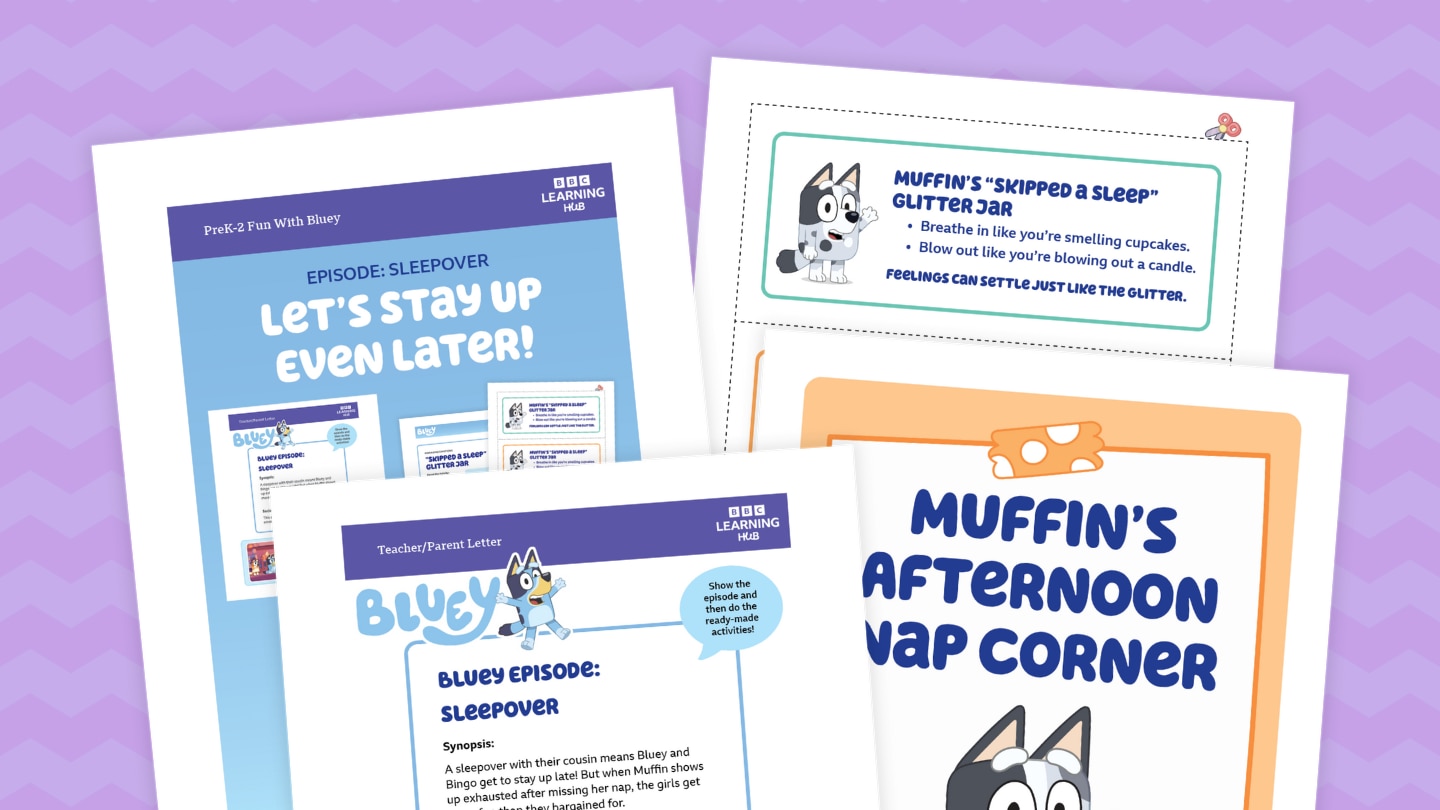
Sometimes we all need to calm down. Based on the Bluey episode "The Sleepover," this lesson begins with classroom conversation about managing emotions. The lesson includes printables for two activities in which kids make a calming "Skipped a Sleep" glitter jar and take a rest in Muffin's Afternoon Nap Corner,
The Sleepover Episode Summary: A sleepover with their cousin means Bluey and Bingo get to stay up late! But when Muffin shows up exhausted after missing her nap, the girls get more fun than they bargained for.
Watch the episode here! (Click here to watch in Australia.)

In The Go Jetters Have a Mindful Moment With a Giant Buddha, the Go Jetters crew explores mindfulness and visit the Giant Buddha, an ancient monument in China. Ubercorn shares some funky facts about the statue, including how it’s more than 1,000 years old and how its foot is so large it can hold 100 people. This video is excerpted from BBC’s Go Jetters, a series that follows the adventures of four international heroes as they travel the globe visiting landmarks and solving environmental problems with Ubercorn, a disco-dancing unicorn.
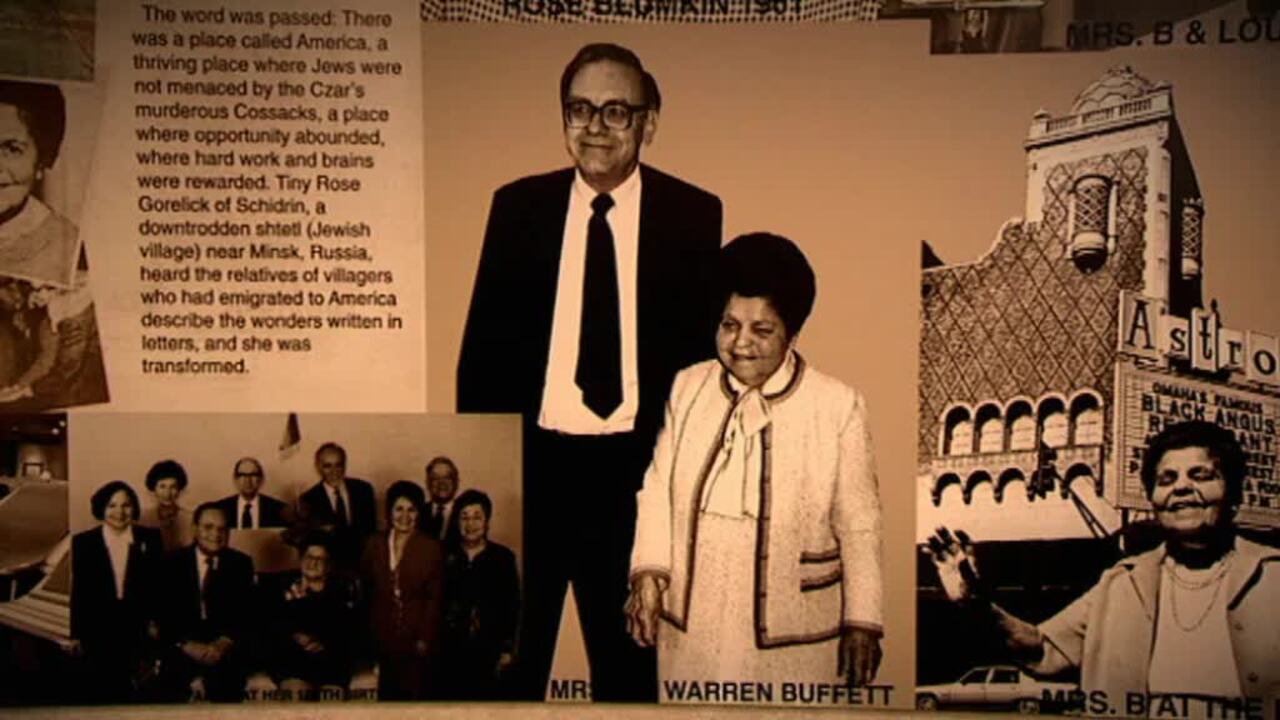
In How Warren Buffett Turned Smart Deals Into Billions, learn about Warren Buffett, famous for his unique way of making deals and spotting great business opportunities. When he bought Nebraska Furniture Mart, he skipped the usual long negotiations and paperwork, sealing the deal for $50 million — way less than it was actually worth! Buffett has a talent for staying calm and letting sellers lower their own prices without even realizing it. Thanks to his sharp business skills, he quickly turned his smart investments into a billion-dollar empire. This video is excerpted from BBC’s Warren Buffett: The World’s Greatest Money Maker, which explores Warren Buffett’s unique investment strategies and business mindset.
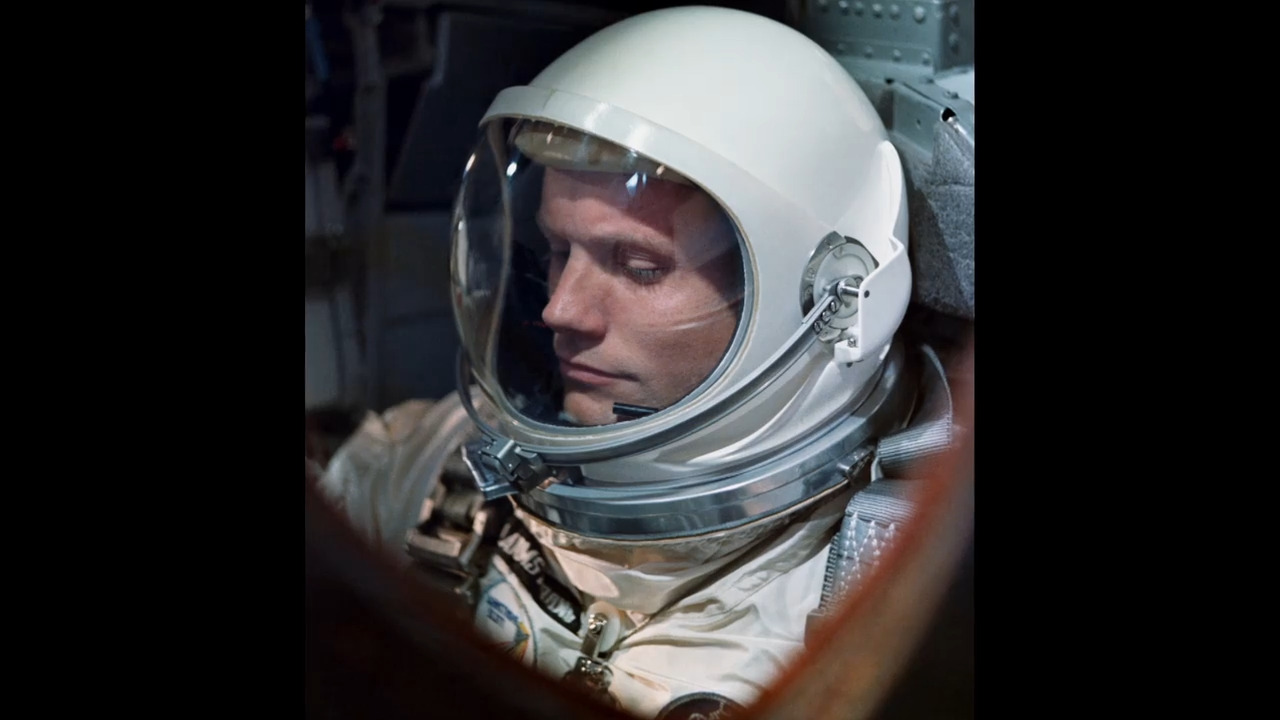
In Neil Armstrong and the Moon Landing, host Dermot O'Leary recounts the dramatic moments during the Apollo 11 landing. Despite a critical error code and lost communication, Neil Armstrong remained calm under pressure, ensuring a successful descent to the Moon. This video is excerpted from BBC’s Icons: The Greatest Person of the 20th Century, a documentary series celebrating the achievements of the most influential figures of the era.
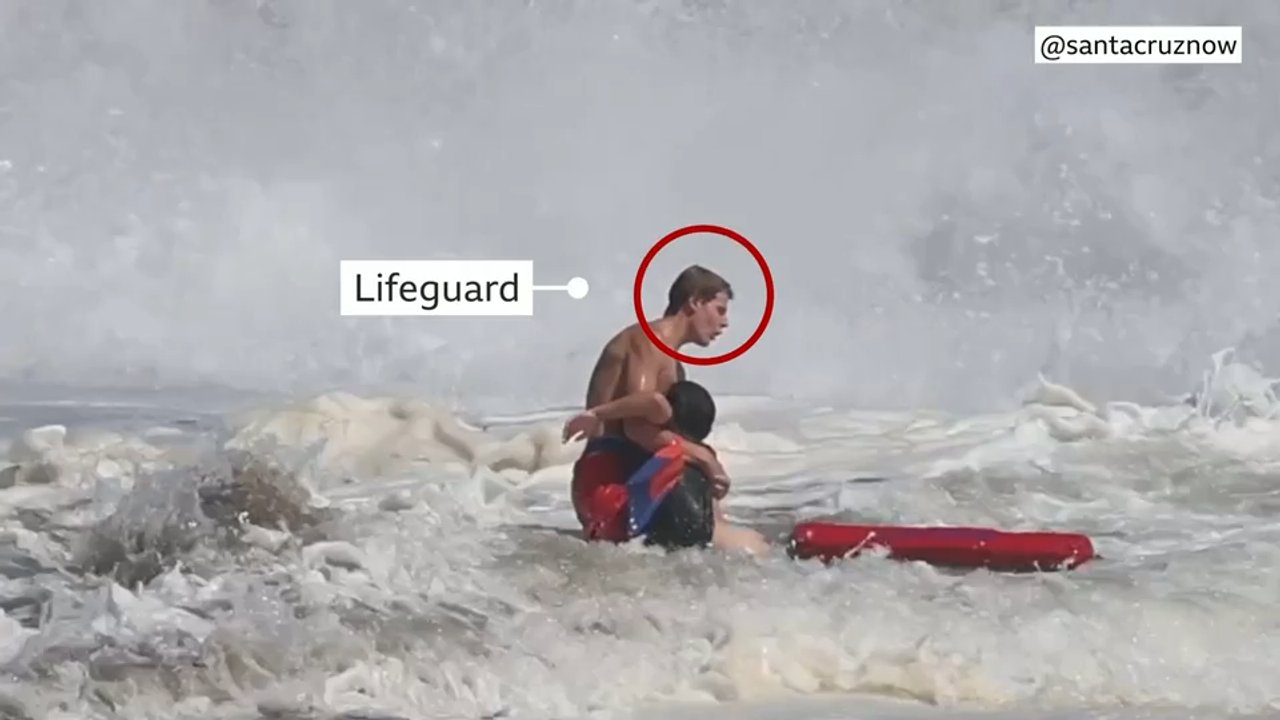
As much fun as the beach can be, it can also be dangerous. Ocean conditions can change rapidly, turning waves from calm to catastrophic in a matter of moments. It’s one of the reasons why lifeguards are so important, and a witness recently caught video footage of a lifeguard — ahem, hero — in action at Seabright State Beach in Santa Cruz, California, where the waves seemed normal at first, then seemingly suddenly turned rough enough to challenge even strong swimmers.
A 10-year-old boy was swept about 15 yards offshore before 16-year-old rookie lifeguard Ryder Williams reached him. Several beachgoers also joined the effort, and the entire rescue lasted just over two minutes. That might not seem like a long time when you’re scrolling on your phone or hitting the snooze button in the morning, but think about fighting against the ocean to save a life for 120 seconds. That’s a lot of pressure!
Williams has since been invited to the White House to receive a high civilian honor for his actions, but the rescue is also important for awareness in general, because it shows why lifeguards matter even when things seem calm.

A hug can say a lot without any words. Hugging might seem like a distinctly human thing, but researchers studying chimpanzees and bonobos found that apes use touch in a similar way.
Scientists observed that apes touch each other — through hugs, pats, and strokes — before stressful situations. In this study, the stressful situation was feeding time. Food is actually one of the biggest sources of conflict among apes, since everyone wants to eat and there's not always enough to go around. Researchers found that apes who touched more before food arrived were more likely to eat peacefully together afterward — no shoving, no squabbling.
This suggests the behavior is old. Really old. Humans, chimpanzees, and bonobos share common ancestors from millions of years ago, so using touch to calm down or bond with others may go back further than we think — to long before our biggest worries were tests and deadlines. Maybe our ancestors were doing something similar before facing down a woolly mammoth.
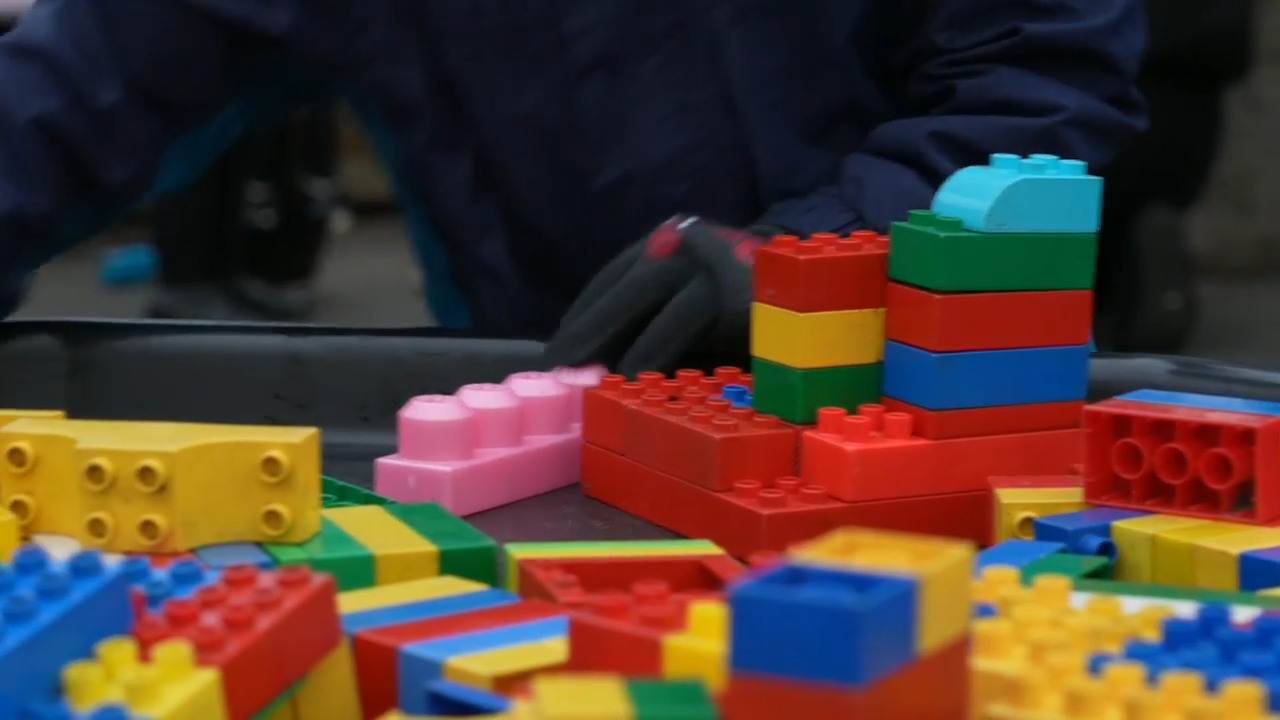
Kids today can swipe before they can tie their shoes — but some teachers say all that screen time may be changing the way young children learn, talk, and handle emotions. One preschool is pushing back by focusing on hands-on play, conversation, creativity, and movement instead of tablets and videos. Teachers say they’re seeing more kids struggle to explain what they want, calm themselves down, or interact socially after spending hours watching screens instead of experiencing the real world firsthand. Experts recommend no screens at all for children under 2, and no more than 30 minutes a day for ages 2–5.
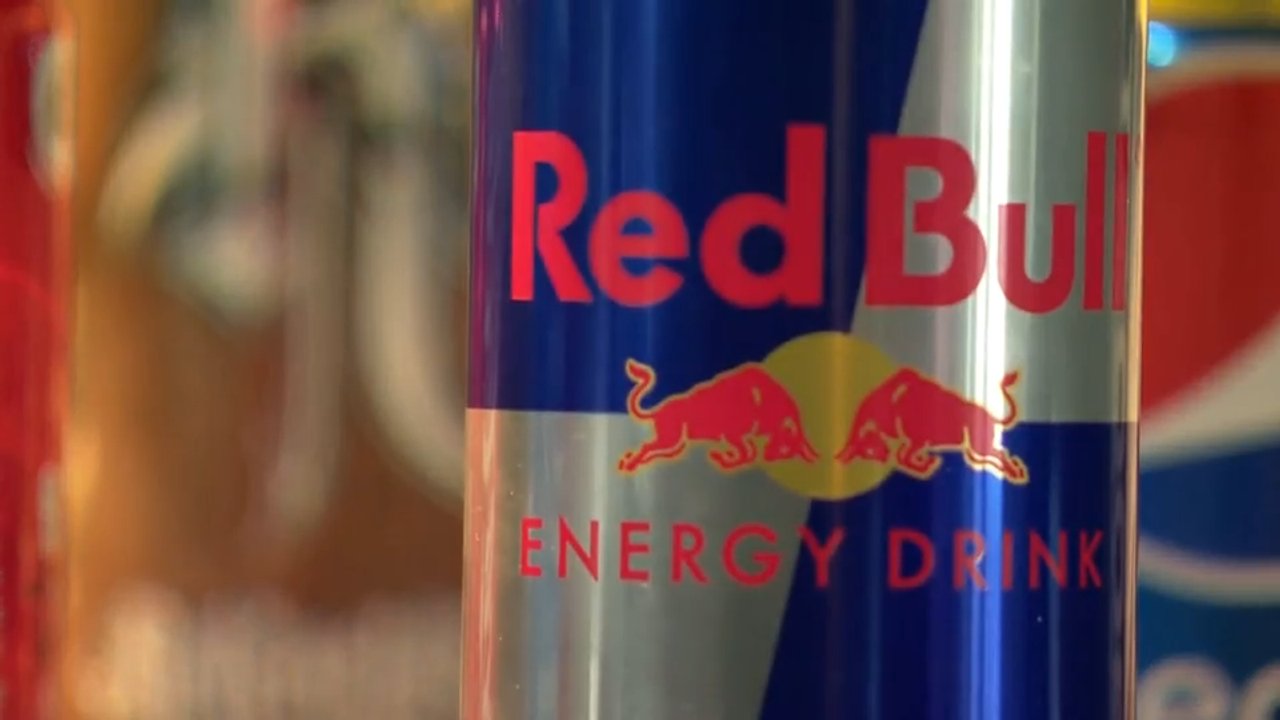
You may have heard your parents blame their pre-coffee crankiness on a lack of caffeine, but a high school in England says banning caffeinated energy drinks has had positive effects, like calmer classes and better interpersonal relationships.
The changes the school saw in student behavior suggest that energy drinks contributed to hyperactivity, littering, and disruption, but there’s another culprit in the drinks besides caffeine that gives drinkers a boost: sugar. Students often didn’t realize how much sugar was in the drinks until the school taught them more about the ingredients. Spoiler alert: it’s a lot.
Some energy drinks contain the equivalent of 13 teaspoons (that’s 52 grams) of sugar. That’s about two whole Hershey’s bars! Or a dozen marshmallows! Or 14 graham cracker sheets! We don’t want s'mores, you want s'mores!
After the ban, the school reported that detentions dropped by about one-third, and teachers and students reported better concentration, participation, and relationships in class. Students even say the place feels friendlier since the drinks were banned! But tread lightly: dropping an “Are you sure you really need all that caffeine?” on your groggy parents at 6 a.m. might be a one-way ticket to getting grounded…
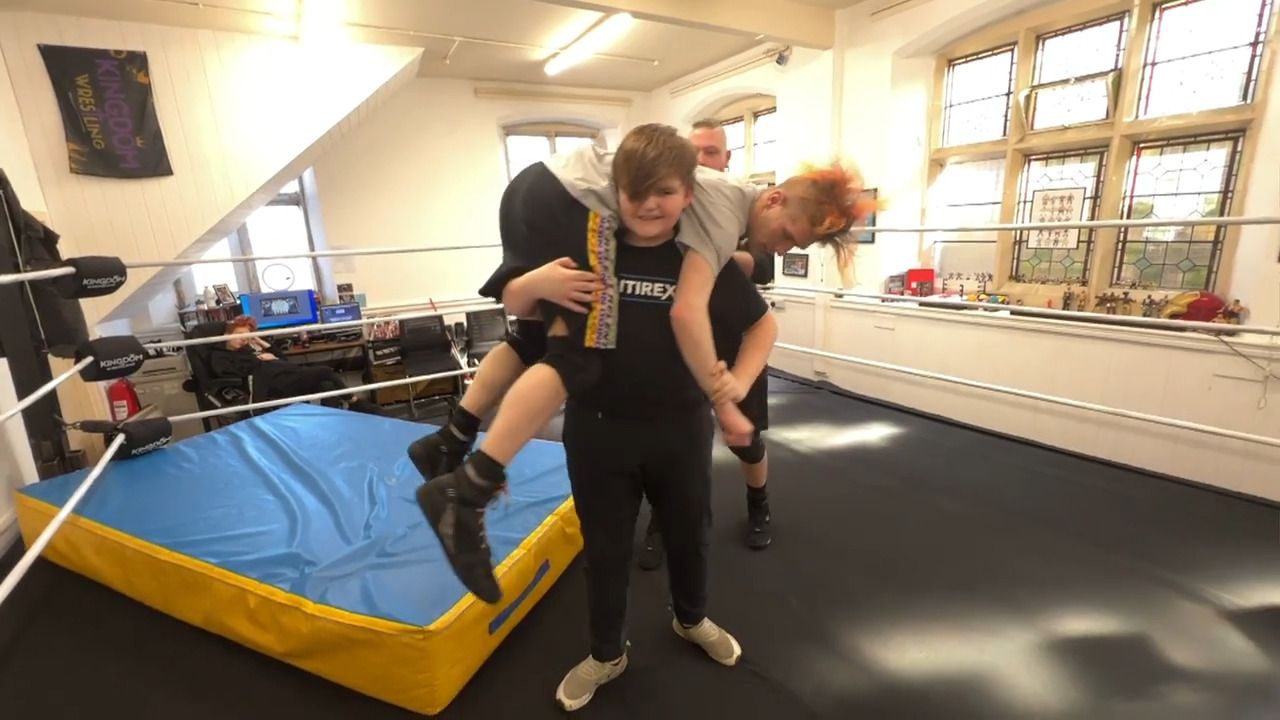
A nonprofit has a creative approach to support kids going through a tough time: a faith-based pro-wrestling charity. The program is led by founder Gareth Thompson, who rose above his difficult childhood to devote his time and efforts to helping other struggling young boys.
In this pro-wrestling after-school program, students learn to use wrestling as a healthy outlet, while getting support from positive male role models. The sport may look aggressive, but at this level of wrestling, all of the moves are choreographed. That minimizes danger and puts the emphasis on routine, discipline, kindness, skill, and confidence. It doesn’t hurt that it’s also a whole lot of fun! Students can use their energy here and actually end up being more focused and calmer in class.
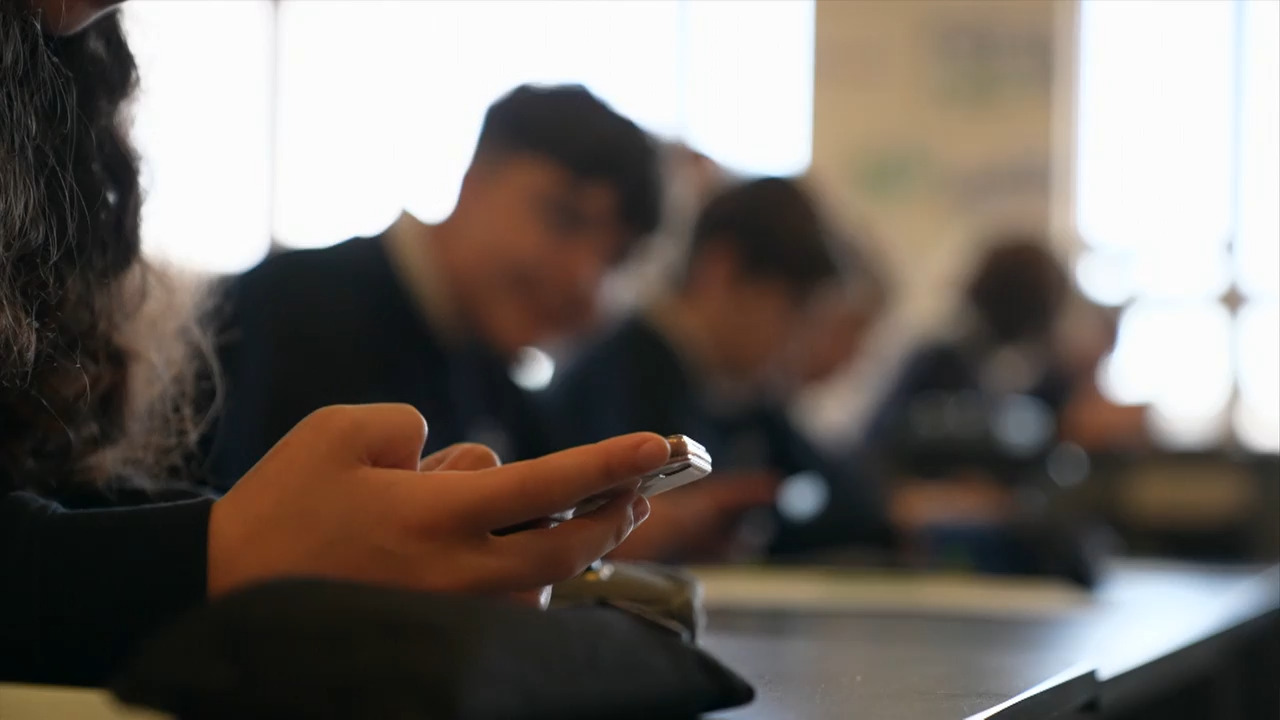
More schools are asking students to put smartphones away during the school day—and while many teens were not happy about it at first, some are now seeing the benefits. Without constant messages, notifications, and social media updates, students say school feels calmer and less stressful. Many are talking more face-to-face, making stronger friendships, and feeling less pressure to keep checking their phones. Teachers also report fewer interruptions in class and less bullying. The phones may be out of sight at school, but many students still spend hours on them at home, keeping the screen-time debate going.
Sometimes we all need to calm down. Based on the Bluey episode "The Sleepover," this lesson begins with classroom conversation about managing emotions. The lesson includes printables for two activities in which kids make a calming "Skipped a Sleep" glitter jar and take a rest in Muffin's Afternoon Nap Corner,
The Sleepover Episode Summary: A sleepover with their cousin means Bluey and Bingo get to stay up late! But when Muffin shows up exhausted after missing her nap, the girls get more fun than they bargained for.
Watch the episode here! (Click here to watch in Australia.)
In The Go Jetters Have a Mindful Moment With a Giant Buddha, the Go Jetters crew explores mindfulness and visit the Giant Buddha, an ancient monument in China. Ubercorn shares some funky facts about the statue, including how it’s more than 1,000 years old and how its foot is so large it can hold 100 people. This video is excerpted from BBC’s Go Jetters, a series that follows the adventures of four international heroes as they travel the globe visiting landmarks and solving environmental problems with Ubercorn, a disco-dancing unicorn.
In How Warren Buffett Turned Smart Deals Into Billions, learn about Warren Buffett, famous for his unique way of making deals and spotting great business opportunities. When he bought Nebraska Furniture Mart, he skipped the usual long negotiations and paperwork, sealing the deal for $50 million — way less than it was actually worth! Buffett has a talent for staying calm and letting sellers lower their own prices without even realizing it. Thanks to his sharp business skills, he quickly turned his smart investments into a billion-dollar empire. This video is excerpted from BBC’s Warren Buffett: The World’s Greatest Money Maker, which explores Warren Buffett’s unique investment strategies and business mindset.
In Neil Armstrong and the Moon Landing, host Dermot O'Leary recounts the dramatic moments during the Apollo 11 landing. Despite a critical error code and lost communication, Neil Armstrong remained calm under pressure, ensuring a successful descent to the Moon. This video is excerpted from BBC’s Icons: The Greatest Person of the 20th Century, a documentary series celebrating the achievements of the most influential figures of the era.
As much fun as the beach can be, it can also be dangerous. Ocean conditions can change rapidly, turning waves from calm to catastrophic in a matter of moments. It’s one of the reasons why lifeguards are so important, and a witness recently caught video footage of a lifeguard — ahem, hero — in action at Seabright State Beach in Santa Cruz, California, where the waves seemed normal at first, then seemingly suddenly turned rough enough to challenge even strong swimmers.
A 10-year-old boy was swept about 15 yards offshore before 16-year-old rookie lifeguard Ryder Williams reached him. Several beachgoers also joined the effort, and the entire rescue lasted just over two minutes. That might not seem like a long time when you’re scrolling on your phone or hitting the snooze button in the morning, but think about fighting against the ocean to save a life for 120 seconds. That’s a lot of pressure!
Williams has since been invited to the White House to receive a high civilian honor for his actions, but the rescue is also important for awareness in general, because it shows why lifeguards matter even when things seem calm.
A hug can say a lot without any words. Hugging might seem like a distinctly human thing, but researchers studying chimpanzees and bonobos found that apes use touch in a similar way.
Scientists observed that apes touch each other — through hugs, pats, and strokes — before stressful situations. In this study, the stressful situation was feeding time. Food is actually one of the biggest sources of conflict among apes, since everyone wants to eat and there's not always enough to go around. Researchers found that apes who touched more before food arrived were more likely to eat peacefully together afterward — no shoving, no squabbling.
This suggests the behavior is old. Really old. Humans, chimpanzees, and bonobos share common ancestors from millions of years ago, so using touch to calm down or bond with others may go back further than we think — to long before our biggest worries were tests and deadlines. Maybe our ancestors were doing something similar before facing down a woolly mammoth.
Kids today can swipe before they can tie their shoes — but some teachers say all that screen time may be changing the way young children learn, talk, and handle emotions. One preschool is pushing back by focusing on hands-on play, conversation, creativity, and movement instead of tablets and videos. Teachers say they’re seeing more kids struggle to explain what they want, calm themselves down, or interact socially after spending hours watching screens instead of experiencing the real world firsthand. Experts recommend no screens at all for children under 2, and no more than 30 minutes a day for ages 2–5.
You may have heard your parents blame their pre-coffee crankiness on a lack of caffeine, but a high school in England says banning caffeinated energy drinks has had positive effects, like calmer classes and better interpersonal relationships.
The changes the school saw in student behavior suggest that energy drinks contributed to hyperactivity, littering, and disruption, but there’s another culprit in the drinks besides caffeine that gives drinkers a boost: sugar. Students often didn’t realize how much sugar was in the drinks until the school taught them more about the ingredients. Spoiler alert: it’s a lot.
Some energy drinks contain the equivalent of 13 teaspoons (that’s 52 grams) of sugar. That’s about two whole Hershey’s bars! Or a dozen marshmallows! Or 14 graham cracker sheets! We don’t want s'mores, you want s'mores!
After the ban, the school reported that detentions dropped by about one-third, and teachers and students reported better concentration, participation, and relationships in class. Students even say the place feels friendlier since the drinks were banned! But tread lightly: dropping an “Are you sure you really need all that caffeine?” on your groggy parents at 6 a.m. might be a one-way ticket to getting grounded…
A nonprofit has a creative approach to support kids going through a tough time: a faith-based pro-wrestling charity. The program is led by founder Gareth Thompson, who rose above his difficult childhood to devote his time and efforts to helping other struggling young boys.
In this pro-wrestling after-school program, students learn to use wrestling as a healthy outlet, while getting support from positive male role models. The sport may look aggressive, but at this level of wrestling, all of the moves are choreographed. That minimizes danger and puts the emphasis on routine, discipline, kindness, skill, and confidence. It doesn’t hurt that it’s also a whole lot of fun! Students can use their energy here and actually end up being more focused and calmer in class.
More schools are asking students to put smartphones away during the school day—and while many teens were not happy about it at first, some are now seeing the benefits. Without constant messages, notifications, and social media updates, students say school feels calmer and less stressful. Many are talking more face-to-face, making stronger friendships, and feeling less pressure to keep checking their phones. Teachers also report fewer interruptions in class and less bullying. The phones may be out of sight at school, but many students still spend hours on them at home, keeping the screen-time debate going.