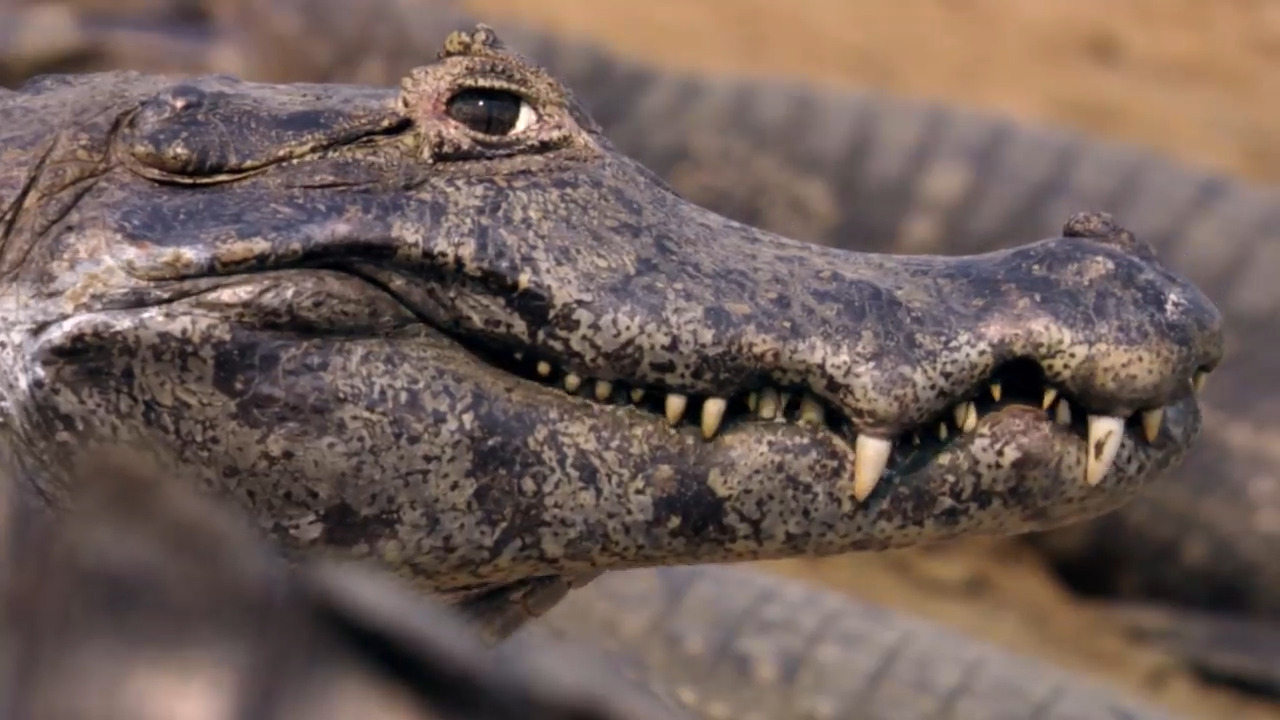
In Meet the Caiman Crocodile, narrator Sir David Attenborough takes us into the vast Brazilian swamps, where caiman crocodiles face a tough dry season when water shrinks into small pools, and food becomes scarce. These cold-blooded reptiles can go months without eating, but hunger makes them cranky and aggressive toward each other. However, when the rains finally return, the rivers fill, and the caimans get to relax, lining up to catch fish with little effort! This video is excerpted from BBC's Life, a show that explores the remarkable strategies animals and plants use to ensure their survival.
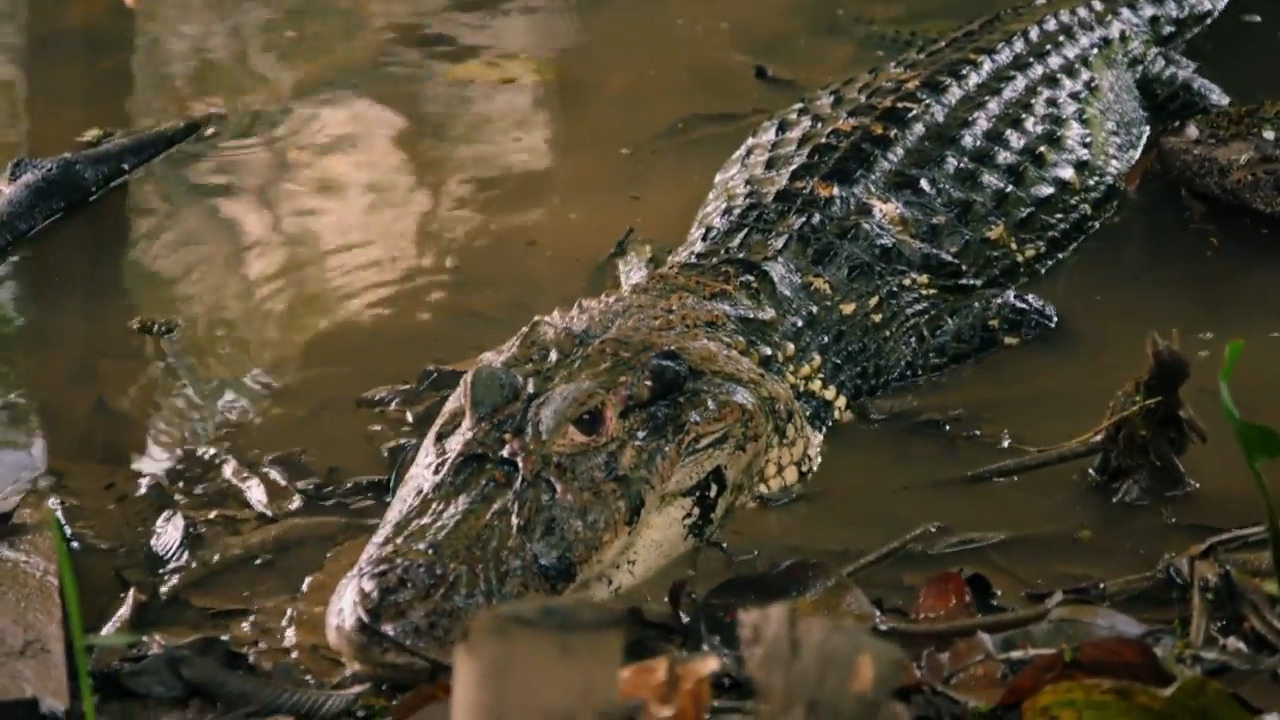
In Into the Lagoon With a Black Caiman, naturalist Steve Backshall finds a black caiman under the dock at his lodge. He lures the caiman with chicken and explains how the black caiman is such an awesome predator. This video is excerpted from BBC's Deadly 60, an award-winning nature and adventure show for kids in which narrator Steve Backshall has one mission: to travel the globe in search of 60 of the world's deadliest animals.
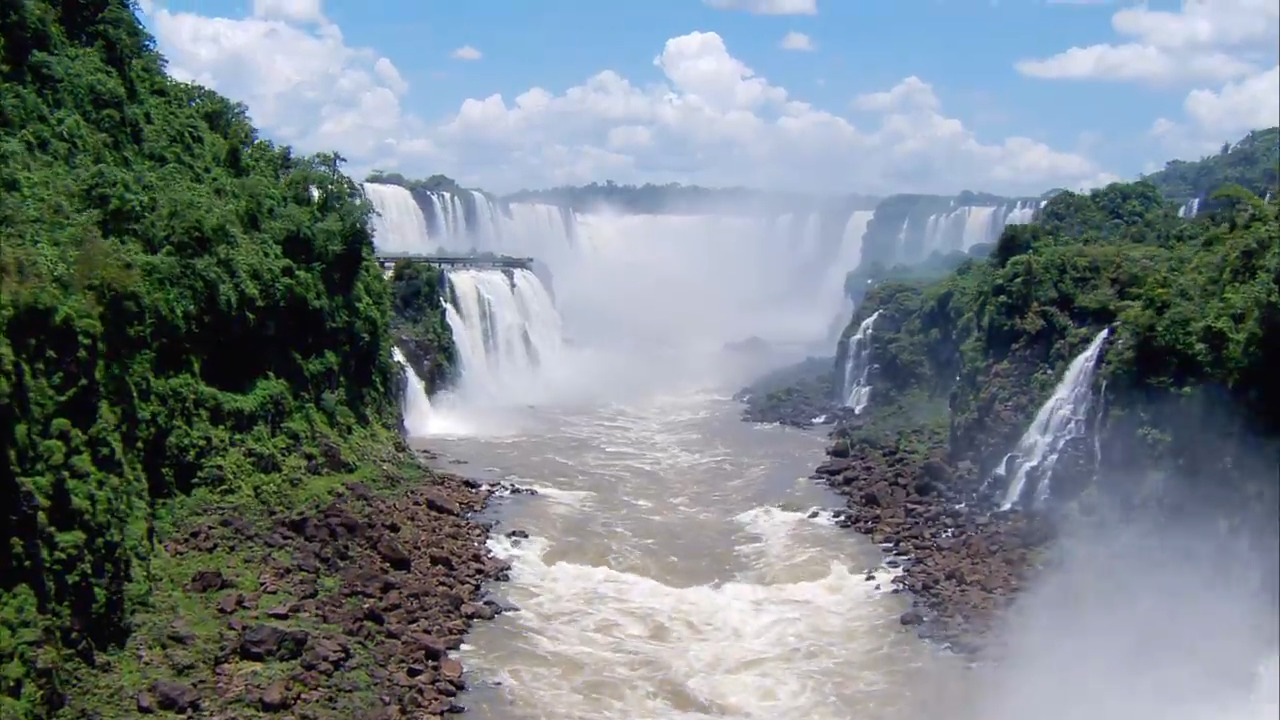
In The Course of a River: Dangerous Waters, narrator Sir David Attenborough explains that 13 million liters of water plunge over one of the widest waterfalls in the world every second. The river below teems with hungry piranhas, large-mouthed caimans, and dorados on the hunt. This video is excerpted from BBC's Planet Earth, a breathtaking documentary series that highlights the natural wonders of our planet.
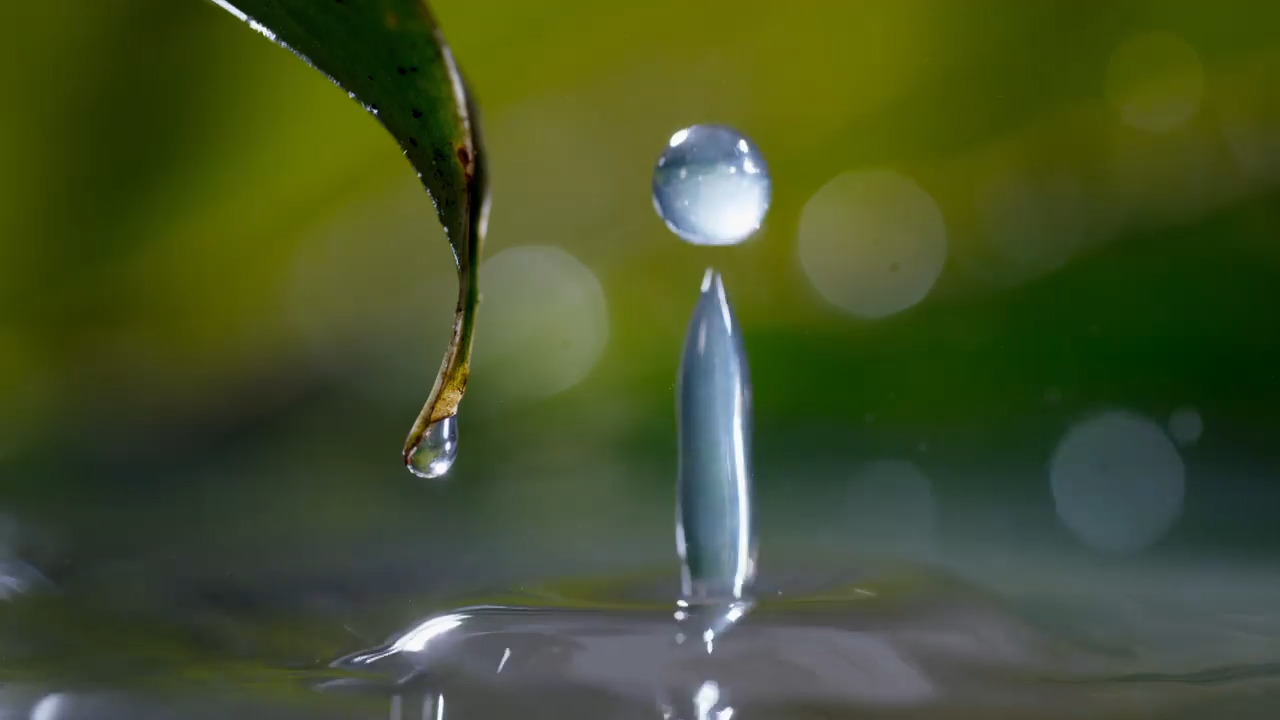
In Life in the Flooded Jungles of Brazil, narrator Sir David Attenborough takes us into the flooded Amazon rainforest, showing how jungle trees release moisture into the air to create their own rainfall. Marvel at the diverse range of animals that live in this watery environment, including river dolphins, capybaras, giant otters, and caimans. This video is excerpted from BBC’s Planet Earth II, a breathtaking documentary series that highlights the natural wonders of our planet.
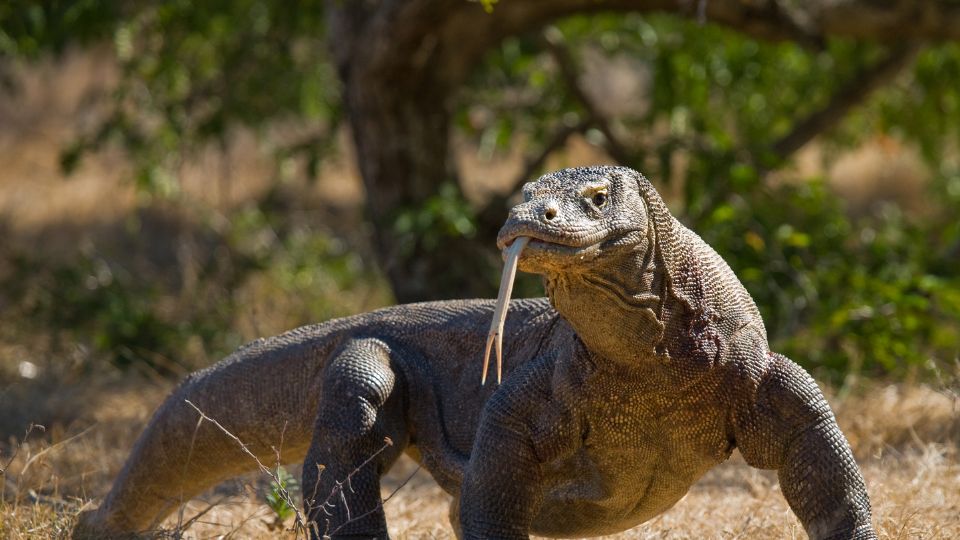
Meet the cold-blooded champions. Komodo dragons, caimans, bullfrogs, waterfall toads — these reptiles and amphibians have evolved extreme skills to survive as ectotherms, relying on their environment instead of their own body heat. We've put together a collection of BBC video clips all about cold-blooded animals (see Related Resources below). Watch them, then take the Kahoot to see what stuck.
The tricks are surprisingly specific: basilisks use a rapid leg motion to run across water without sinking, while waterfall toads — which can't leap like most frogs — have their own clever way of dodging predators. Explore how these cold-blooded creatures have adapted to thrive, and pick up some solid vocabulary along the way.

Get ready to meet the cold-blooded superstars of the animal kingdom! This BBC playlist slinks, scuttles, and snaps through the fascinating lives of cobras, turtles, lizards, and alligators. Whether it's the mesmerizing hood dance of a cobra or the alligator's toothy grin, these clips are perfect for sparking curiosity (and maybe a little squeamishness) in your classroom. Warning: May cause students to say "Whoa!" and "Ew!" in equal measure.
In Meet the Caiman Crocodile, narrator Sir David Attenborough takes us into the vast Brazilian swamps, where caiman crocodiles face a tough dry season when water shrinks into small pools, and food becomes scarce. These cold-blooded reptiles can go months without eating, but hunger makes them cranky and aggressive toward each other. However, when the rains finally return, the rivers fill, and the caimans get to relax, lining up to catch fish with little effort! This video is excerpted from BBC's Life, a show that explores the remarkable strategies animals and plants use to ensure their survival.
In Into the Lagoon With a Black Caiman, naturalist Steve Backshall finds a black caiman under the dock at his lodge. He lures the caiman with chicken and explains how the black caiman is such an awesome predator. This video is excerpted from BBC's Deadly 60, an award-winning nature and adventure show for kids in which narrator Steve Backshall has one mission: to travel the globe in search of 60 of the world's deadliest animals.
In The Course of a River: Dangerous Waters, narrator Sir David Attenborough explains that 13 million liters of water plunge over one of the widest waterfalls in the world every second. The river below teems with hungry piranhas, large-mouthed caimans, and dorados on the hunt. This video is excerpted from BBC's Planet Earth, a breathtaking documentary series that highlights the natural wonders of our planet.
In Life in the Flooded Jungles of Brazil, narrator Sir David Attenborough takes us into the flooded Amazon rainforest, showing how jungle trees release moisture into the air to create their own rainfall. Marvel at the diverse range of animals that live in this watery environment, including river dolphins, capybaras, giant otters, and caimans. This video is excerpted from BBC’s Planet Earth II, a breathtaking documentary series that highlights the natural wonders of our planet.
Meet the cold-blooded champions. Komodo dragons, caimans, bullfrogs, waterfall toads — these reptiles and amphibians have evolved extreme skills to survive as ectotherms, relying on their environment instead of their own body heat. We've put together a collection of BBC video clips all about cold-blooded animals (see Related Resources below). Watch them, then take the Kahoot to see what stuck.
The tricks are surprisingly specific: basilisks use a rapid leg motion to run across water without sinking, while waterfall toads — which can't leap like most frogs — have their own clever way of dodging predators. Explore how these cold-blooded creatures have adapted to thrive, and pick up some solid vocabulary along the way.
Get ready to meet the cold-blooded superstars of the animal kingdom! This BBC playlist slinks, scuttles, and snaps through the fascinating lives of cobras, turtles, lizards, and alligators. Whether it's the mesmerizing hood dance of a cobra or the alligator's toothy grin, these clips are perfect for sparking curiosity (and maybe a little squeamishness) in your classroom. Warning: May cause students to say "Whoa!" and "Ew!" in equal measure.