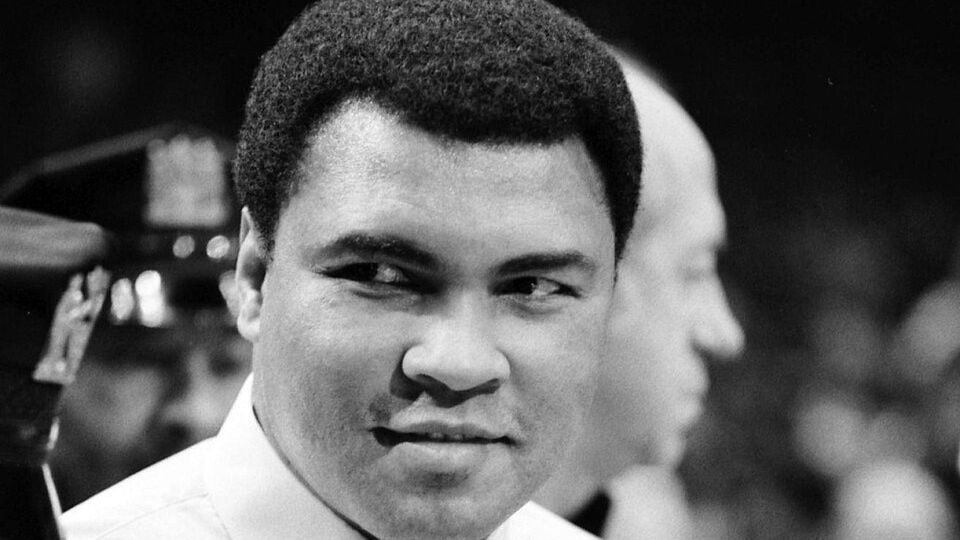
Muhammad Ali, from his rise as a boxing champion to his inspiring comeback and lasting global influence. Students will follow Ali’s journey through triumph, controversy, and perseverance as he fought to regain the heavyweight title and became one of the most recognized athletes in history.
This Kahoot examines key moments in Ali’s story, including the court case that temporarily cost him his boxing license and championship, his dramatic return to the ring, and the determination that defined his later years after being diagnosed with Parkinson's disease. Students will build listening skills, vocabulary, and historical awareness while exploring how Ali’s courage, confidence, and resilience inspired millions around the world.
Watch the related BBC videos, Cassius Clay Becomes Muhammad Ali and Muhammad Ali's Comeback, then invite your Grade 6–12 students to test their knowledge and discover why Muhammad Ali remains a global symbol of strength, perseverance, and conviction.
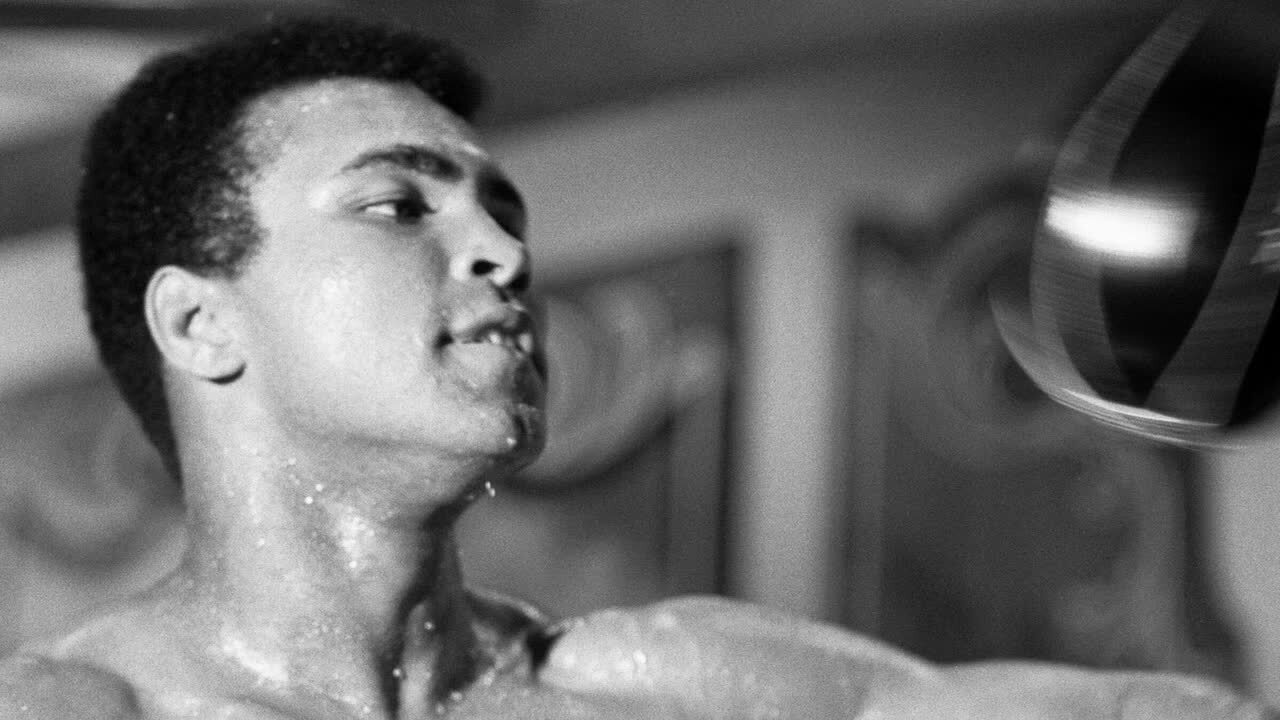
In Muhammad Ali's Comeback, sports journalist Clare Balding describes the first time Muhammad Ali lost a professional fight when he fought against Joe Frazier in 1971, and his subsequent comeback against George Foreman. This video is excerpted from BBC’s Icons: The Greatest Person of the 20th Century, a documentary series celebrating the achievements of the most influential figures of the era.
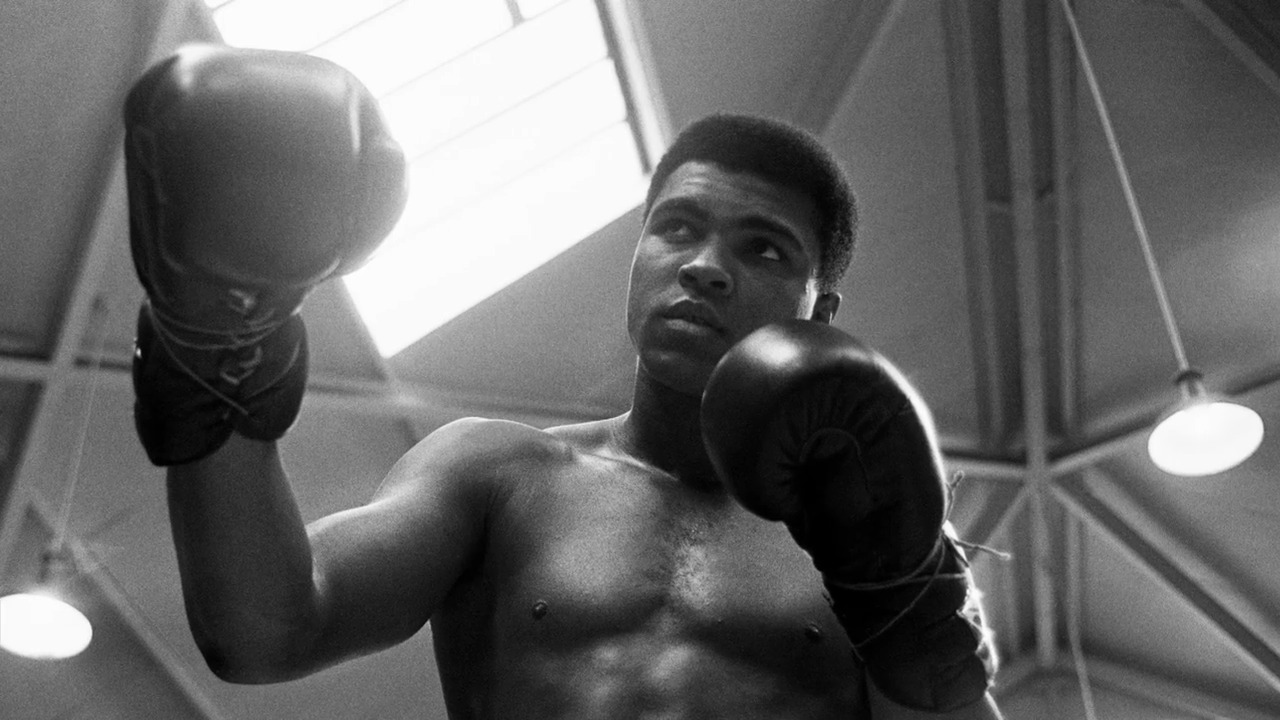
In Cassius Clay Becomes Muhammad Ali, sports journalist Clare Balding describes how, Muhammad Ali, as a Muslim, refused to fight in the war in Vietnam and how his defiance connected him to people all over the world. This video is excerpted from BBC’s Icons: The Greatest Person of the 20th Century, a documentary series celebrating the achievements of the most influential figures of the era.
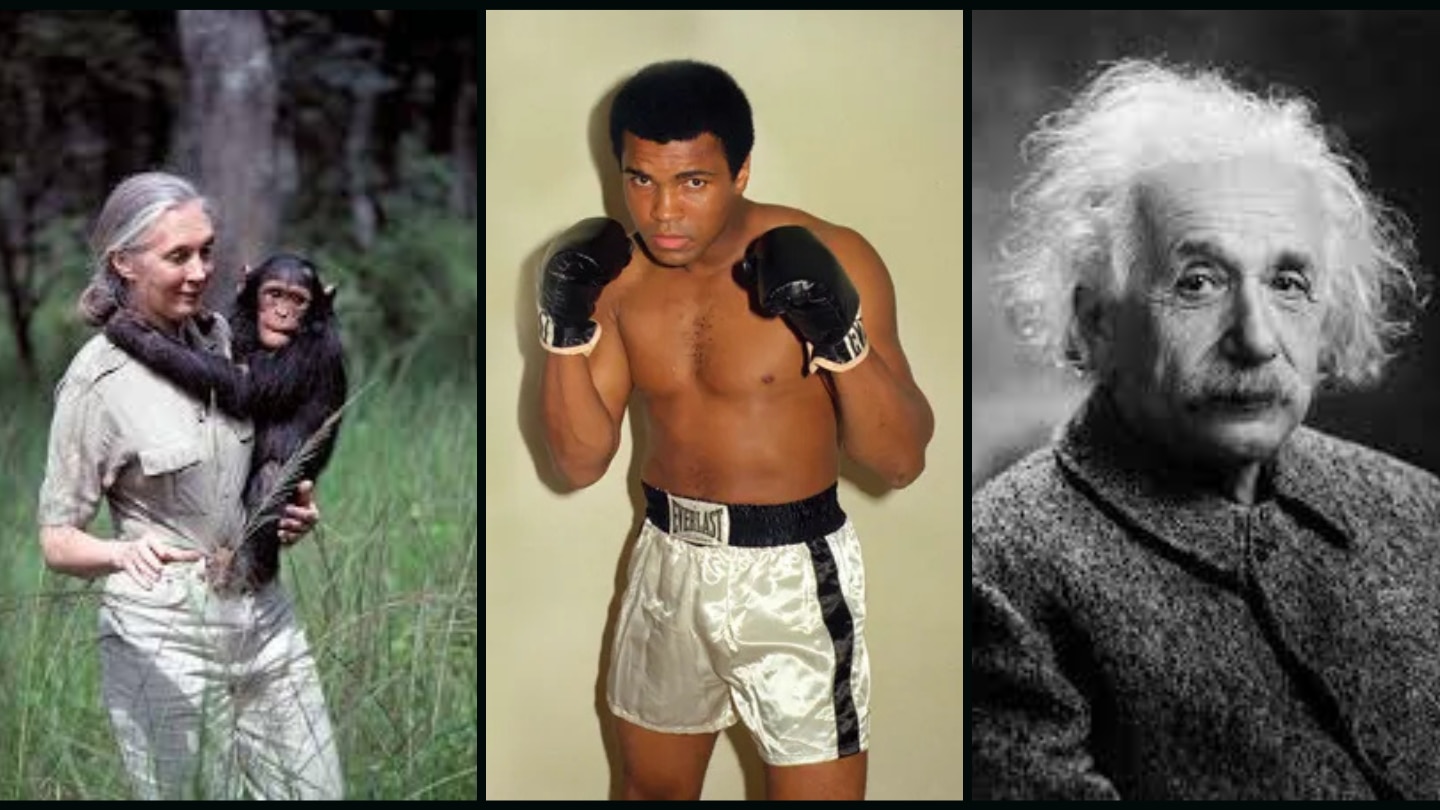
Meet the Icons of the 20th Century. From brilliant scientists and inspiring activists to legendary athletes and artists, these remarkable individuals changed the world in powerful ways. In this video playlist of clips from BBC's Icons: The Greatest Person of the 20th Century, meet Muhammad Ali, Helen Keller, Albert Einstein, Martin Luther King Jr., Pablo Picasso, Jane Goodall, Pelé, Billie Holiday and others — each a trailblazer who shaped history through courage, creativity, and conviction. A perfect playlist to inspire young minds to think big and act boldly!

How ya goin'? This page is for making your very own Bluey. Read a fruit-batty story, color in a keepy-uppy ballon, and drop Bluey off at school. All you need is a cereal box, paint, glue, and this Make Your Own Bluey template. Did you know that Bluey is a 6-year-old blue heeler? She has three spots on her back. Her bedding has bone pics on it and her bed has a big B!
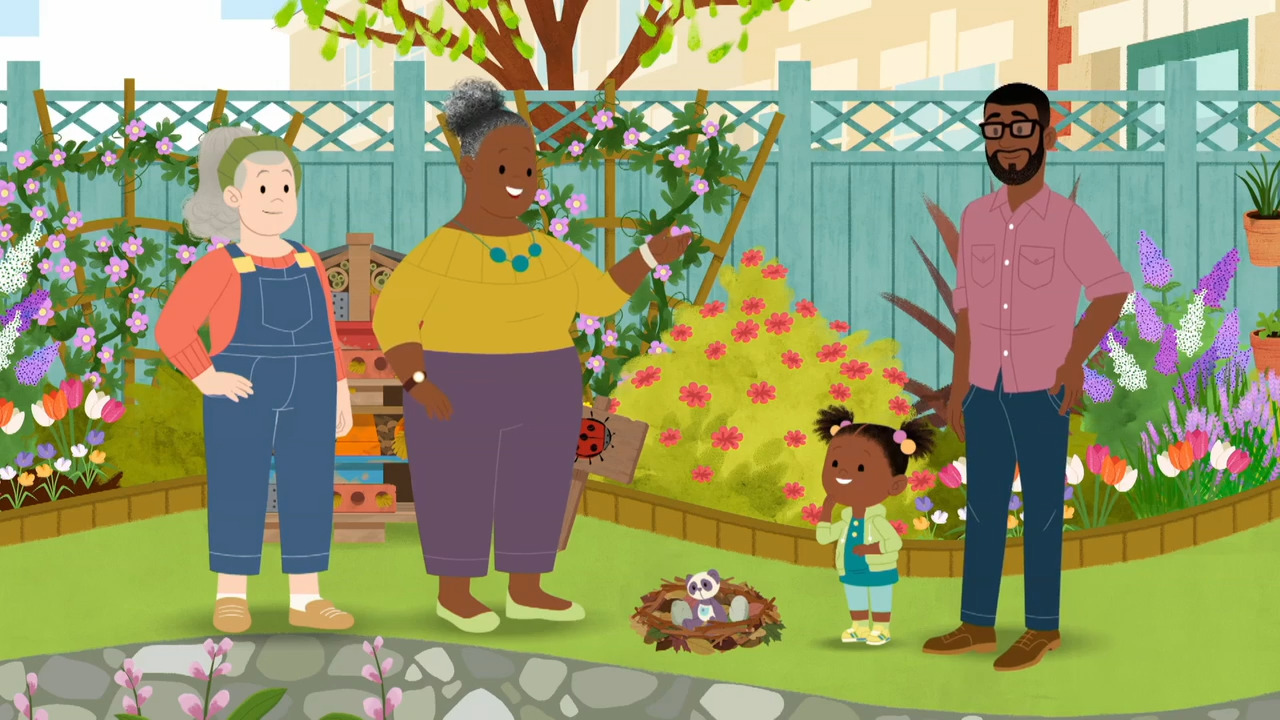
In JoJo and Gran Gran Go Birding, it’s springtime and JoJo and her grandmother are excited to see the baby birds that waddle, quack, and cheep. A real-life girl and her family make a bird box for their backyard. This video is excerpted from BBC’s JoJo & Gran Gran, a children's animated television series following JoJo, an inquisitive and cheerful 4-and-a-half-year-old girl and her loving Gran Gran, who always has something new to teach her.
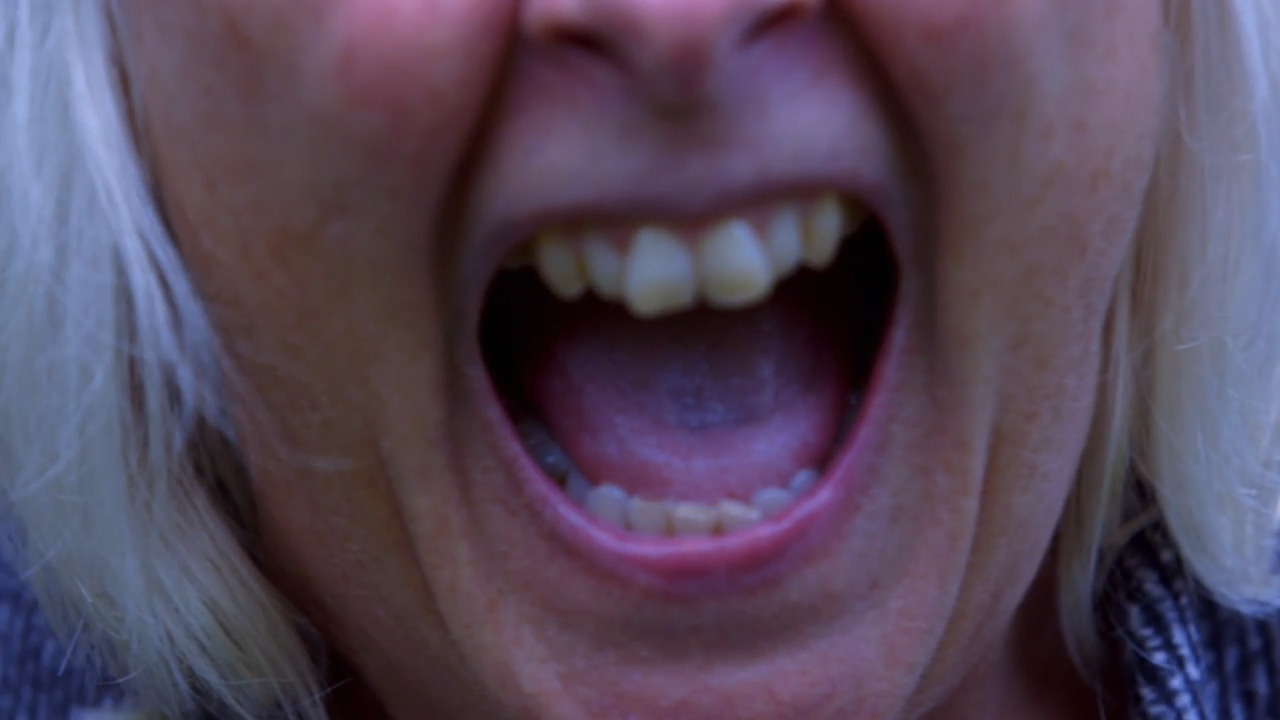
In The Science of Screaming, learn how and why humans scream. Discover the biological mechanisms behind screaming, such as the role of the larynx and vocal cords, and why certain sounds can be louder or more intense than others. Meet Jill, who learned she had an incredibly loud scream when competing in a Halloween scream competition. This video is excerpted from BBC’s The World’s Most Extraordinary People, a documentary series revealing how rare medical conditions inspire groundbreaking scientific discoveries.
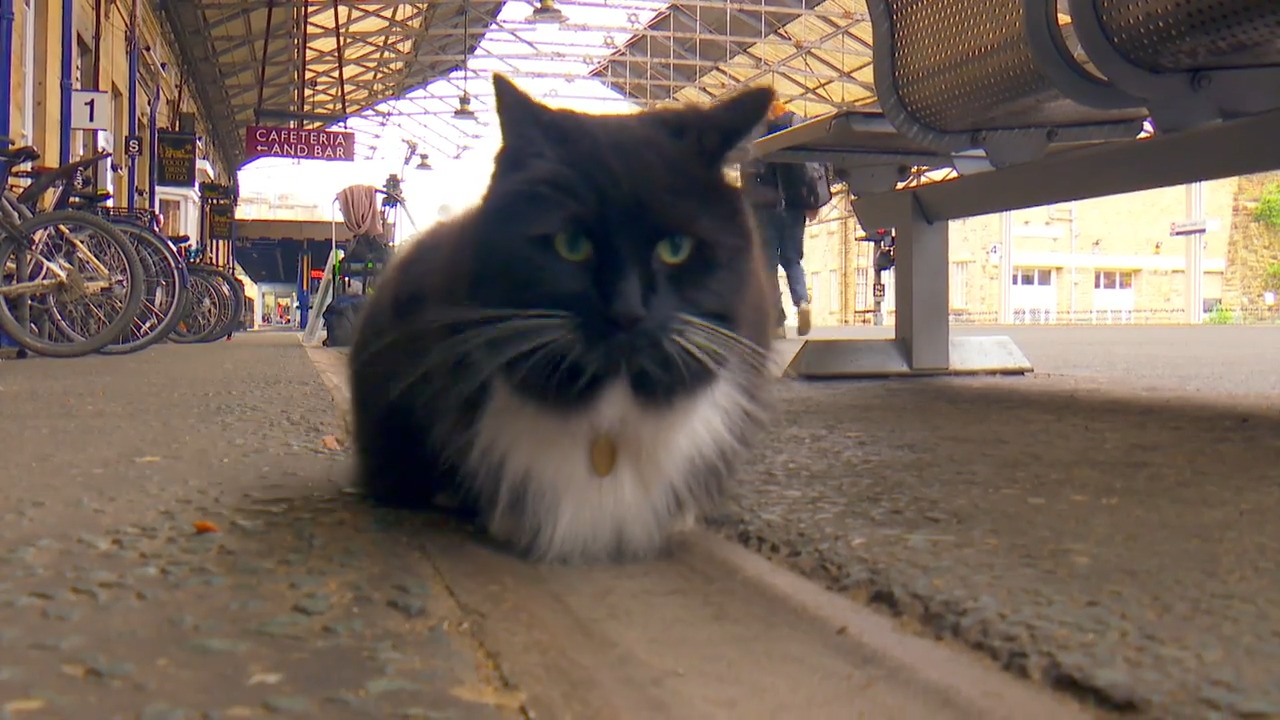
In A Day in the Life of a Train Station Cat, host Ferne Corrigan meets Felix, the train station cat with an important job — keeping the station free of pesky mice and rats! Although she loves exploring outside and has many friends, Felix also has her very own room inside the station filled with a soft bed and fun toys. Watch as the kids feed her and make sure her litter box is squeaky clean every day! This video is excerpted from BBC’s My Pet and Me, a children’s show that introduces kids to the rewards and responsibilities involved when having a pet.
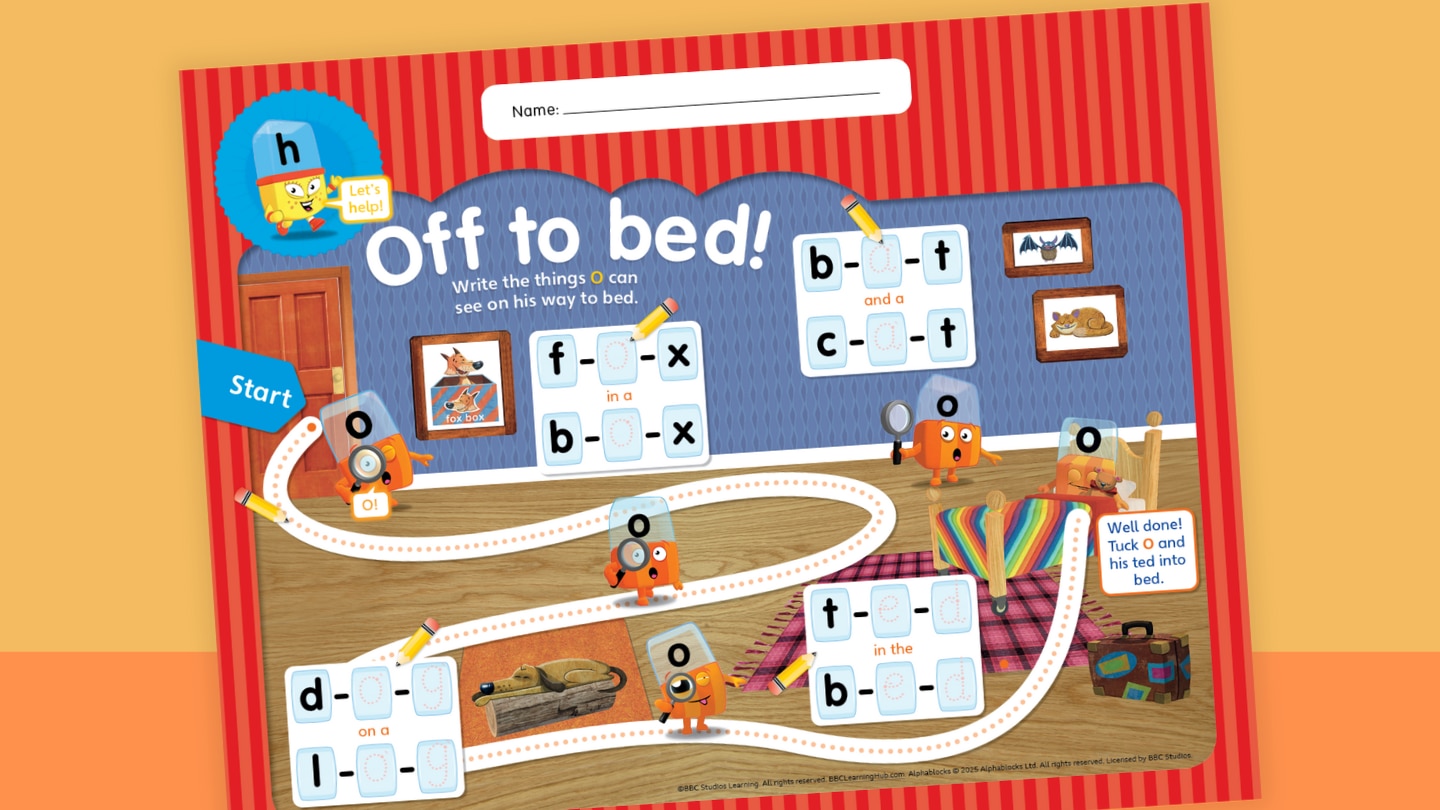
Trace the path and write the things O can see on his way to bed (a fox in a box! a dog on a log!). When you're done, tuck O and his ted into bed.
Watch full episodes of Alphablocks on their official YouTube channel!
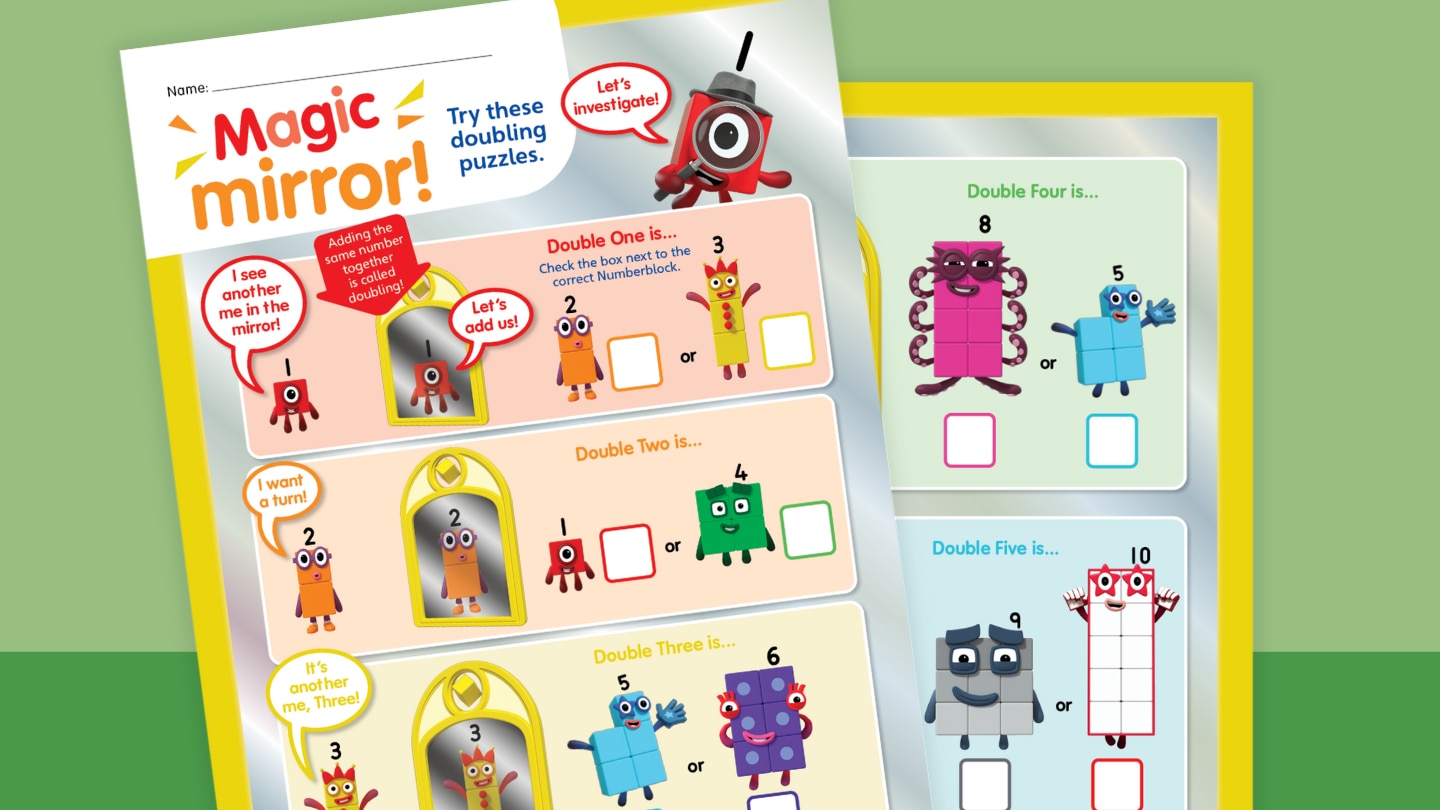
Adding the same number together is called doubling. Try these doubling puzzles. Check the box next to the correct Numberblock.
Double One is...
Double Two is...
Double Three is...
Double Four is...
Double Five is...
Doubles are handy to know for adding up quickly. Can you find any doubles around your home, e.g. eggs in their boxes or coins?
Watch full episodes of Numberblocks on their official YouTube channel!
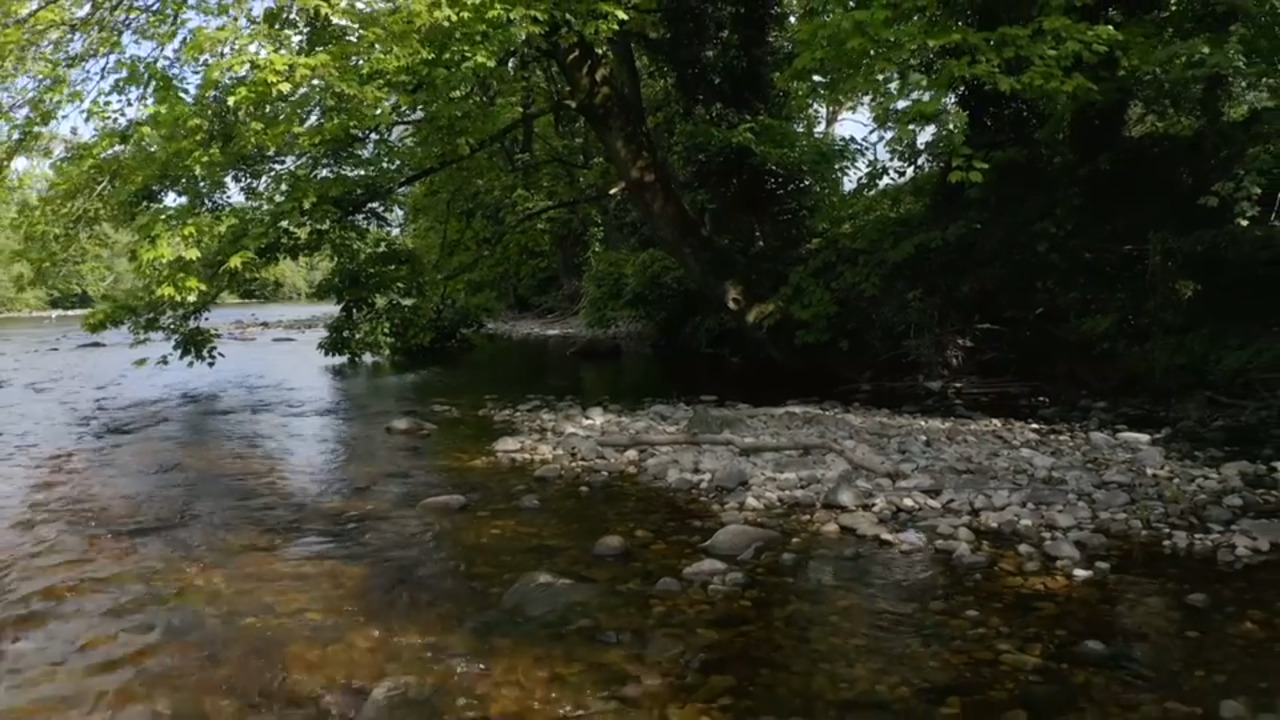
When it comes to gathering water data, the “employee of the month” may look a little on the “green and cubical” side. Alongside Yorkshire rivers, there are multiple green boxes working hard to gather data on river quality that should, in a couple years, be available for river users and potential swimmers to access through an app that tracks pollution.
Though there are currently apps that show pollution data, that information is old and outdated. This upcoming app is special, because it will use live data from an on-site sensor to provide real-time pollution levels in the water. It’s not meant to tell people “safe” or “not safe” or “swim” or “don’t swim,” but it can give people what they need to make an informed decision... mostly.
The green boxes have a big shortcoming: they’re unable to detect some really nasty bacteria like E.coli, which can only be measured in a lab. But don’t worry, old-school scientists are on the case, manually taking samples to send away for analysis. These findings will be used to build a data set that will be combined with green box data, and AI learning will infer when E.coli (and other bugs) are present in the river.
So, today, we celebrate a beautiful marriage — one of traditional testing, new technology, and AI. It may not be the pairing you’re rooting for on Love Island, but it shows great promise for water safety!
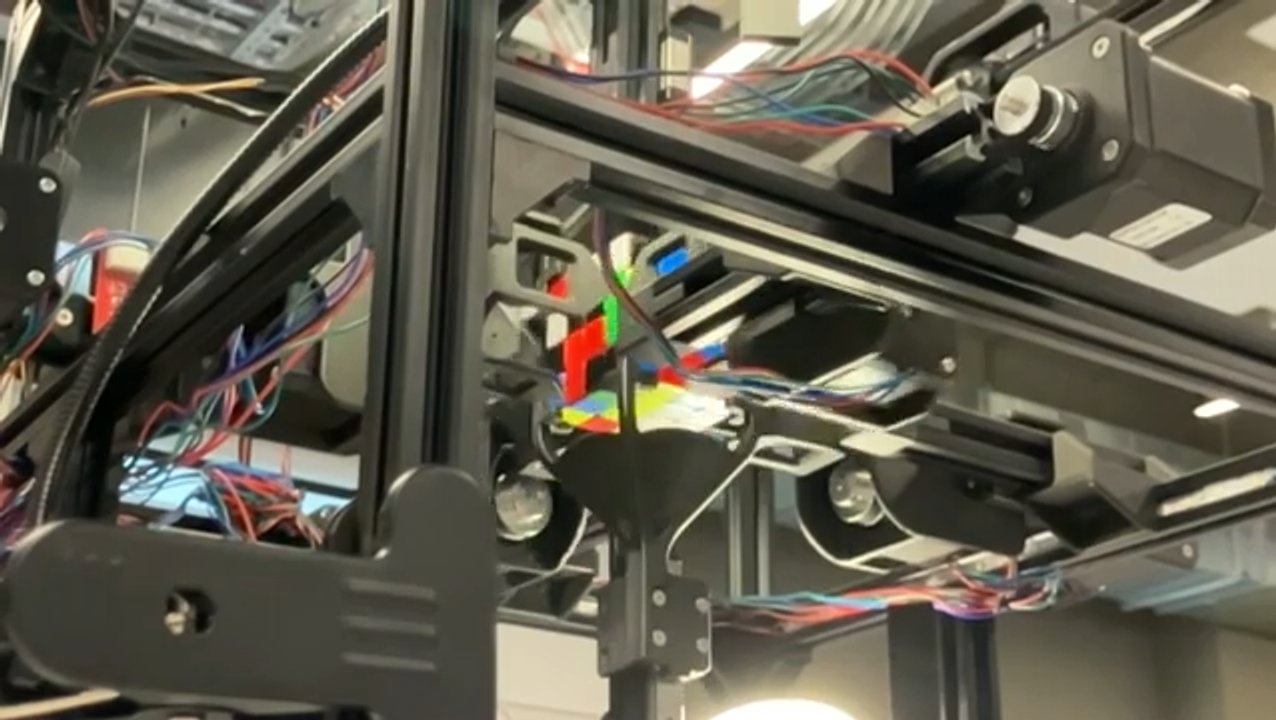
The new 4×4 Rubik's Cube has more layers than the classic 3×3, which makes it harder to solve. A 22-year-old student named Matt Pidden decided to build a robot that could solve one — and he designed, built, and programmed the whole thing in just 15 weeks as a school project. He named it "the Revenger."
The robot is a box with four mechanical "hands" that reach in from the sides to grip the cube. Two cameras scan the cube so the Revenger knows where every colored square is. Then a program Matt wrote figures out the fastest way to solve it, and the robot twists each side until the cube is solved.
The Revenger solved the cube in 55 seconds, breaking the old robot record of 1 minute and 18 seconds, set back in 2015. That's impressive — but it's still way behind the human world record of 15.71 seconds. So no need to worry about robots taking over the world just yet.
Muhammad Ali, from his rise as a boxing champion to his inspiring comeback and lasting global influence. Students will follow Ali’s journey through triumph, controversy, and perseverance as he fought to regain the heavyweight title and became one of the most recognized athletes in history.
This Kahoot examines key moments in Ali’s story, including the court case that temporarily cost him his boxing license and championship, his dramatic return to the ring, and the determination that defined his later years after being diagnosed with Parkinson's disease. Students will build listening skills, vocabulary, and historical awareness while exploring how Ali’s courage, confidence, and resilience inspired millions around the world.
Watch the related BBC videos, Cassius Clay Becomes Muhammad Ali and Muhammad Ali's Comeback, then invite your Grade 6–12 students to test their knowledge and discover why Muhammad Ali remains a global symbol of strength, perseverance, and conviction.
In Muhammad Ali's Comeback, sports journalist Clare Balding describes the first time Muhammad Ali lost a professional fight when he fought against Joe Frazier in 1971, and his subsequent comeback against George Foreman. This video is excerpted from BBC’s Icons: The Greatest Person of the 20th Century, a documentary series celebrating the achievements of the most influential figures of the era.
In Cassius Clay Becomes Muhammad Ali, sports journalist Clare Balding describes how, Muhammad Ali, as a Muslim, refused to fight in the war in Vietnam and how his defiance connected him to people all over the world. This video is excerpted from BBC’s Icons: The Greatest Person of the 20th Century, a documentary series celebrating the achievements of the most influential figures of the era.
Meet the Icons of the 20th Century. From brilliant scientists and inspiring activists to legendary athletes and artists, these remarkable individuals changed the world in powerful ways. In this video playlist of clips from BBC's Icons: The Greatest Person of the 20th Century, meet Muhammad Ali, Helen Keller, Albert Einstein, Martin Luther King Jr., Pablo Picasso, Jane Goodall, Pelé, Billie Holiday and others — each a trailblazer who shaped history through courage, creativity, and conviction. A perfect playlist to inspire young minds to think big and act boldly!
How ya goin'? This page is for making your very own Bluey. Read a fruit-batty story, color in a keepy-uppy ballon, and drop Bluey off at school. All you need is a cereal box, paint, glue, and this Make Your Own Bluey template. Did you know that Bluey is a 6-year-old blue heeler? She has three spots on her back. Her bedding has bone pics on it and her bed has a big B!
In JoJo and Gran Gran Go Birding, it’s springtime and JoJo and her grandmother are excited to see the baby birds that waddle, quack, and cheep. A real-life girl and her family make a bird box for their backyard. This video is excerpted from BBC’s JoJo & Gran Gran, a children's animated television series following JoJo, an inquisitive and cheerful 4-and-a-half-year-old girl and her loving Gran Gran, who always has something new to teach her.
In The Science of Screaming, learn how and why humans scream. Discover the biological mechanisms behind screaming, such as the role of the larynx and vocal cords, and why certain sounds can be louder or more intense than others. Meet Jill, who learned she had an incredibly loud scream when competing in a Halloween scream competition. This video is excerpted from BBC’s The World’s Most Extraordinary People, a documentary series revealing how rare medical conditions inspire groundbreaking scientific discoveries.
In A Day in the Life of a Train Station Cat, host Ferne Corrigan meets Felix, the train station cat with an important job — keeping the station free of pesky mice and rats! Although she loves exploring outside and has many friends, Felix also has her very own room inside the station filled with a soft bed and fun toys. Watch as the kids feed her and make sure her litter box is squeaky clean every day! This video is excerpted from BBC’s My Pet and Me, a children’s show that introduces kids to the rewards and responsibilities involved when having a pet.
Trace the path and write the things O can see on his way to bed (a fox in a box! a dog on a log!). When you're done, tuck O and his ted into bed.
Watch full episodes of Alphablocks on their official YouTube channel!
Adding the same number together is called doubling. Try these doubling puzzles. Check the box next to the correct Numberblock.
Double One is...
Double Two is...
Double Three is...
Double Four is...
Double Five is...
Doubles are handy to know for adding up quickly. Can you find any doubles around your home, e.g. eggs in their boxes or coins?
Watch full episodes of Numberblocks on their official YouTube channel!
When it comes to gathering water data, the “employee of the month” may look a little on the “green and cubical” side. Alongside Yorkshire rivers, there are multiple green boxes working hard to gather data on river quality that should, in a couple years, be available for river users and potential swimmers to access through an app that tracks pollution.
Though there are currently apps that show pollution data, that information is old and outdated. This upcoming app is special, because it will use live data from an on-site sensor to provide real-time pollution levels in the water. It’s not meant to tell people “safe” or “not safe” or “swim” or “don’t swim,” but it can give people what they need to make an informed decision... mostly.
The green boxes have a big shortcoming: they’re unable to detect some really nasty bacteria like E.coli, which can only be measured in a lab. But don’t worry, old-school scientists are on the case, manually taking samples to send away for analysis. These findings will be used to build a data set that will be combined with green box data, and AI learning will infer when E.coli (and other bugs) are present in the river.
So, today, we celebrate a beautiful marriage — one of traditional testing, new technology, and AI. It may not be the pairing you’re rooting for on Love Island, but it shows great promise for water safety!
The new 4×4 Rubik's Cube has more layers than the classic 3×3, which makes it harder to solve. A 22-year-old student named Matt Pidden decided to build a robot that could solve one — and he designed, built, and programmed the whole thing in just 15 weeks as a school project. He named it "the Revenger."
The robot is a box with four mechanical "hands" that reach in from the sides to grip the cube. Two cameras scan the cube so the Revenger knows where every colored square is. Then a program Matt wrote figures out the fastest way to solve it, and the robot twists each side until the cube is solved.
The Revenger solved the cube in 55 seconds, breaking the old robot record of 1 minute and 18 seconds, set back in 2015. That's impressive — but it's still way behind the human world record of 15.71 seconds. So no need to worry about robots taking over the world just yet.