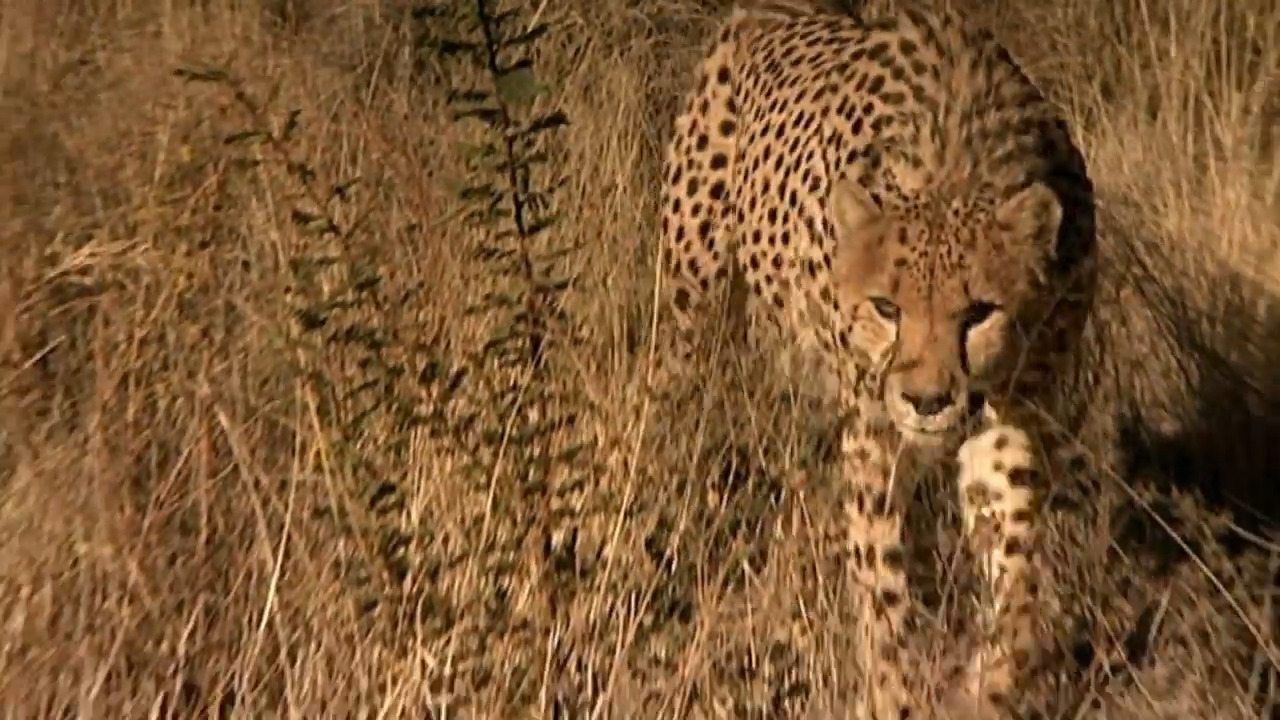
In Endangered Big Cat Conservation Around the World, host Simon Reeve visits two conservationists in Russia and Namibia who are tirelessly working to protect Amur tigers and cheetahs. This video is excerpted from BBC's Incredible Journeys With Simon Reeve, a series that highlights one journalist’s travels across the globe and the diverse cultures and peoples he meets along the way.
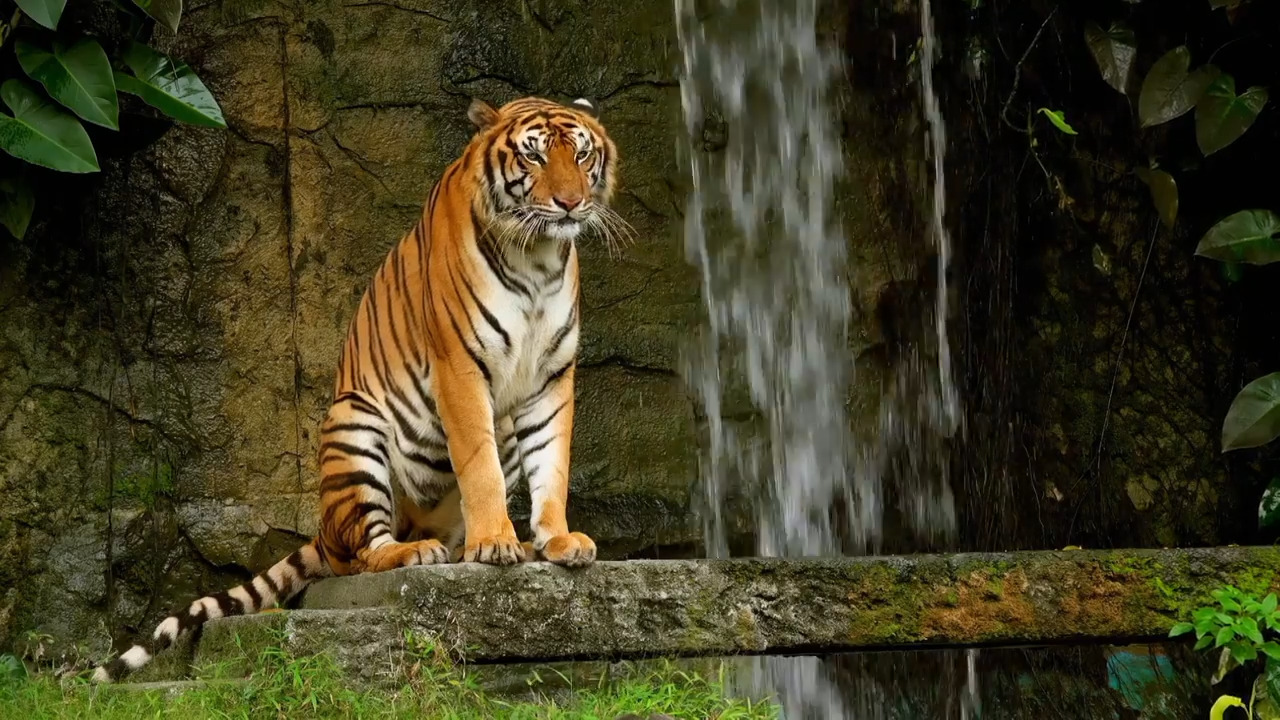
In The Truth About Tiger Stripes, evolutionary biologist Ben Garrod explains why these big cats' stripes are orange and black. Learn how melanin, the pigment responsible for skin and fur color, creates the distinctive camouflage patterns of a tiger’s coat. Discover the ways tigers use their stripes for survival in the wild, blending into their surroundings to avoid predators and enhance their hunting capabilities. This video is excerpted from Secrets of Skin, a documentary series exploring the natural history of the body’s largest organ.
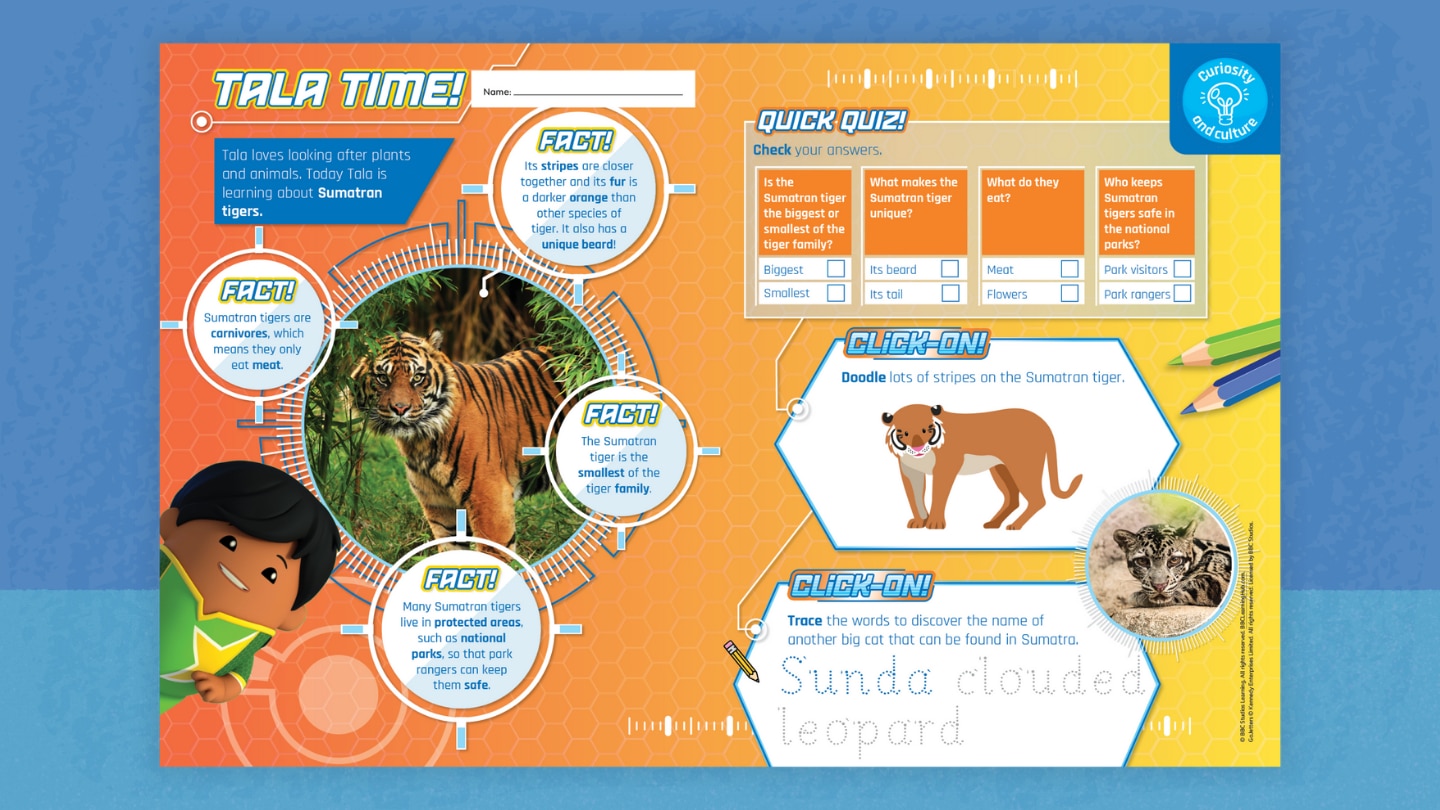
Join Tala and the Go Jetters to discover amazing facts about Sumatran tigers! In this interactive worksheet, you'll:
- Explore what makes these tigers unique, what they eat, and how they survive in protected areas.
- Complete a quick quiz.
- Doodle stripes on a tiger.
- Trace the name of another big cat found in Sumatra.
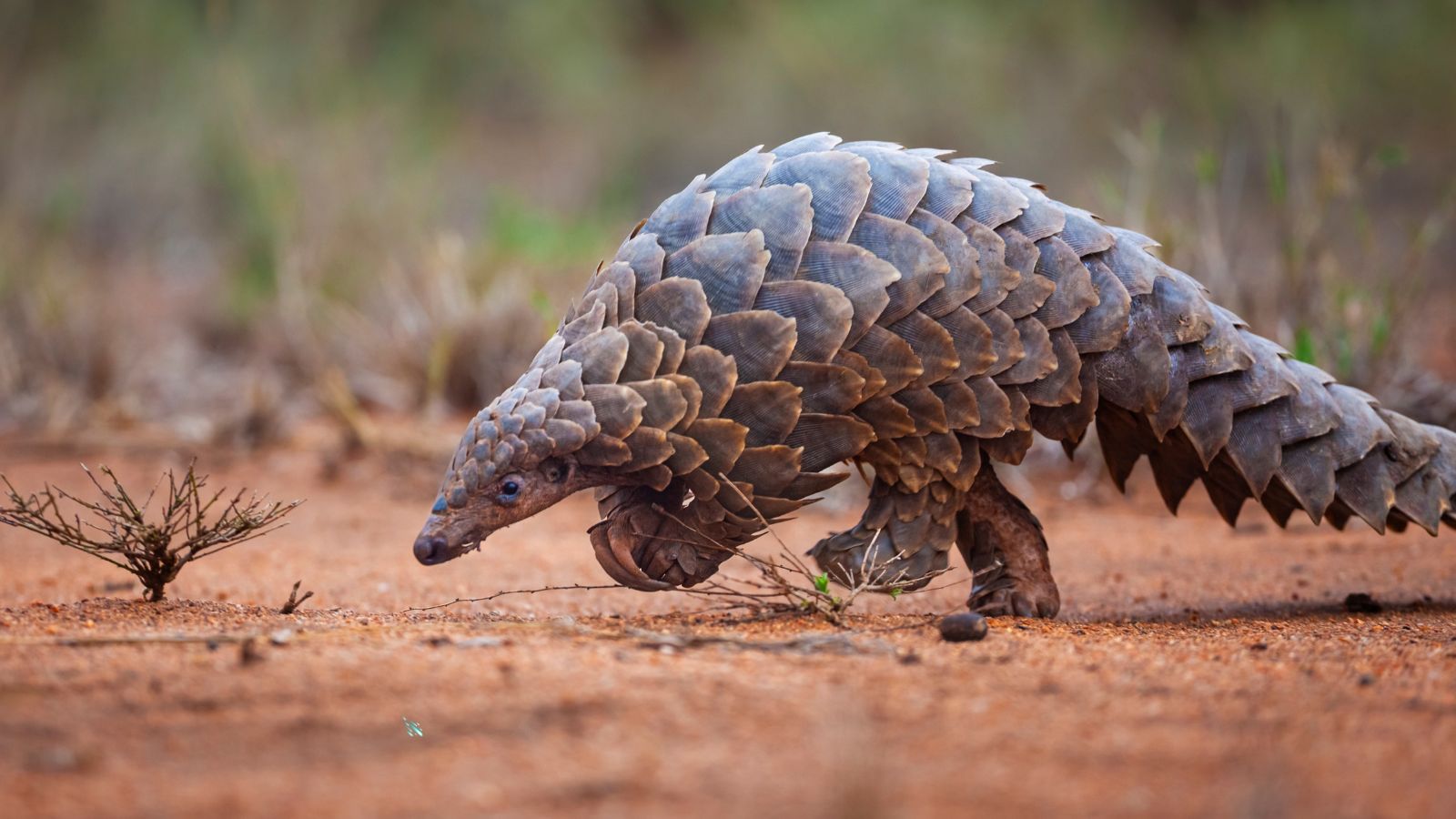
Deserts look empty. They are anything but.
From the sun-scorched dunes of the Sahara to the scrubby plains of Australia, desert animals have cracked one of nature's toughest puzzles: how to survive where water is scarce, temperatures are brutal, and food is hard to find. In this playlist, you'll meet the remarkable species that call these landscapes home — from the iconic camel and the lightning-fast hawk to the bounding kangaroo and the armored pangolin.
Each clip, drawn from landmark BBC series including Seven Worlds, One Planet and Planet Earth II, puts you face-to-face with real desert survival in action. Some animals store water and energy for enormous journeys across open terrain. Others hunt by night, move in short bursts, or use camouflage so good they practically disappear. Every strategy is different. Every one is extraordinary.
As you watch, think bigger: How do animals adapt to temperatures that would stop most creatures in their tracks? What physical traits make desert life not just possible, but thriving? And how do these species — predator and prey, reptile and mammal — depend on each other to keep desert ecosystems in balance?
This playlist won't just teach you about deserts. It will make you see them differently.
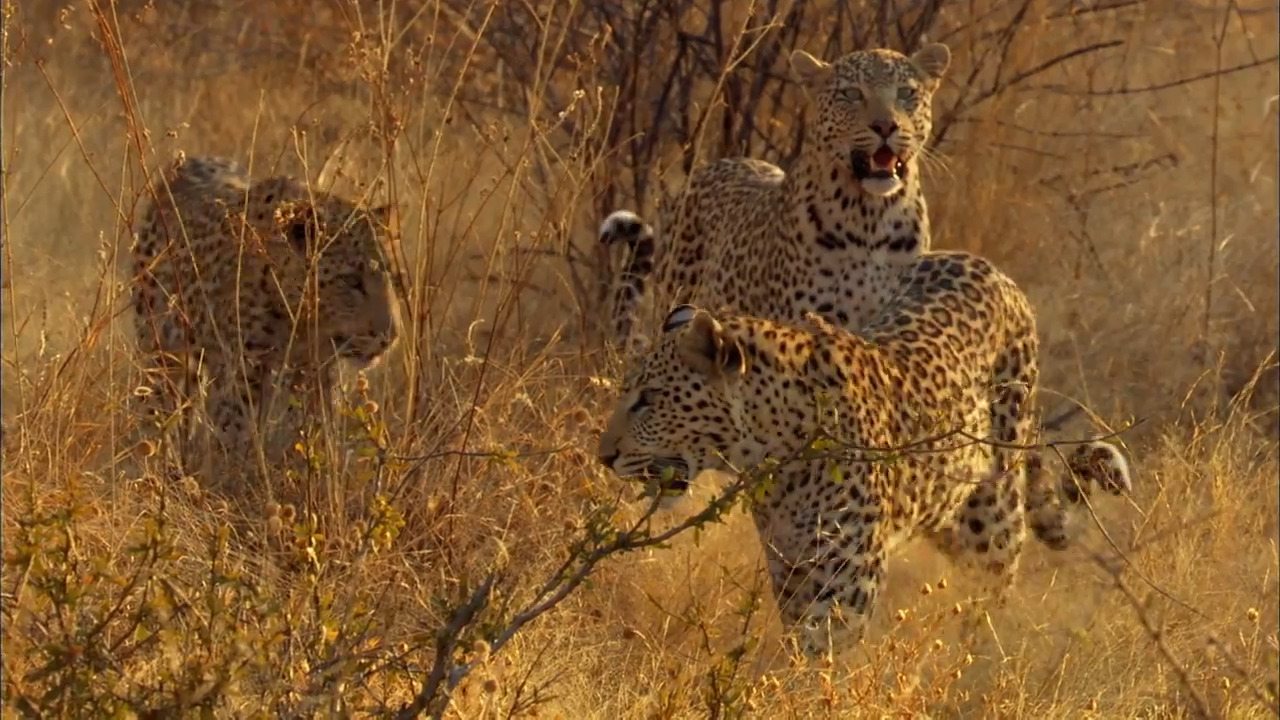
In A Leopard Hunts for Food in the Kalahari, narrator Sir David Attenborough describes how a one-year-old African leopard in the Kalahari Desert learns how to survive on his own by hunting for food. With limited food sources, the young leopard has to be clever and patient. He misses a few chances to catch food, but he keeps trying. Eventually, he returns to find a meal left high in the trees, but getting to it won't be so easy. This video is excerpted from BBC’s Africa, a study of the landscape and wildlife of the world’s wildest continent, Africa.
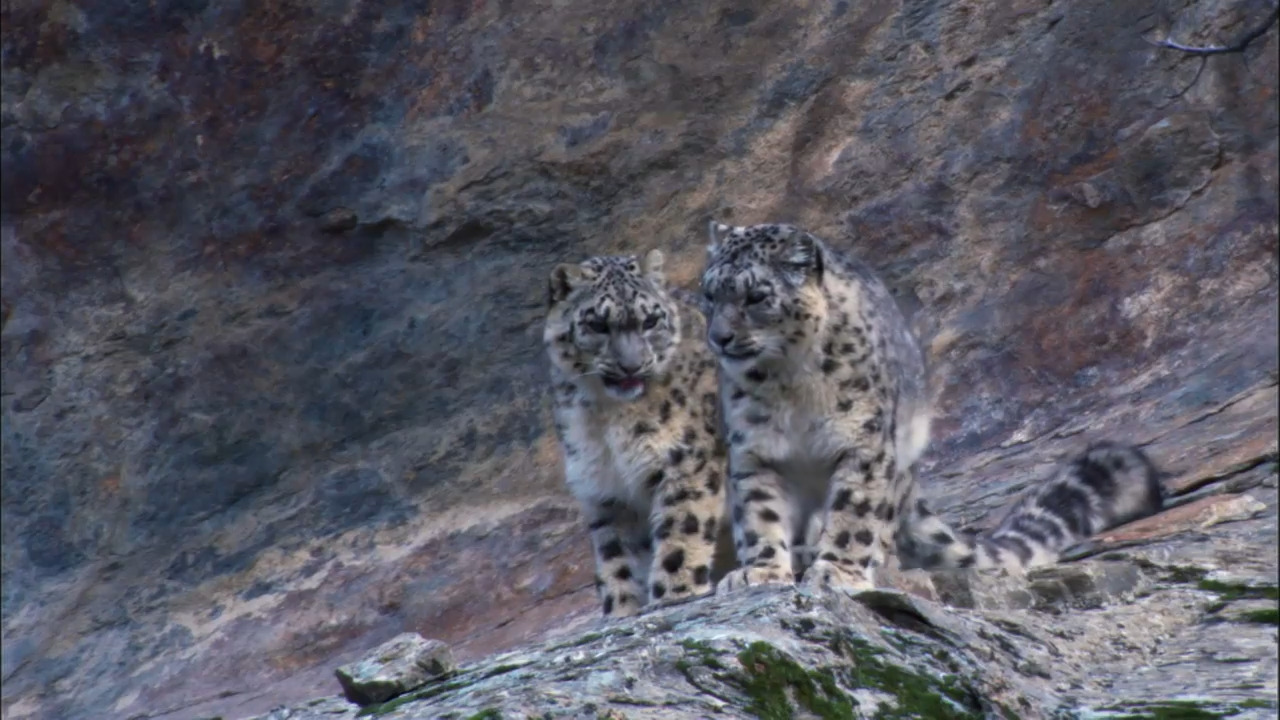
In The Snow Leopard Caught on Film for the First Time!, Sir David Attenborough describes how a seldom-seen female cares for her cub and hunts among the steep cliffs of the Himalayas. Her body is uniquely adapted to the challenges of her environment. This video is excerpted from BBC's Planet Earth, a breathtaking documentary series that highlights the natural wonders of our planet.
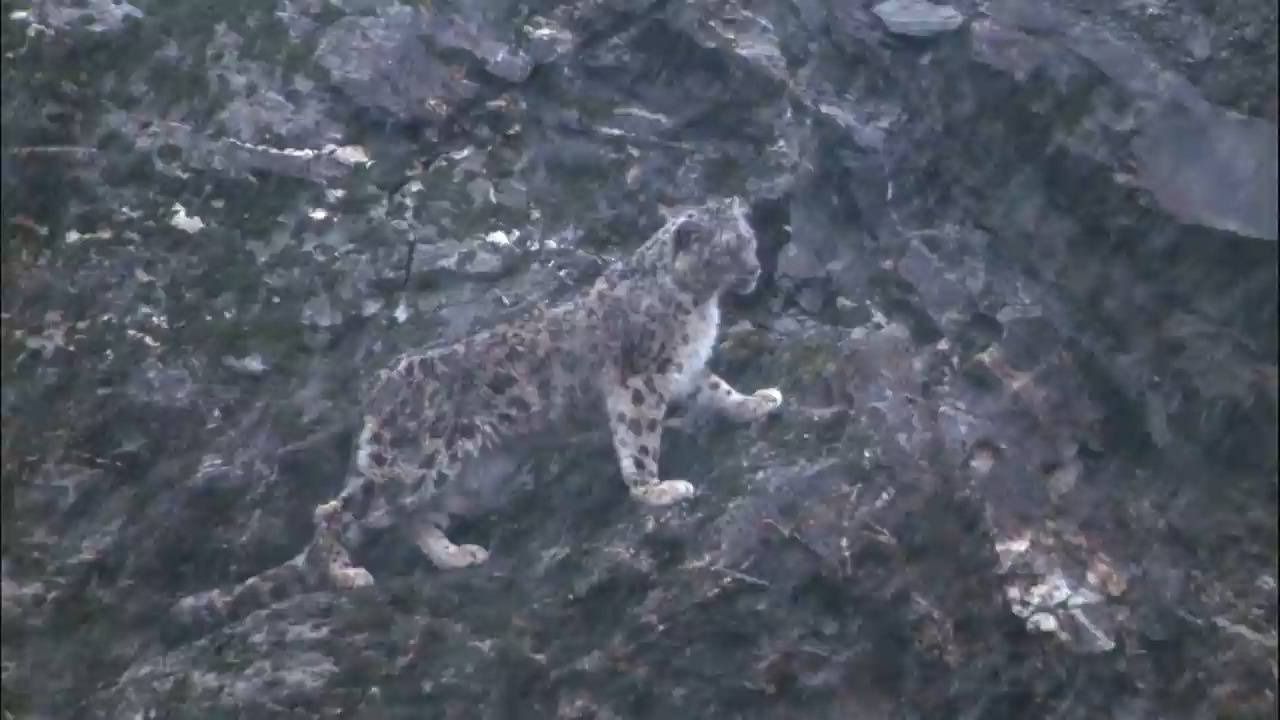
In How the Snow Affects Animals, narrator Sir David Attenborough describes how predators stalk a herd of markhor goats. When snow starts to fall, the golden eagle is hindered, but the snow leopard is helped. This video is excerpted from BBC's Planet Earth, a breathtaking documentary series that highlights the natural wonders of our planet.
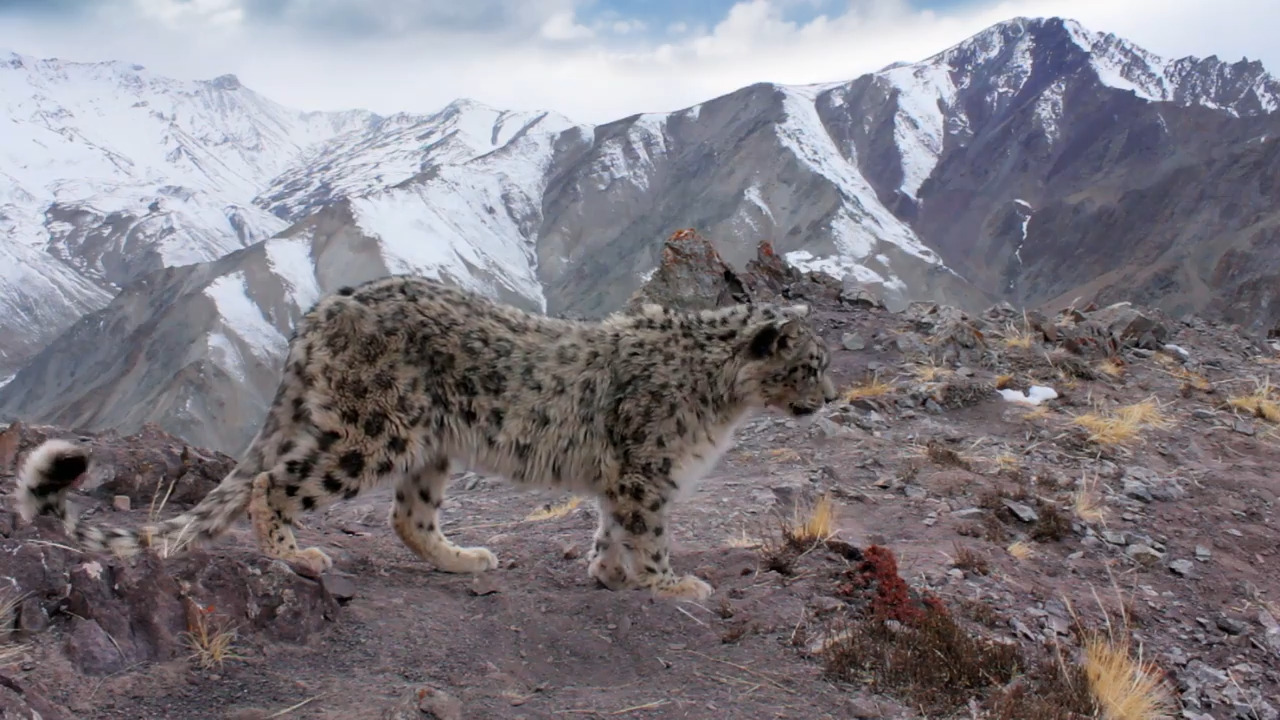
In The Elusive Snow Leopard, narrator Sir David Attenborough watches a snow leopard in heat leave her scent and call out to attract males. When two males arrive, problems ensue. The males fight to claim the female, while the female’s cub has to escape the danger of being killed herself. Though the mother is injured, she later recovers, and the two females are later spotted alive and well. This video is excerpted from BBC’s Planet Earth II, a breathtaking documentary series that highlights the natural wonders of our planet.
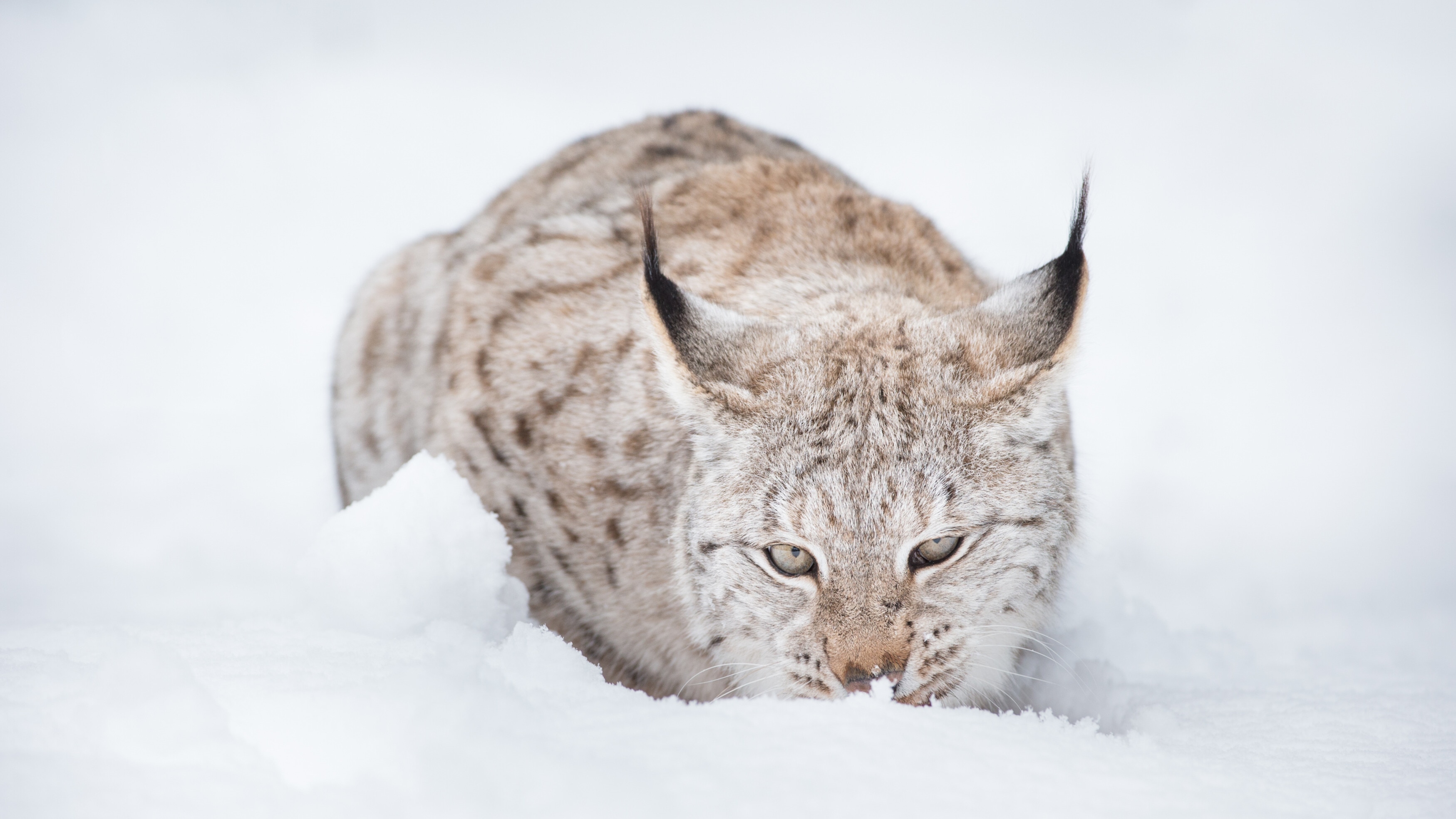
Brave the chill and meet the coolest creatures on Earth! This playlist of 11 frosty video clips from BBC landmark shows like Frozen Planet and Planet Earth explores how animals survive some of the coldest places on the planet. Students will learn about adaptations, seasonal behaviors, and the survival strategies that help bison, foxes, seals, grizzlies, snow monkeys, polar bears, lynx, and more thrive in freezing climates.
They’ll discover how winter weather shapes each animal’s daily life; how they find food, conserve energy, protect themselves from predators; and why these icy habitats play a vital role in Earth’s systems.
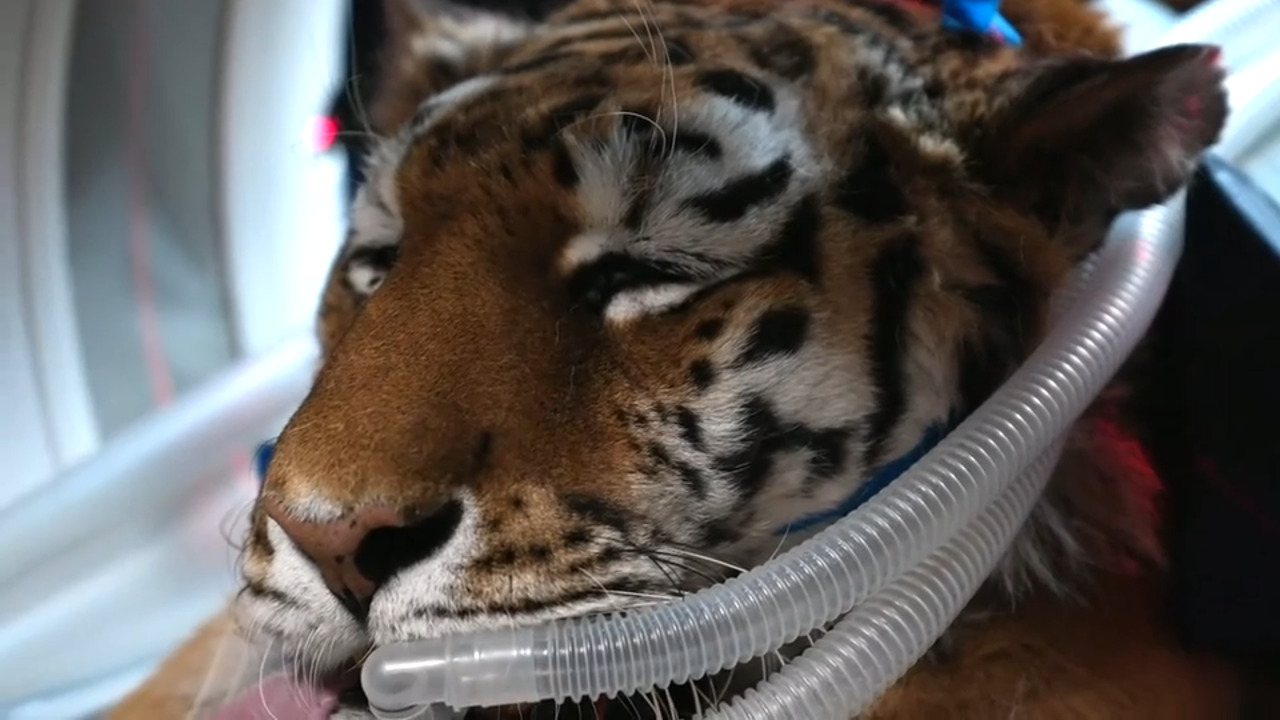
Did somebody say CAT scan? The Norfolk Zoo is doubling down on the idea of a big CAT scan by giving a big cat a scan! A tiger named Mishka is one of many animal patients that the zoo is sending through a CAT, or CT, scan. Short for “computerized axial tomography” or “computed tomography,” depending on how much time you have and how much you want to impress your friends, CT scans use a combination of X-rays and computer technology to help see inside bodies, produced detailed images of bones, organs, and soft tissue.
To the untrained eye, the scan’s grey and white blobs may look like, well, blobs. But, skilled professionals will be able to see if they show any abnormalities in bones or soft tissues. In addition to Mishka, the zoo also checked out other animals like a vulture, penguin, and sloth.
Their scans will not only help animals at the zoo, but in the wild, too. The findings will be added to the base knowledge on a species or animal, which can be shared with experts and vet colleagues globally.
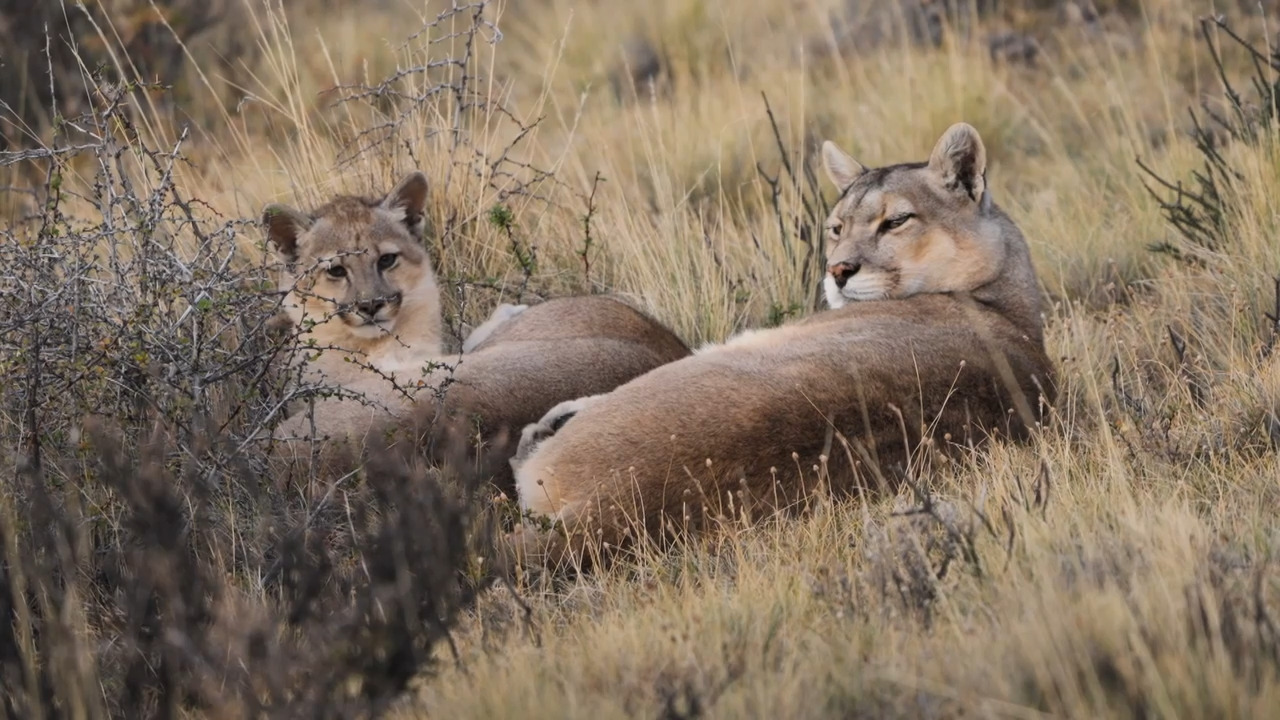
In Discovering Patagonia's Pumas, host Simon Reeve and his guide embark on a hike through Patagonia, searching for the region’s biggest cat — the puma. While pumas can be found across the Americas, Patagonia has one of the highest concentrations of these elusive predators. They spot a herd of guanacos, which are often hunted by pumas, and use a heat-seeking scope to track the big cats. Soon, a family of three pumas are found, offering a rare glimpse into their world. This video is excerpted from BBC’s Wilderness With Simon Reeve, an epic adventure into the heart of Earth’s last great wild areas, where nature is at its most beautiful and fragile.

Get ready to meet some of the fluffiest, funniest, and most fascinating pets around! In this special collection from My Pet and Me, hosts Ferne Corrigan and Rory Crawford introduce us to animals with big personalities and even bigger hearts, from talkative Siamese cats and stylish poodles to gentle donkeys and deaf dogs who don’t let anything hold them back.
Each episode celebrates the joy of having a pet while teaching kids how to care for animals with kindness, patience, and curiosity. Whether you're learning how to groom a pony or discovering how a station cat spends her day, this collection highlights the many ways pets enrich our lives and how we can return the favor.
In Endangered Big Cat Conservation Around the World, host Simon Reeve visits two conservationists in Russia and Namibia who are tirelessly working to protect Amur tigers and cheetahs. This video is excerpted from BBC's Incredible Journeys With Simon Reeve, a series that highlights one journalist’s travels across the globe and the diverse cultures and peoples he meets along the way.
In The Truth About Tiger Stripes, evolutionary biologist Ben Garrod explains why these big cats' stripes are orange and black. Learn how melanin, the pigment responsible for skin and fur color, creates the distinctive camouflage patterns of a tiger’s coat. Discover the ways tigers use their stripes for survival in the wild, blending into their surroundings to avoid predators and enhance their hunting capabilities. This video is excerpted from Secrets of Skin, a documentary series exploring the natural history of the body’s largest organ.
Join Tala and the Go Jetters to discover amazing facts about Sumatran tigers! In this interactive worksheet, you'll:
- Explore what makes these tigers unique, what they eat, and how they survive in protected areas.
- Complete a quick quiz.
- Doodle stripes on a tiger.
- Trace the name of another big cat found in Sumatra.
Deserts look empty. They are anything but.
From the sun-scorched dunes of the Sahara to the scrubby plains of Australia, desert animals have cracked one of nature's toughest puzzles: how to survive where water is scarce, temperatures are brutal, and food is hard to find. In this playlist, you'll meet the remarkable species that call these landscapes home — from the iconic camel and the lightning-fast hawk to the bounding kangaroo and the armored pangolin.
Each clip, drawn from landmark BBC series including Seven Worlds, One Planet and Planet Earth II, puts you face-to-face with real desert survival in action. Some animals store water and energy for enormous journeys across open terrain. Others hunt by night, move in short bursts, or use camouflage so good they practically disappear. Every strategy is different. Every one is extraordinary.
As you watch, think bigger: How do animals adapt to temperatures that would stop most creatures in their tracks? What physical traits make desert life not just possible, but thriving? And how do these species — predator and prey, reptile and mammal — depend on each other to keep desert ecosystems in balance?
This playlist won't just teach you about deserts. It will make you see them differently.
In A Leopard Hunts for Food in the Kalahari, narrator Sir David Attenborough describes how a one-year-old African leopard in the Kalahari Desert learns how to survive on his own by hunting for food. With limited food sources, the young leopard has to be clever and patient. He misses a few chances to catch food, but he keeps trying. Eventually, he returns to find a meal left high in the trees, but getting to it won't be so easy. This video is excerpted from BBC’s Africa, a study of the landscape and wildlife of the world’s wildest continent, Africa.
In The Snow Leopard Caught on Film for the First Time!, Sir David Attenborough describes how a seldom-seen female cares for her cub and hunts among the steep cliffs of the Himalayas. Her body is uniquely adapted to the challenges of her environment. This video is excerpted from BBC's Planet Earth, a breathtaking documentary series that highlights the natural wonders of our planet.
In How the Snow Affects Animals, narrator Sir David Attenborough describes how predators stalk a herd of markhor goats. When snow starts to fall, the golden eagle is hindered, but the snow leopard is helped. This video is excerpted from BBC's Planet Earth, a breathtaking documentary series that highlights the natural wonders of our planet.
In The Elusive Snow Leopard, narrator Sir David Attenborough watches a snow leopard in heat leave her scent and call out to attract males. When two males arrive, problems ensue. The males fight to claim the female, while the female’s cub has to escape the danger of being killed herself. Though the mother is injured, she later recovers, and the two females are later spotted alive and well. This video is excerpted from BBC’s Planet Earth II, a breathtaking documentary series that highlights the natural wonders of our planet.
Brave the chill and meet the coolest creatures on Earth! This playlist of 11 frosty video clips from BBC landmark shows like Frozen Planet and Planet Earth explores how animals survive some of the coldest places on the planet. Students will learn about adaptations, seasonal behaviors, and the survival strategies that help bison, foxes, seals, grizzlies, snow monkeys, polar bears, lynx, and more thrive in freezing climates.
They’ll discover how winter weather shapes each animal’s daily life; how they find food, conserve energy, protect themselves from predators; and why these icy habitats play a vital role in Earth’s systems.
Did somebody say CAT scan? The Norfolk Zoo is doubling down on the idea of a big CAT scan by giving a big cat a scan! A tiger named Mishka is one of many animal patients that the zoo is sending through a CAT, or CT, scan. Short for “computerized axial tomography” or “computed tomography,” depending on how much time you have and how much you want to impress your friends, CT scans use a combination of X-rays and computer technology to help see inside bodies, produced detailed images of bones, organs, and soft tissue.
To the untrained eye, the scan’s grey and white blobs may look like, well, blobs. But, skilled professionals will be able to see if they show any abnormalities in bones or soft tissues. In addition to Mishka, the zoo also checked out other animals like a vulture, penguin, and sloth.
Their scans will not only help animals at the zoo, but in the wild, too. The findings will be added to the base knowledge on a species or animal, which can be shared with experts and vet colleagues globally.
In Discovering Patagonia's Pumas, host Simon Reeve and his guide embark on a hike through Patagonia, searching for the region’s biggest cat — the puma. While pumas can be found across the Americas, Patagonia has one of the highest concentrations of these elusive predators. They spot a herd of guanacos, which are often hunted by pumas, and use a heat-seeking scope to track the big cats. Soon, a family of three pumas are found, offering a rare glimpse into their world. This video is excerpted from BBC’s Wilderness With Simon Reeve, an epic adventure into the heart of Earth’s last great wild areas, where nature is at its most beautiful and fragile.
Get ready to meet some of the fluffiest, funniest, and most fascinating pets around! In this special collection from My Pet and Me, hosts Ferne Corrigan and Rory Crawford introduce us to animals with big personalities and even bigger hearts, from talkative Siamese cats and stylish poodles to gentle donkeys and deaf dogs who don’t let anything hold them back.
Each episode celebrates the joy of having a pet while teaching kids how to care for animals with kindness, patience, and curiosity. Whether you're learning how to groom a pony or discovering how a station cat spends her day, this collection highlights the many ways pets enrich our lives and how we can return the favor.