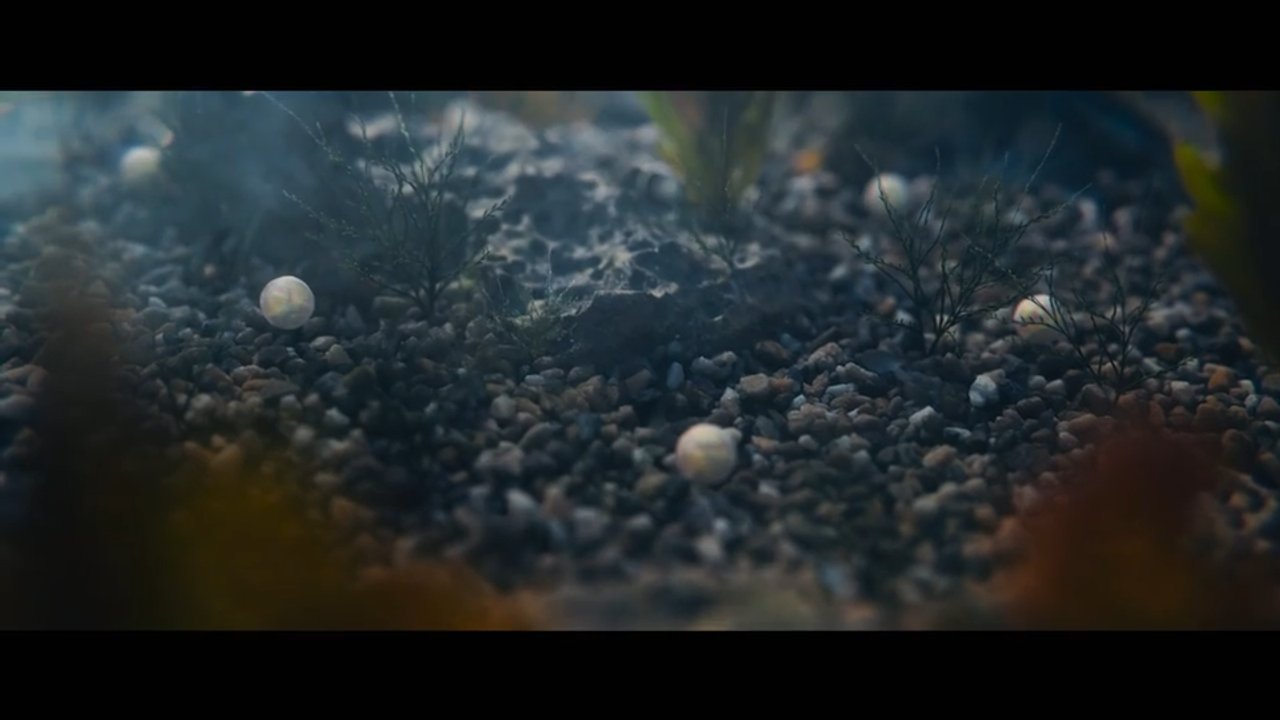
As animals evolved larger, more complex bodies, reproduction had to evolve with them. This clip from BBC’s Evolution episode "The Ostrich" traces the evolution of sexual reproduction from specialized egg and sperm cells to the emergence of separate male and female sexes, using fossils and living animals to explore how these strategies developed.
The story begins with ancient Cambrian animals and the evolution of specialized gametes, then considers why some early animals may have been hermaphrodites, producing both eggs and sperm. The video explores how mutations and evolutionary pressures could have led to separate sexes, with sperm becoming specialized for movement and eggs becoming larger and more nutrient-rich — a specialization taken to an extraordinary extreme in the single-celled beginnings of an ostrich egg.
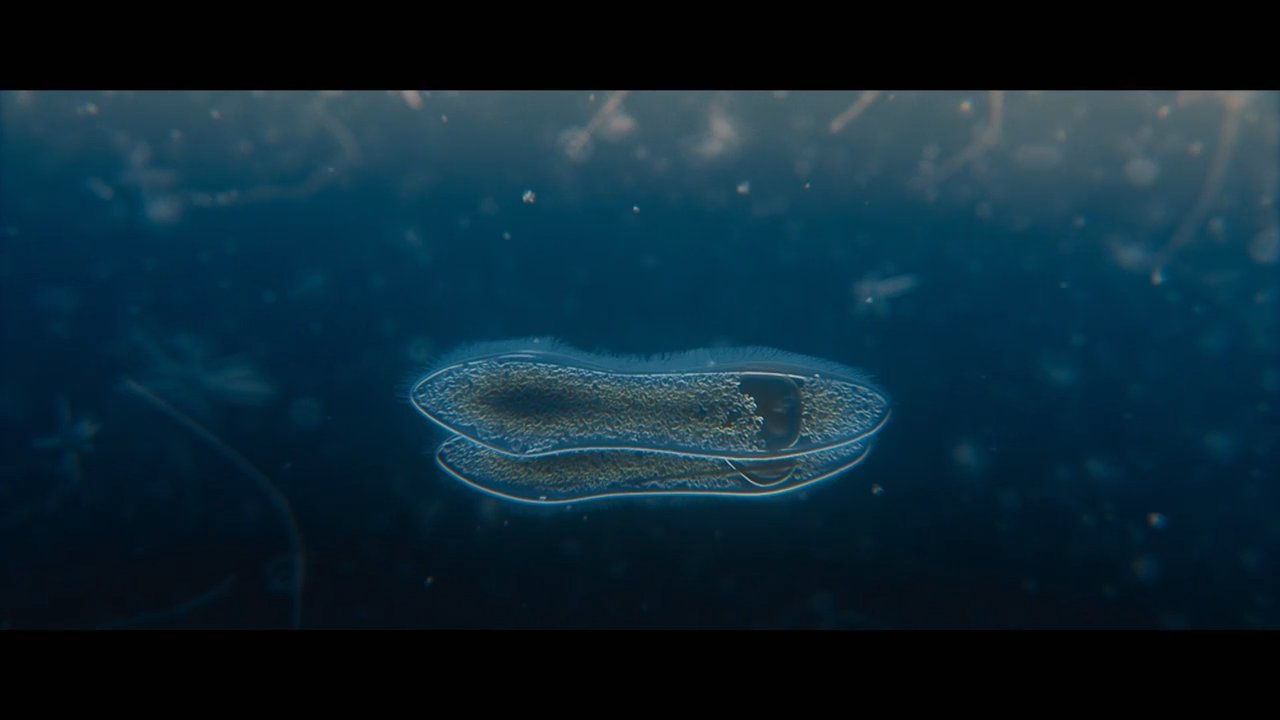
For nearly four billion years, life reproduced without sexes, simply copying itself to create genetically similar offspring. This clip from BBC’s Evolution episode "The Ostrich" explores the emergence of sexual reproduction around two billion years ago, when cells gained the ability to fuse with one another and combine their DNA.
By mixing genetic material from two parents, sexual reproduction created an enormous variety of unique offspring, giving evolution far more variation to work with. The video examines how this seemingly simple change may have helped accelerate the evolution of increasingly complex life, ultimately opening the door to organisms made up of trillions of specialized cells.
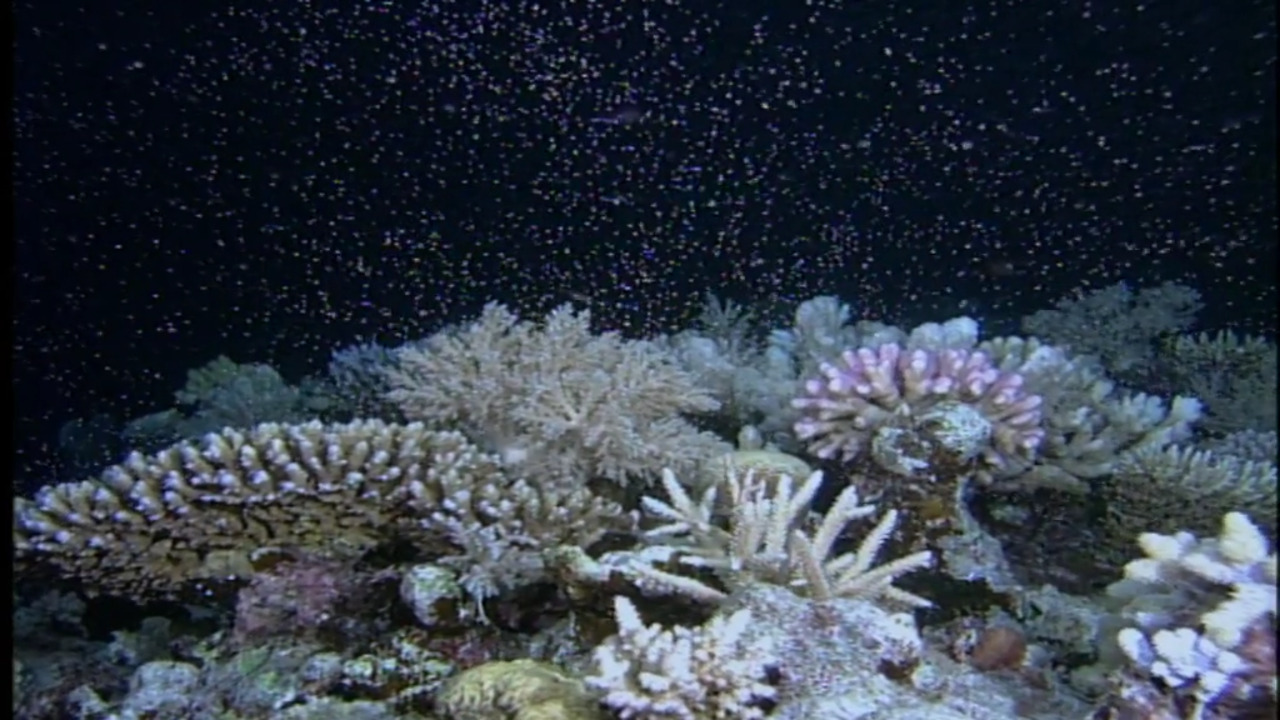
In Coral Reproduction, narrator Sir David Attenborough explores how coral reproduce sexually and asexually and how they maximize their chances of survival using timing to synchronize their activity. This video is excerpted from BBC’s Blue Planet, a definitive documentary series diving into the mysterious depths of the sea to discover the natural history of the world’s oceans and the rarely seen marine life that reside there.
As animals evolved larger, more complex bodies, reproduction had to evolve with them. This clip from BBC’s Evolution episode "The Ostrich" traces the evolution of sexual reproduction from specialized egg and sperm cells to the emergence of separate male and female sexes, using fossils and living animals to explore how these strategies developed.
The story begins with ancient Cambrian animals and the evolution of specialized gametes, then considers why some early animals may have been hermaphrodites, producing both eggs and sperm. The video explores how mutations and evolutionary pressures could have led to separate sexes, with sperm becoming specialized for movement and eggs becoming larger and more nutrient-rich — a specialization taken to an extraordinary extreme in the single-celled beginnings of an ostrich egg.
For nearly four billion years, life reproduced without sexes, simply copying itself to create genetically similar offspring. This clip from BBC’s Evolution episode "The Ostrich" explores the emergence of sexual reproduction around two billion years ago, when cells gained the ability to fuse with one another and combine their DNA.
By mixing genetic material from two parents, sexual reproduction created an enormous variety of unique offspring, giving evolution far more variation to work with. The video examines how this seemingly simple change may have helped accelerate the evolution of increasingly complex life, ultimately opening the door to organisms made up of trillions of specialized cells.
In Coral Reproduction, narrator Sir David Attenborough explores how coral reproduce sexually and asexually and how they maximize their chances of survival using timing to synchronize their activity. This video is excerpted from BBC’s Blue Planet, a definitive documentary series diving into the mysterious depths of the sea to discover the natural history of the world’s oceans and the rarely seen marine life that reside there.