Chemotherapy works. It also takes a serious toll — on energy, on the immune system, on everyday quality of life. For decades, that trade-off has been treated as unavoidable. A new drug being used to treat ovarian cancer suggests it might not have to be.
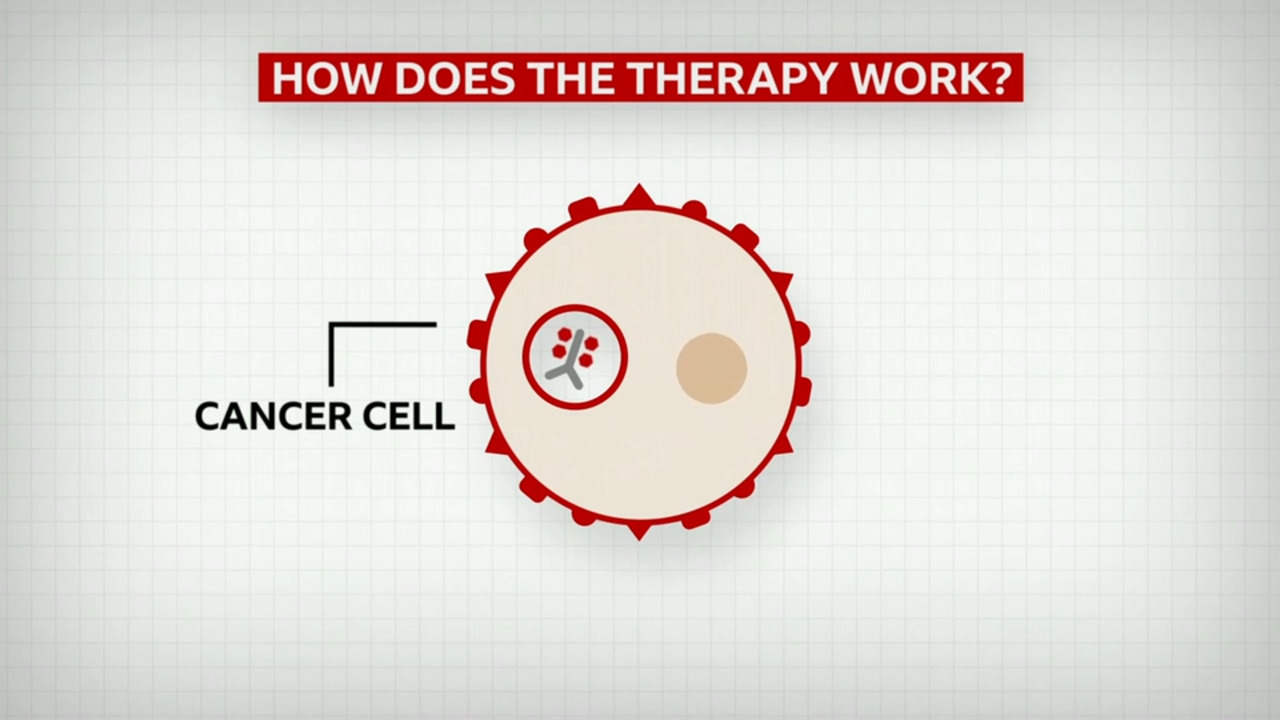
The treatment works by attaching a chemotherapy drug to an antibody — a protein the body uses naturally to identify and target specific cells. When the drug enters the body, the antibodies seek out cancer cells specifically, binding to them and leaving healthy tissue alone. Once inside the cancer cell, the antibody breaks down and releases the chemotherapy drug, destroying the cancer from within. The rest of the body barely notices.
For patients like Patricia Hill, the difference has been significant. After multiple rounds of conventional chemotherapy in the 3 years since her ovarian cancer diagnosis, she describes finally feeling well enough to socialize and enjoy daily life again. That shift — from surviving treatment to actually living alongside it — is what researchers have spent decades working toward.
The drug is still being studied, but early results point in two directions that matter: better quality of life during treatment, and the possibility of longer survival afterward. Those two things don't always come together in cancer research. When they do, it tends to mean something genuinely new is happening.
Chemotherapy works. It also takes a serious toll — on energy, on the immune system, on everyday quality of life. For decades, that trade-off has been treated as unavoidable. A new drug being used to treat ovarian cancer suggests it might not have to be.
The treatment works by attaching a chemotherapy drug to an antibody — a protein the body uses naturally to identify and target specific cells. When the drug enters the body, the antibodies seek out cancer cells specifically, binding to them and leaving healthy tissue alone. Once inside the cancer cell, the antibody breaks down and releases the chemotherapy drug, destroying the cancer from within. The rest of the body barely notices.
For patients like Patricia Hill, the difference has been significant. After multiple rounds of conventional chemotherapy in the 3 years since her ovarian cancer diagnosis, she describes finally feeling well enough to socialize and enjoy daily life again. That shift — from surviving treatment to actually living alongside it — is what researchers have spent decades working toward.
The drug is still being studied, but early results point in two directions that matter: better quality of life during treatment, and the possibility of longer survival afterward. Those two things don't always come together in cancer research. When they do, it tends to mean something genuinely new is happening.