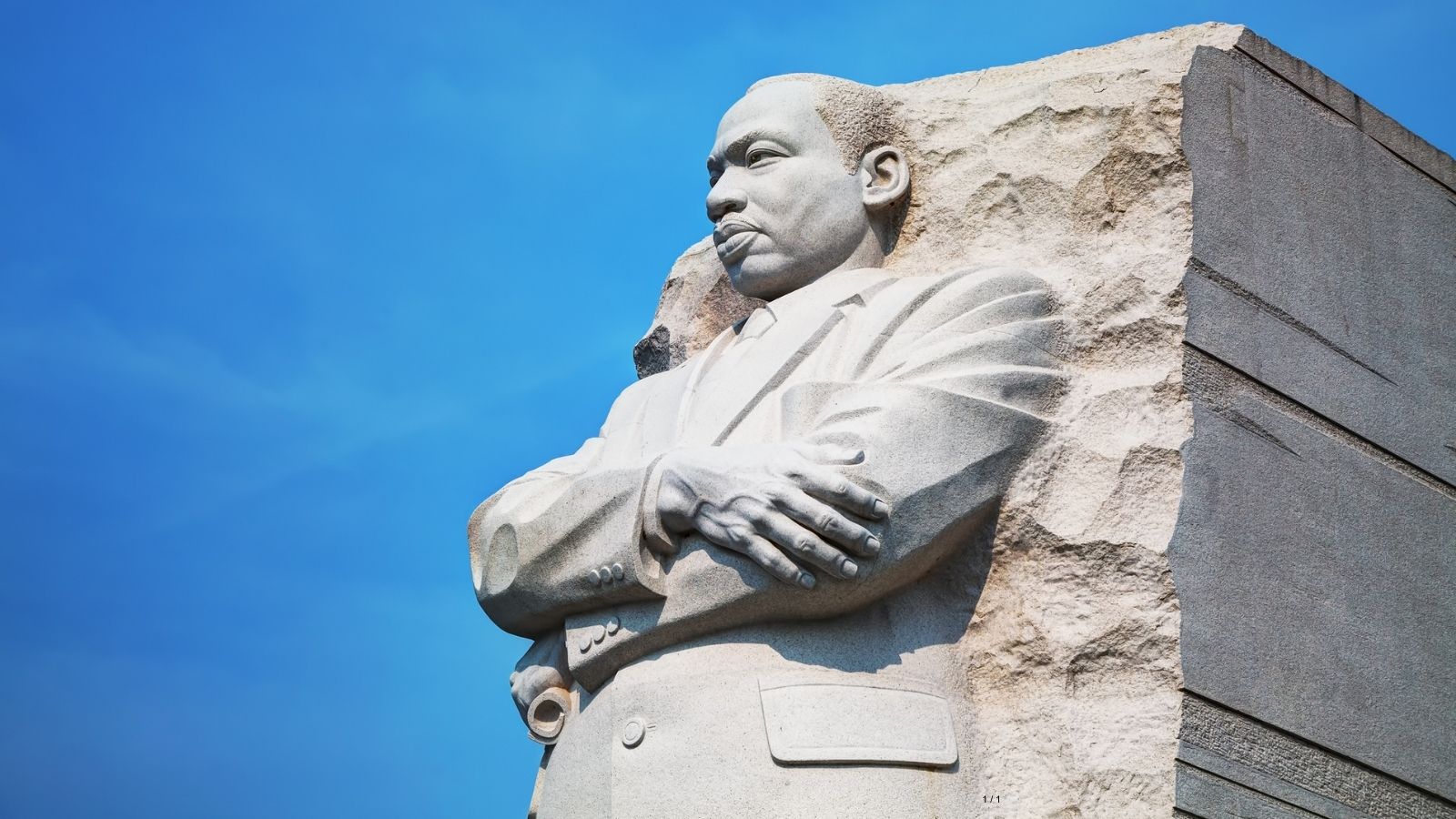
Videos, articles, and printables to help your students engage with MLK's enduring message.
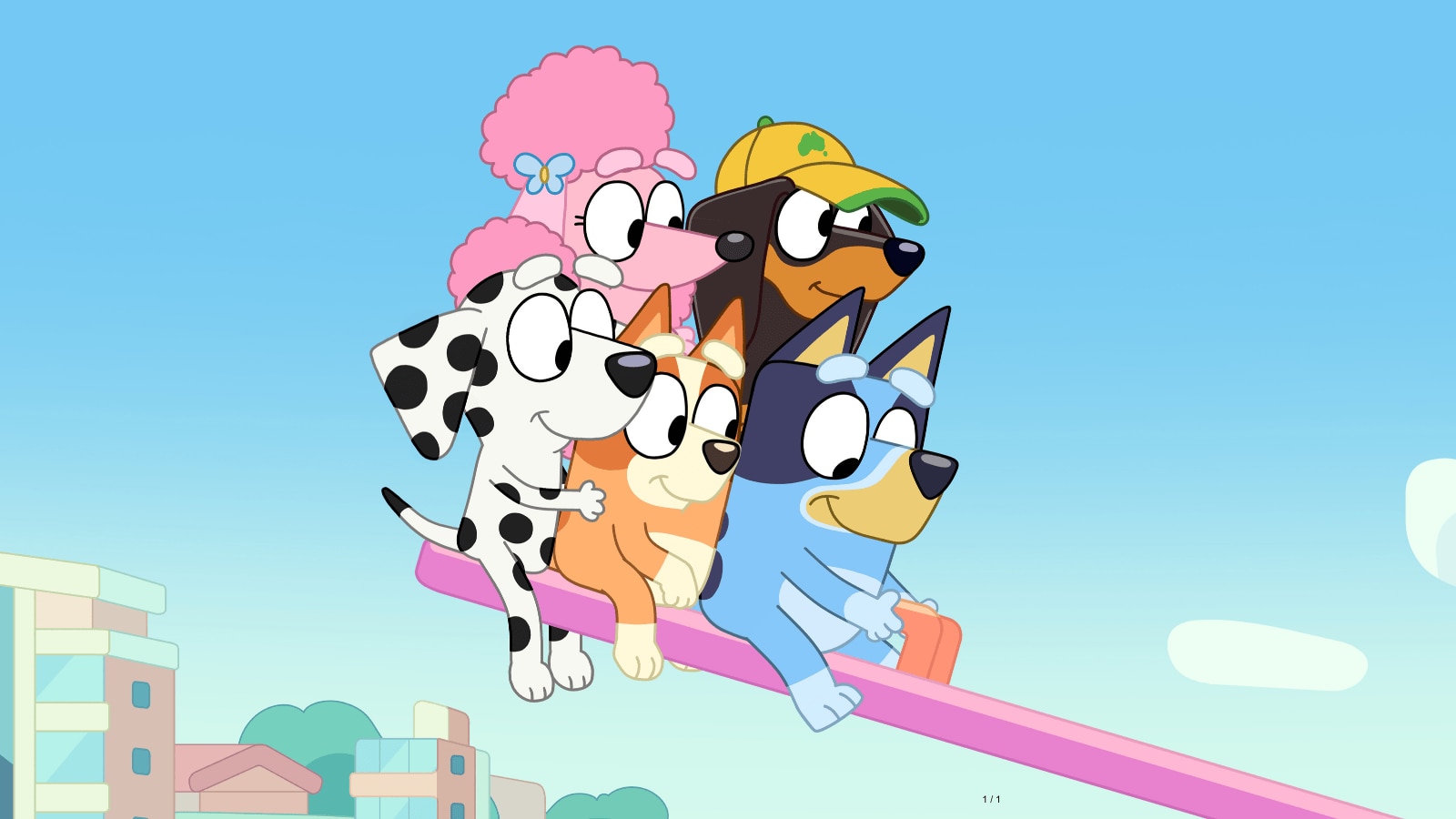
Easy, joyful activities for kids ages 4–7 inspired by Bluey and her family.
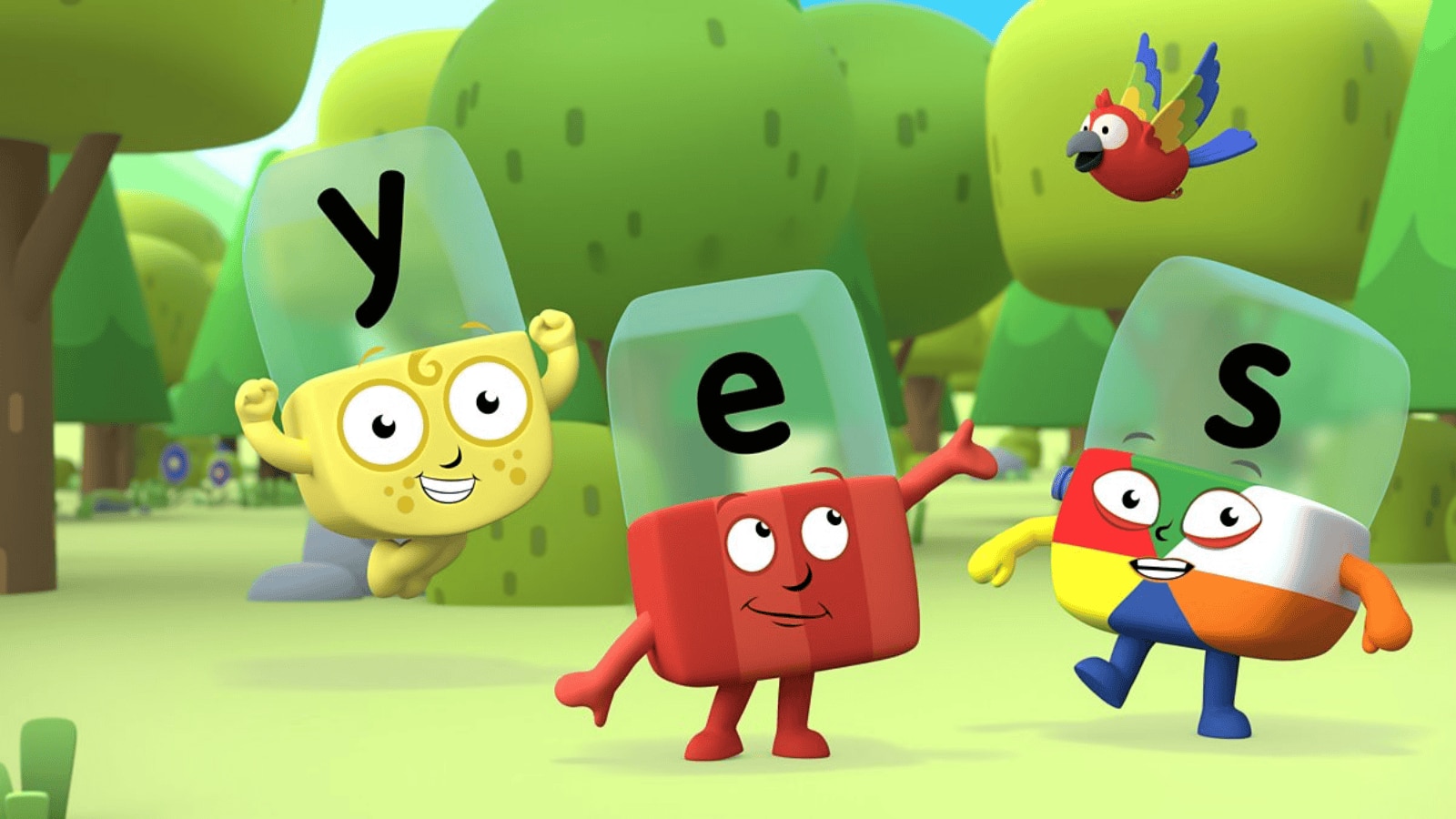
Meet the Alphablocks — 26 living letters who discover that when they hold hands to make a word, something magical happens. Celebrated for its innovative approach to teaching reading, Alphablocks makes learning joyful, active, and engaging for early learners. This free collection of Alphablocks worksheets brings that magic to life at home or in the classroom, with Alphablocks letter cards kids can use to build words, alphabet finger puppets, and playful worksheets that teach letter sounds.
Watch full episodes of the award-winning show for kids ages 3–6 on the official Alphablocks YouTube channel!
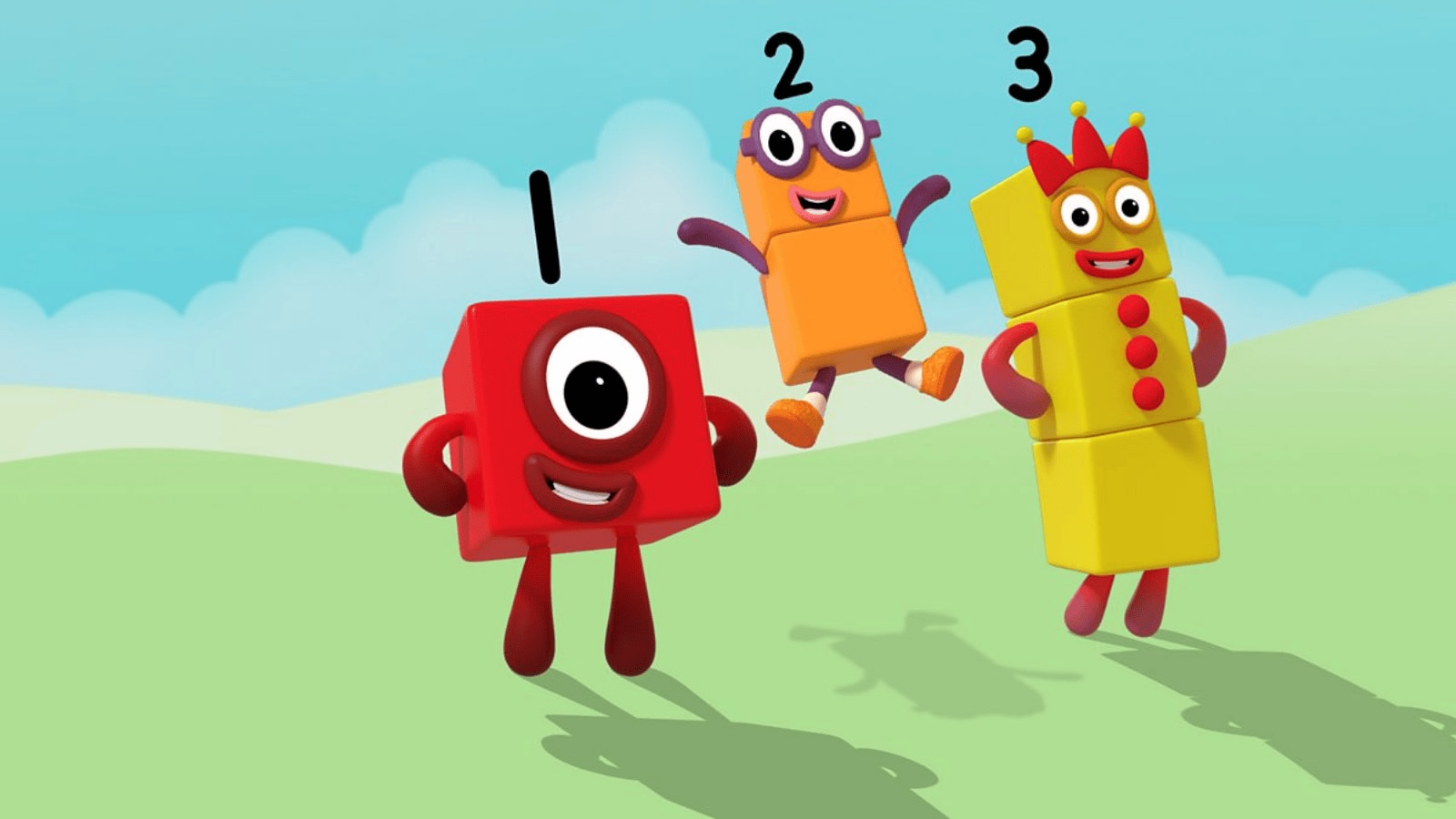
Meet the Numberblocks — little blocks with big ideas who make learning numbers fun and exciting for young children ages 3–7. Numberblocks helps kids build number sense as the characters come together, break apart, and explore how numbers really work. This free collection of printable games and colorful worksheets games give little learners hands-on practice with counting, odd and even numbers, and simple addition and subtraction. Perfect for use at home or in the classroom, these ready-to-use activities turn math practice into joyful play.
Plus, watch full episodes on the official Numberblocks YouTube channel!
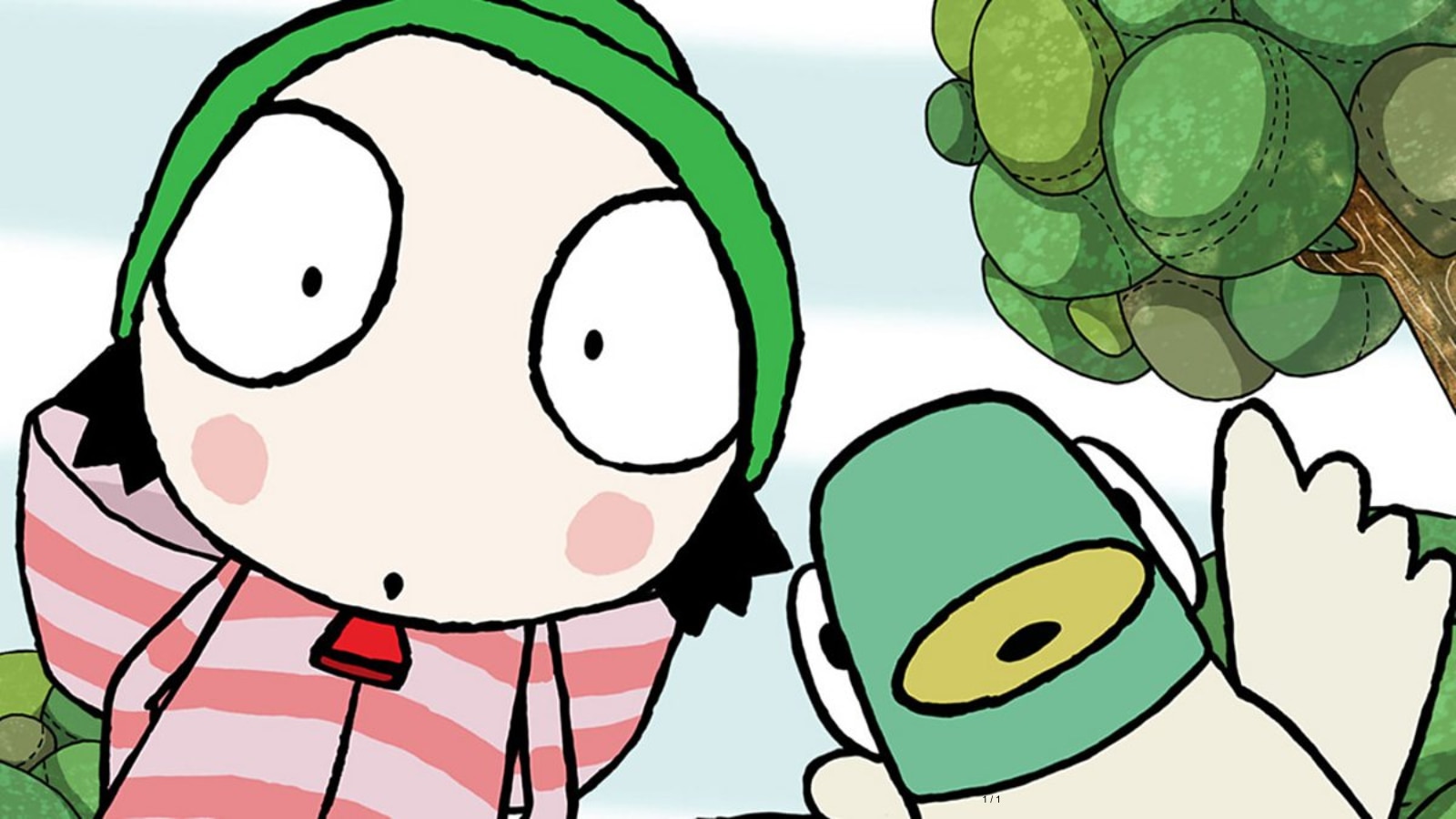
Consider this your introduction to one of BBC's most beloved children's programs. Sarah & Duck is a kids' show about the adventures of 7-year-old Sarah and her quacky, flappy best friend, Duck. These short episodes are perfect for teaching your PreK–Grade 2 students seasonal content and social-emotional skills. Each of these 10 videos comes complete with a Lesson Express. Show a video and then pick and choose from: Questions, Vocabulary, Writing Prompt, and Student Activities. This makes a great activity for morning meeting or a Friday reward!

Explore the impact of human activity on our oceans with this comprehensive lesson collection. Featuring curated BBC video clips and printable activities, these resources dive into topics like pollution, overfishing, and ocean habitats, helping students understand the challenges facing ocean life and inspiring them to become ocean conservation advocates.

Dive into the wonders of Antarctica with this multi-grade lesson collection! Tailored for K–2, 3–5, 6–8, and 9–12, each unit includes engaging activities, thought-provoking discussions, and hands-on projects to uncover the mysteries of the frozen continent. Enhance your teaching with stunning BBC video clips showcasing Antarctic wildlife, research stations, and breathtaking icy landscapes. Printable resources like animal fact sheets, scientist journal templates, and conservation challenges bring the learning to life for your students. Perfect for science, geography, and environmental lessons!
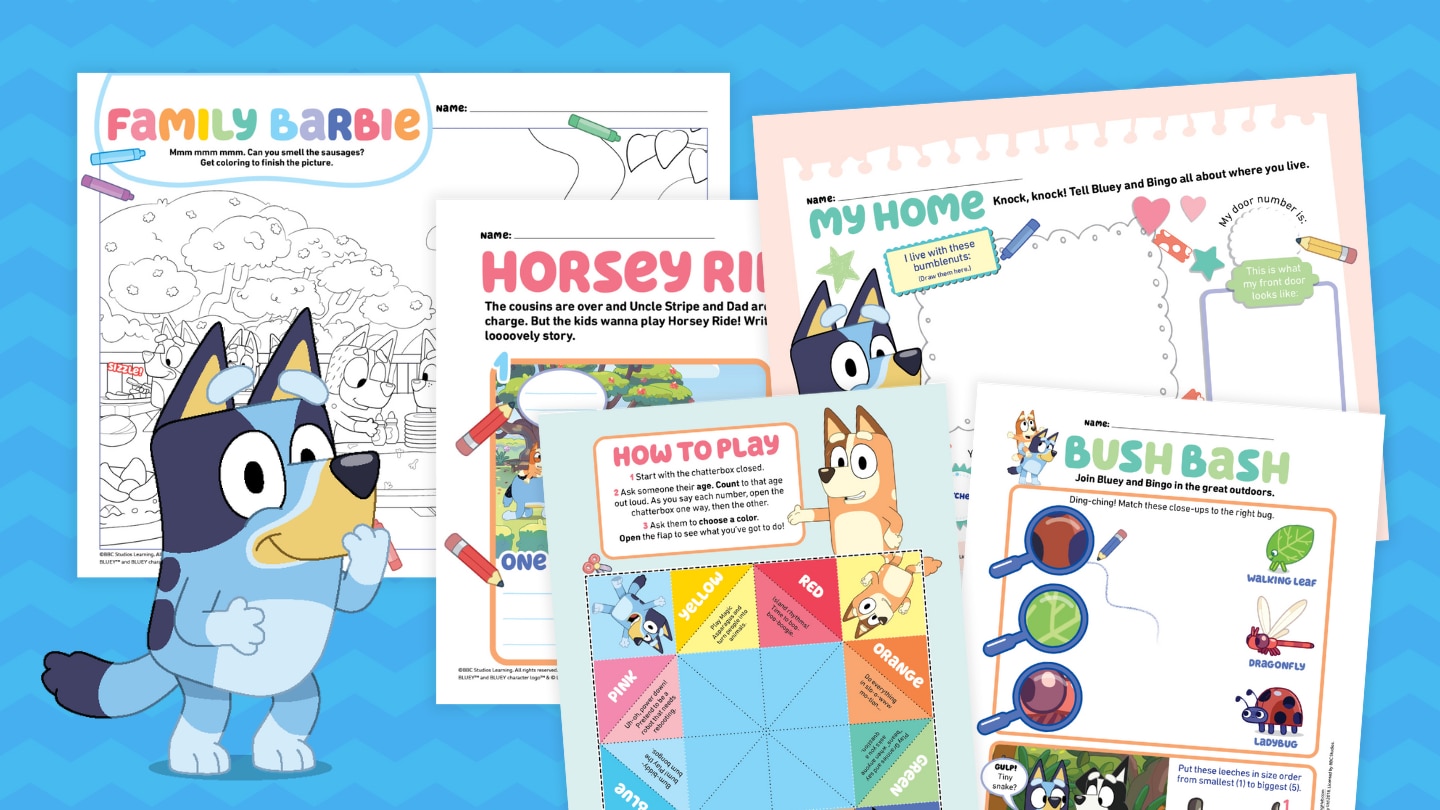
Get ready for hours of fun with Bluey and her friends! This collection of activity pages is packed with puzzles, coloring sheets, games, and creative challenges that bring the world of Bluey to life. Perfect for playtime or rainy days — let’s play!
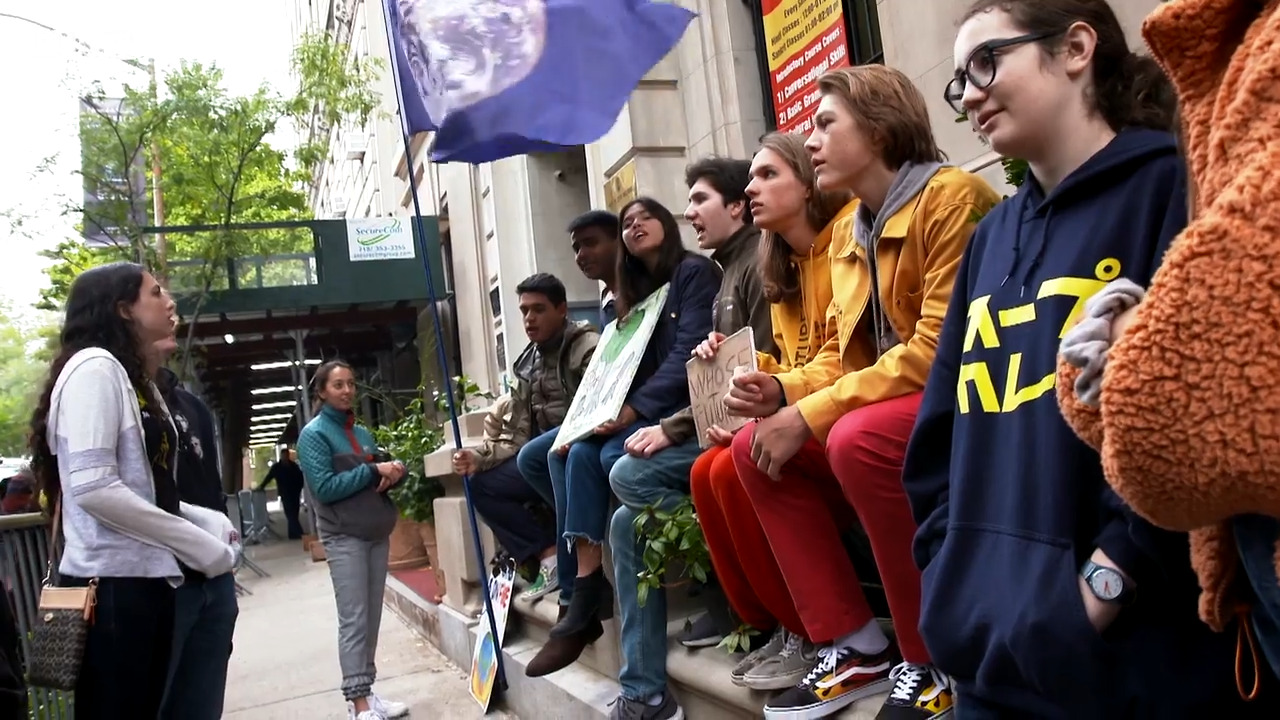
In The Power of Student Activism, host Radzi Chinyanganya discusses the power of youth activism and how young people are leading movements for social change. The video highlights youth-led protests and demonstrations on issues such as climate change, racial equality, and gender rights. It explores how activism takes different forms, from in-person demonstrations to digital campaigns. A key focus is on Fridays for Future, a movement started by Greta Thunberg in 2018, and how activist Xiye Bastida takes part by striking every Friday to demand action on climate change. This video is excerpted from BBC’s My World, a program created for teenagers eager to learn more about the important stories shaping our world.

In Ending Period Poverty, host Radzi Chinyanganya highlights the issue of women and girls who lack access to affordable, clean, and safe menstrual products. This video explores how this issue impacts young women, particularly in lower-income communities, where the inability to afford menstruation products can cause them to miss school and social activities. It also addresses the stigma and shame surrounding menstruation, which exacerbates the challenge of accessing necessary products. This video is excerpted from BBC’s My World, a program created for teenagers eager to learn more about the important stories shaping our world.
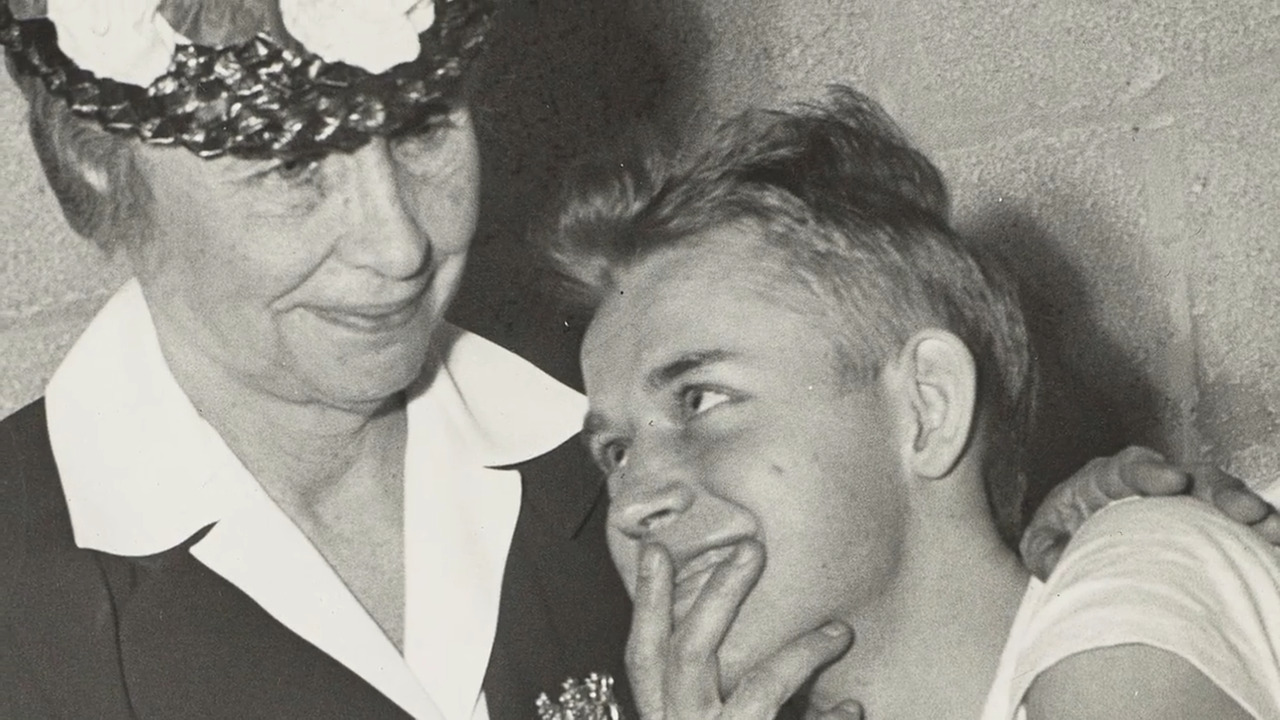
In Helen Keller, Activist for Equality and Ambassador for Peace, host Sanjeev Bhaskar explores Keller’s fights against fascism and class inequality as well as her support for women’s suffrage. Keller’s activism, including founding the American Civil Liberties Union (ACLU), made her both revered and controversial. This video is excerpted from BBC’s Icons: The Greatest Person of the 20th Century, a documentary series celebrating the achievements of the most influential figures of the era.
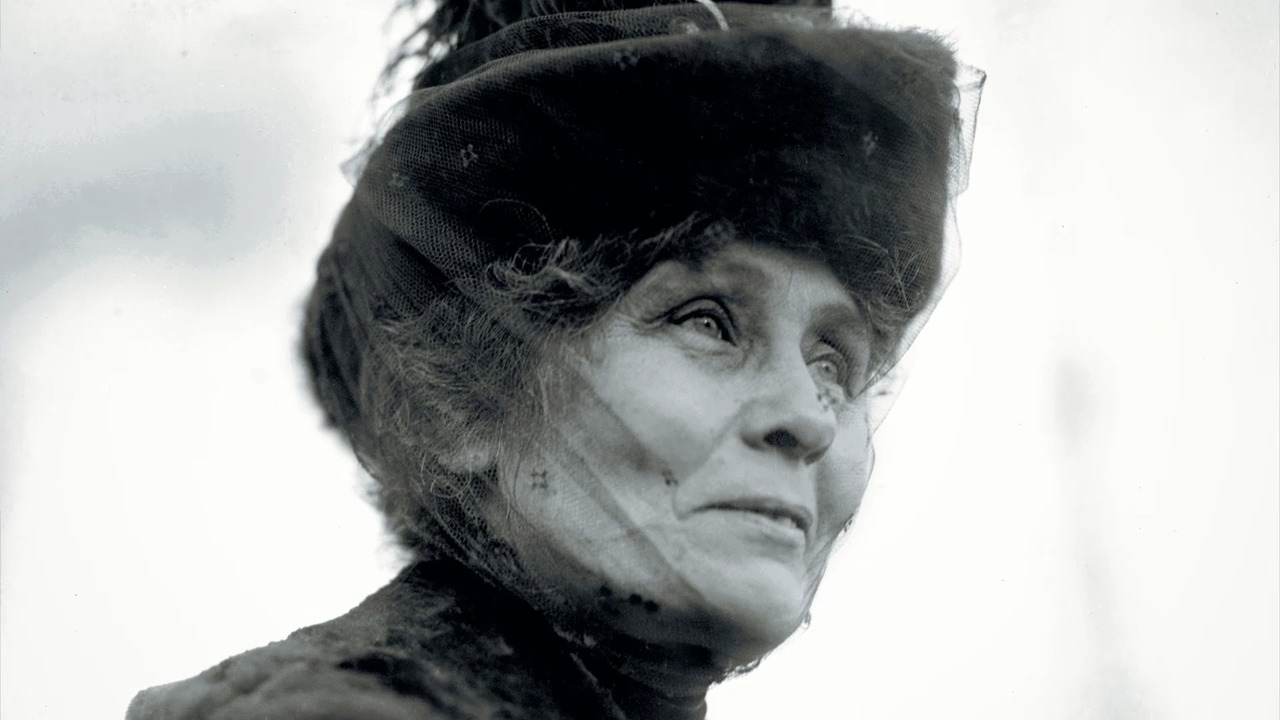
In Emmeline Pankhurst's Global Legacy, host Sanjeev Bhaskar explores how Pankhurst’s tireless fight for women’s suffrage transformed Great Britain’s political landscape. Through her activism, she helped secure voting rights for women and became a symbol of perseverance and gender equality, inspiring global movements for women’s rights. This video is excerpted from BBC’s Icons: The Greatest Person of the 20th Century, a documentary series celebrating the achievements of the most influential figures of the era.
Videos, articles, and printables to help your students engage with MLK's enduring message.
Easy, joyful activities for kids ages 4–7 inspired by Bluey and her family.
Meet the Alphablocks — 26 living letters who discover that when they hold hands to make a word, something magical happens. Celebrated for its innovative approach to teaching reading, Alphablocks makes learning joyful, active, and engaging for early learners. This free collection of Alphablocks worksheets brings that magic to life at home or in the classroom, with Alphablocks letter cards kids can use to build words, alphabet finger puppets, and playful worksheets that teach letter sounds.
Watch full episodes of the award-winning show for kids ages 3–6 on the official Alphablocks YouTube channel!
Meet the Numberblocks — little blocks with big ideas who make learning numbers fun and exciting for young children ages 3–7. Numberblocks helps kids build number sense as the characters come together, break apart, and explore how numbers really work. This free collection of printable games and colorful worksheets games give little learners hands-on practice with counting, odd and even numbers, and simple addition and subtraction. Perfect for use at home or in the classroom, these ready-to-use activities turn math practice into joyful play.
Plus, watch full episodes on the official Numberblocks YouTube channel!
Consider this your introduction to one of BBC's most beloved children's programs. Sarah & Duck is a kids' show about the adventures of 7-year-old Sarah and her quacky, flappy best friend, Duck. These short episodes are perfect for teaching your PreK–Grade 2 students seasonal content and social-emotional skills. Each of these 10 videos comes complete with a Lesson Express. Show a video and then pick and choose from: Questions, Vocabulary, Writing Prompt, and Student Activities. This makes a great activity for morning meeting or a Friday reward!
Explore the impact of human activity on our oceans with this comprehensive lesson collection. Featuring curated BBC video clips and printable activities, these resources dive into topics like pollution, overfishing, and ocean habitats, helping students understand the challenges facing ocean life and inspiring them to become ocean conservation advocates.
Dive into the wonders of Antarctica with this multi-grade lesson collection! Tailored for K–2, 3–5, 6–8, and 9–12, each unit includes engaging activities, thought-provoking discussions, and hands-on projects to uncover the mysteries of the frozen continent. Enhance your teaching with stunning BBC video clips showcasing Antarctic wildlife, research stations, and breathtaking icy landscapes. Printable resources like animal fact sheets, scientist journal templates, and conservation challenges bring the learning to life for your students. Perfect for science, geography, and environmental lessons!
Get ready for hours of fun with Bluey and her friends! This collection of activity pages is packed with puzzles, coloring sheets, games, and creative challenges that bring the world of Bluey to life. Perfect for playtime or rainy days — let’s play!
In The Power of Student Activism, host Radzi Chinyanganya discusses the power of youth activism and how young people are leading movements for social change. The video highlights youth-led protests and demonstrations on issues such as climate change, racial equality, and gender rights. It explores how activism takes different forms, from in-person demonstrations to digital campaigns. A key focus is on Fridays for Future, a movement started by Greta Thunberg in 2018, and how activist Xiye Bastida takes part by striking every Friday to demand action on climate change. This video is excerpted from BBC’s My World, a program created for teenagers eager to learn more about the important stories shaping our world.
In Ending Period Poverty, host Radzi Chinyanganya highlights the issue of women and girls who lack access to affordable, clean, and safe menstrual products. This video explores how this issue impacts young women, particularly in lower-income communities, where the inability to afford menstruation products can cause them to miss school and social activities. It also addresses the stigma and shame surrounding menstruation, which exacerbates the challenge of accessing necessary products. This video is excerpted from BBC’s My World, a program created for teenagers eager to learn more about the important stories shaping our world.
In Helen Keller, Activist for Equality and Ambassador for Peace, host Sanjeev Bhaskar explores Keller’s fights against fascism and class inequality as well as her support for women’s suffrage. Keller’s activism, including founding the American Civil Liberties Union (ACLU), made her both revered and controversial. This video is excerpted from BBC’s Icons: The Greatest Person of the 20th Century, a documentary series celebrating the achievements of the most influential figures of the era.
In Emmeline Pankhurst's Global Legacy, host Sanjeev Bhaskar explores how Pankhurst’s tireless fight for women’s suffrage transformed Great Britain’s political landscape. Through her activism, she helped secure voting rights for women and became a symbol of perseverance and gender equality, inspiring global movements for women’s rights. This video is excerpted from BBC’s Icons: The Greatest Person of the 20th Century, a documentary series celebrating the achievements of the most influential figures of the era.