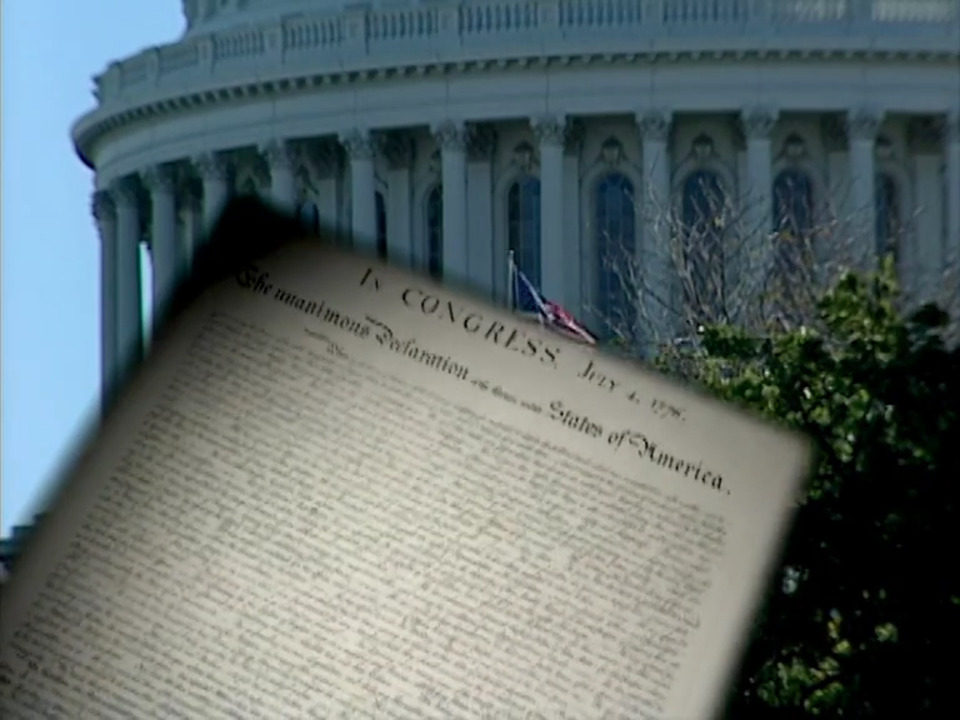
In Thomas Jefferson and the Declaration of Independence, learn how the colonies made the case for independence from Britain during the Revolutionary War. A Committee of Five, including Thomas Jefferson, drafted the document, drawing on ideas from the Virginia Declaration of Rights and John Locke. The Declaration outlined reasons for independence, the philosophy behind it, the king’s offenses, and concluded with the resolution for freedom. It was approved on July 4, 1776, and its original draft is now on permanent display in Washington, D.C.
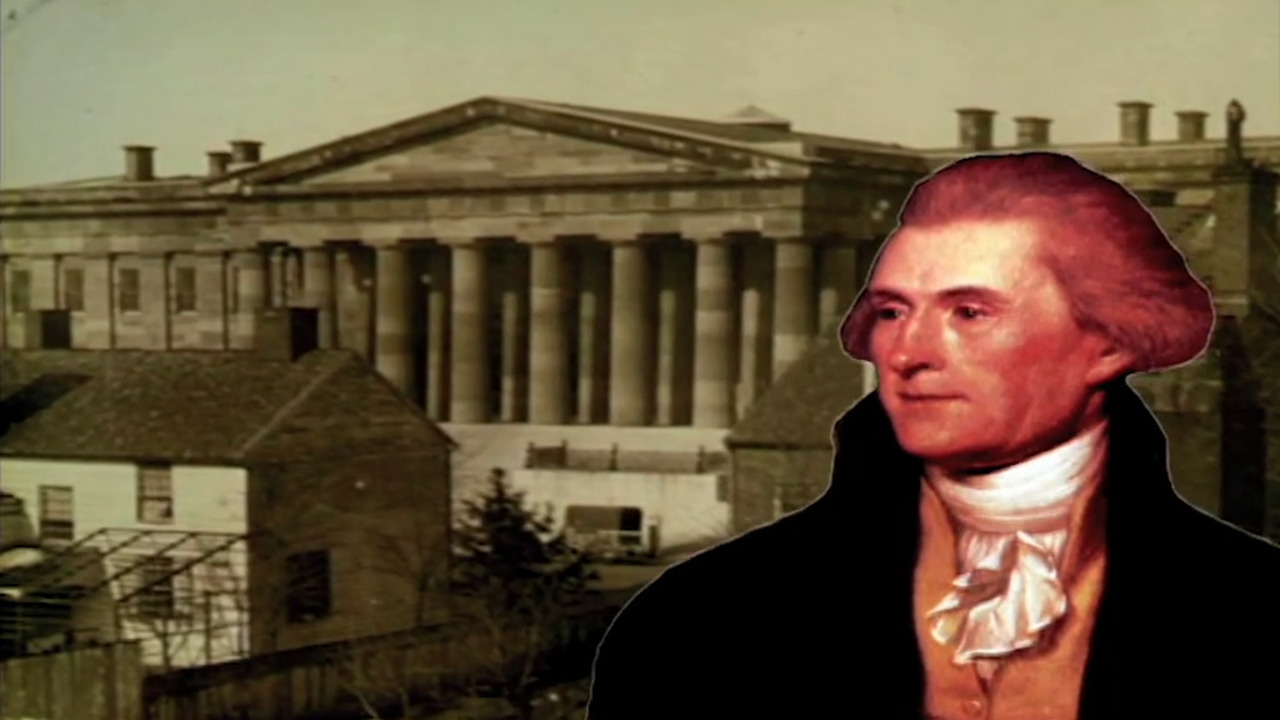
In Thomas Jefferson Takes Power, learn how Thomas Jefferson became the first president inaugurated in Washington, D.C., and promoted freedom of religion and the separation of church and state. He significantly reduced the national debt, reformed taxes, and faced early foreign challenges, including confrontations with Barbary pirates. Jefferson also oversaw the Louisiana Purchase, doubling the size of the United States, and commissioned exploration of the Mississippi River.

The article "Why the United States of America Celebrates Independence Day on July Fourth" from BBC's HistoryExtra explains the origins of America's Independence Day, which commemorates the signing of the Declaration of Independence on July 4, 1776. Dr. Tom Cutterham discusses the historical context of the American Revolutionary War, the contributions of key figures like Thomas Jefferson, and the significance of the day in shaping America's identity.
Meet the Leaders Who Shaped a Nation.
They were visionaries and leaders, but they were also imperfect people shaped by their times. From bold founders and wartime decision-makers to reformers and risk-takers, these U.S. presidents guided the nation through moments of hope, conflict, and change.
In this video playlist, explore BBC clips featuring George Washington, Thomas Jefferson, Abraham Lincoln, Theodore Roosevelt, and others, examining both their achievements and their shortcomings. A thoughtful playlist that encourages students to see history with nuance, question leadership, and understand that progress is often driven by complicated people making difficult choices.
How Well Do You Know U.S. Presidents?
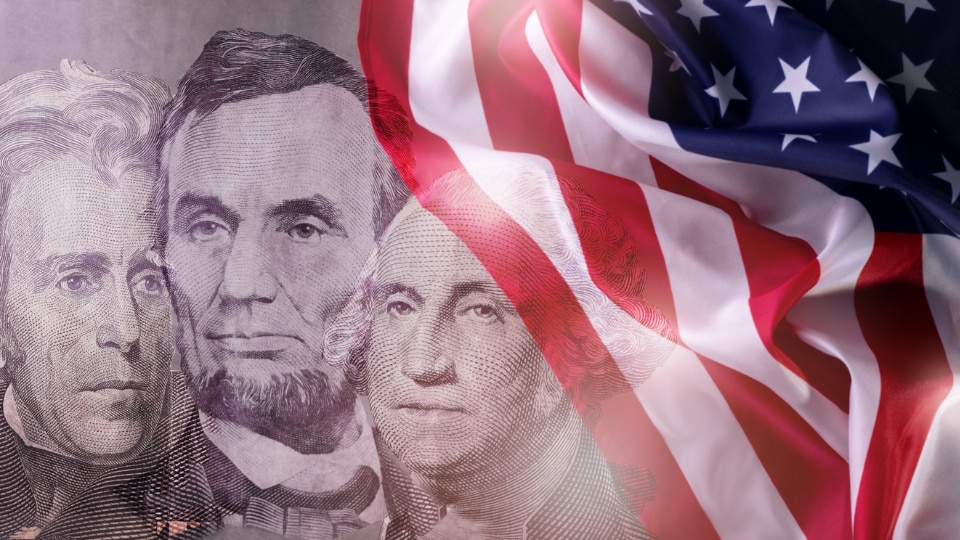
Presidents’ Day is a time to celebrate the leaders who have shaped the United States — from George Washington, the very first president, to Abraham Lincoln, who kept the country together, and Barack Obama, the first Black president. But how much do you really know about these famous figures, their fun hobbies, surprising pets, and historic accomplishments?
From presidential inventions and favorite pastimes to clever facts about the White House and the people who have lived there, this quiz is packed with fun and a few tricky twists. Will you be the Commander-in-Chief of Trivia?
In Thomas Jefferson and the Declaration of Independence, learn how the colonies made the case for independence from Britain during the Revolutionary War. A Committee of Five, including Thomas Jefferson, drafted the document, drawing on ideas from the Virginia Declaration of Rights and John Locke. The Declaration outlined reasons for independence, the philosophy behind it, the king’s offenses, and concluded with the resolution for freedom. It was approved on July 4, 1776, and its original draft is now on permanent display in Washington, D.C.
In Thomas Jefferson Takes Power, learn how Thomas Jefferson became the first president inaugurated in Washington, D.C., and promoted freedom of religion and the separation of church and state. He significantly reduced the national debt, reformed taxes, and faced early foreign challenges, including confrontations with Barbary pirates. Jefferson also oversaw the Louisiana Purchase, doubling the size of the United States, and commissioned exploration of the Mississippi River.
The article "Why the United States of America Celebrates Independence Day on July Fourth" from BBC's HistoryExtra explains the origins of America's Independence Day, which commemorates the signing of the Declaration of Independence on July 4, 1776. Dr. Tom Cutterham discusses the historical context of the American Revolutionary War, the contributions of key figures like Thomas Jefferson, and the significance of the day in shaping America's identity.
Meet the Leaders Who Shaped a Nation.
They were visionaries and leaders, but they were also imperfect people shaped by their times. From bold founders and wartime decision-makers to reformers and risk-takers, these U.S. presidents guided the nation through moments of hope, conflict, and change.
In this video playlist, explore BBC clips featuring George Washington, Thomas Jefferson, Abraham Lincoln, Theodore Roosevelt, and others, examining both their achievements and their shortcomings. A thoughtful playlist that encourages students to see history with nuance, question leadership, and understand that progress is often driven by complicated people making difficult choices.
How Well Do You Know U.S. Presidents?
Presidents’ Day is a time to celebrate the leaders who have shaped the United States — from George Washington, the very first president, to Abraham Lincoln, who kept the country together, and Barack Obama, the first Black president. But how much do you really know about these famous figures, their fun hobbies, surprising pets, and historic accomplishments?
From presidential inventions and favorite pastimes to clever facts about the White House and the people who have lived there, this quiz is packed with fun and a few tricky twists. Will you be the Commander-in-Chief of Trivia?