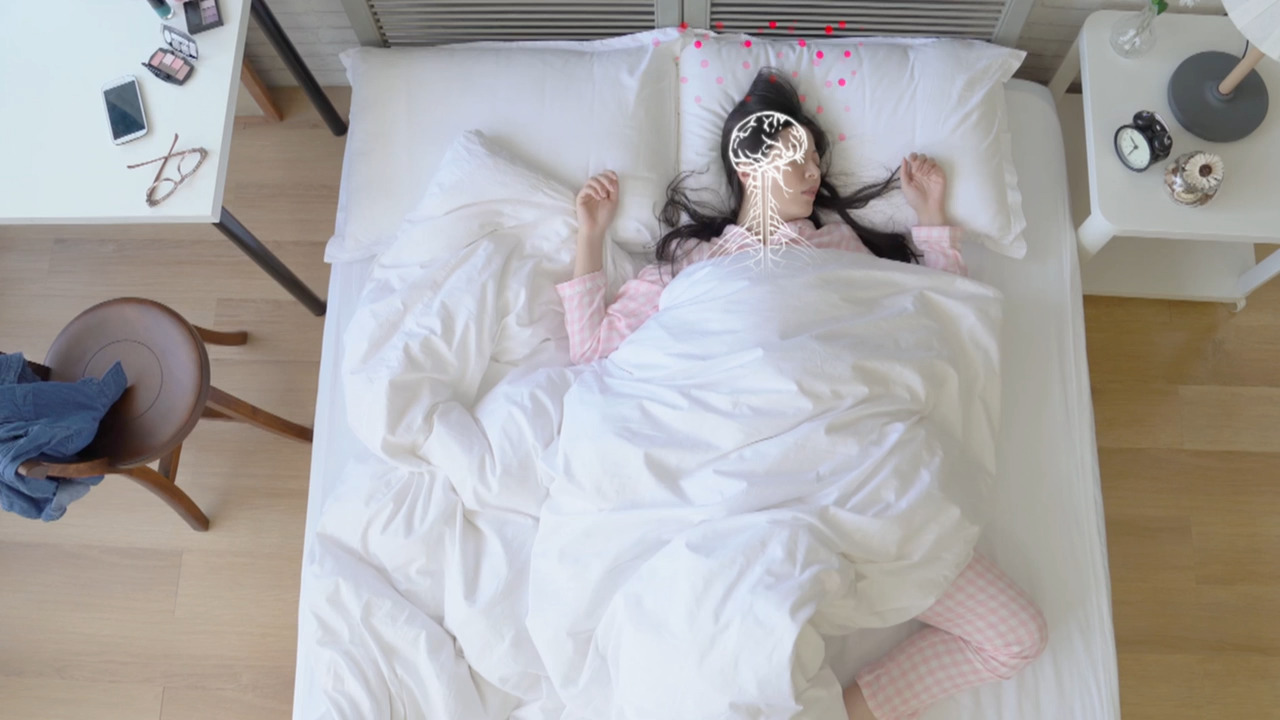
In Understanding Sleep Paralysis, host Harith Iskander explores the phenomenon of sleep paralysis, a condition where the mind wakes up, but the body remains in a state of sleep. Learn how the brain transitions between sleep stages, particularly REM, and why the body remains immobile to prevent us from acting out our dreams. This video is excerpted from BBC’s Got Science?, a science magazine series that explores and explains science in everyday life.

The article "Why We Sleep: How Rest Helps Our Body and Brain" from BBC's Science Focus explains why sleep is essential for our physical and mental well-being. It explores sleep stages, how much rest we need, what dreams might mean, and why sleep evolved.
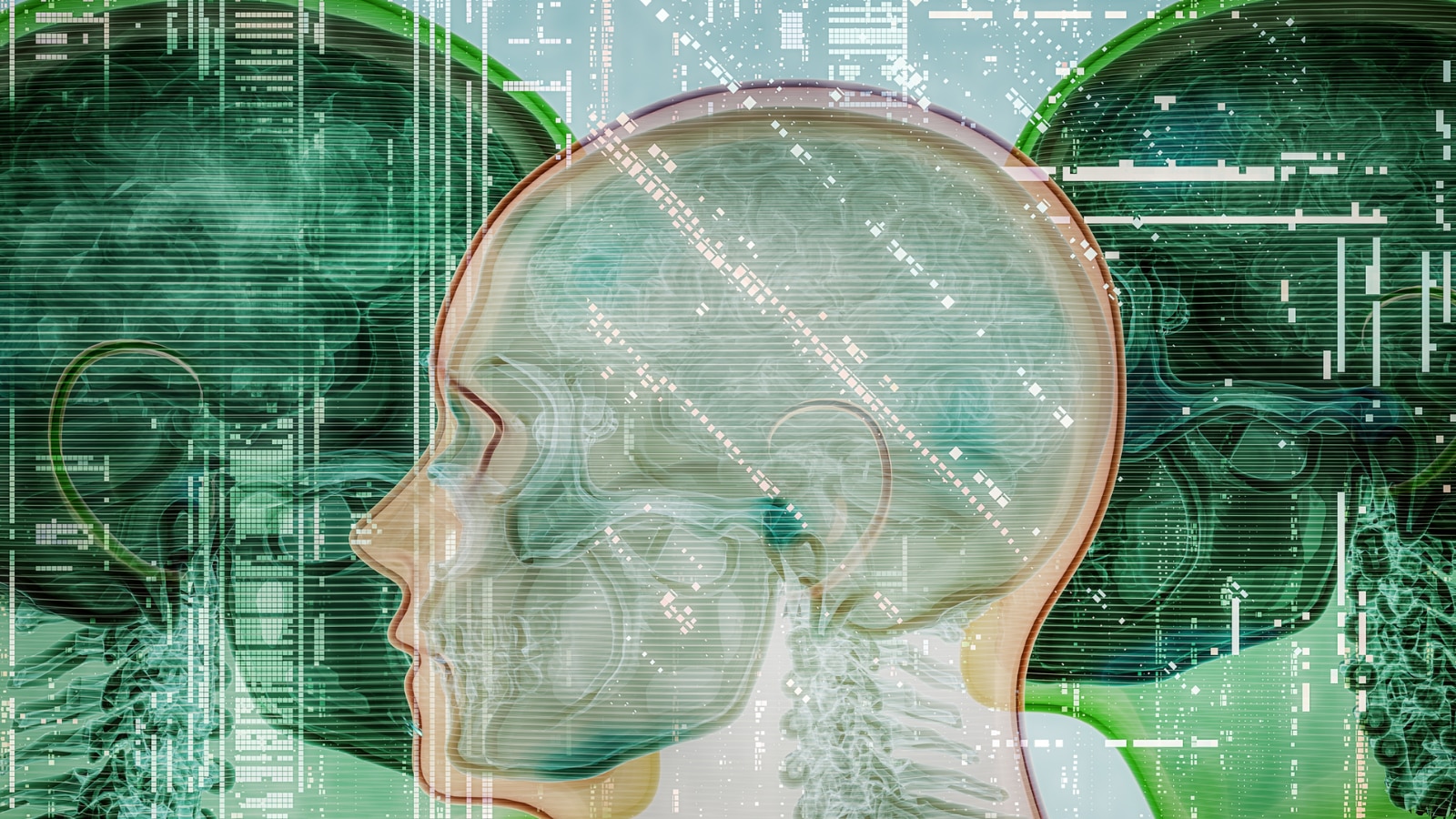
Across 10 fascinating BBC videos from Got Science?, investigate the science behind everyday experiences and uncover the unexpected ways the body works — from the mysteries of sleep paralysis to the truth about being left-brained or right-brained.
Discover what happens when the body becomes dehydrated, how cold temperatures and high altitudes affect the way we function, and why our brains and bodies sometimes trick us. Each video takes a closer look at a curious question, revealing the science behind things we experience but may not fully understand.
From surprising brain science to the body's responses to its environment, these BBC videos connect scientific discoveries to everyday life and show just how fascinating the human body can be.
In Understanding Sleep Paralysis, host Harith Iskander explores the phenomenon of sleep paralysis, a condition where the mind wakes up, but the body remains in a state of sleep. Learn how the brain transitions between sleep stages, particularly REM, and why the body remains immobile to prevent us from acting out our dreams. This video is excerpted from BBC’s Got Science?, a science magazine series that explores and explains science in everyday life.
The article "Why We Sleep: How Rest Helps Our Body and Brain" from BBC's Science Focus explains why sleep is essential for our physical and mental well-being. It explores sleep stages, how much rest we need, what dreams might mean, and why sleep evolved.
Across 10 fascinating BBC videos from Got Science?, investigate the science behind everyday experiences and uncover the unexpected ways the body works — from the mysteries of sleep paralysis to the truth about being left-brained or right-brained.
Discover what happens when the body becomes dehydrated, how cold temperatures and high altitudes affect the way we function, and why our brains and bodies sometimes trick us. Each video takes a closer look at a curious question, revealing the science behind things we experience but may not fully understand.
From surprising brain science to the body's responses to its environment, these BBC videos connect scientific discoveries to everyday life and show just how fascinating the human body can be.