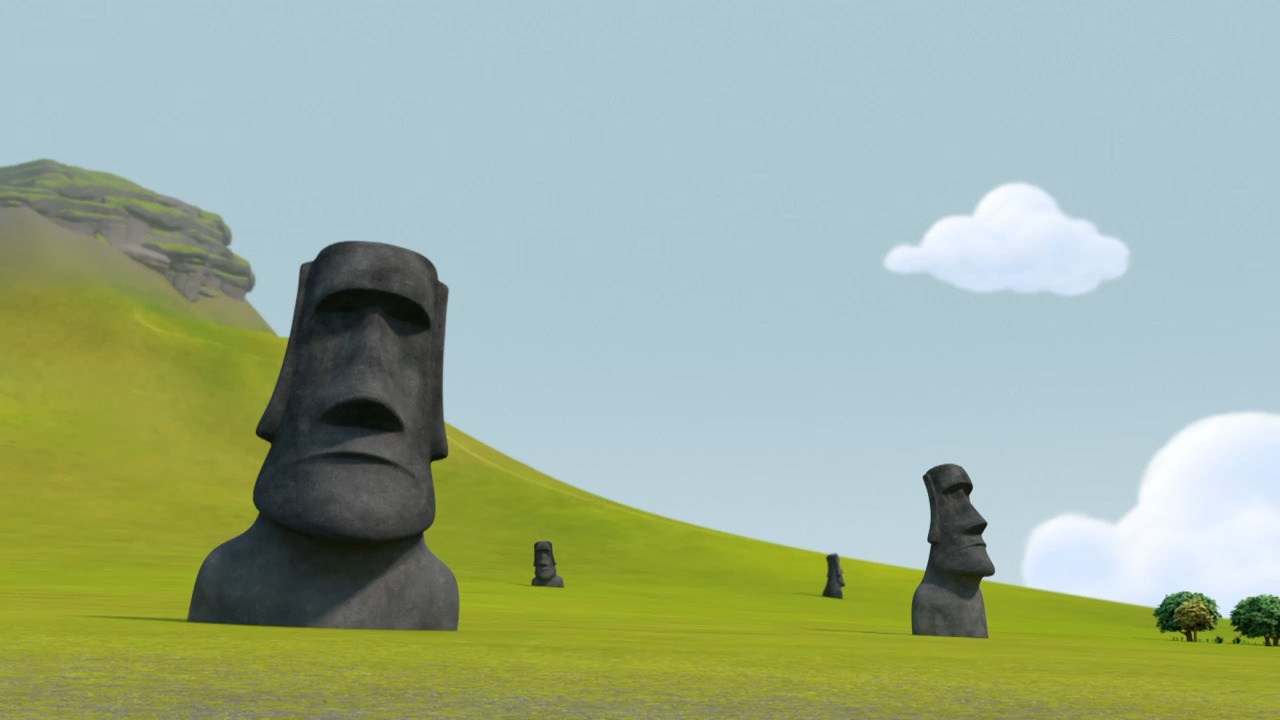
In The Go Jetters Meet the Giant Moai Statues in the Pacific Ocean, the Go Jetters crew visits Easter Island, a tiny island in the middle of the big South Pacific Ocean, far away from anything else! The people who first settled there were amazing navigators and built giant stone statues called moai to honor their families and protect the island. These statues still stand tall today and are a favorite spot for visitors from all over the world. This video is excerpted from BBC’s Go Jetters, a series that follows the adventures of four plucky international heroes as they travel the globe visiting the world’s most famous landmarks with their friend and mentor, Ubercorn, a disco-dancing unicorn.

The article "Is It True That the Pacific and Atlantic Oceans Don’t Mix?" from BBC's Science Focus debunks the viral myth that these two oceans remain separate. It explains how their waters do mix due to ocean currents and salinity differences.
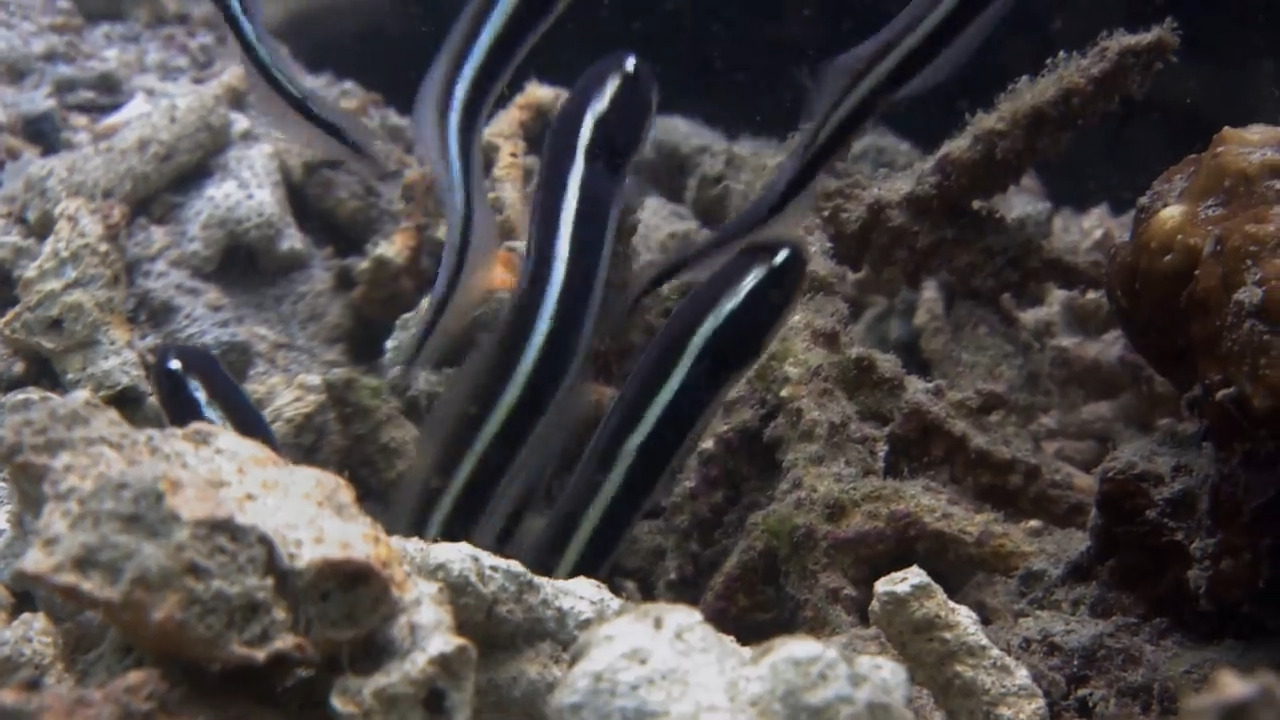
In The Amazing Story of Convict Fish Survival, narrator Sir David Attenborough ventures deep in the southwestern Pacific Ocean, where the convict fish has a mysterious and puzzling life. The adults never leave their mazelike burrow under the sand, while thousands of baby convict fish swarm out to gather plankton. Scientists believe the youngsters might feed the adults in return for a safe place to live, but the truth behind their teamwork remains a fascinating mystery! This video is excerpted from BBC's Life, a show that explores the remarkable strategies animals and plants use to ensure their survival.
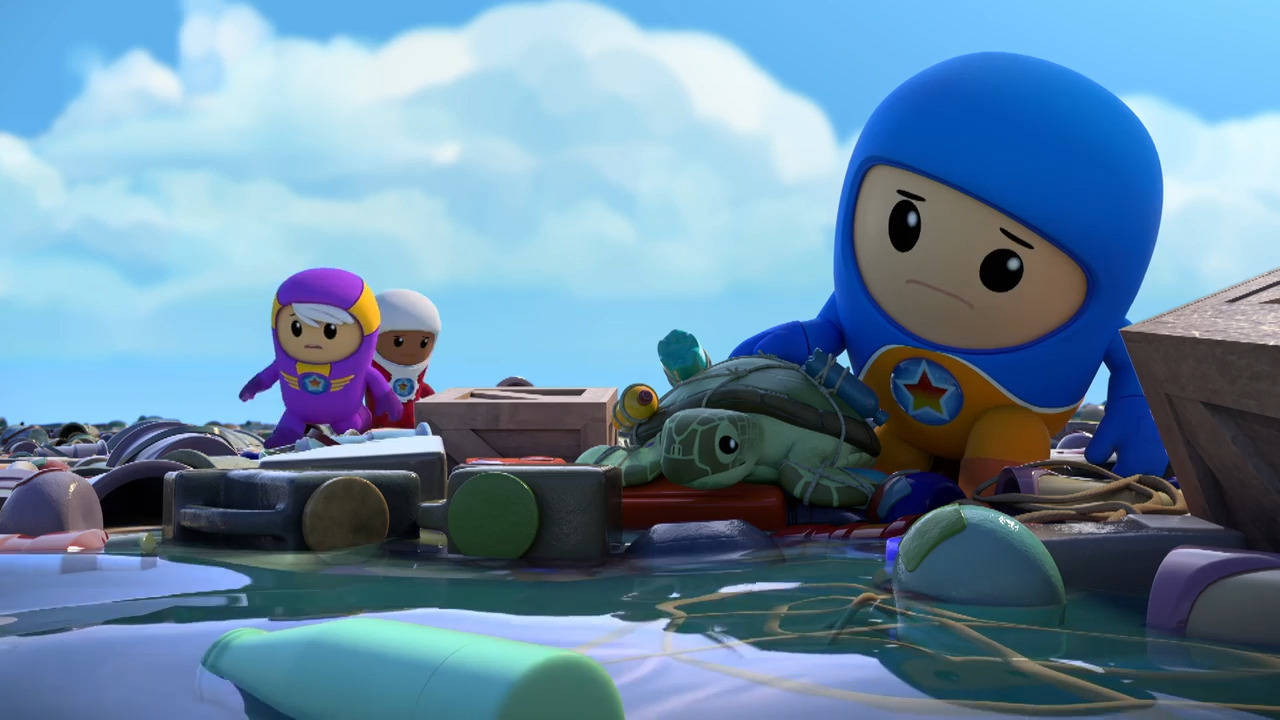
In The Go Jetters' Sea Turtle Rescue, the Go Jetters crew finds a sea turtle that is trapped on the Great Pacific Garbage Patch, a mass of plastic pollution floating in the ocean. They work together to free the sea turtle. This video is excerpted from BBC’s Go Jetters, a series that follows the adventures of four international heroes as they travel the globe visiting landmarks and solving environmental problems with Ubercorn, a disco-dancing unicorn.
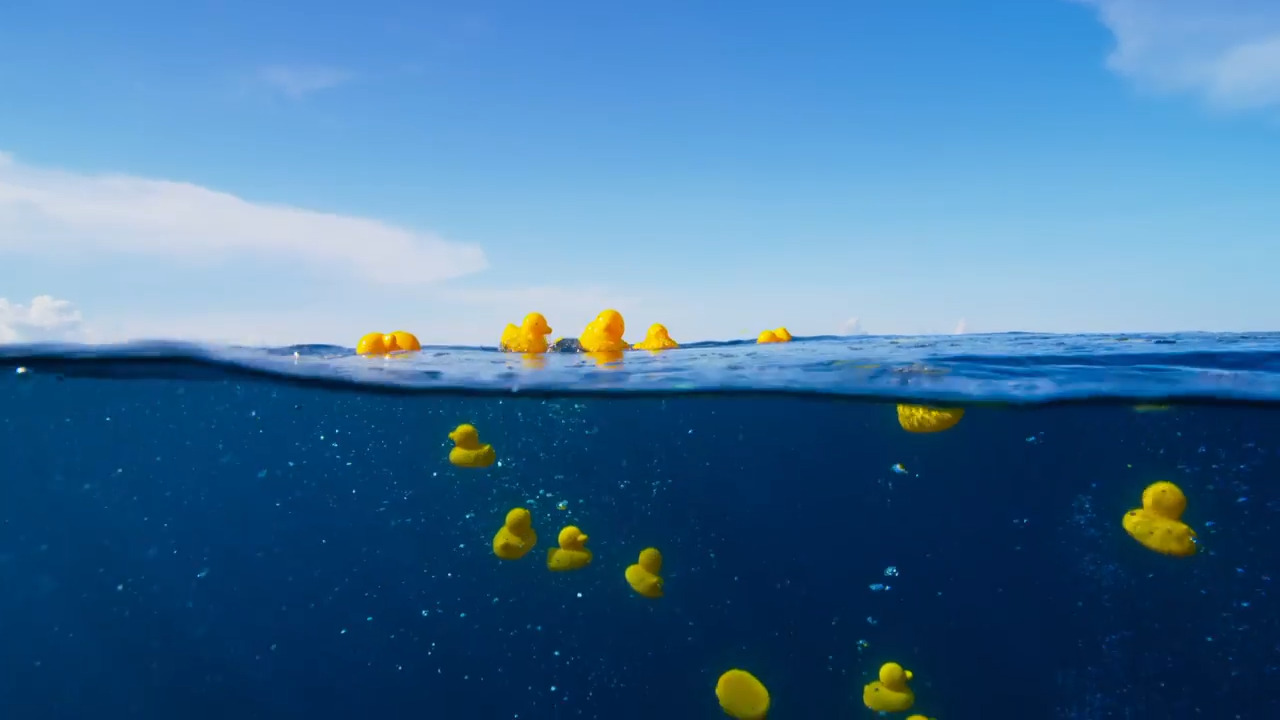
In A Container Ship of Rubber Duckies, narrator Sir David Attenborough tells the story of a ship that fell into the Pacific Ocean, spilling 7,000 plastic ducks into the ocean. Ocean currents carried the toys across thousands of miles. This video is excerpted from BBC’s Blue Planet II, a natural history series that explores the world's oceans, the animals that live in them, and the threats they face, using modern filming techniques and equipment to capture previously unseen areas of the ocean.
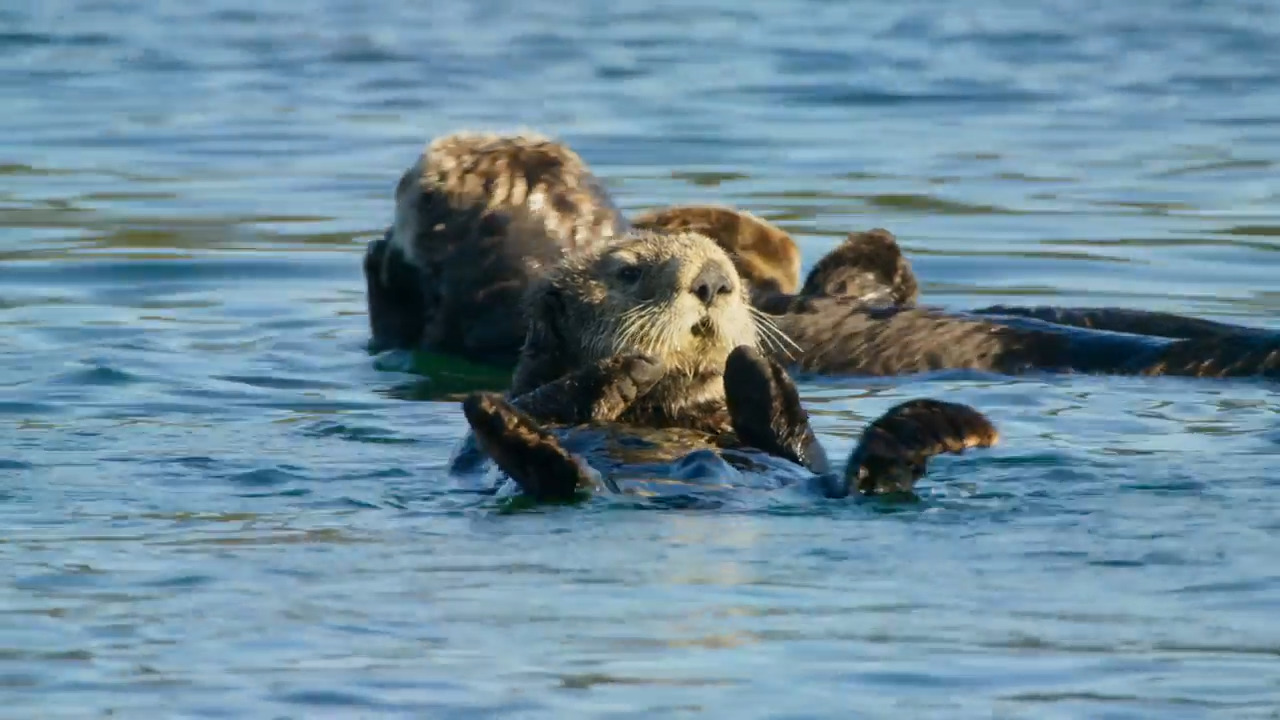
In A Sea Otter Comeback, narrator Sir David Attenborough explains how sea otters were hunted and almost became extinct, as well as why they are an important part of the ocean ecosystem. This video is excerpted from BBC’s Blue Planet II, a natural history series that explores the world's oceans, the animals that live in them, and the threats they face, using modern filming techniques and equipment to capture previously unseen areas of the ocean.
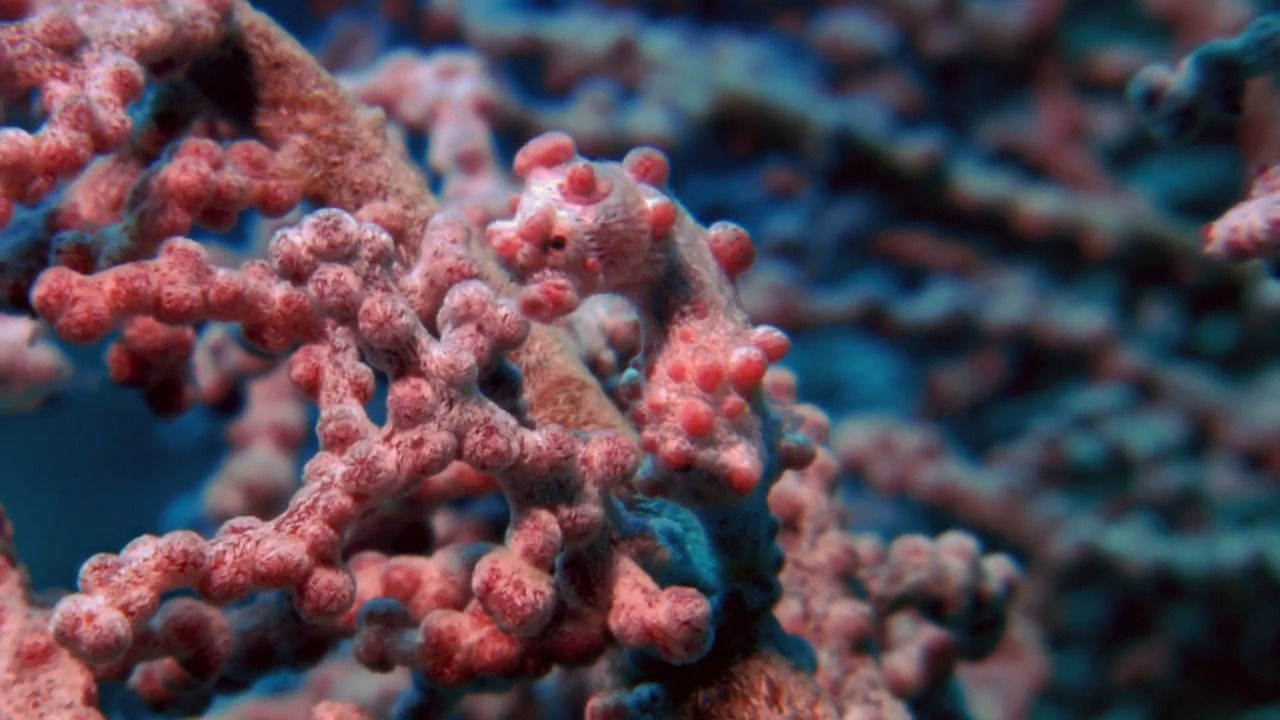
In The Unexpected Marvels of Indonesian Reefs, narrator Sir David Attenborough highlights unusual marine life. Tiny pygmy seahorses fight for territory, while a file clam pulsates with light. This video is excerpted from BBC's Planet Earth, a breathtaking documentary series that highlights the natural wonders of our planet.
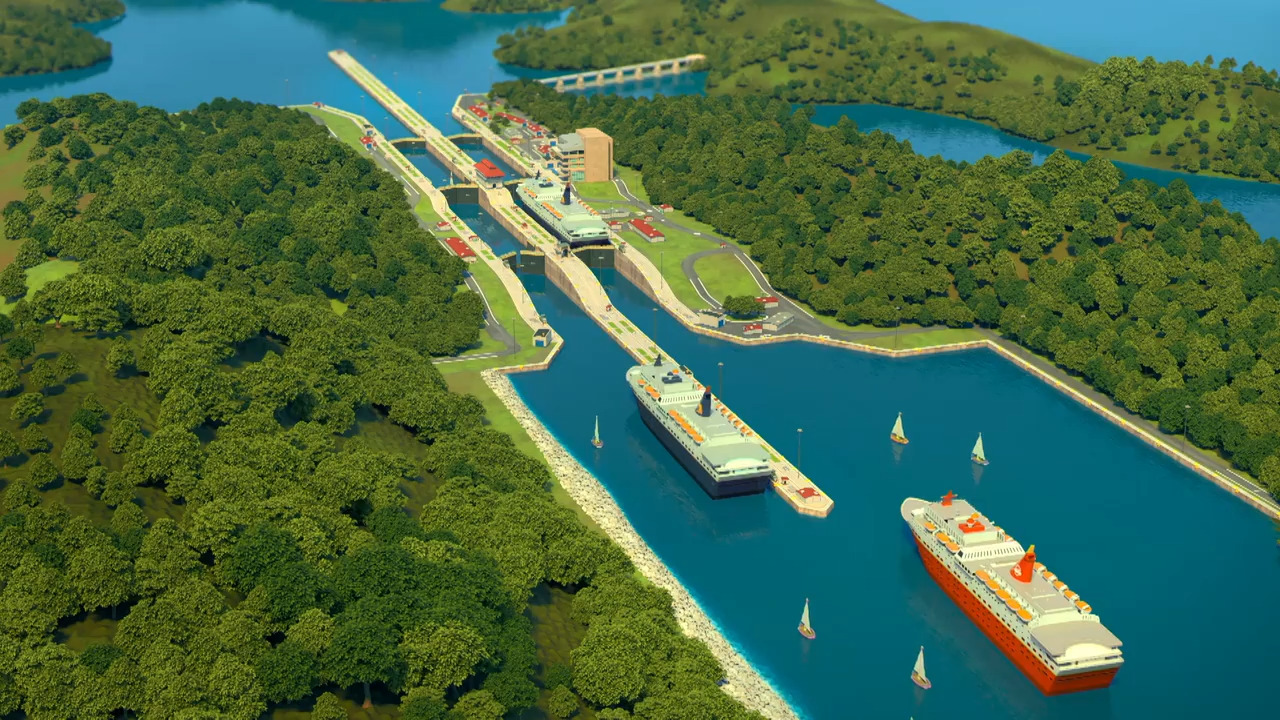
In The Go Jetters See the Short Cut of The Panama Canal, the Go Jetters crew heads to the Panama Canal to see how ships use this canal to take a short cut from one side of North America to the other. Ubercorn shares funky facts about the canal, including how boats move through the canal using locks. This video is excerpted from BBC’s Go Jetters, a series that follows the adventures of four international heroes as they travel the globe visiting landmarks and solving environmental problems with Ubercorn, a disco-dancing unicorn.
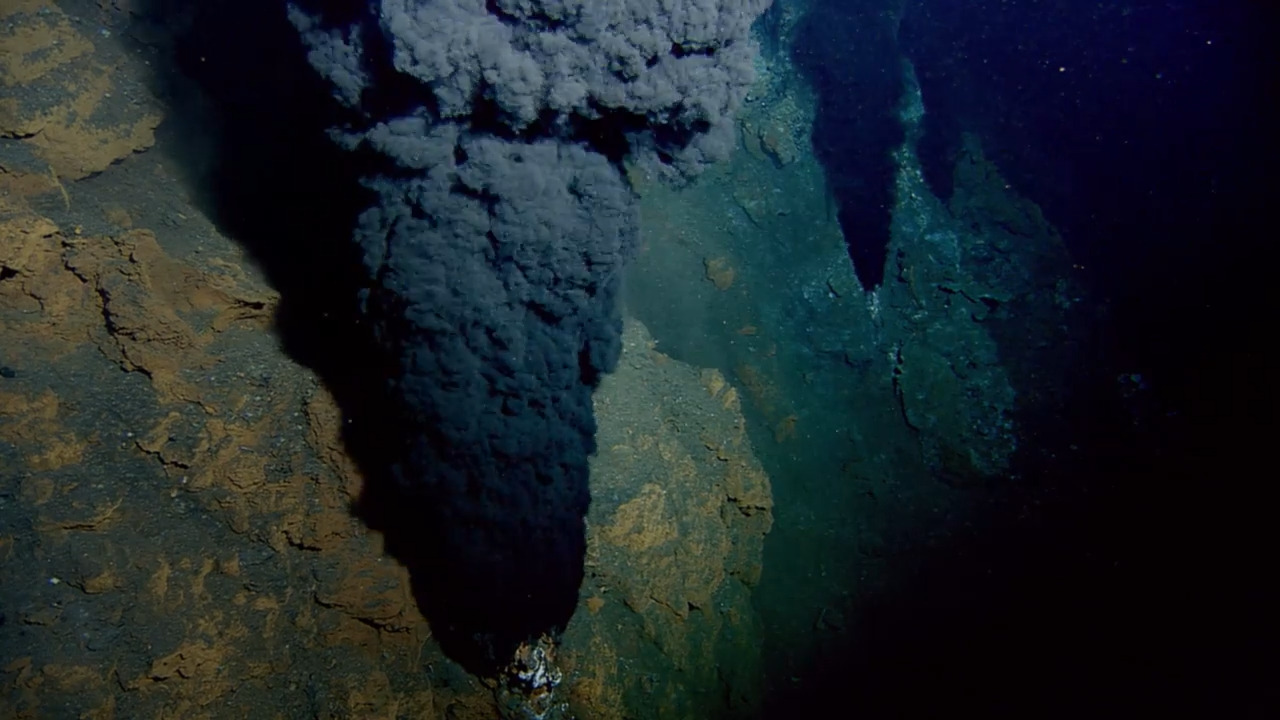
In Volcanic Activity Shapes Life on the Seafloor narrator David Attenborough showcases volcanic activity beneath the ocean. The Atlantic Ocean is split by an immense volcanic mountain chain stretching 45,000 miles. In some places, fissures release superheated, mineral-rich water, forming towering chimneys called hydrothermal vents. Despite extreme temperatures and toxic chemicals, bacteria thrive here, forming the base of an ecosystem independent of sunlight. Shrimp and other crustaceans graze on these bacteria, creating a unique deep-sea community. Similar vents exist in the Pacific Ocean, where different species have adapted to similar conditions. This video is excerpted from BBC’s Planet Earth, a breathtaking documentary series that highlights the natural wonders of our planet.
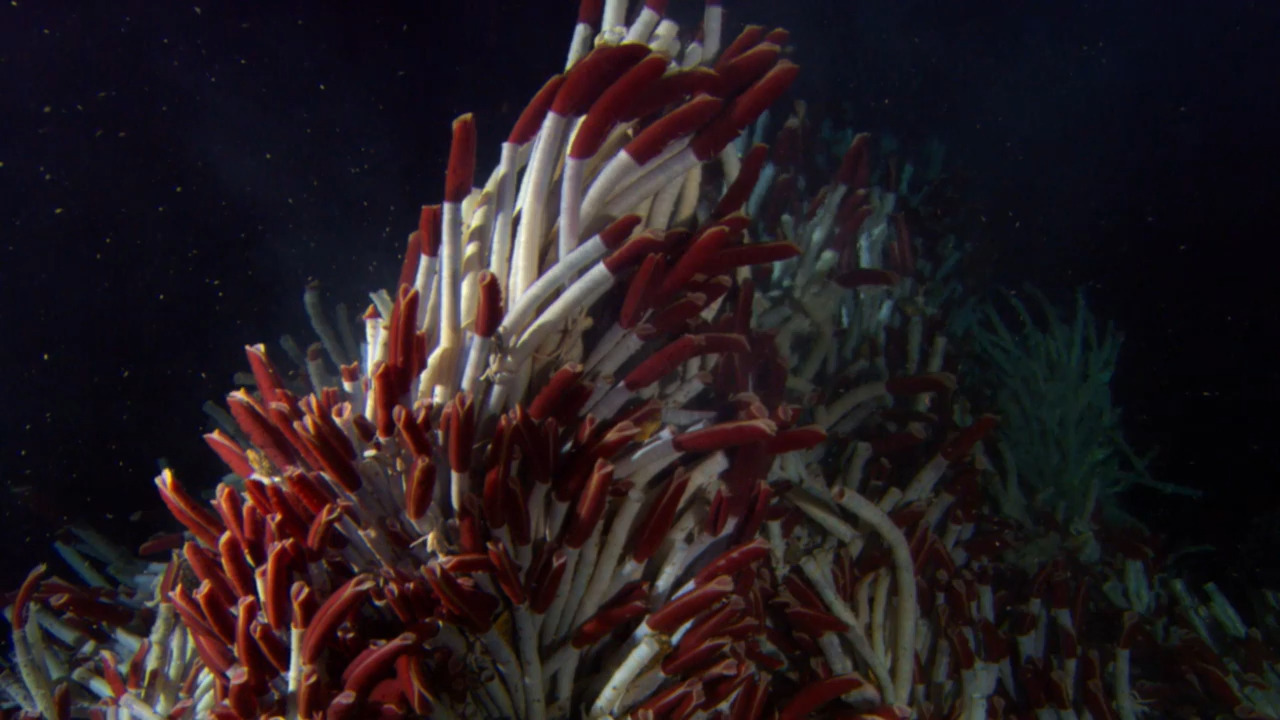
In Nine North Creates an Extraordinary Ecosystem, narrator David Attenborough goes deep beneath the Pacific Ocean near the Galápagos Islands, to examine the hydrothermal vents known as "Nine North." The vents release superheated water, creating an extraordinary ecosystem. Towering mineral chimneys support a thriving community of giant tube-worms, some growing up to three meters long. These deep-sea creatures rely on the energy from the vents to survive, making them some of the fastest-growing marine invertebrates. However, this environment is unpredictable—vents can suddenly go dormant, leading to the rapid extinction of entire micro-worlds. This video is excerpted from BBC’s Planet Earth, a breathtaking documentary series that highlights the natural wonders of our planet.
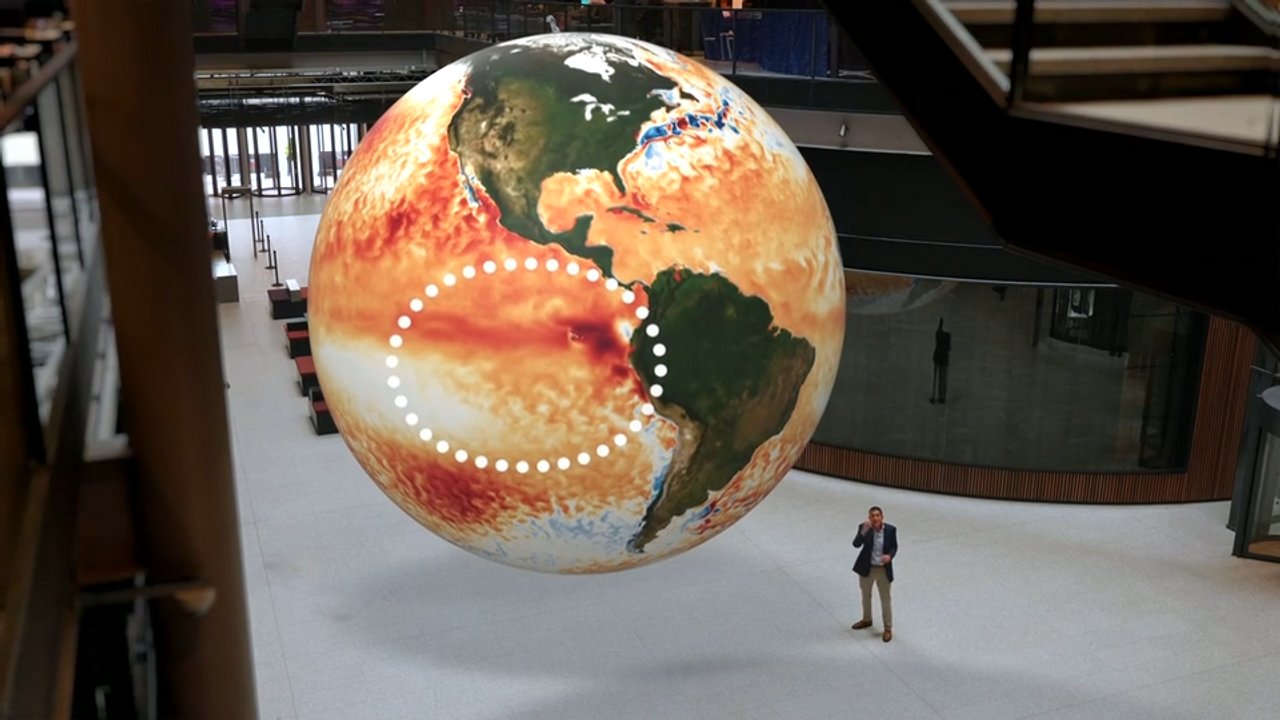
Feeling the heat lately? It might be because of El Niño, a climate pattern characterized by unusually warm sea-surface temperatures in the central and eastern tropical Pacific Ocean. It can affect the trade winds. These are the permanent, normally easterly winds that flow around the Earth's equator.
When we track the water temperature using tools like satellites, buoys, and ocean floats to measure temperatures below the ocean's surface, they show a large body of unusually hot water. Way bigger than the pot of water you’re boiling for your mac and cheese. Yes, even if you’re making extra mac and cheese. This is serious business! It can cause the sea-surface temperatures in parts of the tropical Pacific to rise by more than 2°C (about 3.6°F) above average, suggesting this year's El Niño is unusually strong, and could make 2027 one of the hottest years on record.
Depending on where you are in the world, El Niño is associated with both droughts and floods. These affect the lives of people living in those places, as well as their agriculture and food production, so the whole world feels the El Niño effects.
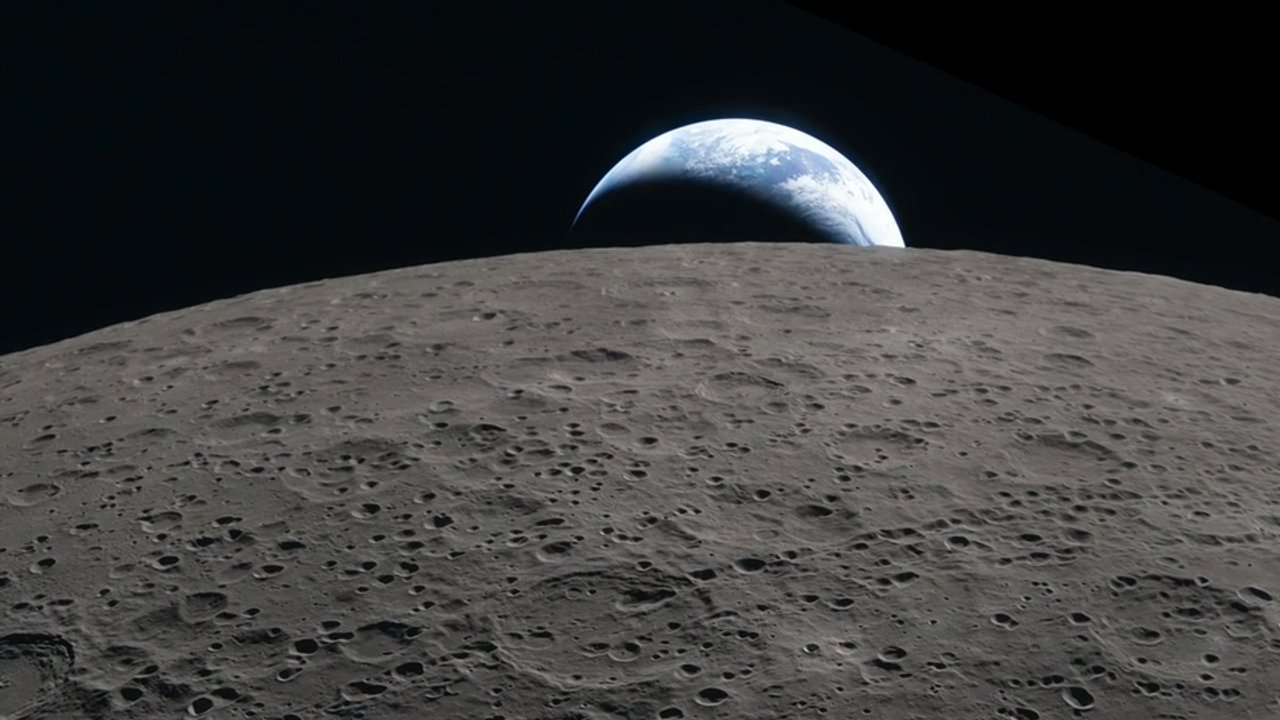
After a historic 10-day mission around the Moon — the first time humans have traveled so far into space since the 70s — the Artemis II crew came away with crucial knowledge: appreciate doors on bathrooms.
Commander Reid Wiseman dished on some other reflections about the trip. For example, the crew didn’t even realize what a big deal this was to people on Earth and didn’t hear much of the news until they talked to their families a few days into the mission. We suppose that’s what happens when you literally have your head in the clouds.
Not only was the journey unforgettable for science, but it was also personally significant for the crew members. One of the most powerful moments came when astronaut Jeremy Hansen named a lunar crater after Wiseman’s late wife, Carroll, a pivotal moment that solidified the crew’s bond.
But that bond wasn’t just to make things more fun — getting along in space is actually a matter of safety, and life inside a spacecraft requires serious teamwork. Think about sharing a room with a stinky sibling or living with a roommate who keeps eating your snacks. Now imagine that, in a room one-fifth the size and no way to escape! The astronauts lived, slept, and worked in extremely close quarters, so it was important to deal with disagreements immediately instead of letting tension build.
As exciting as it was to orbit the Moon, the return to Earth may have been just as intense. The crew re-entered the atmosphere at about 39 times the speed of sound. That’s about 30,000 miles per hour. They experienced forces of about four times normal gravity — about what you feel during the most intense parts of a roller coaster, but the astronauts felt this way for about 13 minutes. Nonstop! And that’s all before parachuting into the Pacific Ocean. All that probably makes it just a little more exhilarating than your bus ride to school.
In The Go Jetters Meet the Giant Moai Statues in the Pacific Ocean, the Go Jetters crew visits Easter Island, a tiny island in the middle of the big South Pacific Ocean, far away from anything else! The people who first settled there were amazing navigators and built giant stone statues called moai to honor their families and protect the island. These statues still stand tall today and are a favorite spot for visitors from all over the world. This video is excerpted from BBC’s Go Jetters, a series that follows the adventures of four plucky international heroes as they travel the globe visiting the world’s most famous landmarks with their friend and mentor, Ubercorn, a disco-dancing unicorn.
The article "Is It True That the Pacific and Atlantic Oceans Don’t Mix?" from BBC's Science Focus debunks the viral myth that these two oceans remain separate. It explains how their waters do mix due to ocean currents and salinity differences.
In The Amazing Story of Convict Fish Survival, narrator Sir David Attenborough ventures deep in the southwestern Pacific Ocean, where the convict fish has a mysterious and puzzling life. The adults never leave their mazelike burrow under the sand, while thousands of baby convict fish swarm out to gather plankton. Scientists believe the youngsters might feed the adults in return for a safe place to live, but the truth behind their teamwork remains a fascinating mystery! This video is excerpted from BBC's Life, a show that explores the remarkable strategies animals and plants use to ensure their survival.
In The Go Jetters' Sea Turtle Rescue, the Go Jetters crew finds a sea turtle that is trapped on the Great Pacific Garbage Patch, a mass of plastic pollution floating in the ocean. They work together to free the sea turtle. This video is excerpted from BBC’s Go Jetters, a series that follows the adventures of four international heroes as they travel the globe visiting landmarks and solving environmental problems with Ubercorn, a disco-dancing unicorn.
In A Container Ship of Rubber Duckies, narrator Sir David Attenborough tells the story of a ship that fell into the Pacific Ocean, spilling 7,000 plastic ducks into the ocean. Ocean currents carried the toys across thousands of miles. This video is excerpted from BBC’s Blue Planet II, a natural history series that explores the world's oceans, the animals that live in them, and the threats they face, using modern filming techniques and equipment to capture previously unseen areas of the ocean.
In A Sea Otter Comeback, narrator Sir David Attenborough explains how sea otters were hunted and almost became extinct, as well as why they are an important part of the ocean ecosystem. This video is excerpted from BBC’s Blue Planet II, a natural history series that explores the world's oceans, the animals that live in them, and the threats they face, using modern filming techniques and equipment to capture previously unseen areas of the ocean.
In The Unexpected Marvels of Indonesian Reefs, narrator Sir David Attenborough highlights unusual marine life. Tiny pygmy seahorses fight for territory, while a file clam pulsates with light. This video is excerpted from BBC's Planet Earth, a breathtaking documentary series that highlights the natural wonders of our planet.
In The Go Jetters See the Short Cut of The Panama Canal, the Go Jetters crew heads to the Panama Canal to see how ships use this canal to take a short cut from one side of North America to the other. Ubercorn shares funky facts about the canal, including how boats move through the canal using locks. This video is excerpted from BBC’s Go Jetters, a series that follows the adventures of four international heroes as they travel the globe visiting landmarks and solving environmental problems with Ubercorn, a disco-dancing unicorn.
In Volcanic Activity Shapes Life on the Seafloor narrator David Attenborough showcases volcanic activity beneath the ocean. The Atlantic Ocean is split by an immense volcanic mountain chain stretching 45,000 miles. In some places, fissures release superheated, mineral-rich water, forming towering chimneys called hydrothermal vents. Despite extreme temperatures and toxic chemicals, bacteria thrive here, forming the base of an ecosystem independent of sunlight. Shrimp and other crustaceans graze on these bacteria, creating a unique deep-sea community. Similar vents exist in the Pacific Ocean, where different species have adapted to similar conditions. This video is excerpted from BBC’s Planet Earth, a breathtaking documentary series that highlights the natural wonders of our planet.
In Nine North Creates an Extraordinary Ecosystem, narrator David Attenborough goes deep beneath the Pacific Ocean near the Galápagos Islands, to examine the hydrothermal vents known as "Nine North." The vents release superheated water, creating an extraordinary ecosystem. Towering mineral chimneys support a thriving community of giant tube-worms, some growing up to three meters long. These deep-sea creatures rely on the energy from the vents to survive, making them some of the fastest-growing marine invertebrates. However, this environment is unpredictable—vents can suddenly go dormant, leading to the rapid extinction of entire micro-worlds. This video is excerpted from BBC’s Planet Earth, a breathtaking documentary series that highlights the natural wonders of our planet.
Feeling the heat lately? It might be because of El Niño, a climate pattern characterized by unusually warm sea-surface temperatures in the central and eastern tropical Pacific Ocean. It can affect the trade winds. These are the permanent, normally easterly winds that flow around the Earth's equator.
When we track the water temperature using tools like satellites, buoys, and ocean floats to measure temperatures below the ocean's surface, they show a large body of unusually hot water. Way bigger than the pot of water you’re boiling for your mac and cheese. Yes, even if you’re making extra mac and cheese. This is serious business! It can cause the sea-surface temperatures in parts of the tropical Pacific to rise by more than 2°C (about 3.6°F) above average, suggesting this year's El Niño is unusually strong, and could make 2027 one of the hottest years on record.
Depending on where you are in the world, El Niño is associated with both droughts and floods. These affect the lives of people living in those places, as well as their agriculture and food production, so the whole world feels the El Niño effects.
After a historic 10-day mission around the Moon — the first time humans have traveled so far into space since the 70s — the Artemis II crew came away with crucial knowledge: appreciate doors on bathrooms.
Commander Reid Wiseman dished on some other reflections about the trip. For example, the crew didn’t even realize what a big deal this was to people on Earth and didn’t hear much of the news until they talked to their families a few days into the mission. We suppose that’s what happens when you literally have your head in the clouds.
Not only was the journey unforgettable for science, but it was also personally significant for the crew members. One of the most powerful moments came when astronaut Jeremy Hansen named a lunar crater after Wiseman’s late wife, Carroll, a pivotal moment that solidified the crew’s bond.
But that bond wasn’t just to make things more fun — getting along in space is actually a matter of safety, and life inside a spacecraft requires serious teamwork. Think about sharing a room with a stinky sibling or living with a roommate who keeps eating your snacks. Now imagine that, in a room one-fifth the size and no way to escape! The astronauts lived, slept, and worked in extremely close quarters, so it was important to deal with disagreements immediately instead of letting tension build.
As exciting as it was to orbit the Moon, the return to Earth may have been just as intense. The crew re-entered the atmosphere at about 39 times the speed of sound. That’s about 30,000 miles per hour. They experienced forces of about four times normal gravity — about what you feel during the most intense parts of a roller coaster, but the astronauts felt this way for about 13 minutes. Nonstop! And that’s all before parachuting into the Pacific Ocean. All that probably makes it just a little more exhilarating than your bus ride to school.