
In The Go Jetters Travel Down Giant's Causeway, the Go Jetters crew shares some rockin’ facts about the Giant’s Causeway in Northern Ireland! This cool place is home to seabirds that dive and nest on the cliffs. People once believed giants built this rocky road, but the real story? It’s all thanks to super-hot lava that cooled into amazing shapes — talk about a giant surprise! This video is excerpted from BBC’s Go Jetters, a series that follows the adventures of four plucky international heroes as they travel the globe visiting the world’s most famous landmarks with their friend and mentor, Ubercorn, a disco-dancing unicorn.

Join the Go Jetters on a journey to Northern Ireland’s famous landmark — Giant's Causeway! In this fun worksheet, you'll:
- Discover how volcanic activity shaped this World Heritage Site.
- Locate Giant's Causeway on a map.
- Practice hexagonal patterns.
- Identify seabirds.
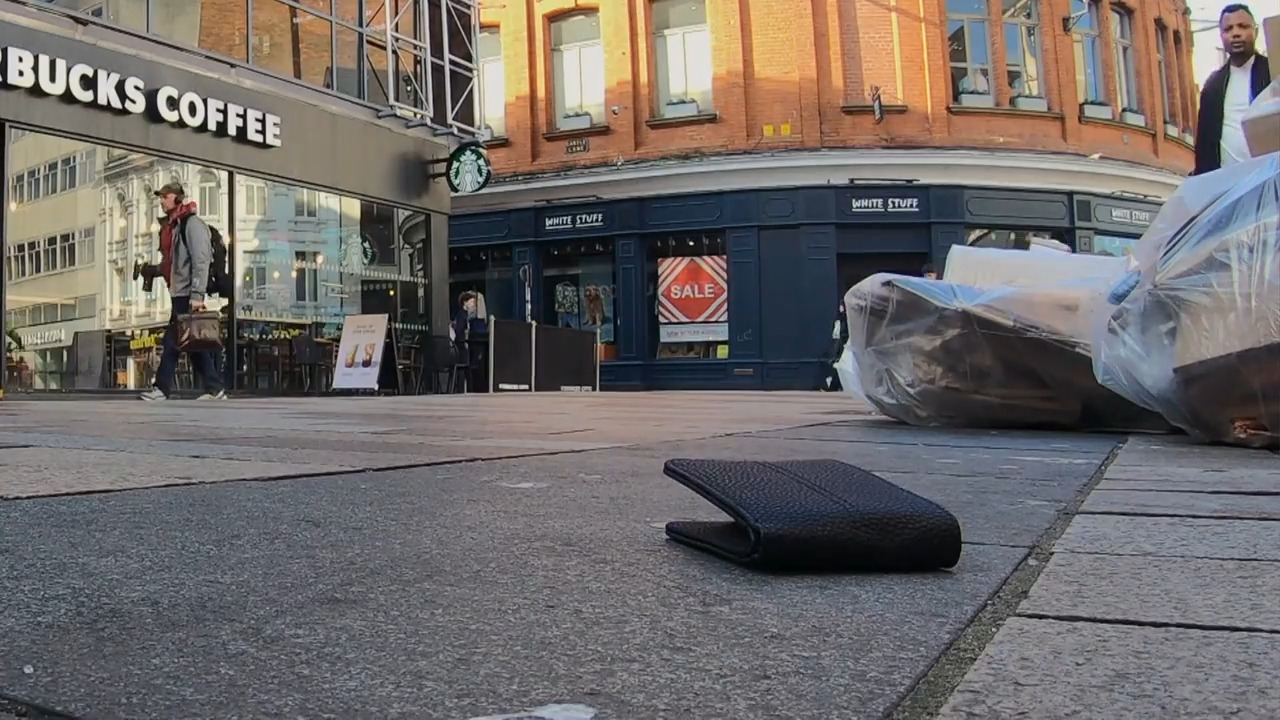
In Belfast, Northern Ireland, researchers tried a simple but revealing experiment: they “lost” ten wallets around the city to see how people would respond. Each wallet had a little cash inside and a card showing how to return it to the owner.
Why does this matter? Scientists who study happiness say that how much people trust strangers — and how often strangers act kindly — is a big clue to how happy a place is overall. It turns out that things like strong communities, helping others, and even sharing meals can matter almost as much as money or jobs when it comes to well-being.
So the real question isn’t just how many wallets were returned — it’s what those choices say about how people treat each other, and how that shapes everyday happiness.
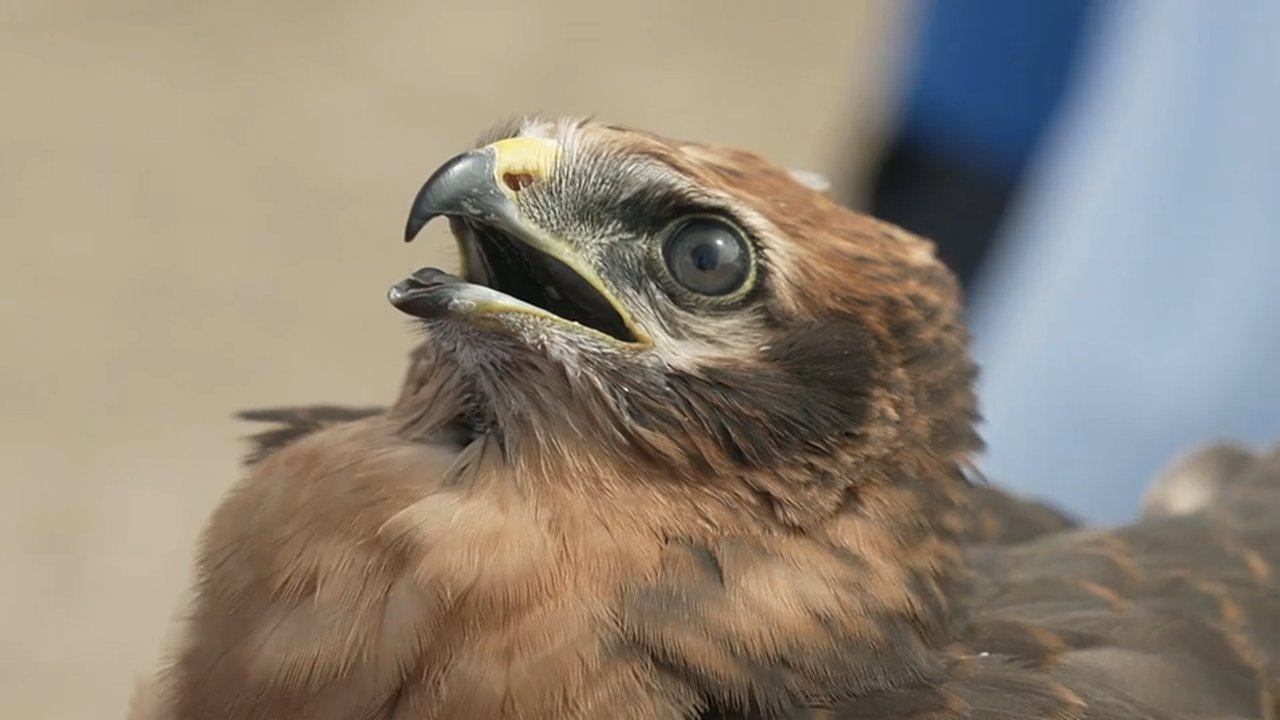
Imagine catching your lunch as it falls out of the sky. For Montagu’s harriers, that’s just how dinner works. The male hunts, flies back toward the nest, and drops his catch in midair. The female swoops up and grabs it before it hits the ground. Birdwatchers call this the “food pass,” and it’s one of the most impressive things you’ll see a bird do.
Very few people in Britain get to see it, though. Montagu’s harriers are so rare there that wildlife experts keep the locations of their nests secret. That’s to protect them from people who might disturb the birds or steal their eggs. The population is in serious trouble: for five years in a row, not a single pair of harriers raised chicks anywhere in the UK (the United Kingdom, made up of England, Scotland, Wales, and Northern Ireland).
Secrecy isn’t enough, because harriers have an unusual habit for a bird of prey. They build their nests on the ground, hidden in fields of crops like wheat and barley. Climate change is making crops ripen earlier in the year, so farmers harvest sooner. That means the chicks may not be able to fly yet when the combine harvesters come through. To help, farmers are teaming up with the RSPB (the Royal Society for the Protection of Birds, a major British wildlife charity). They put fences around the nests and leave a patch of crops standing until the young birds can fly.
Surviving the harvest is only the first challenge. Soon after, the harriers leave Britain and fly south for the winter. Scientists already know the adults travel thousands of miles to West Africa, to countries such as Senegal and Mali, on the southern edge of the Sahara Desert. What they don’t know is which route the young birds take on their first trip. To find out, researchers have fitted two chicks with tiny satellite trackers. Every flap of the way, the data will help show how these young birds handle one of the toughest journeys in the animal kingdom.
In The Go Jetters Travel Down Giant's Causeway, the Go Jetters crew shares some rockin’ facts about the Giant’s Causeway in Northern Ireland! This cool place is home to seabirds that dive and nest on the cliffs. People once believed giants built this rocky road, but the real story? It’s all thanks to super-hot lava that cooled into amazing shapes — talk about a giant surprise! This video is excerpted from BBC’s Go Jetters, a series that follows the adventures of four plucky international heroes as they travel the globe visiting the world’s most famous landmarks with their friend and mentor, Ubercorn, a disco-dancing unicorn.
Join the Go Jetters on a journey to Northern Ireland’s famous landmark — Giant's Causeway! In this fun worksheet, you'll:
- Discover how volcanic activity shaped this World Heritage Site.
- Locate Giant's Causeway on a map.
- Practice hexagonal patterns.
- Identify seabirds.
In Belfast, Northern Ireland, researchers tried a simple but revealing experiment: they “lost” ten wallets around the city to see how people would respond. Each wallet had a little cash inside and a card showing how to return it to the owner.
Why does this matter? Scientists who study happiness say that how much people trust strangers — and how often strangers act kindly — is a big clue to how happy a place is overall. It turns out that things like strong communities, helping others, and even sharing meals can matter almost as much as money or jobs when it comes to well-being.
So the real question isn’t just how many wallets were returned — it’s what those choices say about how people treat each other, and how that shapes everyday happiness.
Imagine catching your lunch as it falls out of the sky. For Montagu’s harriers, that’s just how dinner works. The male hunts, flies back toward the nest, and drops his catch in midair. The female swoops up and grabs it before it hits the ground. Birdwatchers call this the “food pass,” and it’s one of the most impressive things you’ll see a bird do.
Very few people in Britain get to see it, though. Montagu’s harriers are so rare there that wildlife experts keep the locations of their nests secret. That’s to protect them from people who might disturb the birds or steal their eggs. The population is in serious trouble: for five years in a row, not a single pair of harriers raised chicks anywhere in the UK (the United Kingdom, made up of England, Scotland, Wales, and Northern Ireland).
Secrecy isn’t enough, because harriers have an unusual habit for a bird of prey. They build their nests on the ground, hidden in fields of crops like wheat and barley. Climate change is making crops ripen earlier in the year, so farmers harvest sooner. That means the chicks may not be able to fly yet when the combine harvesters come through. To help, farmers are teaming up with the RSPB (the Royal Society for the Protection of Birds, a major British wildlife charity). They put fences around the nests and leave a patch of crops standing until the young birds can fly.
Surviving the harvest is only the first challenge. Soon after, the harriers leave Britain and fly south for the winter. Scientists already know the adults travel thousands of miles to West Africa, to countries such as Senegal and Mali, on the southern edge of the Sahara Desert. What they don’t know is which route the young birds take on their first trip. To find out, researchers have fitted two chicks with tiny satellite trackers. Every flap of the way, the data will help show how these young birds handle one of the toughest journeys in the animal kingdom.