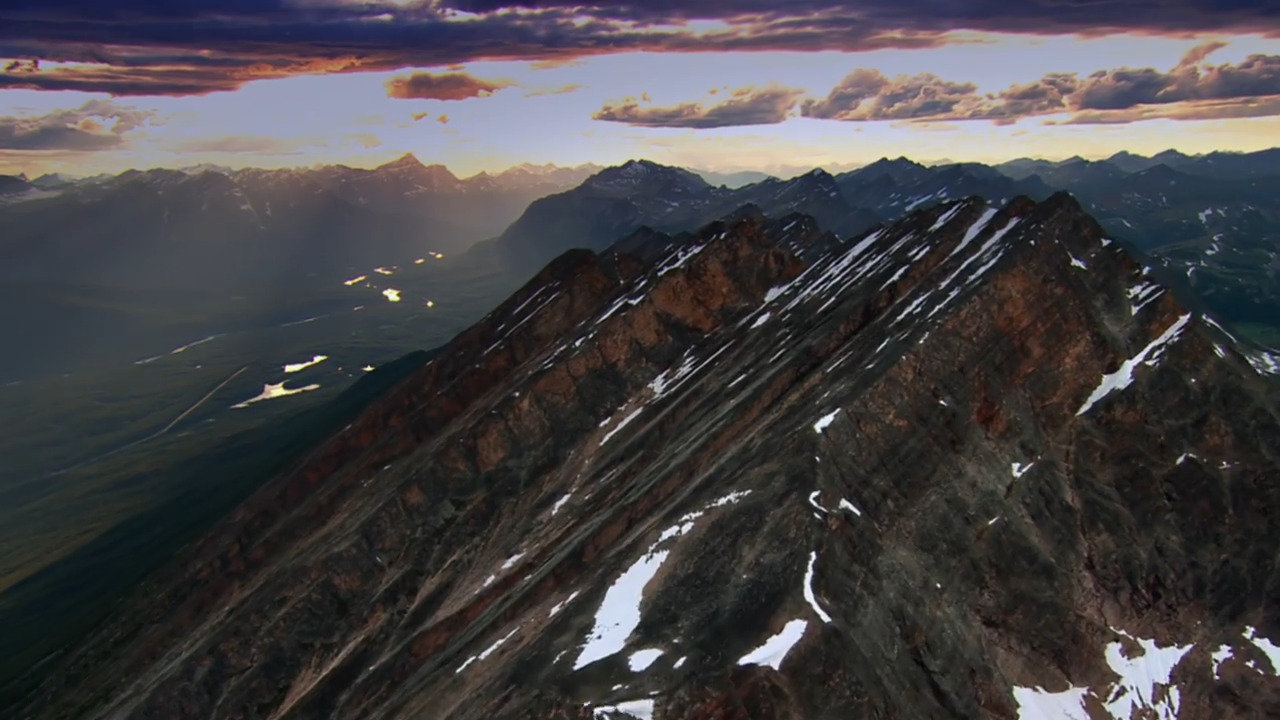
In The Rocky Mountains of North America, narrator Douglas Henshall highlights the dynamic landscape of the Rockies. From the American Southwest to the Yukon, this extreme environment offers freedom, but also requires its inhabitants to have exceptional survival skills. This video is excerpted from BBC’s Mountains: Life Above the Clouds, which showcases wildlife thriving in the world's highest mountains.
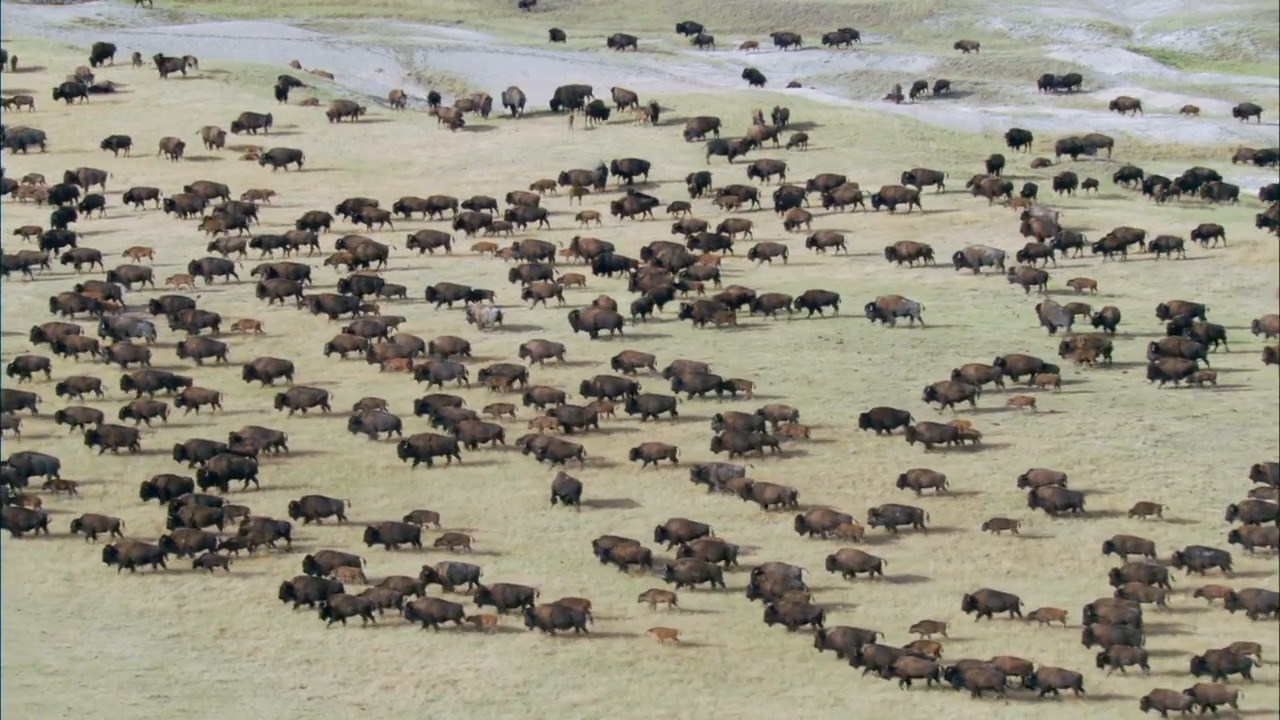
In The Bison of North America, narrator Sir David Attenborough looks at the hunting of bison on the prairies. Bison numbers on the prairies dropped from 60 million to barely a thousand because of people hunting them and destroying their habitat. Thanks to rigorous protection, numbers are now recovering. This video is excerpted from BBC's Planet Earth, a breathtaking documentary series that highlights the natural wonders of our planet.
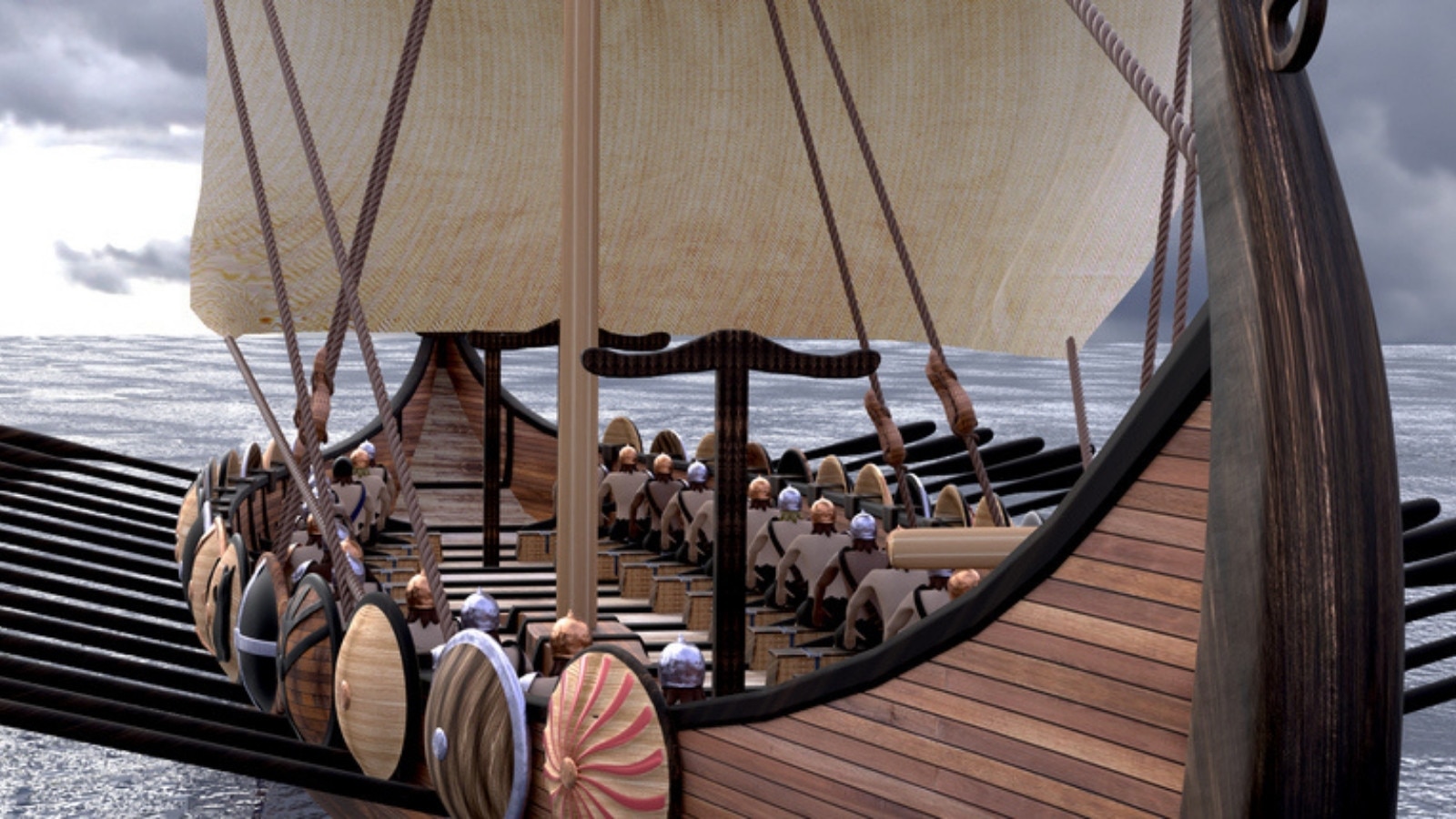
The article "Leif Erikson: The Viking Who Sailed to America" from BBC's HistoryExtra explores the Norse explorer’s journey across the Atlantic nearly 500 years before Columbus.
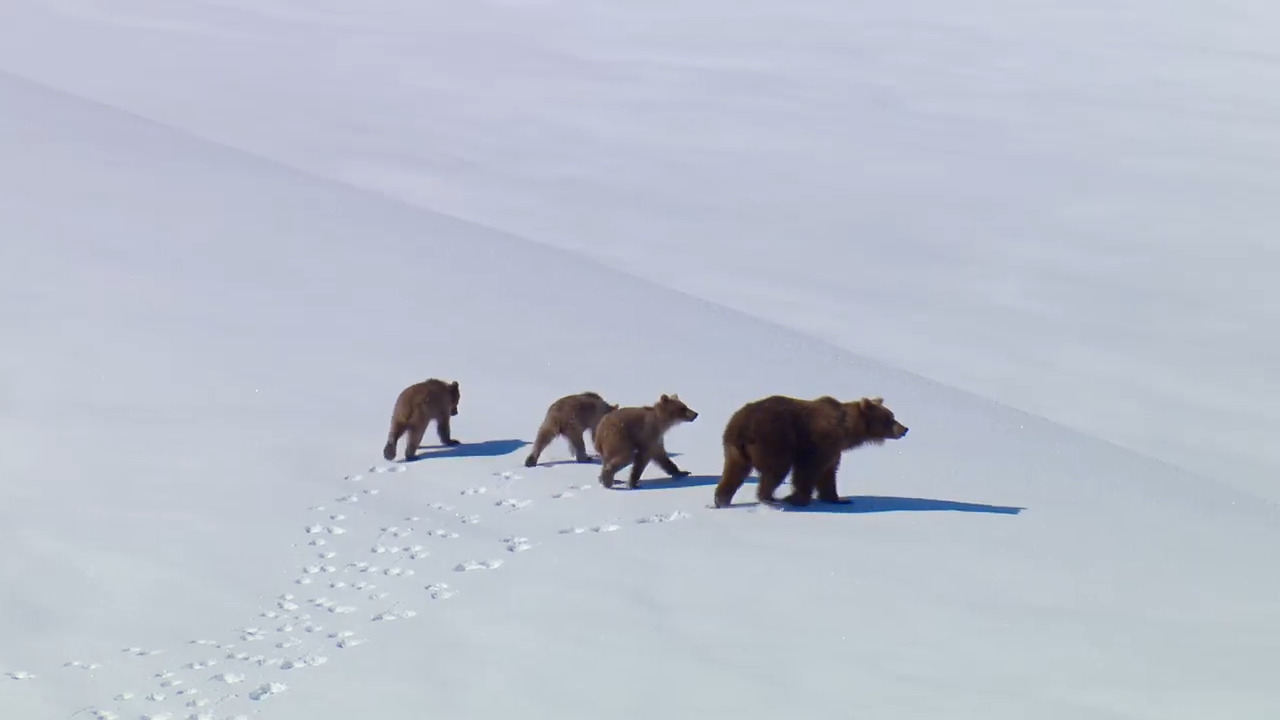
In How Grizzly Bears Survive in the Mountains, narrator Sir David Attenborough explores an avalanche tumbling down a mountainside in North America. Grizzly bears coming out of hibernation must move quickly to the safer valley, where they will gorge themselves during spring and summer. Learn about how they also rub against trees to shed winter fur and spread their scent. This video is excerpted from BBC’s Planet Earth II, a breathtaking documentary series that highlights the natural wonders of our planet.
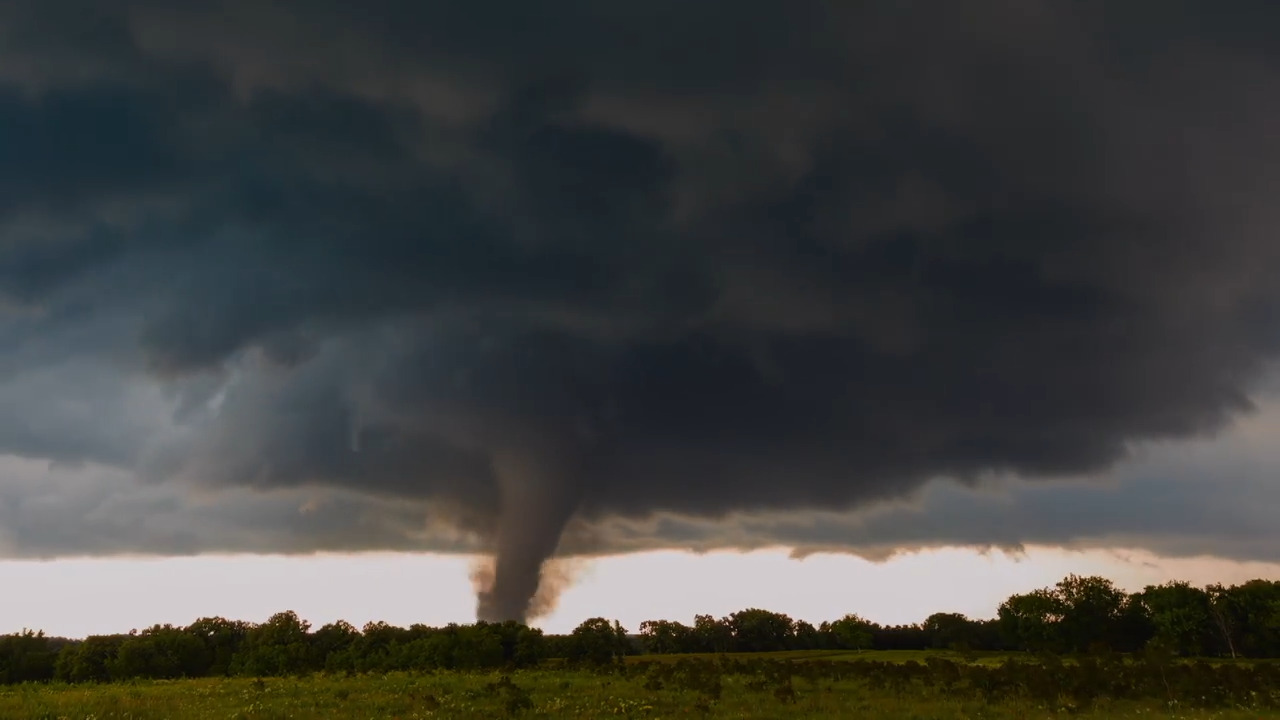
In Twisters in the Great Plains, learn how when warm air from the Gulf of Mexico meets cold air from the Arctic, it results in tornadoes that spin at speeds of over 300 miles an hour. Over a thousand tornadoes touch down in the Great Plains each year. This video is excerpted from BBC’s Seven Worlds, One Planet, a series featuring remarkable animal behavior from all seven continents.
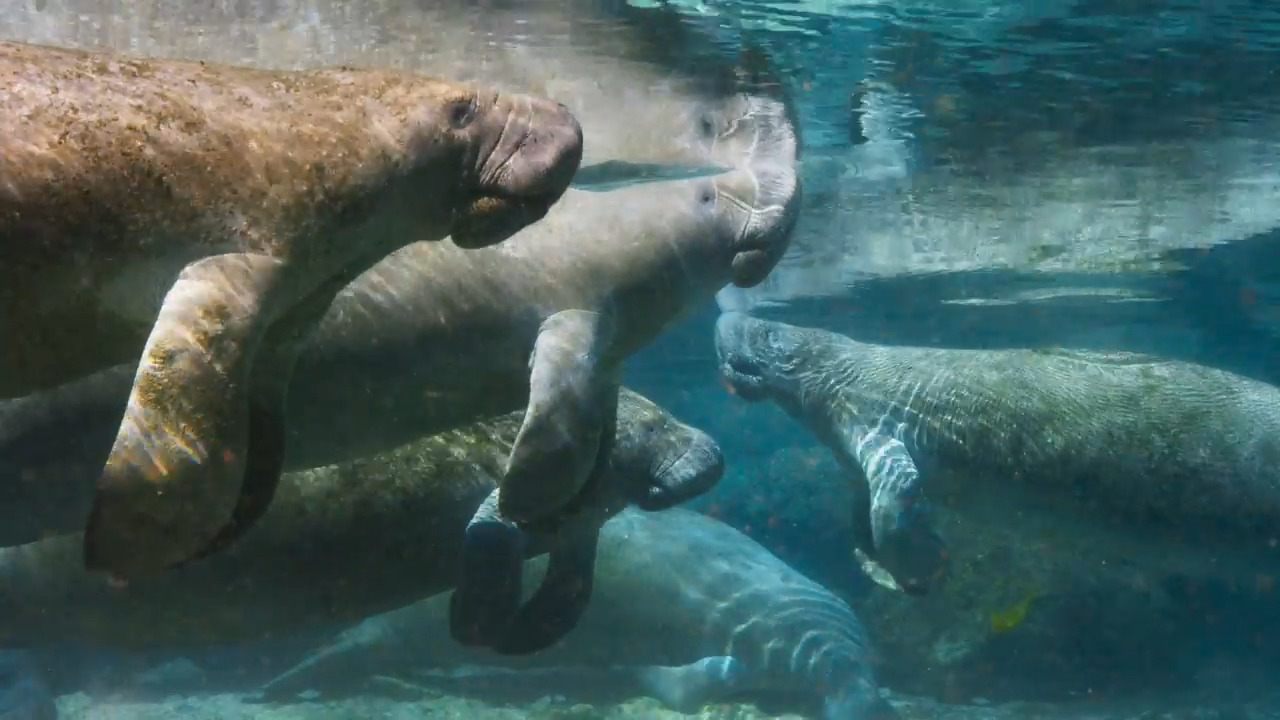
In Florida Manatees in Warm Springs, meet the manatees that are traveling to the warm spring waters in Florida. Unfortunately, these warm waters are popular with humans too, resulting in loss of wilderness and unintentional harm to the manatees. This video is excerpted from BBC’s Seven Worlds, One Planet, a series featuring remarkable animal behavior from all seven continents.
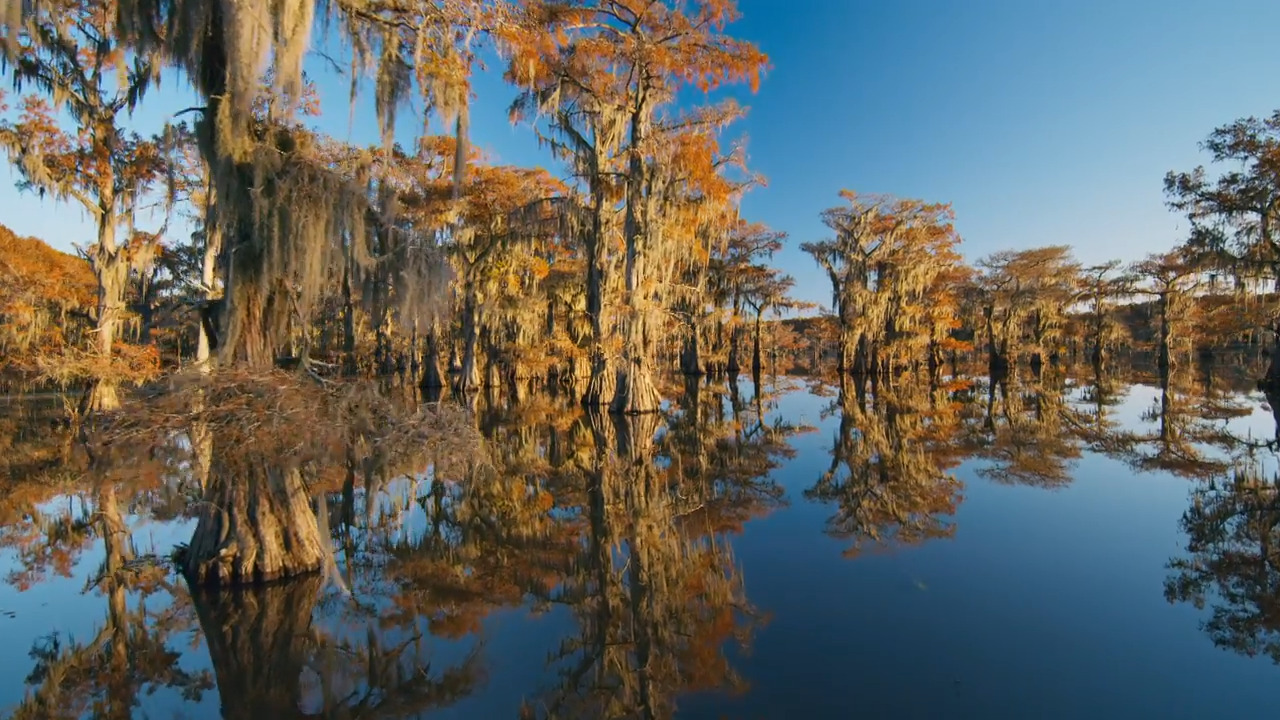
In A Fall Chill in Southern Swamps, learn how American alligators adjust to the colder fall weather in the Southern swamps. Watch a manatee and her calf setting off on a journey to warmer waters. This video is excerpted from BBC’s Seven Worlds, One Planet, a series featuring remarkable animal behavior from all seven continents.
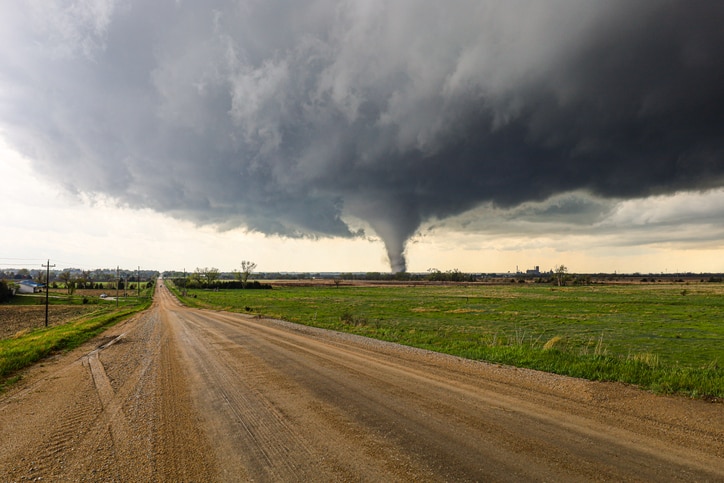
This BBC weather videos collection, featuring unforgettable moments from Blue Planet, Blue Planet II, and other acclaimed series, takes you into hurricanes, tornadoes, blizzards, and other powerful weather events. See what happens when winds intensify, temperatures plunge, and storms transform landscapes in a matter of hours.
Discover the atmospheric conditions that can produce extreme weather and explore how these events affect ecosystems, wildlife, and people. Watch animals respond to rapidly changing conditions, see how powerful storms reshape environments, and uncover the science scientists use to understand and track severe weather.
From swirling winds to driving snow and towering storms, these BBC videos reveal the forces behind some of Earth’s most dramatic weather — and the extraordinary power of our constantly changing atmosphere.
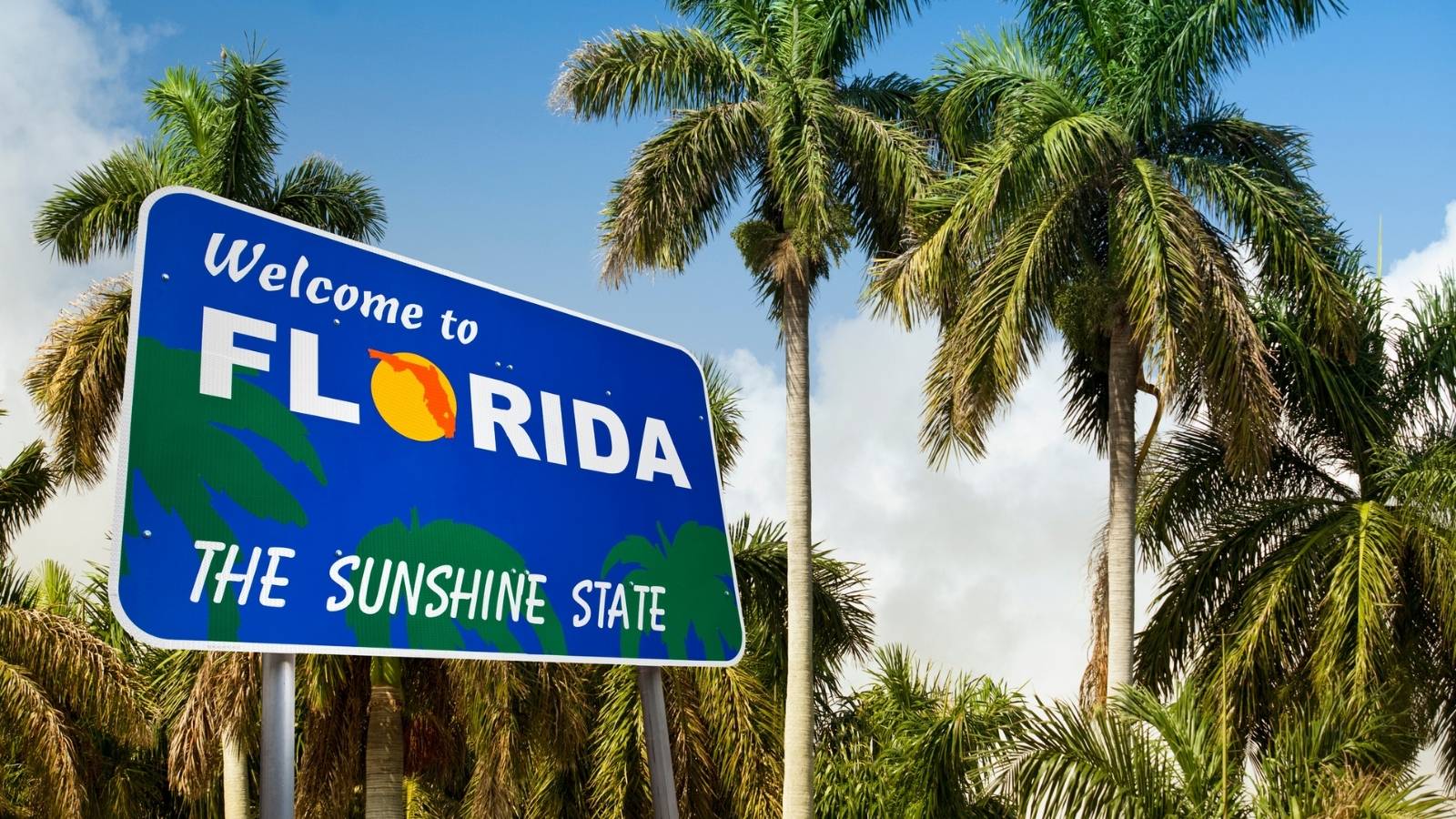
Travel from Florida’s crystal-clear freshwater springs to the warm, shallow waters of Florida Bay. Watch manatees gather in springs to stay warm during the cooler winter months, and see dolphins work together, using clever hunting techniques to catch fish.
Along the way, discover how Florida’s water, weather, and habitats create homes for an amazing variety of wildlife. See how animals depend on healthy rivers, springs, wetlands, and coastal ecosystems for food, shelter, and places to raise their young.
These BBC clips offer a closer look at Florida’s remarkable wildlife and the connections that hold its ecosystems together. Dive in to discover what makes the Sunshine State so wild — and why protecting its habitats matters.
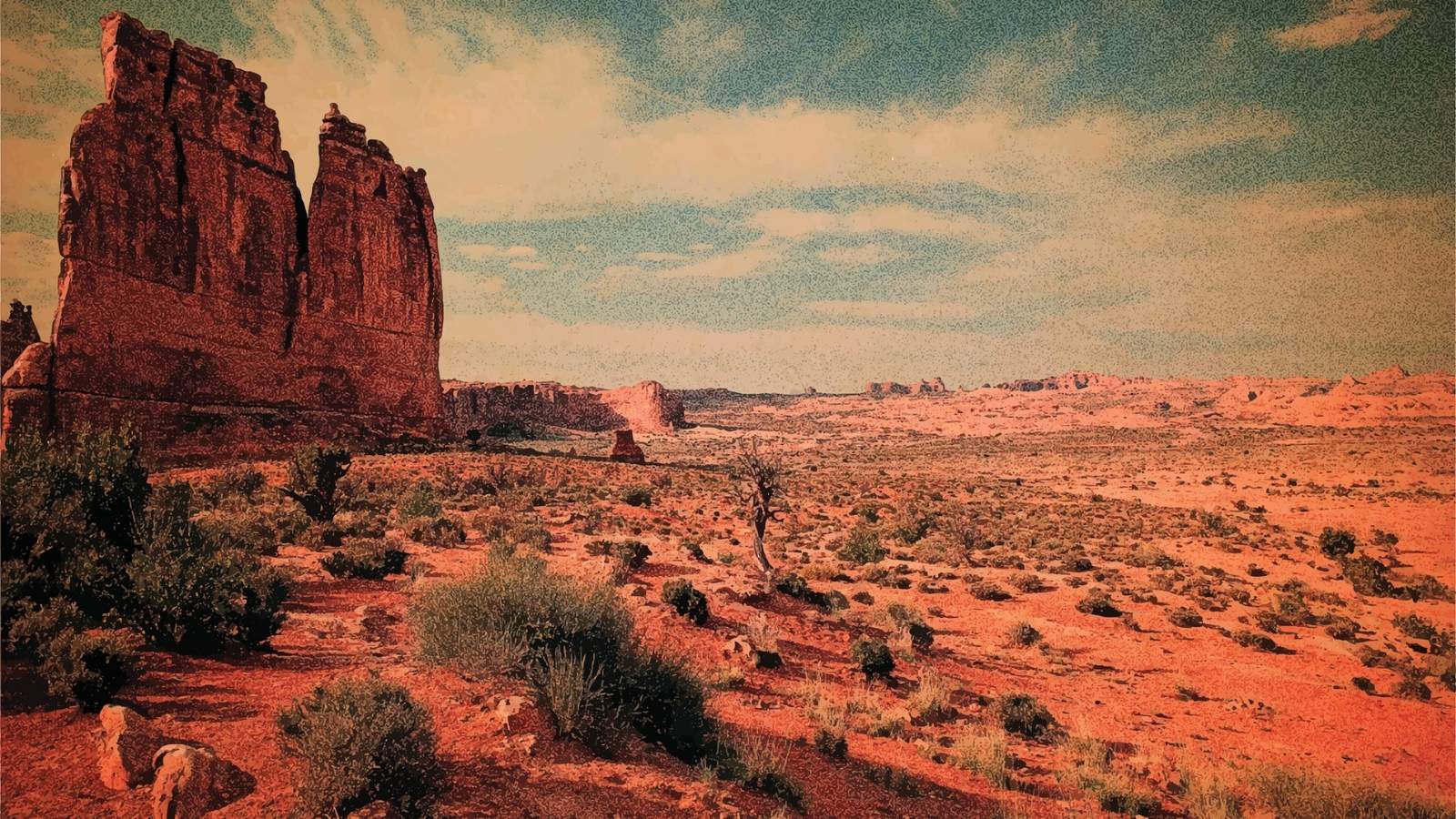
Explore the striking red rock formations of Arches National Park in Utah, travel among the majestic peaks of the Rocky Mountains, and stand beneath some of the tallest and oldest trees on Earth in California’s redwood forests. Along the way, encounter wildlife such as grizzly bears and bobcats and discover how animals have adapted to life in dramatically different environments.
See why ancient forests are so important, how people are working to protect threatened habitats, and what happens when changing conditions put pressure on wildlife and ecosystems. Discover how climate change is reshaping some of these landscapes and the challenges facing the plants and animals that depend on them.
From desert arches to giant trees and rugged mountain peaks, these BBC clips reveal the incredible variety of America’s natural landscapes — and why these wild places are worth understanding and protecting.
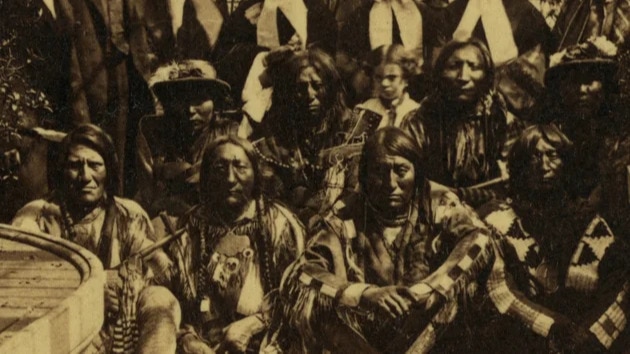
Long before the U.S. Constitution was written, five nations in what is now New York State had agreed to govern together under a shared set of laws. That story, the Haudenosaunee (Iroquois) Confederacy, is where this Kahoot! begins. From there, it moves across North America and through time: the cliff dwellings Ancestral Puebloans built into the canyon walls of Mesa Verde, the forced removal of the Cherokee along the Trail of Tears, the effort to bring buffalo back to the Great Plains, and the lives of First Nations, Métis, and Inuit communities in Canada today. Some answers may surprise you, and some will change how you think about history you thought you knew.
Teachers: Use it to open or review a unit on Indigenous history, government, or human rights, or pair it with the rest of the Indigenous Peoples Around the World Kahoot! course.
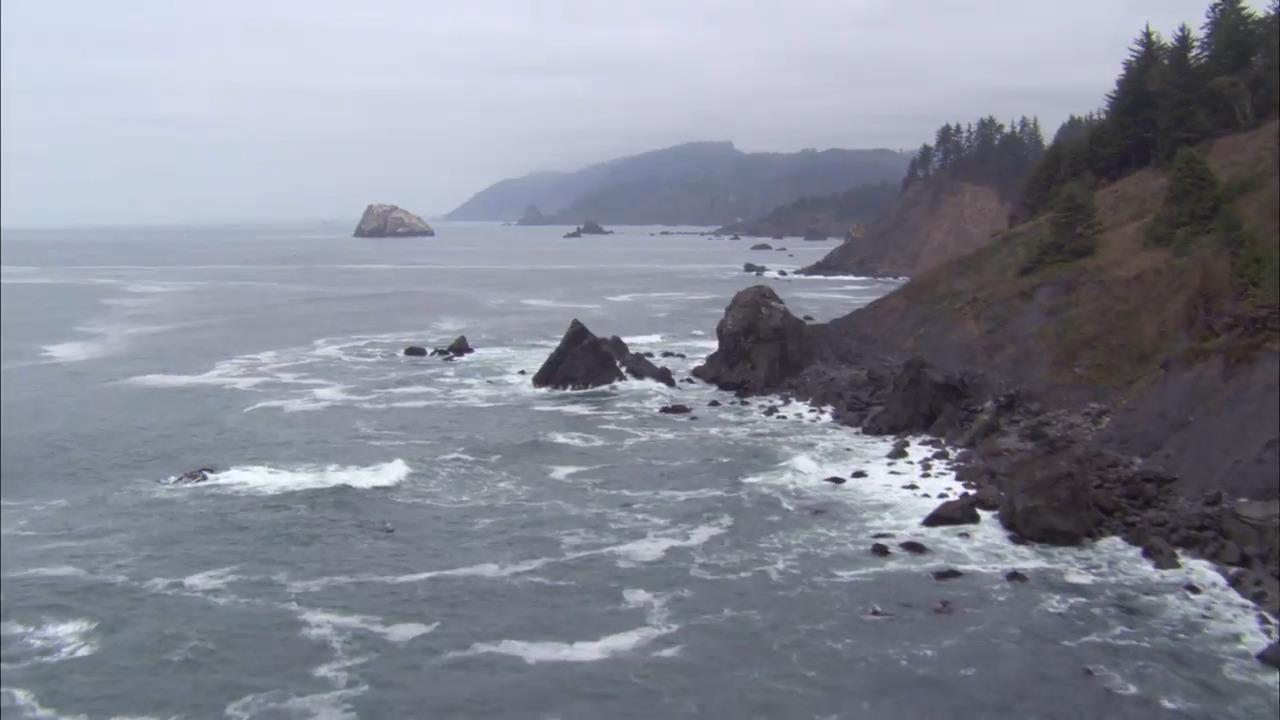
In The Giant Conifers of the Pacific Coast of North America, narrator Sir David Attenborough explains how time and sunlight have resulted in some of the largest and oldest living things on Earth. Giant conifers can absorb moisture from fog to survive dry times and thrive here. This video is excerpted from BBC's Planet Earth, a breathtaking documentary series that highlights the natural wonders of our planet.
In The Rocky Mountains of North America, narrator Douglas Henshall highlights the dynamic landscape of the Rockies. From the American Southwest to the Yukon, this extreme environment offers freedom, but also requires its inhabitants to have exceptional survival skills. This video is excerpted from BBC’s Mountains: Life Above the Clouds, which showcases wildlife thriving in the world's highest mountains.
In The Bison of North America, narrator Sir David Attenborough looks at the hunting of bison on the prairies. Bison numbers on the prairies dropped from 60 million to barely a thousand because of people hunting them and destroying their habitat. Thanks to rigorous protection, numbers are now recovering. This video is excerpted from BBC's Planet Earth, a breathtaking documentary series that highlights the natural wonders of our planet.
The article "Leif Erikson: The Viking Who Sailed to America" from BBC's HistoryExtra explores the Norse explorer’s journey across the Atlantic nearly 500 years before Columbus.
In How Grizzly Bears Survive in the Mountains, narrator Sir David Attenborough explores an avalanche tumbling down a mountainside in North America. Grizzly bears coming out of hibernation must move quickly to the safer valley, where they will gorge themselves during spring and summer. Learn about how they also rub against trees to shed winter fur and spread their scent. This video is excerpted from BBC’s Planet Earth II, a breathtaking documentary series that highlights the natural wonders of our planet.
In Twisters in the Great Plains, learn how when warm air from the Gulf of Mexico meets cold air from the Arctic, it results in tornadoes that spin at speeds of over 300 miles an hour. Over a thousand tornadoes touch down in the Great Plains each year. This video is excerpted from BBC’s Seven Worlds, One Planet, a series featuring remarkable animal behavior from all seven continents.
In Florida Manatees in Warm Springs, meet the manatees that are traveling to the warm spring waters in Florida. Unfortunately, these warm waters are popular with humans too, resulting in loss of wilderness and unintentional harm to the manatees. This video is excerpted from BBC’s Seven Worlds, One Planet, a series featuring remarkable animal behavior from all seven continents.
In A Fall Chill in Southern Swamps, learn how American alligators adjust to the colder fall weather in the Southern swamps. Watch a manatee and her calf setting off on a journey to warmer waters. This video is excerpted from BBC’s Seven Worlds, One Planet, a series featuring remarkable animal behavior from all seven continents.
This BBC weather videos collection, featuring unforgettable moments from Blue Planet, Blue Planet II, and other acclaimed series, takes you into hurricanes, tornadoes, blizzards, and other powerful weather events. See what happens when winds intensify, temperatures plunge, and storms transform landscapes in a matter of hours.
Discover the atmospheric conditions that can produce extreme weather and explore how these events affect ecosystems, wildlife, and people. Watch animals respond to rapidly changing conditions, see how powerful storms reshape environments, and uncover the science scientists use to understand and track severe weather.
From swirling winds to driving snow and towering storms, these BBC videos reveal the forces behind some of Earth’s most dramatic weather — and the extraordinary power of our constantly changing atmosphere.
Travel from Florida’s crystal-clear freshwater springs to the warm, shallow waters of Florida Bay. Watch manatees gather in springs to stay warm during the cooler winter months, and see dolphins work together, using clever hunting techniques to catch fish.
Along the way, discover how Florida’s water, weather, and habitats create homes for an amazing variety of wildlife. See how animals depend on healthy rivers, springs, wetlands, and coastal ecosystems for food, shelter, and places to raise their young.
These BBC clips offer a closer look at Florida’s remarkable wildlife and the connections that hold its ecosystems together. Dive in to discover what makes the Sunshine State so wild — and why protecting its habitats matters.
Explore the striking red rock formations of Arches National Park in Utah, travel among the majestic peaks of the Rocky Mountains, and stand beneath some of the tallest and oldest trees on Earth in California’s redwood forests. Along the way, encounter wildlife such as grizzly bears and bobcats and discover how animals have adapted to life in dramatically different environments.
See why ancient forests are so important, how people are working to protect threatened habitats, and what happens when changing conditions put pressure on wildlife and ecosystems. Discover how climate change is reshaping some of these landscapes and the challenges facing the plants and animals that depend on them.
From desert arches to giant trees and rugged mountain peaks, these BBC clips reveal the incredible variety of America’s natural landscapes — and why these wild places are worth understanding and protecting.
Long before the U.S. Constitution was written, five nations in what is now New York State had agreed to govern together under a shared set of laws. That story, the Haudenosaunee (Iroquois) Confederacy, is where this Kahoot! begins. From there, it moves across North America and through time: the cliff dwellings Ancestral Puebloans built into the canyon walls of Mesa Verde, the forced removal of the Cherokee along the Trail of Tears, the effort to bring buffalo back to the Great Plains, and the lives of First Nations, Métis, and Inuit communities in Canada today. Some answers may surprise you, and some will change how you think about history you thought you knew.
Teachers: Use it to open or review a unit on Indigenous history, government, or human rights, or pair it with the rest of the Indigenous Peoples Around the World Kahoot! course.
In The Giant Conifers of the Pacific Coast of North America, narrator Sir David Attenborough explains how time and sunlight have resulted in some of the largest and oldest living things on Earth. Giant conifers can absorb moisture from fog to survive dry times and thrive here. This video is excerpted from BBC's Planet Earth, a breathtaking documentary series that highlights the natural wonders of our planet.