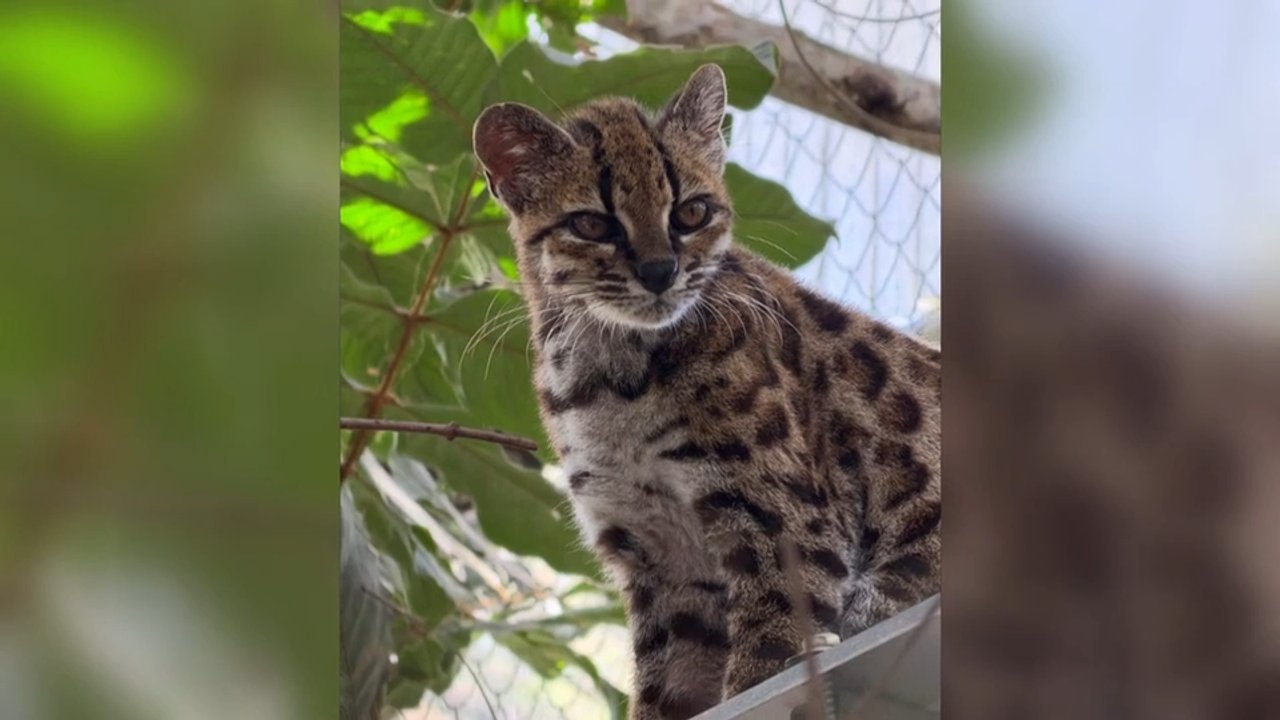
For about ten years, a small wild cat named Tigrino has lived at a wildlife sanctuary in Bolivia, a country in South America. He was found in a forest when he was young, and at first people took him for an ordinary kitten.
He was later thought to be a tiger cat. Despite the name, tiger cats are not tigers: they are small, spotted wildcats that live across South America. Then scientists tested Tigrino’s DNA, and it did not match any known species. He belongs to one that science had never formally named, now called the tilcayo, the name local communities already used. It is the first new living cat species to be named in more than a century.
The mix-up is easy to understand. Tiger cats look so alike that even experts struggle to tell them apart, and the tilcayo is smaller than a pet cat, at about 46 cm long and 1.4 kg. By comparing DNA from 38 cats, the researchers found that tiger cats are really five separate species.
Researchers say the discovery shows that unknown species can be hiding in plain sight. They also hope it brings attention to small wildcats. Big cats such as lions and leopards get most of the public’s interest, but smaller species face many of the same threats. The tilcayo’s cloud forest home is already under pressure from forest clearing, fires, and mining.
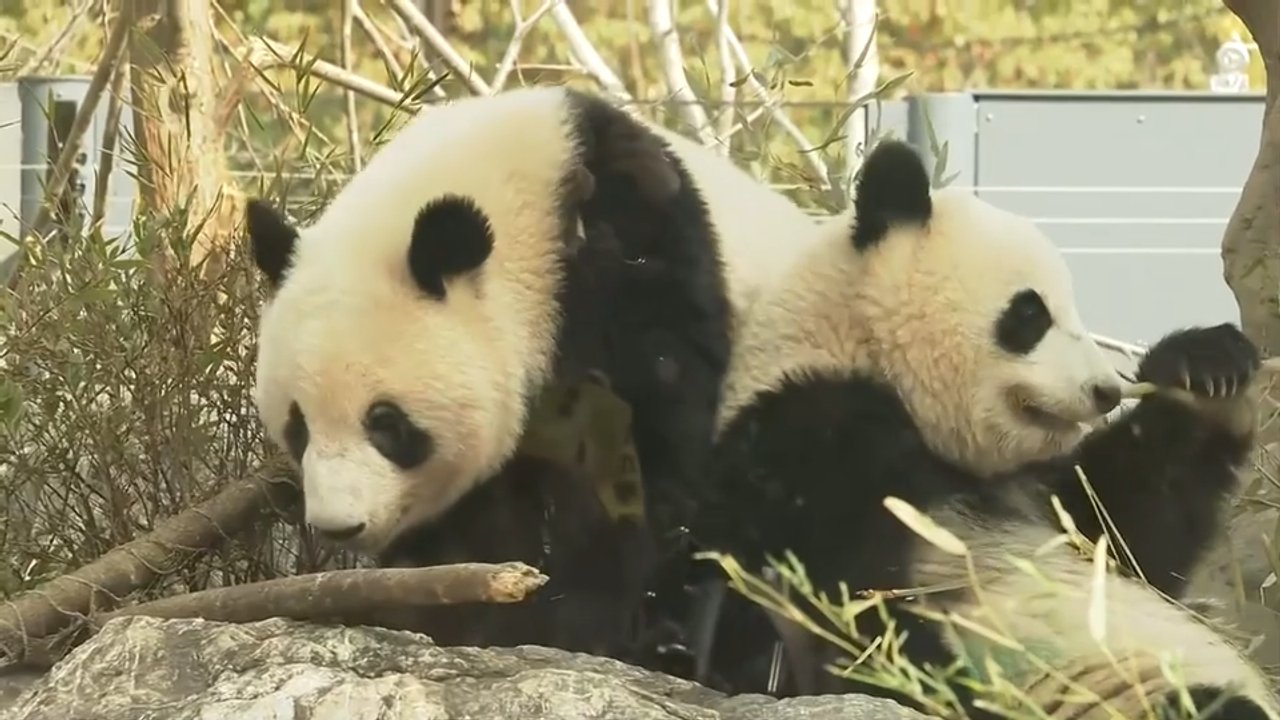
At the start of 2026, Tokyo’s Ueno Zoo said goodbye to two of its most famous residents: twin giant pandas Xiao Xiao and Lei Lei.
The twins were born at the zoo in 2021 and quickly became stars. In their final weeks in Japan, so many families wanted to see them that visitors were picked by lottery.
The pandas were always meant to go back to China. China doesn’t sell or give away its giant pandas. It lends them to other countries, and the loans often depend on how well the two governments get along. This is known as “panda diplomacy.”
The twins left at a tense moment. Relations between China and Japan worsened after Japan’s new prime minister made comments about Taiwan, an island that governs itself but that China claims as part of its territory.
Now, for the first time since 1972, Japan has no giant pandas. That date matters. 1972 was the year Japan and China restored official relations, and China marked it by sending Japan its first pair of pandas. Japan would like more pandas, but officials say a new loan looks unlikely for now.
So the pandas are home in China, and Japan is waiting for a reply.
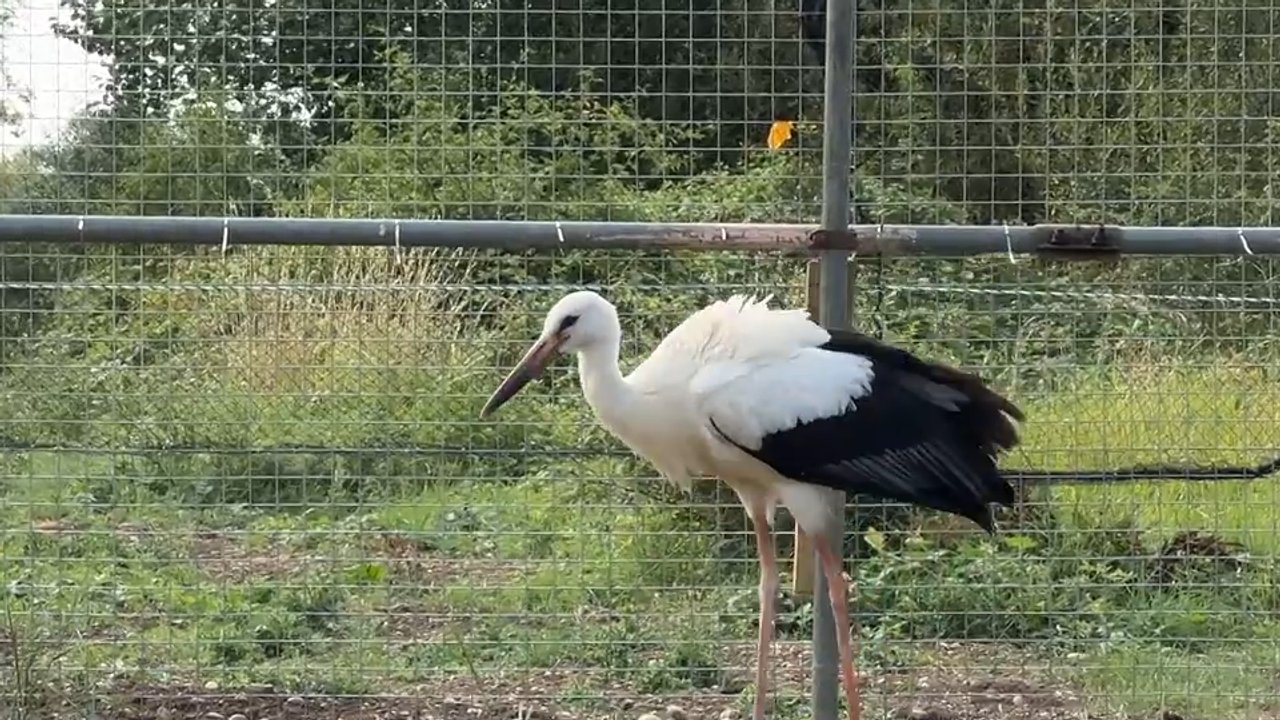
Big news for bird lovers: white storks have returned to Willington Wetlands near Derby, England, for the first time in 600 years.
Just how long is 600 years? Long enough that if the storks had stuck around, they could have watched every Harry Potter movie back-to-back more than 2.5 million times — with plenty of bathroom breaks left over. In American terms, storks disappeared from this area around the time Christopher Columbus was still a kid, decades before he ever sailed to the Americas.
Storks used to be a common sight across the UK, kind of like how you might spot herons, egrets, or bald eagles near lakes and rivers in North America. But they disappeared centuries ago — and now conservationists are trying to bring them back.
Three New Arrivals
Earlier this year, three young storks — one male and two females — hatched and grew to full adult size in just about 12 weeks (for comparison, humans take about 18 years). They've now been moved into a specially built enclosure at the wetlands, complete with its own pond, and have already started exploring their new digs.
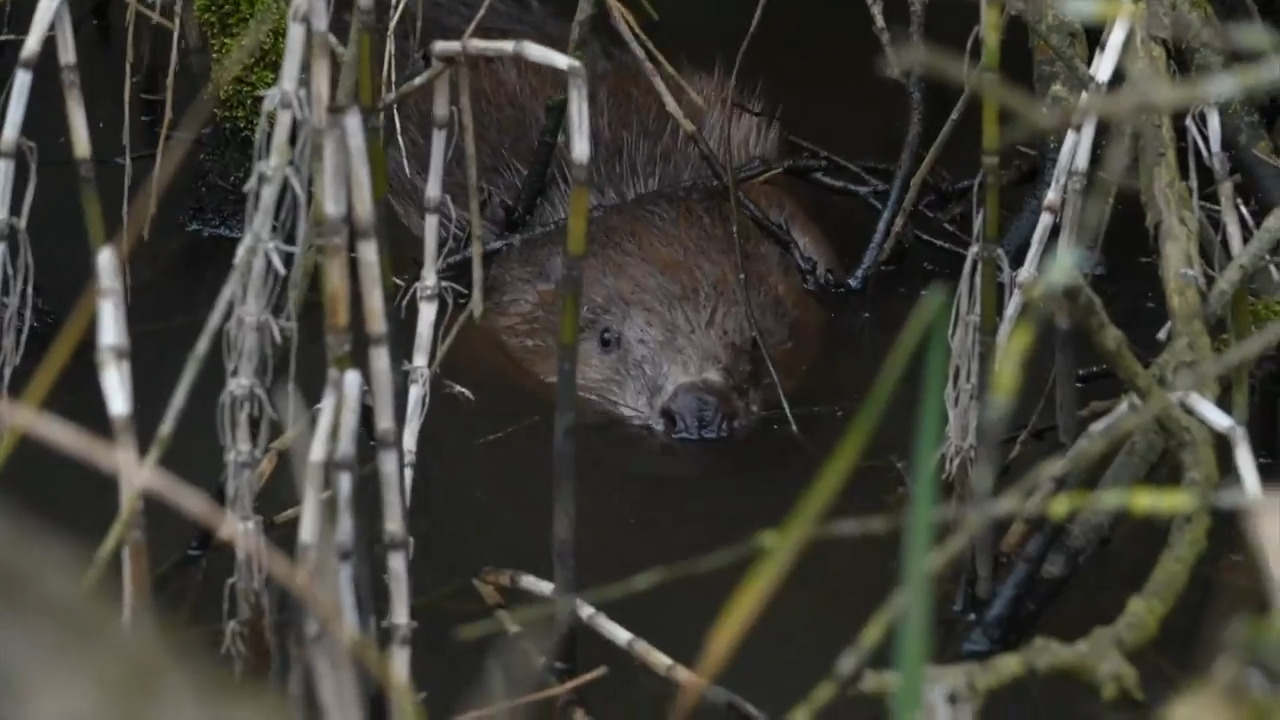
Ever think you would celebrate the return of a dog-sized rodent?! You might, if those rodents were the beavers making their way to the wetlands in Shropshire. Until recently, the area had spent its last 400 years beaver-less, after hunters depleted the beaver population for fur, meat, and scent glands.
Now, the county is excited to welcome a pair of beavers that was transported all the way from Scotland — that’s 300 miles! But why go through all of this trouble just to bring beavers back? Beavers’ list of strengths include helping to control water, creating new habitats for other creatures, managing willow tree scrub that’s drying out the surroundings, and being pretty darn cute.
For about ten years, a small wild cat named Tigrino has lived at a wildlife sanctuary in Bolivia, a country in South America. He was found in a forest when he was young, and at first people took him for an ordinary kitten.
He was later thought to be a tiger cat. Despite the name, tiger cats are not tigers: they are small, spotted wildcats that live across South America. Then scientists tested Tigrino’s DNA, and it did not match any known species. He belongs to one that science had never formally named, now called the tilcayo, the name local communities already used. It is the first new living cat species to be named in more than a century.
The mix-up is easy to understand. Tiger cats look so alike that even experts struggle to tell them apart, and the tilcayo is smaller than a pet cat, at about 46 cm long and 1.4 kg. By comparing DNA from 38 cats, the researchers found that tiger cats are really five separate species.
Researchers say the discovery shows that unknown species can be hiding in plain sight. They also hope it brings attention to small wildcats. Big cats such as lions and leopards get most of the public’s interest, but smaller species face many of the same threats. The tilcayo’s cloud forest home is already under pressure from forest clearing, fires, and mining.
At the start of 2026, Tokyo’s Ueno Zoo said goodbye to two of its most famous residents: twin giant pandas Xiao Xiao and Lei Lei.
The twins were born at the zoo in 2021 and quickly became stars. In their final weeks in Japan, so many families wanted to see them that visitors were picked by lottery.
The pandas were always meant to go back to China. China doesn’t sell or give away its giant pandas. It lends them to other countries, and the loans often depend on how well the two governments get along. This is known as “panda diplomacy.”
The twins left at a tense moment. Relations between China and Japan worsened after Japan’s new prime minister made comments about Taiwan, an island that governs itself but that China claims as part of its territory.
Now, for the first time since 1972, Japan has no giant pandas. That date matters. 1972 was the year Japan and China restored official relations, and China marked it by sending Japan its first pair of pandas. Japan would like more pandas, but officials say a new loan looks unlikely for now.
So the pandas are home in China, and Japan is waiting for a reply.
Big news for bird lovers: white storks have returned to Willington Wetlands near Derby, England, for the first time in 600 years.
Just how long is 600 years? Long enough that if the storks had stuck around, they could have watched every Harry Potter movie back-to-back more than 2.5 million times — with plenty of bathroom breaks left over. In American terms, storks disappeared from this area around the time Christopher Columbus was still a kid, decades before he ever sailed to the Americas.
Storks used to be a common sight across the UK, kind of like how you might spot herons, egrets, or bald eagles near lakes and rivers in North America. But they disappeared centuries ago — and now conservationists are trying to bring them back.
Three New Arrivals
Earlier this year, three young storks — one male and two females — hatched and grew to full adult size in just about 12 weeks (for comparison, humans take about 18 years). They've now been moved into a specially built enclosure at the wetlands, complete with its own pond, and have already started exploring their new digs.
Ever think you would celebrate the return of a dog-sized rodent?! You might, if those rodents were the beavers making their way to the wetlands in Shropshire. Until recently, the area had spent its last 400 years beaver-less, after hunters depleted the beaver population for fur, meat, and scent glands.
Now, the county is excited to welcome a pair of beavers that was transported all the way from Scotland — that’s 300 miles! But why go through all of this trouble just to bring beavers back? Beavers’ list of strengths include helping to control water, creating new habitats for other creatures, managing willow tree scrub that’s drying out the surroundings, and being pretty darn cute.